

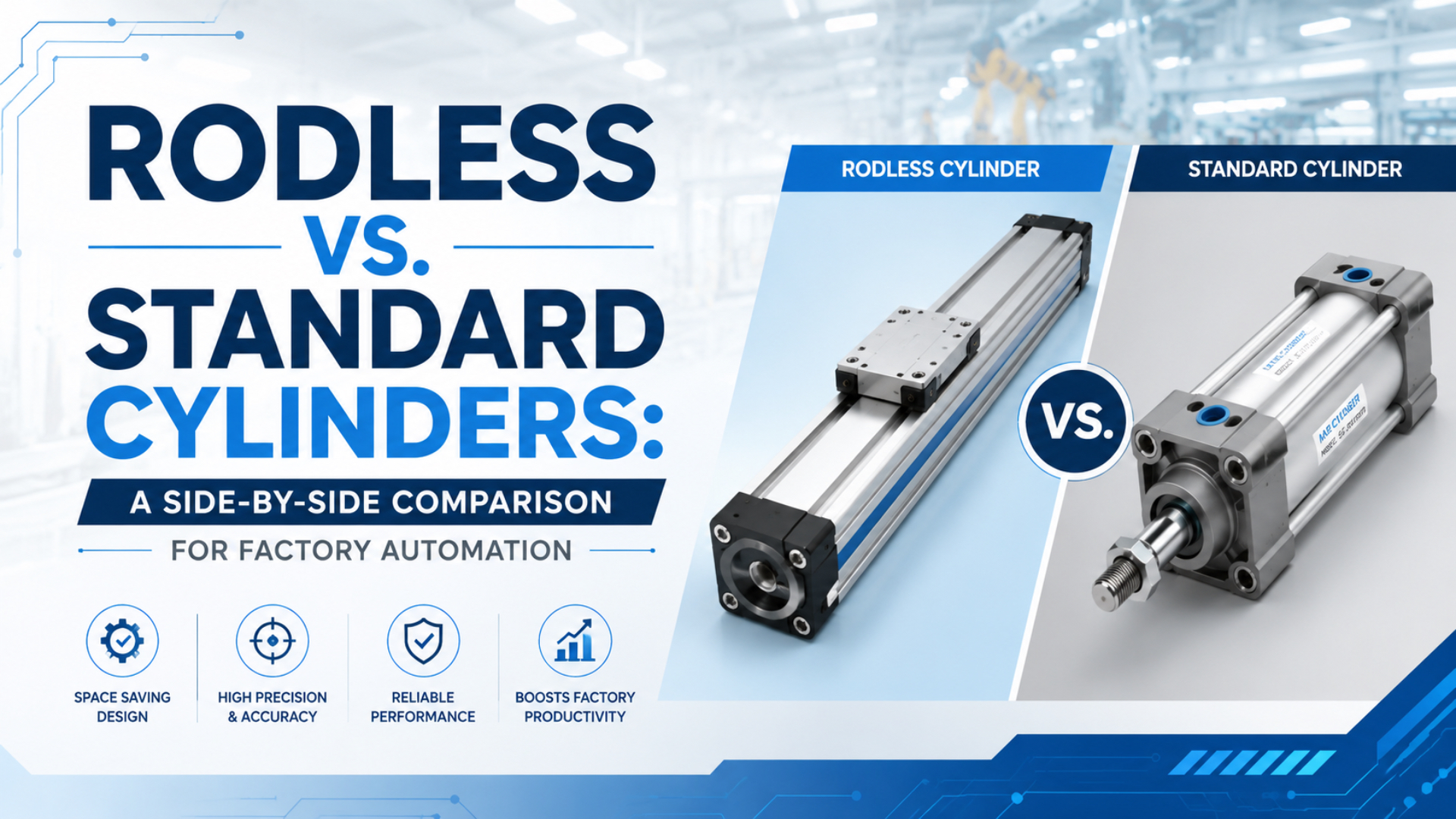
การเลือกระหว่าง rodless cylinder กับ standard cylinder ไม่ควรตัดสินจากราคากระบอกสูบเดี่ยวหรือ bore เดียวกันเท่านั้น สำหรับ factory automation คำถามที่ถูกต้องคือ actuator ใดพอดีกับพื้นที่เครื่อง ส่งแรงผ่าน load path ได้ถูกต้อง ปลอดภัยใน stroke ยาว ควบคุม speed และ end energy ได้ และยังซ่อมบำรุงได้จริงตลอดอายุการใช้งาน
Rodless cylinder มักได้เปรียบเมื่อ stroke ยาวและพื้นที่ axial มีจำกัด เพราะไม่มี piston rod ยื่นออกนอก body ส่วน standard rod cylinder ได้เปรียบในงาน stroke สั้น งาน replacement ที่ต้องการ interchangeability, สภาพแวดล้อมสกปรกบางแบบ หรือระบบที่มี external guide และ rod-buckling margin เพียงพอ การเปรียบเทียบต้องใช้ duty เดียวกันและรวมต้นทุน mounting, guarding, valve, tubing, guide, downtime และ spare parts ไม่ใช่เฉพาะราคาซื้อ actuator
คำตอบสั้น: เลือกจาก Envelope และ Load Path
ถ้า stroke ยาวจน standard cylinder ต้องมีพื้นที่สำหรับ body + rod projection + service clearance และเริ่มเจอ rod buckling, rodless cylinder มักเป็นตัวเลือกแรกที่ควรประเมิน แต่ถ้า stroke สั้น มี guide อยู่แล้ว สภาพแวดล้อมทำให้ slot/band เสี่ยง หรือโรงงานต้องการมาตรฐาน ISO 15552 ที่เปลี่ยนง่าย standard cylinder อาจเป็นคำตอบที่ประหยัดและดูแลง่ายกว่า
หลักปฏิบัติสำหรับผู้ซื้อคือกำหนด requirement เป็น data sheet เดียว แล้วขอให้ supplier ทั้งสองแนวทางตอบบนฐานเดียวกัน: force at lowest dynamic pressure, installed envelope, load moment, guide/support limit, valve/tube flow, safety controls, maintenance access และ evidence ที่ต้องเก็บไว้หลัง commissioning
ควรเปรียบเทียบ Cylinders ทั้งสองแบบบน Duty เดียวกันอย่างไร?
ให้ล็อก duty input ก่อนเปิด catalog ถ้าผู้ขายรายหนึ่งใช้ moving mass ต่ำกว่า หรืออีกแนวทางหนึ่งใช้ pressure สูงกว่า ผลเปรียบเทียบจะไม่แฟร์ ข้อมูลเดียวกันยังช่วยให้ purchasing team เห็นว่าราคาเพิ่มมาจาก actuator, guide, mounting accessory, valve, sensor หรือ installation time
| Same-duty input | Record this value | เหตุผลที่ห้ามเปลี่ยนระหว่าง candidate |
|---|---|---|
| Required stroke | Travel, mm | กำหนด body, rod projection, support และ air volume |
| Moving mass | ชิ้นส่วนเคลื่อนที่ทั้งหมด, kg | กำหนด acceleration และ stopping energy |
| Load center | X, Y, Z offset จาก rod joint หรือ carriage center | สร้าง side load และ moments |
| Orientation | Horizontal, vertical, inclined | เปลี่ยน gravity load และ stored-energy controls |
| Motion profile | Stroke time, dwell, รอบต่อนาที, end velocity | กำหนด flow, acceleration และ cushion demand |
| Dynamic pressure | แรงดันต่ำสุดที่ working port ระหว่าง motion | กำหนด usable thrust |
เมื่อใด Machine Envelope เป็นตัวตัดสิน?
Standard cylinder ต้องการพื้นที่ตาม body length, stroke ที่ rod ยื่นออก, end fittings, cushion adjustment, sensor, tube routing และ service clearance ส่วน rodless cylinder มี carriage เคลื่อนบน body จึงมักลดความยาวติดตั้งรวมใน stroke ยาวได้มาก แต่ยังต้องเผื่อ carriage, end caps, supports, guards และพื้นที่ถอด band หรือ guide parts ในการซ่อมบำรุง
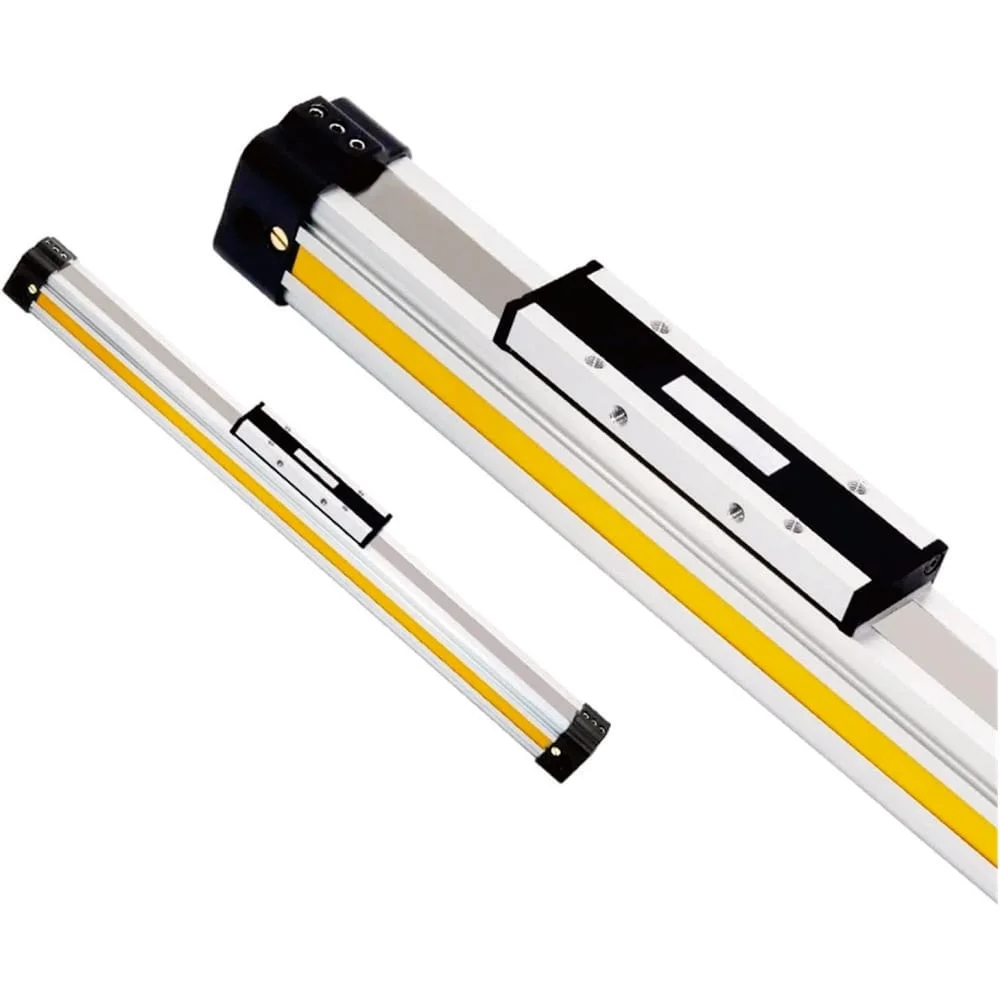
Envelope ยังรวมพื้นที่สำหรับ guard, cable carrier, tube bend radius, sensor access และการถอดชิ้นส่วนระหว่างซ่อม ถ้า rodless cylinder ใส่พอดีเกินไปจนถอด carriage หรือ seal band ไม่ได้ downtime อาจสูงกว่า standard cylinder ที่ใช้พื้นที่มากกว่าแต่ซ่อมง่ายกว่า
Thrust และ Load Path ต่างกันอย่างไร?
แรงจาก piston area อาจคำนวณใกล้เคียงกันที่ bore และ pressure เดียวกัน แต่ load path ไม่เหมือนกัน Standard cylinder ส่งแรงจาก piston ไปที่ rod และ rod-end joint ขณะที่ rodless cylinder ส่งผ่าน internal coupling ไปยัง external carriage สำหรับ standard cylinder ต้องกัน side load ออกจาก rod ส่วน rodless ต้องตรวจ carriage forces และ moments ของ guide ที่เลือก
| Check | Standard rod cylinder | Mechanically coupled rodless cylinder |
|---|---|---|
| Force path | Piston to rod to rod-end joint | Piston to internal coupling to external carriage |
| Retraction area | ลดลงตาม rod area | เฉพาะตาม product ต้องตรวจทั้งสองทิศทาง |
| Primary long-stroke structural check | Compression buckling ของ rod ที่ยื่น | Tube support และ carriage/guide loads |
| Side load | แยกออกจาก rod ด้วย external guidance | ตรวจ selected carriage guide หรือเพิ่ม external guidance |
| Offset payload | โหลด rod joint และ external guide | สร้าง carriage forces และ moments |
| Alignment | Rod, bearing, tooling และ guide ต้องไม่ bind | Body, carriage, guide และ tooling ต้องขนานกัน |
สำหรับ long transfer ที่ payload อยู่สูงหรือเยื้องจาก centerline ให้คำนวณ moment ก่อนดูราคากระบอกสูบ เพราะ guide ที่ under-rated จะสึกเร็วและทำให้ positioning แย่ลง แม้ thrust จะเพียงพอ ความเสียหายแบบนี้มักถูกเข้าใจผิดว่าเป็นปัญหา seal หรือ air pressure ทั้งที่ต้นเหตุคือ load path
เมื่อใด Piston-Rod Buckling เป็นข้อจำกัด?
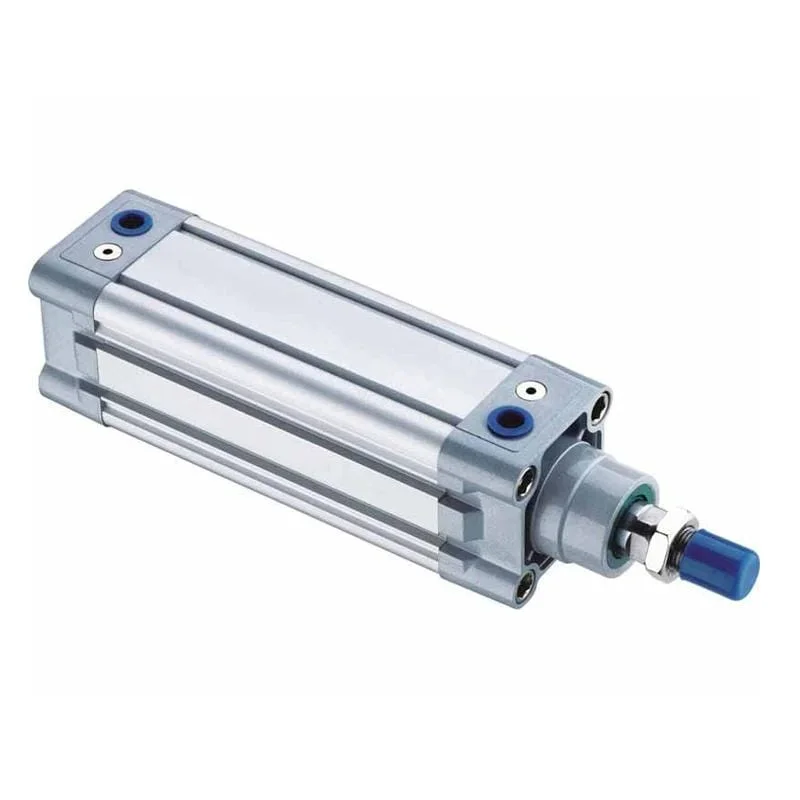
ใน standard cylinder ระยะยาว rod ที่รับ compression อาจ buckling ก่อนแรง thrust เชิงทฤษฎีจะถูกใช้เต็มที่ ค่า critical load ลดลงตามกำลังสองของ unsupported length ดังนั้นการเพิ่ม stroke มีผลแรงมากกว่าเพิ่ม load เพียงเล็กน้อย ต้องใช้ buckling chart ของผู้ผลิตหรือคำนวณ Euler เป็น first-pass แล้วใส่ ตัวประกอบความปลอดภัย และ mounting condition ให้ถูกต้อง
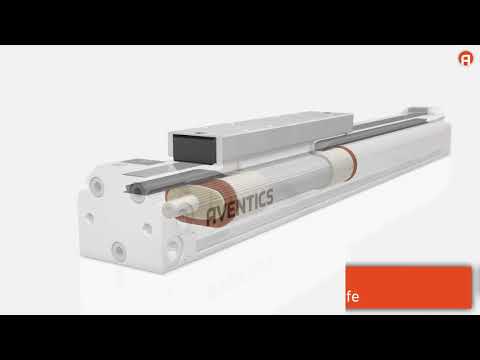
Rodless cylinder ตัดปัญหา rod projection ออก แต่ไม่ได้ตัด structural check ทั้งหมดออก ต้องตรวจ extrusion support, carriage load, โมเมนต์ที่ชุดนำทาง และ oscillation แทน ใน stroke ยาวมาก support layout และ frame stiffness มักกลายเป็นตัวตัดสินไม่แพ้ bore
อะไรเป็นตัวกำหนด Safe Speed และ End-of-Stroke Energy?
speed ที่ปลอดภัยขึ้นกับ moving mass, stroke time, valve flow, port pressure, cushion capacity, external stop และ control method ไม่ใช่ maximum speed ใน catalog เพียงค่าเดียว Long stroke ที่วิ่งเร็วต้องใช้ flow สูงและหยุด พลังงานจลน์ สูง หาก แรงดันตกคร่อม ทำให้ actuator ไปไม่ถึง speed ที่ตั้ง หรือ cushion รับ energy ไม่ไหว จะเกิด bounce, noise, support movement และ premature wear
Rodless cylinder ที่มี carriage และ load บน guide ต้องตรวจ energy ที่ปลาย stroke ทั้งใน cushion และ stop ส่วน standard cylinder ต้องตรวจ rod-end joint, guide และ end fittings การลด speed เพื่อรักษา cushion อาจทำให้ cycle time ไม่ผ่าน ดังนั้นต้องออกแบบ flow path, cushioning และ shock absorber พร้อมกันตั้งแต่ต้น
Installation, Maintenance และ Safety
ทั้งสองแนวทางต้องการ alignment ที่ดี แต่จุดเสี่ยงต่างกัน Standard cylinder ต้องรักษา rod, bearing, tooling และ external guide ให้ coaxial หรือมี joint ที่ชดเชย misalignment ส่วน slotted rodless cylinder ต้องรักษา body, carriage, guide, supports และ tooling ให้ขนานกัน พร้อมป้องกัน slot, band และ carriage จาก contamination ตามรุ่นที่เลือก
| Work item | Standard rod cylinder | Slotted rodless cylinder |
|---|---|---|
| Alignment | รักษา rod, rod bearing, tooling และ external guide ให้ coaxial | รักษา body, carriage, guide, supports และ tooling ให้ขนาน |
| Guidance | อย่าใช้ rod เป็น side-load bearing | ยืนยัน integrated guide rating หรือเพิ่ม external guide |
| Long-stroke support | ตรวจ rod buckling และ external guide support | ตรวจ extrusion support spacing, deflection และ oscillation |
| Routine inspection | Rod surface, wiper, seal leakage, joints, mounts, switches | Bands, wipers, carriage, guide, mounts, supports, switches |
| Contamination control | ปกป้อง exposed rod และ seals | ปกป้อง slot, bands, carriage และ guide ตามรุ่น |
| Replacement access | เหลือพื้นที่ถอด rod-side parts หรือ cylinder | เหลือพื้นที่ถอด carriage, bands, seals หรือ guide parts |
Safety controls ต้องครอบคลุม guarding, lockout, stored air, gravity load, exhaust state และ restart behavior หาก axis อยู่เหนือคนหรือใช้ยกโหลด ต้องมี restraint หรือ brake ตาม risk assessment ไม่ควรพึ่งแรงเสียดทานของ pneumatic cylinder เป็นตัว holding หลัก
Worksheet สำหรับเลือก Long-Stroke Transfer
ใช้ worksheet ต่อไปนี้เพื่อบังคับให้สองแนวทางตอบคำถามเดียวกัน หาก candidate ใดไม่มี evidence ที่ชัดเจนใน gate สำคัญ ควรถือว่า quote ยังไม่สมบูรณ์ แม้ราคาจะดูต่ำกว่า
| Gate | Worksheet entry | Pass condition | Evidence to retain |
|---|---|---|---|
| 1. Same duty | Stroke, mass, load center, orientation, motion profile, dynamic pressure | Both concepts use identical inputs | Approved duty sheet |
| 2. Envelope | Configured body, projection, carriage, mounts, tubes, sensors, guards, service clearance | Assembly fits in every position | Dimension drawing or CAD overlay |
| 3. Force | Extension and retraction force at lowest dynamic pressure | Required force plus stated reserve is available | Calculation and pressure trace |
| 4A. Rod path | Rod diameter, unsupported compression length, mounting factor, guide | Buckling and side-load limits pass | Manufacturer buckling chart |
| 4B. Rodless path | Carriage forces, load offsets, combined moments, support spacing | Every static and dynamic guide limit passes | Manufacturer load calculation |
| Gate | Worksheet entry | Pass condition | Evidence to retain |
|---|---|---|---|
| 5. Stop | มวลเคลื่อนที่ทั้งหมด, ความเร็วขณะเข้าสู่ช่วงกันกระแทก, energy, external stop | Cushion หรือ shock absorber ยังอยู่ใน rating | Energy calculation |
| 6. Air path | Valve flow, tube ID and length, fittings, exhaust, duty | Pressure และ speed เสถียรระหว่าง motion | Schematic and measured trace |
| 7. Safety | Guarding, lockout, gravity restraint, safe exhaust, restart | Risk controls meet site requirements | Risk assessment and validation |
| 8. Lifecycle | Access, spares, cleaning, inspections, training, replacement time | Maintenance plan is practical | Manual, parts list, service plan |
| 9. Commercial | Configured hardware, integration, installation, downtime, disposal | Quotes share the same scope | Supplier quotation matrix |
สำหรับ purchasing team ให้แยก line item ที่ทำให้ราคาแตกต่าง เช่น guided carriage, support brackets, shock absorber, sensors, valve manifold, installation labor และ spare parts kit การเปรียบเทียบ TCO จะมีความหมายก็ต่อเมื่อ scope ของทั้งสองแนวทางเท่ากัน
วิศวกรถามอะไรเกี่ยวกับ Rodless vs. Standard Cylinders?
Rodless cylinders compact กว่า standard cylinders เสมอหรือไม่?
ไม่เสมอ แต่ใน stroke ยาวมัก compact ด้าน axial เพราะไม่มี rod projection Standard cylinder ยังอาจ compact กว่าใน stroke สั้นหรือเมื่อ rodless ต้องเพิ่ม guide, support, guard และ service clearance มากเป็นพิเศษ ต้องดู installed envelope ของ assembly ทั้งชุด
bore เดียวกันให้แรงเท่ากันใน rodless และ standard cylinders หรือไม่?
ไม่ควรสมมติ ต้องดู พื้นที่ใช้งานจริง, rod area, friction, coupling design และทิศทางการเคลื่อนที่จาก catalog รุ่นจริง Standard single-rod cylinder มีพื้นที่ retract ลดลง ส่วน rodless บางแบบมี loss หรือ limit เฉพาะกลไก coupling
เมื่อใด standard pneumatic cylinder เป็นตัวเลือกที่ดีกว่า?
เมื่อ stroke สั้นหรือปานกลาง พื้นที่ rod projection มีพอ ต้องการ ISO interchangeability มี external guide ที่ดีอยู่แล้ว สภาพแวดล้อมไม่เหมาะกับ slot/band ของ rodless หรือทีม maintenance ต้องการอะไหล่ที่คุ้นเคยและเวลาซ่อมสั้น
เมื่อใดวิศวกรควรเลือก rodless cylinder?
เมื่อ stroke ยาวและพื้นที่ axial จำกัด เมื่อต้องการ carriage เคลื่อนตาม body โดยไม่ให้ rod ยื่น เมื่อ rod buckling ของ standard cylinder เป็นข้อจำกัด หรือเมื่อ integrated guide/rodless layout ลดโครงสร้างและ guarding ได้จริงหลังตรวจ moment และ support แล้ว
RFQ สำหรับ rodless หรือ standard cylinder ควรรวมข้อมูลอะไร?
ควรรวม stroke, load, center of gravity, orientation, speed, cycle rate, dynamic pressure, mounting layout, environmental exposure, safety requirements, valve/tube scope, expected life, service access และหลักฐานที่ต้องการ เช่น drawing, calculation, catalog limit และ commissioning checklist
สรุป: ตัดสินจาก Envelope และ Load Path
Rodless cylinder และ standard cylinder ต่างเป็นเครื่องมือที่ดีเมื่อใช้ถูกบริบท Rodless มักชนะใน stroke ยาวและพื้นที่จำกัด แต่ต้องจ่ายความสนใจให้ โมเมนต์ที่ชุดนำทาง, support, contamination และ maintenance access ส่วน standard cylinder ชัดเจน แข็งแรง และเปลี่ยนง่ายในหลายงาน แต่ rod projection และ rod buckling อาจทำให้ไม่เหมาะกับ long-stroke transfer
การตัดสินใจที่ดีสำหรับ factory automation คือใช้ duty sheet เดียวกัน ขอดู evidence ของทั้งสอง candidate และเลือก assembly ที่ผ่าน force, envelope, load path, speed, safety และ lifecycle gates ครบ ไม่ใช่เลือกจาก bore หรือราคากระบอกสูบเดี่ยว
แหล่งข้อมูลและหมายเหตุ
รายการลิงก์ด้านล่างคง URL เดิมไว้สำหรับการตรวจย้อนกลับกับต้นฉบับอังกฤษ ตัวเลขมาตรฐานและรุ่นสินค้าไม่ได้ถูกปรับเปลี่ยนในการแปล
แหล่งอ้างอิงทางเทคนิค
- ข้อดีภาพรวมของ rodless cylinders
- Parker's OSP-P แค็ตตาล็อก
- ISO 15552
- 50 mm P1F standard cylinder
- สูตรแรงและการใช้ลมของกระบอกสูบนิวเมติก
- ชนิดไร้ก้านแบบแม่เหล็ก แบบข้อต่อเชิงกล แบบสายเคเบิล และแบบมีรางนำ
- โมเมนต์ที่ชุดนำทางของกระบอกสูบไร้ก้านและการตรวจเส้นทางโหลด
- MIT OpenCourseWare เอกสารอ้างอิงการโก่งเดาะของเสา
- SMC rates the MY1B
- พลังงานการหน่วงปลายระยะชักและการปรับตั้ง
- CAGI
- OSHA 29 CFR 1910.147
- Parker's OSP-P operating instructions
- รายการตรวจบำรุงรักษาเชิงป้องกันกระบอกสูบไร้ก้าน
- OSHA 29 CFR 1910.212
- ISO 4414
- NIST's equipment guide
- DOE compressed-air sourcebook
- กลุ่มผลิตภัณฑ์กระบอกสูบมาตรฐาน
- กลุ่มผลิตภัณฑ์กระบอกสูบไร้ก้าน
- ISO 15552:2018, กระบอกสูบระบบส่งกำลังด้วยของไหลนิวเมติกพร้อมอุปกรณ์ติดตั้งแบบถอดได้
- Parker OSP-P กระบอกสูบนิวเมติกไร้ก้านและรางนำเชิงเส้น, แค็ตตาล็อก 0980
- Parker Pneumatic Cylinders ISO 15552, P1F แค็ตตาล็อกทางเทคนิค
- Festo Linear drives DGC
- Festo Standards-based cylinders DSBC, to ISO 15552
- Festo เงื่อนไขการใช้งานทั่วไป
- SMC MY1B แค็ตตาล็อกกระบอกสูบไร้ก้านแบบข้อต่อเชิงกล
- MIT OpenCourseWare, การโก่งเดาะแบบยืดหยุ่นของเสาเรียวยาว
- CAGI เอกสารสรุปทางเทคนิคเรื่องแรงดันตก
- Parker OSP-P คู่มือการใช้งาน
- OSHA 29 CFR 1910.147 source
- OSHA 29 CFR 1910.212 source
- ISO 4414:2010
- NIST, คู่มือก่อนซื้ออุปกรณ์สำหรับผู้ผลิต
- DOE, การปรับปรุงสมรรถนะระบบลมอัด: คู่มือสำหรับอุตสาหกรรม ฉบับที่สาม
- AVENTICS, กระบอกสูบไร้ก้าน – ซีรีส์ RTC
- กระบอกสูบไร้ก้าน – ซีรีส์ RTC
- ►