Your production line suddenly stops because solenoid valves aren’t switching properly, and you discover the plant’s voltage has dropped to 85% of nominal. This voltage variation is silently destroying your automation reliability and costing thousands in downtime. 😰
電圧耐性は、磁力の発生、切り替え速度、コイル温度に影響を与えることでソレノイドバルブの性能に直接影響します。ほとんどの産業用バルブは、最適な動作と長寿命化のために±10%の電圧安定性を必要とします。.
Last month, I worked with David, a maintenance engineer at a textile manufacturing facility in North Carolina, whose pneumatic system was experiencing erratic valve behavior due to voltage fluctuations during peak demand periods.
目次
- How Does Voltage Variation Affect Solenoid Magnetic Force?
- What Are the Consequences of Operating Outside Voltage Tolerance?
- How Can You Optimize Voltage Stability for Better Valve Performance?
- Why Should You Choose Voltage-Tolerant Solenoid Solutions?
How Does Voltage Variation Affect Solenoid Magnetic Force?
Understanding the relationship between voltage and magnetic force is crucial for predicting solenoid valve performance under varying electrical conditions.
Solenoid magnetic force varies with the square of applied voltage, meaning a 10% voltage drop reduces force by approximately 19%, potentially causing incomplete valve switching and unreliable pneumatic system operation.

Electromagnetic Force Fundamentals
その magnetic force1 generated by a solenoid coil follows the relationship F = k × (V²/R), where voltage has a squared effect on force output. This means small voltage changes create disproportionately large force variations.
Critical Switching Thresholds
Most solenoid valves require minimum pickup voltage of 85% nominal to ensure reliable switching. Below this threshold, the magnetic force may be insufficient to overcome spring forces and system pressure, resulting in incomplete or failed actuation.
| Voltage Level | Magnetic Force | Switching Reliability | Typical Behavior |
|---|---|---|---|
| 110% nominal | 121% force | 素晴らしい | Fast, reliable switching |
| 100% nominal | 100% force | 良い | 通常運転 |
| 90% nominal | 81% force | Marginal | 遅い切り替え |
| 80% nominal | 64% force | 貧しい | May fail to switch |
David’s textile plant was experiencing 15% voltage drops during peak hours, reducing solenoid force to just 72% of nominal. We solved this by installing voltage regulators and upgrading to our wide-tolerance Bepto solenoid valves. 🔧
Temperature and Resistance Effects
As coil temperature increases due to current flow, electrical resistance rises, further reducing current and magnetic force. This creates a compounding effect where voltage variations become more problematic in high-temperature environments.
What Are the Consequences of Operating Outside Voltage Tolerance?
Operating solenoid valves outside specified voltage tolerance ranges leads to multiple performance issues that can severely impact system reliability and component lifespan.
Operating outside voltage tolerance causes reduced switching speed, increased coil heating, shortened service life, and potential system failures, with low voltage being more problematic than moderate overvoltage conditions.

Low Voltage Problems
Insufficient voltage creates the most serious operational issues. Valves may fail to switch completely, exhibit slow response times, or chatter during operation. This leads to inconsistent pneumatic system pressure and unreliable automation sequences.
High Voltage Consequences
Excessive voltage increases coil current, generating additional heat that accelerates insulation aging2 and reduces service life. While valves typically tolerate moderate overvoltage better than undervoltage, sustained operation above 110% nominal should be avoided.
System-Wide Impact
Voltage-related valve problems cascade through pneumatic systems, causing pressure instabilities, timing errors, and reduced overall equipment effectiveness (OEE)3. The cost of voltage-related downtime often exceeds the investment in proper voltage regulation.
I recently helped Maria, who runs a packaging equipment company in Germany, solve chronic valve reliability issues. Her machines were experiencing 20% voltage variations, causing customer complaints about inconsistent packaging quality. After implementing our voltage-tolerant solutions, her customer satisfaction scores improved by 35%. 💡
Maintenance and Replacement Costs
Valves operating outside voltage tolerance require more frequent maintenance and earlier replacement. Coil burnout, contact welding4, and mechanical wear accelerate significantly when voltage stability is poor.
How Can You Optimize Voltage Stability for Better Valve Performance?
Implementing proper voltage regulation and monitoring strategies ensures consistent solenoid valve performance and maximizes system reliability.
Voltage optimization requires installing appropriate regulation equipment, monitoring voltage levels continuously, and selecting valves with wider tolerance ranges to accommodate unavoidable voltage variations in industrial environments.
Voltage Regulation Solutions
Automatic voltage regulators (AVRs)5 maintain stable output voltage despite input variations. For critical applications, consider dedicated regulators for pneumatic control circuits rather than relying on general facility power conditioning.
Power Quality Monitoring
Install voltage monitoring equipment to track power quality trends and identify problematic periods. This data helps optimize maintenance schedules and predict potential valve failures before they occur.
| ソリューションタイプ | Voltage Stability | コスト要因 | 最適なアプリケーション |
|---|---|---|---|
| Basic AVR | ±5% regulation | 1.0倍 | 一般産業 |
| Precision regulator | ±2% regulation | 2.5倍 | 重要プロセス |
| UPS with regulation | ±1% regulation | 4.0倍 | Mission-critical systems |
| Wide-tolerance valves | ±15% tolerance | 1.3x | Harsh electrical environments |
Circuit Design Considerations
Design pneumatic control circuits with dedicated power feeds when possible. Avoid sharing circuits with high-current loads like motors or heaters that can cause voltage drops during startup.
Why Should You Choose Voltage-Tolerant Solenoid Solutions?
Selecting solenoid valves with enhanced voltage tolerance provides superior reliability and reduces maintenance requirements in challenging electrical environments.
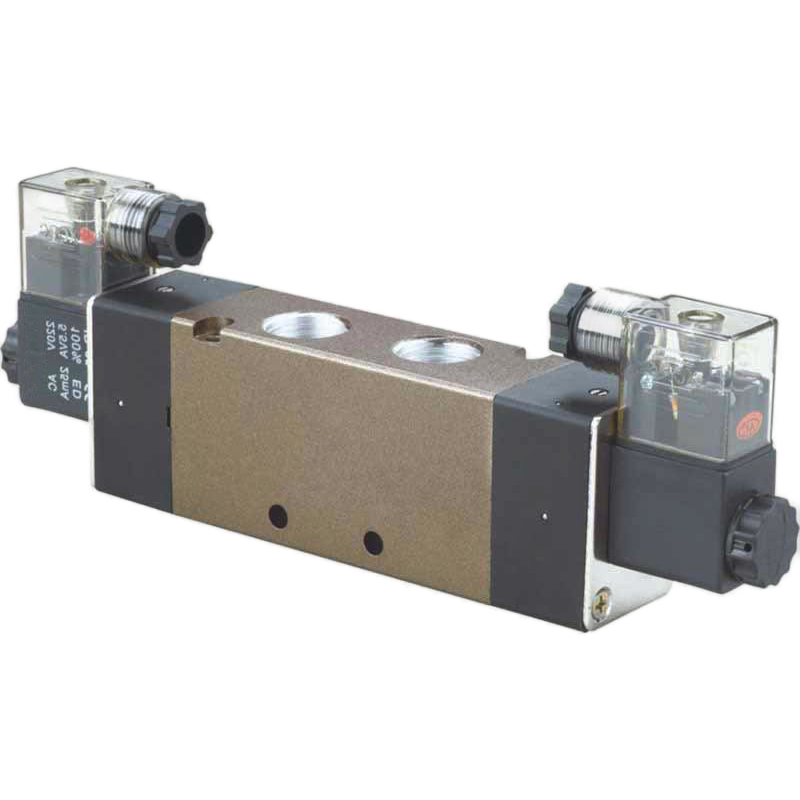
Voltage-tolerant solenoid valves feature robust coil designs and advanced magnetic circuits that maintain reliable operation across wider voltage ranges, reducing system sensitivity to power quality issues and extending service life.
Advanced Coil Technologies
Our Bepto solenoid valves incorporate high-efficiency coil designs that maintain adequate magnetic force even at reduced voltages. Special wire configurations and core materials optimize performance across the entire tolerance range.
費用便益分析
While voltage-tolerant valves may cost 15-20% more initially, they typically reduce maintenance costs by 40% and extend service life by 60% in environments with poor power quality.
ベプトアドバンテージ
Our rodless cylinder systems integrate seamlessly with our voltage-tolerant solenoid valves, providing complete pneumatic solutions that perform reliably even in challenging electrical environments. We offer fast delivery and technical support to minimize your downtime. 🚀
Choosing the right voltage tolerance specifications ensures your pneumatic automation systems operate reliably regardless of power quality variations, protecting your investment and maintaining production efficiency.
FAQs About Solenoid Valve Voltage Tolerance
Q: What voltage tolerance should I specify for industrial solenoid valves?
Most industrial applications require ±10% voltage tolerance as a minimum, with ±15% preferred for environments with poor power quality or high electrical loads.
Q: Can I use 24V DC solenoid valves on systems with voltage variations?
Yes, but DC systems are often more sensitive to voltage variations than AC systems, making voltage regulation and wide-tolerance valve selection even more critical.
Q: How do I test if voltage problems are affecting my solenoid valves?
Monitor voltage at the valve terminals during operation using a digital multimeter, and observe switching behavior during peak electrical demand periods.
Q: Will voltage regulators solve all my solenoid valve problems?
Voltage regulation addresses voltage-related issues but won’t solve problems caused by mechanical wear, contamination, or improper valve sizing for the application.
Q: How often should I check voltage levels in my pneumatic control systems?
Monthly voltage checks during peak load conditions help identify developing problems, with continuous monitoring recommended for critical applications.
-
Learn the physics behind how voltage directly impacts magnetic force generation. ↩
-
Understand how heat accelerates the degradation of coil insulation materials. ↩
-
See how equipment availability impacts this key manufacturing performance metric. ↩
-
Explore the technical causes of contact welding in electromechanical switches. ↩
-
Discover how AVRs function to stabilize voltage levels for sensitive equipment. ↩