
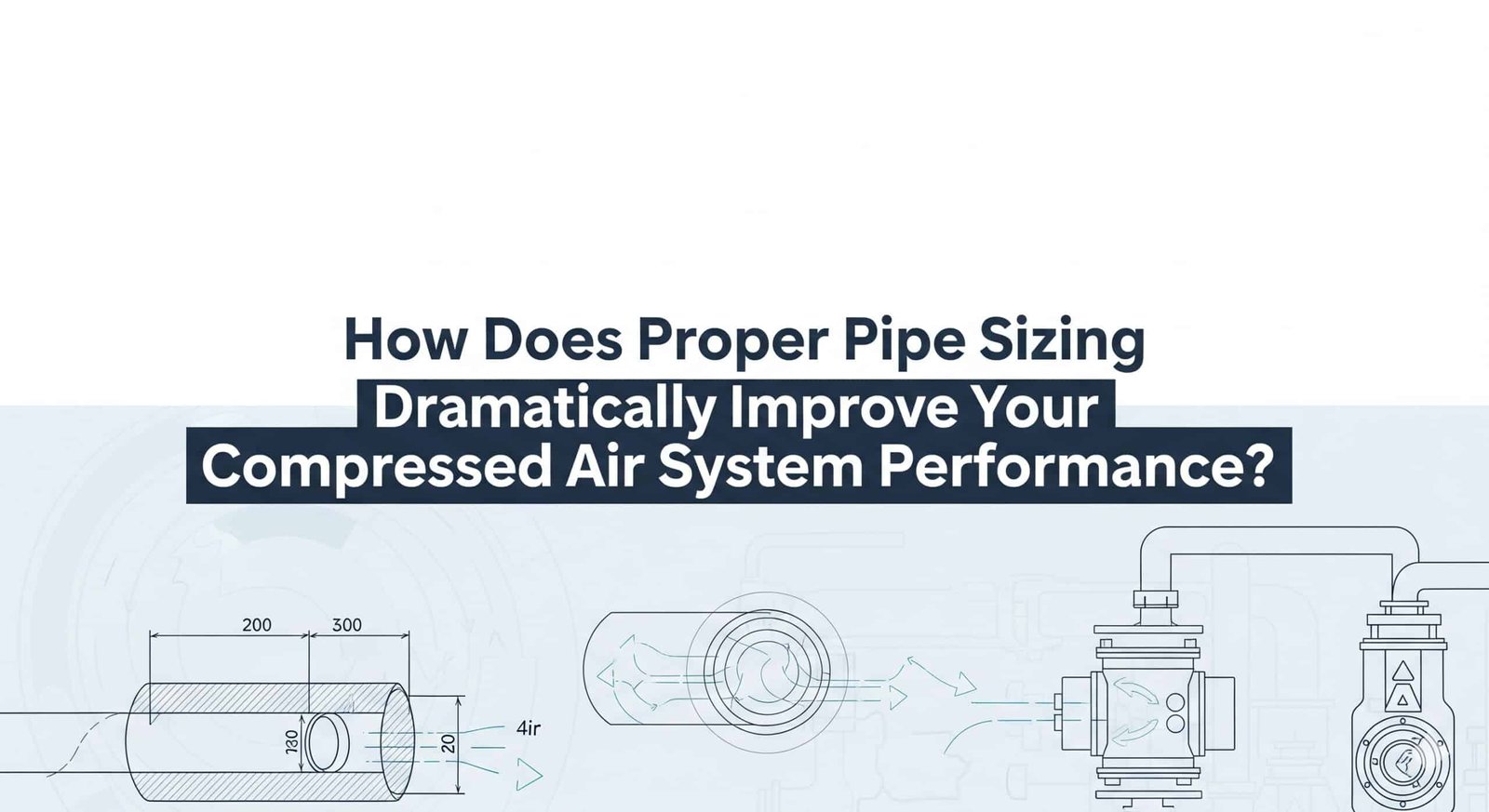
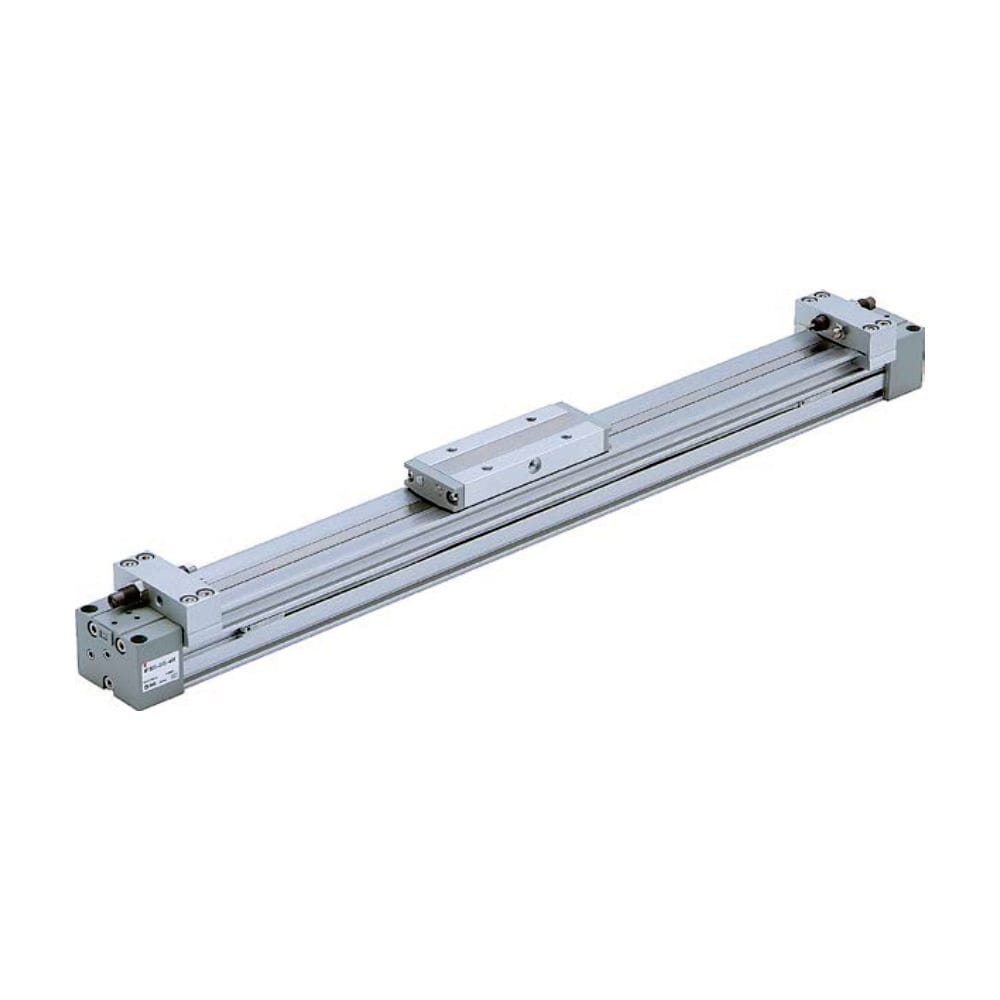
Is your compressed air system struggling with pressure drops, inefficient rodless cylinder performance, and skyrocketing energy costs due to undersized piping? 😤 Poor pipe sizing wastes up to 30% of compressed air energy, costing manufacturers thousands annually while reducing pneumatic equipment lifespan and reliability.
Proper compressed air pipe sizing requires calculating flow velocity below 20 ft/s, pressure drop under 10% of system pressure, and adequate diameter based on CFM1 demand to ensure optimal pneumatic performance, energy efficiency, and reliable operation of rodless cylinders and other pneumatic components.
Last week, I helped David, a maintenance engineer at a textile manufacturing plant in North Carolina, who was experiencing constant pressure fluctuations in his rodless cylinder applications due to inadequate 1/2″ supply lines that should have been 2″ diameter for his 150 CFM system requirements. 🔧
Table of Contents
- What Are the Key Factors in Compressed Air Pipe Sizing Calculations?
- How Do Pressure Drops Affect Rodless Cylinder Performance and Energy Costs?
- Which Pipe Materials and Configurations Optimize Compressed Air Delivery?
- What Common Pipe Sizing Mistakes Cost Manufacturers Money and Efficiency?
What Are the Key Factors in Compressed Air Pipe Sizing Calculations?
Understanding compressed air pipe sizing fundamentals ensures optimal system performance and cost efficiency! 📏
Compressed air pipe sizing calculations must consider total CFM demand, pipe length and fittings, allowable pressure drop (typically 1-3 PSI), flow velocity limits (under 20 ft/s), and future expansion requirements to determine proper internal diameter for efficient pneumatic system operation.
Flow Demand Analysis
CFM Requirements:
Calculate total compressed air flow by adding individual equipment demands, including rodless cylinders, standard actuators, blow-off applications, and tool requirements during peak usage periods.
Diversity Factors:
Apply realistic diversity factors2 (0.6-0.8) since not all pneumatic equipment operates simultaneously, preventing oversized piping while ensuring adequate capacity during maximum demand scenarios.
Pressure Drop Calculations
Acceptable Limits:
Maintain pressure drops below 10% of system pressure (typically 1-3 PSI for 100 PSI systems) to ensure proper pneumatic component operation and energy efficiency.
Distance Considerations:
Account for equivalent length including straight pipe, fittings, valves, and elevation changes using standard pressure drop calculation formulas3 or sizing charts.
Velocity Constraints
Maximum Flow Velocity:
Keep air velocity below 20 ft/s in main distribution lines and under 30 ft/s in branch circuits to minimize pressure losses, noise, and pipe erosion.
Sizing Formula Applications:
Use industry-standard formulas: Pipe ID = √(CFM × 0.05 / Velocity) for preliminary sizing, then verify with detailed pressure drop calculations.
| Pipe Size | Max CFM @ 20 ft/s | Typical Application | Pressure Drop/100ft |
|---|---|---|---|
| 1/2″ | 15 CFM | Single actuator | 8.5 PSI |
| 3/4″ | 35 CFM | Small branch line | 3.2 PSI |
| 1″ | 60 CFM | Equipment cluster | 1.8 PSI |
| 2″ | 240 CFM | Main distribution | 0.4 PSI |
| 3″ | 540 CFM | Large facility trunk | 0.1 PSI |
David’s facility experienced immediate improvements after upgrading from undersized 1/2″ lines to properly calculated 2″ distribution piping, reducing pressure drops from 15 PSI to just 2 PSI and improving rodless cylinder cycle times by 25%.
How Do Pressure Drops Affect Rodless Cylinder Performance and Energy Costs?
Excessive pressure drops severely impact pneumatic system efficiency and operating costs! 💰
Pressure drops in compressed air systems reduce rodless cylinder force output, increase cycle times, cause erratic operation, and force compressors to work harder, increasing energy consumption by 1% for every 2 PSI of additional pressure drop throughout the distribution system.

Performance Impact Analysis
Force Reduction:
Rodless cylinders lose thrust force proportionally with pressure drop – a 10 PSI drop at 90 PSI operating pressure reduces available force by 11%, potentially causing application failures.
Speed and Timing Issues:
Insufficient pressure causes slower acceleration, reduced maximum speeds, and inconsistent cycle times that disrupt automated production sequences and quality control processes.
Energy Cost Implications
Compressor Efficiency Loss:
Every 2 PSI pressure drop requires approximately 1% additional compressor energy to maintain system pressure, significantly increasing electrical operating costs over time.
Oversized Compressor Requirements:
Undersized piping forces facilities to install larger, more expensive compressors to overcome distribution losses rather than addressing the root cause through proper pipe sizing.
System Reliability Effects
Component Wear:
Pressure fluctuations cause excessive wear on pneumatic components, reducing service life and increasing maintenance costs for rodless cylinders, valves, and seals.
Control System Issues:
Inconsistent pressure affects pneumatic control accuracy, causing positioning errors, timing problems, and reduced product quality in precision applications.
Cost Analysis Comparison
| System Pressure | Energy Cost/Year | Maintenance Cost | Total Annual Impact |
|---|---|---|---|
| Proper sizing (2 PSI drop) | $12,000 | $3,000 | $15,000 |
| Moderate undersizing (8 PSI drop) | $15,600 | $4,500 | $20,100 |
| Severe undersizing (15 PSI drop) | $20,400 | $7,200 | $27,600 |
| Annual Savings with Proper Sizing | $8,400 | $4,200 | $12,600 |
At Bepto, we help customers optimize their compressed air distribution systems to maximize rodless cylinder performance while minimizing energy costs through proper pipe sizing recommendations.
Which Pipe Materials and Configurations Optimize Compressed Air Delivery?
Selecting appropriate pipe materials and layout configurations maximizes compressed air system efficiency! 🔧
Optimal compressed air pipe materials include aluminum alloy systems for corrosion resistance and smooth bore, copper for smaller applications, and stainless steel for harsh environments, while loop distribution configurations with multiple feed points minimize pressure drops compared to dead-end branch systems.
Material Selection Criteria
Aluminum Alloy Systems:
Lightweight, corrosion-resistant aluminum piping with smooth interior surfaces reduces pressure drops while providing easy installation and modification capabilities for growing facilities.
Copper Piping:
Traditional copper offers excellent corrosion resistance and smooth flow characteristics but requires skilled installation and costs more than aluminum alternatives for larger diameter applications.
Stainless Steel Applications:
Use stainless steel in harsh environments with chemical exposure, extreme temperatures, or food-grade requirements where aluminum or copper cannot provide adequate service life.
Distribution System Design
Loop Configuration Benefits:
Closed-loop distribution systems with multiple feed points reduce pressure drops by 30-50% compared to dead-end branch systems, providing more consistent pressure to rodless cylinders.
Drop Leg Positioning:
Install vertical drop legs from the bottom of horizontal mains with moisture traps to prevent condensate from reaching pneumatic equipment and causing operational problems.
Installation Best Practices
Gradual Size Transitions:
Use gradual reducers rather than abrupt size changes to minimize turbulence and pressure losses at pipe diameter transitions throughout the distribution system.
Strategic Valve Placement:
Install isolation valves at key points to enable maintenance without shutting down entire system sections, improving overall facility uptime and maintenance efficiency.
Maria, who operates a packaging machinery company in Oregon, switched from traditional black iron pipe4 to aluminum loop distribution and reduced her compressed air energy costs by 22% while improving rodless cylinder performance consistency across her production lines.
What Common Pipe Sizing Mistakes Cost Manufacturers Money and Efficiency?
Avoiding typical pipe sizing errors prevents costly performance and efficiency problems! ⚠️
Common compressed air pipe sizing mistakes include using undersized main lines, oversizing branch circuits, ignoring future expansion needs, mixing incompatible pipe materials, and failing to account for fitting pressure losses, resulting in poor system performance and increased operating costs.
Undersizing Main Distribution
Penny-Wise, Pound-Foolish Approach:
Installing smaller main distribution lines to save initial costs creates permanent efficiency penalties that cost far more in energy and performance losses over system lifetime.
Inadequate Future Planning:
Failing to consider facility expansion and additional pneumatic equipment leads to expensive retrofits and compromised system performance as production grows.
Oversizing Branch Lines
Unnecessary Cost Increases:
Oversizing individual branch circuits wastes money on larger pipe, fittings, and installation labor without providing performance benefits for specific applications.
Dead Volume Problems:
Excessive pipe volume in branch circuits increases system response times and air consumption during equipment cycling, reducing overall efficiency.
Material Compatibility Issues
Galvanic Corrosion:
Mixing dissimilar metals like copper and steel creates galvanic corrosion5 that causes leaks, contamination, and premature system failure requiring expensive repairs.
Inconsistent Flow Characteristics:
Different pipe materials have varying internal roughness factors that affect pressure drop calculations and system performance predictability.
Installation and Design Errors
Inadequate Fitting Allowances:
Underestimating pressure losses through fittings, valves, and directional changes leads to undersized piping that cannot deliver required flow and pressure.
Poor Moisture Management:
Improper pipe slope and drainage provisions allow condensate accumulation that causes corrosion, contamination, and pneumatic component damage over time.
Our Bepto technical team provides comprehensive compressed air system design consultation, helping customers avoid these costly mistakes while optimizing their pneumatic systems for maximum rodless cylinder performance and energy efficiency.
Conclusion
Proper compressed air pipe sizing is essential for optimal rodless cylinder performance, energy efficiency, and long-term cost savings! 🎯
FAQs About Compressed Air Pipe Sizing
Q: What pipe size do I need for my compressed air system?
Pipe size depends on total CFM demand, pipe length, and allowable pressure drop, typically requiring 1″ diameter for every 60 CFM at 20 ft/s velocity. Consult sizing charts or professional calculations for specific applications.
Q: How much pressure drop is acceptable in compressed air piping?
Acceptable pressure drop should not exceed 10% of system pressure, typically 1-3 PSI for 100 PSI systems, to maintain pneumatic equipment performance and energy efficiency throughout the distribution network.
Q: Can I use PVC pipe for compressed air systems?
PVC pipe is not recommended for compressed air due to brittle failure risks, potential for dangerous explosions, and code violations in most jurisdictions. Use approved materials like aluminum, copper, or steel.
Q: How do I calculate compressed air flow requirements?
Calculate total CFM by adding individual equipment demands during peak usage, apply diversity factors (0.6-0.8), and include 10-20% safety margin for future expansion and system variations.
Q: What’s the difference between nominal and actual pipe sizes?
Nominal pipe sizes refer to approximate dimensions, while actual internal diameter determines flow capacity. Always use actual ID measurements for accurate pressure drop calculations and system sizing.
-
Learn the definition of Cubic Feet per Minute (CFM) and how it’s used to measure the volume of air flow in a pneumatic system. ↩
-
Understand the concept of a diversity factor and how it’s applied in system design to estimate realistic peak loads instead of sizing for maximum theoretical capacity. ↩
-
Explore the detailed engineering formulas, such as the Darcy-Weisbach equation, used to accurately calculate pressure loss in compressed air piping systems. ↩
-
Review the advantages and disadvantages of using traditional black iron pipe for compressed air systems, including its susceptibility to corrosion. ↩
-
Learn about the electrochemical process of galvanic corrosion and see a galvanic series chart to understand which dissimilar metals should not be in contact. ↩