

When electrical control systems fail in hazardous environments, pneumatic logic valves become the critical safety backbone that prevents catastrophic failures. Yet many engineers overlook these versatile components, missing opportunities to create inherently safe, explosion-proof control systems that operate reliably in environments where electronic controls would be dangerous or impractical.
Pneumatic logic valves enable the creation of sophisticated control systems using compressed air signals instead of electrical power, providing intrinsically safe1 operation in hazardous environments, fail-safe operation during power outages, and reliable control logic implementation without electronic components susceptible to electromagnetic interference2 or explosion risks.
Two months ago, I helped Maria, a process engineer at a chemical plant in Louisiana, redesign their reactor control system using pneumatic logic valves after an explosion damaged their electronic controls. The new pneumatic system provides the same functionality with inherent safety—it’s been operating flawlessly for 8 months without a single safety incident 🛡️.
Table of Contents
- What Are Pneumatic Logic Valves and How Do They Implement Control Functions?
- Which Applications Benefit Most from Pneumatic Logic Control Systems?
- How Do You Design Pneumatic Logic Circuits for Complex Control Requirements?
- What Are the Integration Strategies for Hybrid Pneumatic-Electronic Systems?
What Are Pneumatic Logic Valves and How Do They Implement Control Functions?
Pneumatic logic valves use compressed air signals to perform Boolean logic3 operations, creating control systems that operate without electrical power or electronic components.
Pneumatic logic valves implement AND, OR, NOT, and memory functions using air pressure signals, enabling the creation of complex control sequences, safety interlocks, and automated systems that operate reliably in hazardous environments where electrical controls would pose explosion risks or fail due to electromagnetic interference.
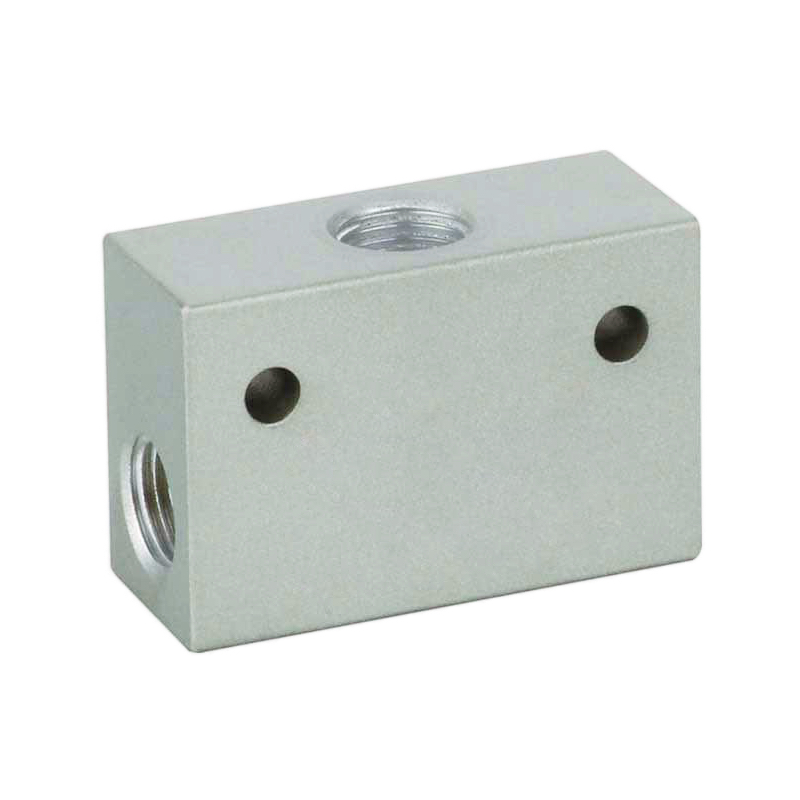
Pneumatic Logic Valve System for Industrial Automation
Basic Logic Functions and Operations
Pneumatic logic valves perform fundamental Boolean operations using air pressure as the signal medium instead of electrical voltage.
AND Logic Valve Operation
AND valves require air pressure at all input ports to produce output pressure, implementing logical AND operations for safety interlocks and sequential control.
OR Logic Valve Operation
OR valves produce output pressure when air pressure is present at any input port, enabling multiple input triggering and parallel control paths.
NOT Logic Valve Operation
NOT valves (normally open) produce output pressure when no input signal is present, providing logical inversion and fail-safe operation.
| Logic Function | Symbol | Operation | Typical Applications | Safety Features |
|---|---|---|---|---|
| AND Valve | ![AND symbol] | Output only when ALL inputs present | Safety interlocks, sequential control | Fail-safe on any input loss |
| OR Valve | ![OR symbol] | Output when ANY input present | Emergency stops, multiple triggers | Multiple activation paths |
| NOT Valve | ![NOT symbol] | Output when NO input present | Fail-safe controls, alarm systems | Activates on signal loss |
| Memory Valve | ![Memory symbol] | Maintains output after input removed | Latching controls, sequence memory | Retains state during interruptions |
| Time Delay | ![Timer symbol] | Delayed output after input | Sequencing, safety delays | Prevents premature operation |
Memory and Timing Functions
Memory valves maintain output signals after input removal, while timing valves provide delayed operation for sequencing and safety applications.
Which Applications Benefit Most from Pneumatic Logic Control Systems?
Pneumatic logic systems excel in hazardous environments, safety-critical applications, and situations where electrical systems would be impractical or dangerous.
Pneumatic logic control systems are ideal for explosive atmospheres, high-temperature environments, applications requiring intrinsic safety, emergency shutdown systems, and processes where electromagnetic interference would disrupt electronic controls, providing reliable operation without ignition sources or electrical hazards.

Hazardous Area Applications
Pneumatic logic systems operate safely in explosive atmospheres without creating ignition sources, making them ideal for chemical plants, refineries, and grain handling facilities.
High-Temperature Environments
Pneumatic valves operate reliably at temperatures that would destroy electronic components, suitable for furnace controls, foundries, and high-temperature processing.
Safety-Critical Systems
Emergency shutdown systems using pneumatic logic provide fail-safe operation that doesn’t depend on electrical power or electronic component reliability.
Electromagnetic Interference Environments
Areas with strong electromagnetic fields that disrupt electronic controls benefit from pneumatic logic systems that are immune to EMI effects.
I worked with James, a safety engineer at an oil refinery in Texas, to implement pneumatic logic emergency shutdown systems. The system has successfully executed 12 emergency shutdowns over 3 years without a single failure—providing the reliability that electronic systems couldn’t match in that harsh environment 🔥.
Industry-Specific Applications
- Chemical Processing: Reactor interlocks and emergency stops
- Oil & Gas: Wellhead controls and pipeline safety systems
- Mining: Explosive atmosphere equipment controls
- Food Processing: Washdown area controls and sanitary applications
- Power Generation: Turbine safety systems and fuel controls
How Do You Design Pneumatic Logic Circuits for Complex Control Requirements?
Pneumatic logic circuit design requires understanding signal flow, timing relationships, and safety requirements to create reliable control systems.
Effective pneumatic logic circuit design involves analyzing control requirements, selecting appropriate valve types, designing signal flow paths, implementing proper timing sequences, and incorporating fail-safe features to ensure reliable operation while meeting safety and performance requirements.
Control Requirements Analysis
Analyze the control sequence, safety requirements, timing needs, and environmental conditions to determine the appropriate pneumatic logic approach.
Signal Flow Design
Design air signal paths to minimize pressure drops, reduce response times, and ensure adequate signal strength throughout the control circuit.
Timing and Sequencing Implementation
Use time delay valves, memory valves, and sequencing valves to create complex timing relationships and control sequences.
Fail-Safe Design Principles
Implement fail-safe operation where loss of air supply or component failure results in the safest possible system state.
Circuit Optimization and Testing
Optimize circuits for reliability, response time, and air consumption while providing comprehensive testing procedures to verify proper operation.
What Are the Integration Strategies for Hybrid Pneumatic-Electronic Systems?
Modern control systems often combine pneumatic logic with electronic controls to leverage the advantages of both technologies.
Hybrid pneumatic-electronic systems use pneumatic logic for safety-critical functions and hazardous area operation while employing electronic controls for complex processing, data logging, and remote monitoring, creating systems that combine inherent safety with advanced functionality and connectivity.
Interface Technologies and Methods
Use electro-pneumatic converters, pneumatic-to-electric transducers, and isolation barriers to safely interface between pneumatic and electronic systems.
Safety System Architecture
Design safety systems using pneumatic logic for critical functions while using electronic systems for monitoring, diagnostics, and non-safety control functions.
Communication and Monitoring Integration
Implement monitoring systems that track pneumatic system performance while maintaining the inherent safety of pneumatic logic control.
Maintenance and Diagnostic Strategies
Develop maintenance procedures that address both pneumatic and electronic components while preserving system safety and reliability.
At Bepto Pneumatics, we help customers design hybrid control systems that combine the inherent safety of pneumatic logic with the flexibility of electronic controls, creating solutions that meet both safety requirements and modern automation needs 💪.
Integration Benefits
- Enhanced Safety: Pneumatic logic for critical safety functions
- Advanced Features: Electronic controls for complex processing
- Remote Monitoring: Electronic systems enable remote diagnostics
- Cost Optimization: Use each technology where most effective
- Regulatory Compliance: Meet safety standards while adding functionality
Design Considerations
- Signal Isolation: Proper isolation between pneumatic and electronic systems
- Power Independence: Ensure pneumatic safety functions operate without electrical power
- Failure Modes: Design for safe failure of both pneumatic and electronic components
- Maintenance Access: Enable service of both system types
- Documentation: Clear documentation of hybrid system operation
Implementation Strategies
- Phased Installation: Implement pneumatic safety systems first
- Parallel Operation: Run both systems during transition periods
- Testing Protocols: Comprehensive testing of integrated systems
- Training Programs: Personnel training on hybrid system operation
- Performance Monitoring: Track both pneumatic and electronic system performance
Common Integration Challenges
- Signal Compatibility: Converting between pneumatic and electronic signals
- Response Time Matching: Coordinating different system response times
- Diagnostic Integration: Combining pneumatic and electronic diagnostics
- Maintenance Coordination: Scheduling maintenance of different system types
- Documentation Complexity: Managing documentation for hybrid systems
Conclusion
Pneumatic logic valves play a crucial role in control system design by providing inherently safe, reliable control functions in hazardous environments where electronic systems would be dangerous or impractical, while offering opportunities for hybrid integration that combines safety with advanced functionality 🚀.
FAQs About Pneumatic Logic Valves in Control System Design
Q: Can pneumatic logic systems match the complexity of electronic control systems?
A: While pneumatic logic systems are simpler than electronic systems, they can implement sophisticated control sequences including timing, counting, sequencing, and memory functions. For very complex logic, hybrid systems combining pneumatic safety functions with electronic processing often provide the best solution.
Q: What are the main advantages of pneumatic logic over electronic controls?
A: Key advantages include intrinsic safety in explosive atmospheres, operation without electrical power, immunity to electromagnetic interference, reliable operation in extreme temperatures, fail-safe operation on air supply loss, and no ignition sources that could cause explosions.
Q: How do I calculate air consumption for pneumatic logic control systems?
A: Calculate consumption based on valve switching frequency, internal volumes, and leakage rates. Typical logic valves consume 0.1-0.5 SCFM during switching. Include pilot air for larger valves and add 20% safety margin. Most logic systems consume much less air than the actuators they control.
Q: What maintenance is required for pneumatic logic valve systems?
A: Regular maintenance includes air filtration system service, checking for air leaks, cleaning valve internals, verifying proper operation of logic functions, and testing fail-safe operation. Pneumatic systems typically require less maintenance than electronic systems but need clean, dry air for reliable operation.
Q: How do I troubleshoot pneumatic logic circuits when they malfunction?
A: Use systematic troubleshooting starting with air supply verification, then check individual valve operation, verify signal paths with pressure gauges, test logic functions step-by-step, and check for air leaks or contamination. Pneumatic logic troubleshooting is often simpler than electronic systems since you can directly measure air pressures.
-
Learn about the protection technique based on limiting energy to prevent ignition in explosive atmospheres. ↩
-
Understand how electromagnetic energy can disrupt the functioning of electronic devices and circuits. ↩
-
Review the fundamental principles of Boolean algebra, including the AND, OR, and NOT logical operators. ↩