Standard pneumatic valves fail catastrophically in sub-zero conditions, causing brittle fractures1, seal failures, and complete system shutdowns. When temperatures drop below freezing, conventional valve materials become rigid and unreliable, leading to costly production delays and safety hazards. These failures can cost manufacturers hundreds of thousands in lost productivity and emergency repairs. 🥶
Specifying valves for low-temperature environments requires selecting materials with low-temperature flexibility, specialized seals rated for sub-zero operation, and designs that prevent moisture condensation and ice formation within valve bodies and actuator mechanisms.
Last week, I helped Robert, a maintenance engineer at a frozen food processing facility in Minnesota, whose entire packaging line shut down when standard solenoid valves froze solid during a -20°F cold snap, halting production for three days.
Table of Contents
- What Materials Work Best for Sub-Zero Valve Applications?
- How Do You Prevent Ice Formation in Low-Temperature Valve Systems?
- Which Seal Technologies Are Essential for Freezing Environments?
- What Design Features Should You Look for in Cold-Weather Valves?
What Materials Work Best for Sub-Zero Valve Applications?
Material selection is the foundation of reliable valve performance in low-temperature environments, determining both operational reliability and service life.
Stainless steel valve bodies, aluminum actuators with anodized finishes, and specialized polymer components maintain flexibility and strength at sub-zero temperatures, while standard brass and carbon steel materials become brittle and prone to cracking below 32°F.
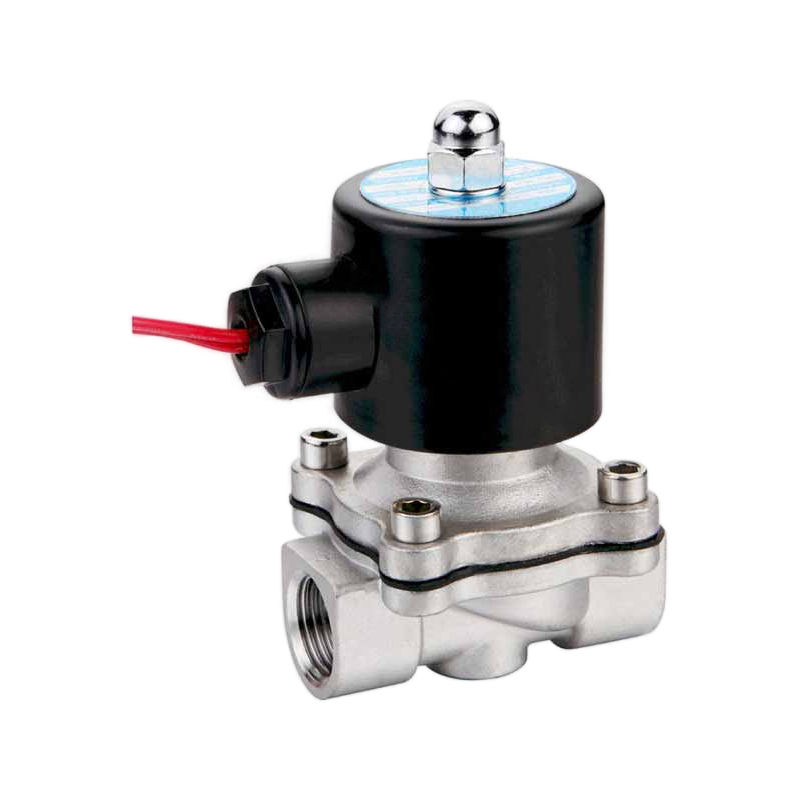
Valve Body Materials
Optimal Choices:
- 316 Stainless Steel2: Maintains ductility down to -100°F
- Aluminum Alloys: Excellent thermal conductivity prevents hot spots
- Specialized Plastics: PEEK and PPS offer chemical resistance
- Brass Alternatives: Avoid standard brass below 0°F
Actuator Materials
Low-temperature actuators require specific material considerations:
| Material | Temperature Range | Advantages | Limitations |
|---|---|---|---|
| Anodized Aluminum | -40°F to 200°F | Lightweight, corrosion resistant | Higher cost |
| Stainless Steel | -100°F to 400°F | Extreme durability | Heavier weight |
| Standard Aluminum | 32°F to 180°F | Cost effective | Limited cold performance |
| Plastic Housings | 0°F to 150°F | Chemical resistance | Brittleness risk |
Spring and Internal Components
Critical internal components need special attention:
- Stainless steel springs maintain tension at low temperatures
- Hardened steel pins resist wear and thermal cycling
- Ceramic components provide excellent thermal stability
- Specialized lubricants remain fluid in cold conditions
Robert’s Minnesota facility discovered their standard brass valves cracked when temperatures hit -20°F, but our Bepto stainless steel replacements continued operating flawlessly throughout the winter season. ❄️
How Do You Prevent Ice Formation in Low-Temperature Valve Systems?
Ice formation inside valve bodies and pneumatic lines can cause complete system failure, making prevention strategies critical for reliable operation.
Prevent ice formation through proper air preparation including refrigerated air dryers, moisture separators, and heated valve enclosures, while maintaining positive pressure to prevent atmospheric moisture infiltration into pneumatic systems.
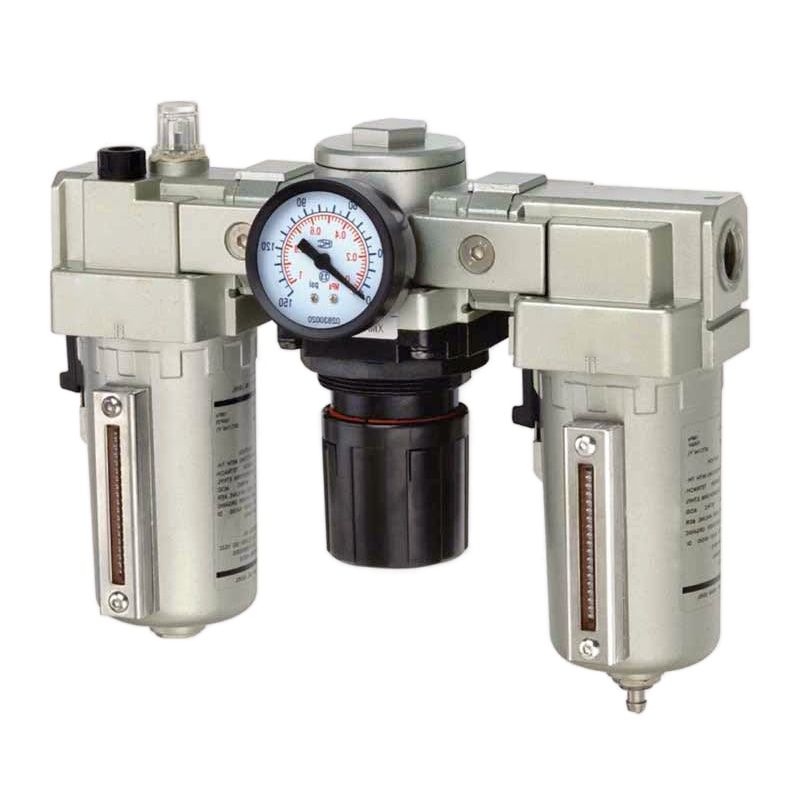
Air Preparation Systems
Essential Components:
- Refrigerated Air Dryers: Remove moisture before it enters the system
- Desiccant Dryers: Achieve ultra-low dew points3 for extreme conditions
- Moisture Separators: Capture condensation at multiple points
- Oil Removal Filters: Prevent contamination that attracts moisture
Heating Solutions
Valve Heating Options:
- Trace Heating: Electric heating cables wrapped around valve bodies
- Heated Enclosures: Insulated cabinets with temperature control
- Steam Jackets: For facilities with available steam systems
- Heated Air Supply: Warm compressed air delivery systems
System Design Considerations
Proper system design prevents moisture accumulation:
- Sloped Piping: Allows condensation drainage
- Drain Points: Strategic moisture removal locations
- Insulation: Prevents temperature cycling and condensation
- Positive Pressure: Keeps atmospheric moisture out
Maintenance Protocols
Regular maintenance prevents ice-related failures:
- Daily Drain Procedures: Remove accumulated moisture
- Filter Replacement: Maintain air quality standards
- Temperature Monitoring: Track system performance
- Preventive Heating: Activate before temperature drops
Which Seal Technologies Are Essential for Freezing Environments?
Seal performance determines valve reliability in sub-zero conditions, as standard rubber seals become rigid and lose sealing capability at low temperatures.
Use fluoroelastomer (Viton) seals4, PTFE backup rings5, and specialized low-temperature compounds that maintain flexibility down to -40°F, while avoiding standard NBR seals that harden and crack below freezing temperatures.
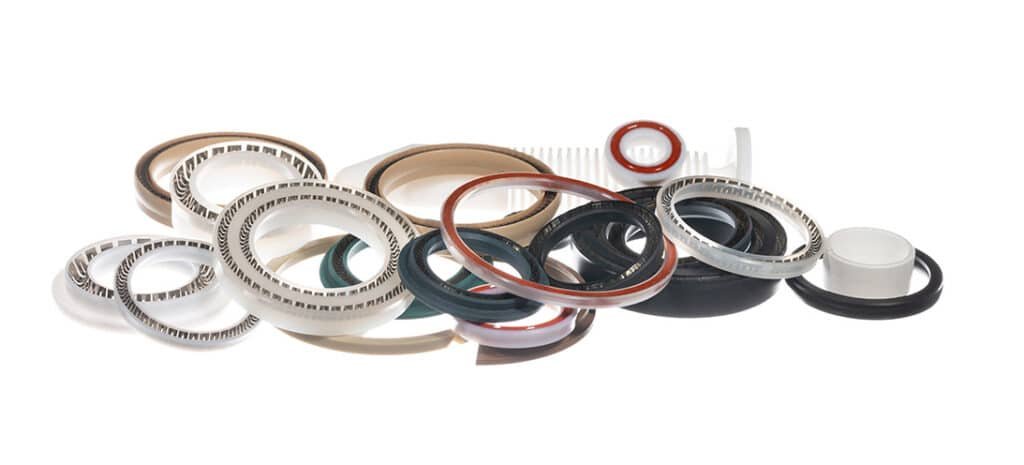
Seal Material Selection
Low-Temperature Seal Options:
| Seal Type | Temperature Range | Applications | Cost Factor |
|---|---|---|---|
| Viton (FKM) | -40°F to 400°F | General purpose | 3x standard |
| PTFE | -300°F to 500°F | Extreme conditions | 4x standard |
| Low-Temp NBR | -40°F to 200°F | Budget applications | 1.5x standard |
| Silicone | -65°F to 400°F | Food grade | 2x standard |
Seal Design Features
Critical Design Elements:
- Backup Rings: Prevent seal extrusion under pressure
- Groove Geometry: Optimized for low-temperature expansion
- Surface Finish: Smooth surfaces reduce seal wear
- Preload Settings: Proper compression for cold conditions
Installation Considerations
Proper installation ensures seal performance:
- Clean Assembly: Remove all contamination
- Proper Lubrication: Use low-temperature compatible lubricants
- Torque Specifications: Follow manufacturer requirements
- Temperature Cycling: Allow seals to acclimate gradually
What Design Features Should You Look for in Cold-Weather Valves?
Valve design features specifically engineered for low-temperature operation ensure reliable performance and extended service life in challenging environments.
Look for enclosed actuators with internal heating, stainless steel wetted parts, oversized flow passages to prevent ice blockage, and quick-disconnect fittings that remain operable in freezing conditions for maintenance access.
Actuator Design Features
Cold-Weather Actuator Requirements:
- Sealed Housings: Prevent moisture infiltration
- Internal Heating: Maintain operating temperature
- Oversized Springs: Compensate for reduced flexibility
- Position Feedback: Monitor valve position in cold conditions
Flow Path Optimization
Design Considerations:
- Large Flow Passages: Prevent ice blockage
- Smooth Internal Surfaces: Reduce pressure drop
- Self-Draining Ports: Eliminate moisture accumulation
- Minimal Dead Spaces: Prevent ice formation pockets
Connection Systems
Cold-Weather Fittings:
- Quick-Disconnect Couplings: Enable rapid maintenance
- Heated Connection Points: Prevent freeze-up
- Flexible Hoses: Accommodate thermal expansion
- Insulated Assemblies: Maintain temperature stability
Maintenance Access
Design for serviceability in cold conditions:
- Accessible Components: Easy maintenance access
- Tool-Free Adjustments: Operate with gloved hands
- Visual Indicators: Clear position and status indication
- Modular Construction: Enable component replacement
Sarah, who manages a cold storage facility in Alaska, switched to our Bepto low-temperature valve packages after standard valves failed repeatedly during -30°F operations, achieving 99% uptime throughout the harsh winter months. 🔧
Conclusion
Successful low-temperature valve specification requires careful material selection, proper air preparation, specialized seals, and design features that prevent ice formation and maintain reliable operation in sub-zero environments.
FAQs About Low-Temperature Valve Specification
Q: What’s the lowest temperature that pneumatic valves can operate reliably?
Specialized pneumatic valves with proper materials and seals can operate reliably down to -40°F, with some extreme-duty models functioning at -65°F when properly configured with heating systems.
Q: Do low-temperature valves cost significantly more than standard valves?
Low-temperature valves typically cost 50-100% more than standard valves initially, but prevent costly downtime and emergency repairs that often exceed the price difference within the first winter season.
Q: Can existing valve systems be retrofitted for cold weather operation?
Many existing systems can be retrofitted with heated enclosures, improved air preparation, and seal upgrades, though complete valve replacement often provides better long-term reliability and performance.
Q: How often should low-temperature valve systems be maintained?
Cold-weather valve systems require monthly inspections during winter months, with daily moisture drainage and weekly filter checks to prevent ice formation and ensure reliable operation.
Q: What’s the most common cause of valve failure in freezing conditions?
Moisture-related ice formation accounts for 70% of cold-weather valve failures, followed by seal hardening and material brittleness, making proper air preparation the most critical success factor.
-
[Learn about the material science concept of brittle fracture and why it occurs at low temperatures.] ↩
-
[Explore the technical specifications and low-temperature performance of 316 stainless steel.] ↩
-
[Understand the definition of dew point in compressed air systems and why achieving an ultra-low dew point is critical for preventing ice.] ↩
-
[Read about the properties, temperature ratings, and common uses of fluoroelastomer (FKM/Viton) seals.] ↩
-
[See how PTFE backup rings function to prevent seal extrusion in high-pressure applications.] ↩