Energy costs are skyrocketing, and every watt counts in today’s competitive manufacturing environment. With industrial facilities spending up to 30% of their operating budgets on electricity, pneumatic systems often represent a hidden energy drain that plant managers overlook.
Low-power solenoid valves1 consume 50-80% less energy than conventional designs while maintaining equivalent performance, offering plant managers immediate cost savings and supporting corporate sustainability initiatives through reduced electrical consumption and heat generation.
I recently worked with Karen, a plant manager at a textile facility in Georgia, who discovered her pneumatic system was consuming 15% more energy than necessary. By switching to low-power solenoid valves, she reduced her annual electricity costs by $18,000 while improving system reliability 💡.
Table of Contents
- What Makes Low-Power Solenoid Valves Different from Standard Designs?
- How Much Energy Can Low-Power Valves Save in Industrial Applications?
- Which Plant Operations Benefit Most from Low-Power Valve Implementation?
- What Are the Implementation Strategies for Low-Power Valve Upgrades?
What Makes Low-Power Solenoid Valves Different from Standard Designs?
Understanding the technology behind low-power valves helps plant managers make informed decisions about energy optimization investments.
Low-power solenoid valves utilize advanced magnetic circuit designs, permanent magnet assistance, optimized coil configurations, and intelligent control electronics that reduce holding power requirements from typical 8-12 watts down to 1.5-3 watts while maintaining full operational capability.
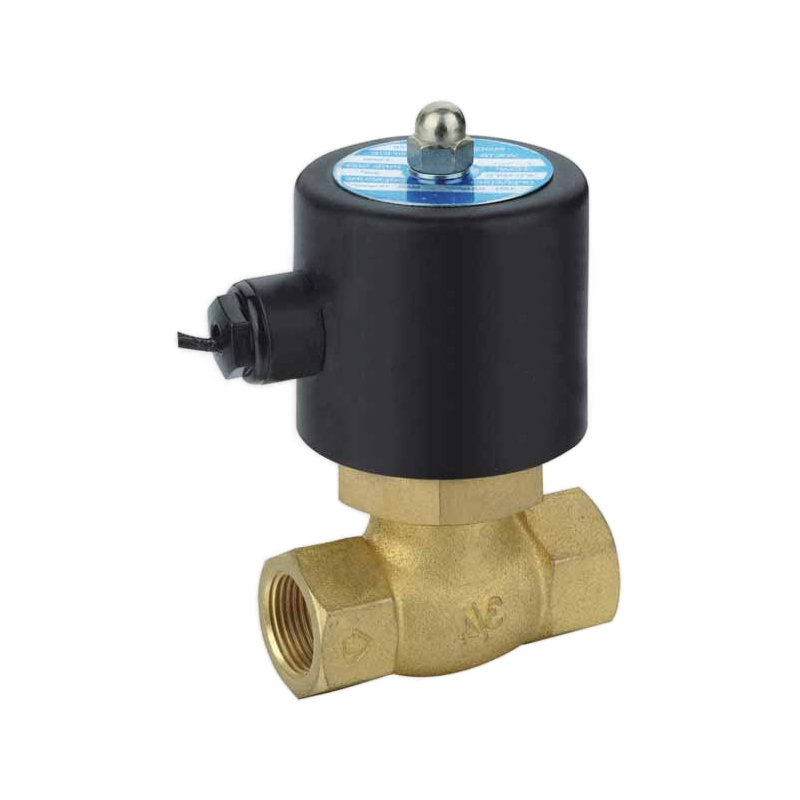
Advanced Magnetic Circuit Design
Low-power valves employ optimized magnetic flux2 paths that require less energy to generate equivalent holding forces. These designs minimize magnetic losses and improve efficiency.
Permanent Magnet Assistance
Hybrid designs incorporate permanent magnets3 to provide baseline holding force, requiring electrical power only for switching operations rather than continuous holding.
Intelligent Control Electronics
Built-in control circuits provide high initial current for fast switching, then automatically reduce to low holding current, minimizing energy consumption during extended operation periods.
| Feature | Standard Valves | Low-Power Valves | Energy Savings |
|---|---|---|---|
| Holding Power | 8-12 watts | 1.5-3 watts | 70-80% reduction |
| Switching Power | 15-25 watts | 8-12 watts | 40-50% reduction |
| Heat Generation | High | Minimal | 75% reduction |
| Control Complexity | Basic on/off | Intelligent current control | N/A |
| Operational Life | Standard | Extended due to lower heat | 25-40% longer |
Optimized Coil Design
Low-power valves use high-efficiency coil windings with superior magnetic materials that generate stronger fields with less electrical input.
How Much Energy Can Low-Power Valves Save in Industrial Applications?
Quantifying energy savings helps plant managers justify investment decisions and calculate return on investment timelines.
Typical industrial facilities can achieve 40-60% reduction in pneumatic system electrical consumption through low-power valve implementation, translating to annual savings of $5,000-$25,000 per 100 valves depending on local electricity rates and operating hours.
Energy Consumption Calculations
A standard 10-watt valve operating continuously costs approximately $87 annually at $0.10/kWh4. A 2-watt low-power equivalent costs only $17 annually – a $70 savings per valve per year.
Heat Reduction Benefits
Lower power consumption means less heat generation, reducing cooling system loads and improving working conditions. This secondary benefit often adds 15-20% to total energy savings.
Demand Charge Impact
Peak electrical Demand charges5 can be reduced significantly when multiple valves switch simultaneously. Low-power valves minimize demand spikes during system startups.
I worked with Michael, a facilities manager at an automotive parts manufacturer in Ohio, who replaced 200 standard valves with low-power alternatives. His annual energy savings exceeded $14,000, and the project paid for itself in 18 months 🎯.
Annual Savings Calculation Example
- 100 Standard Valves: 100 × 10W × 8760 hours × $0.10/kWh = $8,760
- 100 Low-Power Valves: 100 × 2W × 8760 hours × $0.10/kWh = $1,752
- Annual Savings: $7,008 per 100 valves
- Additional Cooling Savings: ~$1,000-1,500 annually
Which Plant Operations Benefit Most from Low-Power Valve Implementation?
Certain operational characteristics make some facilities ideal candidates for low-power valve upgrades.
Facilities with continuous operations, high valve density, elevated ambient temperatures, or aggressive sustainability goals achieve maximum benefit from low-power valve implementation, particularly in food processing, pharmaceutical, and automotive manufacturing environments.
Continuous Operation Facilities
24/7 operations maximize energy savings potential since valves remain energized for extended periods. Three-shift facilities see immediate impact on electricity bills.
High-Density Valve Applications
Packaging lines, assembly systems, and material handling equipment with dozens of valves per machine multiply savings potential significantly.
Temperature-Sensitive Environments
Food processing and pharmaceutical facilities benefit from reduced heat generation, improving environmental control and reducing cooling costs.
Sustainability-Focused Organizations
Companies with carbon reduction goals or green building certifications find low-power valves essential for meeting environmental targets.
What Are the Implementation Strategies for Low-Power Valve Upgrades?
Strategic implementation maximizes benefits while minimizing operational disruption and capital investment.
Successful low-power valve implementation involves phased replacement during scheduled maintenance, prioritizing high-usage applications, conducting pilot programs to validate savings, and integrating upgrades with broader energy efficiency initiatives.
Phased Replacement Strategy
Replace valves during planned maintenance windows to avoid production disruptions. Start with most energy-intensive applications for maximum immediate impact.
Pilot Program Implementation
Select a representative machine or system for initial low-power valve installation. Measure actual energy savings to validate projections before full-scale deployment.
Integration with Maintenance Programs
Incorporate low-power valve specifications into standard replacement procedures. Train maintenance staff on installation and operational differences.
Financial Planning Considerations
- Payback Period: Typically 12-24 months depending on usage
- Utility Rebates: Many utilities offer rebates for energy-efficient equipment
- Tax Incentives: Energy efficiency improvements may qualify for tax benefits
- Financing Options: Lease programs available for large-scale implementations
At Bepto Pneumatics, we’ve helped over 300 facilities implement low-power valve solutions, typically achieving 45-65% energy reduction in pneumatic systems. Our energy audit services help plant managers identify the highest-impact upgrade opportunities 💪.
Implementation Best Practices
- Energy Baseline: Measure current consumption before upgrades
- Prioritization Matrix: Focus on highest-usage, most accessible valves first
- Staff Training: Ensure maintenance teams understand new technology
- Performance Monitoring: Track energy savings to validate projections
- Documentation: Maintain records for utility rebates and tax incentives
Conclusion
Low-power solenoid valves represent a strategic investment for energy-conscious plant managers, delivering immediate cost savings, supporting sustainability initiatives, and improving operational efficiency while maintaining full pneumatic system performance 🚀.
FAQs About Low-Power Solenoid Valves for Energy-Conscious Plant Managers
Q: Are low-power solenoid valves compatible with existing pneumatic systems?
A: Yes, most low-power valves are direct replacements for standard valves with identical mounting, porting, and electrical connections. However, verify voltage and current compatibility with existing control systems before installation.
Q: What is the typical cost premium for low-power valves compared to standard designs?
A: Low-power valves typically cost 15-30% more than standard equivalents initially. However, energy savings usually recover this premium within 12-18 months, making them cost-effective long-term investments.
Q: Do low-power valves sacrifice performance or reliability for energy efficiency?
A: No, properly designed low-power valves maintain equivalent performance specifications while often providing improved reliability due to reduced heat generation and thermal stress on internal components.
Q: How do I calculate the ROI for a low-power valve upgrade project?
A: Calculate annual energy savings by multiplying power reduction per valve by operating hours and electricity rate. Factor in reduced cooling costs and potential utility rebates. Most facilities achieve positive ROI within 18-24 months.
Q: Can low-power valves help our facility meet sustainability and carbon reduction goals?
A: Absolutely. Reduced electrical consumption directly translates to lower carbon emissions, especially important for facilities powered by fossil fuel-generated electricity. Many companies use valve upgrades as part of comprehensive sustainability programs.
-
Learn the basic principle of how an electric current creates a magnetic field to move a plunger and actuate a valve. ↩
-
Understand the concept of magnetic flux, which measures the total magnetic field passing through a given area. ↩
-
Discover how permanent magnets are made from ferromagnetic materials that are magnetized by an external magnetic field. ↩
-
Learn the definition of the kilowatt-hour (kWh), the standard unit of energy used by electric utilities for billing. ↩
-
Understand how peak demand charges are calculated based on the highest rate of electricity consumption during a billing period. ↩