

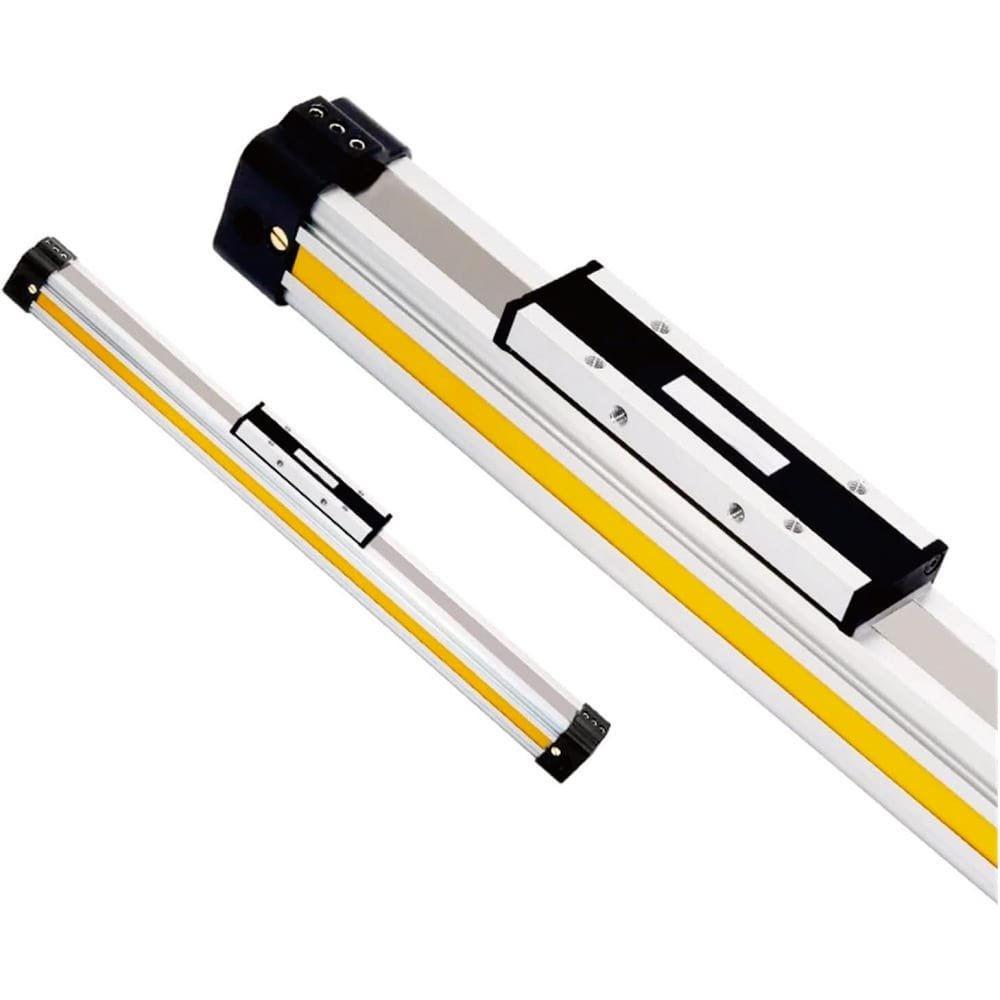
When pneumatic systems fail in sub-zero environments, entire operations can grind to a halt, costing thousands per hour. Standard cylinders simply weren’t designed for extreme cold, leading to seal failures, sluggish performance, and catastrophic breakdowns that leave production lines frozen.
Sub-zero temperature pneumatic cylinders require specialized seals, low-temperature lubricants, material selection for thermal expansion1 compatibility, and enhanced filtration systems to maintain reliable operation in temperatures as low as -40°C without performance degradation or component failure.
Just last month, I worked with David, a maintenance engineer at a frozen food processing facility in Minnesota, whose standard cylinders kept failing during their harsh winter operations. After switching to our Bepto sub-zero rated rodless cylinders, his downtime dropped by 85%. ❄️
Table of Contents
- What Materials Work Best for Sub-Zero Pneumatic Applications?
- How Do Sealing Systems Perform in Extreme Cold Conditions?
- What Lubrication Strategies Prevent Cold Weather Failures?
- How Can You Optimize Air Treatment for Sub-Zero Operations?
What Materials Work Best for Sub-Zero Pneumatic Applications? 🔧
Material selection becomes critical when pneumatic cylinders must operate reliably in extreme cold environments.
Aluminum alloy bodies with stainless steel rods, combined with specialized polymers and elastomers rated for -40°C operation, provide the thermal stability and mechanical properties needed for reliable sub-zero pneumatic cylinder performance.

Cylinder Body Materials
The cylinder body must withstand thermal cycling without cracking or dimensional changes:
Material Properties
- 6061-T6 Aluminum: Excellent thermal conductivity prevents hot spots
- Anodized Surface: Corrosion resistance in harsh environments
- Wall Thickness: Increased to handle thermal stress
- Thermal Expansion: Coefficient matched to internal components
Rod and Shaft Materials
Moving components require materials that maintain strength and surface finish in cold:
| Material Type | Temperature Range | Advantages | Applications |
|---|---|---|---|
| Stainless Steel 316 | -40°C to +150°C | Corrosion resistant, maintains hardness | Standard applications |
| Chrome-plated Steel | -40°C to +120°C | Superior surface finish, wear resistant | High-cycle operations |
| Ceramic Coating | -40°C to +200°C | Ultra-smooth surface, chemical resistant | Contaminated environments |
Internal Component Selection
Critical internal parts need specialized materials for sub-zero reliability:
Component Materials
- Piston: Glass-filled nylon for dimensional stability
- End caps: Reinforced aluminum with thermal barriers
- Fasteners: Stainless steel to prevent galling2
- Cushioning valves: Brass with low-temperature seals
Sarah, who manages a cold storage facility in Alaska, was experiencing rod seizures every winter. We upgraded her to our Bepto stainless steel rod cylinders with specialized coatings, eliminating her cold-weather failures completely. 🏔️
How Do Sealing Systems Perform in Extreme Cold Conditions? ⚙️
Sealing technology represents the most critical aspect of sub-zero pneumatic cylinder design and operation.
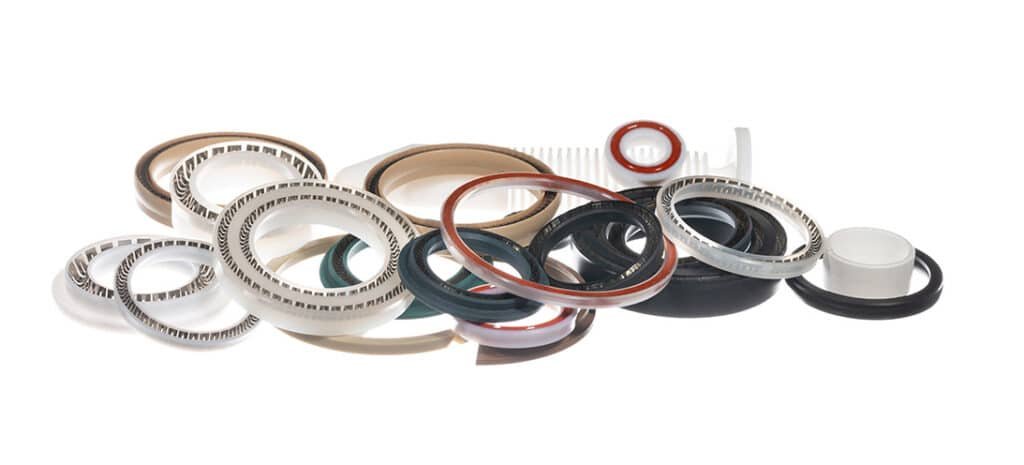
Specialized fluorocarbon seals, polyurethane wipers, and PTFE3 backup rings maintain flexibility and sealing integrity at -40°C, while standard NBR seals become brittle and fail within hours of cold exposure.
Seal Material Selection
Different elastomers exhibit vastly different performance in cold temperatures:
Temperature Performance
- Viton (FKM): Maintains flexibility to -40°C
- Silicone: Good low-temp flexibility but lower pressure rating
- Polyurethane: Excellent wear resistance in cold
- PTFE: Chemically inert but requires careful installation
Seal Design Modifications
Cold weather sealing requires design changes beyond material selection:
| Design Feature | Standard Design | Sub-Zero Design | Benefit |
|---|---|---|---|
| Seal Groove Depth | 2.5mm | 3.0mm | Accommodates thermal contraction |
| Backup Ring | Optional | Mandatory | Prevents extrusion at low temps |
| Wiper Design | Single lip | Double lip | Enhanced contamination protection |
| Preload | Standard | Reduced | Prevents over-compression when cold |
Installation Considerations
Proper installation becomes even more critical in sub-zero applications:
Installation Best Practices
- Assembly temperature: Install seals at room temperature
- Lubrication: Use low-temperature compatible grease
- Stretch limits: Reduce maximum stretch to prevent cracking
- Storage: Keep sealed components warm until installation
What Lubrication Strategies Prevent Cold Weather Failures? 📊
Proper lubrication selection and application methods are essential for sub-zero pneumatic cylinder reliability.
Synthetic PAO-based lubricants with pour points4 below -50°C, combined with automatic lubrication systems and heated storage, ensure consistent film thickness and component protection throughout extreme temperature cycles.
Lubricant Selection Criteria
Cold weather lubricants must maintain viscosity and film strength:
Performance Requirements
- Pour point: Below -50°C for reliable flow
- Viscosity index: High VI maintains consistency
- Thermal stability: Resists breakdown during cycling
- Compatibility: Works with seal materials
Application Methods
Delivery systems must function reliably in extreme cold:
Lubrication Systems
- Micro-fog: Continuous light coating application
- Pulse lubrication: Timed intervals based on cycle count
- Heated reservoirs: Maintain lubricant temperature
- Heated lines: Prevent lubricant freezing in delivery
Maintenance Schedules
Cold weather operations require modified maintenance intervals:
| Maintenance Task | Standard Interval | Sub-Zero Interval | Reason |
|---|---|---|---|
| Lubricant change | 6 months | 3 months | Contamination from condensation |
| Seal inspection | Annual | Quarterly | Accelerated wear in cold |
| Filter replacement | 6 months | 2 months | Ice crystal formation |
How Can You Optimize Air Treatment for Sub-Zero Operations? 🔍
Air preparation becomes critical when moisture can freeze and block pneumatic systems.
Sub-zero pneumatic systems require refrigerated air dryers, heated filter bowls, automatic drain systems, and desiccant backup systems to maintain air quality below -40°C dew point5 and prevent ice formation in cylinders and valves.
Moisture Removal Systems
Preventing ice formation requires aggressive moisture removal:
Drying Technologies
- Refrigerated dryers: Remove bulk moisture efficiently
- Desiccant dryers: Achieve ultra-low dew points
- Membrane dryers: Continuous operation without cycling
- Heat of compression: Utilizes waste heat for drying
Filtration Requirements
Sub-zero applications need enhanced filtration:
Filter Specifications
- Particulate rating: 0.01 micron minimum
- Coalescing efficiency: 99.99% oil removal
- Heated bowls: Prevent filter freezing
- Automatic drains: Timed or demand-based
System Design Considerations
Cold weather air treatment requires systematic approach:
Design Elements
- Insulated piping: Prevents condensation formation
- Heat tracing: Maintains temperature in critical areas
- Bypass systems: Allow maintenance without shutdown
- Monitoring: Continuous dew point and pressure tracking
Our Bepto sub-zero cylinder packages include complete air treatment recommendations, helping customers like David achieve 99.5% uptime even in Minnesota’s harshest winters. ✨
Conclusion
Successful sub-zero pneumatic cylinder operation requires careful attention to materials, sealing, lubrication, and air treatment to ensure reliable performance in extreme cold environments.
FAQs About Sub-Zero Pneumatic Cylinders
Q: Can standard pneumatic cylinders work in sub-zero temperatures?
Standard cylinders will fail quickly in sub-zero conditions due to seal brittleness and lubricant thickening. Specialized sub-zero rated cylinders are essential for reliable operation below 0°C.
Q: What’s the lowest temperature pneumatic cylinders can operate?
Our Bepto sub-zero cylinders can operate reliably down to -40°C with proper air treatment and maintenance. Some specialized designs can handle even lower temperatures with custom materials.
Q: How often should sub-zero cylinders be maintained?
Sub-zero applications require maintenance intervals 2-3 times more frequent than standard applications due to accelerated wear and contamination from thermal cycling.
Q: What causes most sub-zero cylinder failures?
Seal failure accounts for 70% of sub-zero cylinder problems, followed by lubricant thickening and ice formation in air passages. Proper material selection prevents most issues.
Q: Are sub-zero cylinders more expensive than standard ones?
Sub-zero cylinders typically cost 30-50% more than standard units, but this investment pays for itself quickly through reduced downtime and maintenance costs in cold environments.
-
Learn about the physics of thermal expansion and how materials contract in cold. ↩
-
Understand what galling is and why it’s a common failure mode for metal fasteners. ↩
-
Explore the properties of PTFE (Polytetrafluoroethylene) and its uses as a seal material. ↩
-
See the definition of a lubricant’s pour point and how it’s measured. ↩
-
Learn what “dew point” means in the context of compressed air and why it’s critical to control. ↩