When your rotary actuators start drifting from their intended positions, every minute of downtime translates to thousands in lost revenue. These positioning inaccuracies don’t just disrupt your workflow—they compound into catastrophic production delays that can cripple your entire operation.
Rotary actuator1 drift and positioning inaccuracies are primarily caused by worn seals, contaminated air supply, improper mounting, or inadequate feedback systems2, but most issues can be resolved through systematic troubleshooting and quality component replacement.
As a sales director at Bepto Pneumatics, I’ve witnessed countless manufacturers struggle with these exact challenges. Just last month, I helped a packaging facility in Michigan restore their line efficiency from 60% to 98% by addressing their actuator positioning problems. 📈
Table of Contents
- What Causes Rotary Actuator Drift in Industrial Applications?
- How Can You Diagnose Positioning Inaccuracies in Pneumatic Systems?
- Which Maintenance Practices Prevent Rotary Actuator Problems?
- When Should You Replace vs Repair Faulty Rotary Actuators?
What Causes Rotary Actuator Drift in Industrial Applications?
Understanding the root causes is your first step toward eliminating these costly disruptions.
The primary culprits behind rotary actuator drift include seal degradation, air supply contamination, mechanical wear, temperature fluctuations, and inadequate lubrication—each requiring specific diagnostic and repair approaches.
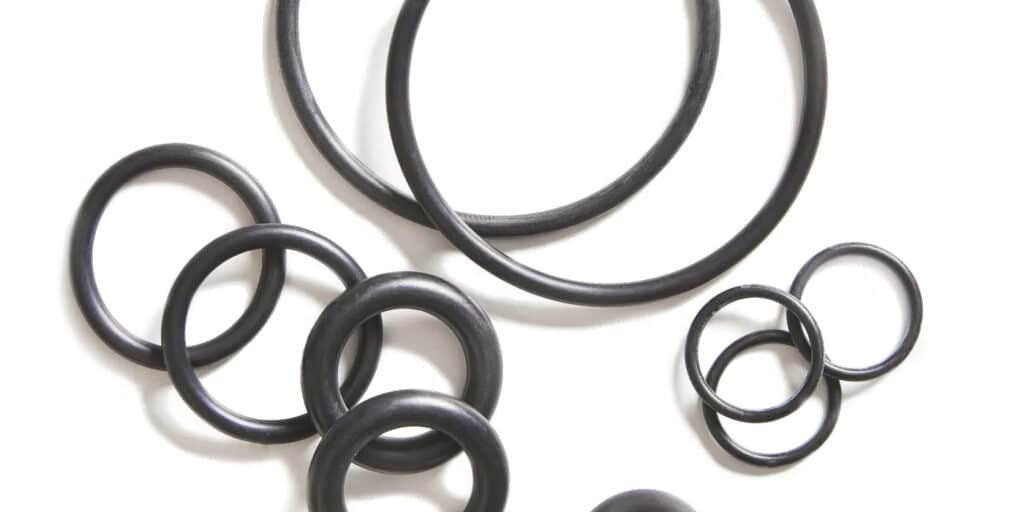
Internal Seal Deterioration
Worn or damaged seals allow internal air leakage, causing gradual position drift over time. This is particularly common in high-cycle applications where seals experience constant compression and expansion.
Contaminated Air Supply
Moisture, oil, and particulates in your compressed air system can cause erratic actuator behavior. These contaminants interfere with smooth piston movement and can damage internal components.
Mechanical Component Wear
Bushings3, bearings, and guide rods naturally wear over time, introducing play that manifests as positioning inaccuracy. This wear accelerates in harsh industrial environments.
| Bepto vs OEM Comparison | Bepto Solution | OEM Original |
|---|---|---|
| Delivery Time | 24-48 hours | 2-4 weeks |
| Cost Savings | Up to 40% less | Standard pricing |
| Quality Standards | ISO 90014 certified | Varies |
How Can You Diagnose Positioning Inaccuracies in Pneumatic Systems?
Effective diagnosis requires a systematic approach to identify the exact failure point.
Start with visual inspection for obvious damage, then perform pressure tests, check mounting alignment, verify air quality, and use precision measurement tools to quantify positioning errors.
Step-by-Step Diagnostic Process
- Visual Inspection: Look for obvious damage, loose connections, or contamination
- Pressure Testing: Verify consistent air pressure throughout the system
- Alignment Check: Ensure proper mounting and shaft alignment
- Movement Analysis: Observe actuator behavior during operation cycles
I remember working with David, a maintenance engineer at a automotive parts facility in Ohio. His team was experiencing 15-degree positioning errors on their assembly line rotary actuators. Through our systematic diagnostic approach, we discovered that moisture in their air lines was causing inconsistent pressure delivery. After installing proper filtration and replacing the affected actuators with our compatible Bepto units, they achieved sub-degree accuracy within 24 hours. 🎯
Which Maintenance Practices Prevent Rotary Actuator Problems?
Proactive maintenance is significantly more cost-effective than reactive repairs.
Implement regular lubrication schedules, maintain clean air supply systems, perform periodic seal inspections, monitor operating pressures, and establish replacement intervals based on cycle counts.
Essential Maintenance Schedule
- Daily: Visual inspection and basic operation check
- Weekly: Lubrication point service and pressure verification
- Monthly: Detailed performance analysis and seal condition assessment
- Quarterly: Complete system calibration and component replacement evaluation
When Should You Replace vs Repair Faulty Rotary Actuators?
Making the right decision between repair and replacement impacts both immediate costs and long-term reliability.
Replace actuators when repair costs exceed 60% of replacement cost, when downtime for repair exceeds production loss tolerance, or when multiple components show wear indicating end-of-life conditions.
Decision Matrix Factors
- Age of Equipment: Units over 5 years often benefit from replacement
- Cycle Count: High-cycle applications may require more frequent replacement
- Critical Application: Mission-critical systems justify proactive replacement
- Parts Availability: Limited OEM parts availability favors compatible alternatives
Our experience shows that facilities switching to Bepto replacement actuators typically see 30-40% cost savings while maintaining or improving performance standards.
Conclusion
Rotary actuator drift and positioning inaccuracies are preventable problems that respond well to systematic troubleshooting and quality replacement components.
FAQs About Rotary Actuator Troubleshooting
Q: How quickly can positioning drift develop in rotary actuators?
A: Drift can develop gradually over months or suddenly within hours, depending on the failure mode. Seal failures typically cause gradual drift, while mechanical damage creates immediate positioning problems.
Q: Can contaminated air cause permanent damage to rotary actuators?
A: Yes, contaminated air can cause irreversible damage to seals, bushings, and internal surfaces. Proper filtration and regular air system maintenance are essential for actuator longevity.
Q: What accuracy can I expect from replacement rotary actuators?
A: Quality replacement actuators like our Bepto units typically achieve ±0.1-degree accuracy when properly installed and maintained, matching or exceeding OEM specifications.
Q: How do I know if my rotary actuator needs immediate replacement?
A: Immediate replacement is warranted if you observe fluid leakage, excessive play in the shaft, inability to hold position under load, or positioning errors exceeding your application tolerance.
Q: Are aftermarket rotary actuators reliable for critical applications?
A: High-quality aftermarket actuators that meet or exceed OEM specifications are perfectly suitable for critical applications, often providing better value and faster availability than original parts.
-
Explore the function of rotary actuators and the various technologies used to generate rotational motion, such as vane, rack-and-pinion, and helical. ↩
-
Learn about the role of feedback devices like encoders and sensors in creating closed-loop control systems for precise actuator positioning. ↩
-
Understand the function of a bushing, a type of bearing used to reduce friction and wear between mechanical parts. ↩
-
Get an overview of the ISO 9001 standard, the international benchmark for quality management systems. ↩