

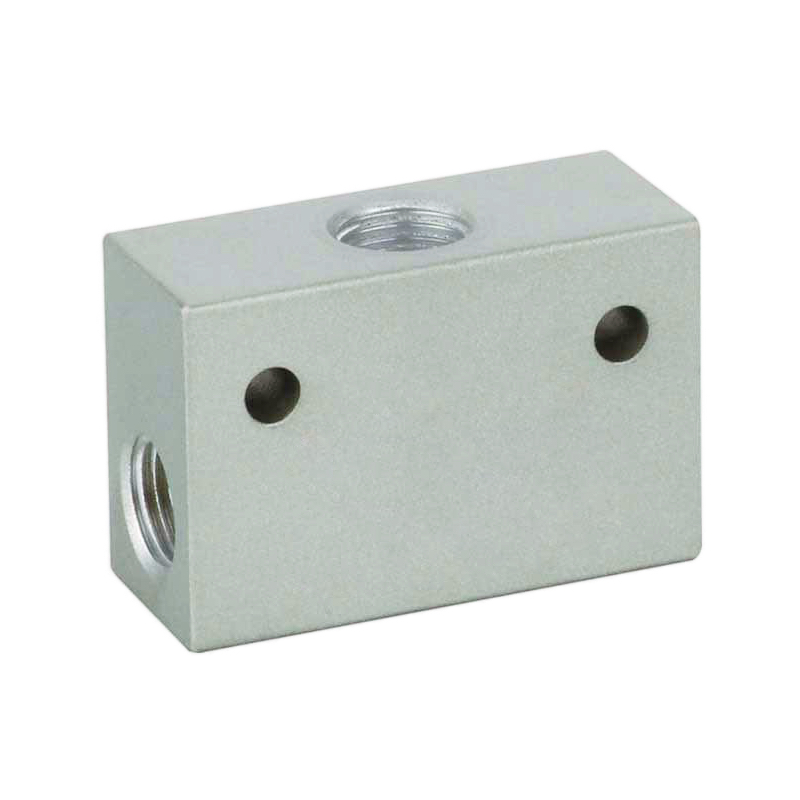
Pneumatic systems fail when operators accidentally trigger multiple actuators simultaneously, causing equipment damage and production delays. Traditional pneumatic circuits lack memory functions, making it impossible to maintain system states without continuous input signals. These failures cost manufacturers thousands in repairs and lost productivity daily. 😰
Building a pneumatic latching circuit using logic valves creates memory functions that maintain actuator positions even after input signals are removed, preventing accidental operations and ensuring safe, sequential machine operation through AND, OR, and NOT gate combinations1.
Last month, I helped David, a maintenance engineer at a packaging facility in Michigan, whose production line kept jamming because operators could activate conflicting cylinder movements simultaneously, causing $15,000 in daily downtime until we implemented a proper latching circuit.
Table of Contents
- What Are the Essential Components for Pneumatic Logic Circuits?
- How Do You Wire Basic AND and OR Logic Functions?
- Which Latching Circuit Designs Prevent Accidental Operations?
- What Troubleshooting Steps Solve Common Logic Valve Problems?
What Are the Essential Components for Pneumatic Logic Circuits?
Understanding the fundamental components is crucial for building reliable pneumatic latching circuits that provide memory functions and prevent operational conflicts.
Essential components include shuttle valves2 for OR functions, dual-pressure valves3 for AND operations, quick exhaust valves for rapid response, and pilot-operated directional valves that maintain positions through pneumatic memory feedback loops.
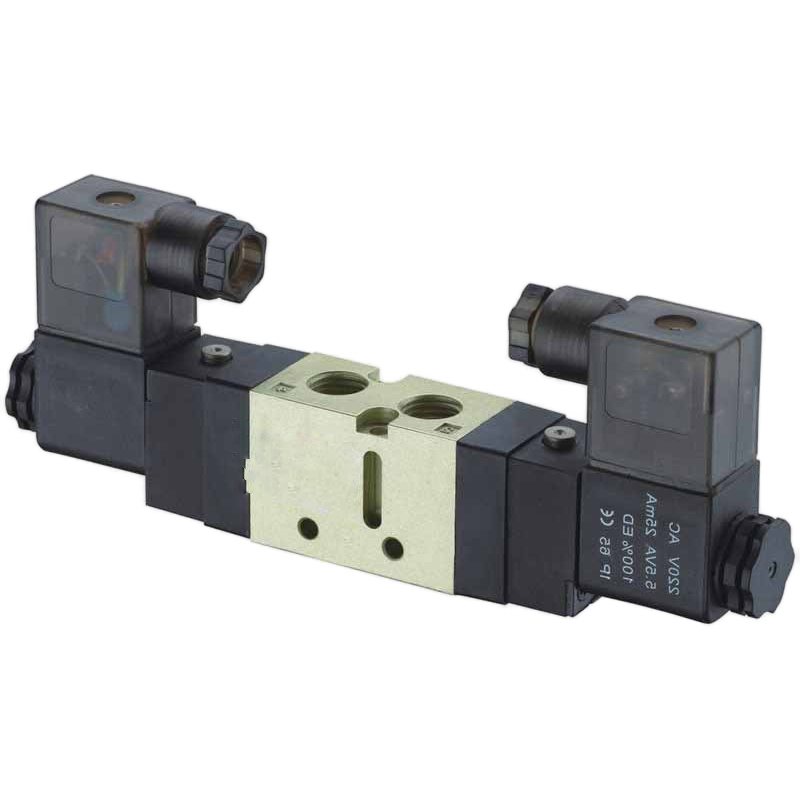
Core Logic Valve Types
Primary Logic Elements:
- Shuttle Valves (OR Gates): Allow signal from either input to pass through
- Dual-Pressure Valves (AND Gates): Require both inputs to generate output
- Quick Exhaust Valves: Provide rapid cylinder retraction
- Pilot-Operated Valves: Maintain positions with low pilot pressure
Supporting Components
Circuit Support Elements:
| Component | Function | Application | Bepto Advantage |
|---|---|---|---|
| Flow Control Valves | Speed regulation | Cylinder timing | 40% cost savings |
| Pressure Regulators | System pressure control | Consistent operation | Fast delivery |
| Air Preparation Units | Clean, dry air supply | Valve longevity | Complete packages |
| Manifold Blocks | Compact mounting | Space efficiency | Custom configurations |
Memory Circuit Basics
Latching Mechanisms:
- Self-Holding Circuits: Use output pressure to maintain valve position
- Cross-Coupled Circuits: Two valves hold each other in position
- Pilot Feedback Loops: Small pilot signals maintain large valve positions
- Mechanical Latching: Physical detents hold valve positions
System Integration
Proper integration ensures reliable operation:
- Pressure Requirements: Maintain consistent pilot pressures
- Flow Capacity: Size valves for adequate flow rates
- Response Time: Balance speed with stability
- Safety Interlocks: Include emergency stop functions
David’s Michigan facility discovered that proper component selection reduced their pneumatic logic failures by 85% while cutting maintenance time in half. 🔧
How Do You Wire Basic AND and OR Logic Functions?
Proper wiring of pneumatic logic functions forms the foundation for complex latching circuits that provide memory and sequential control capabilities.
Wire OR functions using shuttle valves that pass the highest input pressure, and AND functions using dual-pressure valves that require both inputs above threshold pressure to generate output signals for downstream components.
OR Gate Configuration
Shuttle Valve Wiring:
- Input A: Connect first control signal
- Input B: Connect second control signal
- Output: Higher pressure signal passes through
- Applications: Emergency stops, multiple start buttons
AND Gate Setup
Dual-Pressure Valve Configuration:
- Input 1: First required condition
- Input 2: Second required condition
- Output: Signal only when both inputs present
- Threshold: Typically 85% of supply pressure
Circuit Symbols and Standards
- OR Gate: Diamond with two inputs, one output
- AND Gate: Semi-circle with two inputs, one output
- NOT Gate: Triangle with circle (inverter)
- Memory Element: Rectangle with feedback line
Practical Wiring Examples
Basic Two-Hand Safety Circuit:
Operator Button A → AND Gate Input 1
Operator Button B → AND Gate Input 2
AND Gate Output → Cylinder Extend Valve
Emergency Stop Override:
Start Signal → OR Gate Input 1
Reset Signal → OR Gate Input 2
OR Gate Output → System Enable
Common Wiring Mistakes
Avoid These Errors:
- Pressure Drops: Undersized tubing reduces signal strength
- Cross-Connections: Mixed signals cause unpredictable operation
- Missing Exhausts: Trapped air prevents proper valve operation
- Inadequate Filtration: Contamination causes valve sticking
Which Latching Circuit Designs Prevent Accidental Operations?
Effective latching circuit designs create memory functions that prevent dangerous simultaneous operations while maintaining system states without continuous input signals.
Use self-holding circuits with cross-coupled pilot valves, incorporate reset functions through exhaust valves, and add interlock logic that prevents conflicting cylinder movements through sequential control programming.

Self-Holding Circuit Design
Basic Latching Configuration:
- Set Input: Momentary signal starts operation
- Hold Circuit: Output pressure maintains valve position
- Reset Input: Exhausts holding pressure to stop operation
- Feedback Loop: Confirms valve position to control system
Cross-Coupled Latching
Dual-Valve Memory System:
- Valve A: Controls primary function
- Valve B: Provides memory backup
- Cross-Connection: Each valve holds the other in position
- Reset Function: Simultaneous exhaust of both valves
Sequential Interlock Design
Preventing Conflicts:
| Sequence Step | Condition Required | Action Permitted | Safety Interlock |
|---|---|---|---|
| 1. Clamp | Part present sensor | Clamp cylinder extend | Drill disabled |
| 2. Drill | Clamp confirmed | Drill cylinder down | Unclamp disabled |
| 3. Retract | Drill complete | Drill cylinder up | Next cycle enabled |
| 4. Unclamp | Drill retracted | Clamp cylinder retract | Part eject enabled |
Emergency Override Systems
Safety Integration:
- Emergency Stop: Exhausts all latching circuits immediately
- Manual Reset: Requires operator confirmation to restart
- Position Feedback: Confirms all cylinders in safe positions
- Lockout/Tagout5: Physical isolation for maintenance
Advanced Latching Features
Enhanced Functionality:
- Time Delays: Built-in timing functions
- Pressure Monitoring: Confirms adequate system pressure
- Cycle Counting: Tracks operation cycles
- Diagnostic Outputs: Indicates system status
Sarah, who manages a metal fabrication shop in Ohio, implemented our Bepto latching circuit design and eliminated all accidental cylinder collisions, reducing her insurance claims by 90% while improving operator confidence. 💪
What Troubleshooting Steps Solve Common Logic Valve Problems?
Systematic troubleshooting of pneumatic logic circuits identifies root causes quickly, minimizing downtime and ensuring reliable latching circuit operation.
Start with pressure verification at each logic point, check for air leaks using soapy water, verify proper valve orientation and connections, then test individual logic functions before examining complete circuit operation.
Systematic Diagnostic Approach
Step-by-Step Process:
- Visual Inspection: Check all connections and valve positions
- Pressure Testing: Verify supply and pilot pressures
- Function Testing: Test each logic element individually
- Circuit Analysis: Trace signal flow through complete circuit
Common Problem Symptoms
Troubleshooting Guide:
| Symptom | Likely Cause | Solution | Prevention |
|---|---|---|---|
| No output signal | Low supply pressure | Check compressor/regulator | Regular pressure monitoring |
| Intermittent operation | Air leaks | Tighten fittings, replace seals | Scheduled maintenance |
| Slow response | Restricted flow | Clean/replace flow controls | Proper filtration |
| Circuit won’t latch | Exhaust not blocked | Check valve sealing | Quality components |
Pressure Testing Procedures
Measurement Points:
- Supply Pressure: Should be 80-120 PSI typically
- Pilot Pressures: Minimum 15 PSI for reliable operation
- Logic Outputs: Verify proper signal levels
- Cylinder Pressures: Confirm adequate force available
Leak Detection Methods
Finding Air Leaks:
- Soapy Water: Apply to all connections
- Ultrasonic Detectors: Locate small leaks quickly
- Pressure Drop Tests: Monitor system pressure over time
- Flow Meter Testing: Measure continuous air consumption
Component Replacement Guidelines
When to Replace:
- Shuttle Valves: If internal seals leak or stick
- Pilot Valves: When response becomes sluggish
- Flow Controls: If adjustment range is insufficient
- Pressure Regulators: When output pressure varies
Preventive Maintenance Schedule
Regular Maintenance Tasks:
- Weekly: Visual inspection and pressure checks
- Monthly: Function testing of all logic circuits
- Quarterly: Complete system leak testing
- Annually: Component replacement based on wear
Conclusion
Building effective pneumatic latching circuits using logic valves requires proper component selection, systematic wiring, and regular maintenance to ensure safe, reliable operation with memory functions.
FAQs About Pneumatic Logic Circuits
Q: What minimum pressure is required for reliable pneumatic logic operation?
Pneumatic logic circuits typically require minimum pilot pressures of 15 PSI and supply pressures of 80 PSI for reliable operation, though specific requirements vary by valve manufacturer and application.
Q: Can pneumatic logic circuits replace electrical controls completely?
While pneumatic logic can handle many control functions, complex applications often benefit from hybrid systems combining pneumatic power with electrical logic for optimal performance and flexibility.
Q: How do you prevent moisture problems in pneumatic logic circuits?
Install proper air preparation equipment including filters, regulators, and lubricators (FRL units) with automatic drain valves to remove moisture and contaminants before they reach logic valves.
Q: What’s the typical lifespan of pneumatic logic valves in industrial applications?
Quality pneumatic logic valves typically operate reliably for 5-10 million cycles or 3-5 years in normal industrial environments when properly maintained with clean, dry air supply.
Q: Are Bepto logic valves compatible with major OEM pneumatic systems?
Yes, our Bepto logic valves are designed as direct replacements for major brands, offering the same mounting dimensions and flow characteristics at significant cost savings with faster delivery times.
-
[Learn the official definitions and principles of pneumatic logic gates.] ↩
-
[Understand the internal workings and purpose of a shuttle (OR) valve.] ↩
-
[See how dual-pressure (AND) valves require two inputs to operate.] ↩
-
[View a comprehensive chart of ISO 1219 standardized symbols for pneumatic circuits.] ↩
-
[Review the official OSHA guidelines for Lockout/Tagout safety procedures.] ↩