Production line failures due to incompatible replacement valves cost manufacturers an average of $22,000 per hour in lost productivity. When your original equipment fails, finding the right replacement becomes a race against time and mounting losses.
Ensuring solenoid valve compatibility as an OEM replacement requires systematic verification of electrical specifications, mounting dimensions, flow characteristics, and control interface requirements to guarantee seamless integration without performance degradation or safety compromises.
I’ve seen too many facilities struggle with valve compatibility issues that could have been avoided with proper verification procedures. Last week, I helped Robert, a maintenance manager at a food processing plant in California, who installed an “equivalent” valve that caused a three-day shutdown because the flow characteristics didn’t match his system requirements 😰.
Table of Contents
- What Are the Critical Parameters for Solenoid Valve Compatibility Verification?
- How Do You Match Electrical Specifications for OEM Replacement Valves?
- Which Mechanical Factors Must Be Verified for Proper Valve Installation?
- What Testing Procedures Ensure Replacement Valve Performance?
What Are the Critical Parameters for Solenoid Valve Compatibility Verification?
Understanding the essential compatibility parameters prevents costly mistakes and ensures reliable system operation.
Critical compatibility parameters include port size and configuration, operating pressure range, Flow coefficient (Cv)1, response time, electrical specifications, mounting interface, and environmental ratings that must match or exceed original equipment specifications.
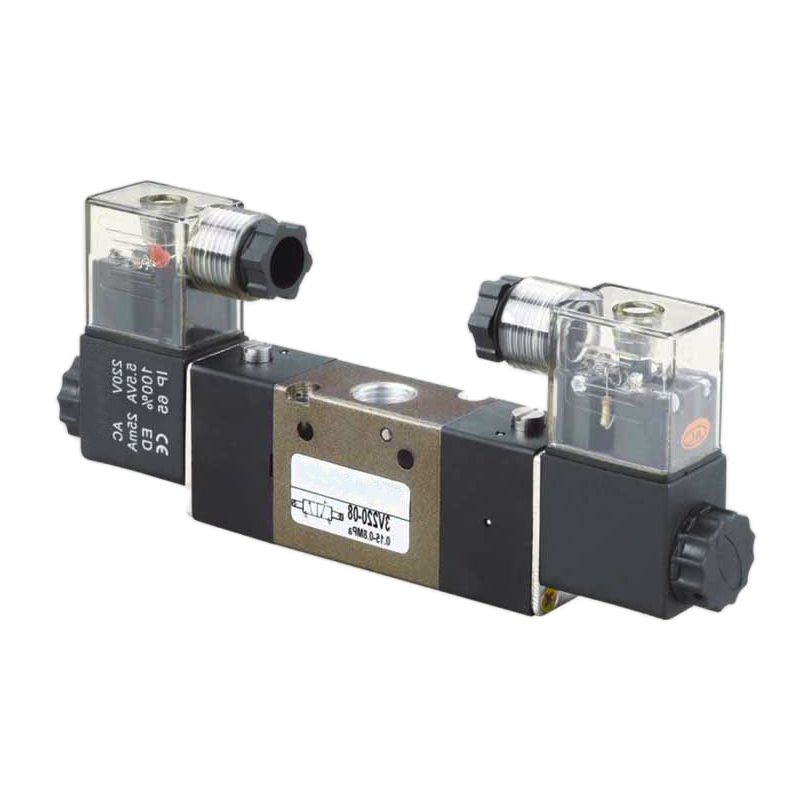
Port Configuration Analysis
The port arrangement (2-way, 3-way, 4-way, 5-way) must match exactly. Even slight differences in port positioning can prevent proper installation or cause system malfunction.
Pressure Rating Verification
Operating pressure ranges must align with system requirements. Installing a valve with insufficient pressure rating creates safety hazards, while over-specification increases costs unnecessarily.
Flow Characteristics Assessment
The flow coefficient (Cv) determines system performance. Mismatched flow rates can cause actuator speed variations, pressure drops, or system instability.
| Parameter Category | Verification Requirements | Consequences of Mismatch |
|---|---|---|
| Port Configuration | Exact match required | Installation impossible or leakage |
| Pressure Rating | Equal or higher than original | Safety hazards or over-specification |
| Flow Coefficient (Cv) | ±10% of original specification | Performance degradation |
| Response Time | Match application requirements | Timing sequence failures |
| Temperature Range | Suitable for operating environment | Premature failure or malfunction |
Environmental Considerations
Temperature ratings, IP protection levels2, and material compatibility with process media must meet or exceed original specifications to ensure reliable operation.
How Do You Match Electrical Specifications for OEM Replacement Valves?
Electrical compatibility is crucial for proper valve operation and integration with existing control systems.
Electrical specification matching requires verification of voltage ratings, current consumption, coil resistance, connector types, and control signal compatibility to ensure seamless integration with existing control panels and wiring infrastructure.

Voltage and Current Requirements
Verify that replacement valve voltage ratings match your control system output. Current consumption should not exceed control module capacity to prevent overloading.
Coil Specifications
DC and AC coil types are not interchangeable. Coil resistance affects current draw and must be compatible with your control system’s output characteristics.
Connector Compatibility
Electrical connections must match existing wiring. Different connector types require additional adapters or rewiring, increasing installation complexity and costs.
I worked with Maria, a controls engineer at a pharmaceutical facility in North Carolina, who experienced intermittent valve failures. We discovered her replacement valves had slightly different coil specifications that caused overheating in her control modules. Switching to properly matched Bepto valves eliminated the problem completely 🎯.
Control Signal Interface
- Digital Control: 24V DC standard, verify switching characteristics
- Analog Control: 4-20mA3 or 0-10V compatibility
- Fieldbus Integration: DeviceNet, Profibus, or Fieldbus4 protocols
- Safety Circuits: Emergency stop and fail-safe requirements
Which Mechanical Factors Must Be Verified for Proper Valve Installation?
Mechanical compatibility ensures proper mounting, sealing, and operational performance in your specific application.
Essential mechanical factors include mounting thread specifications, overall dimensions, weight considerations, vibration resistance, and material compatibility with process media to guarantee reliable installation and long-term performance.
Thread and Mounting Specifications
Port threads must match exactly – NPT5, BSPT, and metric threads are not interchangeable. Mounting hole patterns and dimensions must align with existing installations.
Dimensional Constraints
Overall valve dimensions affect clearance requirements. Verify that replacement valves fit within existing space constraints, including actuator stroke requirements.
Material Compatibility Assessment
Valve body materials, seals, and internal components must be compatible with your process media. Chemical compatibility charts help prevent premature failure due to corrosion or seal degradation.
Weight and Vibration Considerations
Heavier replacement valves may require additional mounting support. Vibration resistance specifications should match or exceed application requirements.
What Testing Procedures Ensure Replacement Valve Performance?
Systematic testing procedures validate compatibility and performance before full system integration.
Comprehensive testing includes bench testing for basic functionality, pressure testing for leak integrity, flow testing for performance verification, and system integration testing to confirm proper operation within the complete pneumatic circuit.
Pre-Installation Bench Testing
Test valve operation at your workbench before installation. Verify switching speed, pressure drop characteristics, and electrical consumption under controlled conditions.
Pressure and Leak Testing
Conduct pressure tests at 1.5 times operating pressure to verify seal integrity. Use soap solution or electronic leak detectors to identify potential problems.
Flow Performance Verification
Measure actual flow rates at various pressure differentials. Compare results with original valve specifications to ensure adequate system performance.
System Integration Testing
Install the replacement valve and conduct full system operational tests. Monitor actuator speeds, pressure levels, and timing sequences to verify proper integration.
At Bepto Pneumatics, we provide detailed compatibility verification services for our replacement valves. Our technical team has helped over 1,000 facilities successfully replace OEM valves with compatible alternatives, typically saving 30-50% on replacement costs while maintaining full performance 💪.
Testing Documentation Requirements
- Electrical Tests: Voltage, current, and resistance measurements
- Pressure Tests: Operating and proof pressure verification
- Flow Tests: Cv measurements at various pressure drops
- Environmental Tests: Temperature and vibration resistance
- Integration Tests: Full system operational verification
Conclusion
Proper solenoid valve compatibility verification is essential for successful OEM replacements, requiring systematic evaluation of electrical, mechanical, and performance parameters to ensure reliable operation and cost-effective maintenance solutions 🚀.
FAQs About Solenoid Valve Compatibility for OEM Replacement
Q: Can I use a higher-rated valve as a replacement for a lower-rated original?
A: Yes, using higher-rated valves is generally acceptable and often provides additional safety margin. However, verify that higher flow rates won’t cause system performance issues, and ensure mounting dimensions remain compatible.
Q: How do I identify the exact specifications of my original valve if documentation is missing?
A: Check the valve nameplate for model numbers, then contact the original manufacturer or use online cross-reference databases. Physical measurements and electrical testing can also provide specification data when documentation is unavailable.
Q: What’s the typical cost difference between OEM and compatible replacement valves?
A: Compatible replacement valves typically cost 25-50% less than OEM originals while providing equivalent performance. The exact savings depend on valve complexity and manufacturer pricing strategies.
Q: How long should I expect a compatible replacement valve to last compared to the original?
A: High-quality compatible valves should provide equivalent service life to OEM originals when properly selected and installed. Many compatible valves use similar or identical internal components from the same suppliers.
Q: Should I replace all valves in a system at once or individually as they fail?
A: Individual replacement is usually more cost-effective unless valves are nearing end-of-life simultaneously. However, standardizing on compatible replacements during individual failures can simplify future maintenance and inventory management.
-
Understand how the flow coefficient (Cv) is a standardized measure of a valve’s capacity to permit fluid or gas flow. ↩
-
See the definitions for the Ingress Protection (IP) rating system, which classifies the sealing effectiveness of electrical enclosures. ↩
-
Learn about the 4-20mA analog signaling standard, a robust method for transmitting process measurements in industrial environments. ↩
-
Discover how Fieldbus technology enables real-time, distributed control through a digital, two-way communication network. ↩
-
Learn about the specifications and applications of the American National Standard Pipe Thread (NPT) standard. ↩