When your production line suddenly starts moving erratically, costing thousands in downtime, the culprit is often improper flow control configuration. Meter-in control restricts airflow entering the cylinder for precise speed control during extension, while meter-out control restricts exhaust airflow for better load handling and smoother deceleration. As someone who’s helped countless engineers optimize their pneumatic systems, I’ve seen how choosing the wrong flow control method can make or break operational efficiency.
Table of Contents
- What Is the Fundamental Difference Between Meter-In and Meter-Out Control?
- When Should You Choose Meter-In Flow Control for Your Application?
- Why Does Meter-Out Control Provide Superior Load Handling?
- How Do You Select the Right Flow Control Method for Your System?
What Is the Fundamental Difference Between Meter-In and Meter-Out Control?
Understanding flow control fundamentals can transform your pneumatic system’s performance overnight. 🔧
Meter-in control throttles compressed air entering the cylinder, while meter-out control restricts air exhausting from the cylinder, creating fundamentally different pressure dynamics and motion characteristics.

Basic Operating Principles
Meter-in control works by installing a flow control valve on the supply line feeding compressed air into the cylinder. This creates a pressure drop1 before the air enters the working chamber, directly controlling the speed of piston movement.
Meter-out control places the flow restriction on the exhaust port, creating back-pressure2 in the chamber being emptied. This back-pressure provides more consistent speed control and better load handling capabilities.
| Control Method | Pressure Location | Best For | Typical Applications |
|---|---|---|---|
| Meter-In | Supply side restriction | Light loads, speed control | Pick-and-place, simple automation |
| Meter-Out | Exhaust side restriction | Heavy loads, smooth motion | Material handling, precision positioning |
When Should You Choose Meter-In Flow Control for Your Application?
Meter-in control shines in specific scenarios where simplicity meets performance requirements.
Choose meter-in control for light-load applications requiring basic speed control, especially when dealing with horizontal movements or applications without significant external forces.
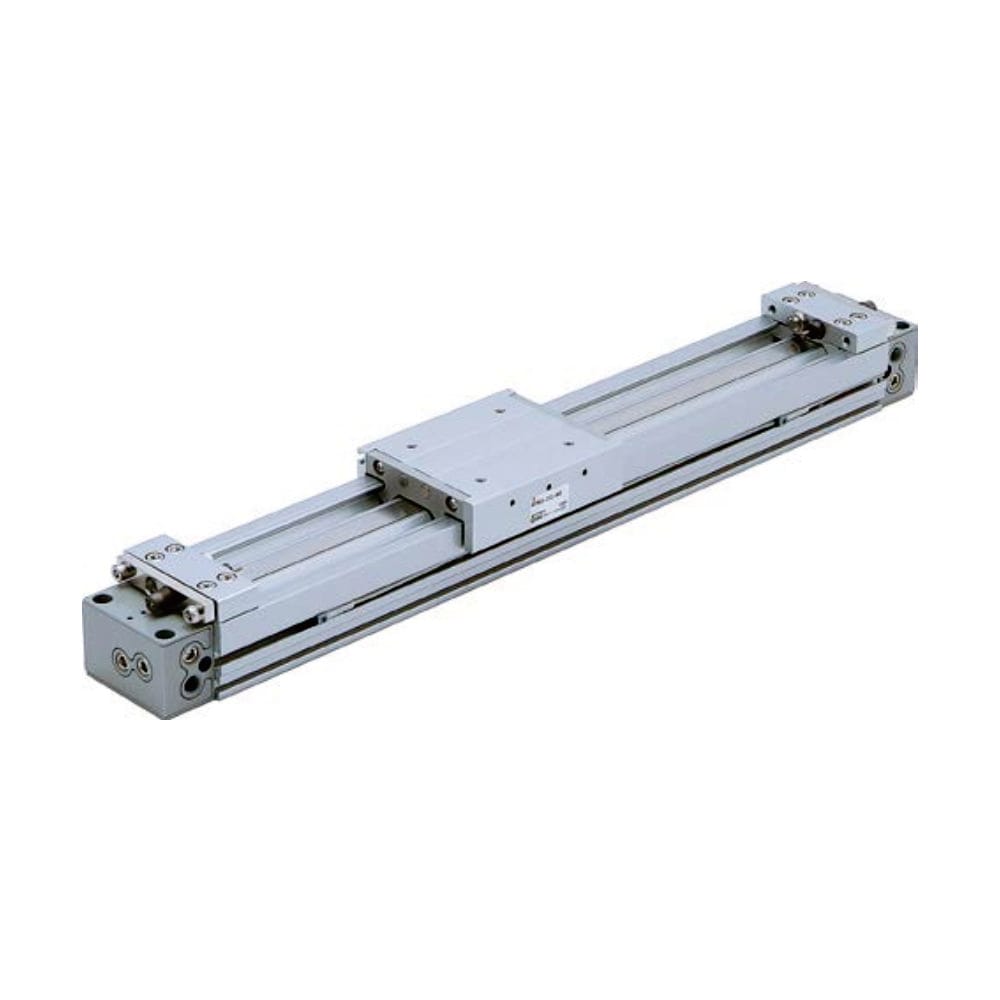
Ideal Applications for Meter-In
I remember working with David, a maintenance engineer from a packaging facility in Michigan. His conveyor positioning system was experiencing inconsistent speeds with their existing setup. We switched to meter-in control on their rodless cylinders3, and the simple configuration immediately improved their cycle consistency by 40%.
Meter-in control works best when:
- Load forces are minimal and consistent
- Horizontal cylinder movements dominate
- Simple speed adjustment is the primary goal
- Cost-effective solutions are prioritized
Limitations to Consider
However, meter-in control struggles with varying loads or vertical applications where gravity affects motion dynamics.
Why Does Meter-Out Control Provide Superior Load Handling?
The physics behind meter-out control creates inherent advantages for demanding applications.
Meter-out control maintains higher working pressure throughout the stroke, providing consistent force delivery and superior control over deceleration phases, especially critical for heavy-load applications.

Technical Advantages
Back-pressure benefits include:
- Consistent speed regardless of load variations
- Smooth deceleration without jarring stops
- Better control over vertical movements
- Reduced air consumption in many applications
Real-World Performance
Sarah, who manages procurement for an automotive parts manufacturer in Ohio, was struggling with inconsistent lifting performance on their assembly line. After switching to meter-out control on their vertical rodless cylinders, they achieved 95% repeatability in positioning accuracy while reducing component wear by 30%.
How Do You Select the Right Flow Control Method for Your System?
Making the right choice requires evaluating multiple factors beyond basic functionality.
Select meter-out for applications involving heavy loads, vertical movements, or precision requirements, while choosing meter-in for simple horizontal movements with light, consistent loads.
Decision Matrix
| Application Factor | Meter-In | Meter-Out |
|---|---|---|
| Load Weight | Light (< 50 lbs) | Heavy (> 50 lbs) |
| Movement Direction | Horizontal | Vertical/Angled |
| Precision Required | Basic | High |
| Load Consistency | Consistent | Variable |
| Budget Constraints | Lower cost | Higher performance |
Implementation Considerations
When implementing either system, consider valve sizing, air supply pressure, and cylinder specifications. Our Bepto replacement components are designed to work seamlessly with both control methods, offering the flexibility to optimize your existing systems without complete overhauls.
Conclusion
Choosing between meter-in and meter-out control ultimately depends on your specific application requirements, with meter-out providing superior performance for demanding applications while meter-in offers cost-effective solutions for simpler tasks. 🎯
FAQs About Pneumatic Flow Control
Q: Can I use both meter-in and meter-out control on the same cylinder?
Yes, you can install flow controls on both supply and exhaust ports for maximum adjustability. This dual-control setup provides the finest speed control but increases system complexity and cost.
Q: Which control method consumes less compressed air?
Meter-out control typically uses less air because back-pressure reduces the pressure differential across the piston. However, actual consumption depends on specific application parameters and valve settings.
Q: How do I convert from meter-in to meter-out control?
Simply relocate your flow control valve from the supply port to the exhaust port of the same cylinder chamber. You may need to readjust flow rates as meter-out typically requires different settings for optimal performance.
Q: Does flow control method affect cylinder lifespan?
Meter-out control generally extends cylinder life by providing smoother operation and reducing shock loads. The consistent back-pressure also helps maintain better seal lubrication throughout the stroke.
Q: What’s the cost difference between meter-in and meter-out systems?
Initial hardware costs are identical since both methods use the same flow control valves. The main difference lies in performance benefits and potential long-term maintenance savings with meter-out control.