

การติดตั้ง rodless cylinder ที่ดีเริ่มก่อนขัน bolt ตัวแรก ต้องยืนยัน safety boundary, คู่มือรุ่นจริง, mounting surface, support span, alignment กับ external guide และ load path ของ carriage ทั้งหมด ถ้าติดตั้งแบบใช้ความรู้สึกหรืออาศัยเฉพาะขนาด stroke ใน catalog ความเสียหายที่ตามมามักเป็น leakage, band wear, carriage binding, stop กระแทก และ cycle repeatability ที่แย่ลงหลังเริ่มผลิต
แนวคิดสำคัญคือ rodless cylinder ไม่ใช่ standard rod cylinder ที่เอา rod ออกเฉย ๆ สถาปัตยกรรมแบบ mechanically jointed, magnetic, cable, guided หรือ integrated guide มีข้อกำหนดด้าน end support, intermediate support, backlash, โมเมนต์ที่ชุดนำทาง, torque และ cushion ต่างกัน แม้ two cylinders จะมี bore และ stroke เท่ากัน การติดตั้งที่ปลอดภัยก็ยังต้องอิง manual และ configuration ของรุ่นที่ซื้อจริง
ประเด็นสำคัญ
- ตัดพลังงานอันตรายและระบายแรงดันก่อน mounting work ตามขั้นตอน lockout/tagout ของไซต์
- ตรวจว่า end support และ mounting surface สัมผัสเต็มพื้นที่ เช่นตัวอย่าง SMC MY1B ที่เตือนเรื่อง contact บริเวณ end support
- Long stroke ต้องตรวจ support chart ไม่ใช่ถือว่า published maximum stroke คือช่วงลอยตัวได้โดยไม่รองรับ
- ถ้ามี external guide ให้ใช้ floating connection หรือ alignment method ที่ไม่บังคับ cylinder body กับ guide ให้ดึงกันเอง
Safety Boundary ใดต้องใช้ก่อนงานติดตั้ง?
ก่อนปรับตำแหน่งหรือถอดชิ้นส่วน ให้หยุดแหล่งพลังงานทั้งหมด ระบาย pressure ที่ค้างอยู่ รองรับ load แนวดิ่ง และล็อก motion ที่อาจเคลื่อนเองจาก gravity, spring, trapped air หรือ conveyor backdrive Rodless cylinder มี carriage ภายนอกที่ผู้ปฏิบัติงานเห็นและเข้าถึงง่าย แต่พลังงานที่เก็บอยู่ใน chamber หรือ load ยังอันตรายเหมือน actuator ชนิดอื่น
ทีมซ่อมบำรุงควรระบุ boundary เป็นลายลักษณ์อักษรว่าใครเป็นผู้ lockout, จุดระบายลมอยู่ที่ใด, load ถูกพยุงอย่างไร, valve state ใดเป็น safe state และต้องใช้ manual override หรือ jog mode อย่างไรระหว่าง commissioning หากเป็นแกนแนวดิ่งหรือโหลดแขวน ต้องแยกข้อกำหนด holding, blocking และ safe exhaust ออกจากงาน alignment ปกติ
คุณกำลังติดตั้ง Rodless Cylinder สถาปัตยกรรมใด?
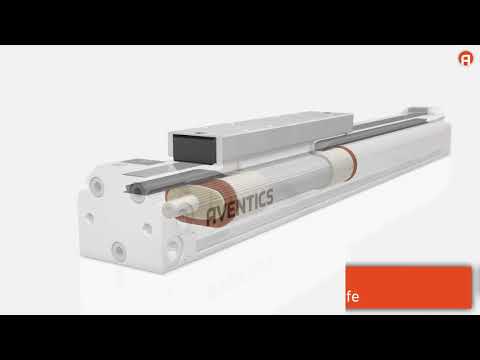
ชนิดของ rodless cylinder กำหนดวิธีติดตั้งมากกว่าชื่อสินค้าแบบกว้าง ๆ แบบ mechanically jointed ใช้ slot และ sealing band จึงต้องป้องกัน contamination และความเครียดที่ band แบบ magnetically coupled มี coupling force limit ที่ต้องเผื่อ decoupling ส่วน integrated guided cylinder อาจรับ payload ได้โดยตรงแต่ต้องตรวจ moment rating ของ guide ไม่ใช่ดู bore อย่างเดียว
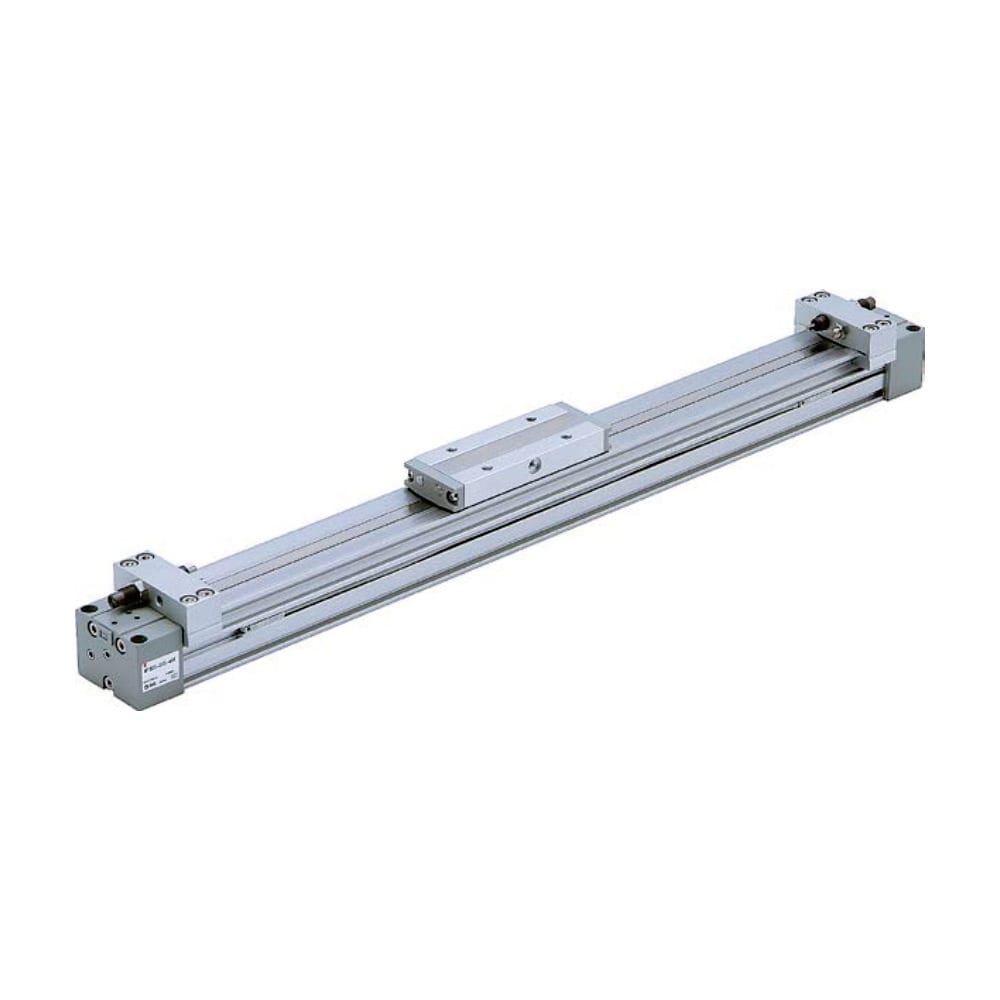
ถ้าเครื่องมี external linear guide อยู่แล้ว cylinder ควรทำหน้าที่ให้ thrust เป็นหลัก ส่วน guide รับ side load และ moment การยึดทั้งสองระบบแบบ rigid ทั้งหมดมักทำให้ over-constraint เกิดการฝืดเมื่อ frame ขยายตัวหรือโหลดกดลง จึงต้องระบุจุด fixed, จุด floating และวิธีชดเชย misalignment ตั้งแต่ design review ไม่ใช่แก้ตอน commissioning
Mounting Surface ต้องเรียบแค่ไหน?
พื้นผิวติดตั้งต้องตรง เรียบ และแข็งพอให้ cylinder body ไม่ถูกบิดเป็น guide rail ชั่วคราว SMC, Parker, Festo และ Norgren ต่างเน้นว่าการติดตั้งต้องใช้พื้นผิวและ support ที่เหมาะสมกับรุ่น ถ้า frame เป็นโครงเชื่อมควรวัด datum จริงหลัง machining หรือหลัง weld distortion ไม่ใช่ใช้ nominal drawing เท่านั้น
ข้อผิดพลาดที่พบบ่อยคือขัน end covers ให้แน่นเพื่อดึง cylinder ให้แนบ frame ที่ไม่เรียบ ผลคือ profile ถูกบังคับให้โค้ง Carriage จึงฝืดบางตำแหน่ง seal และ band สึกด้านเดียว หรือ sensor position drift หลังเครื่องร้อนขึ้น วิธีที่ดีกว่าคือ shim หรือ machine mounting pad ให้ได้ระนาบก่อน แล้วค่อยยึด cylinder ตาม torque ที่ manual ระบุ
เมื่อใด Long Stroke ต้องใช้ Intermediate Support?
Published maximum stroke ไม่ได้หมายความว่ากระบอกสูบสามารถลอยตัวเต็มระยะโดยไม่มี support ได้ทุกกรณี ระยะยาวทำให้ body sag, oscillation, fastener load และ alignment error เพิ่มขึ้น ผู้ผลิตจึงมักให้ support chart หรือ accessory สำหรับ mid-section support โดยพิจารณา stroke, orientation, load, speed และ mounting method
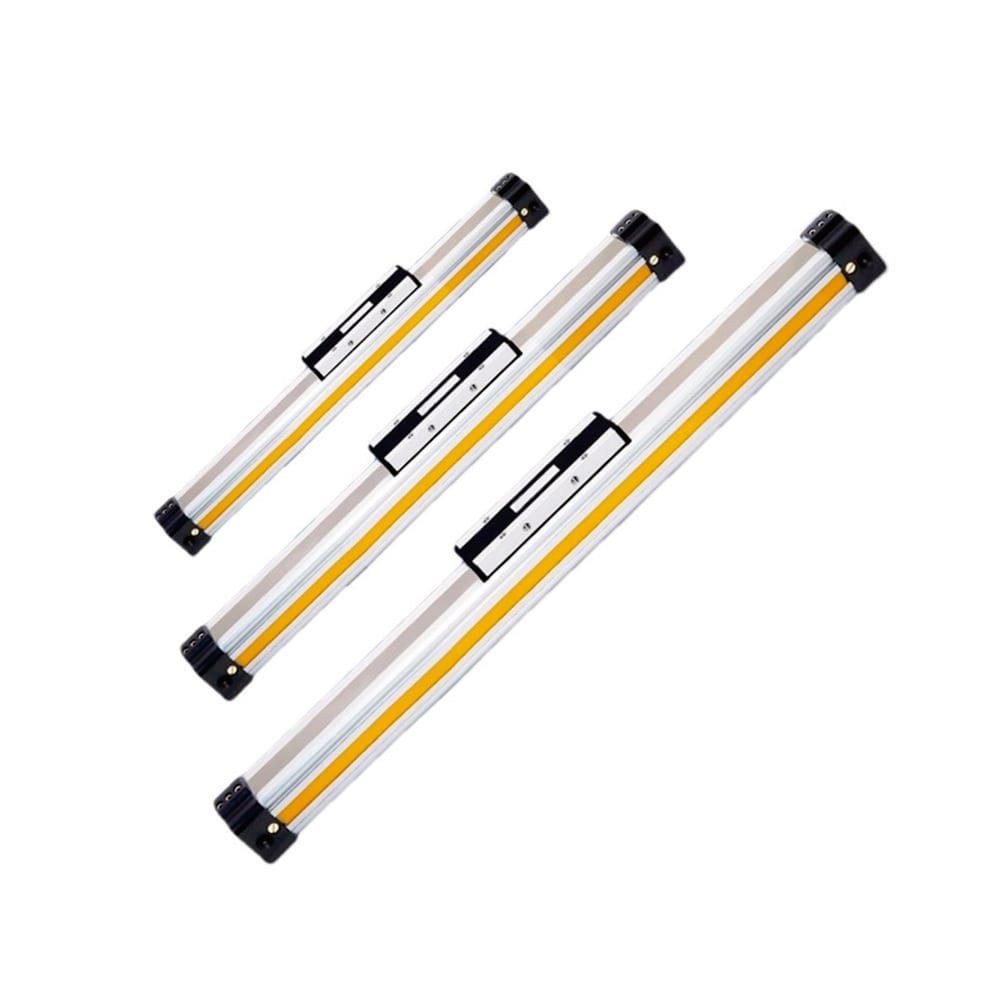
ในการ retrofit ให้บันทึกระยะ unsupported span จริง ตำแหน่ง bracket และสิ่งที่ frame รับแรง หากมี conveyor, cable carrier หรือ tooling plate หนักอยู่บน carriage ต้องตรวจทั้ง static deflection และ dynamic motion Support ที่วางผิดตำแหน่งหรือขันไม่เท่ากันอาจแก้ sag เฉลี่ยแต่สร้าง bind ในบางช่วง stroke ได้
จัดแนว External Guide อย่างไรไม่ให้ Binding?
ถ้า external guide รับ load ให้ cylinder body และ guide rail ขนานกันในสภาวะ unloaded และ loaded ตรวจที่ retracted, mid-stroke และ extended positions จุดต่อระหว่าง carriage กับ tooling ควรมีวิธีรับ misalignment เช่น floating clevis, spherical joint, compliant bracket หรือ adjustment slot ที่ถูกล็อกหลังตั้งค่า ไม่ควรให้ cylinder carriage เป็นตัวดึง guide ให้เข้ารูป
การตรวจที่ดีคือปลดโหลดหรือปลด coupling แล้วเลื่อน carriage/guide ด้วยมือหรือ low-pressure jog เพื่อหาแรงฝืดตามตำแหน่ง จากนั้นเพิ่ม payload และวัดอีกครั้ง หากแกน smooth ตอน unloaded แต่ฝืดตอน loaded ให้สงสัย frame deflection, guide preload, offset load หรือ bracket bending มากกว่าตัวกระบอกสูบอย่างเดียว
ควรใช้ Torque เท่าไรกับ Mounting Hardware?
ใช้ torque ตาม manual ของรุ่นและขนาด fastener จริง ไม่ใช่ค่า generic จากตาราง bolt อย่างเดียว เพราะ cylinder end cover, profile, support accessory และ bracket อาจมีวัสดุ เกลียว หรือ washer stack ต่างกัน ต้องระบุ thread engagement, locking method, lubrication state และ sequence การขัน โดยเฉพาะ long profile ที่ต้องดึงลงบนหลาย support
หาก torque สูงเกินไปเพื่อแก้ gap หรือ misalignment จะสร้าง stress ใน body และทำให้ carriage ฝืด หาก torque ต่ำหรือไม่มี locating feature bolt อาจค่อย ๆ ขยับจาก vibration และ end-stop energy วิธีปฏิบัติที่ดีคือทำ witness mark, บันทึก final torque, ตรวจซ้ำหลัง commissioning และกำหนด interval retorque ตาม manual หรือ risk ของไซต์
Load, Moment และ Cushioning ส่งผลต่อการติดตั้งอย่างไร?
Rodless cylinder ที่มี carriage ภายนอกมักถูกใช้รับ tooling โดยตรง แต่ โมเมนต์ที่ชุดนำทาง limit ยังคงเป็นเงื่อนไขหลัก ต้องคำนวณแรงและ moment จาก payload center of gravity, acceleration, deceleration, cable drag, hose reaction และ แรงจากกระบวนการ ถ้า load offset สูง การเพิ่ม bore เพิ่ม thrust แต่ไม่ได้เพิ่ม guide capacity โดยอัตโนมัติ
Cushioning เป็นส่วนหนึ่งของ installation ไม่ใช่ tuning หลังจบงาน ถ้า carriage กระแทก end cover หรือ external stop แรงเกินไป mounting bolts, support brackets และ guide bearings จะรับ impulse load สูงกว่าที่คำนวณจาก thrust ปกติ ควรเริ่ม commissioning ด้วย speed ต่ำ ปรับ cushion ตาม manual และยืนยันที่ production mass กับ cycle speed จริง
Commission Axis ด้วย Recorded Acceptance Test
การติดตั้งที่ผ่านควรมี acceptance record ไม่ใช่แค่เครื่องเคลื่อนที่ได้หนึ่งรอบ บันทึกนี้ทำให้ทีม maintenance แยกได้ว่าปัญหาหลังใช้งานเกิดจาก installation, load change, contamination, แรงดันตกคร่อม หรือ wear ตามเวลา
| Check | Record | Reject หรือ investigate เมื่อ |
|---|---|---|
| Full-stroke motion | Extension/retraction time, direction, smoothness | Drag เปลี่ยนตามตำแหน่งหรือหลัง final torque |
| Dynamic pressure | Valve inlet และ actuator-port pressure ระหว่าง motion | Pressure ต่ำกว่า sizing condition |
| Alignment | Reference readings และ connector freedom | Connector ต้องดึง axes เข้าหากัน |
| Supports | Locations, accessory type, fastener torque | Span หรือ deflection เกิน method ของรุ่น |
| Leakage | Test method, pressure, temperature, result | Leakage เปลี่ยนหลัง mounting หรือ load connection |
| Cushioning | Moving mass, approach speed, final setting | Hard impact, bounce หรือเข้า end position ไม่ครบ |
เมื่อแกนผ่าน test แล้ว ให้เก็บรูปถ่ายของ support, shim, dowel, bracket, cable routing, sensor positions และ final ตัวควบคุมแรงดัน setting ไว้กับเอกสารเครื่อง การมี baseline ทำให้การแก้ปัญหาครั้งต่อไปเป็นการเปรียบเทียบกับสภาพที่เคยดี ไม่ใช่เริ่มเดาใหม่ทั้งหมด
คำถามที่พบบ่อยเกี่ยวกับการติดตั้ง Rodless Cylinder
ค่าความเยื้องศูนย์สูงสุดที่ยอมรับได้ของ rodless cylinder คือเท่าไร?
ไม่มีค่ากลางที่ใช้ได้ทุกยี่ห้อ ต้องดู manual และ catalog ของรุ่นที่เลือก เพราะ architecture, guide type, stroke, support และ load offset เปลี่ยน limit ทั้งหมด สำหรับงานที่มี external guide ให้ตรวจว่า connector ไม่บังคับให้ cylinder และ guide ดึงกันเองในทุกตำแหน่งของ stroke
สามารถ bolt rodless cylinder ลงบน welded frame ที่ไม่เรียบได้โดยตรงหรือไม่?
ไม่ควรทำโดยตรง ถ้า frame ยังไม่ถูก machine, shim หรือปรับให้เป็น datum ที่เหมาะสม การขัน bolt จะบิด profile และทำให้ carriage ฝืดหรือ seal สึกเร็ว ควรวัด mounting pad หลังเชื่อมและหลัง finishing แล้วแก้พื้นผิวก่อนติดตั้ง
รู้ได้อย่างไรว่า intermediate support จำเป็นหรือไม่?
ใช้ support chart หรือ instruction ของผู้ผลิตสำหรับรุ่นจริง และรวม orientation, stroke, moving load, speed, bracket stiffness และ vibration ถ้า stroke ยาว ใกล้ maximum catalog หรือมี payload offset สูง ให้ขอ supplier ตรวจ support layout ตั้งแต่ RFQ
ควรยึดทั้ง rodless cylinder และ external guide แบบ rigid ทั้งคู่หรือไม่?
โดยทั่วไปไม่ควรให้สองระบบ over-constrained ต้องกำหนดว่า guide หรือ cylinder เป็น datum หลัก และใช้ floating connection หรือ adjustment strategy ที่เหมาะสมเพื่อให้ thrust ส่งไปยัง load โดยไม่สร้าง side load หรือ binding ที่ carriage
ควร retorque mounting bolts เมื่อใด?
ให้ทำตาม manual และข้อกำหนดของไซต์ อย่างน้อยควรตรวจหลัง commissioning หรือช่วง run-in แรก หากมี vibration, hard stop, long stroke, heavy payload หรือ support หลายจุด ให้บันทึก torque, witness marks และ interval ตรวจซ้ำไว้ใน maintenance plan
แหล่งข้อมูล
รายการอ้างอิงและลิงก์ที่คงไว้จากต้นฉบับ
- SMC MY1B-Z1 คู่มือการใช้งาน
- OSHA
- Norgren
- ISO 4414:2010
- Festo DGC แค็ตตาล็อก
- คู่มือคำจำกัดความ rodless cylinder
- คู่มือชนิด rodless cylinder
- SMC MY1B-Z1 Manual
- Parker OSP-P แค็ตตาล็อก
- SMC
- คู่มือ ความสามารถรับโหลดของกระบอกสูบไร้ก้าน
- Festo DGC แค็ตตาล็อก guide data
- SMC MY1B-Z1 หมายเหตุประกอบคู่มือ
- คู่มือเลือก rodless actuator
- SMC mounting precautions
- Norgren ข้อมูลการติดตั้ง
- Parker OSP-P แค็ตตาล็อก support data
- คู่มือ pneumatic cushioning
- SMC MY1B-Z1 Manual commissioning
- คู่มือ pressure-drop troubleshooting
- SMC เอกสารอ้างอิงด้านความปลอดภัยและการติดตั้ง
- Parker
- Festo
- SMC MY1B-Z1 แหล่งข้อมูลจากคู่มือที่สืบค้น
- หน้า About
- Contact
- OSHA: 29 CFR 1910.147, การควบคุมพลังงานอันตราย
- ISO: ISO 4414:2010 ระบบส่งกำลังด้วยของไหลนิวเมติก
- SMC: MY1B-Z1 คู่มือการใช้งาน, DOC1120098
- SMC: MY1B กระบอกสูบไร้ก้านแบบข้อต่อเชิงกล แค็ตตาล็อก
- Festo: Linear Drives DGC แค็ตตาล็อก
- Parker: OSP-P Basic Cylinder แค็ตตาล็อก
- Parker: OSP-P อุปกรณ์เสริมระบบขับเคลื่อนเชิงเส้น
- IMI Norgren: LINTRA คู่มือการใช้งาน M_P74045
- IMI Norgren: A44000 LINTRA-LITE กระบอกสูบไร้ก้าน
- AVENTICS วิดีโอ: กระบอกสูบไร้ก้าน - ซีรีส์ RTC
- กระบอกสูบไร้ก้าน - ซีรีส์ RTC
- ►