

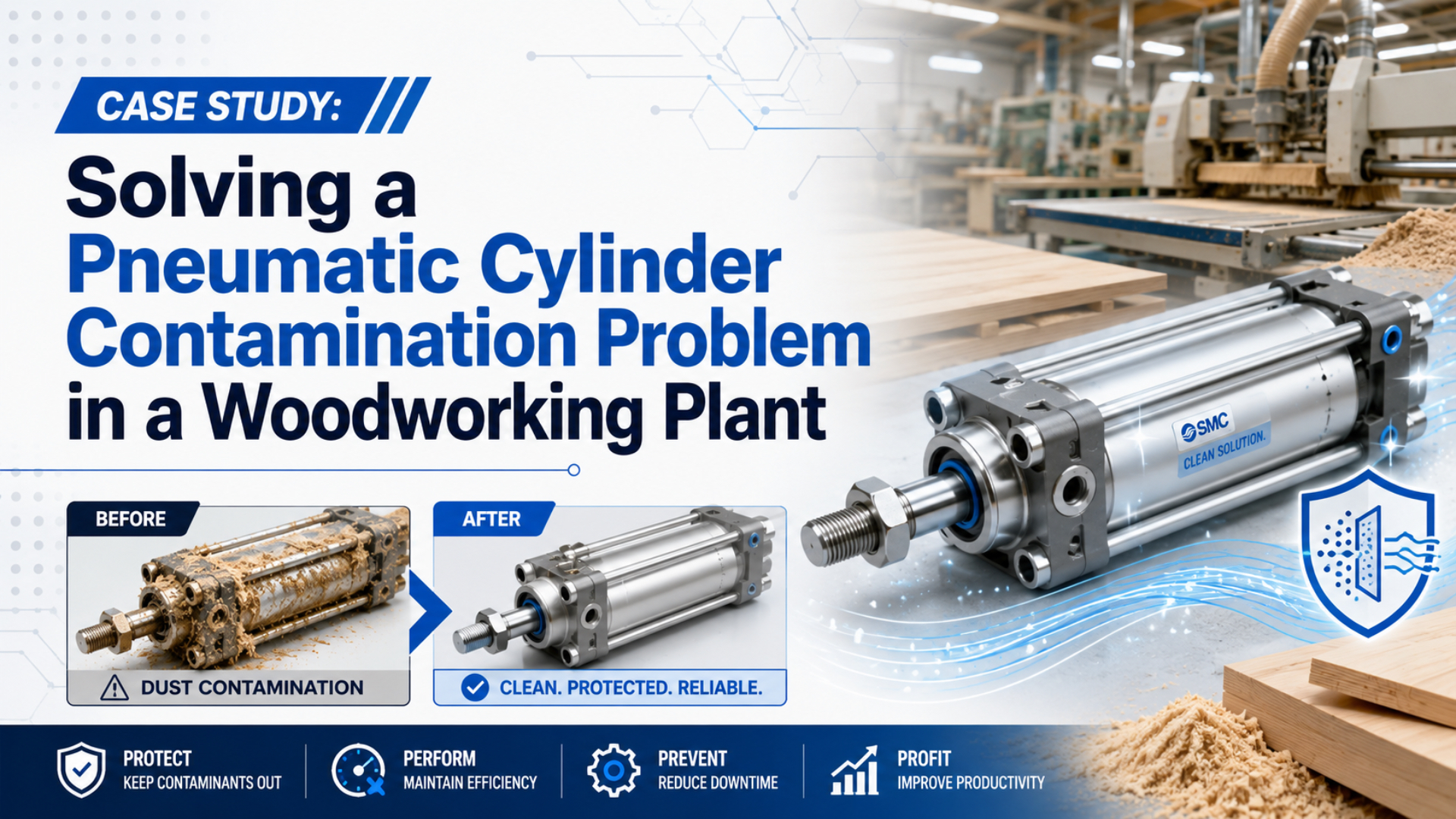
การปนเปื้อนในกระบอกสูบนิวแมติกของโรงงานงานไม้ไม่ค่อยจบด้วยการเปลี่ยนซีลเพียงตัวเดียว วิธีแก้ที่เชื่อถือได้คือระบุให้ได้ว่าวัสดุที่ทำลายซีลมาจากห้องผลิต ระบบลมอัด หรือขั้นตอนซ่อมบำรุง แล้วควบคุมแต่ละ path ที่ยืนยันแล้ว กรณีศึกษานี้ทำให้เห็นลำดับวินิจฉัยโดยไม่เปิดเผยชื่อลูกค้าหรือ figures เชิงพาณิชย์ที่ตรวจสอบไม่ได้ เคสต้นทางเล่าถึงซีลเสียซ้ำใกล้เครื่องตัดและ edge-processing: ฝุ่นละเอียดเกาะรอบก้านสูบที่เปิดโล่ง การเคลื่อนที่เริ่มไม่สม่ำเสมอ และกระบอกสูบทดแทนมีอาการเดิม ทีมบำรุงรักษาจึงแยก external dust exposure ออกจาก internal air-quality problem และ service contamination แทนที่จะถือว่าทุก failure คือกระบอกสูบเสีย
รูปแบบ failure เกิดซ้ำ เพราะหลักฐานสาธารณะของเคสนี้ไม่มี work-order records ที่ audit ได้ บทความนี้จึงไม่เผยแพร่ตัวตนลูกค้า model codes หรือ figures ทางการเงิน ให้ใช้เป็นลำดับ diagnostic ไม่ใช่ named-customer performance claim
ประเด็นสำคัญ
- OSHA ระบุ limit 15 mg/m³ สำหรับ total dust และ 5 mg/m³ สำหรับ respirable dust ของ nuisance dust
- ควรดักจับฝุ่นไม้ที่เครื่องจักรก่อนอัปเกรดซีลกระบอกสูบ
- ตรวจ rod protection และคุณภาพลมอัดเป็น failure paths แยกกัน
- ยืนยันการซ่อมด้วย maintenance records ที่ทำซ้ำได้ ไม่ใช่ estimated savings
ปัญหาการปนเปื้อนในกระบอกสูบนิวแมติกคืออะไร?
ปัญหาทันทีคือฝุ่นเข้าสู่พื้นที่ก้านสูบที่เปิดโล่งซ้ำๆ OSHA ระบุ 8-hour limit ที่ 15 mg/m³ สำหรับ total nuisance dust และ 5 mg/m³ สำหรับ respirable fraction ส่วน NIOSH แนะนำ 1 mg/m³ สำหรับ wood dust (OSHA Woodworking eTool, เข้าถึงเมื่อ 2026)
ค่า occupational exposure เหล่านี้ไม่ได้ตั้ง tolerance เชิงกลของกระบอกสูบ แต่ชี้ว่าคำว่า “shop looks clean” ไม่ใช่ test ที่มีประโยชน์ ฝุ่นละเอียดในอากาศตกบนก้านและเข้า gland ได้ก่อนที่เศษชิ้นใหญ่จะ jam เครื่อง โซน cutting, sanding, routing และ edge-processing จึงต้องสังเกตแยกกัน เพราะ dust cloud และ extraction performance ต่างกัน การตรวจครั้งแรกพบ dust ring นอก wiper, รอยตามยาวบนก้าน และ deposit หนักใกล้ cutting plume ทีมไม่ได้สมมติ internal leakage แต่บันทึก failed direction, rod position, dust location, shift, machine state และ time since cleaning
ตำแหน่งเปลี่ยน diagnosis จากประสบการณ์ของเรา pattern ฝุ่นมักบอกได้มากกว่า seal ที่เสีย วัสดุที่ pack อยู่ด้านนอก wiper ชี้ไปที่ environmental ingress ส่วนพื้นผิวภายนอกที่สะอาดแต่มี contamination downstream ของ ตัวกรอง ชี้ไปที่ air supply หรือ branch piping ที่สกปรก หากซีลเสียทันทีหลัง service ยังมี path ที่สามคือ contamination ระหว่าง handling
เราแยกฝุ่นไม้ออกจากลมอัดสกปรกอย่างไร?
ทีมใช้ diagnostic branches สองทาง เพราะ ISO 8573-1 จำแนกความบริสุทธิ์ของลมอัดจากกลุ่ม contaminant หลักสามกลุ่มคือ particles, water และ oil ที่สำคัญคือ purity อาจระบุหรือวัดในตำแหน่งต่างกันในระบบ ดังนั้น reading ที่สะอาดในห้อง compressor ไม่ได้พิสูจน์ว่าลมที่กระบอกสูบสะอาด (ISO 8573-1:2010, 2010)
External contamination ถูกตรวจเมื่อเครื่องหยุดภายใต้ energy-control procedure ที่อนุมัติแล้ว ช่างทำความสะอาดพื้นที่ก้านที่กำหนด รัน production interval แบบควบคุม แล้วตรวจ wiper, rod, guard ใกล้เคียง และ dust plume ซ้ำ พร้อมเปรียบเทียบกระบอก upstream/downstream ของ cutting station pattern ที่ขึ้นกับตำแหน่งสนับสนุน external path ส่วน point-of-use checks ตรวจ internal path โดยดู drains, ตัวกรอง bowls, จุดน้ำค้างภายใต้แรงดัน เมื่อมีเครื่องมือ และ particles/oil ที่ branch ที่ได้รับผล ทีมเทียบผลกับ ISO target ของไซต์ ไม่ใช่เรียก ตัวกรอง ว่า “0.01 micron” แล้วถือว่าระบบสะอาด
External contamination คือวัสดุจากสภาพแวดล้อมเครื่องจักรที่ไปถึง rod หรือ wiper Compressed-air contamination คือ particles, water หรือ oil ที่ถูกพามาใน pneumatic circuit Service-introduced contamination คือวัสดุที่เข้าระหว่าง port, tube, valve หรือ cylinder เปิดอยู่ในการซ่อม
| หลักฐาน | External dust path | Compressed-air path | Service-introduced path |
|---|---|---|---|
| ตำแหน่ง deposit | นอก wiper, ก้านที่เปิดโล่ง, guard | Ports, downstream tubing, valve หรือ exhaust | contamination ใหม่หลัง repair |
| Pattern ตามพื้นที่เครื่อง | แย่กว่าใกล้ saw, sander, router หรือ edgebander | คล้ายกันบน equipment ใน branch เดียวกัน | ตามหลัง maintenance event |
| Test ที่มีประโยชน์ | clean-and-observe inspection | ISO 8573 point-of-use sampling | ทบทวน cleaning และ assembly controls |
| ข้อสรุปผิดที่พบบ่อย | “ซีลกระบอกสูบไม่ดี” | “gauge compressor ดูปกติ” | “seal kit ใหม่ defective” |
การแยก path นี้ช่วยหยุด loop ราคาแพง wiper ที่ดีขึ้นไม่แก้ condensate หรือ oil ที่เดินมากับ air line ตัวกรอง ละเอียดขึ้นไม่หยุดฝุ่นไม้ ambient ที่เคลือบก้าน exposed ได้ การซ่อมต้องตรงกับ contamination path
แผน corrective action ที่ถูกต้อง
corrective action แรกคือ source capture ในการประเมิน table saw แบบควบคุม NIOSH รายงานว่า auxiliary local exhaust hood ลด wood-dust emissions ได้มากกว่า 90% (NIOSH, Control of Wood Dust From Table Saws, 1996) หลักฐานนี้สนับสนุนการปรับ extraction ก่อนครอบทุกกระบอกสูบ
วิศวกรโรงงานตรวจ hood position, duct condition, airflow indication และ performance ระหว่าง production จึงเปลี่ยนทิศทาง direct dust jets ออกจาก piston rods เท่าที่ทำได้ กระบอกถูกย้ายหลัง guard เดิมหรือหมุน orientation เพื่อไม่ให้ debris ลงบน extended rod enclosure ใดๆ ต้องเข้าถึงได้และไม่สร้าง hidden dust pocket งานลมอัดเริ่มจาก point-of-use target ที่เขียนไว้ ISO 8573-1 ไม่ได้กำหนด ตัวกรอง stack เดียวสำหรับทุกเครื่อง ดังนั้น particle, water และ oil classes ต้องสะท้อน valve, actuator, process risk, climate และ pipe condition รายละเอียดเพิ่มเติมอยู่ใน คู่มือ ISO air-quality
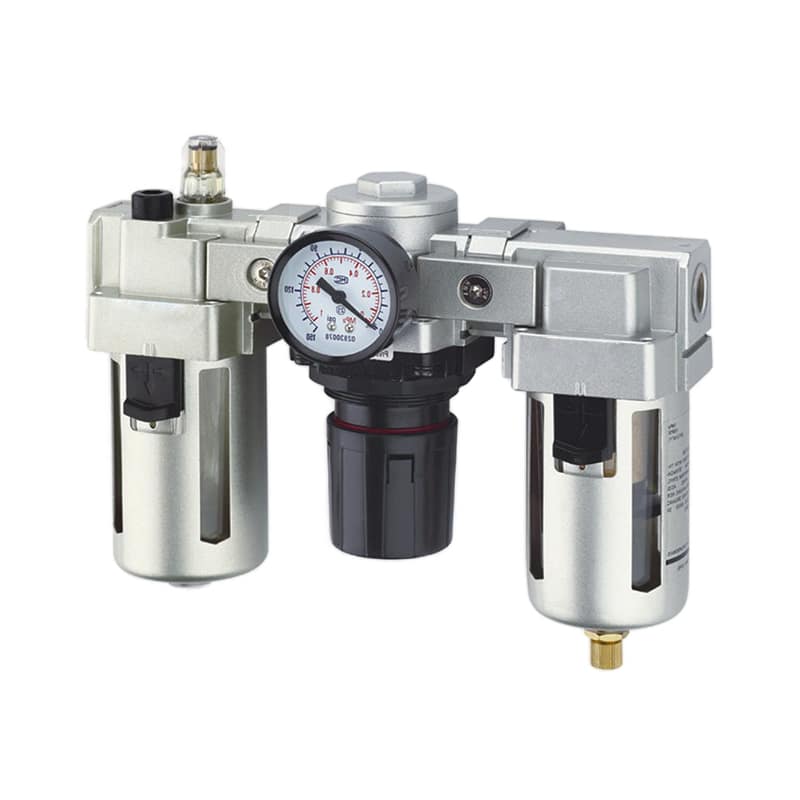
อย่าเพิ่ม activated carbon เป็น default stage สำหรับฝุ่นไม้ที่กัดกร่อน Activated carbon มีประโยชน์เมื่อมี oil vapor, odor หรือ process requirement แต่ element ทุกตัวต้องมี flow เพียงพอ differential-pressure monitoring drainage และ service interval คู่มือ coalescing-ตัวกรอง แยกบทบาท oil-aerosol ไว้ต่างหาก
ฮาร์ดแวร์กระบอกสูบควรเปลี่ยนอย่างไรในพื้นที่ฝุ่นมาก?
การป้องกันกระบอกสูบต้องตรงกับ exposure pattern Festo ระบุ hard wiper option สำหรับ DSNU 32 ถึง 63 mm และเอกสาร bellows ระบุว่า cover ปกป้องสามส่วนคือ piston rod, seal และ bearing (Festo, Round cylinders DSNU, 2021)
ภาพกระบอก ISO-profile นี้เป็น baseline reference ไม่ใช่หลักฐานว่าเหมาะกับสภาพแวดล้อม ถึงอย่างนั้น bore, stroke, mounting dimensions และ pressure rating ก็ยังไม่อธิบาย wiper, scraper, bellows, rod finish หรือการทนต่อ direct dust plume ข้อมูลเหล่านี้ต้องอยู่ใน replacement specification
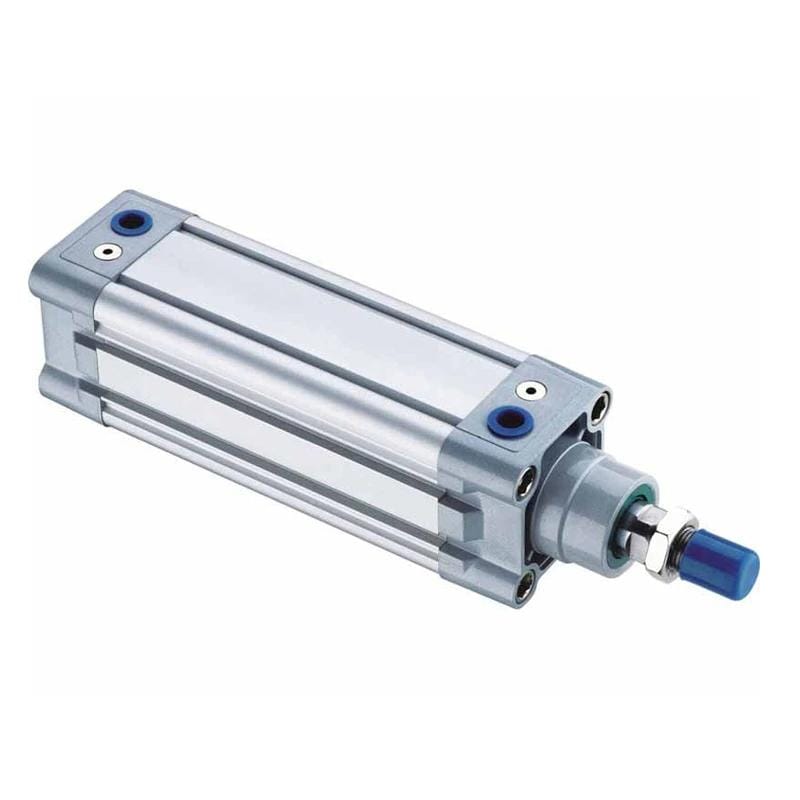
สำหรับฝุ่นแห้งที่เกาะไม่แน่น wiper ที่ออกแบบเฉพาะและ rod surface ที่แข็งและเรียบอาจพอเมื่อ extraction มีประสิทธิภาพ bellows kit เพิ่ม barrier ทางกายภาพตรงจุดที่ก้านยังเปิดโล่ง แต่ Festo เตือนว่าทางหายใจของ bellows ต้องไม่ให้ media ที่ไม่ต้องการเข้า cover เป็น engineered component ไม่ใช่ sleeve หลวมๆ อนุภาคที่เกาะแน่นอาจต้องใช้ scraper เฉพาะ Parker อธิบาย seal-and-wiper combinations สำหรับสภาพแวดล้อมสกปรกและเตือนว่า installation edges ที่คมทำลาย sealing lip ได้ (Parker, Pneumatic Seals, เข้าถึงเมื่อ 2026) Material, groove, rod finish, speed และ temperature ยังต้อง match คู่มือ cylinder-seal แยก wipers ออกจาก pressure seals
Catalog bore ไม่ใช่ environment rating
กฎบำรุงรักษาที่ป้องกัน contamination ซ้ำ
วิธีทำความสะอาดอาจกำจัดหรือกระจายฝุ่นไม้ซ้ำ NIOSH health-hazard evaluation แนะนำทางเลือกแทน dry compressed-air cleaning สองแบบคือ portable vacuuming และ wet methods พร้อมเตือนว่าการเป่าด้วยลมอัดอาจ resuspend dust (NIOSH Health Hazard Evaluation 82-377-1376, เข้าถึงเมื่อ 2026)
กฎ service ที่ปรับใหม่ตรงไปตรงมา: isolate hazardous energy, vacuum work zone, cap open ports, clean parts บน protected surface และ inspect rod ก่อนติดตั้ง seal kit OSHA 29 CFR 1910.147 ใช้เมื่อ unexpected startup หรือ stored-energy release อาจทำให้บาดเจ็บ ดังนั้น procedure ที่ validate แล้วต้องควบคุม pneumatic pressure และ suspended loads (OSHA 1910.147, เข้าถึงเมื่อ 2026) ตัวกรอง bowls และ automatic drains ได้รับ condition checks แทน calendar-only replacement โดยบันทึก differential pressure, drain operation, condensate appearance และ point-of-use results ร่วมกัน ตัวกรอง ใหม่อาจตันเร็วถ้า upstream pipe มี rust, scale, oil หรือ water สะสมมาหลายปี
งาน service ที่สะอาดมีผล Static control ก็ไม่ควรถูกมองเป็น universal dust-repellent coating การ bonding, grounding และ charge control อาจจำเป็นหลัง site-specific risk assessment แต่ไม่ได้แทน source capture, housekeeping, rod protection หรือ air-quality verification คู่มือ pneumatic troubleshooting ของเราแยก pressure, flow, leakage และ mechanical faults เป็นคนละ test branches
เรายืนยันได้อย่างไรว่าการแก้ไขได้ผล?
Verification ใช้ operating records ไม่ใช่ clean inspection ครั้งเดียว DOE ระบุว่า leaks อาจสูญเสีย 20% ถึง 30% ของ compressor output ในระบบที่บำรุงรักษาไม่ดี ขณะที่ proactive programs สามารถลด leakage ให้ต่ำกว่า 10% (DOE, Improving Compressed Air System Performance, 2003)
ทีมวิเคราะห์ baseline ก่อนเปลี่ยน hardware ซึ่งรวม failure dates, station, rod condition, ตัวกรอง differential pressure, drain findings, point-of-use air results, dynamic pressure, labor hours และ confirmed parts cost หลังจากนั้นจึงเก็บ field เดิมที่ machine state เดิม
| Verification metric | Baseline question | Acceptance evidence |
|---|---|---|
| Repeat failure | เกิด confirmed contamination failures กี่ครั้งต่อ operating interval? | ไม่เกิดซ้ำตลอด observation window ที่ตกลง |
| Rod and wiper | dust ring, scratch หรือ packed debris กลับมาหรือไม่? | inspection สะอาด ไม่มี rod damage ลุกลาม |
| Air quality | particle, water และ oil ที่เครื่องวัดได้เท่าใด? | ผ่าน target point-of-use ที่เขียนไว้ |
| Pressure | dynamic pressure collapse ระหว่าง stroke ที่ได้รับผลหรือไม่? | reading เสถียรใน requirement ของเครื่อง |
| Air treatment | drain ทำงานและ differential pressure ควบคุมได้หรือไม่? | logged readings อยู่ใน service limits ของ component |
| Maintenance burden | labor และ parts ใดผูกกับ confirmed failures? | ต้นทุนที่ verified ลดลงโดยใช้ accounting boundary เดิม |
จากการวิเคราะห์ของเรา accounting boundary สำคัญมาก Production value, maintenance spending, lost capacity และ avoided safety risk เป็นคนละปริมาณ การรวมโดยไม่กำหนด overlap อาจ double-count benefit ดังนั้น ROI ที่ defensible ใช้ confirmed cash costs และ observation period ที่บันทึกไว้ แล้วรายงาน production capacity แยกต่างหาก บทความนี้ไม่แทรก calculator card เพราะ case ไม่มี pressure-decay volume, leak size, measured airflow, compressor กำลังจำเพาะ หรือ operating hours ที่ตรวจได้
ผลลัพธ์ใดที่เคสนี้รองรับได้?
การสาธิต circular-saw ของ HSE balance extraction 930 m³/h โดย 130 m³/h ที่ top guard และ 800 m³/h ใต้โต๊ะ รายงานค่า average dust ต่ำกว่าครึ่งหนึ่งของ exposure limit ที่ใช้ และควบคุมได้ดีกว่าการตัดโดยไม่มี extraction ที่มีประสิทธิภาพมากกว่า 100 เท่า (HSE video, 2014)
ผลนั้นไม่ใช่ airflow setting สากล HSE อธิบายว่าเลื่อยแต่ละตัวต้องมี optimum flow ของตนเอง ผลที่ถ่ายทอดได้คือ sequence: จับฝุ่นที่ต้นทาง ปกป้อง rod ระบุ point-of-use air quality แก้ cleaning practices และ verify metric เดิมก่อน/หลังงาน หลีกเลี่ยง exact savings, percentage improvements, named-customer claims หรือ special cylinder-series claims หากไม่มี records ที่ audit ได้ ใน anonymized case นี้ “solved” หมายความว่า plant ปิด contamination paths ที่ระบุและใช้ repeat inspections กับ operating records ยืนยันว่า failure pattern ไม่กลับมาใน observation window ที่ตกลง
ไม่มี percentage ใดถูกสมมติไว้ กระบอกที่ดีกว่าอย่างเดียวอาจให้ผลเดียวกันหรือไม่? น่าจะไม่ จุดเปลี่ยนคือการมองกระบอกสูบเป็นส่วนหนึ่งของ dust-control และ compressed-air system โรงงานจึงได้ clean baseline และ named acceptance criteria แทนการเปลี่ยนชิ้นส่วนที่อธิบายไม่ได้อีกครั้ง
FAQ เกี่ยวกับการปนเปื้อนในกระบอกสูบนิวแมติก
การควบคุม wood-dust เริ่มจาก exposure ที่วัดได้และ source capture โดย OSHA ระบุ 15 mg/m³ total dust และ 5 mg/m³ respirable dust เป็น 8-hour nuisance-dust limits ส่วน NIOSH แนะนำ 1 mg/m³ สำหรับ wood dust (OSHA Woodworking eTool, เข้าถึงเมื่อ 2026) Cylinder protection เป็น reliability layer เพิ่มเติม
จะรู้ได้อย่างไรว่าฝุ่นไม้เข้าทาง rod seal?
ทำความสะอาด rod และ wiper area ที่กำหนด รัน interval แบบควบคุม แล้วตรวจ deposit pattern ซ้ำ Dust ที่ pack นอก wiper, progressive rod scratches และ damage หนักใกล้ cutting plume สนับสนุน external ingress ให้เปรียบเทียบกับกระบอกอีกตัวในบริเวณที่สะอาดกว่าของ air branch เดียวกันก่อนโทษ internal air quality
ตัวกรอง 0.01 micron รับประกันลมอัดปลอด contamination หรือไม่?
ไม่ ISO 8573-1 จำแนก particles, water และ oil แยกกัน Purity ระบุได้หลายตำแหน่งในระบบ ดังนั้น ตัวกรอง rating ไม่พิสูจน์ จุดน้ำค้างภายใต้แรงดัน, oil content, downstream-pipe cleanliness, drain performance หรือ point-of-use particle counts ต้องเขียน class ที่ต้องการและ verify ที่เครื่อง
กระบอกสูบในโรงงานไม้ทุกตัวควรใช้ bellows cover หรือไม่?
ไม่ ใช้ bellows เมื่อ exposure, rod travel และ access เหมาะสม เช่น wiper ที่ออกแบบเฉพาะอาจพอเมื่อ extraction และ guarding ควบคุม loose dry dust ได้ Bellows ต้องหายใจถูกต้อง inspect ได้ และไม่ interfere ตลอด stroke ผู้ผลิตกระบอกสูบที่ configure แล้วควร approve combination
พนักงาน maintenance ใช้ลมอัดเป่าทำความสะอาดเครื่องได้หรือไม่?
ให้ถือว่าเป็น decision ด้าน dust-control และ safety ไม่ใช่ความสะดวก NIOSH เตือนว่า compressed-air cleaning อาจ redistribute wood dust และแนะนำ vacuum หรือ wet methods เมื่อเหมาะสม ต้องทำตามกฎหมายท้องถิ่น combustible-dust controls, equipment instructions และ energy-isolation procedure ของ plant ก่อนทำความสะอาดหรือ service machinery
โรงงานควร monitor หลังซ่อมนานเท่าใด?
monitor อย่างน้อยผ่าน former repeat-failure interval และ การบำรุงรักษาตามแผน cycle หนึ่งรอบ แล้ว trend ต่อ บันทึก operating hours หรือ cycles ไม่ใช่ calendar time อย่างเดียว รักษา machine state, inspection method และ cost boundary ให้คงที่ เพื่อไม่ให้ production run ที่ยาวขึ้นถูกเข้าใจผิดเป็น reliability improvement
แหล่งข้อมูลและบันทึกการสืบค้น
- OSHA, eTool: งานไม้: การผลิตและฝุ่นไม้, สืบค้นเมื่อ 2026-07-10
- ISO, ISO 8573-1:2010 ลมอัด ส่วนที่ 1: สิ่งปนเปื้อนและชั้นความบริสุทธิ์, สืบค้นเมื่อ 2026-07-10
- NIOSH, การควบคุมฝุ่นไม้จากเลื่อยโต๊ะ, สืบค้นเมื่อ 2026-07-10
- NIOSH, รายงานการประเมินอันตรายต่อสุขภาพ No. 82-377-1376, สืบค้นเมื่อ 2026-07-10
- Festo, Round cylinders DSNU, สืบค้นเมื่อ 2026-07-10
- Parker, ซีลนิวเมติก, สืบค้นเมื่อ 2026-07-10
- DOE, การปรับปรุงสมรรถนะระบบลมอัด: คู่มือสำหรับอุตสาหกรรม, สืบค้นเมื่อ 2026-07-10
- OSHA, 29 CFR 1910.147, สืบค้นเมื่อ 2026-07-10
- HSE วิดีโอ, วิธีปรับปรุงการควบคุมฝุ่นที่โต๊ะเลื่อยวงเดือน, สืบค้นเมื่อ 2026-07-10
- RS Engineering Insights, 5 SURPRISING เคล็ดลับการแก้ปัญหาระบบนิวเมติก, สืบค้นเมื่อ 2026-07-10