Pneumatic memory valves malfunction without warning, causing production lines to lose critical position data and forcing expensive manual resets that can cost thousands in downtime. When these valves fail to retain their last commanded position, entire automated systems become unreliable and unpredictable. Without proper understanding of memory valve function, maintenance teams struggle with mysterious system behaviors that seem impossible to diagnose.
Pneumatic memory valves are specialized control components that retain their last actuated position even after air pressure is removed, using internal mechanical latching mechanisms or pilot-operated systems to maintain valve state until deliberately reset by an opposing signal.
Last week, I helped David, a maintenance engineer at an automotive parts facility in Detroit, solve a recurring issue where his rodless cylinder systems were losing position memory during power outages, causing $25,000 daily losses from production restarts.
Table of Contents
- How Do Pneumatic Memory Valves Work Internally?
- What Are the Different Types of Memory Valve Configurations?
- Which Applications Benefit Most from Memory Valve Technology?
- How to Select and Maintain Memory Valves for Optimal Performance?
How Do Pneumatic Memory Valves Work Internally?
Understanding the internal mechanisms of pneumatic memory valves helps engineers select the right components and troubleshoot system issues effectively in industrial applications.
Memory valves work through internal mechanical latching systems, spring-loaded detents, or pilot-operated mechanisms that physically lock the valve spool in position, maintaining flow paths even when control signals are removed until reset by opposing pressure signals.

Mechanical Latching Systems
Core Components:
- Detent Mechanism1: Spring-loaded balls or pins lock spool position
- Spool Design: Specially machined grooves accommodate locking elements
- Release Mechanism: Opposing pressure overcomes detent force
- Housing Structure: Precision-machined chambers house locking components
Operating Principles
Function Sequence:
| Step | Action | Pressure Required | Result |
|---|---|---|---|
| 1 | Initial Signal | 3-6 bar | Spool moves to position |
| 2 | Detent Engagement | Automatic | Position locked mechanically |
| 3 | Signal Removal | 0 bar | Position maintained |
| 4 | Reset Signal | 3-6 bar opposite | Spool releases and moves |
Internal Flow Paths
Valve States:
- Set Position: Flow path A to B established and locked
- Memory Mode: No control pressure, flow path maintained
- Reset Position: Flow path B to A established and locked
- Neutral State: Brief transition during switching only
Pressure Requirements
Operating Parameters:
- Minimum Set Pressure: 2.5 bar for reliable engagement
- Maximum Working Pressure: 10 bar standard rating
- Reset Pressure: Must exceed set pressure by 0.5 bar minimum
- Pilot Pressure: 1.5-8 bar range for pilot-operated versions
David’s facility experienced memory valve failures because their compressed air system pressure fluctuations weren’t providing consistent reset signals, causing the detent mechanisms to partially engage and create unreliable position retention. 🔧
What Are the Different Types of Memory Valve Configurations?
Various memory valve designs serve different industrial applications, each offering unique advantages for specific pneumatic system requirements and operational conditions.
Main types include mechanically latched 3/2-way valves for simple on/off memory, 5/2-way2 double-pilot versions for directional control, spring-return memory valves for fail-safe operation, and electronically controlled memory systems for complex automation integration.
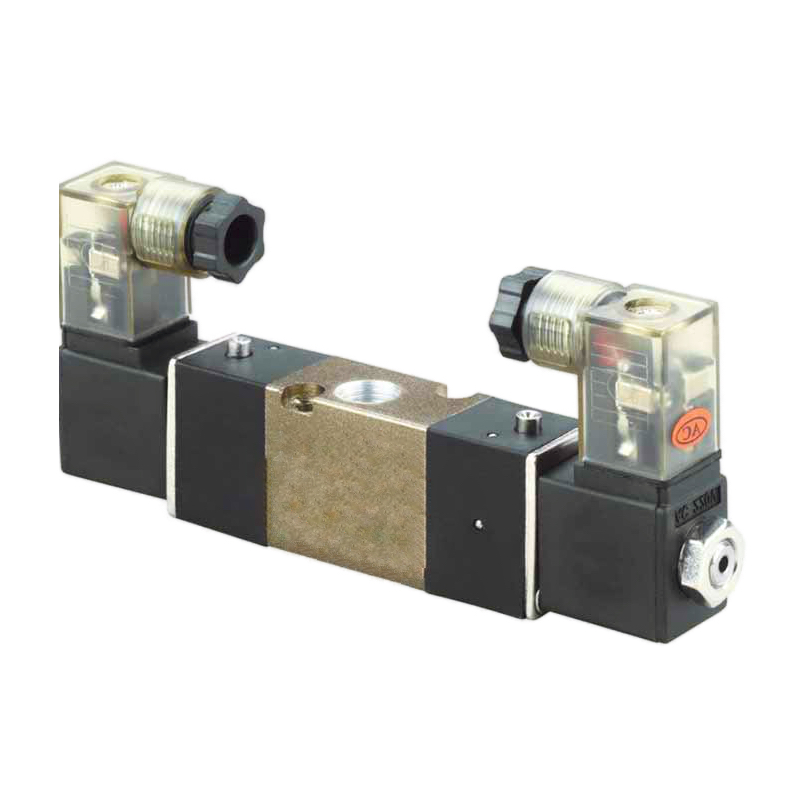
3/2-Way Memory Valves
Simple Memory Function:
- Single Input Control: One pilot signal sets and holds position
- Manual Reset: Physical button or lever for position reset
- Compact Design: Space-efficient for basic applications
- Cost-Effective: Lower price point for simple memory needs
5/2-Way Double Memory
Bidirectional Control:
| Feature | Standard 5/2 | Memory 5/2 | Bepto Advantage |
|---|---|---|---|
| Position Retention | No | Yes | Superior detent design |
| Power Loss Recovery | Returns to spring | Maintains last position | Reliable memory function |
| Reset Method | Spring return | Pilot signal required | Precise control |
| Applications | Basic control | Critical positioning | Rodless cylinder systems |
Spring-Return Memory
Fail-Safe Operation:
- Default Position: Returns to safe state on system failure
- Selective Memory: Remembers only specific operational positions
- Safety Integration: Combines memory function with fail-safe operation3
- Emergency Override: Manual reset capability for safety compliance
Pilot-Operated Systems
Advanced Control Features:
- Remote Operation: Pilot signals from distant control points
- Multiple Inputs: Several pilot signals can control valve state
- Pressure Amplification: Low pilot pressure controls high main pressure
- System Integration: Compatible with PLC and automation systems
Electronic Memory Valves
Smart Control Options:
- Solenoid Operation4: Electrical control with mechanical memory backup
- Position Feedback: Built-in sensors confirm valve position
- Diagnostic Capability: Self-monitoring for predictive maintenance
- Network Integration: Communication with plant control systems
Which Applications Benefit Most from Memory Valve Technology?
Memory valves provide critical advantages in applications where position retention during power loss, system shutdown, or maintenance activities is essential for operational efficiency and safety.
Key applications include emergency shutdown systems requiring fail-safe positioning, automated assembly lines needing position memory during power interruptions, safety interlocks maintaining protective states, and rodless cylinder systems preserving precise positioning for restart operations.
Emergency Safety Systems
Critical Applications:
- Fire Suppression: Valve positions must remain during emergencies
- Gas Isolation: Safety valves maintain closed position without power
- Emergency Venting: Predetermined positions for hazard mitigation
- Access Control: Security systems requiring position memory
Production Line Control
Manufacturing Benefits:
| Application Type | Memory Advantage | Downtime Reduction | Bepto Solution |
|---|---|---|---|
| Assembly Lines | No position loss during breaks | 80% faster restart | Quick-reset memory valves |
| Packaging Systems | Maintains setup during changeovers | 60% less adjustment time | Precision memory control |
| Material Handling | Preserves conveyor positions | 90% reduction in repositioning | Reliable detent systems |
| Quality Control | Holds inspection positions | 70% faster resumption | Consistent memory function |
Rodless Cylinder Applications
Positioning Benefits:
- Precise Location Memory: Maintains exact cylinder position during shutdown
- Multi-Position Systems: Remembers complex positioning sequences
- Coordinated Motion: Synchronizes multiple cylinders after restart
- Reduced Setup Time: Eliminates repositioning after maintenance
Process Control Systems
Industrial Processes:
- Chemical Processing: Valve positions critical for process safety
- Food Production: Sanitary systems requiring position consistency
- Pharmaceutical: Clean room applications with strict positioning
- Water Treatment: Flow control positions during system cycling
Sarah, who manages a pharmaceutical packaging facility in Boston, implemented our Bepto memory valve system that eliminated 4 hours of daily repositioning time after scheduled maintenance shutdowns, saving her company $180,000 annually in labor costs. 💡
How to Select and Maintain Memory Valves for Optimal Performance?
Proper selection and maintenance of memory valves ensures reliable operation, extends component life, and prevents costly system failures in critical pneumatic applications.
Selection criteria include matching valve type to application requirements, ensuring adequate pressure differentials for reliable switching, considering environmental factors like temperature and contamination, while maintenance involves regular pressure testing, seal inspection, and detent mechanism verification.
Selection Criteria
Technical Requirements:
- Pressure Range: Match system operating and peak pressures
- Flow Capacity: Ensure adequate Cv rating5 for application
- Switching Speed: Consider response time requirements
- Environmental Rating: Temperature, humidity, and contamination resistance
Sizing Guidelines
Performance Matching:
| System Pressure | Valve Size | Flow Rate | Switching Time | Maintenance Interval |
|---|---|---|---|---|
| 3-6 bar | 1/4″ – 3/8″ | 200-500 l/min | 50-100ms | 6 months |
| 6-8 bar | 1/2″ – 3/4″ | 500-1200 l/min | 30-80ms | 4 months |
| 8-10 bar | 1″ – 1.5″ | 1200-2500 l/min | 20-60ms | 3 months |
Installation Best Practices
System Integration:
- Pressure Regulation: Stable supply pressure for consistent operation
- Filtration Requirements: Clean air prevents detent mechanism wear
- Mounting Position: Proper orientation for gravity-assisted operation
- Pilot Line Protection: Separate filtration for pilot-operated valves
Maintenance Procedures
Regular Service Tasks:
- Pressure Testing: Verify switching pressures monthly
- Visual Inspection: Check for external leakage and damage
- Cycling Tests: Confirm memory function under load conditions
- Seal Replacement: Preventive seal service based on cycle count
Troubleshooting Guide
Common Issues:
- Inconsistent Memory: Check detent mechanism wear and contamination
- Slow Switching: Verify adequate pressure differential and clean pilots
- External Leakage: Inspect seals and housing for damage or wear
- Position Drift: Examine internal components for mechanical wear
Performance Optimization
System Improvements:
- Pressure Monitoring: Install gauges for diagnostic capability
- Filtration Upgrades: High-efficiency filters extend valve life
- Regular Calibration: Verify switching pressures remain within specification
- Predictive Maintenance: Monitor cycle counts and performance trends
Conclusion
Memory valves provide essential position retention capabilities that ensure system reliability, reduce downtime, and maintain operational safety in critical pneumatic applications.
FAQs About Pneumatic Memory Valves
Q: How long can memory valves retain position without air pressure?
Memory valves can maintain position indefinitely without air pressure due to mechanical latching, with our Bepto valves tested for over 1 million cycles while maintaining reliable memory function throughout their service life.
Q: What’s the minimum pressure differential needed for reliable memory valve switching?
A minimum 0.5 bar pressure differential between set and reset signals ensures reliable switching, though our Bepto memory valves operate consistently with differentials as low as 0.3 bar for enhanced system flexibility.
Q: Can memory valves be used with rodless cylinders for position holding?
Yes, memory valves are ideal for rodless cylinder applications, maintaining precise positioning during power loss or maintenance, with our Bepto systems providing seamless integration and reliable position retention.
Q: How often should memory valve detent mechanisms be serviced?
Detent mechanisms should be inspected every 3-6 months depending on cycle frequency and air quality, with our Bepto valves featuring accessible designs that simplify maintenance and reduce service time.
Q: Do memory valves work in extreme temperature environments?
Standard memory valves operate reliably from -10°C to +60°C, while our Bepto high-temperature versions function up to +80°C with specialized seals and materials for demanding industrial applications.
-
Learn the mechanical principles of how detent mechanisms lock components in place. ↩
-
Understand the schematic and function of 5-port, 2-position (5/2-way) pneumatic valves. ↩
-
Explore the design principles of fail-safe systems and how they ensure safety during a failure. ↩
-
Discover how a solenoid (electromagnetic coil) works to actuate a valve. ↩
-
Learn what the Cv (Flow Coefficient) rating means and how it’s used to size valves. ↩