Blog

Explore the future of pneumatics. Our blog offers expert insights, technical guides, and industry trends to help you innovate and optimize your automation systems.

The Design Differences- Needle Valves vs. Flow Control Valves
Valves For Control And Regulation

The Design Differences: Needle Valves vs. Flow Control Valves

Needle valves use a tapered needle-shaped plunger to provide precise, infinitely adjustable flow control across the entire valve body, while flow control valves (also called speed controllers) combine a one-way check valve with an adjustable orifice to restrict flow in only one direction, making them specifically designed for pneumatic cylinder speed control applications.

Read More »
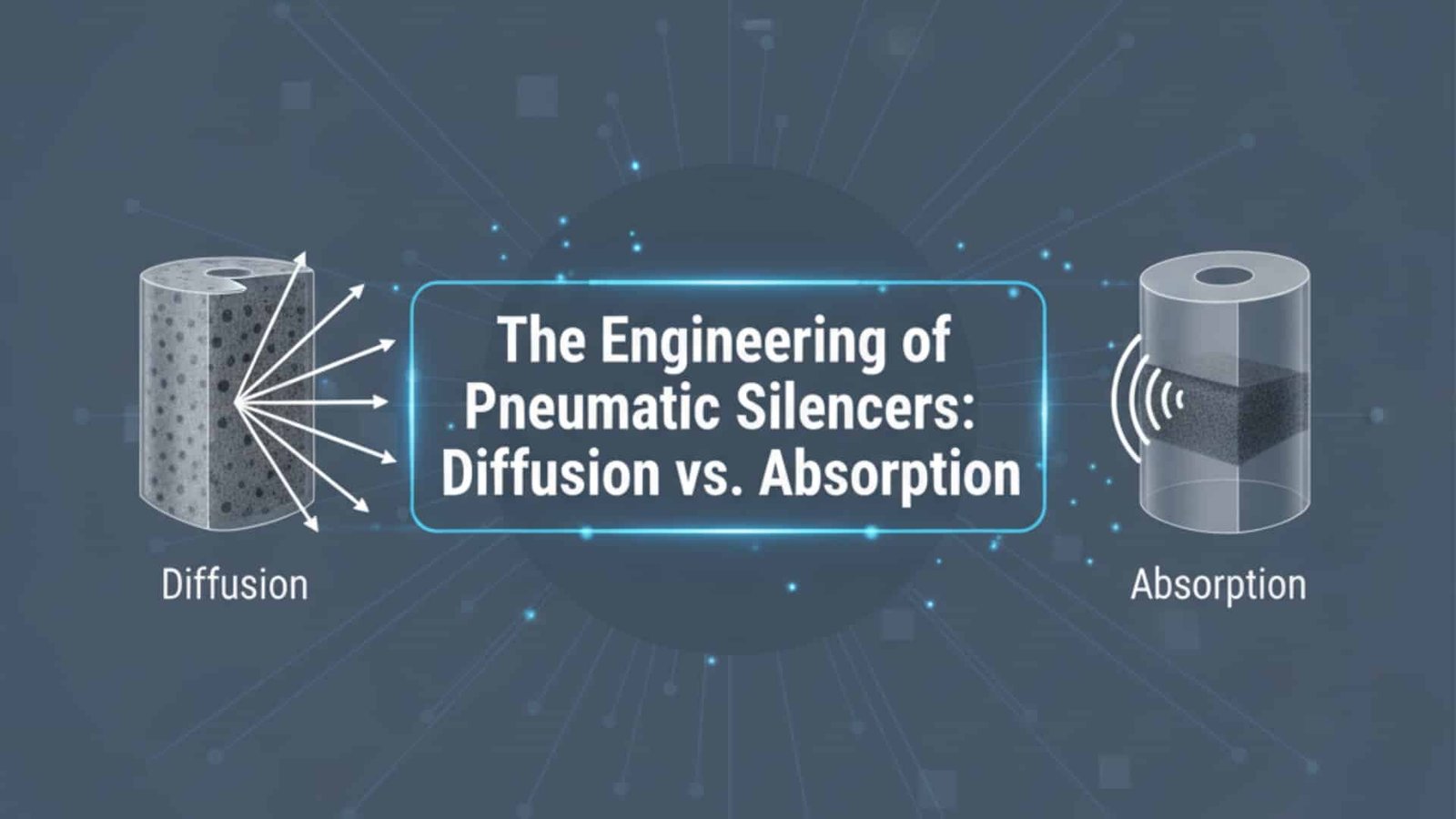
The Engineering of Pneumatic Silencers- Diffusion vs. Absorption
Pneumatic mufflers

The Engineering of Pneumatic Silencers: Diffusion vs. Absorption

Pneumatic silencers reduce exhaust noise through two primary methods: diffusion silencers break up airflow using perforated chambers, while absorption silencers use porous materials to convert sound energy into heat, with each type offering distinct advantages for rodless cylinder applications and other pneumatic systems.

Read More »
Failure Analysis- Identifying the Root Cause of Internal Valve Leakage
Control Components

Failure Analysis: Identifying the Root Cause of Internal Valve Leakage

Internal valve leakage root causes include worn seals, contaminated seats, improper installation, excessive pressure cycling, and manufacturing defects, requiring systematic failure analysis through pressure testing, visual inspection, and performance monitoring to identify specific failure modes in rodless cylinder systems and other pneumatic applications.

Read More »
How Valve Response Time Consistency Affects Machine Synchronization
Control Components

How Valve Response Time Consistency Affects Machine Synchronization

Valve response time consistency directly determines machine synchronization accuracy by ensuring predictable actuation delays across multiple pneumatic axes, with variations exceeding ±10ms causing coordination failures in high-speed rodless cylinder applications and automated assembly systems requiring precise multi-component timing.

Read More »
How to Read and Interpret a Valve Flow (Cv) Chart
Control Components

How to Read and Interpret a Valve Flow (Cv) Chart

Reading valve flow Cv charts involves understanding that Cv represents gallons per minute of water at 60°F flowing through a valve with 1 PSI pressure drop, enabling precise valve sizing for optimal pneumatic system performance and rodless cylinder operation.

Read More »
Search
Blog Category
Blog Tag
Bepto Logo

Get More Benefits Since Submit The Info Form

Form Contact

Select Language