Blog

Explore the future of pneumatics. Our blog offers expert insights, technical guides, and industry trends to help you innovate and optimize your automation systems.

Unbranded vs. Branded Pneumatics- Where Can You Compromise?
Other

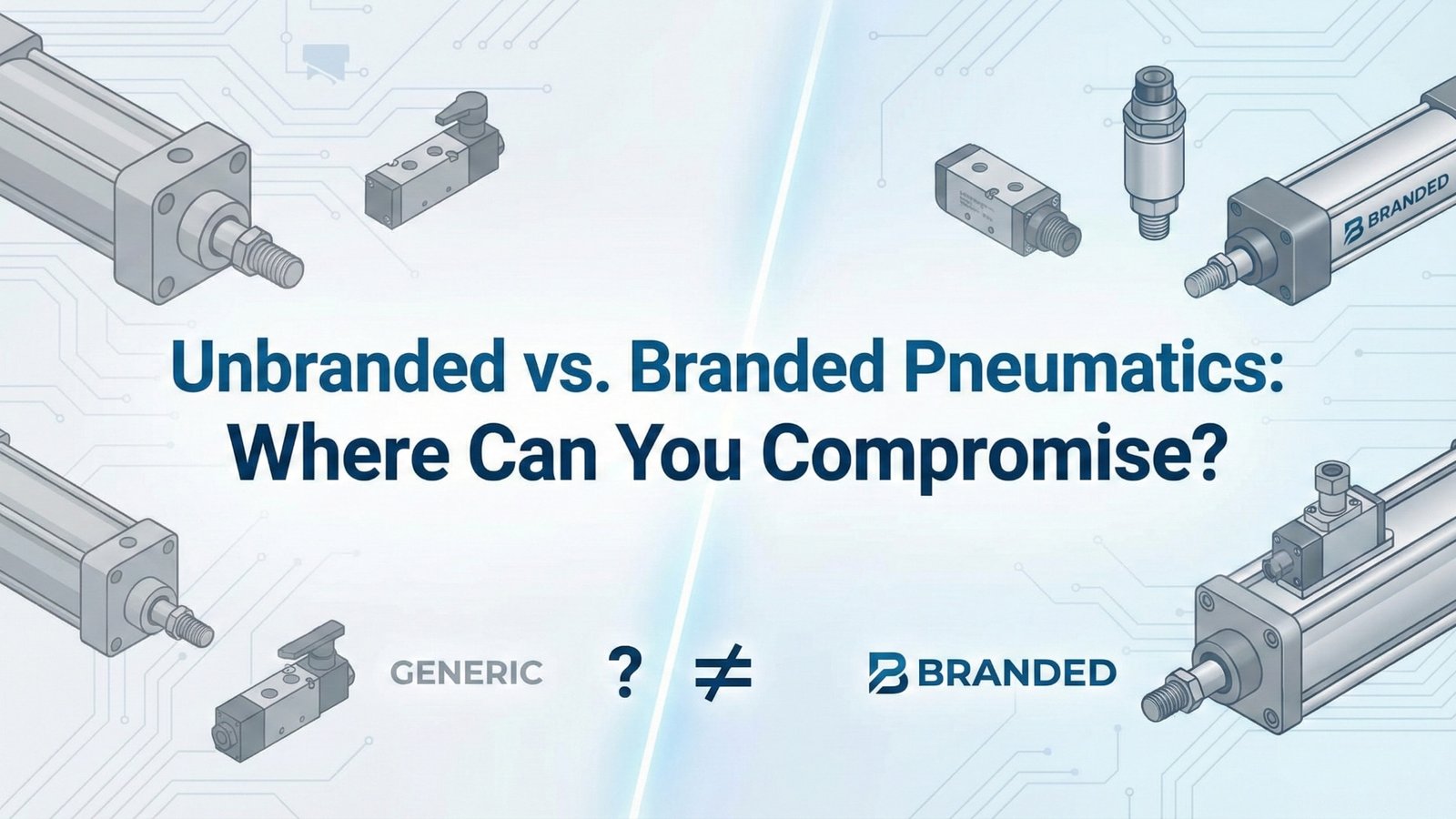
Unbranded vs. Branded Pneumatics: Where Can You Compromise?

You can safely compromise on brand names for standard pneumatic components that meet ISO specifications and operate in non-critical applications, but should never compromise on material quality, dimensional accuracy, pressure ratings, or supplier documentation—the key is distinguishing between premium branding markup and genuine engineering value.
Read More »
Sourcing Strategy- How to Evaluate Pneumatic Cylinder Suppliers in China
Other

Sourcing Strategy: How to Evaluate Pneumatic Cylinder Suppliers in China

Here’s the direct answer: Evaluating Chinese pneumatic cylinder suppliers requires assessing five critical factors: manufacturing capabilities (ISO 9001 certification, production capacity, quality control systems), technical competence (engineering support, customization ability, testing facilities), supply chain reliability (lead times, inventory management, logistics experience), compliance and certifications (CE, RoHS, industry-specific standards), and commercial stability (financial health, export experience, communication quality). Suppliers meeting all five criteria deliver 95%+ on-time delivery with <2% defect rates, while those failing even one factor show 20-40% failure rates within the first year.

Read More »
Overcoming Supply Chain Disruptions- Securing Your Pneumatic Components Stock
Other

Overcoming Supply Chain Disruptions: Securing Your Pneumatic Components Stock

Here’s the direct answer: Securing pneumatic components stock requires a four-pillar strategy: maintain 3-6 months buffer stock of critical cylinders and valves (those causing >$10K/day downtime), establish relationships with minimum two qualified suppliers per critical component (primary and backup), implement predictive maintenance to forecast replacement needs 60-90 days ahead, and source compatible alternatives from reliable manufacturers like Bepto Pneumatics who stock common sizes and deliver within 7-10 days. Companies implementing this strategy reduce supply-related downtime by 70-85% and avoid 90%+ of emergency expedite costs.

Read More »
Guide to Bulk Purchasing Pneumatic Fittings- Quality Assurance Tips
Other

Guide to Bulk Purchasing Pneumatic Fittings: Quality Assurance Tips

Effective bulk purchasing of pneumatic fittings requires implementing rigorous supplier qualification processes, conducting sample testing before large orders, verifying material certifications and manufacturing standards, performing incoming inspection protocols, and partnering with reliable suppliers like Bepto Pneumatics who provide consistent quality at competitive prices.

Read More »
Negotiating with Pneumatic Suppliers- Key Questions to Ask Before Buying
Other

Negotiating with Pneumatic Suppliers: Key Questions to Ask Before Buying

Effective negotiation with pneumatic suppliers requires asking strategic questions about lead times and delivery reliability, quality control processes and defect rates, technical support capabilities, payment terms and volume pricing structures, compatibility verification with existing systems, and warranty/return policies—ensuring you evaluate total cost of ownership rather than just unit price.

Read More »
Verifying Supplier Certifications- ISO Standards for Pneumatic Manufacturers
Other

Verifying Supplier Certifications: ISO Standards for Pneumatic Manufacturers

Verifying supplier certifications requires checking ISO certificate authenticity through accredited registrar databases, confirming scope of certification matches your product requirements, reviewing audit dates and surveillance records, requesting supporting documentation like audit reports, and understanding which ISO standards (9001, 14001, 45001) are relevant for pneumatic manufacturers.

Read More »
Dual-Sourcing Strategies: Mitigating Risks in Pneumatic Component Procurement
Other

Dual-Sourcing Strategies: Mitigating Risks in Pneumatic Component Procurement

Effective dual-sourcing for pneumatic components involves maintaining qualified relationships with two or more suppliers, implementing strategic volume splits (typically 70/30 or 60/40), establishing clear qualification criteria and performance metrics, maintaining interchangeable specifications across suppliers, and balancing cost optimization with supply chain resilience to protect against disruptions.

Read More »
How to Identify Reliable Private Label Manufacturers for Pneumatic Cylinders
Other

How to Identify Reliable Private Label Manufacturers for Pneumatic Cylinders

Identifying reliable private label pneumatic cylinder manufacturers requires verifying manufacturing capabilities and certifications (ISO 9001 minimum), assessing quality control systems through factory audits, evaluating intellectual property protection and NDA compliance, confirming customization flexibility for branding and specifications, reviewing customer references and production track records, and establishing clear communication channels and project management processes.

Read More »
Search
Blog Category
Blog Tag
Bepto Logo

Get More Benefits Since Submit The Info Form

Form Contact

Select Language