Pneumatic cylinders / angular motion

Pneumatic Rotary Actuators

Pneumatic rotary actuators convert compressed air into angular movement for flipping, indexing, valve actuation, and part orientation.

90 and 180 degree motionTorque reviewCompact rotary tablesAngle control

Category buying guide

Select rotary actuators by angle, torque, and load support.

Rotary actuator selection should compare rack-and-pinion, vane, compact, and rotary-table structures by torque, rotation angle, angle adjustment, bearing support, seal needs, port size, cushioning, load capacity, and actuation time.

Pneumatic Rotary Actuators • Product specifications

Pneumatic Rotary Actuators: key specs for fast selection

Each product series includes images, order cues, key specifications, and comparison tables for faster RFQ selection.

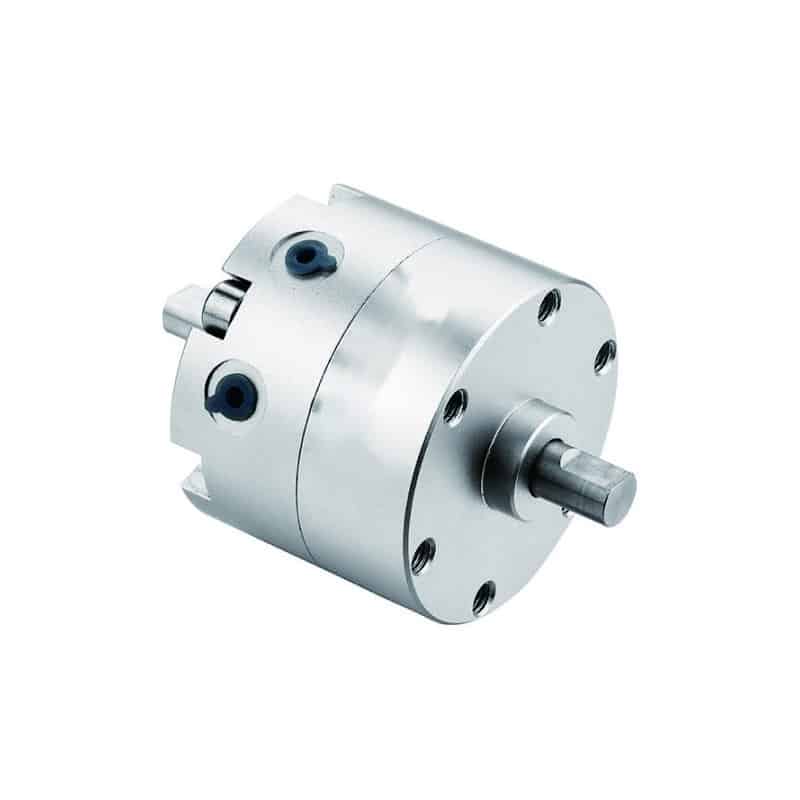
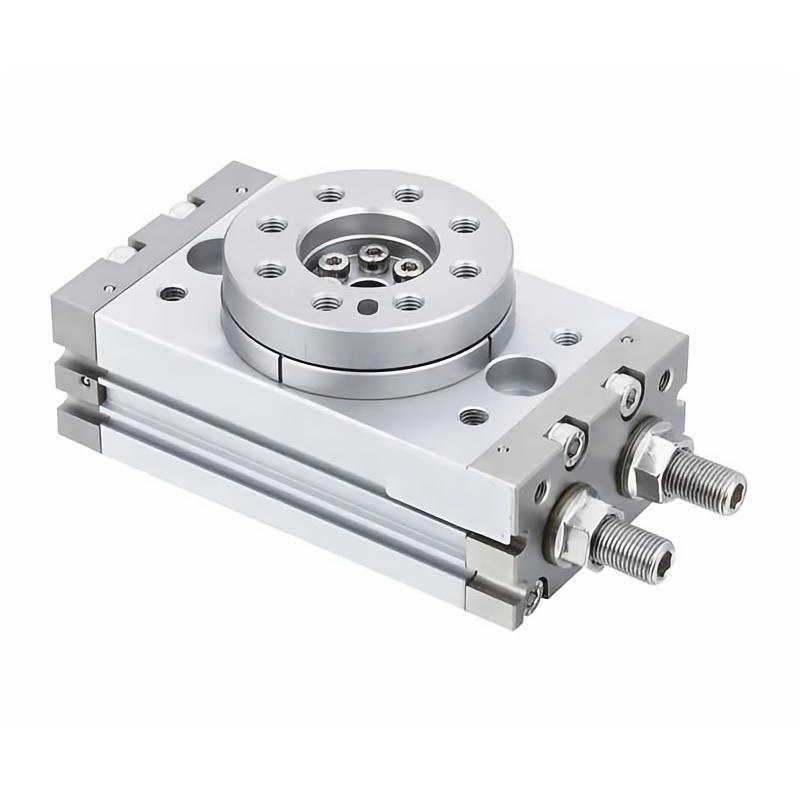
MSUB Series Vane Type Pneumatic Rotary Table

Order Symbol

Series 01
Series
MSUB Series Vane Type Pneumatic Rotary Table

Key Specs

Selection focus
  • Port size: M3x0.5 or M5x0.8 by model
  • Rotation angle: 90°±10° or 180°±10°
  • Operating pressure: 0.2-0.7 MPa; 0.15-0.7 MPa; 0.15-1.0 MPa by model
  • Rotation time: 0.07-0.3 s/90° at 0.5 MPa
  • Models: MSUB1, MSUB3, MSUB7, MSUB20

Quote Checklist

RFQ-ready

Send these working details and Bepto Pneumatic can confirm the suitable configuration.

  • Model / photo: Send the old model code, nameplate photo, or replacement sample photo.
  • Motion data: Confirm bore or size, stroke or angle, speed, and load direction.
  • Mounting: Share mounting style, thread, port size, sensors, and accessory needs.
  • Working air: Confirm pressure range, air quality, cushion, and duty cycle.
  • Application: Send drawings, installation space, quantity, and target delivery timing.
Selection snapshot

Model, pressure, load, and moment ratings

12 rows
Model / angleMSUB1 90°±10°MSUB1 180°±10°MSUB3 90°±10°MSUB3 180°±10°MSUB7 90°±10°MSUB7 180°±10°MSUB20 90°±10°MSUB20 180°±10°
Vane typesingle vane
Working mediumAir (no lubrication)
Ambient and fluid temperature5-60 °C
operating pressure range (MPa)0.2-0.70.2-0.70.15-0.70.15-0.70.15-1.00.15-1.00.15-1.00.15-1.0
Rotation time range (0.5 MPa)0.07-0.3 s/90°
BearingBearing
Body side Port sizeM3x0.5M3x0.5M5x0.8M5x0.8M5x0.8M5x0.8M5x0.8M5x0.8
Rotation precisionWithin 0.03 mm
Allowable radial load2020404050506060
Allowable axial load1515303060608080
Moment (N·m)0.30.30.70.70.90.92.92.9

Same-group comparison

Pneumatic Rotary Actuators series comparison

Compare related product series by function, size, pressure, and RFQ details.

6 related series
SeriesBore / sizeMotionPressure rangeStroke / angleSpeed / repeatabilityPort thread
MSUB Rotary TableMSUB1, MSUB3, MSUB7, MSUB20single vane0.2-0.7 MPa; 0.15-0.7 MPa; 0.15-1.0 MPa by model90°±10° or 180°±10°0.07-0.3 s/90° at 0.5 MPaM3x0.5 or M5x0.8 by model
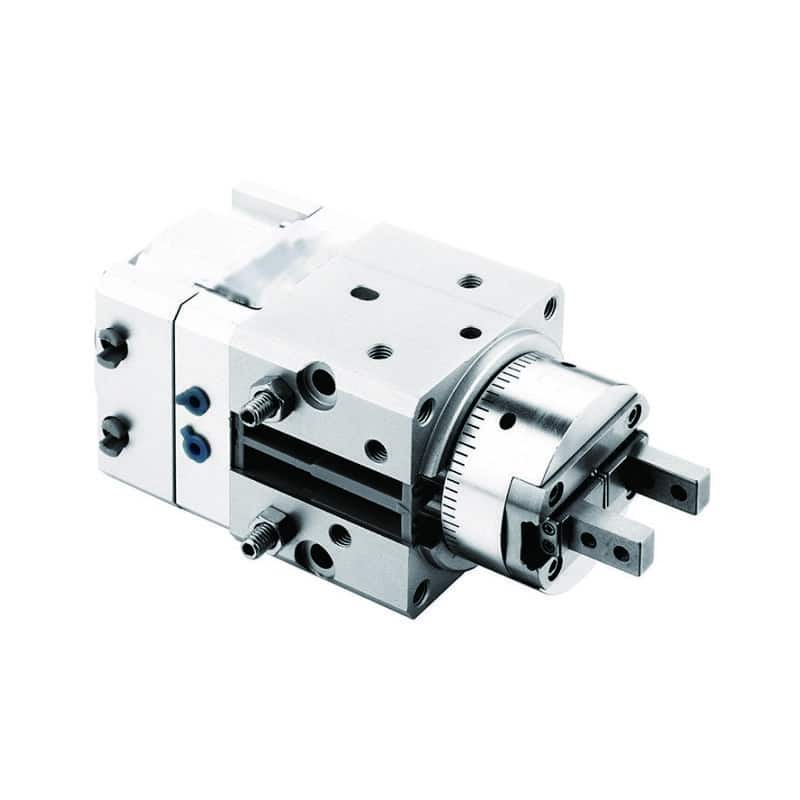
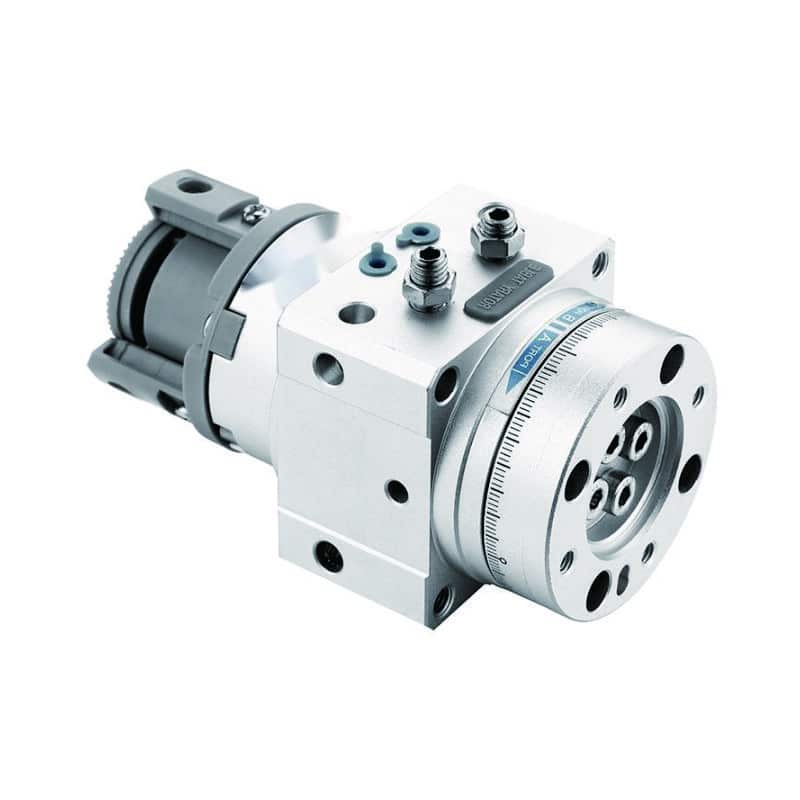
MRHQ Rotary Gripper10, 16, 20, 25 mmRotary unit with double-acting or single-acting gripper unit0.25-0.7, 0.25-1.090°±10° or 180°±10°±0.01 mmConfirm by interface
CRB2 Vane Rotary Actuator10, 15, 20, 30, 40 mmVane rotary actuator0.2-0.7 MPa or 0.15-1.0 MPa by boresingle vane 0-230° / 0-240°; double vane 0-90°0.03-0.3, 0.04-0.3, or 0.07-0.5 s by boreM3x0.05 (single vane 90° / 180°: M5x0.8), M5x0.8
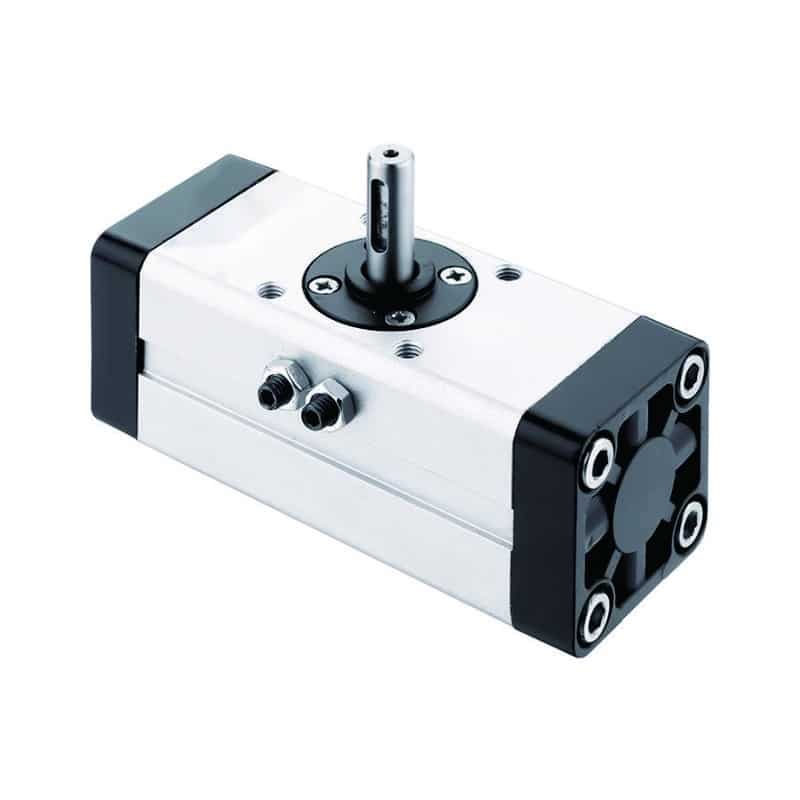
CRA1 Rack & Pinion Actuator30, 50, 63, 80, 100 mmDouble-acting1.0 MPa Max.; 0.1 MPa Min.+4°0.2-1 to 0.2-5 s/90° by boreM5x0.8, Rc1/8, Rc1/4, Rc3/8
CRQ2 Compact Rotary Actuator10, 15, 20, 30, 40 mmDouble-acting0.15-0.7 MPa or 0.1-1.0 MPa by bore80°-100° or 170°-190°0.2-0.7 or 0.2-1.0 s/90°Confirm by interface
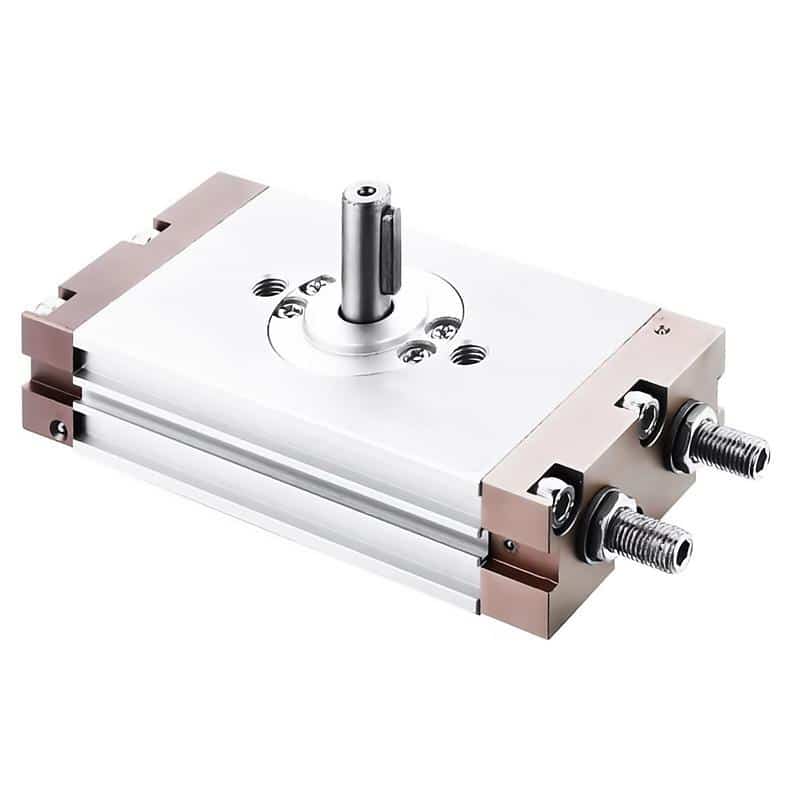
MSQ Rotary Actuator10, 20, 30, 50, 70, 100, 200 mmRotary table actuator with 0-190° angle adjustment1 MPa with adjustment bolt; 0.6 MPa with shock absorber0-190°0.2 to 1.0, 0.2 to 1.5, 0.2 to 2.0, 0.2 to 2.5M5×0.8 or Rc1/8 by bore

Choose by motion job

Start with the motion the actuator must make.

Pick the closest actuator use case, then confirm bore, stroke, load, mounting, pressure, speed, and space constraints before RFQ.

Scenario 01

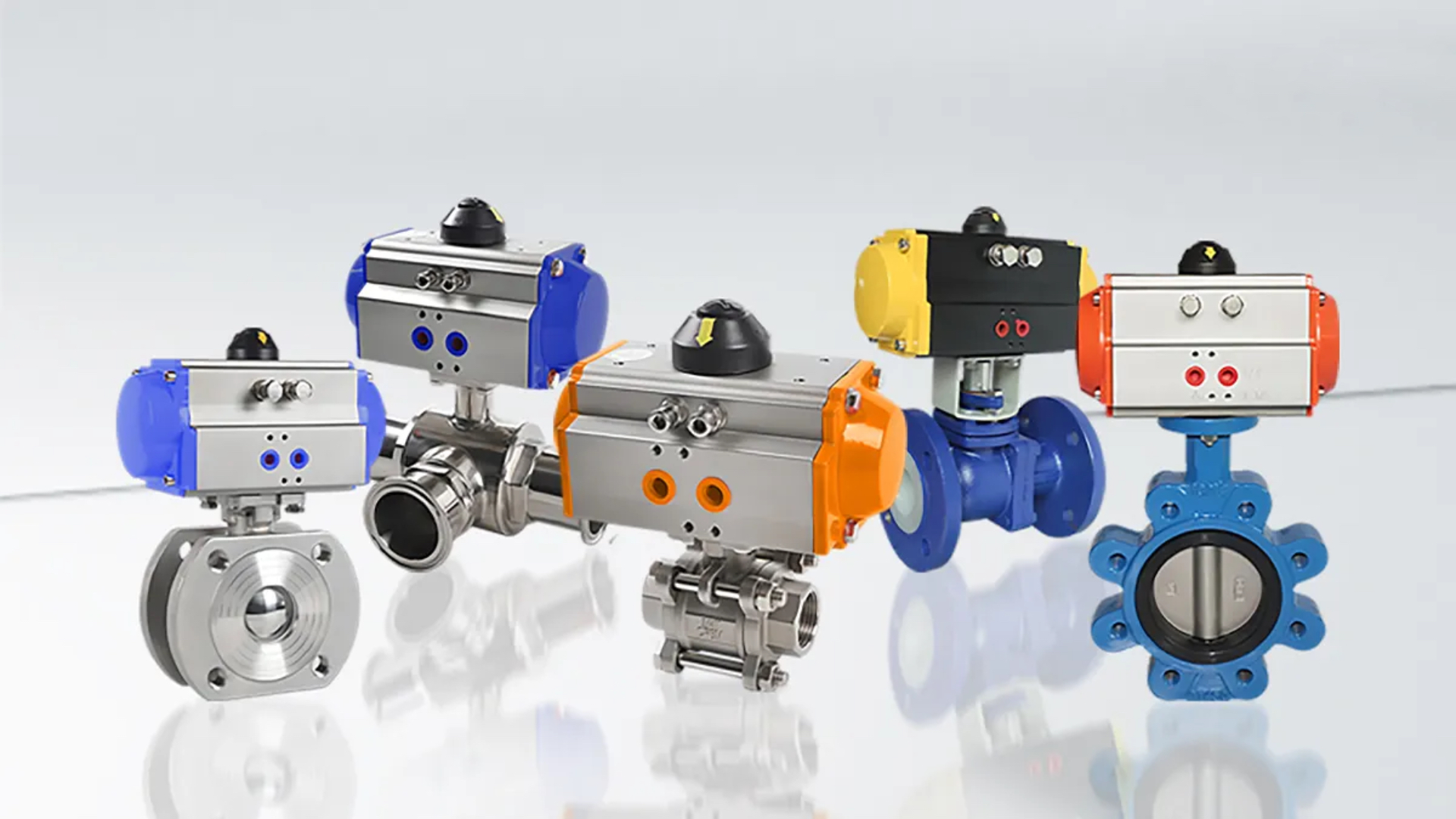
Drive a ball valve or butterfly valve.

Valve actuation starts with required torque, rotation angle, duty cycle, and mounting interface.

Recommended option

Rack-and-pinion rotary actuator with torque margin and shaft coupling review.

  • Valve torque
  • Angle
  • Cycle rate
  • Mounting interface

Common actuator uses

Where pneumatic actuators do the machine work.

Pneumatic rotary actuator used for valve actuation and control
Actuator use 01

Valve actuation and control

Rotary actuators open and close valves or dampers in pneumatic and process-related machine circuits.

  • Confirm torque
  • Review coupling
  • Check cycle duty
Pneumatic rotary actuator material diverting and flipping application
Actuator use 02

Material diverting and flipping

Angular motion rotates, flips, or diverts workpieces in automated production and packaging equipment.

  • Check payload inertia
  • Set angle range
  • Review cushion
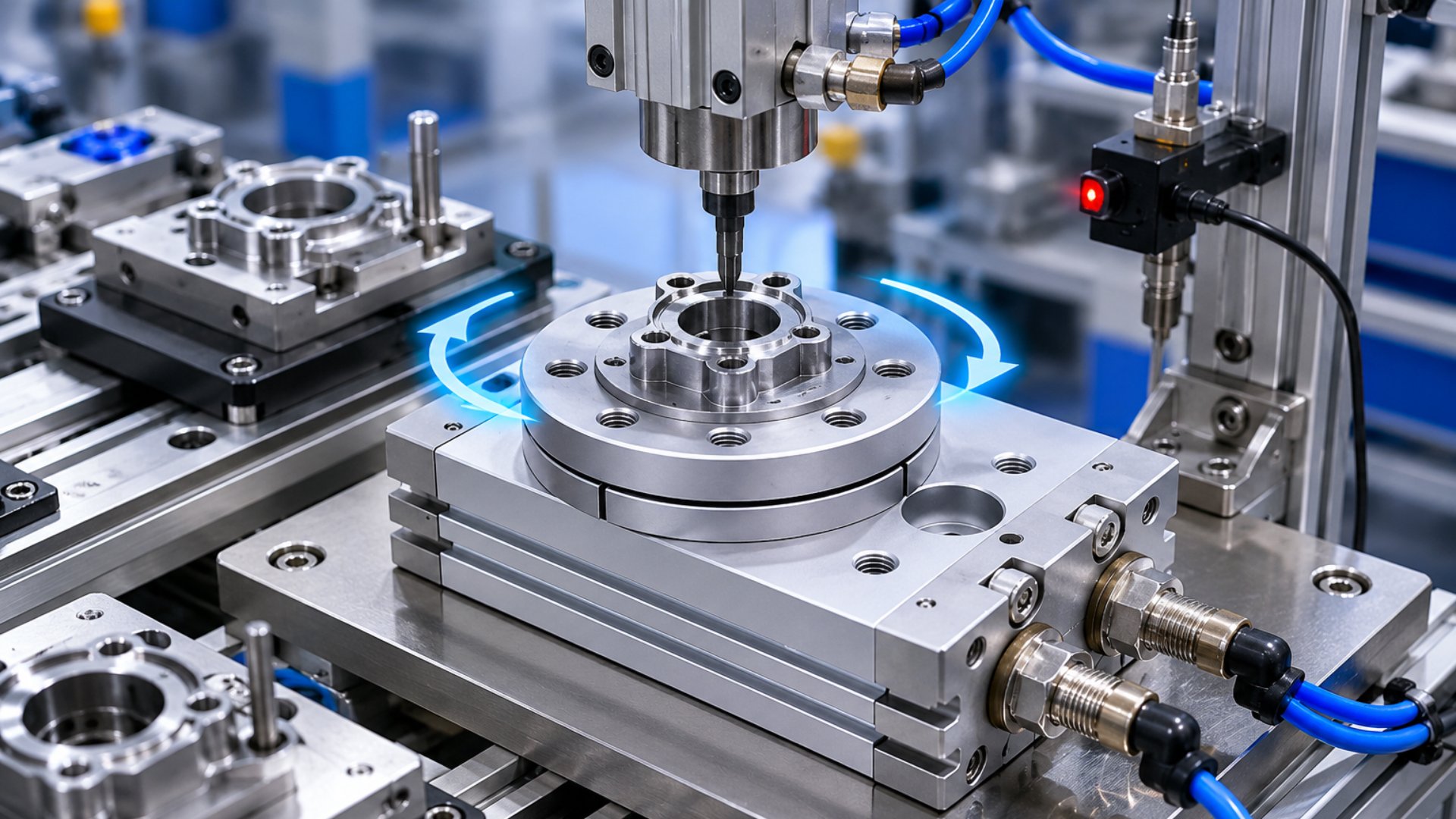
Pneumatic rotary actuator assembly and indexing fixture application
Actuator use 03

Assembly and indexing fixtures

Rotary tables position tools, nests, and small fixtures where controlled angular movement is needed.

  • Review load support
  • Confirm repeatability
  • Send fixture drawing

Request category support

Send the details that make this Pneumatic Rotary Actuators inquiry review-ready.

Bepto Pneumatic is the pneumatic product line of Bepto Industrial. Send model numbers, photos, drawings, or rough requirements and the team will route the request for sales or technical review.

  • Rotation angle and torque target
  • Payload, inertia, and shaft load
  • Actuation time and cycle rate
  • Mounting interface, port size, and cushion need

Pneumatic Rotary Actuators RFQ details

Fields marked with * help prepare the request.

Category FAQ

Common questions before sending an inquiry.

01Pneumatic Rotary ActuatorsHow do I select torque for a pneumatic rotary actuator?

Start with the load, lever arm, inertia, motion angle, acceleration, and available air pressure, then include a suitable safety margin.

02Pneumatic Rotary ActuatorsWhat is the difference between rack-and-pinion and vane rotary actuators?

Rack-and-pinion actuators are often chosen for stronger torque and robust output. Vane actuators are compact and smooth for lighter angular motion.

03Pneumatic Rotary ActuatorsWhat details help with a rotary actuator replacement?

Send model code, photos, output shaft dimensions, angle, torque or load, mounting holes, port size, and sensor or stop adjustment details.