
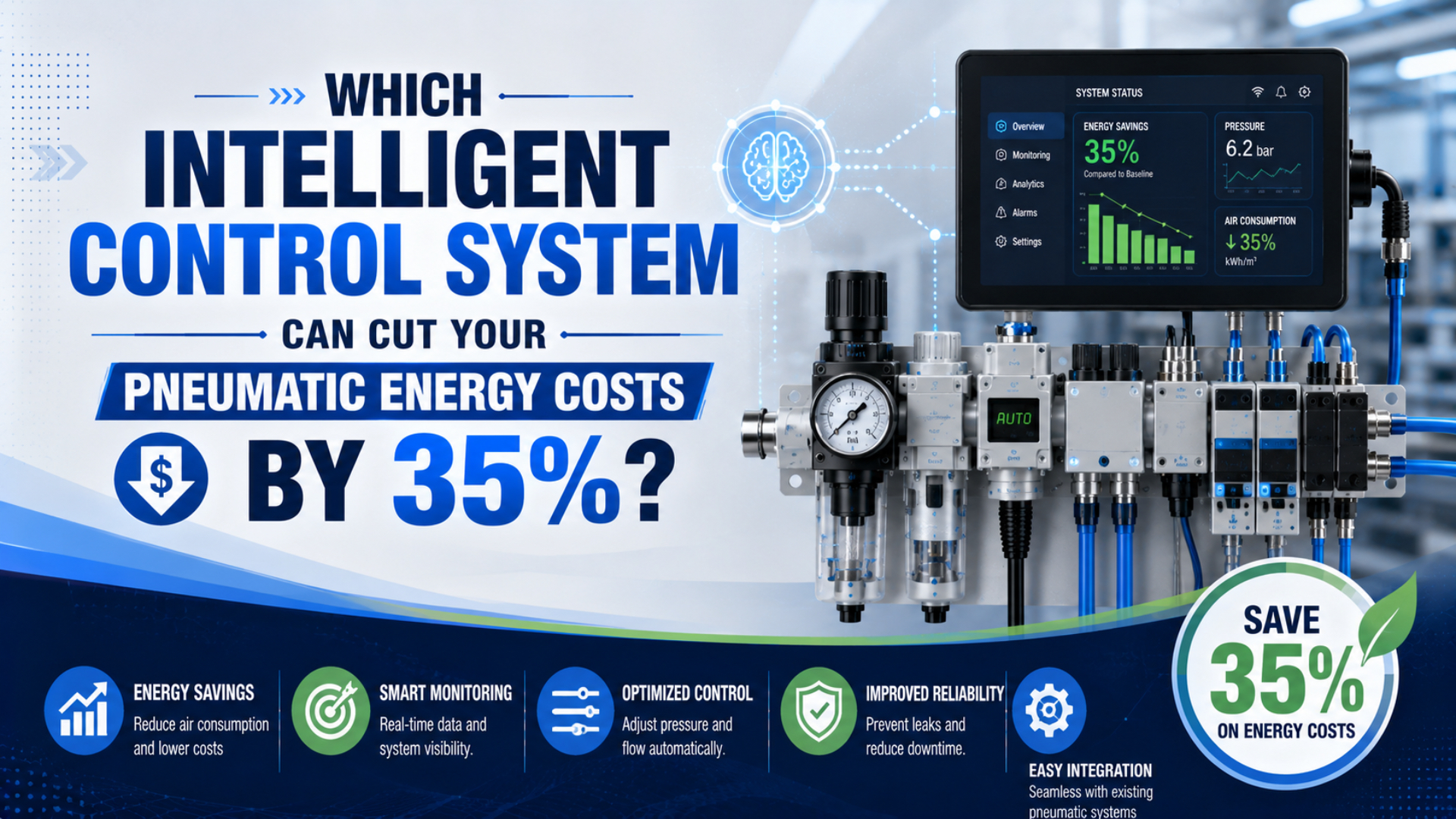
 Which Intelligent Control System Can Cut Your Pneumatic Energy Costs by 35%?Learn which intelligent pneumatic control architecture can verify a 35% energy-cost target through metered baselines, demand control, and OT-safe integration.
Blog Tag
compressed air efficiency articles
Review every Bepto Pneumatic article connected to compressed air efficiency, grouped as one focused reading list for engineers, maintenance staff, and sourcing specialists.
Tagged Reading Path
All articles tagged compressed air efficiency
Use this archive to scan related selection notes, RFQ checks, replacement guidance, and pneumatic component references.
Which Intelligent Control System Can Cut Your Pneumatic Energy Costs by 35%?Learn which intelligent pneumatic control architecture can verify a 35% energy-cost target through metered baselines, demand control, and OT-safe integration.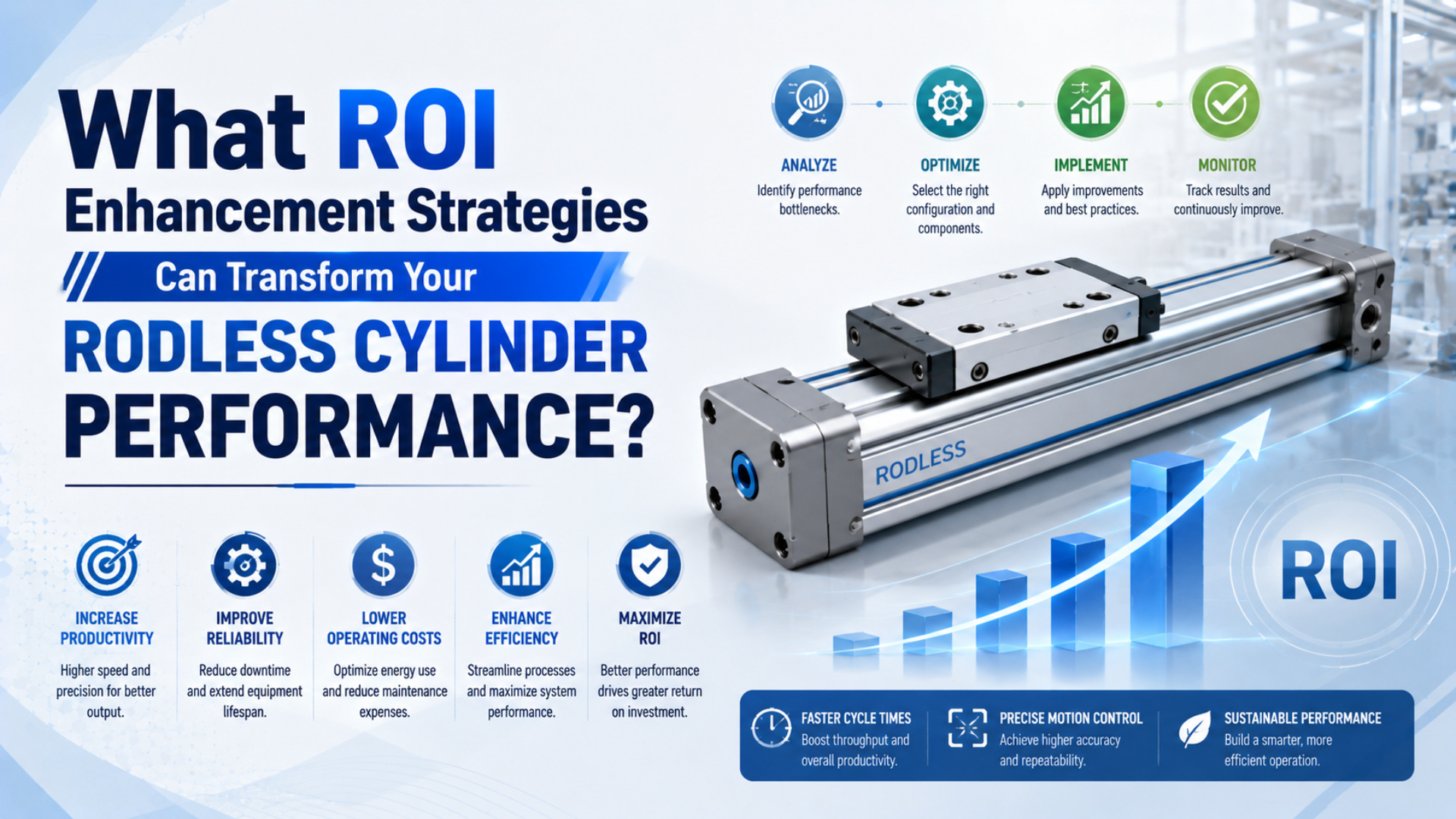 What ROI Enhancement Strategies Can Transform Your Rodless Cylinder Performance?Build a defensible rodless cylinder ROI case from measured air, downtime, maintenance and inventory costs, using 3 formulas and sensitivity checks today.
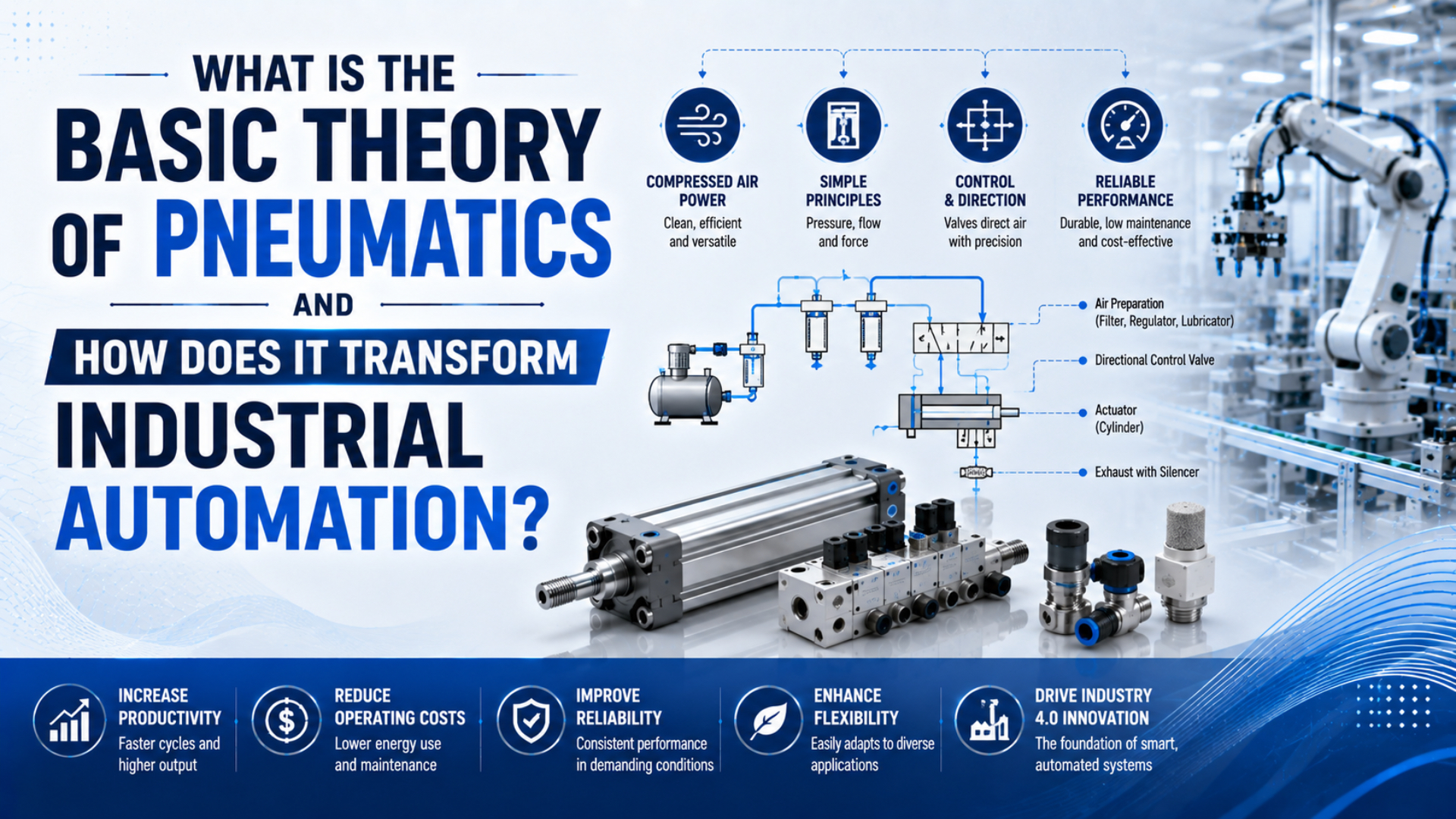 What is the Basic Theory of Pneumatics and How Does It Transform Industrial Automation?Learn pneumatic theory through a six-layer automation model covering air state, valves, actuators, sensors, safe states, flow limits, and commissioning.
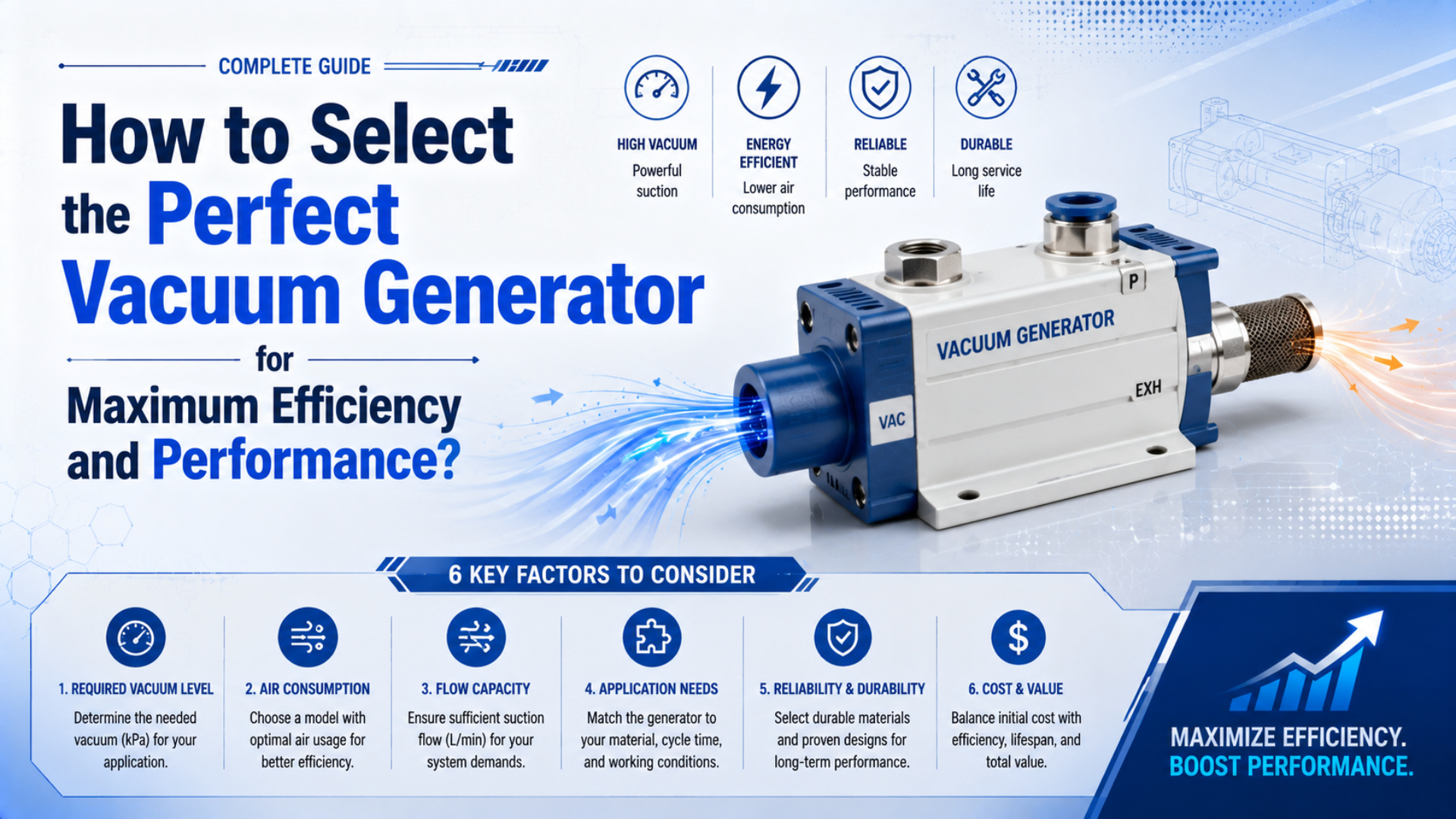 How to Select the Perfect Vacuum Generator for Maximum Efficiency and Performance?Choose a vacuum generator from load, leakage, response time, and air cost. Compare 5-22 L/min catalog data, read curves, and validate the actual workpiece.
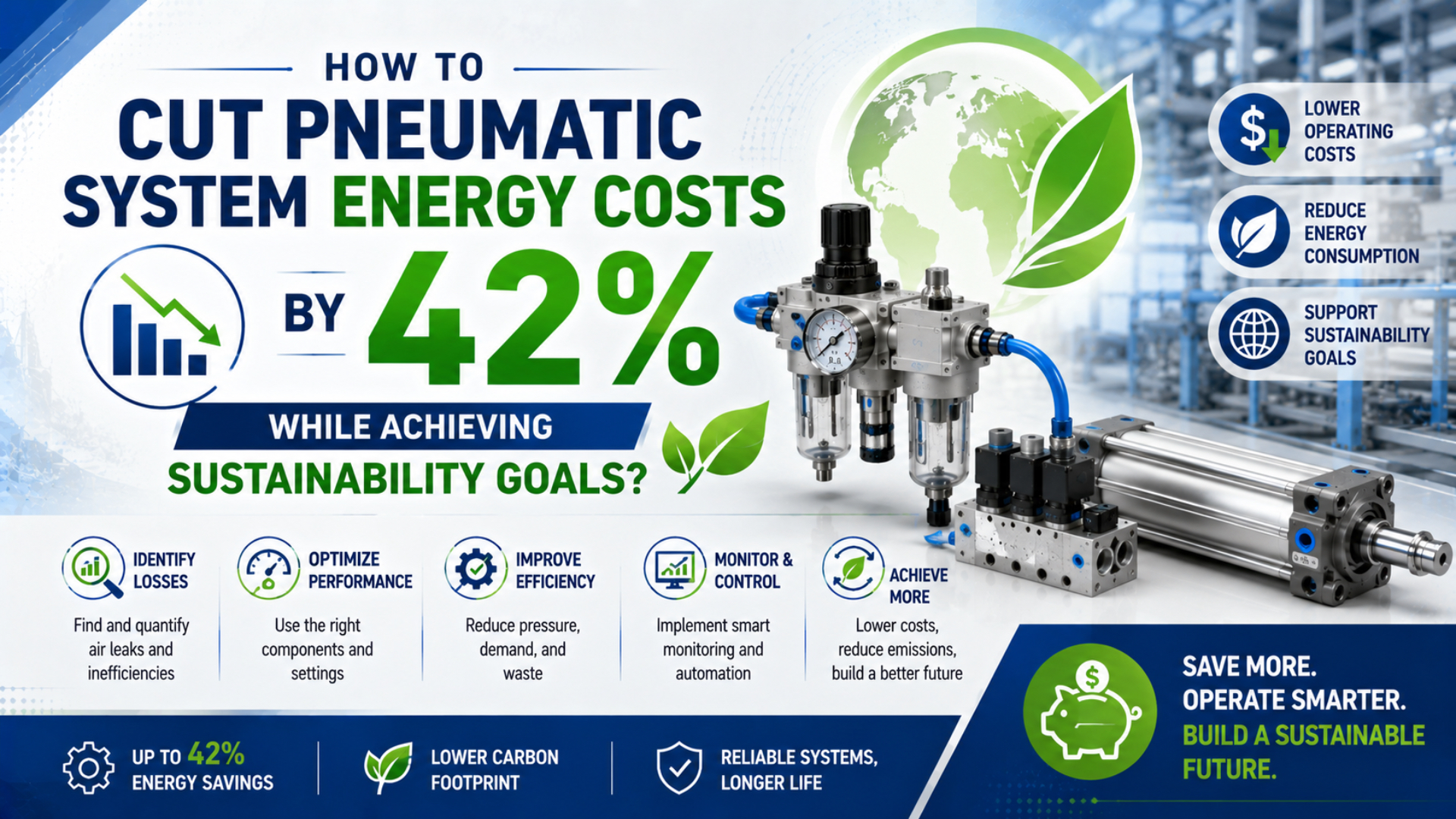 How to Cut Pneumatic System Energy Costs by 42% While Achieving Sustainability Goals?Cut pneumatic energy costs toward a measured 42% target with DOE-backed leak, pressure, control, tariff, carbon, and verification checks.
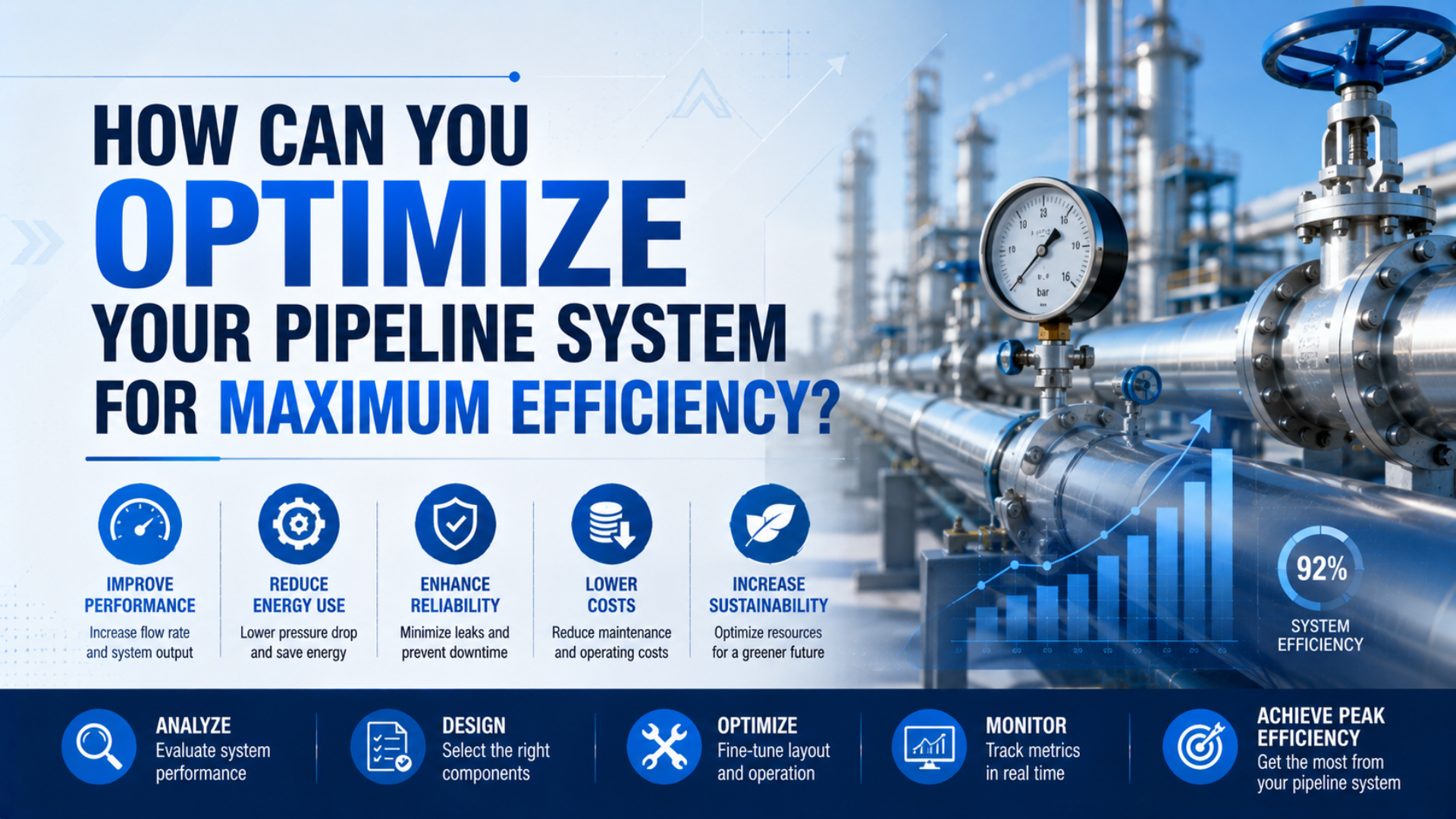 How Can You Optimize Your Pipeline System for Maximum Efficiency?Optimize compressed-air pipelines using CAGI's 10% pressure-drop limit, synchronized measurements, branch analysis, storage checks, and field A/B tests.
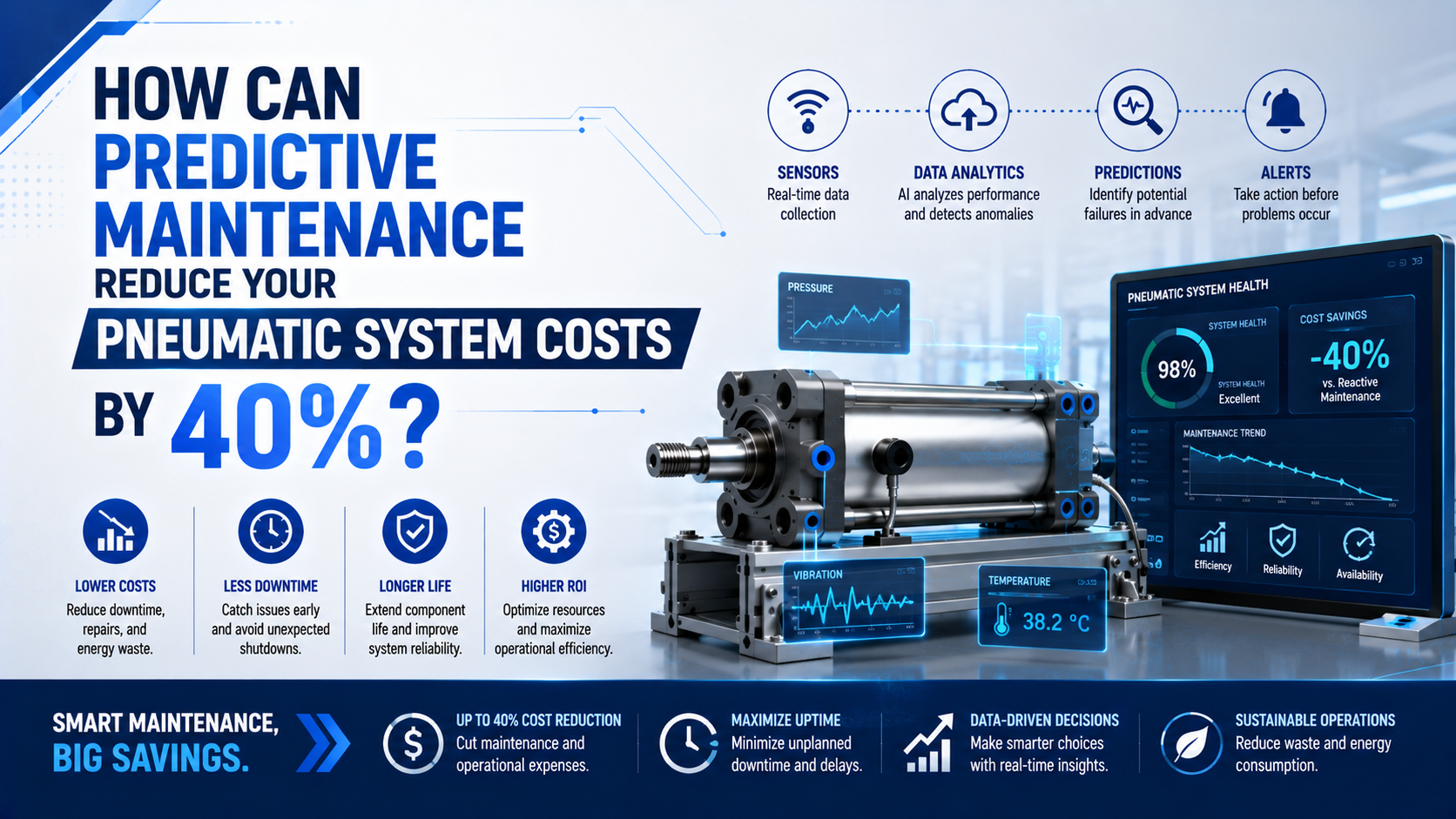 How Can Predictive Maintenance Reduce Your Pneumatic System Costs by 40%?Learn when pneumatic predictive maintenance can approach 40% cost savings by measuring downtime, leaks, repairs, quality losses, and program cost.
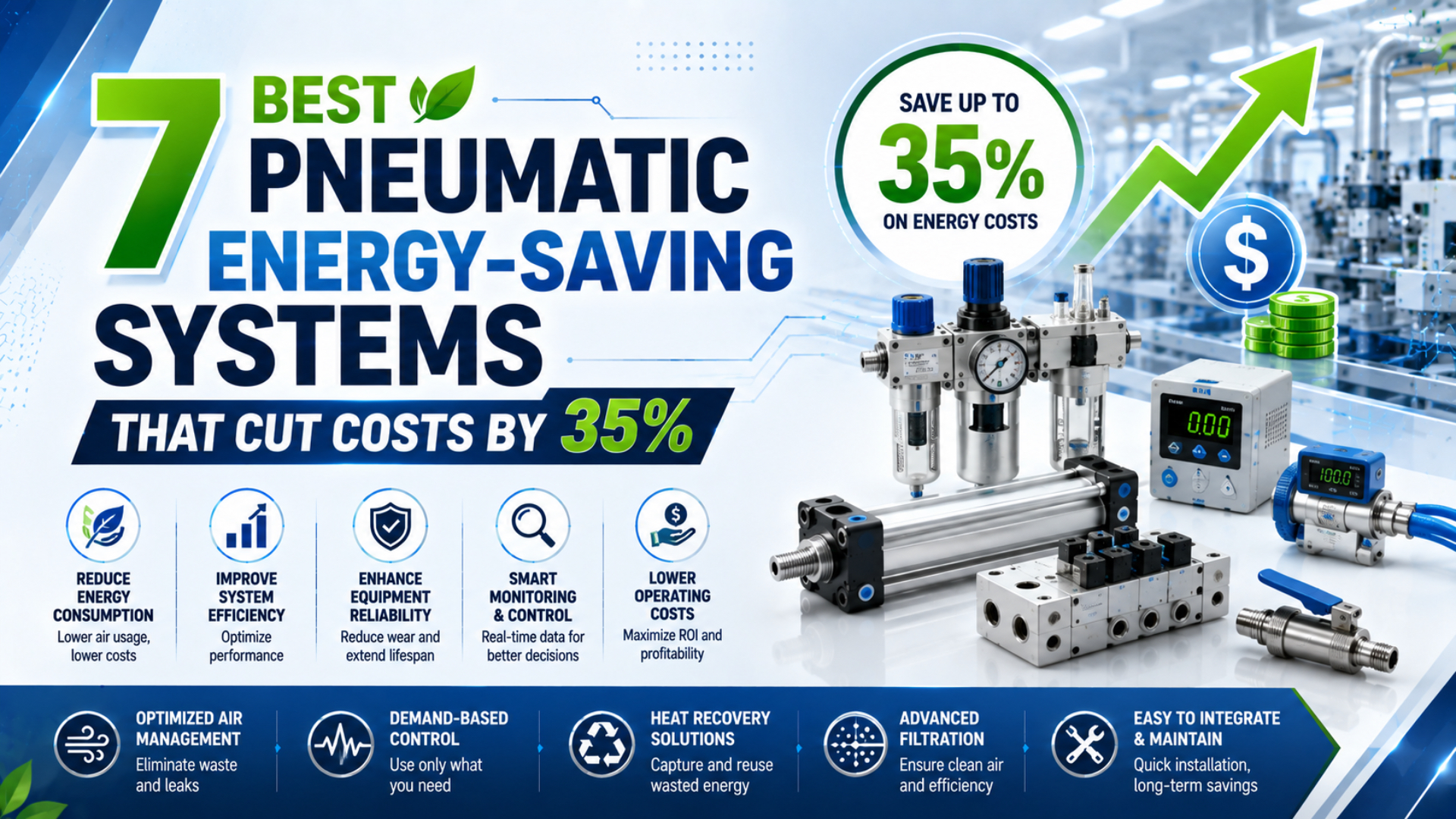 7 Best Pneumatic Energy-Saving Systems That Cut Costs by 35%Compare 7 pneumatic energy-saving systems using ISO 11011 boundaries, DOE leak and heat data, and cost baselines before claiming a verified 35% reduction.
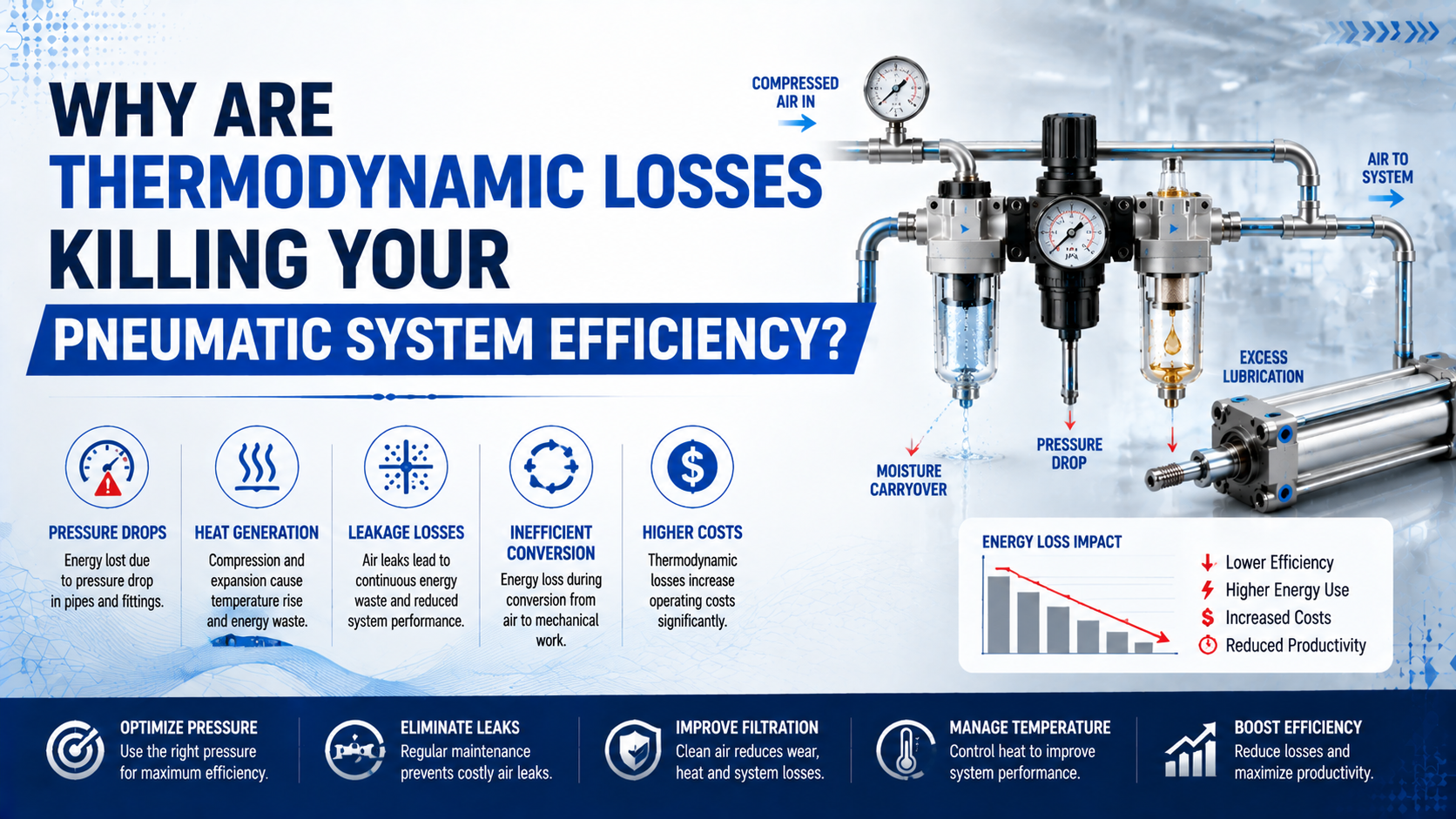 Why Are Thermodynamic Losses Killing Your Pneumatic System Efficiency?Trace pneumatic thermodynamic losses from compressor heat to exhaust using DOE's 80-93% figure, synchronized flow, pressure, work, and dew-point data.