
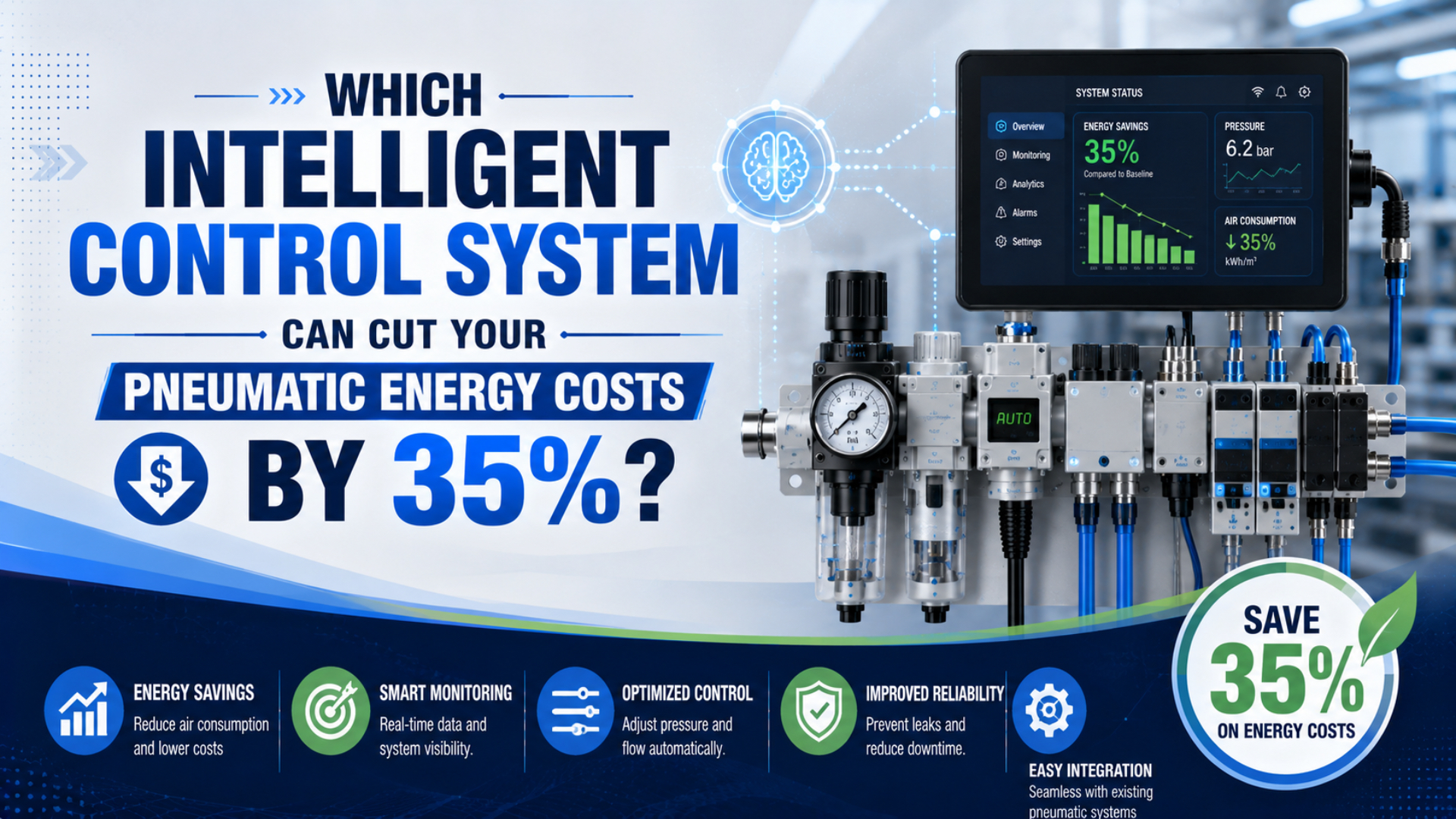
 Which Intelligent Control System Can Cut Your Pneumatic Energy Costs by 35%?Learn which intelligent pneumatic control architecture can verify a 35% energy-cost target through metered baselines, demand control, and OT-safe integration.
Blog Tag
compressed air system articles
Review every Bepto Pneumatic article connected to compressed air system, grouped as one focused reading list for engineers, maintenance staff, and sourcing specialists.
Tagged Reading Path
All articles tagged compressed air system
Use this archive to scan related selection notes, RFQ checks, replacement guidance, and pneumatic component references.
Which Intelligent Control System Can Cut Your Pneumatic Energy Costs by 35%?Learn which intelligent pneumatic control architecture can verify a 35% energy-cost target through metered baselines, demand control, and OT-safe integration.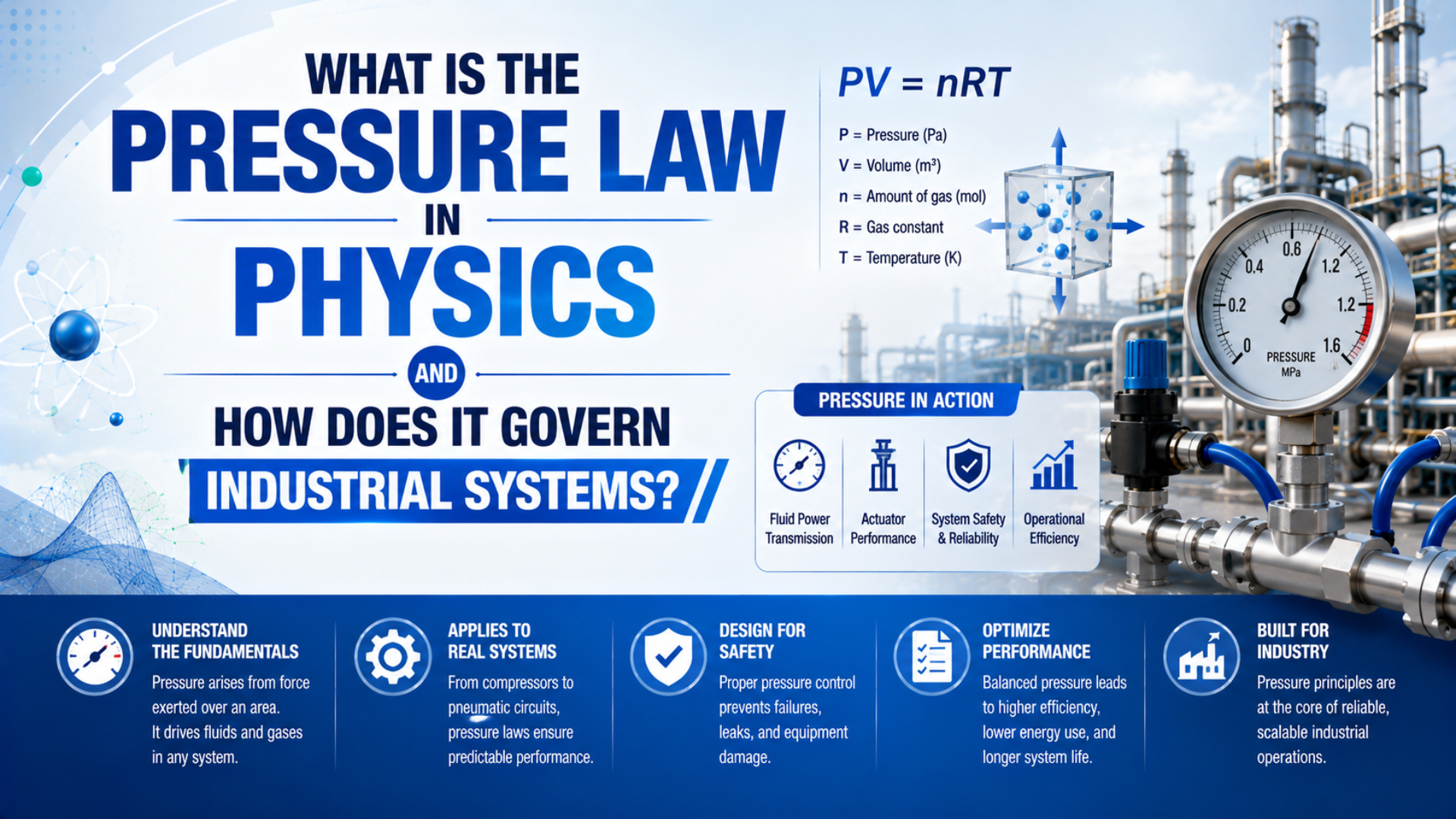 What is the Pressure Law in Physics and How Does It Govern Industrial Systems?A practical guide to the pressure-temperature gas law, absolute pressure, fixed-volume calculations, pneumatic applications, and safety limits.
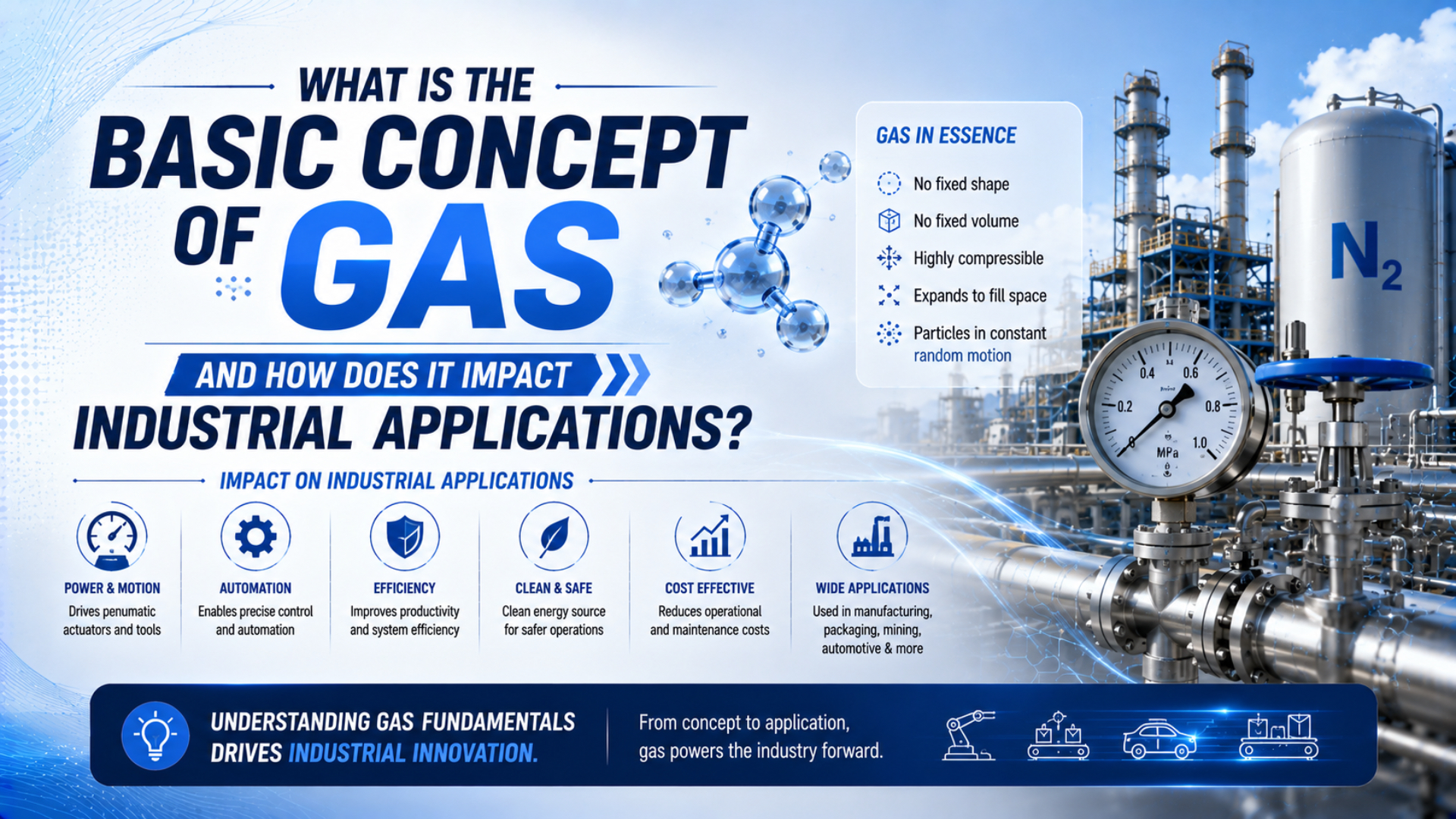 What is the Basic Concept of Gas and How Does It Impact Industrial Applications?Learn how pressure, volume, temperature, gas mass, and ISO 8573’s 3 contaminant groups affect pneumatic force, flow, safety, and reliable component selection.
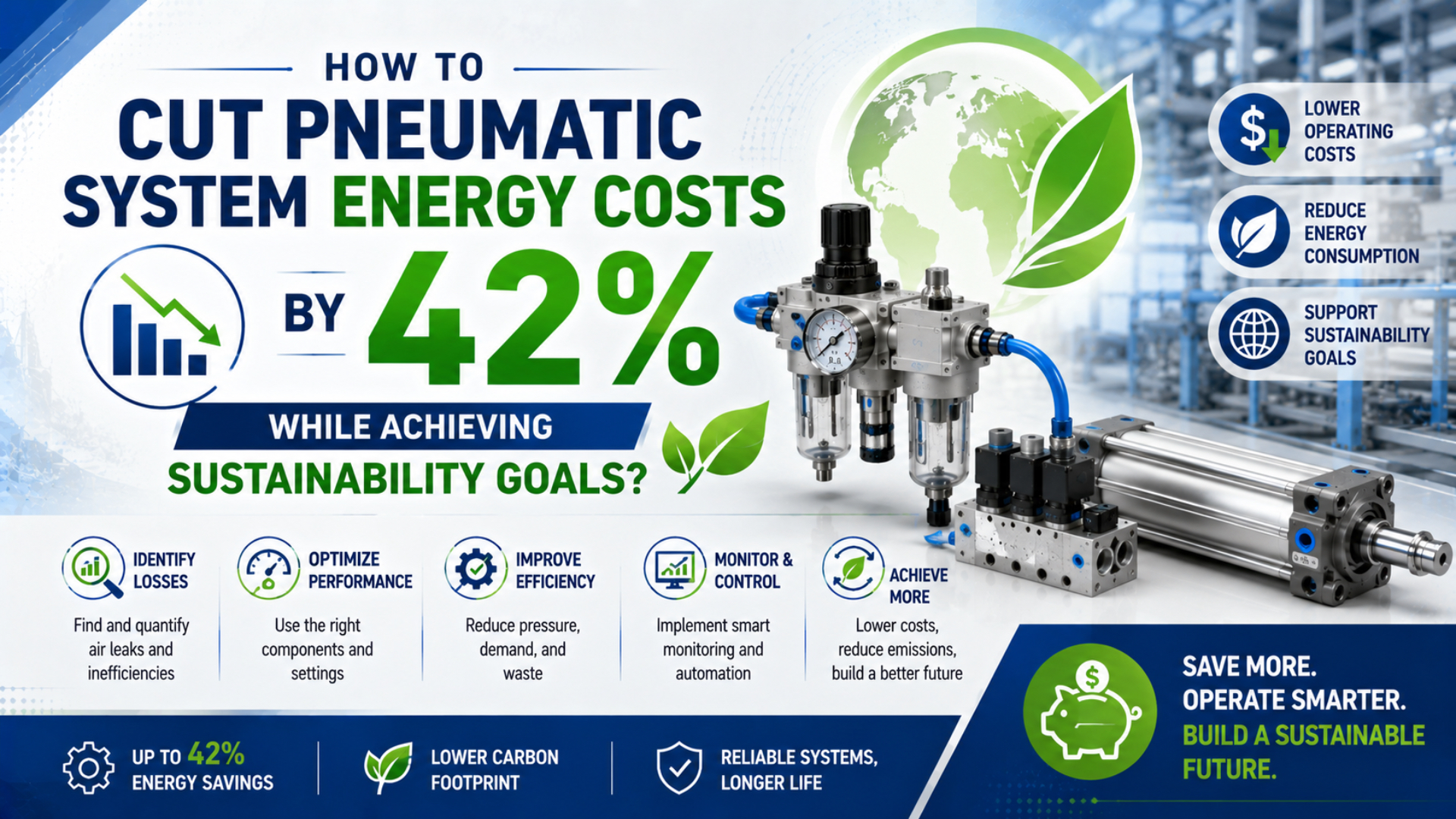 How to Cut Pneumatic System Energy Costs by 42% While Achieving Sustainability Goals?Cut pneumatic energy costs toward a measured 42% target with DOE-backed leak, pressure, control, tariff, carbon, and verification checks.
 How Can You Optimize Your Pipeline System for Maximum Efficiency?Optimize compressed-air pipelines using CAGI's 10% pressure-drop limit, synchronized measurements, branch analysis, storage checks, and field A/B tests.
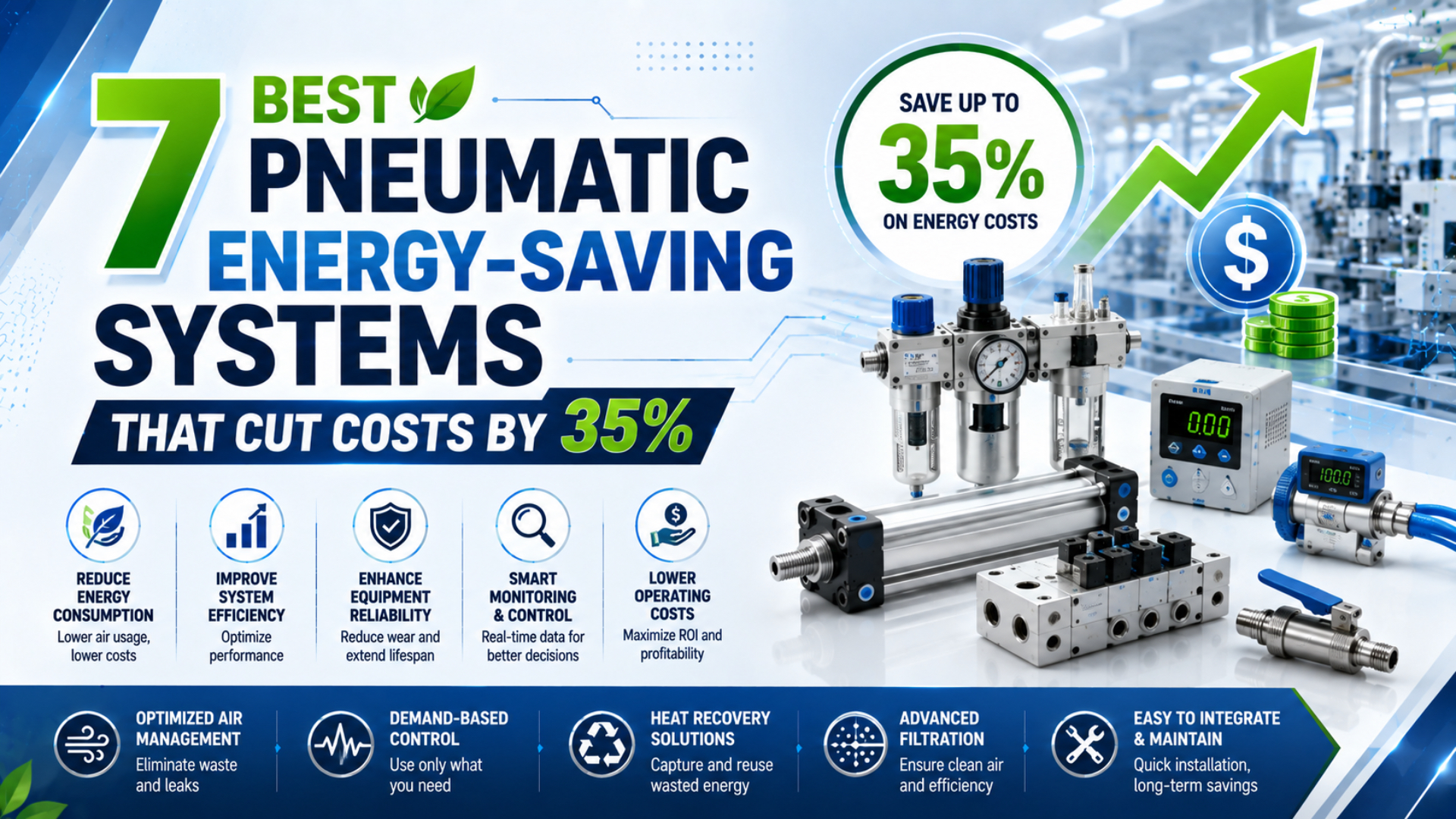 7 Best Pneumatic Energy-Saving Systems That Cut Costs by 35%Compare 7 pneumatic energy-saving systems using ISO 11011 boundaries, DOE leak and heat data, and cost baselines before claiming a verified 35% reduction.
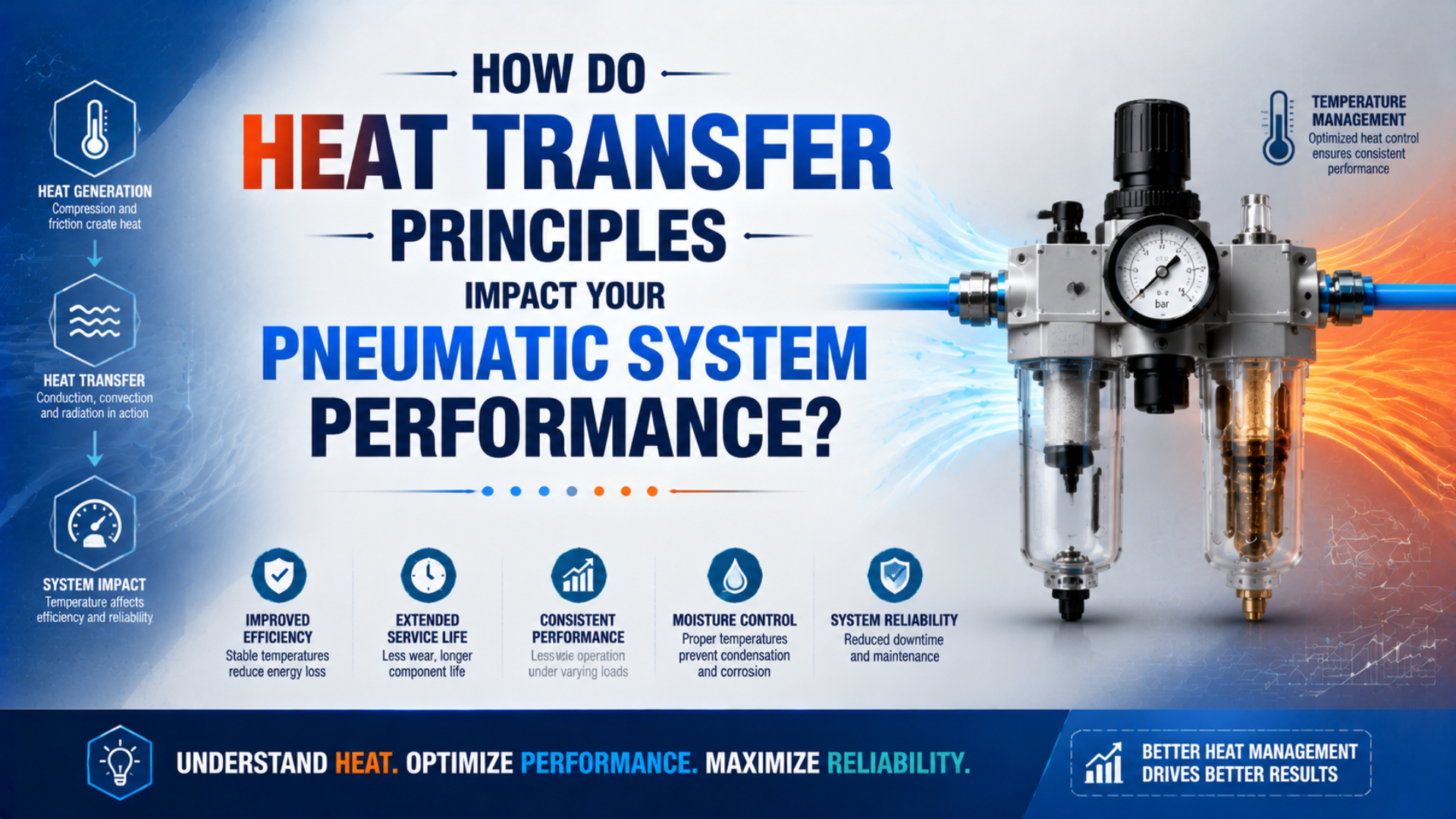 How Do Heat Transfer Principles Impact Your Pneumatic System Performance?Learn how conduction, convection, radiation, and gas transients affect pneumatic performance, using a 5-60°C rating example and a practical heat-balance method.
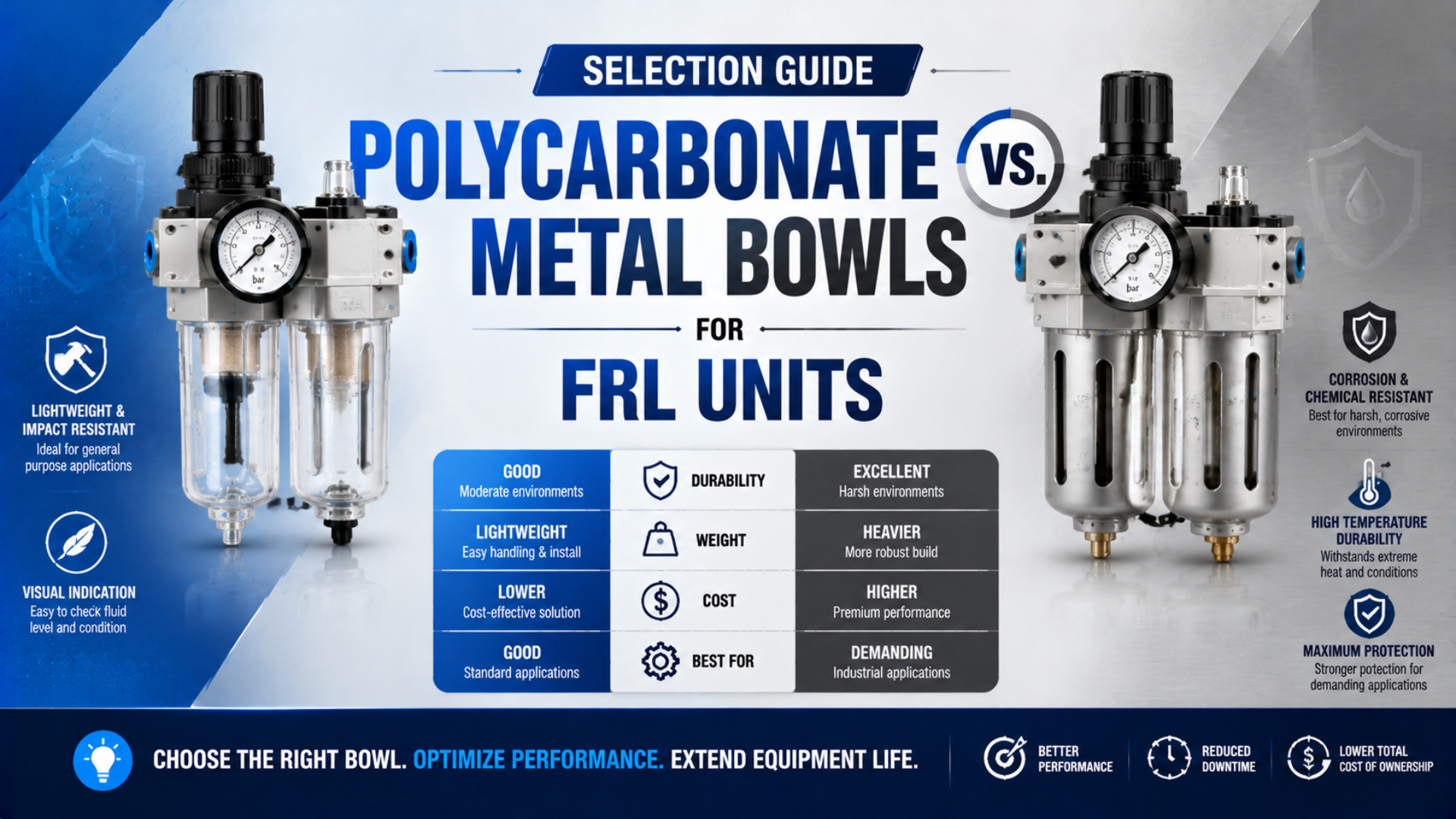 Selection Guide: Polycarbonate vs. Metal Bowls for FRL UnitsCompare polycarbonate vs. metal bowls for FRL units using model-specific ratings, chemical exposure, guards, sight gauges, and exact replacement data.
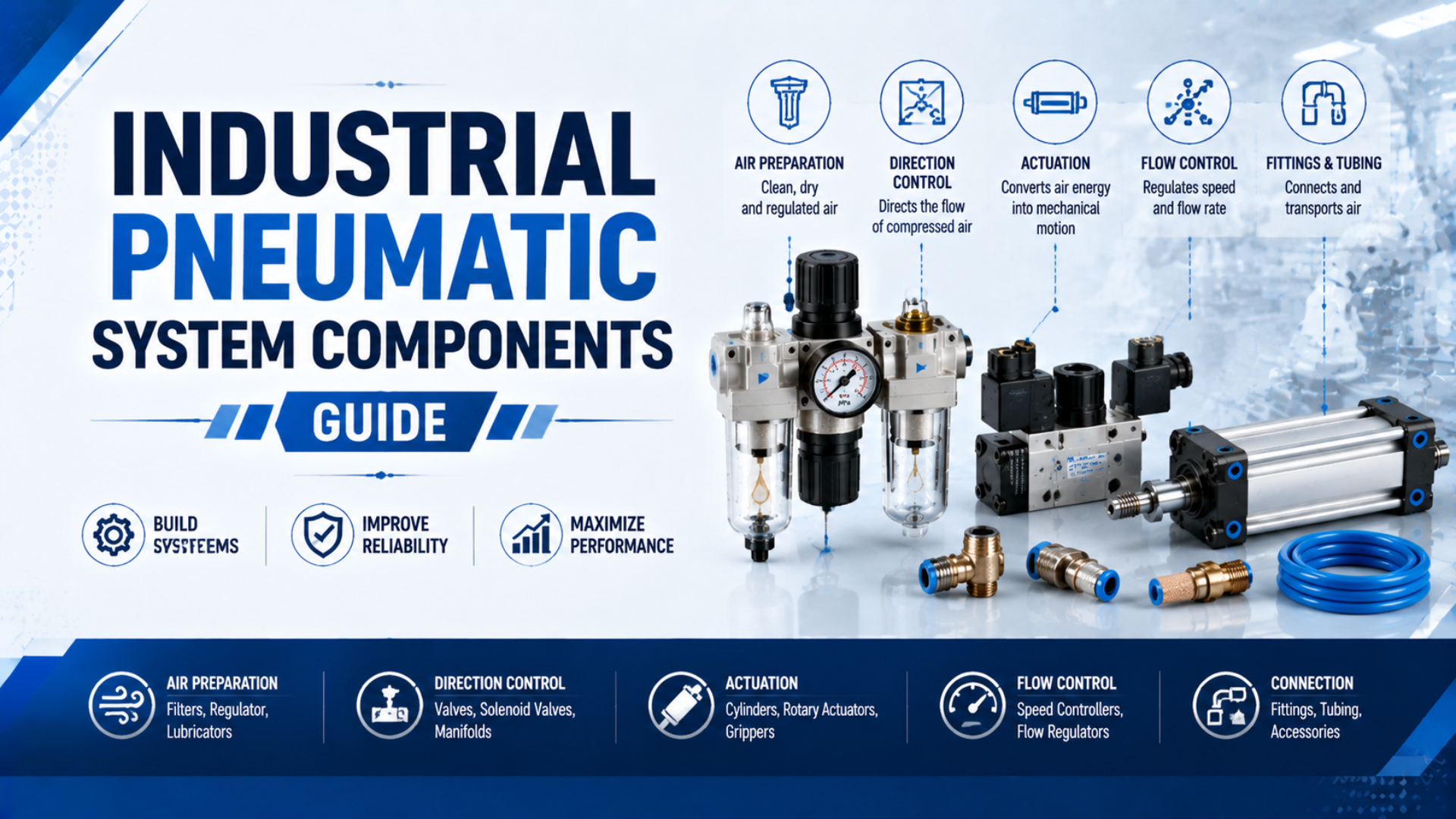 Industrial Pneumatic System Components GuideMap an industrial pneumatic system from air preparation to control and motion, using ISO 4414 boundaries, 3 ISO 8573 purity classes, and a verified RFQ.