
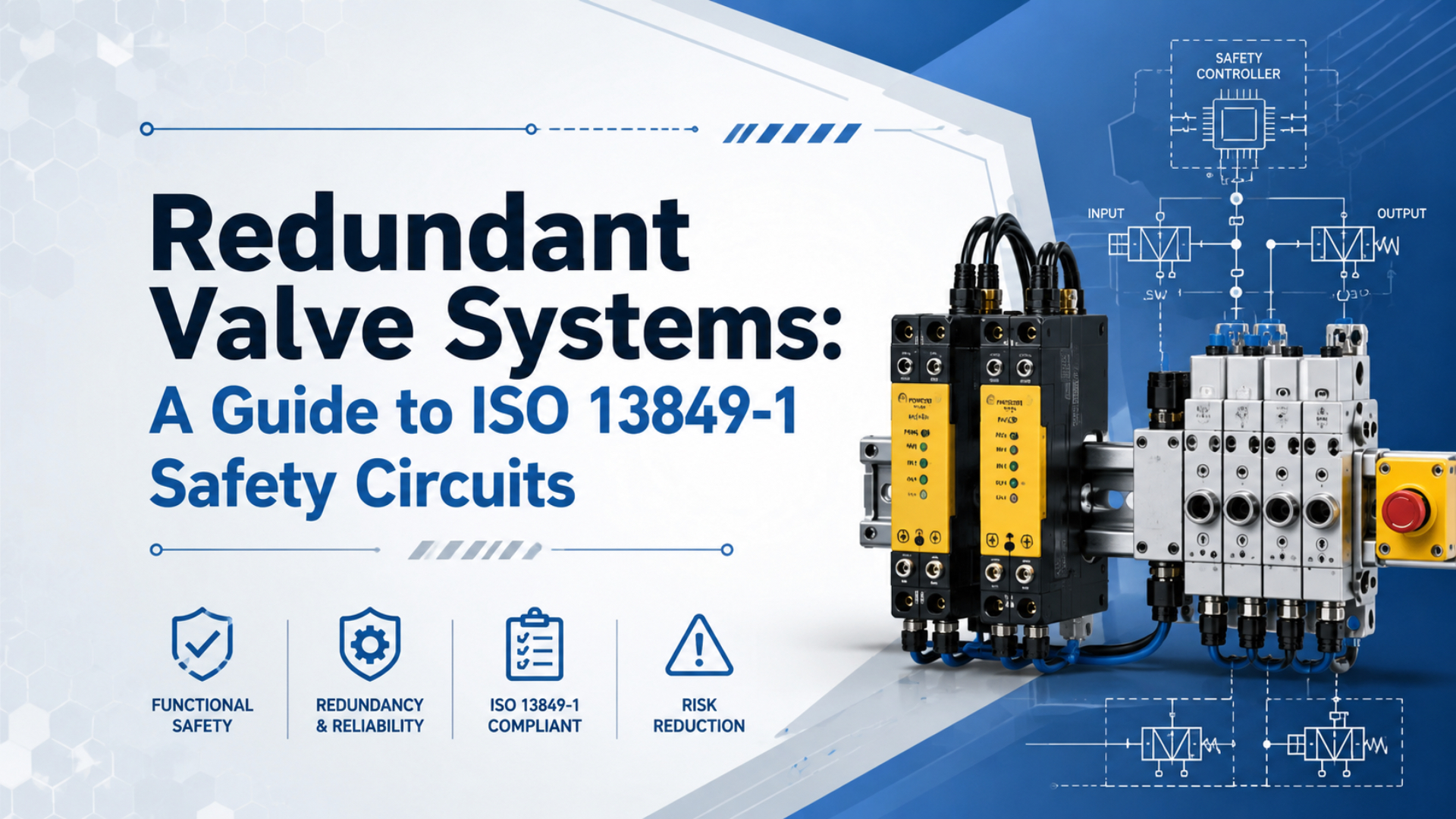
 Redundant Valve Systems: A Guide to ISO 13849-1 Safety CircuitsDesign redundant pneumatic valve systems for ISO 13849-1 using 3/2 and 5/2 architectures, monitored feedback, fault response, SISTEMA, and validation.→
Blog Author
David Li
Hello, I'm David, a Bepto Pneumatic chief technical advisor. I help teams review compressed-air safety, system reliability, and practical product decisions before quotation.
Author Reading Path
Articles by David Li
112 articles sorted newest first for readers who want one author's pneumatic selection notes in one place.
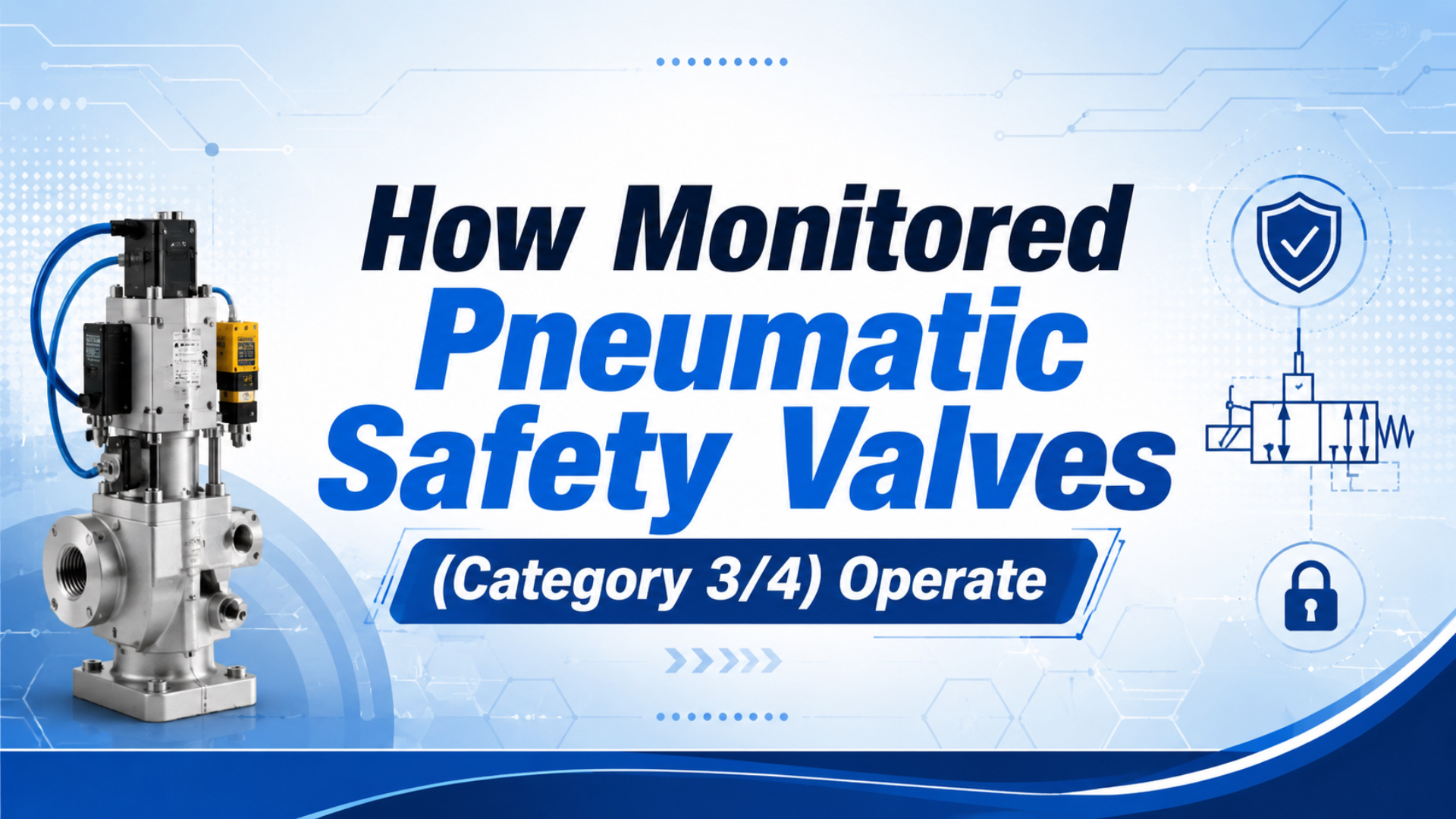 How Monitored Pneumatic Safety Valves (Category 3/4) OperateA component-level explanation of redundant pneumatic safety valves, feedback monitoring, fault response, reset logic, and Category 3/4 system boundaries.→
 How to Specify Valves for ATEX / HazLoc EnvironmentsOSHA recognizes 9 hazardous-location designations. Specify ATEX and HazLoc valves by marking, certificate scope, temperature, cable entry, and evidence.→
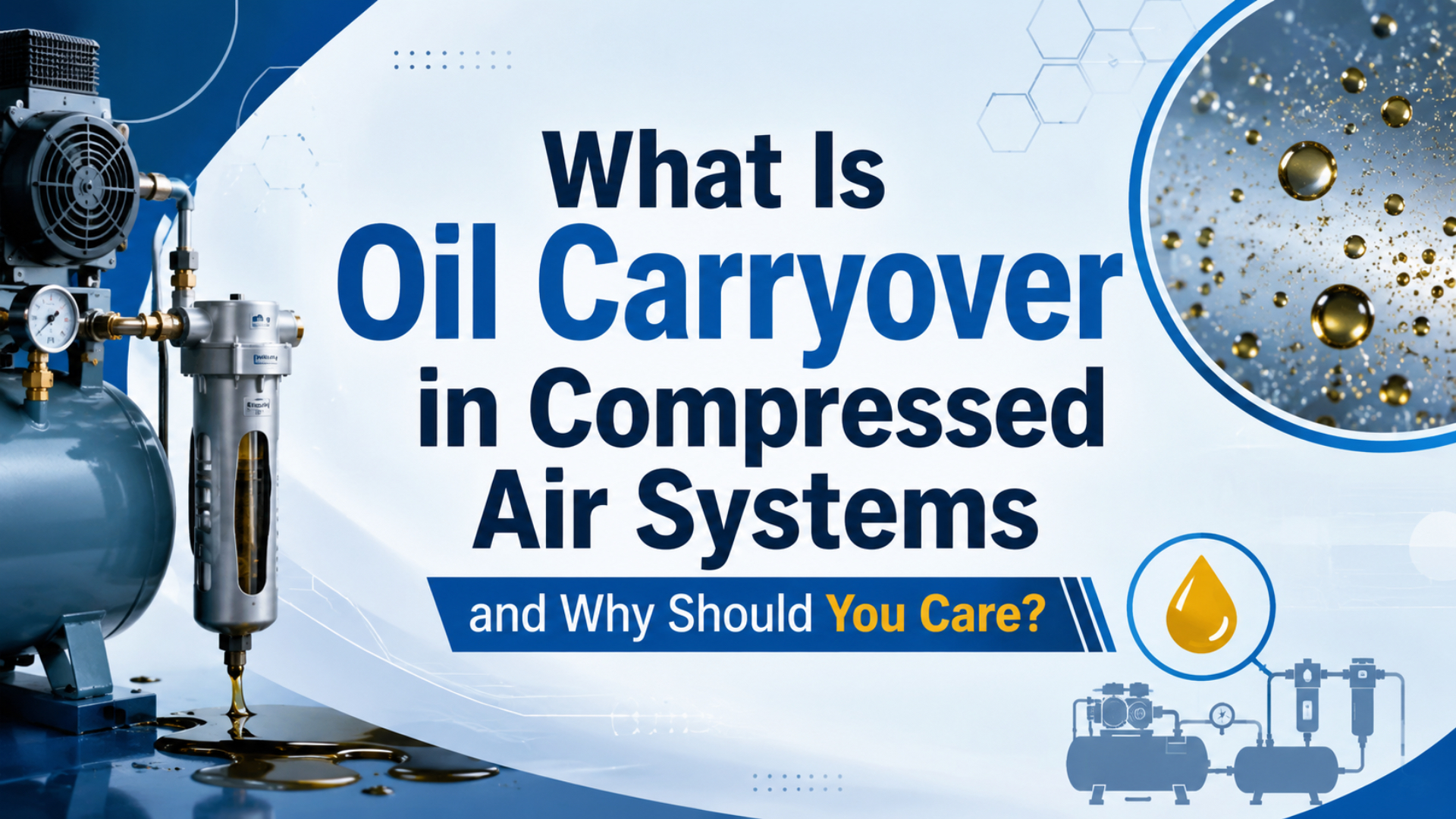 What Is Oil Carryover in Compressed Air Systems and Why Should You Care?Learn how to trace oil carryover, separate aerosol from vapor, apply ISO 8573 testing, and interpret Class 1's 0.01 mg/m³ total-oil limit at the point of use.→
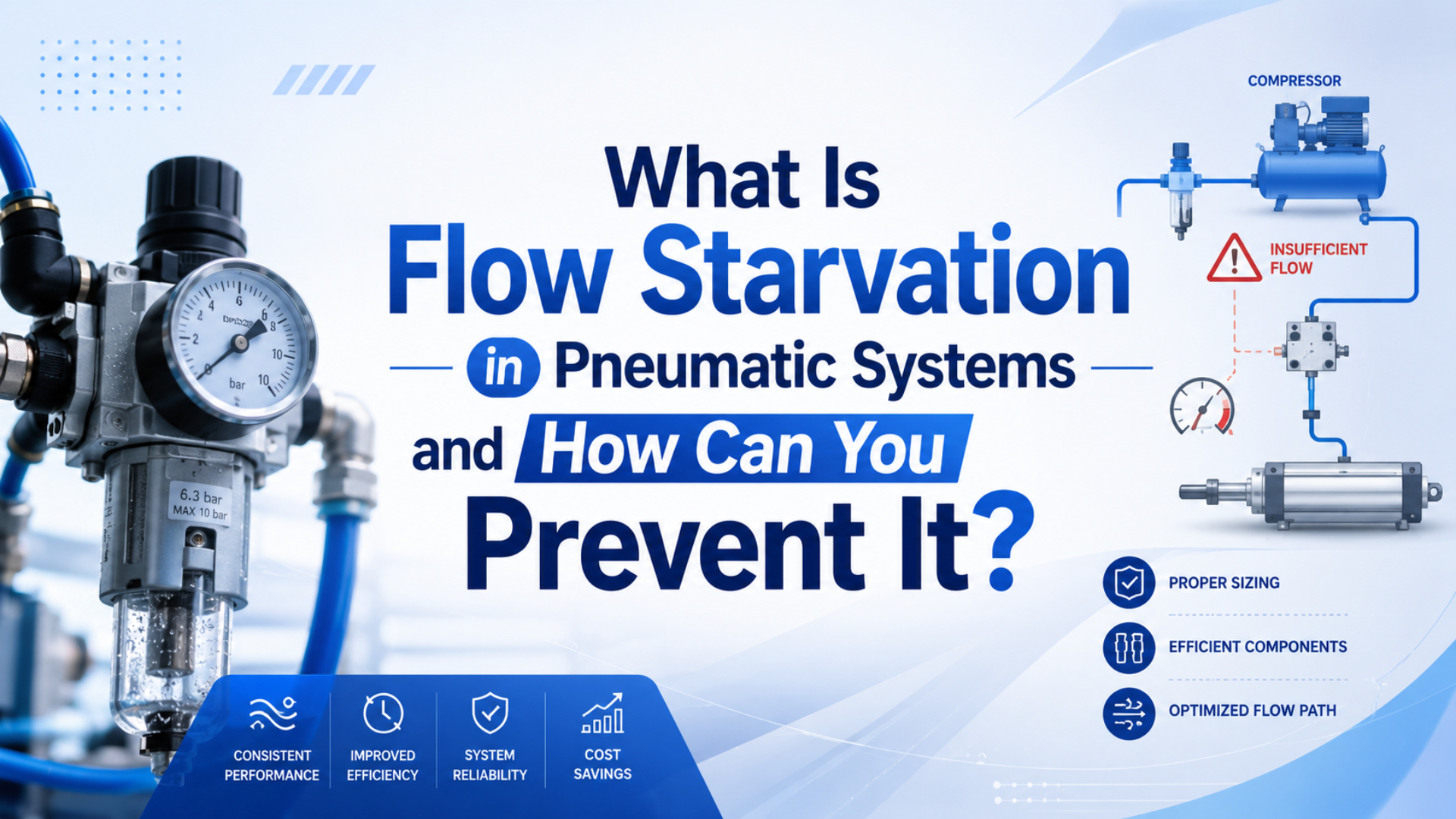 What Is Flow Starvation in Pneumatic Systems and How Can You Prevent It?Diagnose pneumatic flow starvation with dynamic pressure tests, CAGI's 10 percent pressure-drop benchmark, practical valve checks, and peak-demand prevention.→
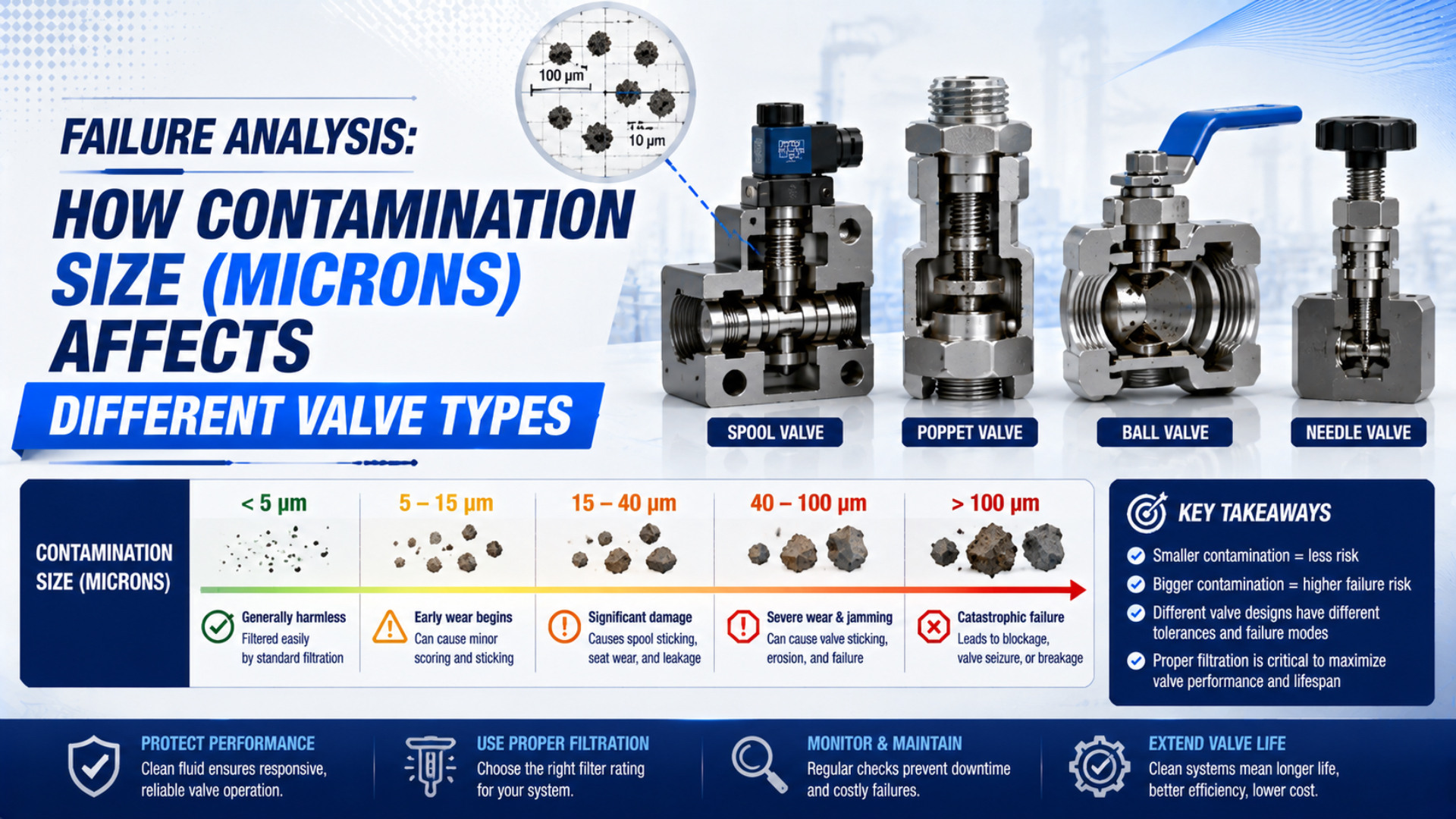 Failure Analysis: How Contamination Size (Microns) Affects Different Valve TypesAnalyze pneumatic valve contamination with 6 evidence checks covering particle size, valve clearance, residue, air quality, filter data, and failure timing.→
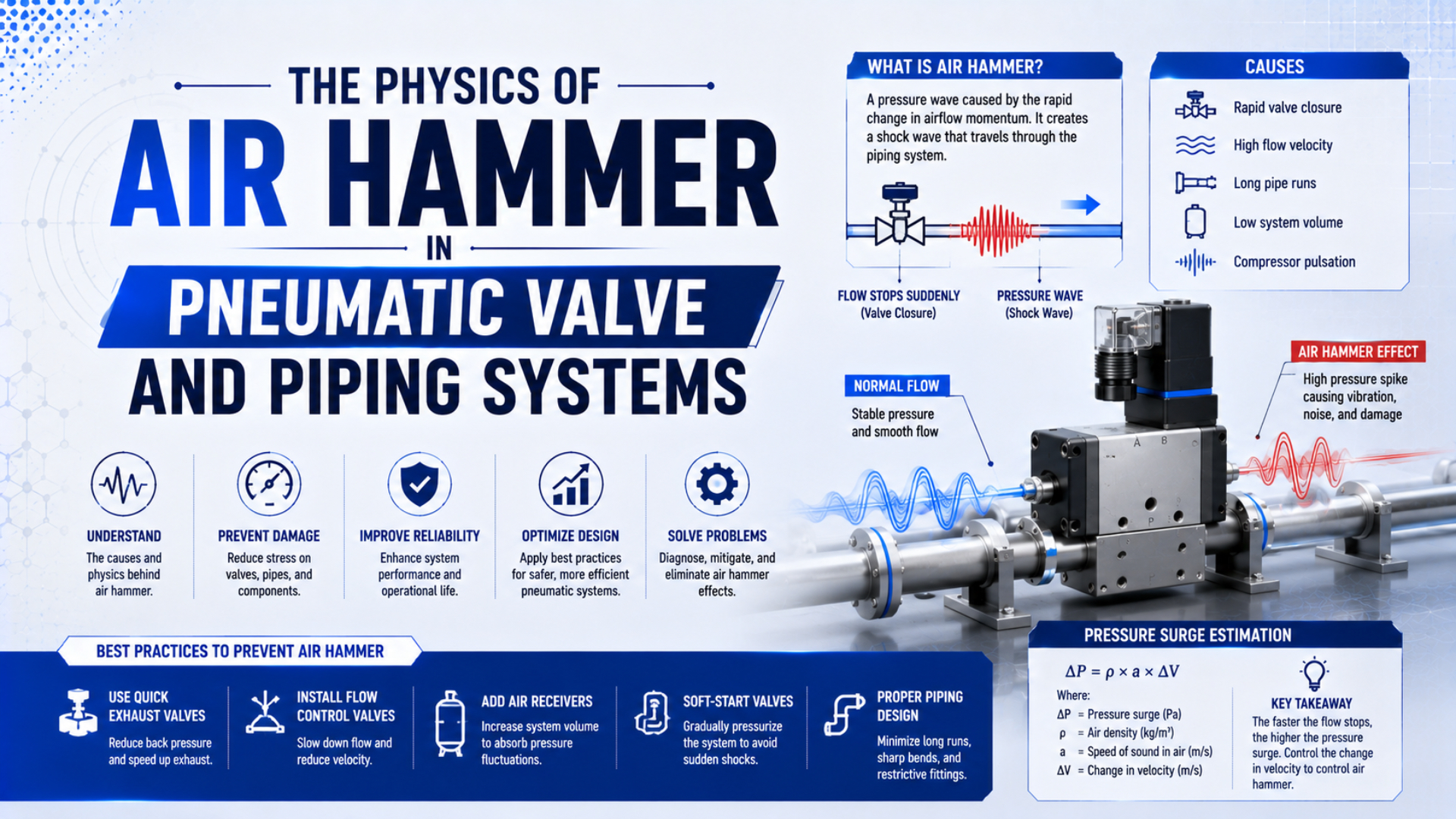 The Physics of Air Hammer in Pneumatic Valve and Piping SystemsLearn what pneumatic air hammer is, how pressure waves travel, why liquid Joukowsky math can mislead, and how to measure valve transients safely.→
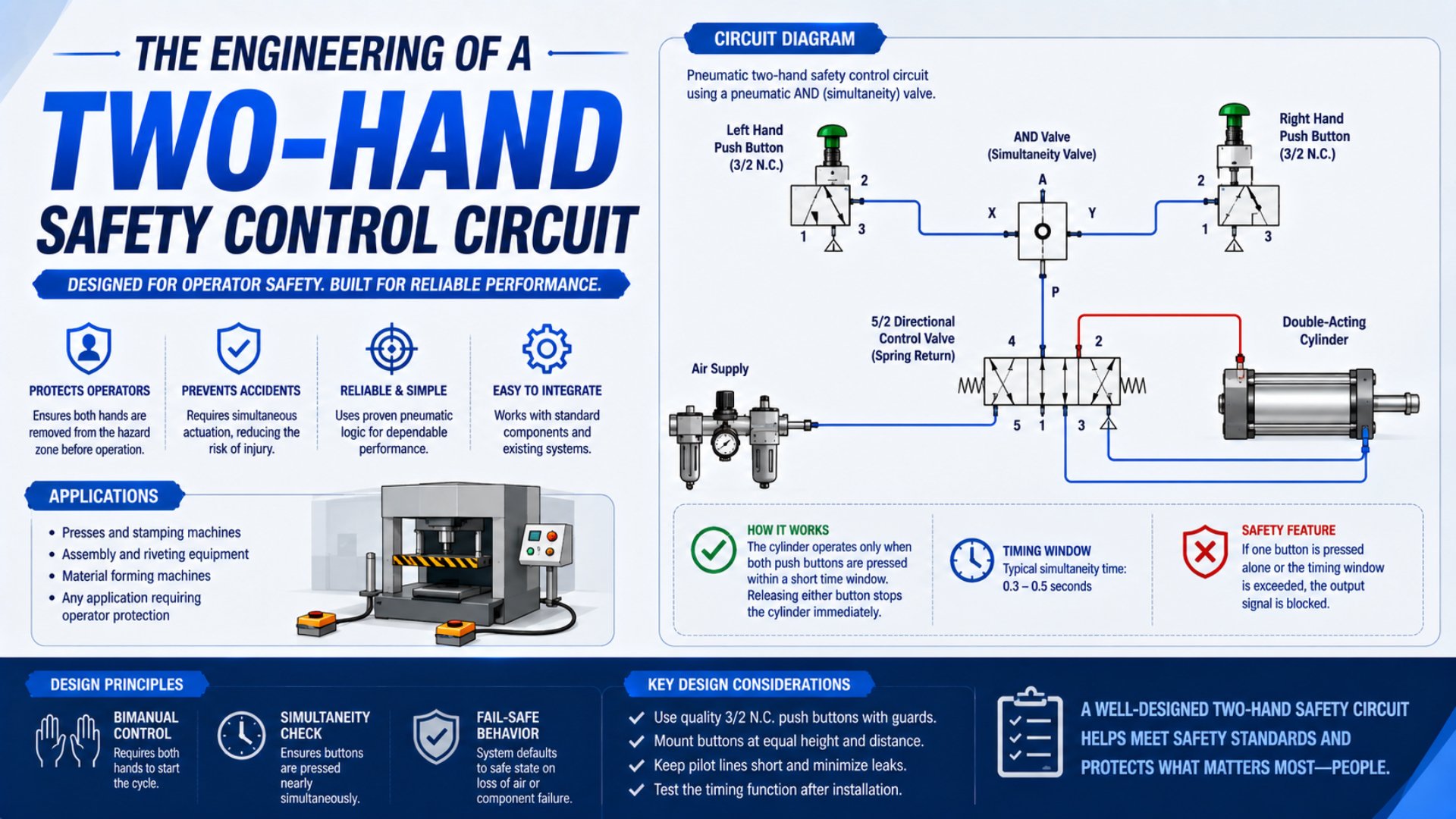 The Engineering of a Two-Hand Safety Control CircuitCommission a two-hand safety circuit with 2-channel timing, anti-tie-down, output feedback, and fault-injection tests before accepting pneumatic machinery.→
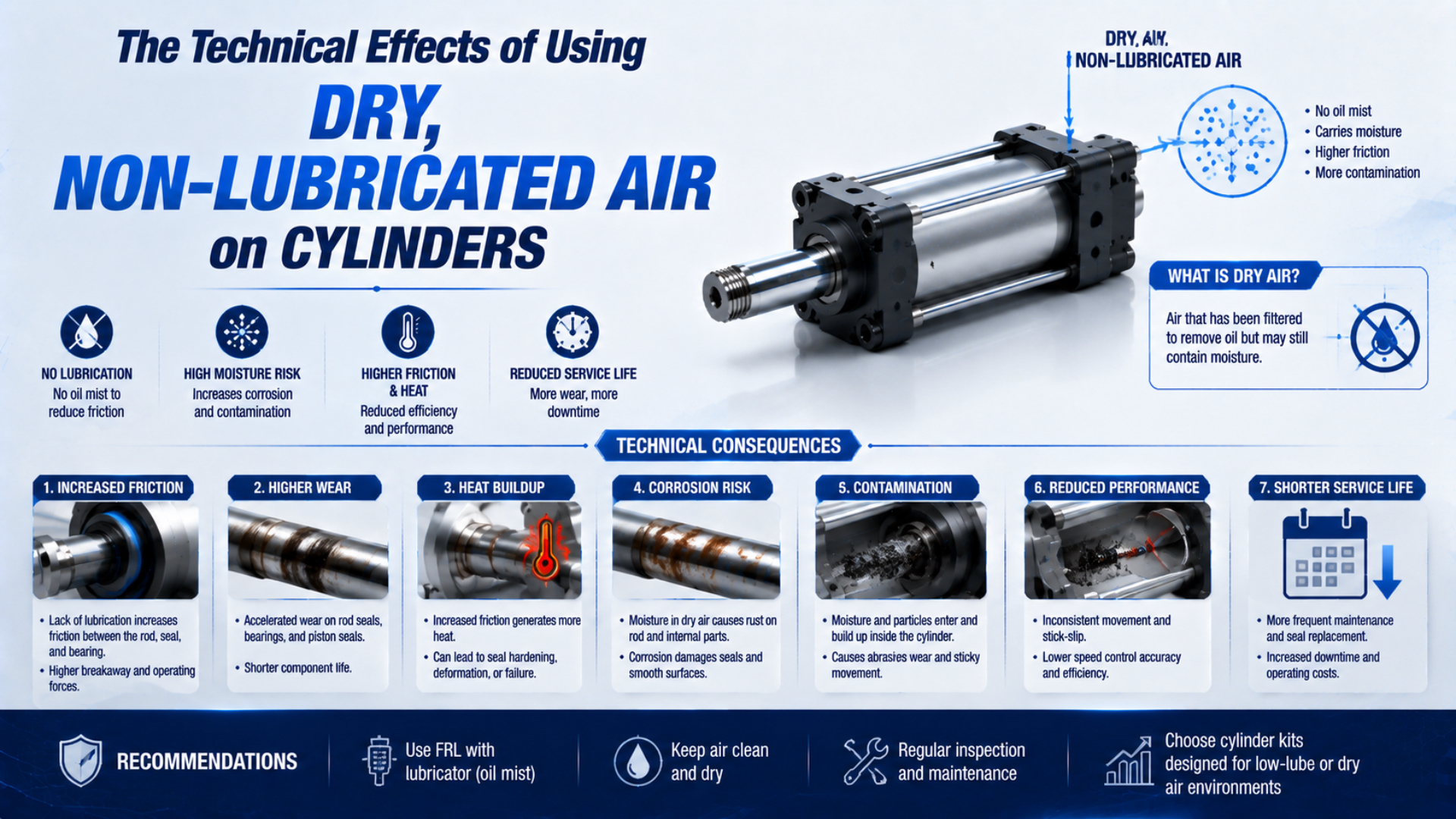 The Technical Effects of Using Dry, Non-Lubricated Air on CylindersSeparate 4 air-quality and lubrication states before specifying cylinder seals, pressure dew point, commissioning tests, or oil-free maintenance plans.→