
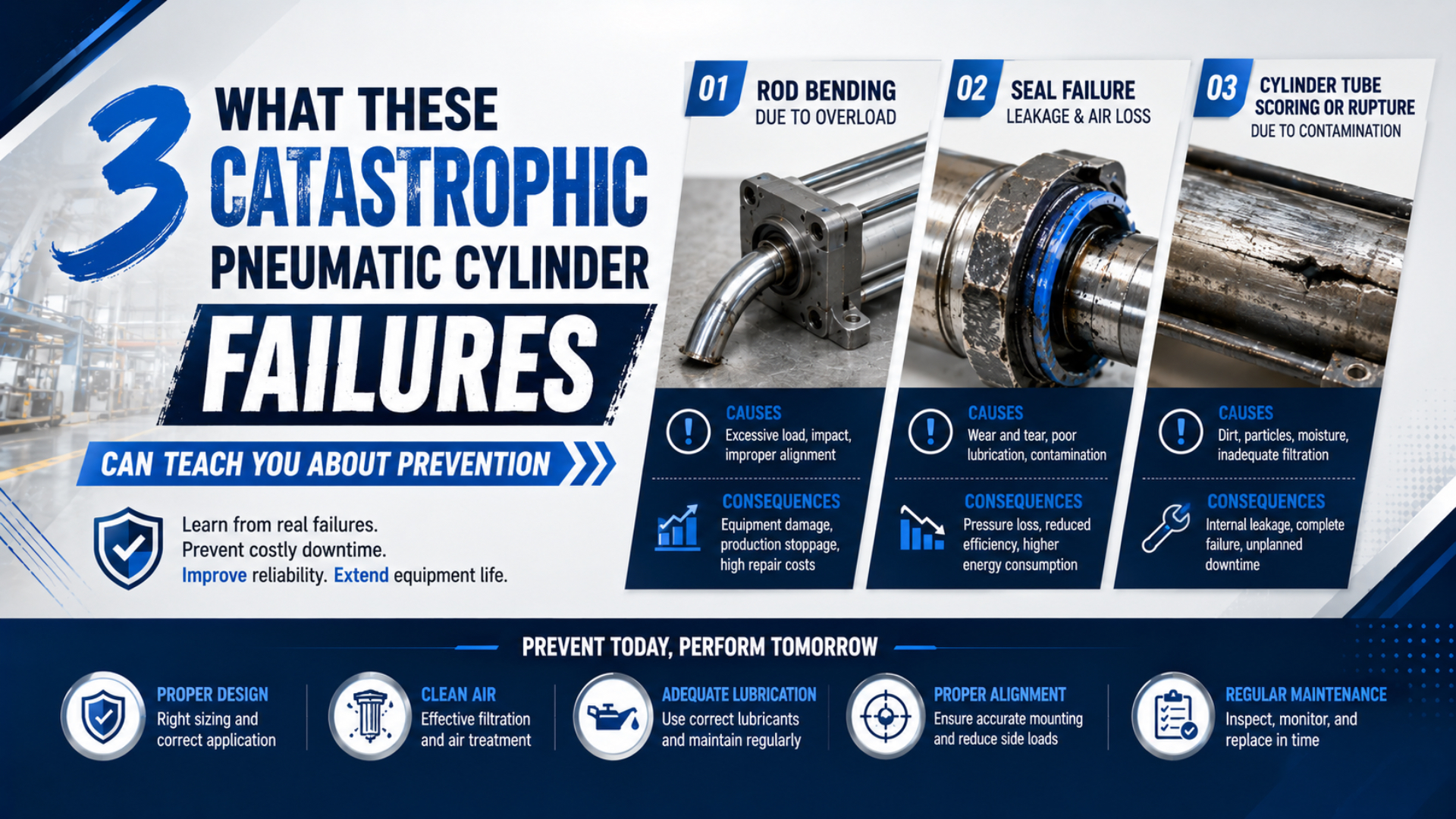
What These 3 Catastrophic Pneumatic Cylinder Failures Can Teach You About PreventionLearn 3 evidence-based pneumatic cylinder failure chains involving magnetic force margin, cold seals, and loose mounts, plus prevention and restart checks.Blog Tag
cylinder seals articles
Review every Bepto Pneumatic article connected to cylinder seals, grouped as one focused reading list for engineers, maintenance staff, and sourcing specialists.
Tagged Reading Path
All articles tagged cylinder seals
Use this archive to scan related selection notes, RFQ checks, replacement guidance, and pneumatic component references.
Showing 48 articles
What These 3 Catastrophic Pneumatic Cylinder Failures Can Teach You About PreventionLearn 3 evidence-based pneumatic cylinder failure chains involving magnetic force margin, cold seals, and loose mounts, plus prevention and restart checks.
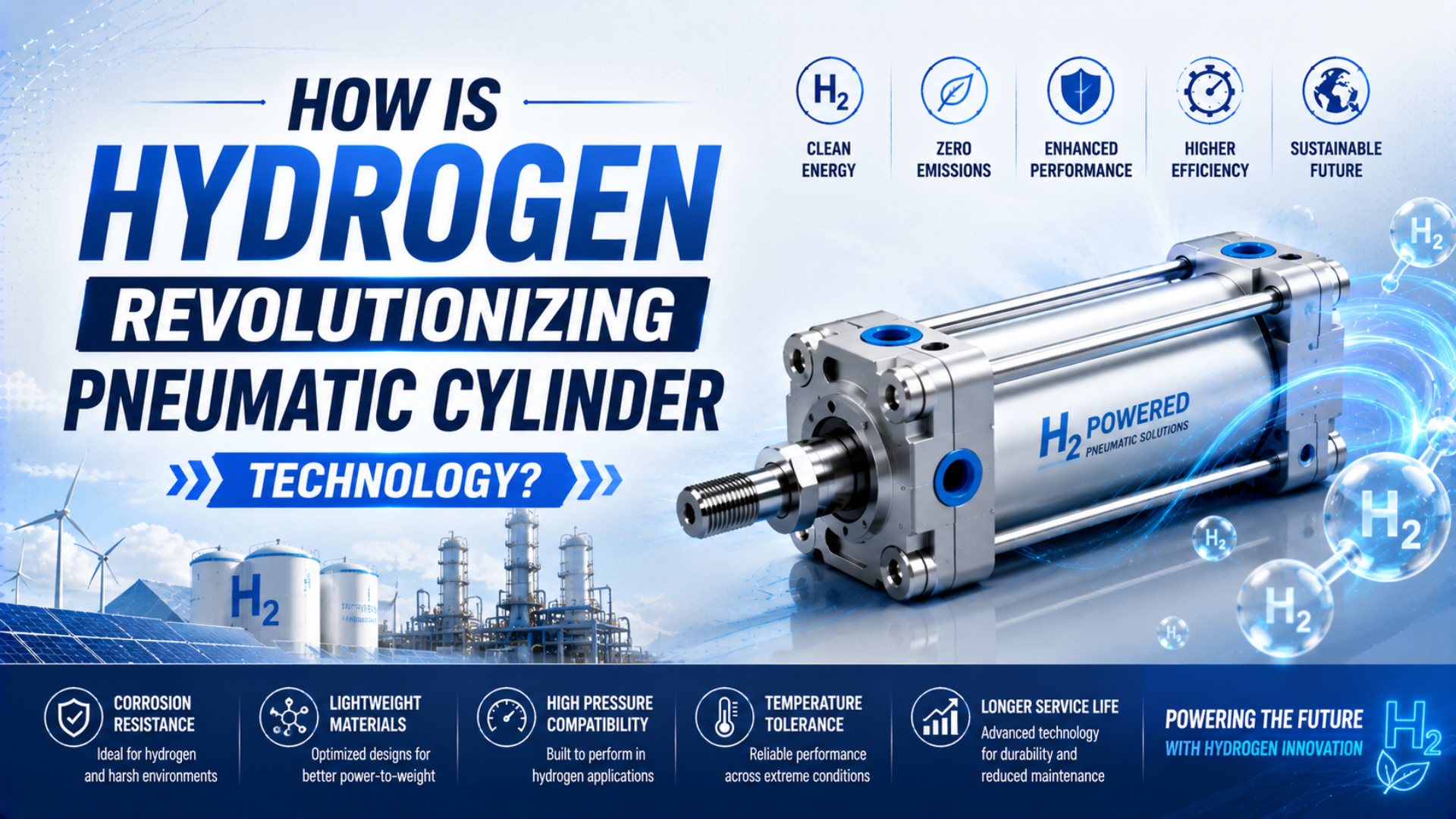
How Is Hydrogen Revolutionizing Pneumatic Cylinder Technology?Hydrogen stations can dispense at 70 MPa, but pneumatic cylinders still run on compressed air. Learn the Ex, material, exhaust, valve, and RFQ checks.
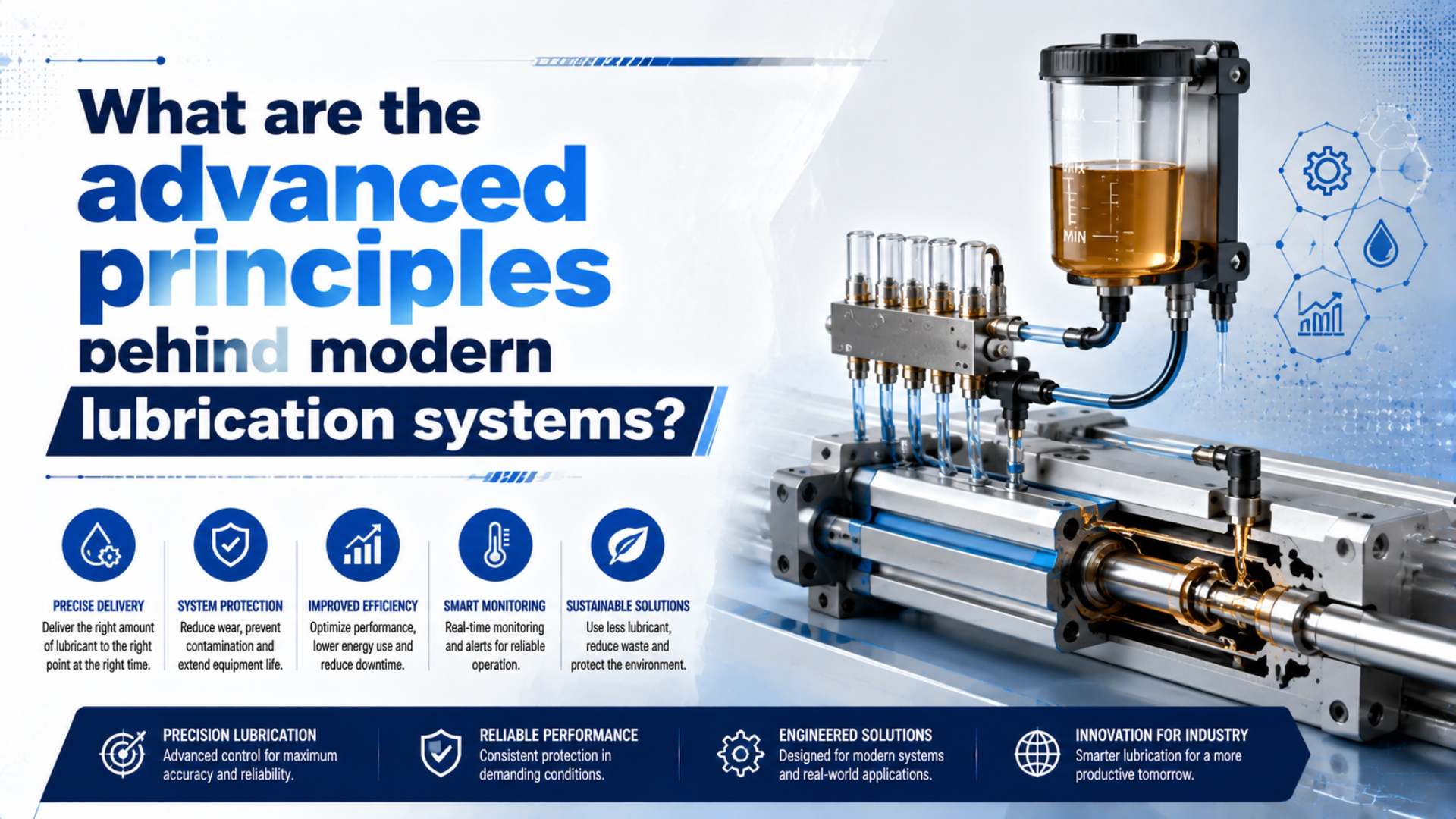
What are the advanced principles behind modern lubrication systems?ISO 8573-1 separates 3 compressed-air contaminant groups. Learn how friction regimes, viscosity, additives, delivery, and validation protect pneumatics.
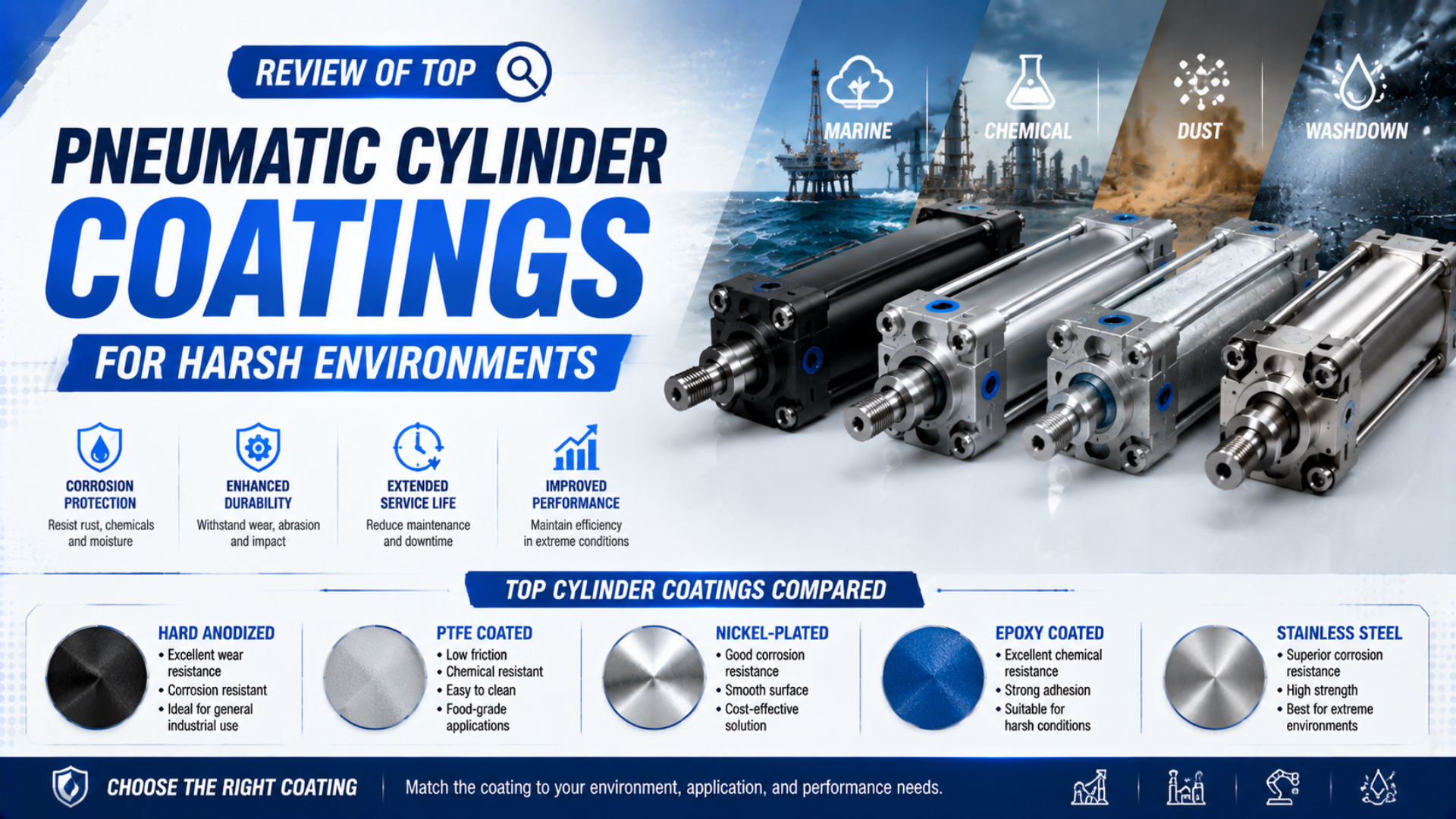
Review of Top Pneumatic Cylinder Coatings for Harsh EnvironmentsSelect pneumatic cylinder coatings by exposure, component, ISO 9227 limits, anodizing, ENP, rod finishes, stainless grades, and acceptance evidence.
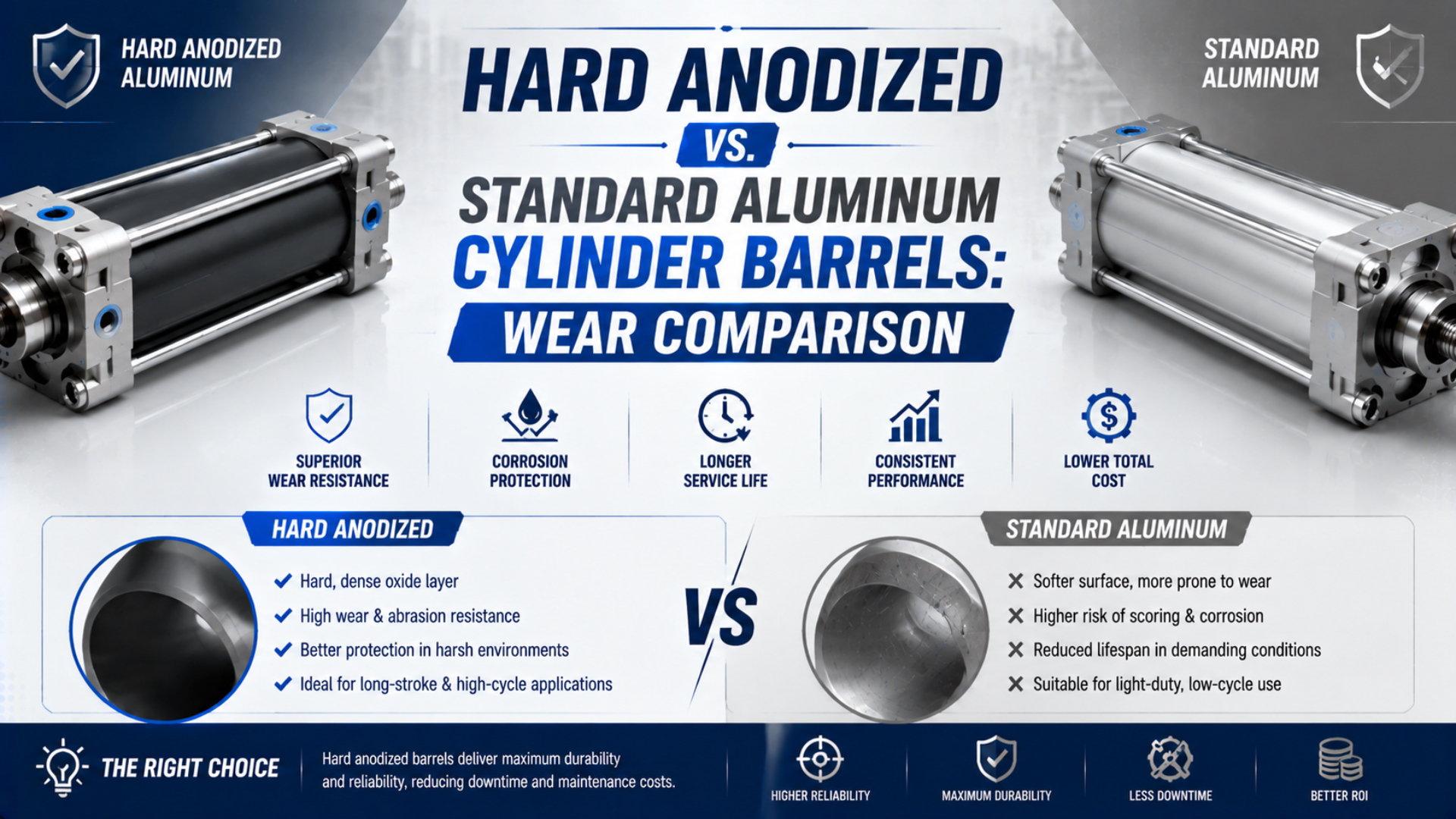
Hard Anodized vs. Standard Aluminum Cylinder Barrels: Wear ComparisonCompare hard and standard anodized cylinder barrels using 3 abrasion methods, controlled life testing, bore inspection, failure evidence, and TCO checks.
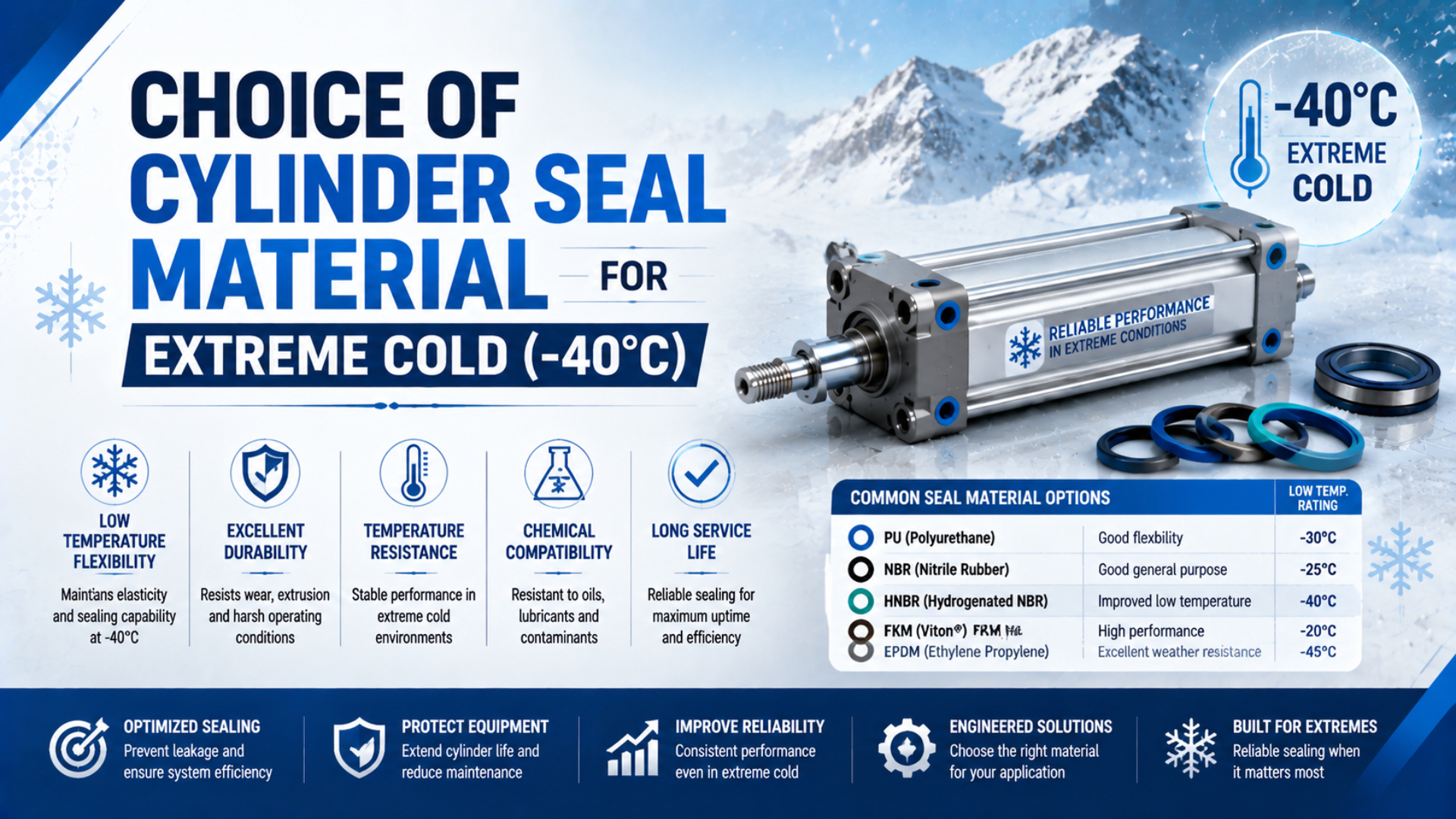
Choice of Cylinder Seal Material for Extreme Cold (-40°C)Choose a pneumatic cylinder seal system for -40°C service using exact compound data, OEM options, compatibility checks, and cold-soak validation for engineers.
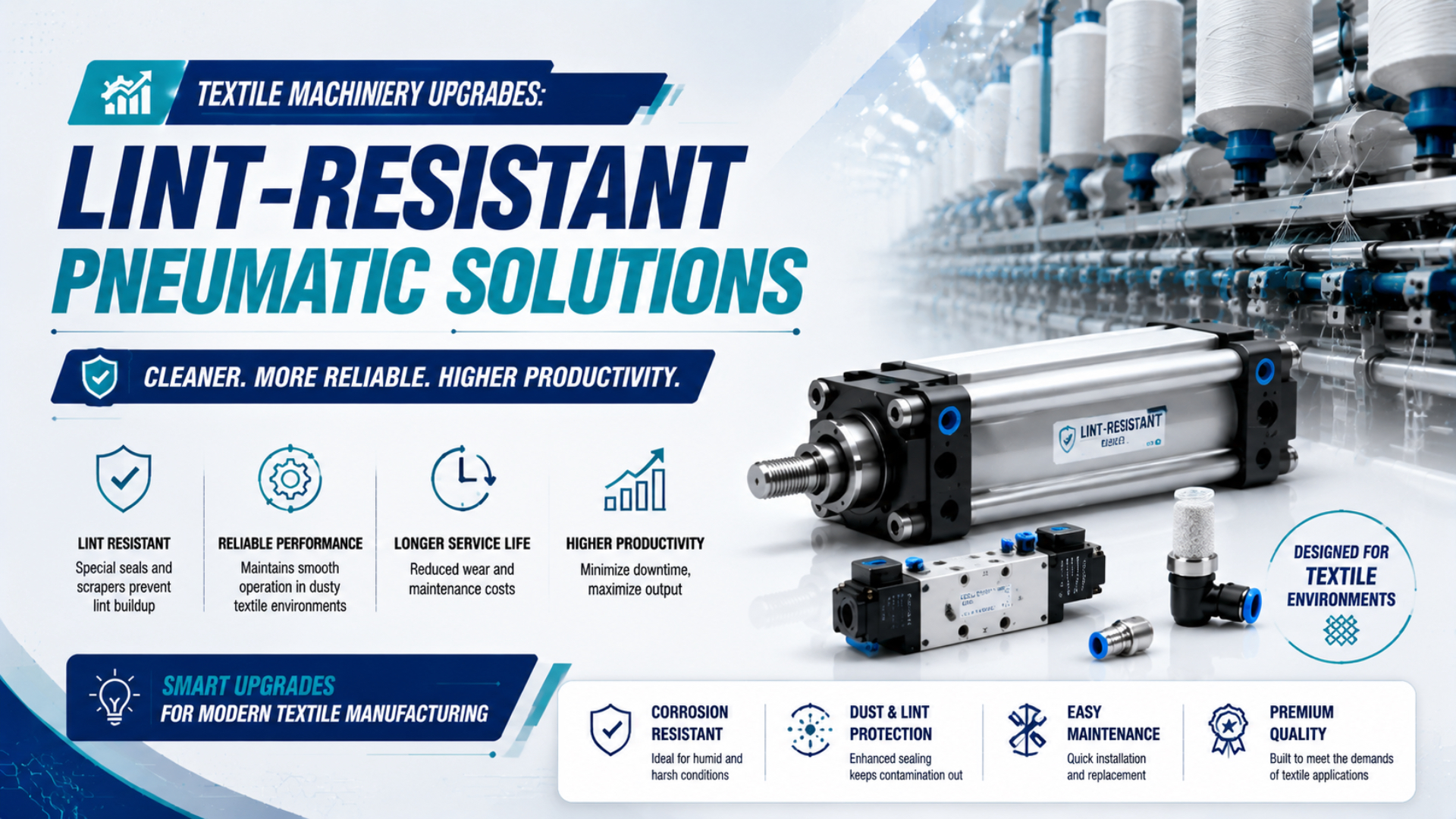
Textile Machinery Upgrades: Lint-Resistant Pneumatic SolutionsUse OSHA’s 0.2-0.75 mg/m³ cotton-dust limits correctly while selecting scrapers, rodless cylinders, air quality, and validation tests for textile machines.
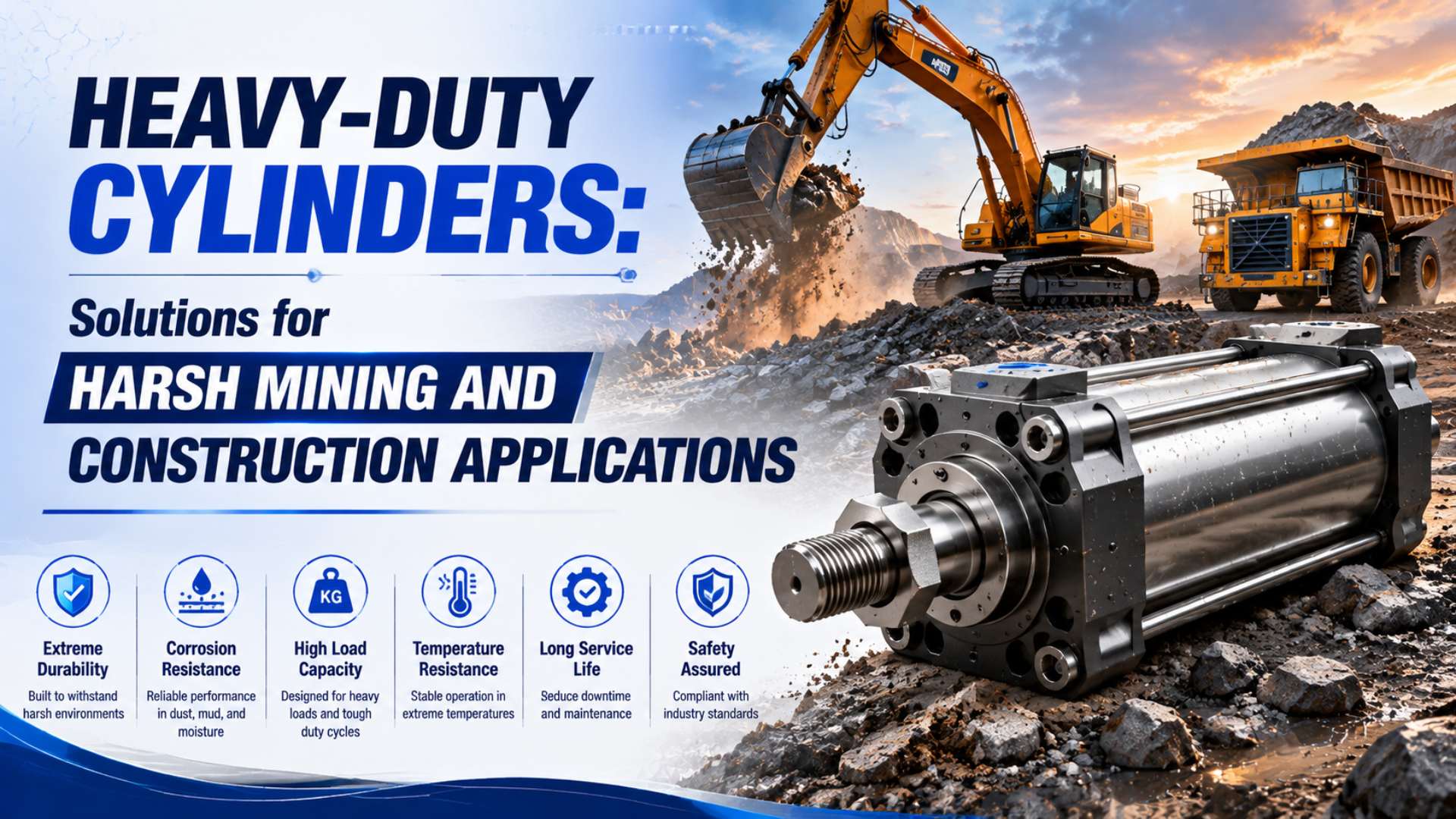
Heavy-Duty Cylinders: Solutions for Harsh Mining and Construction ApplicationsSpecify mining and construction cylinders with 8 checks covering dust, air quality, mounting, seals, temperature, corrosion, qualification, and maintenance.
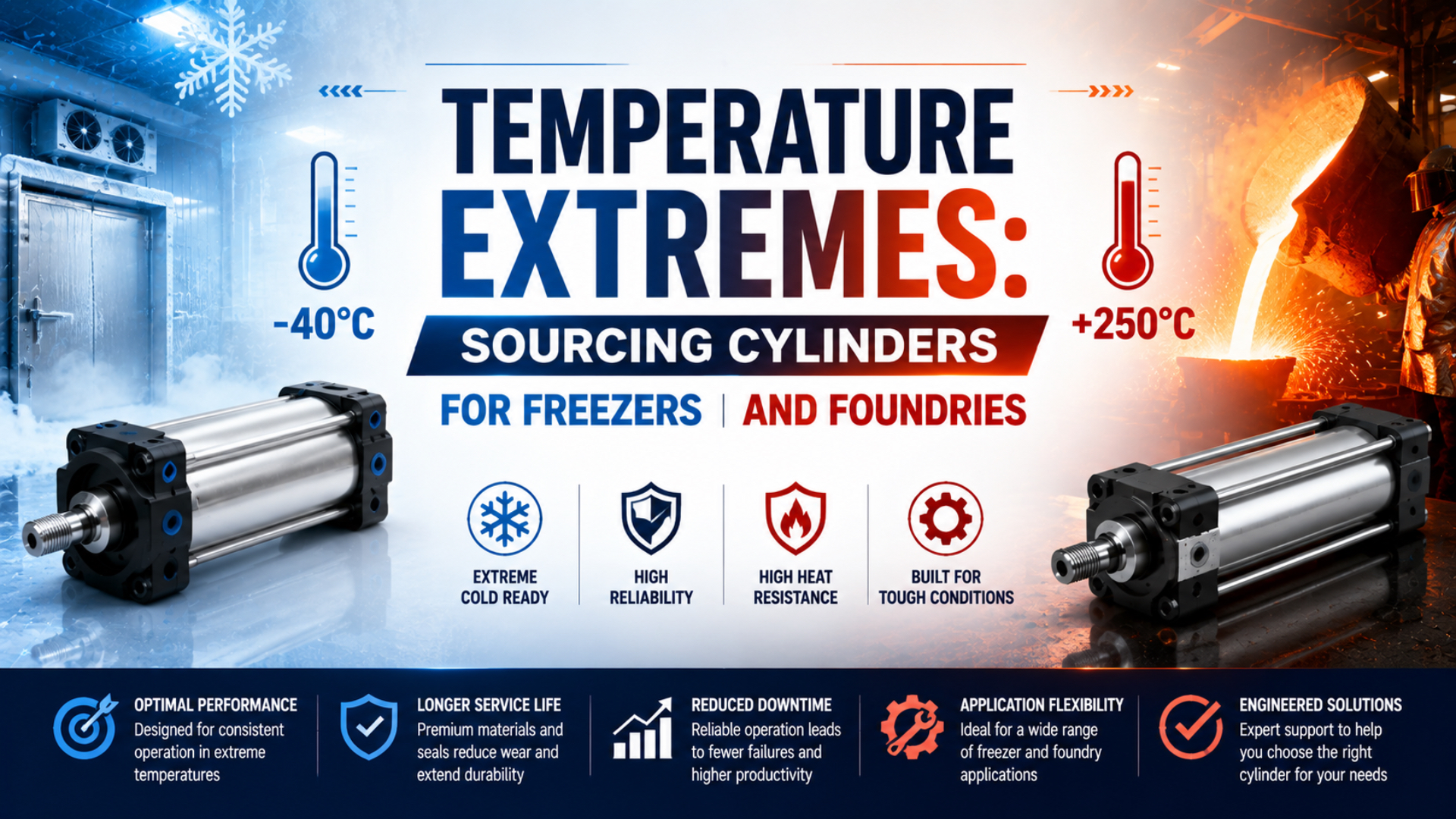
Temperature Extremes: Sourcing Cylinders for Freezers and FoundriesA practical RFQ and qualification guide for sourcing pneumatic cylinders that must work in freezers, near furnaces, or through repeated temperature cycles.
Case Study: Increasing Machine Reliability by 40% with Upgraded SealsLearn how to verify a 40% pneumatic machine reliability gain after a seal upgrade using failure-rate, exposure, root-cause, cost, and acceptance data.
Predictive Maintenance: Indicators for Pre-Ordering Cylinder Spare PartsUse 6 cylinder condition signals, diagnostic confirmation, asset criticality, replenishment lead time, and 2 formulas to pre-order the right spare parts.
Correlating Cycle Count with Seal Lip Wear RateCorrelate seal lip wear with cycle count using 2sN sliding distance, non-contact profile scans, controlled conditions, interval slopes, and confidence limits.
Cryogenic Pneumatics: Material Selection for -40°C OperationAt -40°C, qualify the exact seal, grease, metal, sensor, tubing, and valve package; NIST places true cryogenic service below about -153°C before release.
Cleanroom Class Calculations: Particle Generation Rates from Rod SealsMeasure rod-seal particle generation, subtract background counts, calculate particles per cycle, and compare results with the ISO Class 5 limit of 3,520 particles/m³.
Underwater Depth Ratings: External Pressure Effects on Cylinder SealsLearn how external pressure changes underwater cylinder seals, structure, and force, with a verified 30 m example and a qualification checklist for buyers.
Hard Chrome vs. Nitriding: Piston Rod Surface Treatment ComparisonCompare hard chrome and nitriding for pneumatic piston rods through 6 controls: substrate, layer, finish, corrosion, distortion, and process compliance.
Elastomer Science: The Glass Transition Temperature (Tg) of Cylinder SealsLearn how 4 low-temperature tests, Tg, TR10, Gehman stiffness, and brittleness, differ and how to qualify pneumatic cylinder seals.
Polyurethane Hydrolysis: Why Seals Crumble in Humid EnvironmentsDiagnose polyurethane seal hydrolysis using 5 evidence groups, material chemistry, ISO test methods, and retained-property data that separates it from wear.
Material Compatibility: FKM Swell Rates in Synthetic Compressor OilsLearn why FKM swell rates require 7 controlled test inputs, how ASTM D471 measures volume change, and how to qualify synthetic compressor oils reliably.
Ceramic Coatings for Cylinder Rods in Abrasive Mining ApplicationsOerlikon’s Metco 5241 HVOF coating is over 98% dense. Learn how to specify carbide-coated cylinder rods for abrasion, corrosion, seals, and mining service.
Low-Temperature Brittleness: Impact Charpy Testing for Polar-Grade CylindersLearn what Charpy impact testing proves, why aluminum lacks a sharp DBTT, and how to qualify a complete pneumatic cylinder for documented -40°C service.
Die-Cast vs. Extruded Aluminum: Metallurgical Differences in Cylinder BarrelsCompare die-cast and extruded aluminum cylinder barrels by alloy, temper, defects, bore finish, inspection, and verified pneumatic pressure ratings in service.
Analyzing Permeation Rates of Gases Through Cylinder Seal MaterialsLearn how Parker's five-input O-ring approximation estimates gas permeation, why film data cannot prove cylinder leakage, and how to specify a valid hold test.
Wiper Ring Mechanics: Exclusion Efficiency vs. Rod DragLearn how pneumatic wiper rings balance contamination exclusion and rod drag using 2 friction measurements, product limits, inspection evidence, and ISO 6195.
Lip Profile Optimization: Balancing Sealing Force and FrictionUse a 2019 pneumatic-seal study and matched friction, leakage, wear, surface, and duty tests to validate lip profiles without universal geometry rules.
Quad-Ring vs. O-Ring: Cross-Sectional Dynamics in Reciprocating MotionCompare a four-lip X-ring with a circular O-ring in reciprocating service, covering twist risk, groove compatibility, friction, materials, and validation.
Explosive Decompression in High-Pressure Pneumatic Cylinder SealsParker says explosive decompression damage is rare below 30 bar. Learn how to diagnose RGD, select tested seal compounds, and control pressure release.
Energized Seals: Using Spring Loaders for Low-Pressure Cylinder SealingParker’s FBC-V seal is rated to 3,000 psi at up to 0.5 m/s in specified glands. Learn when spring energizers fit low-pressure cylinders and how to validate.
Thermal Imaging Analysis: Heat Generation in High-Cycle Cylinder SealsUse a 6-step thermal imaging workflow to diagnose high-cycle seal heat, correct emissivity errors, verify hot spots, and set model-specific action limits.
Stribeck Curves in Pneumatics: Analyzing Friction Regimes in Cylinder SealsLearn how to measure and interpret Stribeck-type friction maps for pneumatic cylinder seals without relying on universal friction coefficients or regime thresholds.
Hydrodynamic Lubrication: When Do Cylinder Seals “Hydroplane”?One pneumatic-cylinder study found piston seals produced about 90% of measured friction; learn why speed alone cannot predict seal hydroplaning reliably.
Grease Aging Mechanisms: Why Cylinder Lubrication Fails Over TimeLearn why ASTM D942 cannot predict cylinder grease life, how four failure paths develop, and what evidence should trigger safe pneumatic cylinder service.
Tribological Comparison: PTFE vs. Polyurethane Seals in Dry Air ApplicationsCompare PTFE-based and polyurethane pneumatic seals in dry air using 6 operating variables, model-specific limits, and a practical validation plan for buyers.
The Impact of Piston Mass on High-Cycle Cylinder PerformanceLearn when internal piston and rod mass materially affect high-cycle pneumatic cylinder acceleration, cushion energy, cycle testing, and service life.
The Technical Effects of Using Dry, Non-Lubricated Air on CylindersSeparate 4 air-quality and lubrication states before specifying cylinder seals, pressure dew point, commissioning tests, or oil-free maintenance plans.
The Physics of Pre-Lube Greases and Their Role During Cylinder Break-inLearn how compatible pre-lube grease can cut seal installation friction by up to 60%, prevent dry starts, and guide pneumatic cylinder rebuild checks.
A Deep Dive into the Material Science of Cylinder Piston SealsLearn how 3 ASTM D395 compression-set methods, compound chemistry, swelling, friction, and groove geometry govern pneumatic piston-seal leakage and wear.
How to Analyze the Thermal Characteristics of a High-Cycle CylinderAnalyze high-cycle cylinder temperature with a 6-step test, thermal time constant, sensor checks, fault patterns, and model-specific operating limits.
Why Do 73% of Pneumatic Cylinder Failures Start with Piston Rod Seal Leaks?Diagnose pneumatic cylinder piston rod seal leaks with a 4-path fault tree covering rod damage, side load, contamination, material limits, and repair checks.
How Does Piston Seal Design Reduce Breakaway Friction by Up to 70% in Modern Cylinders?Learn how piston seal geometry, pressure, dwell, and lubrication affect breakaway friction, and how to validate a claimed 70% reduction with matched tests.
How Do Oval-Piston Cylinders Deliver 40% More Force in 60% Less Space?See when oval-piston cylinders can yield 40% more theoretical force or 60% less piston height, with formulas, design limits, and a clear RFQ checklist.
How Does Temperature Affect Cylinder Seal Performance and Material Selection?Learn how low, high, and cycling temperatures change pneumatic cylinder seals and how to select NBR, HNBR, FKM, EPDM, PUR, or PTFE safely.
How Can You Prevent Costly Barrel Scoring and Piston Damage in Pneumatic Cylinders?Prevent barrel scoring and piston damage using ISO 8573-1's 3 contaminant groups, damage-pattern diagnosis, cushion checks, and documented restart testing.
How Do Dynamic vs. Static Cylinder Seals Impact Performance and Reliability?Compare 4 cylinder sealing interfaces by motion, friction, leakage, wear, groove fit, and failure evidence before specifying a pneumatic seal kit.
How Does Air Lubrication Impact the Performance of Different Cylinder Seal Materials?Learn how airline oil affects NBR, polyurethane, FKM, and PTFE cylinder seals, with a 5-step approval process for safe lubrication changes and maintenance.
How Do Self-Lubricating Seals Revolutionize Pneumatic Cylinder Reliability and Performance?Learn how self-lubricating pneumatic cylinder seals use initial grease, when added oil changes maintenance, and how ISO 19973-3 validates service life.
Which Actuator Seal Material Will Survive Your Chemical Environment Without Costly Failures?Use a 7-input actuator seal review covering chemical, concentration, temperature, exposure, motion, lubricant, and validation before approving a compound.
Ensuring Gasket and Seal Compatibility in Pneumatic CylindersUse a 5-gate method to verify pneumatic cylinder seal compatibility across media, temperature, motion, hardware, and testing before approving a replacement.