
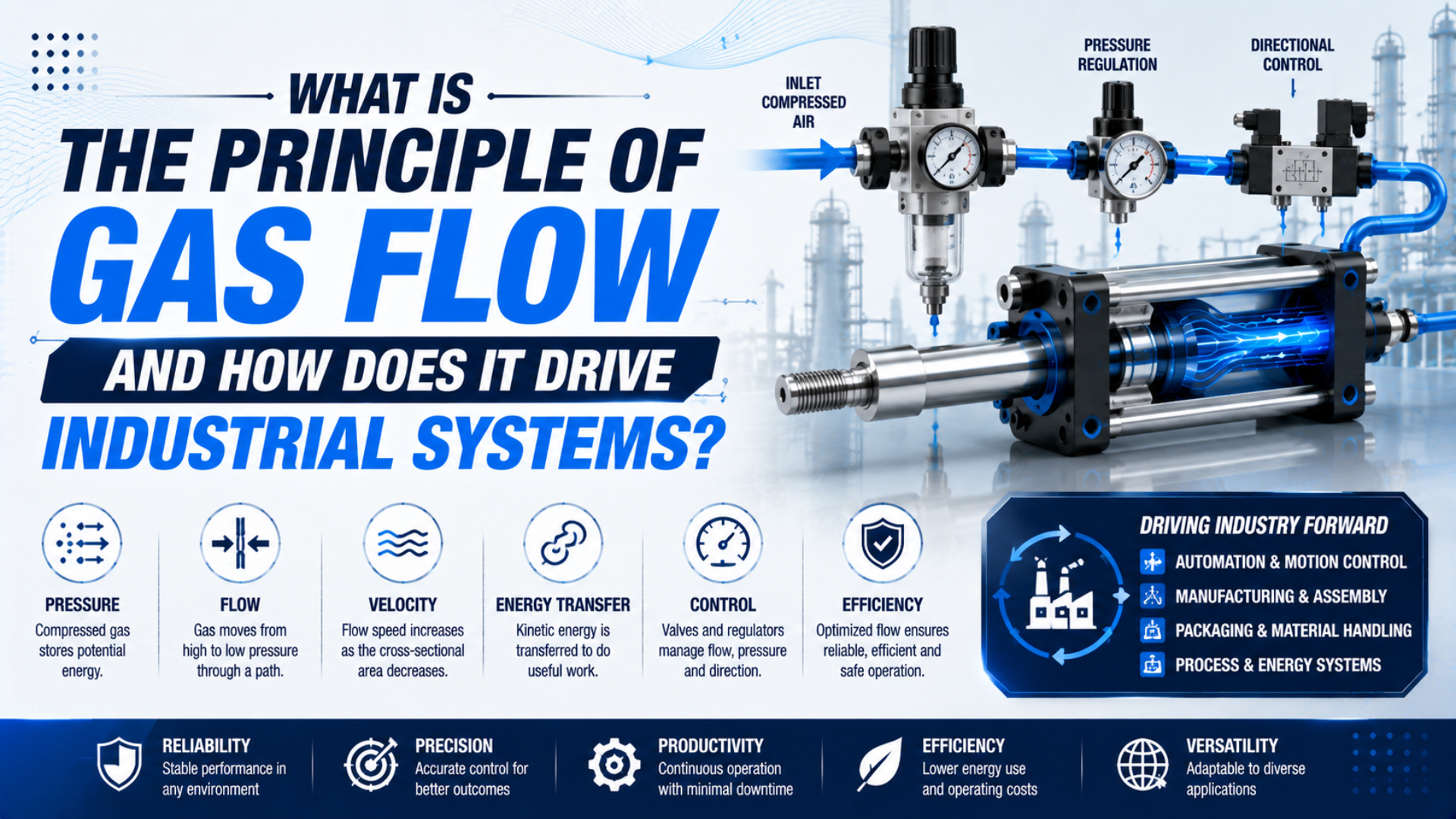
What is the Principle of Gas Flow and How Does It Drive Industrial Systems?Learn how pressure, temperature, density, Mach number, and the 0.528 critical ratio govern industrial gas flow, pressure loss, and component sizing.Blog Tag
pressure and flow articles
Review every Bepto Pneumatic article connected to pressure and flow, grouped as one focused reading list for engineers, maintenance staff, and sourcing specialists.
Tagged Reading Path
All articles tagged pressure and flow
Use this archive to scan related selection notes, RFQ checks, replacement guidance, and pneumatic component references.
Showing 68 articles
What is the Principle of Gas Flow and How Does It Drive Industrial Systems?Learn how pressure, temperature, density, Mach number, and the 0.528 critical ratio govern industrial gas flow, pressure loss, and component sizing.
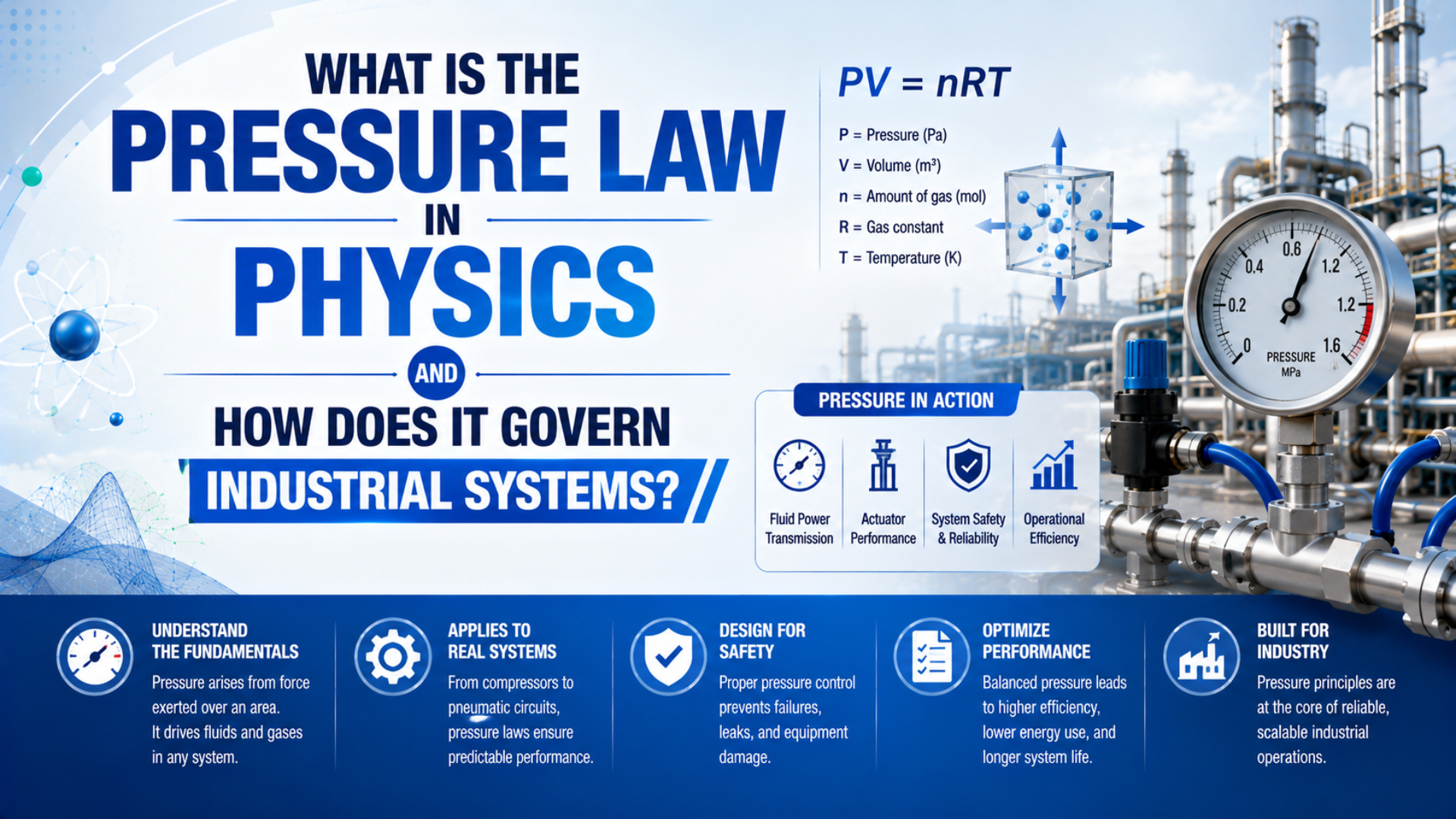
What is the Pressure Law in Physics and How Does It Govern Industrial Systems?A practical guide to the pressure-temperature gas law, absolute pressure, fixed-volume calculations, pneumatic applications, and safety limits.
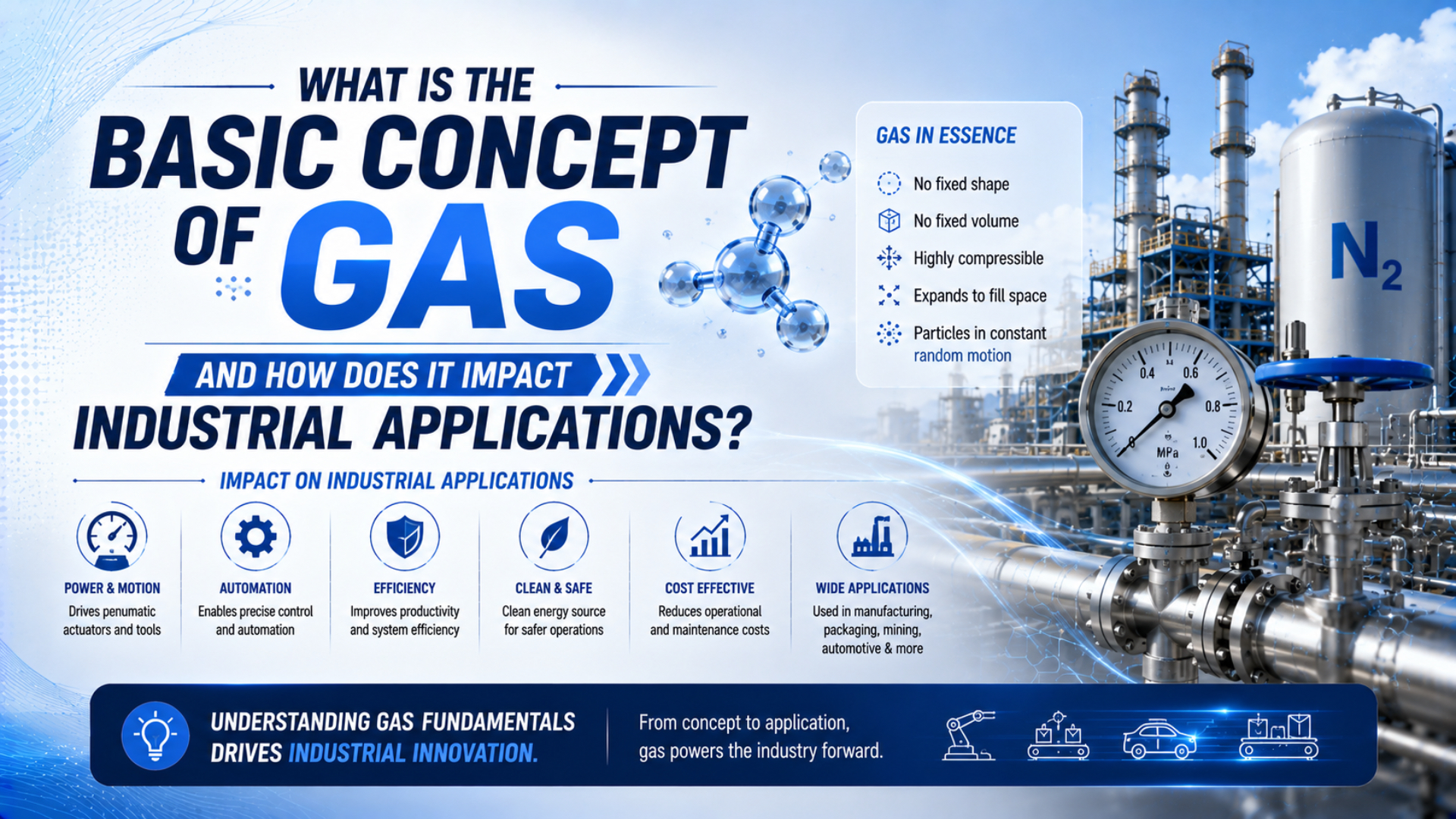
What is the Basic Concept of Gas and How Does It Impact Industrial Applications?Learn how pressure, volume, temperature, gas mass, and ISO 8573’s 3 contaminant groups affect pneumatic force, flow, safety, and reliable component selection.

Top 10 Pneumatic Silencer Selection Secrets That Engineers Don’t ShareSelect pneumatic silencers by ISO 20145 test mode, peak exhaust flow, back pressure, and air quality. G1/8 Festo models span 1,340 to 2,050 L/min at 6 bar.
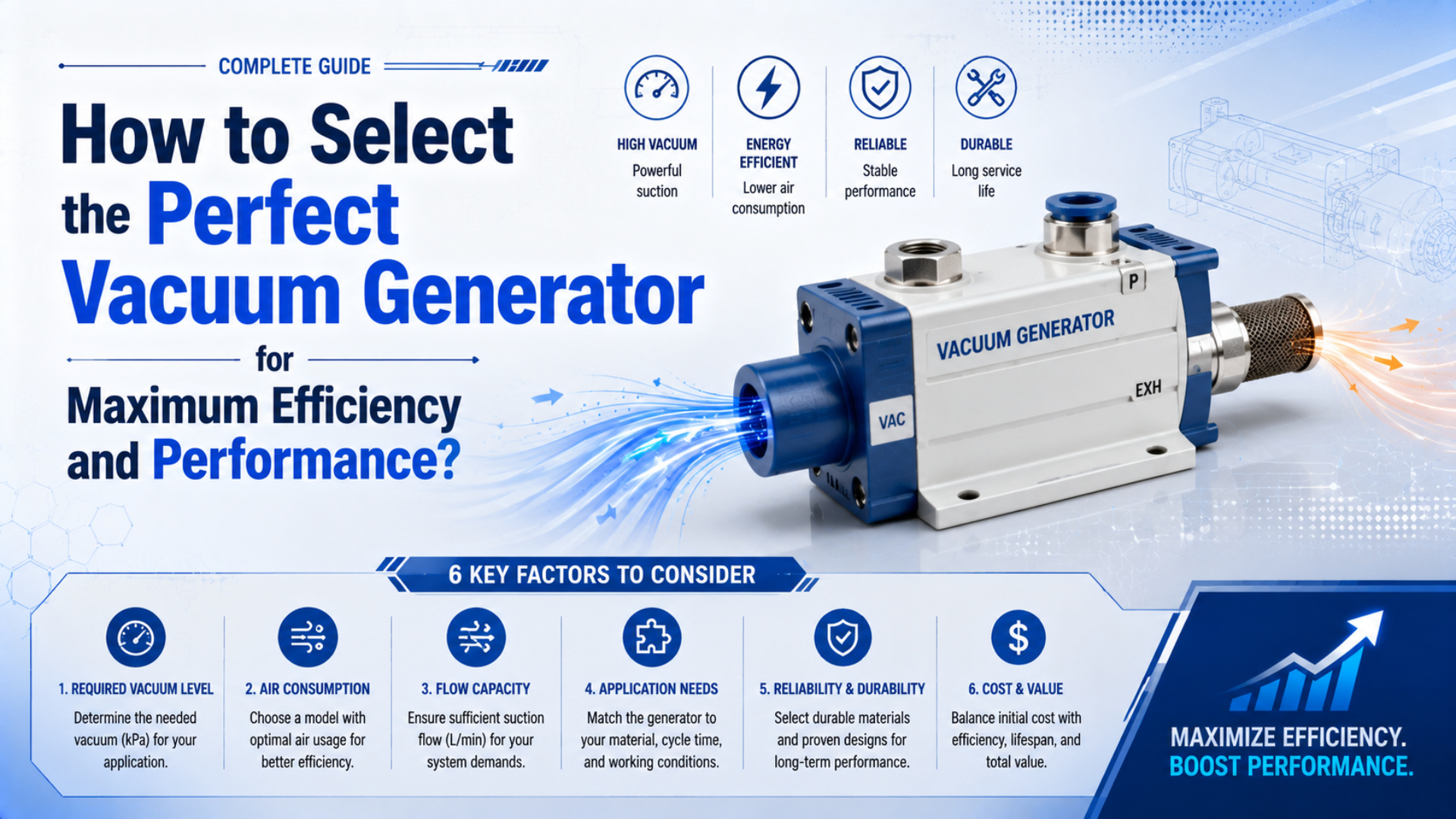
How to Select the Perfect Vacuum Generator for Maximum Efficiency and Performance?Choose a vacuum generator from load, leakage, response time, and air cost. Compare 5-22 L/min catalog data, read curves, and validate the actual workpiece.
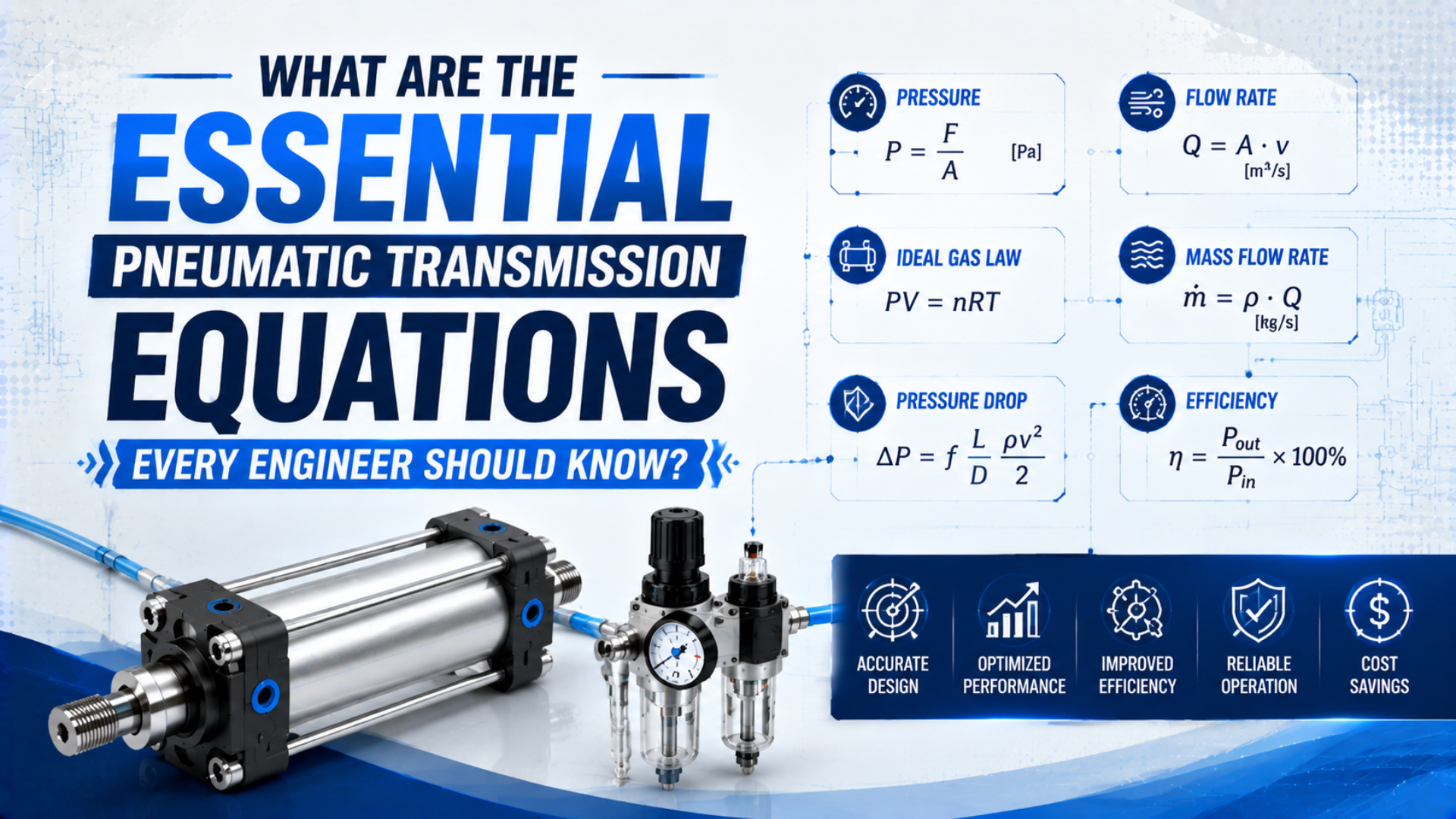
What Are The Essential Pneumatic Transmission Equations Every Engineer Should Know?A system-level reference for pneumatic equations, units, pressure and temperature states, cylinder force, air consumption, flow, speed, valve capacity, and pressure drop.
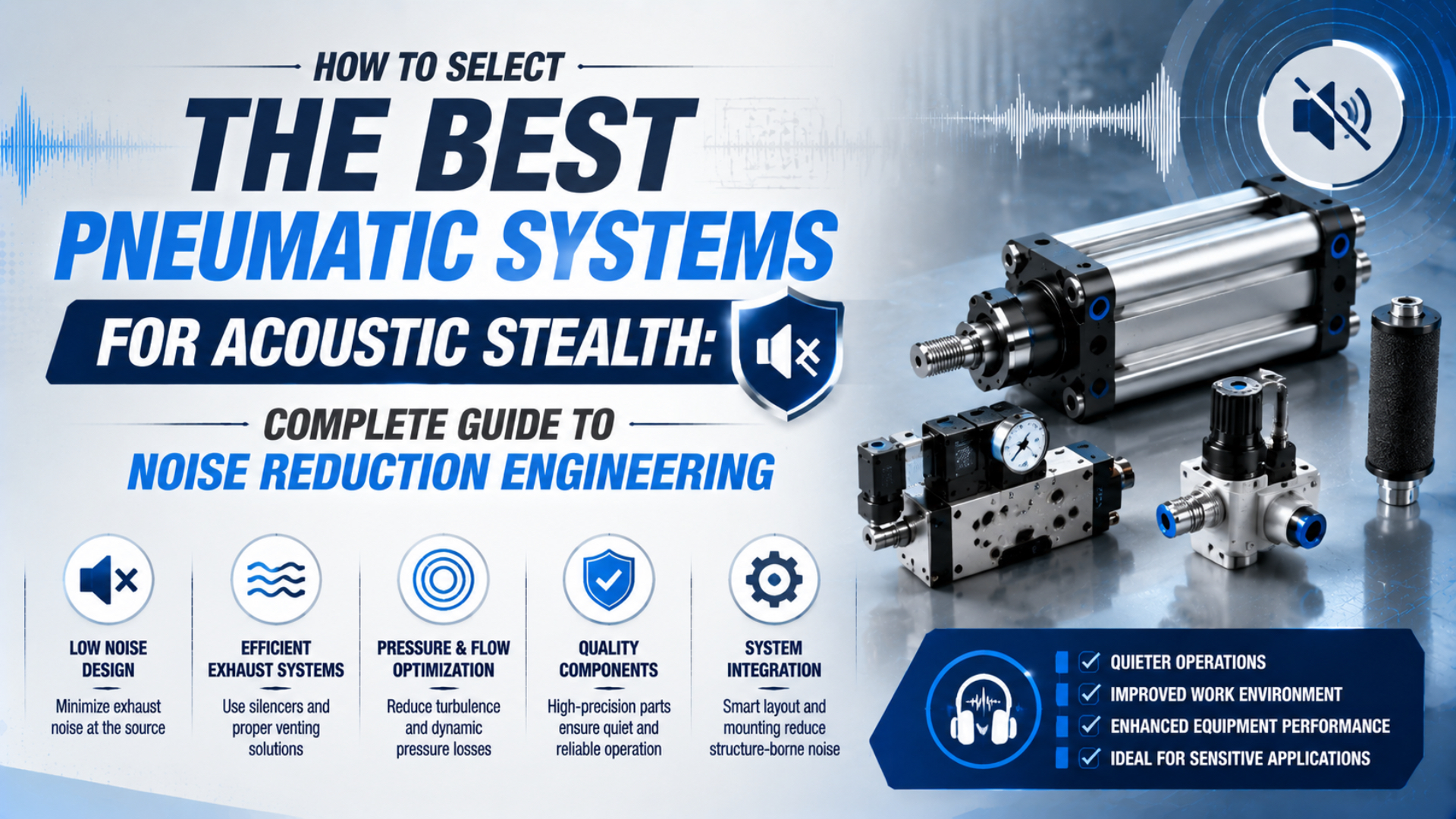
How to Select the Best Pneumatic Systems for Acoustic Stealth: Complete Guide to Noise Reduction EngineeringSelect low-noise pneumatic systems using OSHA's 85 dBA action level, ISO measurement methods, quieter exhaust, mounting, flow, and installed verification.
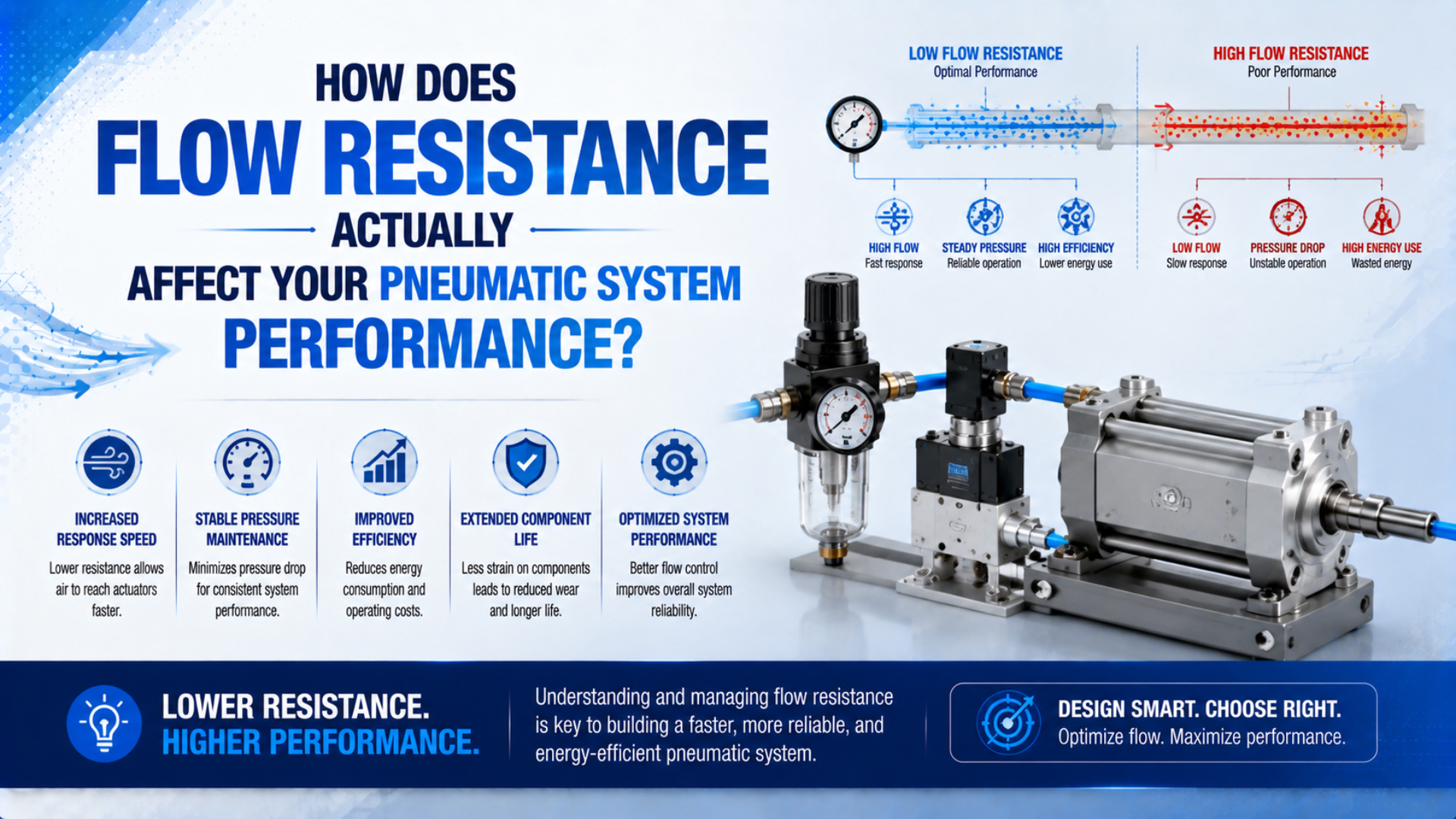
How Does Flow Resistance Actually Affect Your Pneumatic System Performance?Learn how pneumatic flow resistance reduces force, speed, and repeatability, then diagnose the real bottleneck with synchronized pressure measurements.
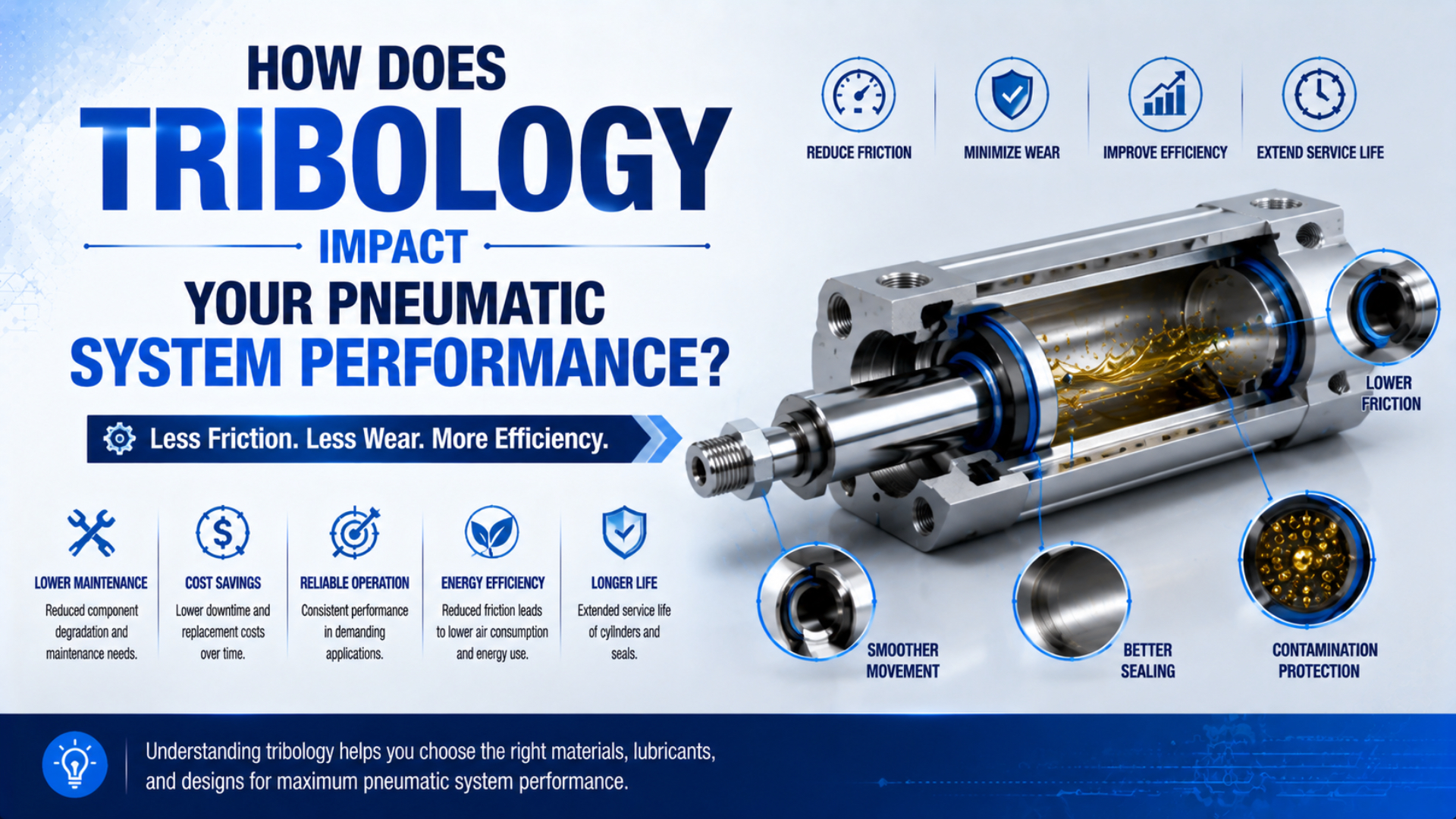
How Does Acoustic Noise Impact Your Pneumatic System Performance?Learn how pneumatic noise affects worker exposure and machine performance using NIOSH's 85 dBA limit, synchronized pressure tests, and safe exhaust fixes.
How Do Gas Dynamics Fundamentals Impact Your Pneumatic System Performance?Learn how pressure, temperature, mass flow, line volume, and the 0.528 critical pressure ratio govern pneumatic speed, force, response, and stability.
How Can You Calculate and Optimize Pneumatic Power in Industrial Systems?Calculate pneumatic power across 3 boundaries using cylinder force, cycle work, measured flow, and ISO 1217 specific power, then verify real savings in use.
Pneumatic Exhaust Air Discharge Safety: Understanding the Physics and Hazards of High-Velocity Compressed AirSeparate fixed exhaust, blow-off cleaning, quick exhaust, and safety dump circuits using ISO 4414, OSHA's 30 psi rule, and verified pressure-decay testing.
Check-Choke Valves vs. Standard Flow Controls for Actuator SpeedIdentify check-choke and bidirectional flow controls by symbol and direction; Parker recommends 2 valves for independent double-acting cylinder speeds.
The Physics of “Diesel Effect” in Pneumatic Cylinders (Micro-Dieseling)Calculate why an 8:1 ideal adiabatic compression reaches about 258°C, then use ISO 4414 and ISO 8573 evidence to investigate suspected micro-dieseling.
PSIA vs PSIG Difference Compressed AirLearn the PSIA vs PSIG difference, convert with local atmospheric pressure, and choose the correct reference for six common compressed-air calculations.
Hysteresis Loops in Proportional Pressure Control of CylindersMeasure cylinder pressure-control hysteresis with matched rising and falling steps, a full-scale formula, synchronized traces, and model-specific limits.
Analyzing Choked Flow Phenomena in High-Speed Cylinder PortsIdeal dry air chokes near p2/p1 = 0.528. Learn to measure cylinder-port pressure, locate restrictions, and verify flow for high-speed strokes.
Does Cavitation in Hydraulic and Pneumatic Valves Damage Your System?Learn why ISO 6358 separates subsonic and choked gas flow, how liquid cavitation damages valves, and which pressure and moisture checks prevent failures.
The Physics of Airflow Through Different Valve Orifice GeometriesLearn how 4 orifice geometries change separation, discharge coefficient, choking, and valve flow, with ISO 6358 data, equations, and inspection rules.
How Internal Pilot Pressure Affects Valve Actuation SpeedLearn how internal pilot pressure affects valve speed, why 0.15 MPa can be a model-specific minimum, and how to diagnose pressure, voltage, flow, and exhaust.
The Acoustic Signature of a Pneumatic Valve: Noise Generation PhysicsMeasure pneumatic valve noise using the 20 µPa dB reference, standardized microphone positions, synchronized pressure traces, and verified controls.
The Impact of Back Pressure on Pilot-Operated Valve PerformanceLearn why SMC specifies 0.15-0.7 MPa pilot pressure for one valve family, how back pressure reduces shift force, and how to test every control port safely.
Flow vs. Pressure: Sizing a Valve for Speed vs. ForceParker lists 754 N outward and 633 N return at 6 bar for one 40/16 mm cylinder. Separate force from flow, size the air path, and verify loaded stroke time.
Proportional Flow Control vs. Proportional Pressure Control ValvesCompare proportional flow and pressure control valves using an SMC 85-to-40 L/min example, feedback architecture, load behavior, and acceptance tests.
The Impact of Deadband on Proportional Valve Control AccuracyLearn how proportional-valve deadband differs from hysteresis, how a 0.4% model rating affects control, and how to measure and compensate it in practice.
The Function of Sandwich Plates: Pressure Regulators and Flow ControlsLearn how 5-port pneumatic sandwich plates regulate common or individual ports, meter exhaust flow, preserve manifold compatibility, and verify stack order.
The Physics of Quick Exhaust Valves and Their Impact on Cylinder SpeedUnderstand how a 3-port quick exhaust valve changes cylinder speed through choked flow, falling back pressure, and measured 55-cycle pressure tests for sizing.
What Are Opposing Loads in Pneumatic Systems: The Hidden Force That’s Costing You Money?Identify opposing loads in pneumatic systems, build a directional force budget, and size cylinder thrust without relying on fixed pressure percentages.
Meter-In vs. Meter-Out: A Technical Analysis of Speed Control MethodsValidate a meter-in-to-meter-out retrofit with two port-pressure traces, four fault-injection tests, first-stroke checks, and documented acceptance limits.
What Is Flow Starvation in Pneumatic Systems and How Can You Prevent It?Diagnose pneumatic flow starvation with dynamic pressure tests, CAGI's 10 percent pressure-drop benchmark, practical valve checks, and peak-demand prevention.
Pneumatic Valve Sizing Calculations: How Do You Ensure Optimal Flow Performance in Your System?Size pneumatic valves from cylinder volume, absolute pressure, stroke time, and Parker’s Cv 1.06 example, then verify supply and exhaust flow under load.
The Design Differences: Needle Valves vs. Flow Control ValvesCompare needle valves with one-way pneumatic flow controls using Festo's 95 versus 76-95 L/min example, flow symbols, direction, and selection checks.
Meter-In vs Meter-Out Pneumatic Control: Which Flow Control Method Delivers Better Performance?Compare meter-in and meter-out pneumatic control using SMC's s=28.8q/A relation, load direction, exhaust back pressure, startup behavior, and tuning steps.
How to Calculate Flow Coefficient (Cv) from Valve Test DataAn engineering workflow for reducing valve test data into a defensible Cv, including liquid and gas equations, uncertainty, and reporting requirements.
The Engineering of Pneumatic Silencers: Diffusion vs. AbsorptionCompare diffusion, reactive, and absorptive pneumatic silencers using a 59 dB(A), 1,700 L/min example, insertion loss, and exhaust-flow tests for sizing.
How to Read and Interpret a Valve Flow (Cv) ChartRead valve Cv charts with 5 checks for axes, flow path, test conditions, curve type, and pressure limits before comparing pneumatic valve capacity data.
The Physics of Air Hammer in Pneumatic Valve and Piping SystemsLearn what pneumatic air hammer is, how pressure waves travel, why liquid Joukowsky math can mislead, and how to measure valve transients safely.
A Guide to 3-Position Valve Center Conditions (Closed, Exhaust, Pressure)Compare 5/3 valve center conditions: closed, exhaust, and pressure. Learn each 5-port flow path, actuator behavior, restart risk, and selection checks.
The Impact of Turbulent vs. Laminar Flow on Valve SizingLearn how Reynolds number affects pneumatic valve sizing, why ISO 6358 data governs compressed-air flow, and when the 2300-4000 pipe range actually applies.
How to Calculate Cylinder Force Loss Due to Friction and Back PressureCalculate actual pneumatic cylinder force from both chamber pressures, effective areas, and measured breakaway or running friction without relying on universal loss percentages.
The Physics of Venturi Ejectors and Vacuum Control ValvesLearn how Venturi ejectors create vacuum, why nozzle flow chokes, and how to read 80-90 kPa vacuum curves, size response time, and control air use.
The Effect of Cylinder Stroke Position on Available Force (Cantilever Loads)Learn why cylinder stroke position does not directly change pressure-generated thrust, yet can sharply change cantilever moment, deflection, and buckling margin.
A Technical Guide to Sizing a Cylinder for a Vertical-Up ApplicationSize a vertical-up pneumatic cylinder with m(g+a), minimum port pressure, backpressure, effective piston area, and a worked 120 kg bore-selection example.
What Causes Water Hammer in Pneumatic Systems and How Can You Prevent It?Separate four causes of pneumatic water hammer, identify the first pressure event, and prevent dry-air surges, liquid slugs, and unsafe repressurization.
The Physics of Adiabatic Expansion and its Cooling Effect in CylindersCalculate the ideal cooling limit for air expanding from 100 psig at 70°F, then diagnose dew point, exhaust icing, seals, and real cylinder temperatures.
How to Calculate the Minimum Operating Pressure for a CylinderCalculate minimum cylinder operating pressure from area, load, acceleration, friction, and back pressure, with a 0.05 MPa catalog example and field test.
The Impact of Port Geometry on Cylinder Fill and Exhaust TimesLearn why 2x port area cannot promise 2x flow, and how ISO 6358 conductance, chamber demand, and dynamic pressure tests set cylinder timing.
How Do You Calculate Pneumatic Cylinder Piston Velocity for Optimal Performance?Calculate pneumatic cylinder piston velocity from flow and effective area with a 50 mm bore example, required-flow checks, and practical machine test steps.
How Do You Calculate Effective Piston Area for Maximum Double-Acting Cylinder Performance?Calculate double-acting cylinder effective area, then verify a 63/20 mm example at 6 bar for extension force, retraction force, speed, and air-use checks.
What Causes Cylinder Cushion Failures and How Can You Diagnose Problems Before Costly Breakdowns?Diagnose cylinder cushion failures safely by separating adjustment, excess energy, exhaust restriction, seal leakage, contamination, and mechanical damage.
How Does Choked Flow Physics Limit Your Pneumatic Cylinder’s Maximum Speed and Performance?Learn how choked flow limits pneumatic cylinder speed, use the 0.528 pressure ratio, calculate stroke demand, and diagnose supply or exhaust restrictions.
How Do You Properly Derate Pneumatic Cylinders for Reliable High-Altitude Performance?Learn why altitude does not automatically reduce cylinder force, how 6 bar gauge preserves thrust, and which high-altitude air-system checks matter most.
What Are the Fundamental Physics Principles That Drive Vane-Type Rotary Actuator Performance and Efficiency?Learn how pressure differential creates vane-actuator torque and how flow, inertia, leakage, friction, and stopping energy shape real performance.
How Can You Optimize Tubing and Fitting Configurations to Maximize Pneumatic Flow and Eliminate Performance Bottlenecks?Optimize pneumatic tubing and fittings with ISO 14743's 3-16 mm scope, dynamic pressure mapping, tube ID checks, and measured branch validation at peak flow.
How Can Flow Controls Transform Your Actuator Speed Performance and Eliminate Costly Production Bottlenecks?Diagnose actuator speed with SMC's 28.8 flow relation, correct free-air calculations, dynamic-pressure checks, and a repeatable tuning procedure in plants.
How Can Pneumatic Pressure Boosters Transform Your Industrial Operations and Slash Equipment Costs?Learn when a pneumatic pressure booster can cut local equipment cost, how booster ratios differ, and how to size pressure, flow, storage, and safety safely.
An Engineer’s Guide to Sizing Pneumatic Rotary ActuatorsSize pneumatic rotary actuators using torque, inertia, pressure and kinetic energy checks, with a worked 90-degree example and practical valve sizing.
How Can Quick-Connect Fittings Revolutionize Your Tool Changeover Speed and Boost Production Efficiency?Select quick-connect fittings using ISO 6150 profiles at 10, 16 or 25 bar, measured changeover time, flow data, venting, locking, and pneumatic tool safety.
How Does Proper Fitting Selection Impact Pneumatic System Efficiency and Transform Your Operational Performance?Select pneumatic fittings using ISO 6358 flow data, SMC's 21.6 vs 26.1 mm2 example, dynamic pressure checks, tube ID, and safe installation.
How Can You Eliminate Costly Pneumatic Leaks Through Proper Push-in Fitting Installation?Stop push-in fitting leaks on 3-16 mm tube with ISO 14743-aligned selection, square cuts, full insertion, pull checks, support, safe testing, and diagnosis.
How Do You Match the Perfect Pneumatic Fitting to Your Specific Hose Type for Maximum System Performance?Match pneumatic fittings to hose and tubing using ISO 14743's 3-16 mm scope, exact OD, material, pressure, temperature, installation checks, and safe use.
How to Choose the Perfect FRL Unit Size for Your Pneumatic System?Choose an FRL unit by peak flow and regulator droop using ISO 6953-2 data, CAGI's 10% pressure-drop limit, dynamic tests, and clean-element curves first.
How to Ensure Solenoid Valve Compatibility as an OEM ReplacementVerify OEM solenoid valve replacements across 4 compatibility gates covering function, electrical data, airflow, interfaces, safety, testing, and records.
The Engineer’s Guide to Pneumatic Flow Control Valve SizingSize pneumatic flow control valves with Parker's Cv 1.06 example, cylinder stroke-time demand, pressure drop, tubing, exhaust paths, and commissioning checks.
Selecting the Right Manual & Mechanical Valves for Your Pneumatic CircuitSelect manual and mechanical pneumatic valves by function, return state, Cv, pressure, and safety needs, using catalog data from 0.17 to 0.83 Cv for safe use.
Understanding Proportional Pressure Regulators in Pneumatic SystemsSpecify proportional pressure regulators by pressure range, flow, exhaust capacity, signal, feedback, downstream volume, force, and response testing.
How to Mitigate Water Hammer in Pneumatic Valve SystemsMitigate pneumatic water hammer by separating 4 faults, measuring pressure, and controlling valve flow, exhaust back pressure, cushioning, and condensate.
The Importance of Valve Flow (Cv) in System PerformanceDiagnose valve Cv bottlenecks with Parker’s Cv 1.06 example, ISO 6358 flow data, dynamic pressure checks, and a cycle-time acceptance worksheet.