
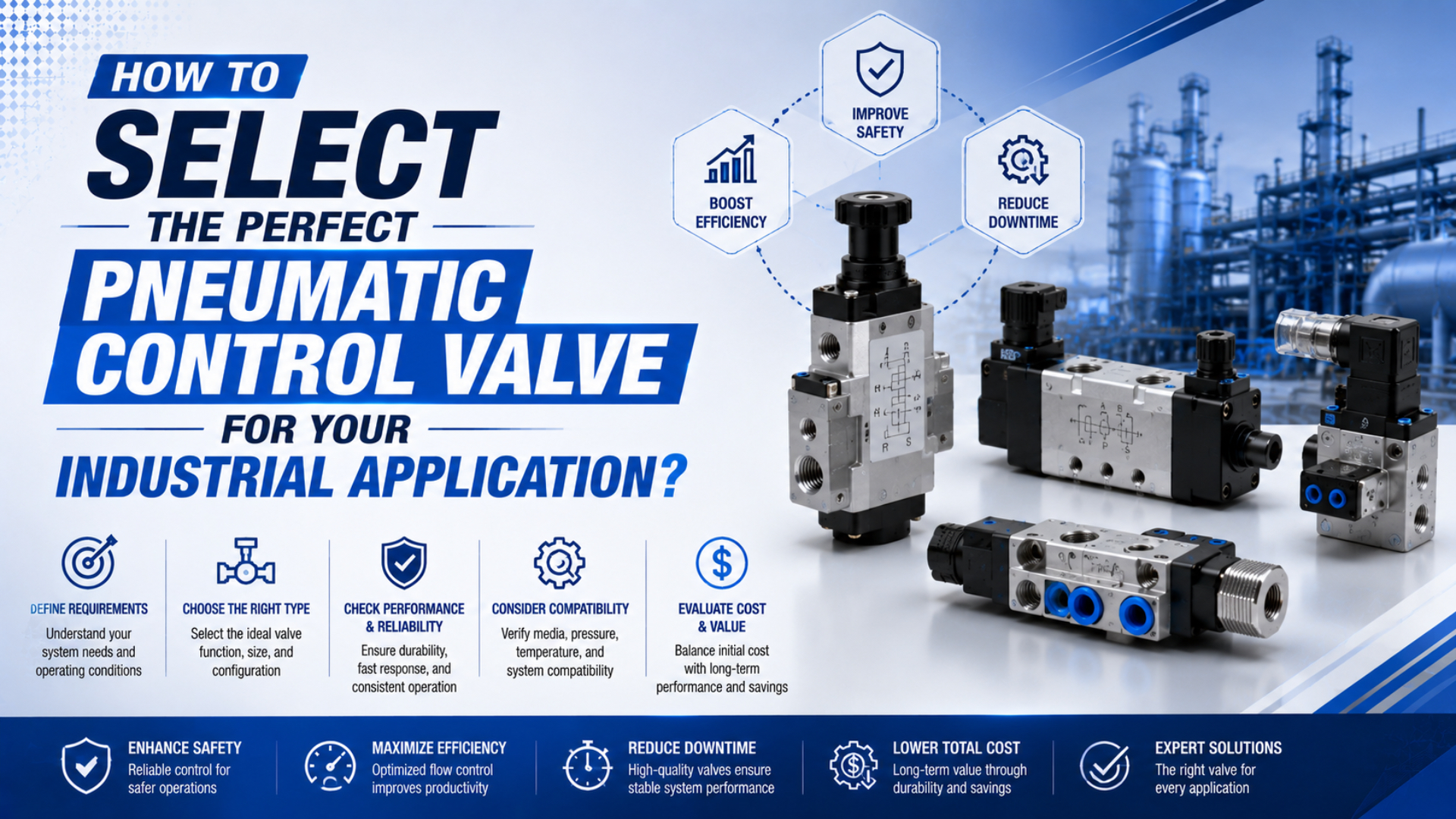
 How to Select the Perfect Pneumatic Control Valve for Your Industrial Application?Select a pneumatic control valve by matching valve function, safe state, usable flow, pilot pressure, response, interfaces, environment, and reliability evidence.
Blog Tag
solenoid valve articles
Review every Bepto Pneumatic article connected to solenoid valve, grouped as one focused reading list for engineers, maintenance staff, and sourcing specialists.
Tagged Reading Path
All articles tagged solenoid valve
Use this archive to scan related selection notes, RFQ checks, replacement guidance, and pneumatic component references.
How to Select the Perfect Pneumatic Control Valve for Your Industrial Application?Select a pneumatic control valve by matching valve function, safe state, usable flow, pilot pressure, response, interfaces, environment, and reliability evidence.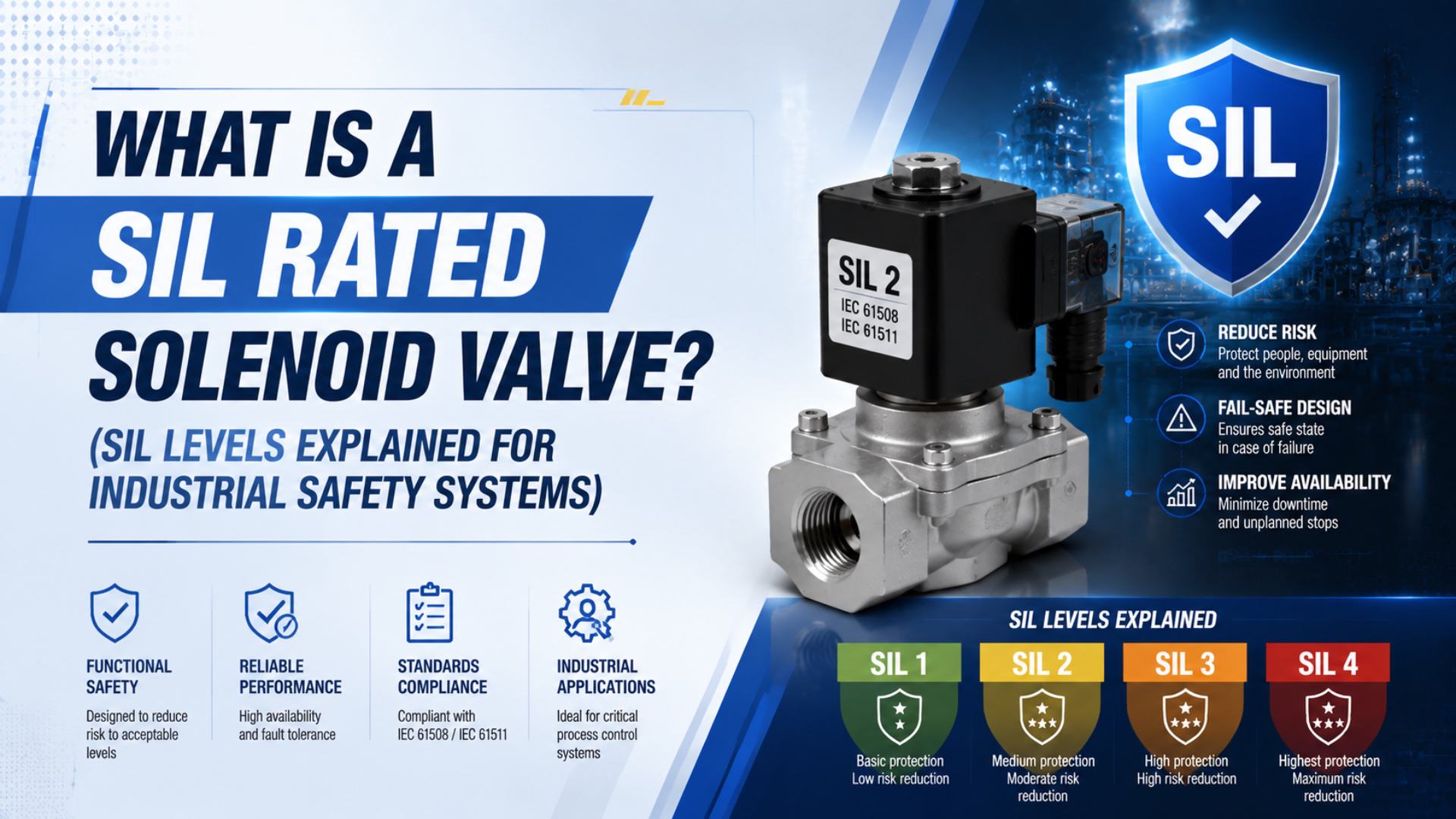 What Is a SIL Rated Solenoid Valve? (SIL Levels Explained for Industrial Safety Systems)Learn what SIL-rated solenoid valve claims mean, how SIL 1-4 targets apply to a complete SIF, and which certificate and proof-test evidence to verify.
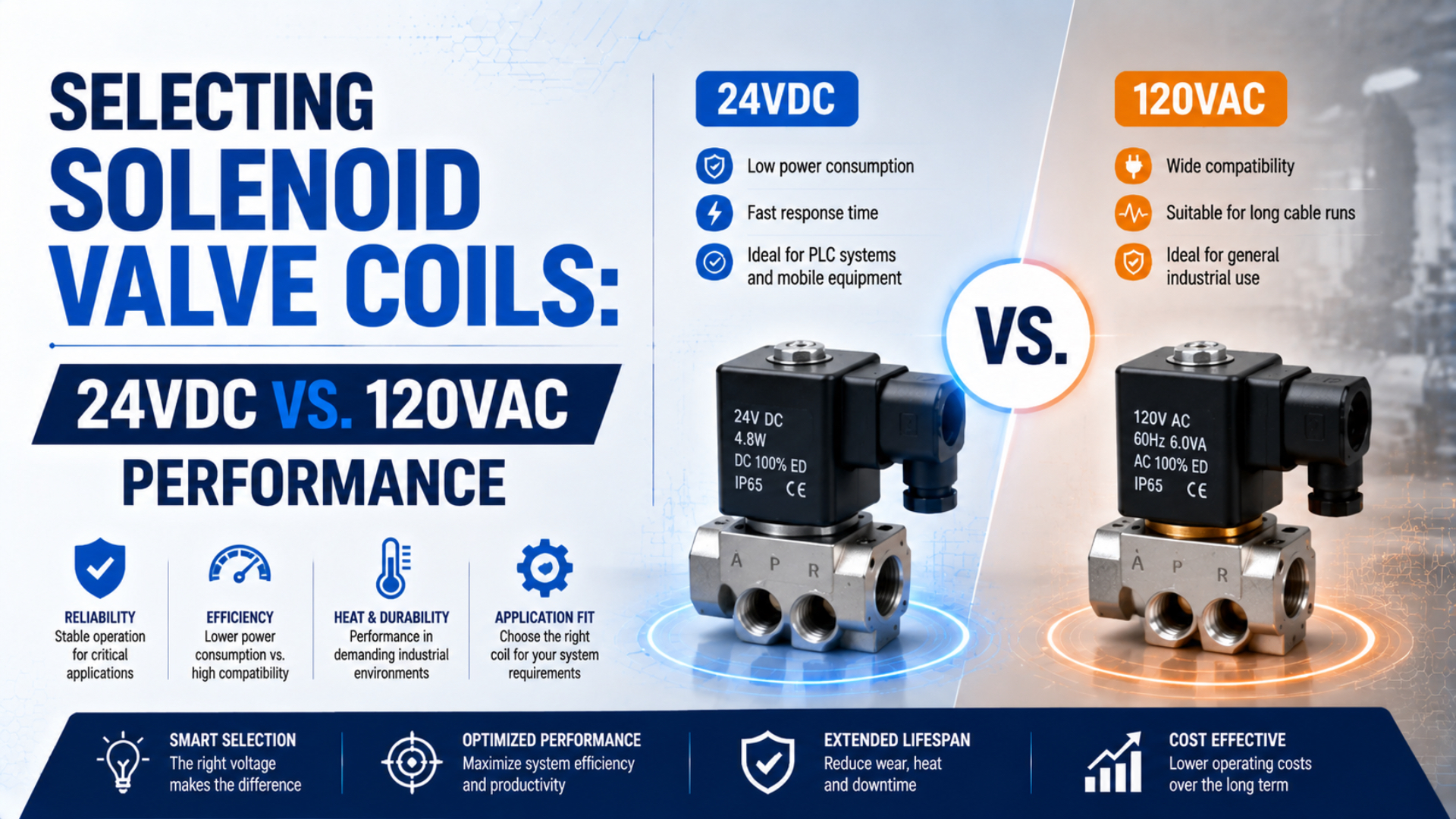 Selecting Solenoid Valve Coils: 24VDC vs. 120VAC PerformanceCompare 24VDC and 120VAC solenoid coils across 8 electrical checks: supply, output, current, frequency, suppression, duty, heat, and safe field validation.
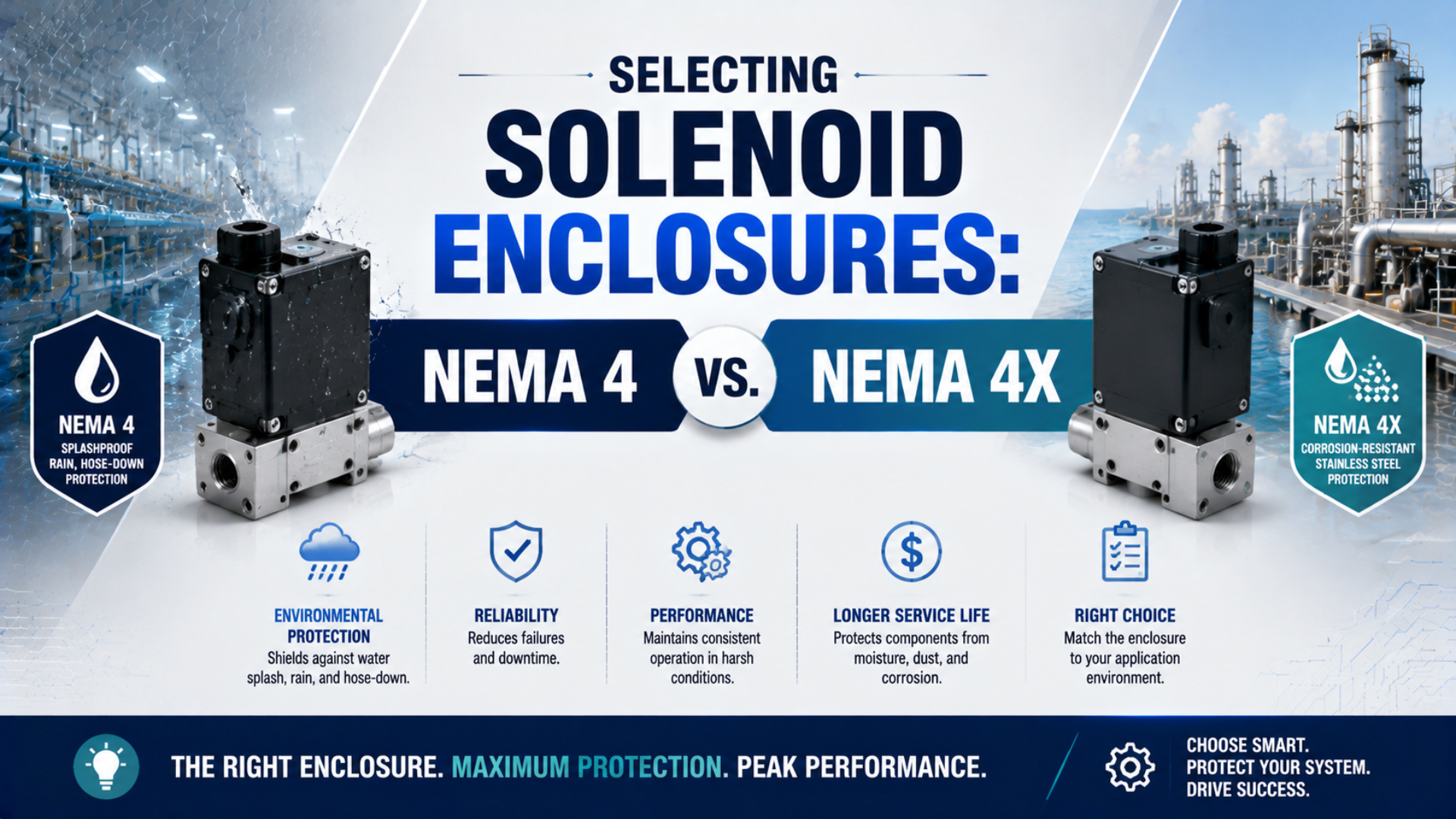 Selecting Solenoid Enclosures: NEMA 4 vs. NEMA 4XSelect NEMA 4 or 4X solenoid enclosures using NEMA’s 600-hour plus 200-hour corrosion tests, IP limits, material checks, assembly ratings, and RFQ evidence.
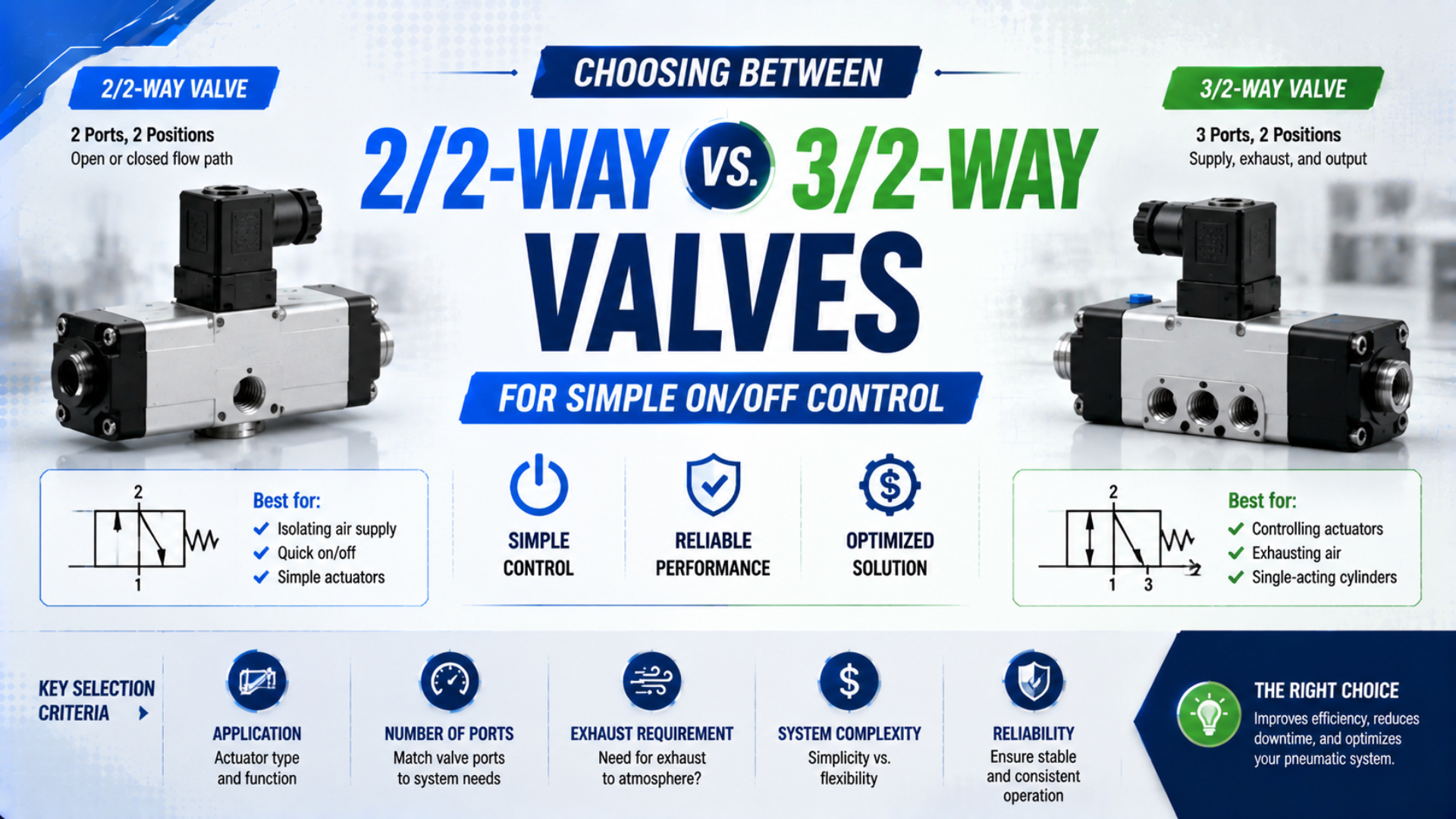 Choosing Between 2/2-Way and 3/2-Way Valves for Simple On/Off ControlChoose 2/2 or 3/2 valves using 7 checks: flow paths, normal state, medium, pressure range, leakage, exhaust capacity, and safe isolation.
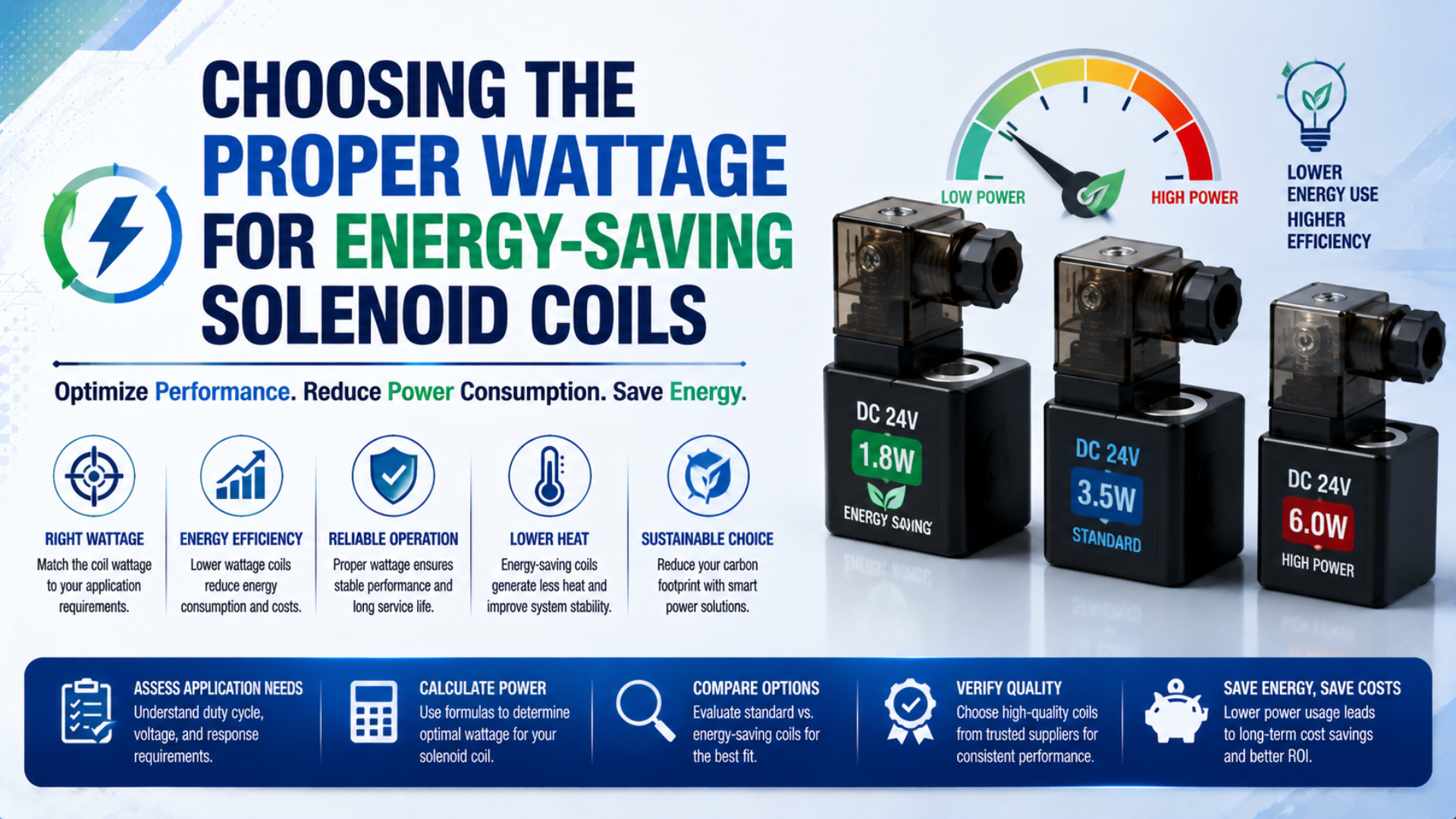 Choosing the Proper Wattage for Energy-Saving Solenoid CoilsChoose solenoid coil wattage using verified 1 W-to-0.35 W data, correct voltage-drop math, peak-current checks, thermal limits, and installed testing.
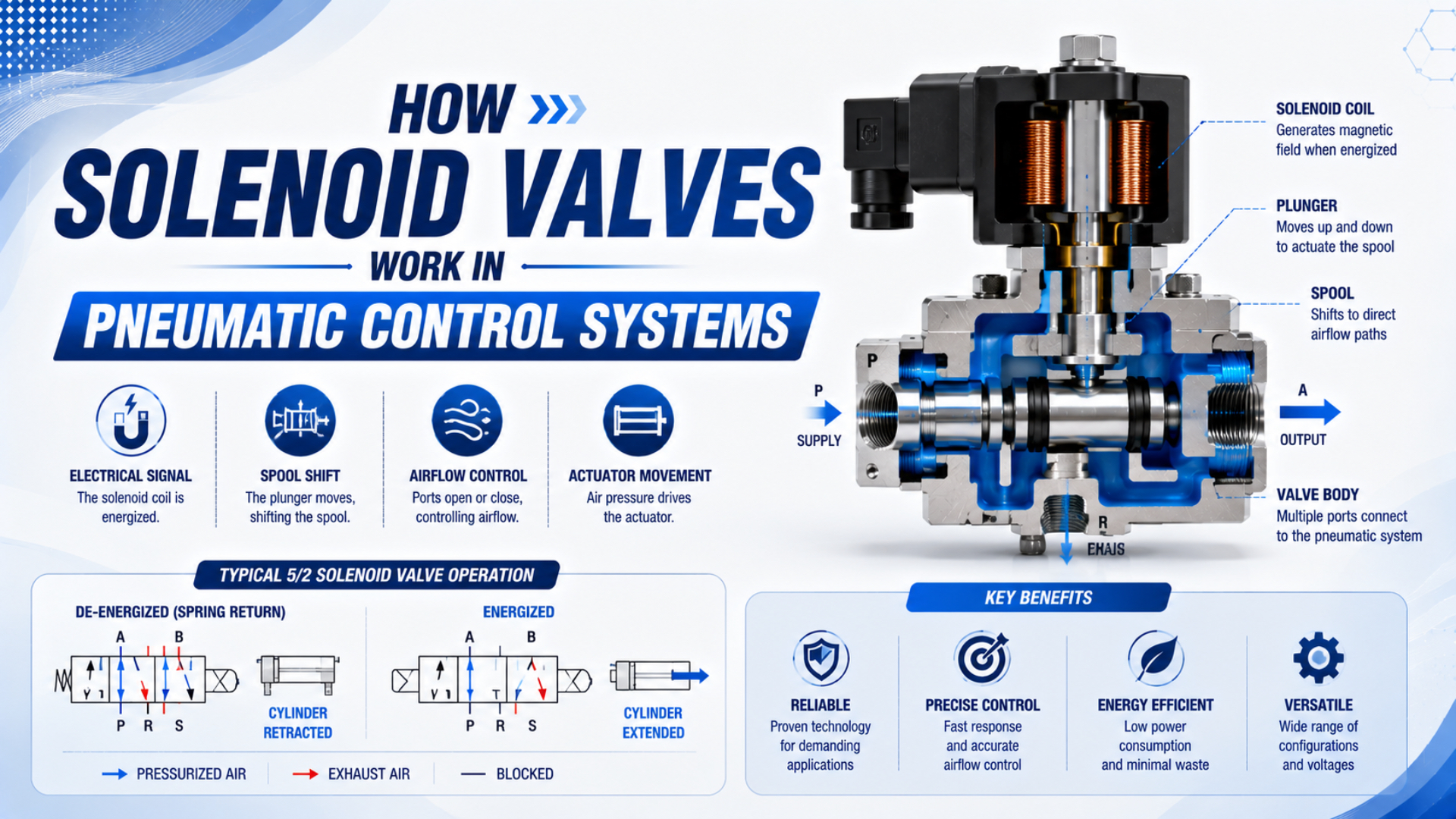 How Solenoid Valves Work in Pneumatic Control SystemsTrace a pneumatic solenoid valve through 7 control stages, from PLC output and coil current to pilot pressure, spool position, air paths, and actuator motion.
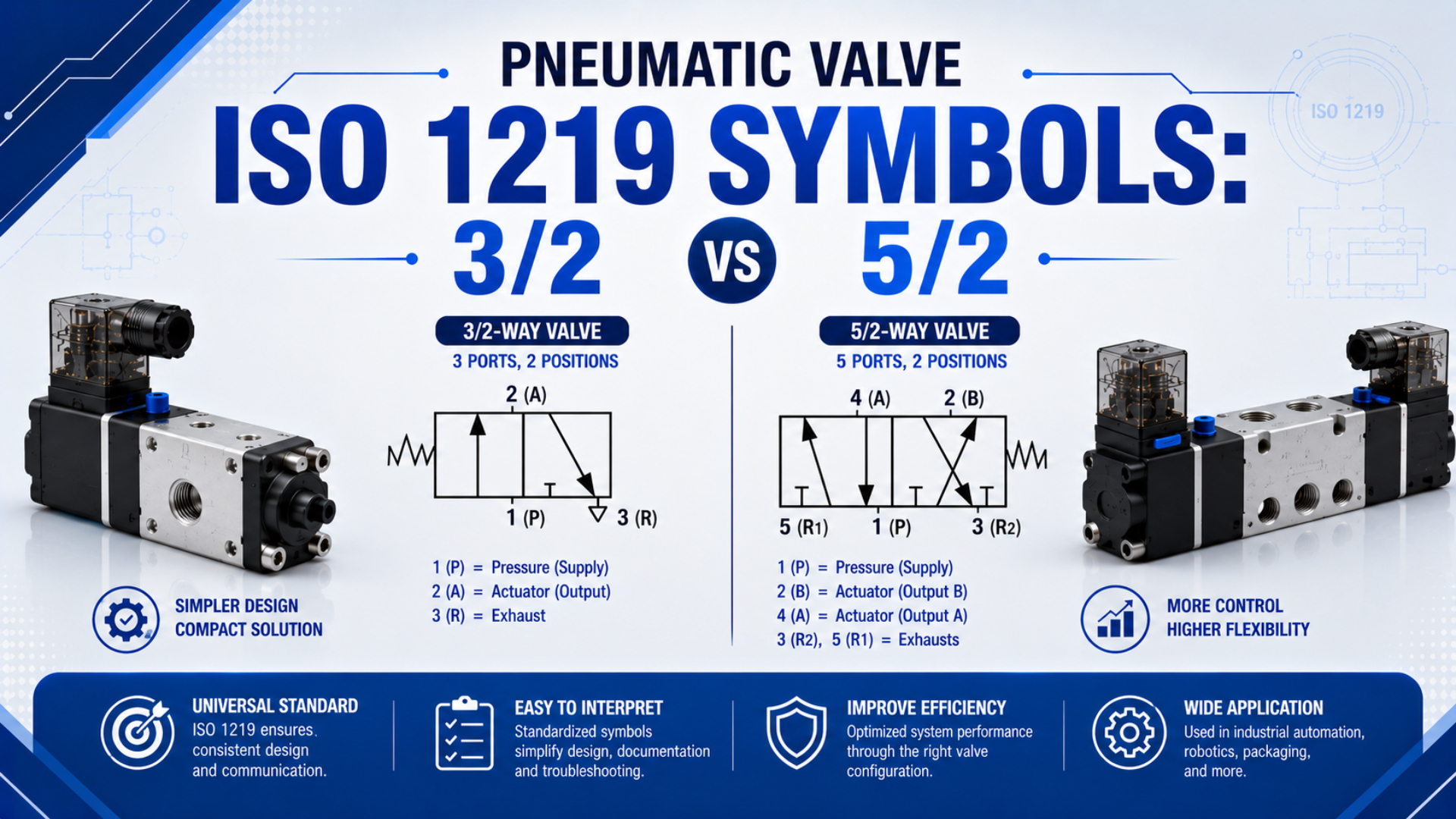 Pneumatic Valve ISO 1219 Symbols: 3/2 vs 5/2Read ISO 1219 pneumatic valve symbols correctly: decode 3/2 and 5/2 ports, positions, flow paths, actuation methods, rest states, and state-table checks.
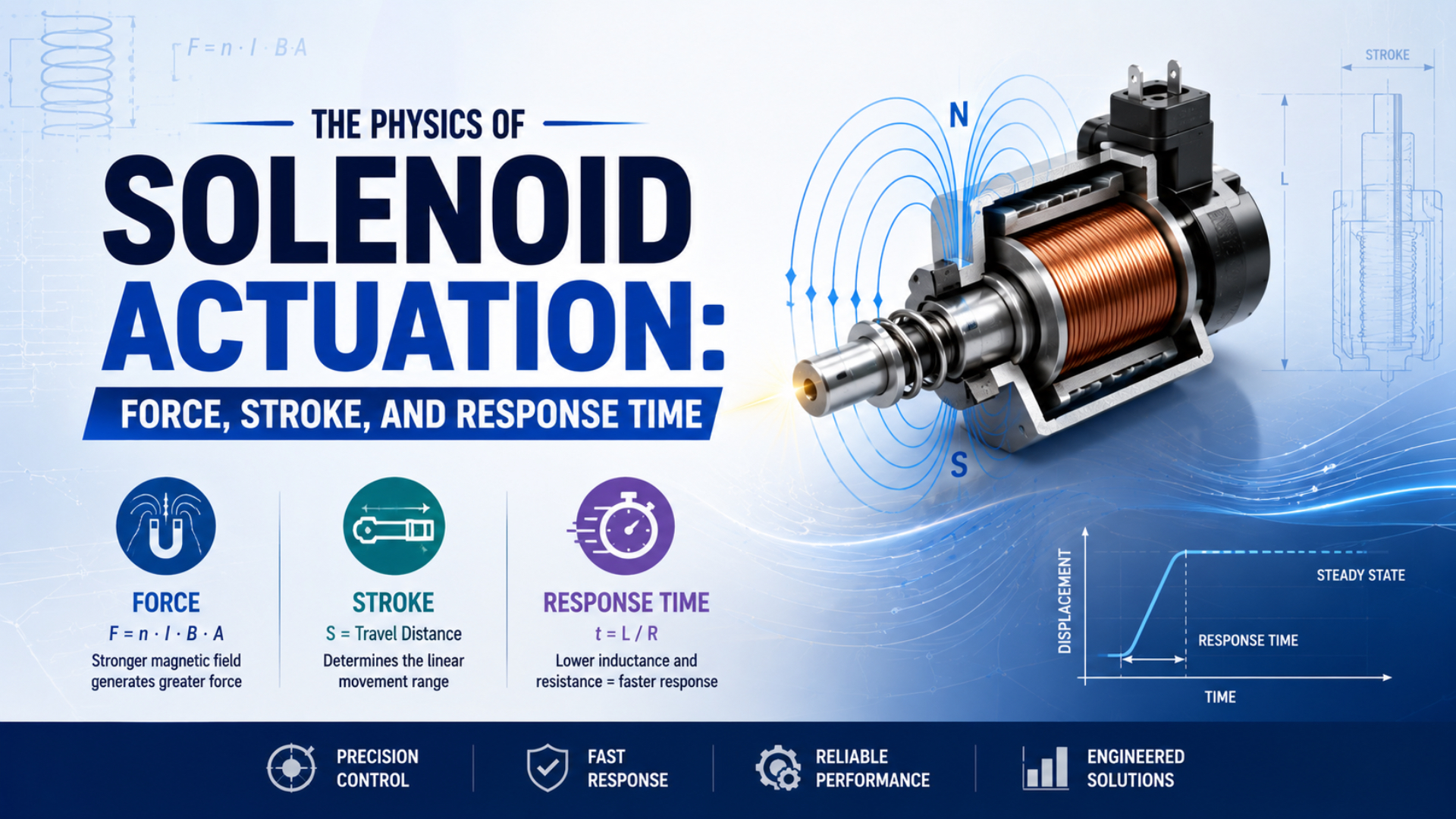 The Physics of Solenoid Actuation: Force, Stroke, and Response TimeLearn how solenoid force changes with stroke, why a 12 ms valve rating needs test conditions, and how current, load, and air gaps set real response time.