
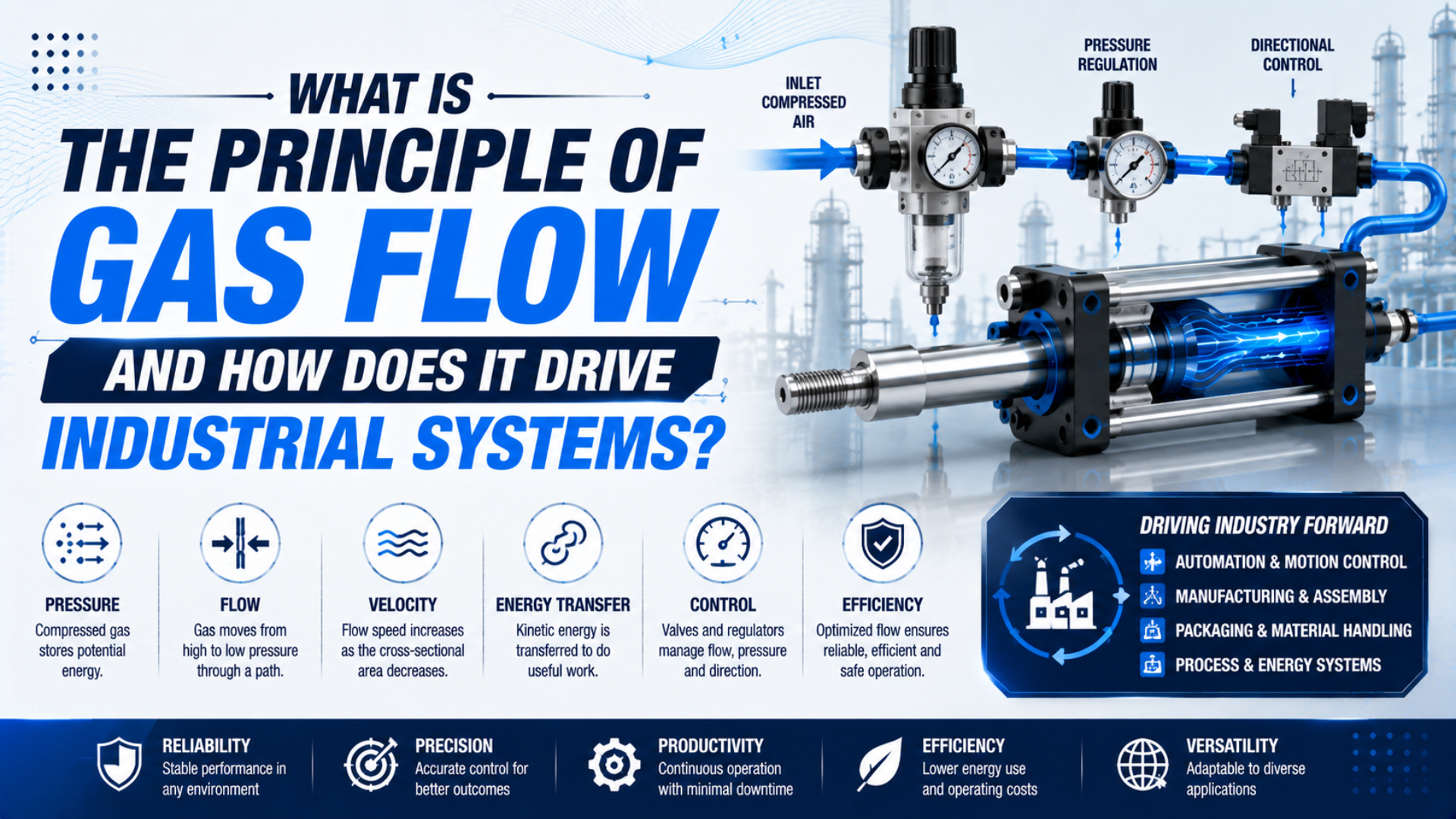
What is the Principle of Gas Flow and How Does It Drive Industrial Systems?Learn how pressure, temperature, density, Mach number, and the 0.528 critical ratio govern industrial gas flow, pressure loss, and component sizing.Blog Tag
valve sizing articles
Review every Bepto Pneumatic article connected to valve sizing, grouped as one focused reading list for engineers, maintenance staff, and sourcing specialists.
Tagged Reading Path
All articles tagged valve sizing
Use this archive to scan related selection notes, RFQ checks, replacement guidance, and pneumatic component references.
Showing 49 articles
What is the Principle of Gas Flow and How Does It Drive Industrial Systems?Learn how pressure, temperature, density, Mach number, and the 0.528 critical ratio govern industrial gas flow, pressure loss, and component sizing.
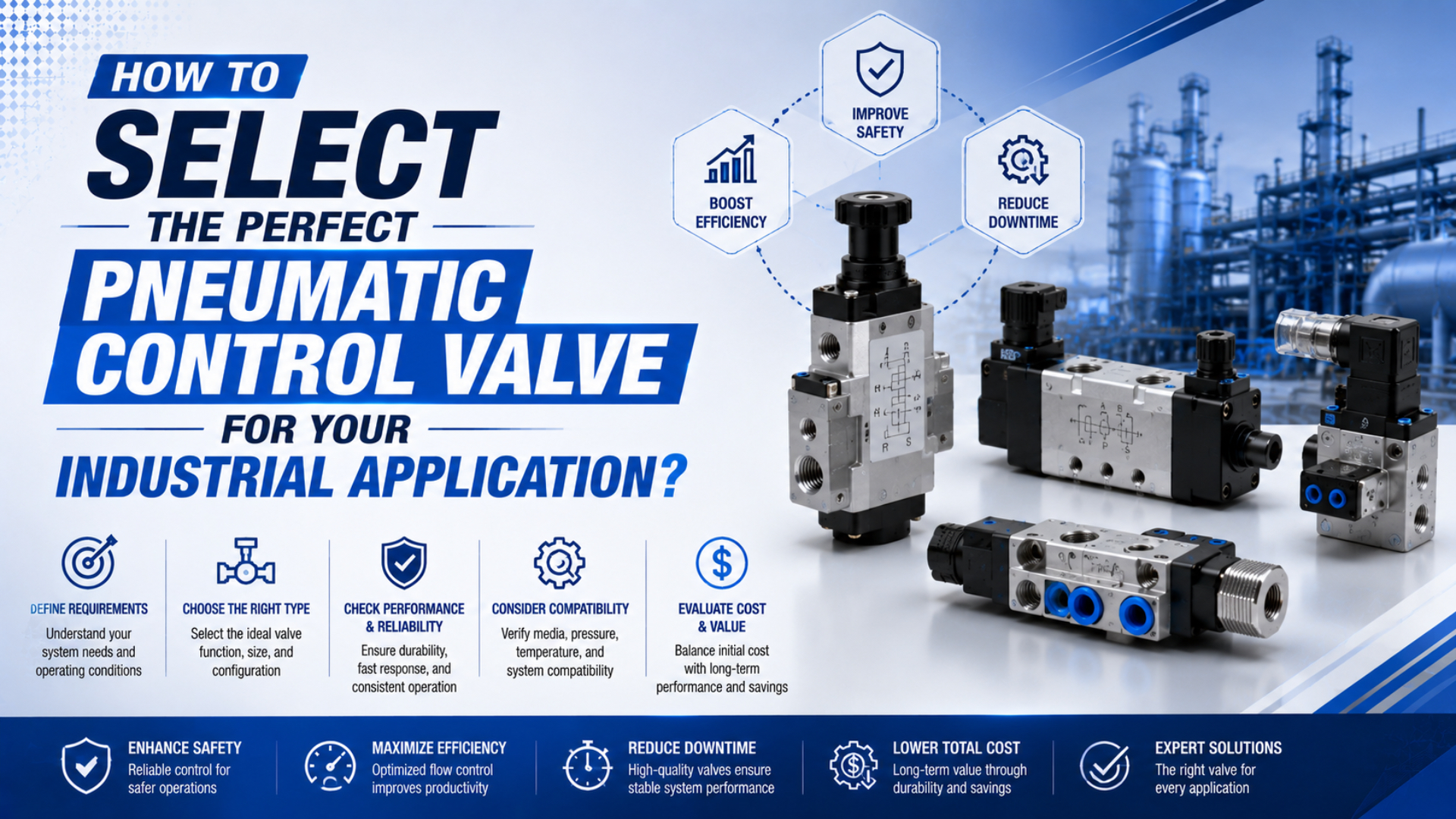
How to Select the Perfect Pneumatic Control Valve for Your Industrial Application?Select a pneumatic control valve by matching valve function, safe state, usable flow, pilot pressure, response, interfaces, environment, and reliability evidence.
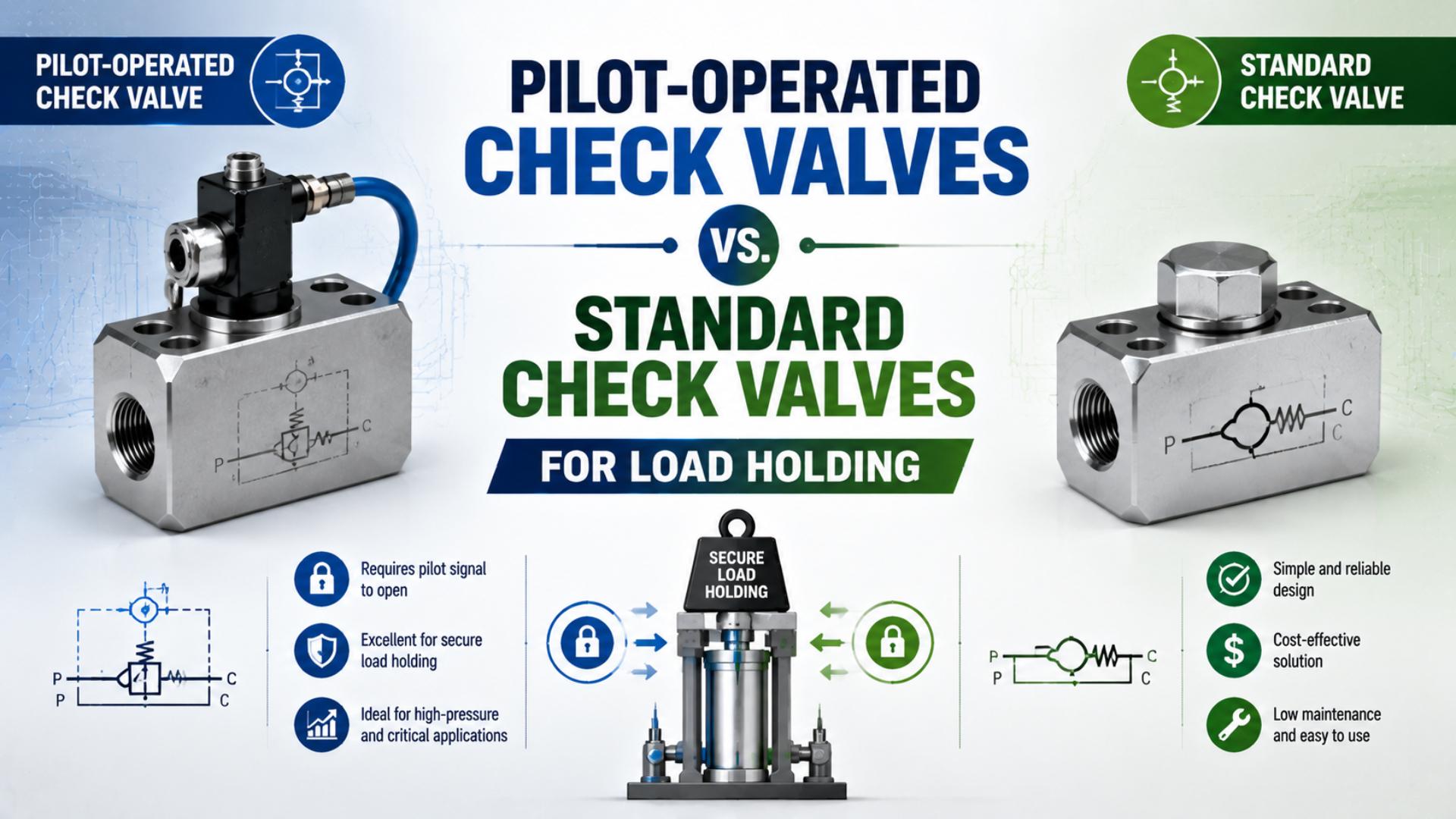
Pilot-Operated Check Valves vs. Standard Check Valves for Load HoldingCompare standard and pilot-operated check valves for pneumatic load holding, including leakage, pilot release, trapped energy, safety limits, and commissioning.
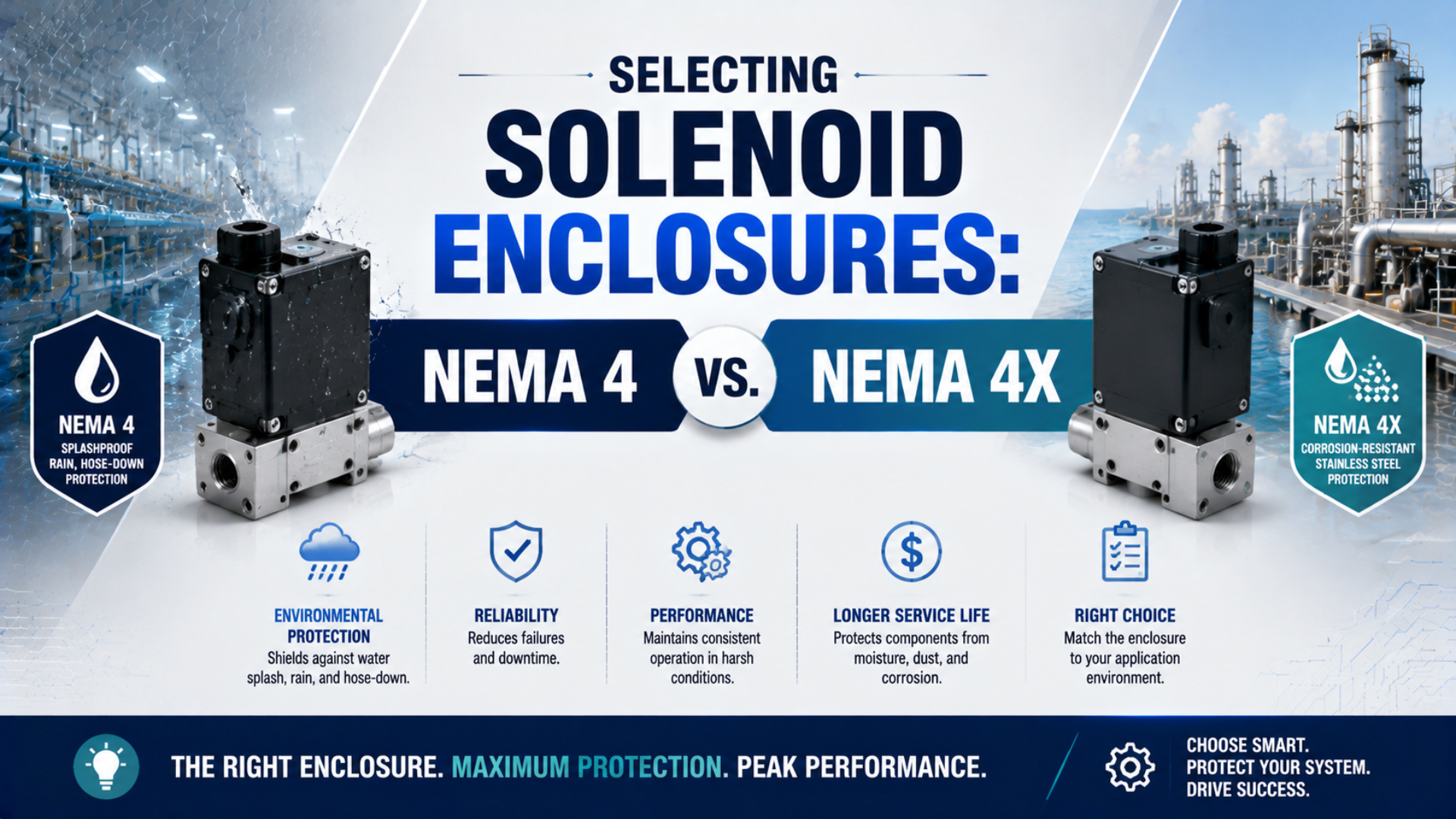
Selecting Solenoid Enclosures: NEMA 4 vs. NEMA 4XSelect NEMA 4 or 4X solenoid enclosures using NEMA’s 600-hour plus 200-hour corrosion tests, IP limits, material checks, assembly ratings, and RFQ evidence.
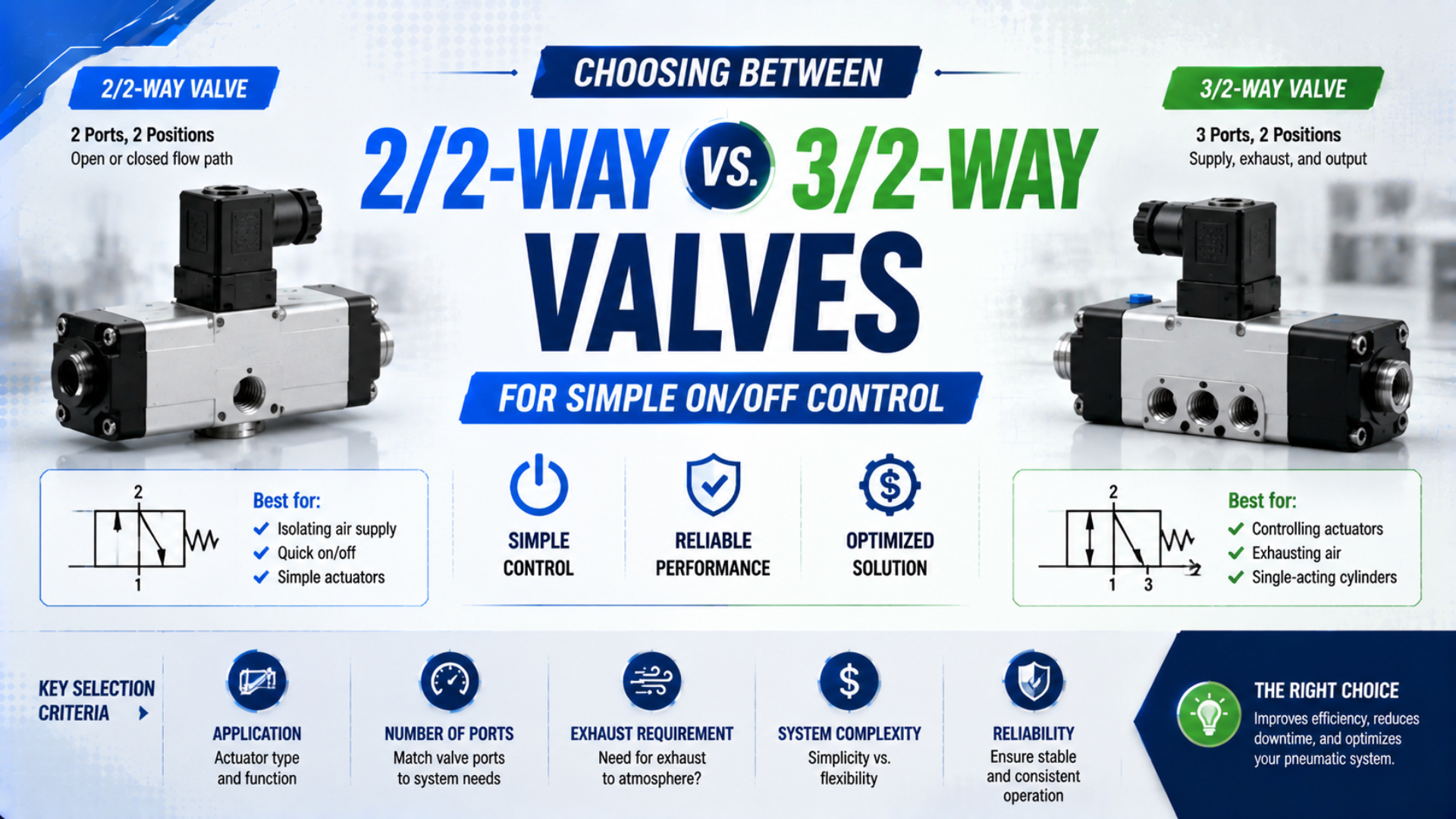
Choosing Between 2/2-Way and 3/2-Way Valves for Simple On/Off ControlChoose 2/2 or 3/2 valves using 7 checks: flow paths, normal state, medium, pressure range, leakage, exhaust capacity, and safe isolation.
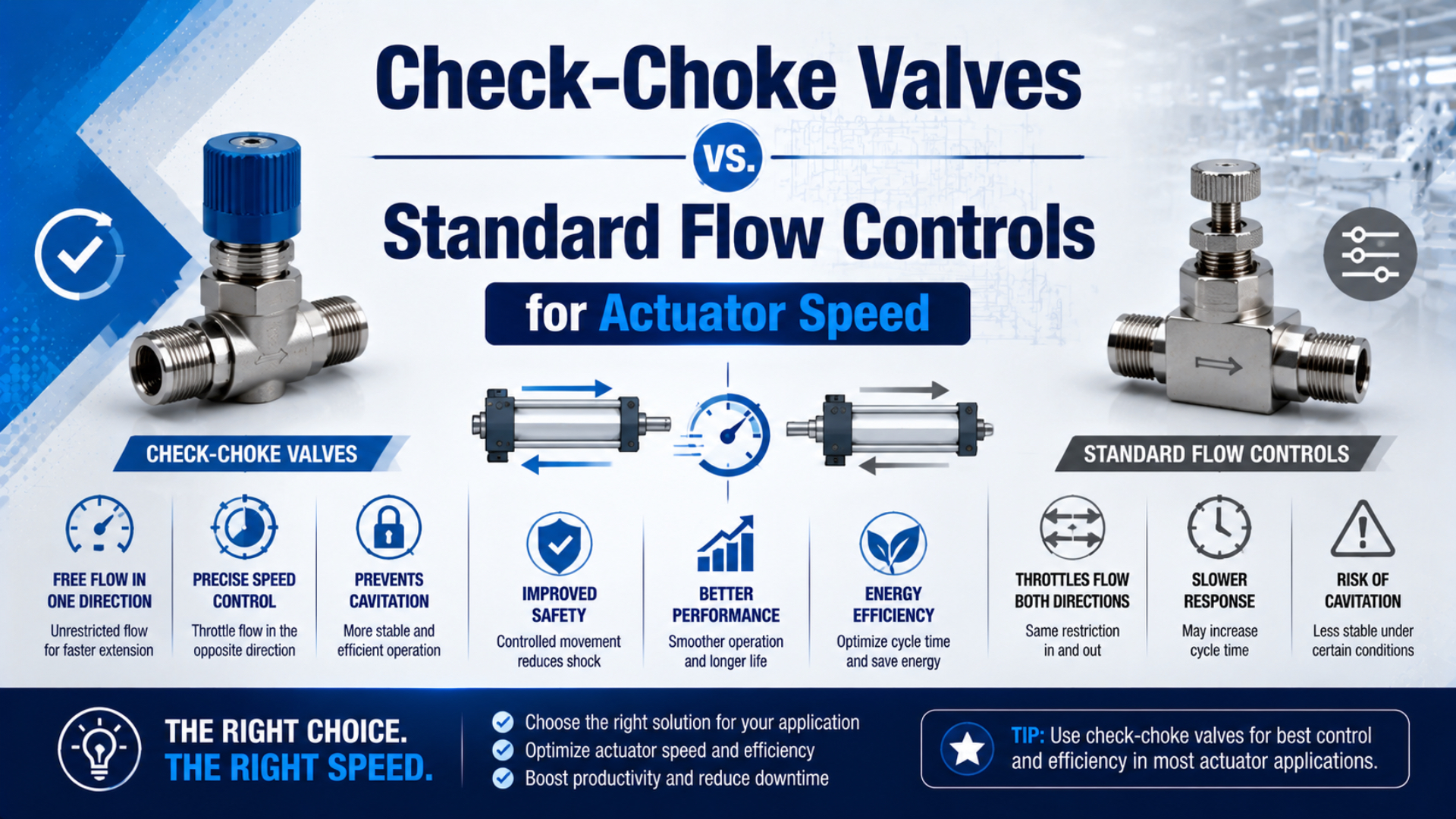
Check-Choke Valves vs. Standard Flow Controls for Actuator SpeedIdentify check-choke and bidirectional flow controls by symbol and direction; Parker recommends 2 valves for independent double-acting cylinder speeds.
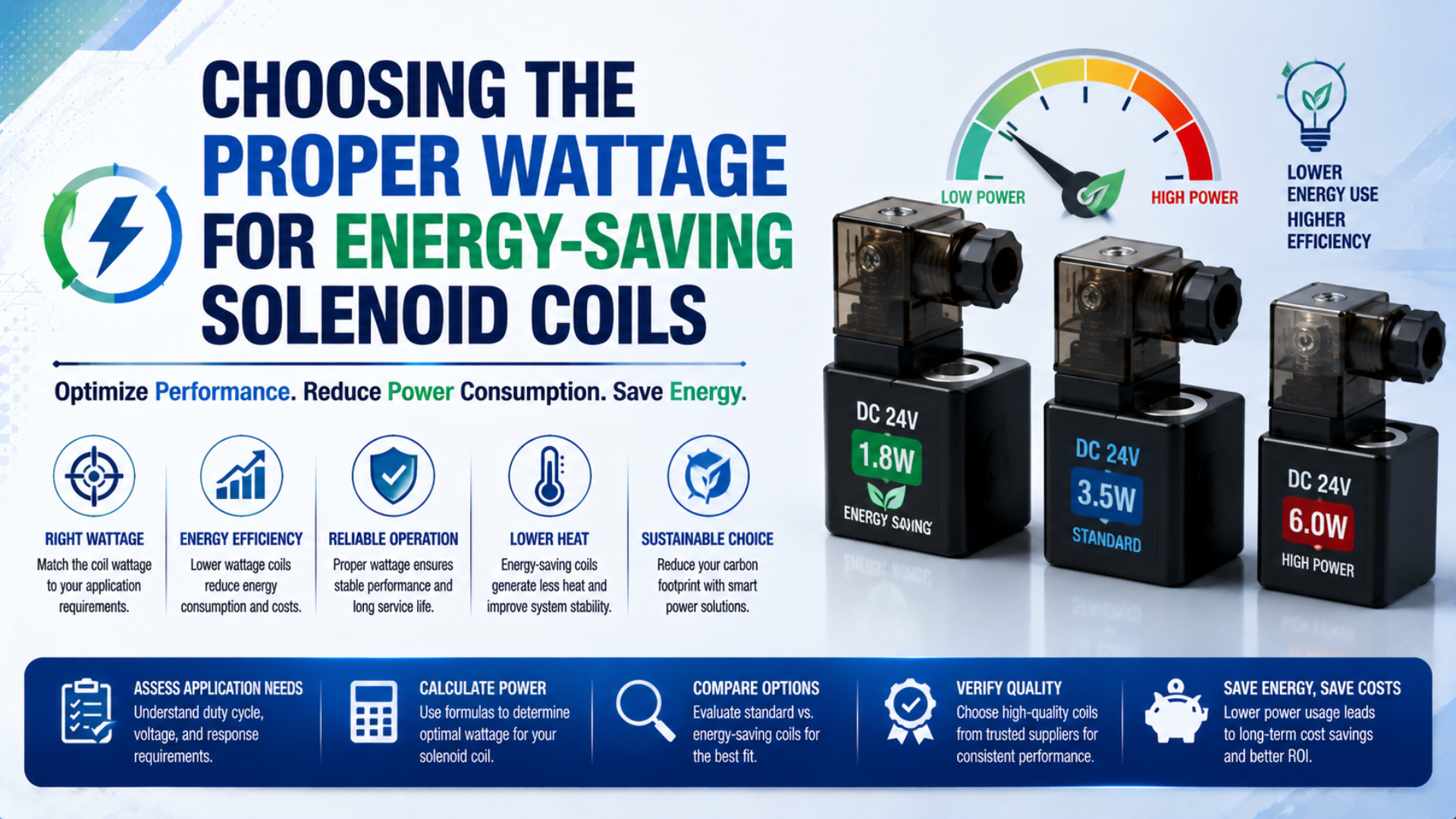
Choosing the Proper Wattage for Energy-Saving Solenoid CoilsChoose solenoid coil wattage using verified 1 W-to-0.35 W data, correct voltage-drop math, peak-current checks, thermal limits, and installed testing.
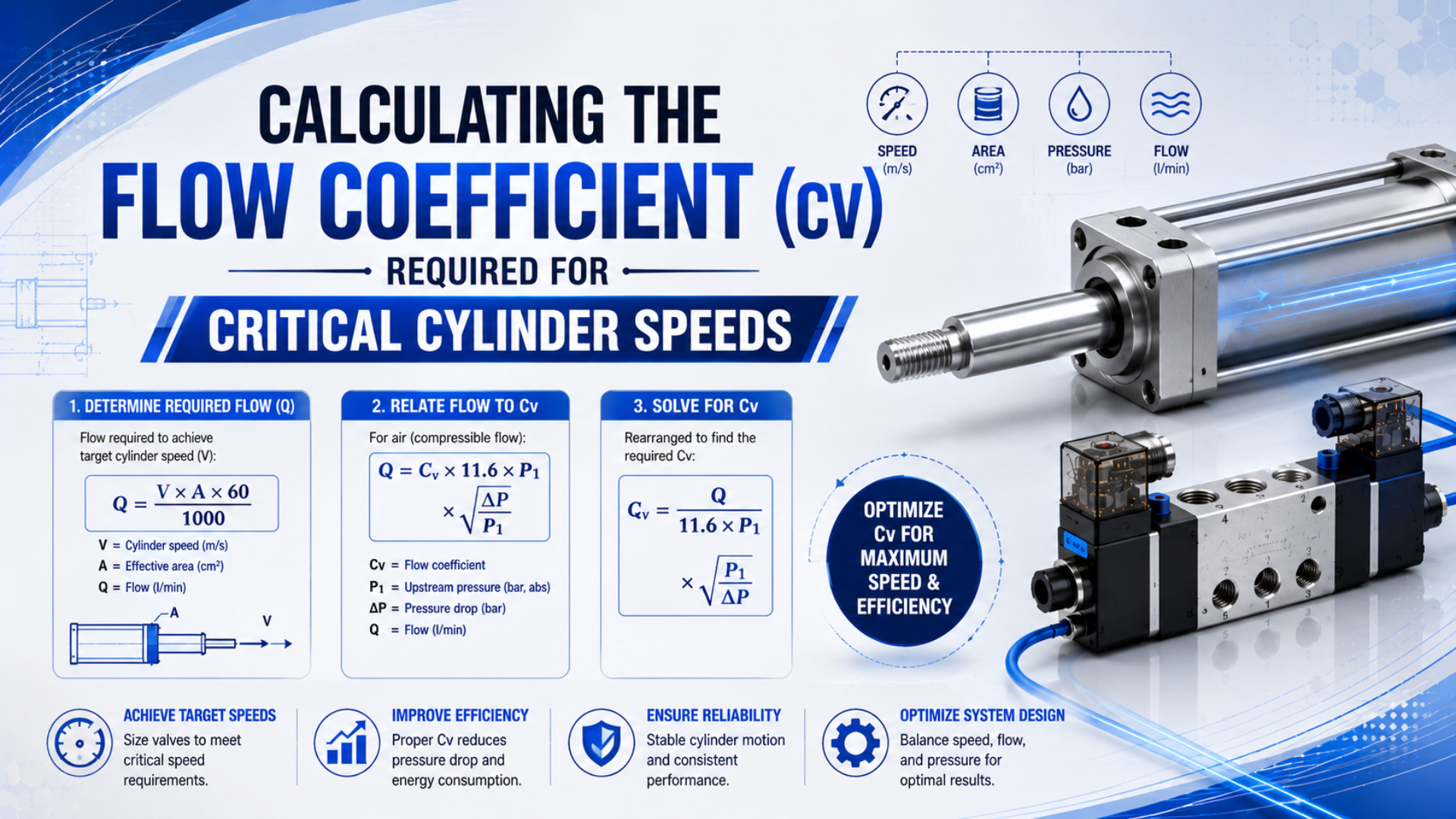
Calculating the Flow Coefficient (Cv) Required for Critical Cylinder SpeedsCalculate pneumatic valve Cv from bore, stroke, target time, pressure, and allowed drop, with a verified 63 mm cylinder example and clear validation steps.
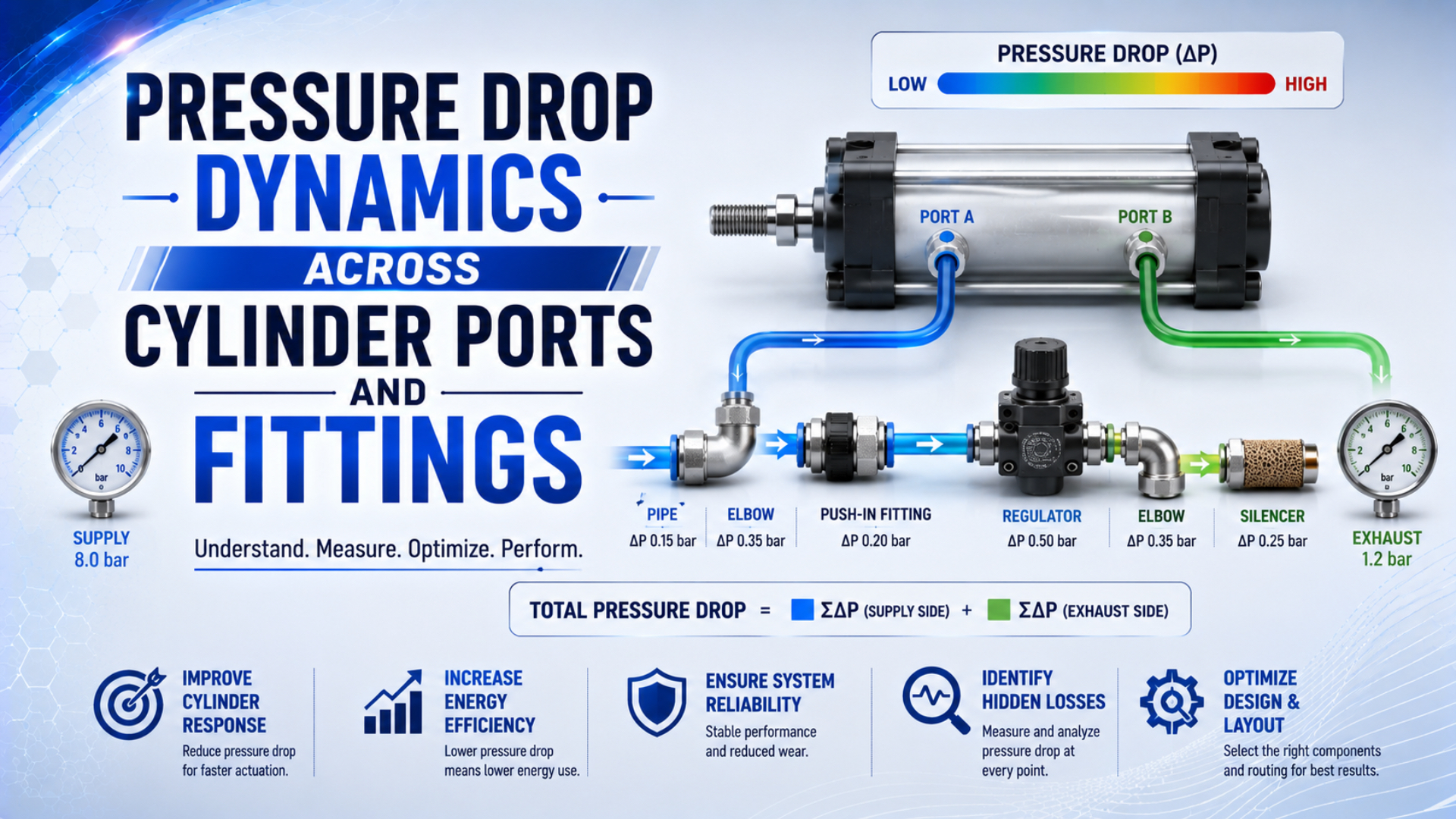
Pressure Drop Dynamics Across Cylinder Ports and FittingsMeasure pressure drop across cylinder ports and fittings with dynamic gauges, ISO 6358 flow data, and a 0.4 bar example to prevent weak, slow strokes.
Analyzing Choked Flow Phenomena in High-Speed Cylinder PortsIdeal dry air chokes near p2/p1 = 0.528. Learn to measure cylinder-port pressure, locate restrictions, and verify flow for high-speed strokes.
The Physics of Solenoid Actuation: Force, Stroke, and Response TimeLearn how solenoid force changes with stroke, why a 12 ms valve rating needs test conditions, and how current, load, and air gaps set real response time.
Spool vs. Poppet: A Deeper Dive into Sealing and Flow Path DynamicsCompare spool and poppet valves through 5 engineering checks: seal interface, metering area, pressure balance, crossover, and ISO 6358 flow data for selection.
Does Cavitation in Hydraulic and Pneumatic Valves Damage Your System?Learn why ISO 6358 separates subsonic and choked gas flow, how liquid cavitation damages valves, and which pressure and moisture checks prevent failures.
A Guide to pneumaitc Valve Port Thread Types (NPT, BSP, G) and Sealing MethodsCompare 3 valve-port thread families: ASME NPT, ISO 7 R/Rc/Rp, and ISO 228 G, with sealing checks for manifolds, adapters, and replacement valves in service.
Understanding Pressure Drop in Valve Manifold Common PassagesUnderstand valve-manifold passage pressure drop using SMC's two-end supply rule above 4 stations, ISO 6358 data, dynamic tests, and pressure-zone design.
How to Calculate Minimum Pilot Pressure for Pilot-Operated ValvesCalculate minimum pilot pressure from valve architecture, datasheet limits, pilot-line losses, and dynamic tests using verified 0.1 to 0.2 MPa examples.
Flow vs. Pressure: Sizing a Valve for Speed vs. ForceParker lists 754 N outward and 633 N return at 6 bar for one 40/16 mm cylinder. Separate force from flow, size the air path, and verify loaded stroke time.
A Comparison of Piezoelectric vs. Solenoid Actuation in Proportional ValvesOne solenoid example responds in under 10 ms. Compare piezoelectric and solenoid proportional valves by flow, power, pressure, hysteresis, and duty cycle.
Pneumatic Valve Sizing Calculations: How Do You Ensure Optimal Flow Performance in Your System?Size pneumatic valves from cylinder volume, absolute pressure, stroke time, and Parker’s Cv 1.06 example, then verify supply and exhaust flow under load.
How to Calculate Flow Coefficient (Cv) from Valve Test DataAn engineering workflow for reducing valve test data into a defensible Cv, including liquid and gas equations, uncertainty, and reporting requirements.
How to Read and Interpret a Valve Flow (Cv) ChartRead valve Cv charts with 5 checks for axes, flow path, test conditions, curve type, and pressure limits before comparing pneumatic valve capacity data.
How to Calculate the Force Generated by a Valve’s Solenoid PlungerCalculate solenoid plunger force with magnetic pressure, virtual work, and valve-load checks, including a worked 0.8 T, 10 mm pole-face example in practice.
Sizing a Solenoid Valve for a Specific Cylinder Stroke TimeSize a solenoid valve for a 0.5-second cylinder stroke using correct extend/retract flow, ISO 6358 data, path checks, and dynamic validation on the machine.
The Impact of Port Size vs. Internal Orifice Size on Valve PerformanceSMC lists two 1/4-inch valves at Cv 0.9 and 1.7. Compare port size, internal paths, ISO 6358 data, and pressure drop before valve selection.
A Technical Guide to Pressure-Compensated Flow Control ValvesLearn how pneumatic pressure-compensated flow valves work, where compensation ends, and how to select, install, and test one without confusing it with Cv.
The Function of Two-Pressure Valves (AND Logic) in Pneumatic CircuitsLearn how a two-pressure valve performs pneumatic AND logic across 4 input states, handles unequal pressures, and differs from a safety-rated two-hand control.
A Technical Guide to Pneumatic Shuttle Valves (OR Logic)Select pneumatic shuttle valves using verified OR logic, pressure differential, ISO 6358 flow data, safety limits, installation checks, and RFQ criteria.
The Role of Check Valves in Preventing Backflow in Complex CircuitsPrevent pneumatic backflow with 7 circuit checks covering valve direction, cracking pressure, flow loss, reverse leakage, pilot release, and stored energy.
The Impact of Turbulent vs. Laminar Flow on Valve SizingLearn how Reynolds number affects pneumatic valve sizing, why ISO 6358 data governs compressed-air flow, and when the 2300-4000 pipe range actually applies.
How to Use Flow Amplifiers to Increase Cylinder SpeedLearn why a 25:1 air amplifier cannot feed a pressurized cylinder, when volume boosters or quick exhaust valves help, and how to verify cylinder speed.
The Engineering of Non-Return and Pilot-Operated Check ValvesCompare non-return and pilot-operated check valves using Festo's 0.1 bar example, pilot-release force balance, flow data, leakage limits, and safety checks.
How Does Choked Flow Physics Limit Your Pneumatic Cylinder’s Maximum Speed and Performance?Learn how choked flow limits pneumatic cylinder speed, use the 0.528 pressure ratio, calculate stroke demand, and diagnose supply or exhaust restrictions.
Why Are Hydrodynamic Models Essential for Optimizing Your Pneumatic System Efficiency?Choose pneumatic flow models using ISO 6358, pipe loss, transient mass balance, and CFD boundaries, then verify CAGI's 10% pressure-drop target in operation.
3/2 vs. 5/2 Way Solenoid Valves: An Application-Based ComparisonChoose 3/2 or 5/2 solenoid valves using 5 circuit checks: actuator ports, normal state, failure behavior, required flow, exhaust control, and lifecycle cost.
Decoding Solenoid Valve Response Times for Precision ApplicationsBuild a solenoid valve response-time budget with ISO 12238 and SMC 12-64 ms product data, then verify driver, tubing, exhaust, and machine timing reliably.
A Guide to NAMUR Standard Solenoid Valves for Process AutomationSelect NAMUR solenoid valves by VDI/VDE 3845 interface, 3/2 or 5/2 function, flow, fail state, coil, Ex approval, and actuator compatibility during replacement.
The Engineer’s Guide to Pneumatic Flow Control Valve SizingSize pneumatic flow control valves with Parker's Cv 1.06 example, cylinder stroke-time demand, pressure drop, tubing, exhaust paths, and commissioning checks.
Selecting the Right Manual & Mechanical Valves for Your Pneumatic CircuitSelect manual and mechanical pneumatic valves by function, return state, Cv, pressure, and safety needs, using catalog data from 0.17 to 0.83 Cv for safe use.
Optimizing Pneumatic Valve Placement for System EfficiencyOptimize pneumatic valve placement using CAGI's 10% pressure-drop limit, tube-volume checks, exhaust analysis, zoning, maintenance access, and measured tests.
A Guide to Pneumatic Check Valves and Their Critical FunctionsSelect pneumatic check valves using cracking pressure, forward flow, reverse leakage, pilot ratio, installation, testing, and machine safety requirements.
Integrating Safety Exhaust Valves into Your Pneumatic Machine GuardingIntegrate safety exhaust valves using ISO 13849 risk assessment, monitored valve architecture, pressure-decay testing, residual-energy control, and LOTO.
How to Mitigate Water Hammer in Pneumatic Valve SystemsMitigate pneumatic water hammer by separating 4 faults, measuring pressure, and controlling valve flow, exhaust back pressure, cushioning, and condensate.
A Comparison of Spool vs. Poppet Valve Designs for Industrial UseCompare spool and poppet valves by leakage, crossover, flow and pressure. Parker recommends a poppet when leakage below 5 drops/min is required in service.
The Importance of Valve Flow (Cv) in System PerformanceDiagnose valve Cv bottlenecks with Parker’s Cv 1.06 example, ISO 6358 flow data, dynamic pressure checks, and a cycle-time acceptance worksheet.
How to Build a Reliable Pneumatic Circuit with Modular ValvesBuild a reliable modular pneumatic circuit using ISO valve interfaces, a 10% pressure-drop limit, defined fault states, and measured commissioning tests.
The Difference Between Direct-Acting and Pilot-Operated Solenoid ValvesCompare direct and pilot-operated solenoid valves. Bürkert lists DN 6 direct and DN 50 servo-assisted ranges; select safely by pressure, flow, and media.
What Causes Choked Flow in Pneumatic Systems and How Does It Impact Performance?Diagnose pneumatic choked flow at the 0.528 pressure-ratio limit with NASA sonic-flow rules, Parker valve checks, calculators, and fixes for slow cylinders.
How Do Pilot Operated Valves Work and Why Are They Essential for Industrial Automation?Learn how pilot operated valves use pressure differential, why many indirect types need 0.5 bar, and how to size flow, pilot air, and exhaust.
How Do Pneumatic Pilot Operated Valves Work and Why Are They Essential for Industrial Automation?Learn how pneumatic pilot operated valves use a pilot stage to shift a main spool, compare 5/2 and 5/3 options, and apply CAGI's 10% pressure-drop rule.