
 What Are the Cost Differences Between Cylinders and Electric Actuators?Compare cylinder vs electric actuator costs with Tolomatic TCO, DOE 20-30% air-leak loss, CAGI 10% pressure-drop target, RFQ checks, and energy tools.→
Blog Author
David Li
Hello, I'm David, a Bepto Pneumatic chief technical advisor. I help teams review compressed-air safety, system reliability, and practical product decisions before quotation.
Author Reading Path
Articles by David Li
112 articles sorted newest first for readers who want one author's pneumatic selection notes in one place.
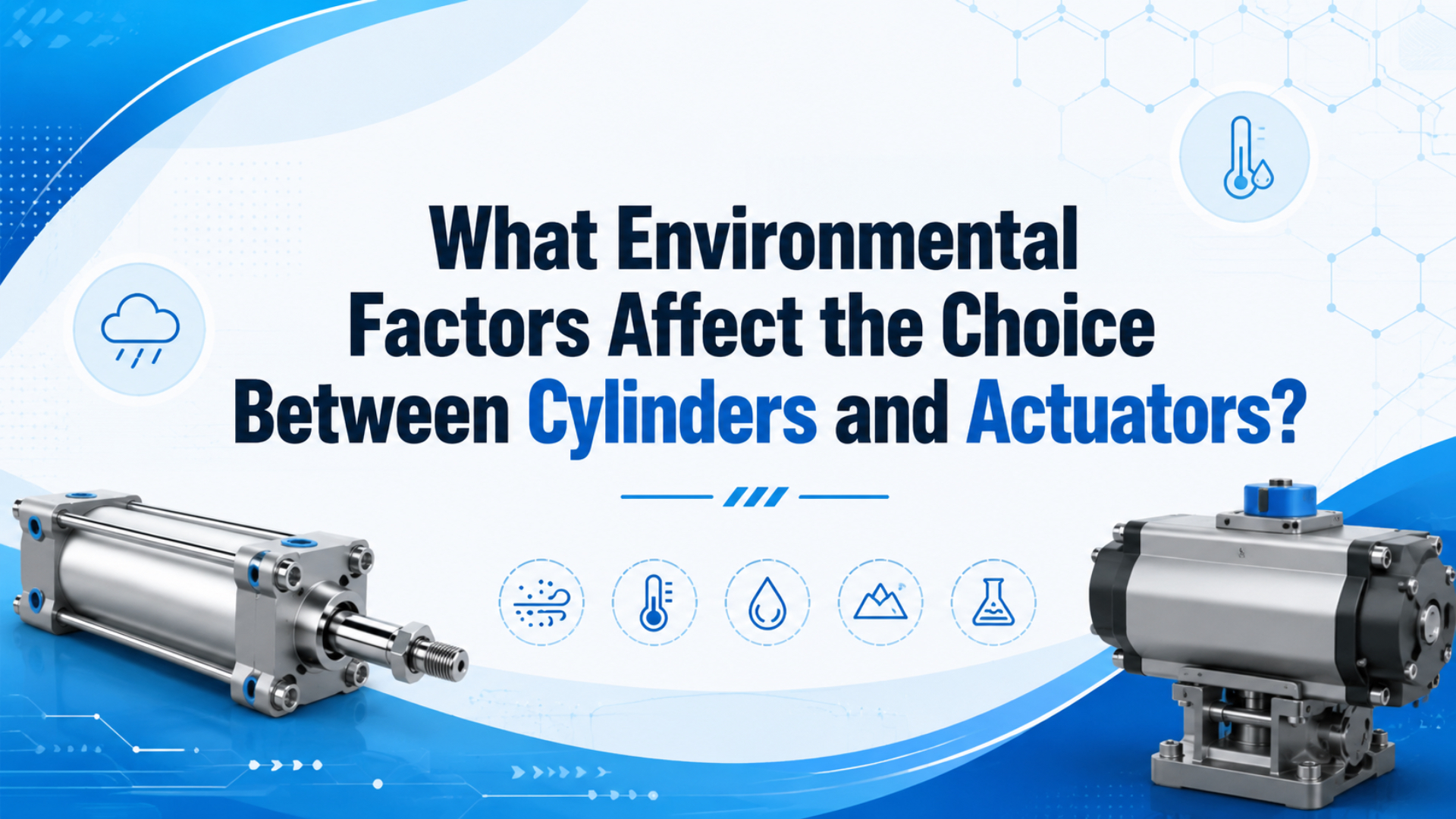 What Environmental Factors Affect the Choice Between Cylinders and Actuators?Use a harsh-environment actuator checklist with ISO 15552's 1,000 kPa pneumatic cylinder class, OSHA 1910.307, ATEX, IP ratings, washdown, and RFQ checks.→
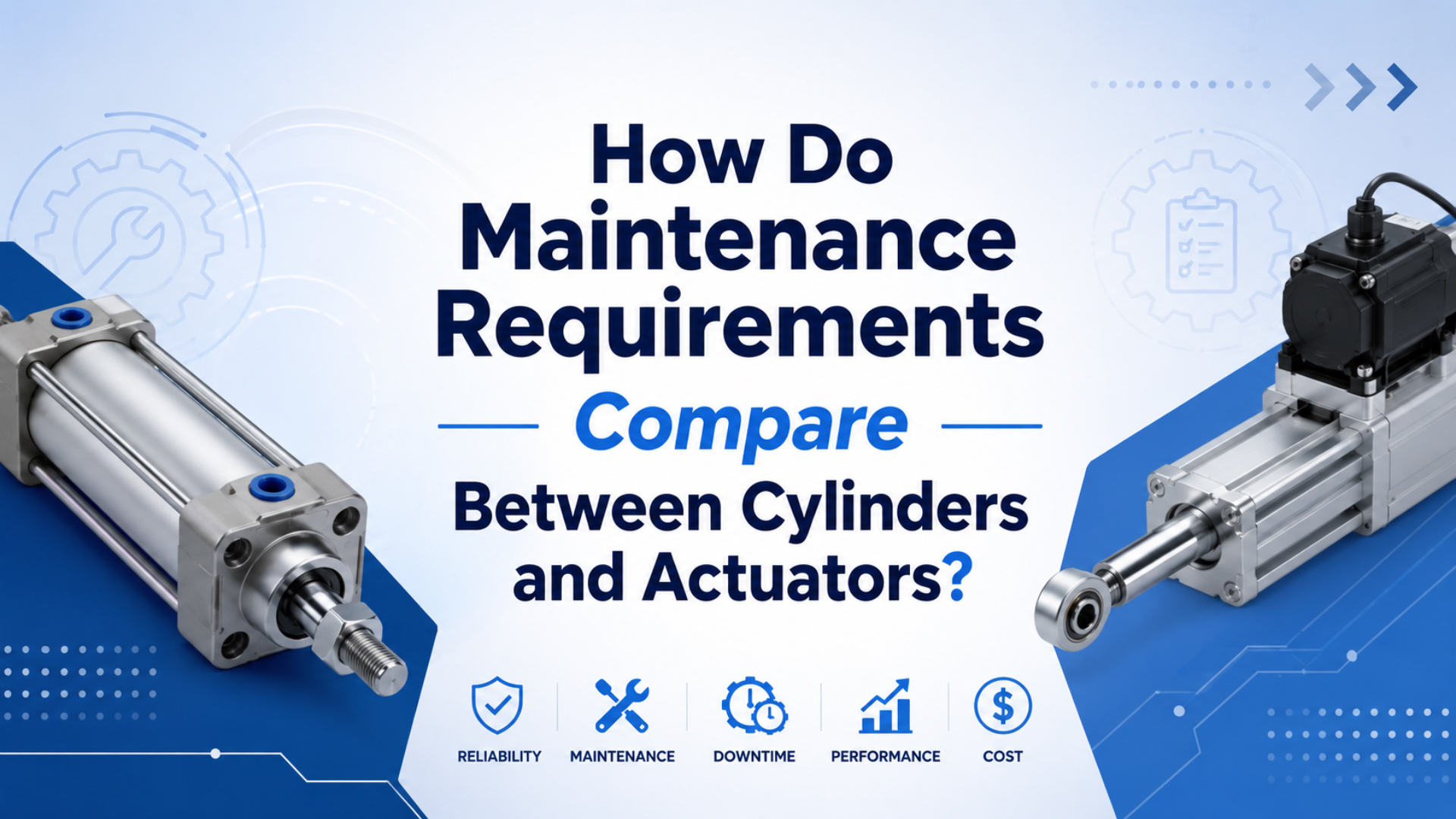 How Do Maintenance Requirements Compare Between Cylinders and Actuators?Compare cylinder and actuator maintenance using DOE's 20-30% leak-loss range, OSHA LOTO rules, ISO 8573 air quality, and TCO service checks for downtime risk.→
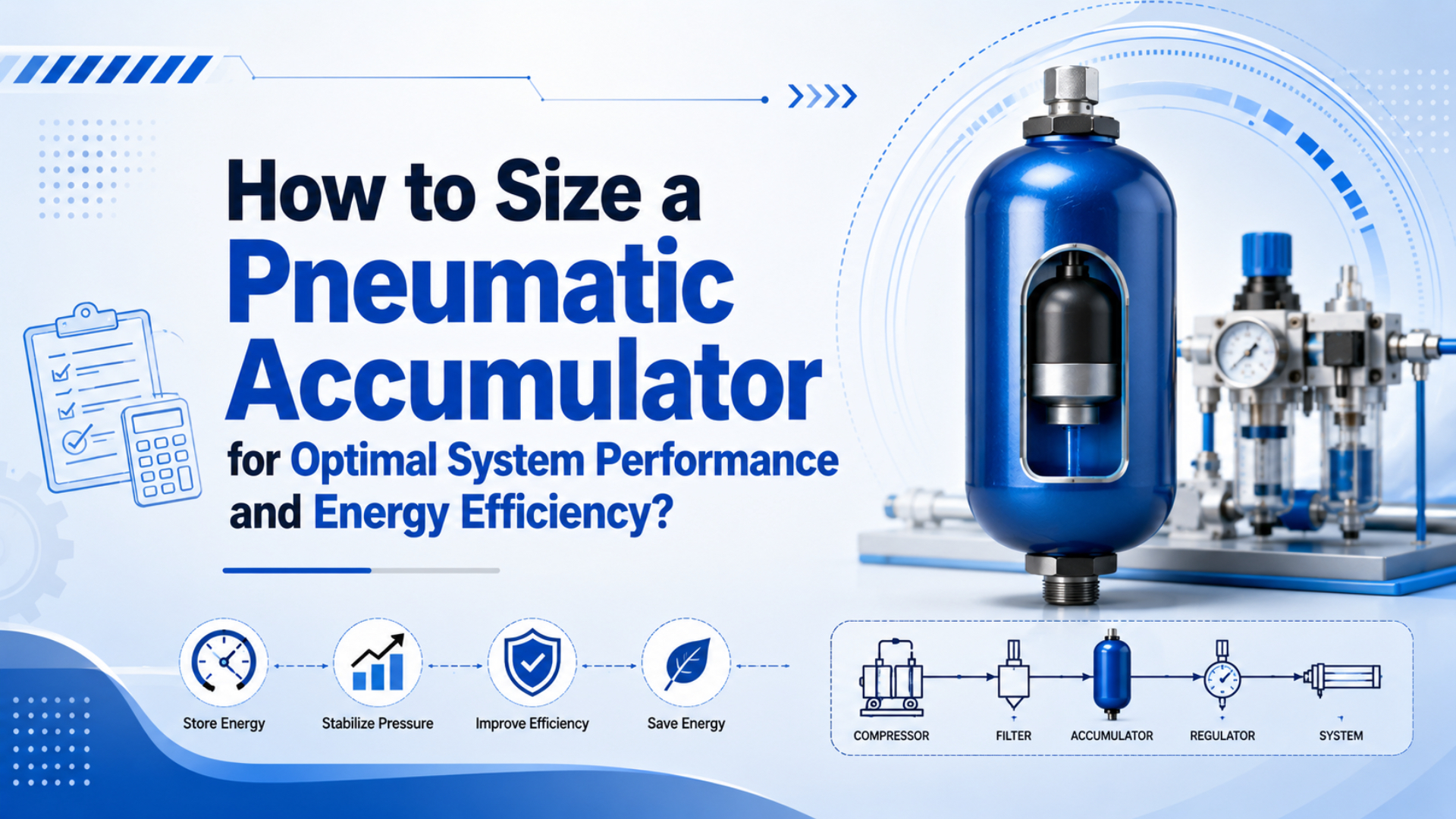 How to Size a Pneumatic Accumulator for Optimal System Performance and Energy Efficiency?Size pneumatic accumulators from peak flow, pressure band, DOE receiver math, CAGI's 10% pressure-drop target, and OSHA receiver safety checks, not guesswork.→
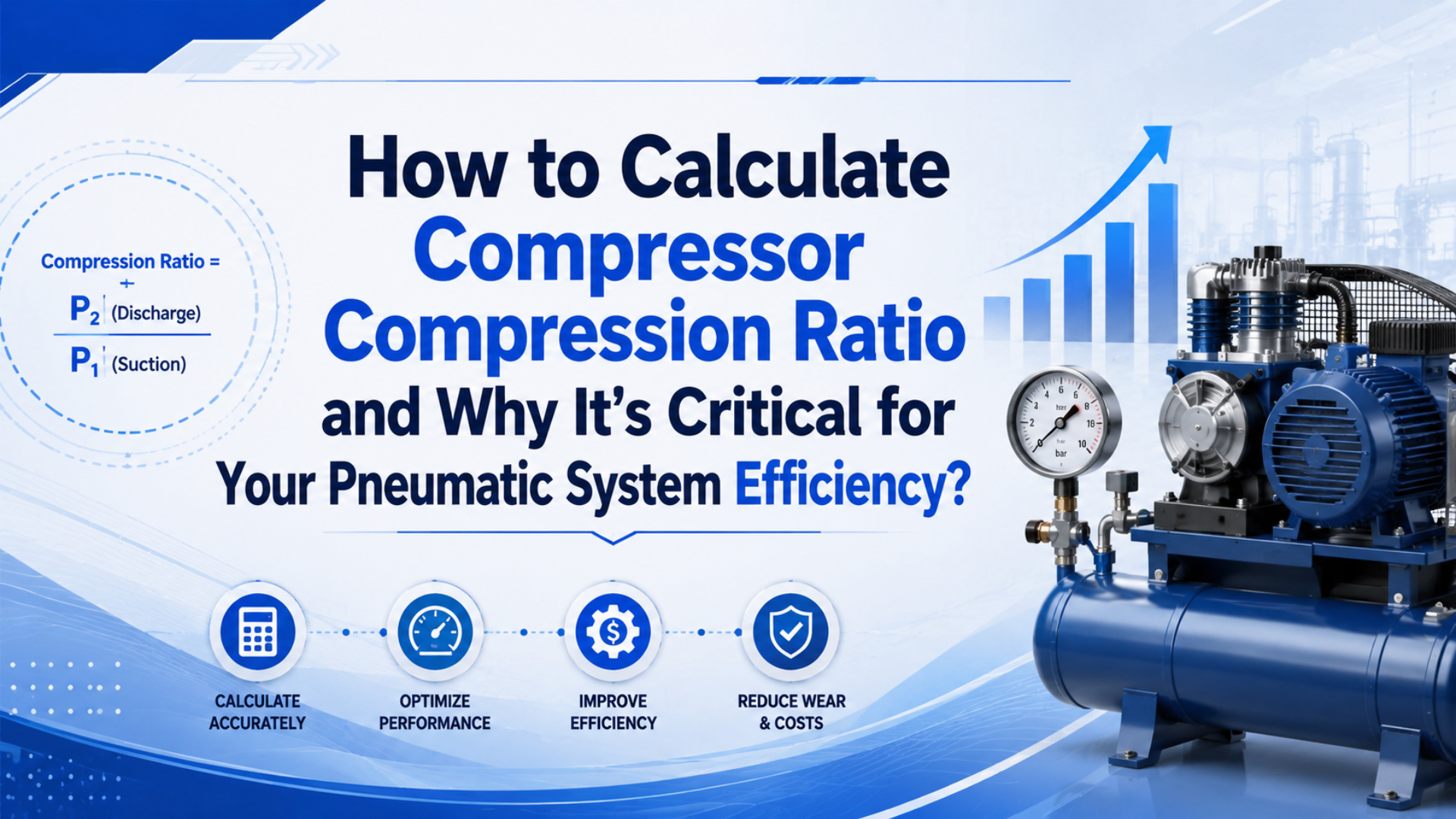 How to Calculate Compressor Compression Ratio and Why It’s Critical for Your Pneumatic System Efficiency?Calculate compressor compression ratio with absolute pressure, CAGI 10% pressure-drop checks, DOE 1.6-2% energy rule, and altitude corrections for plant air.→
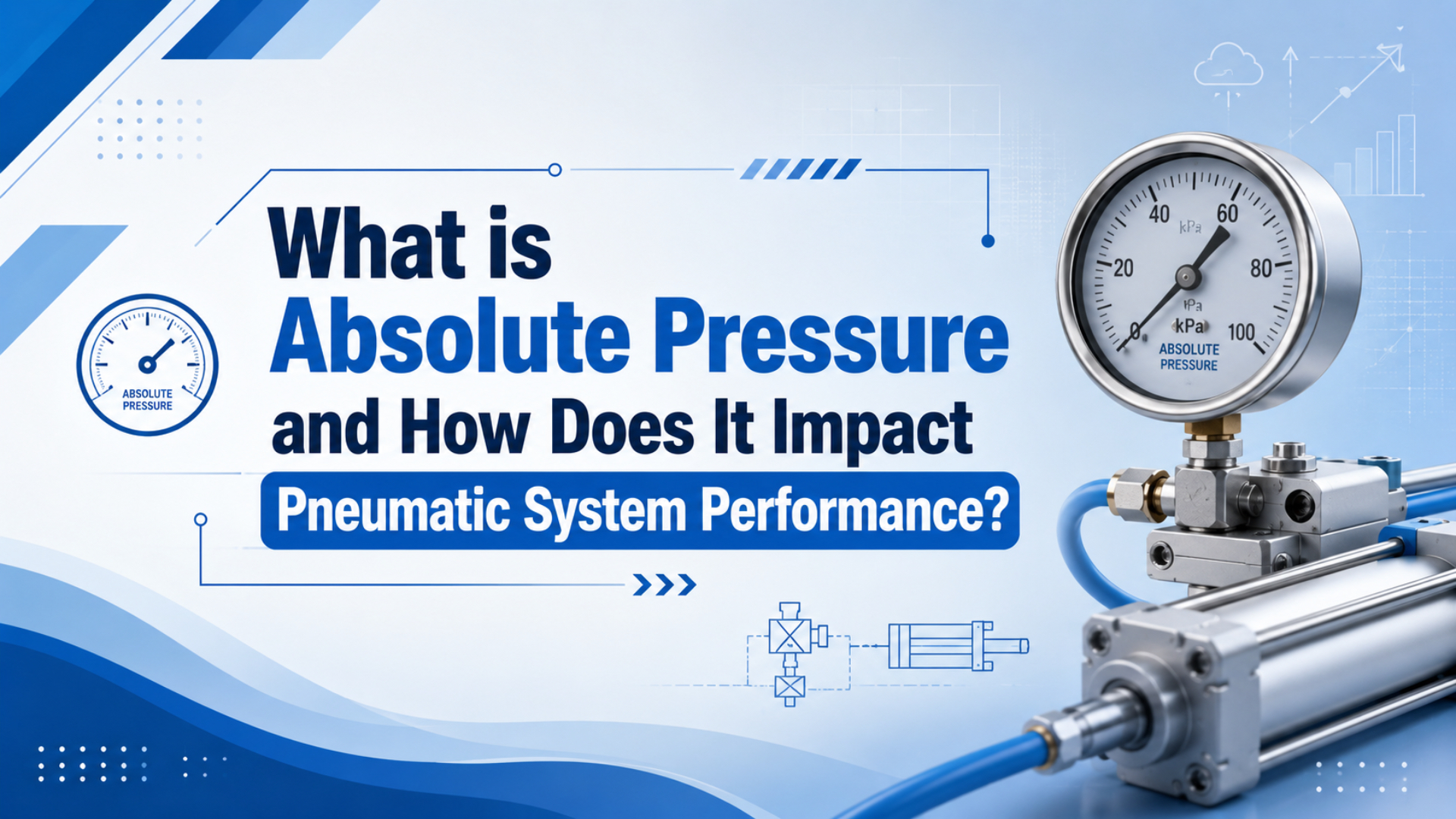 What is Absolute Pressure and How Does It Impact Pneumatic System Performance?Use absolute pressure for pneumatic gas laws, compressor ratios, altitude checks, and vacuum work; 80 PSIG at sea level equals 94.7 PSIA, not 80 PSIA.→
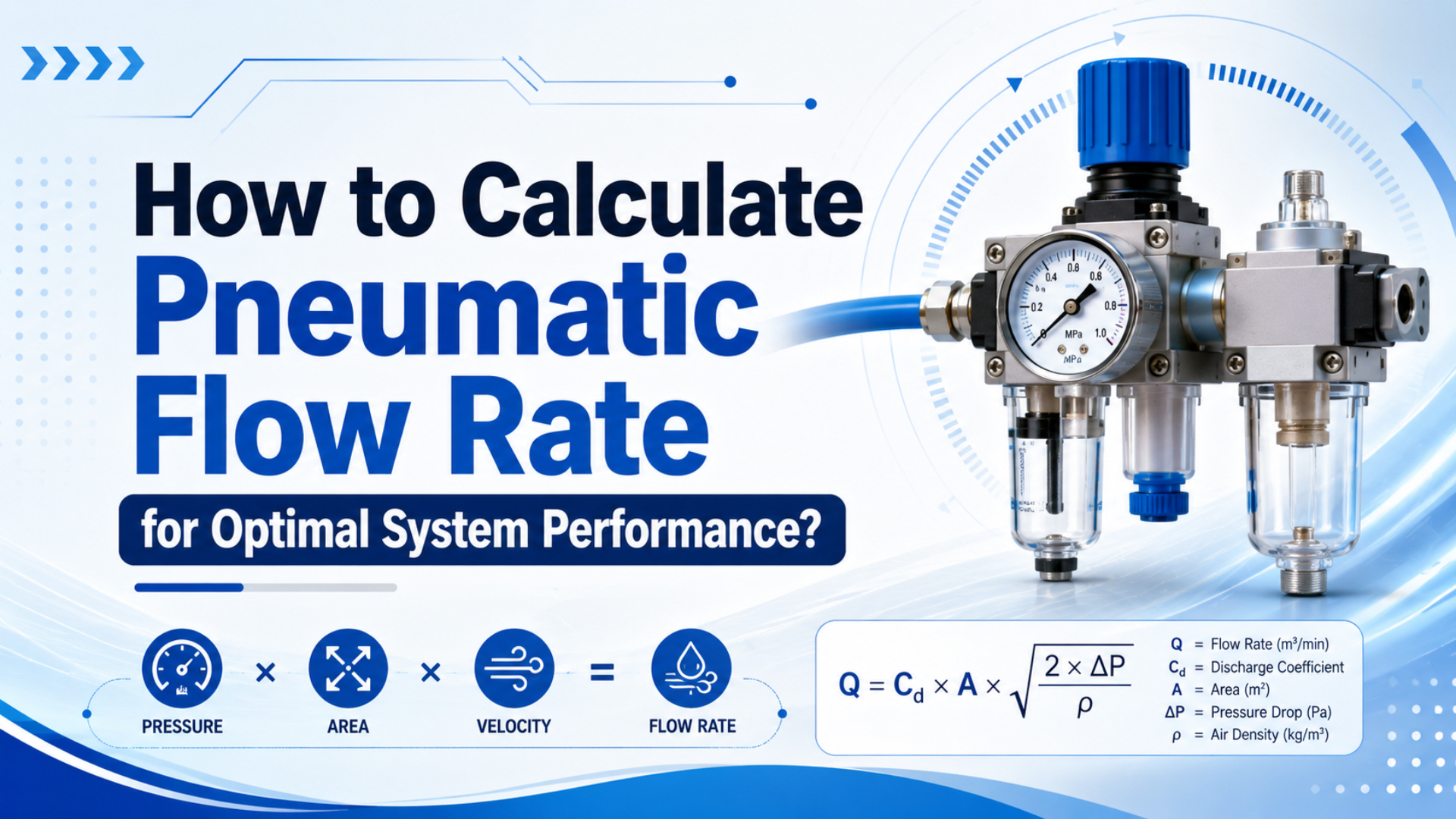 How to Calculate Pneumatic Flow Rate for Optimal System Performance?Calculate pneumatic flow rate from cylinder volume, cycle rate, pressure ratio, CAGI's 10% pressure-drop rule, Parker Cv checks, and 20-30% leak risk.→
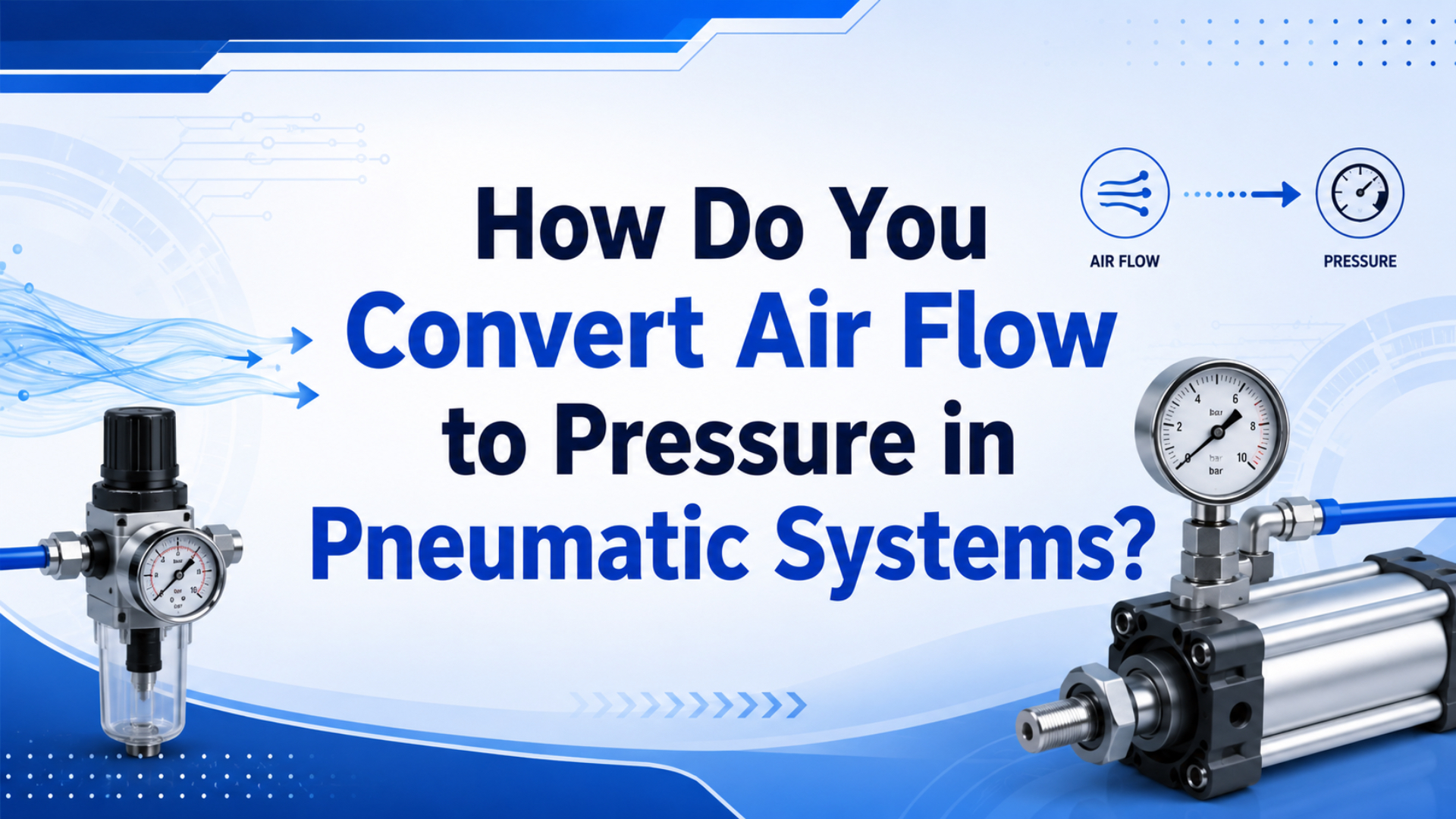 How Do You Convert Air Flow to Pressure in Pneumatic Systems?Convert air flow to pressure by measuring resistance, not using a direct formula. Includes CAGI 10% pressure-drop rule, Cv checks, and 1 psi=6894.757 Pa.→
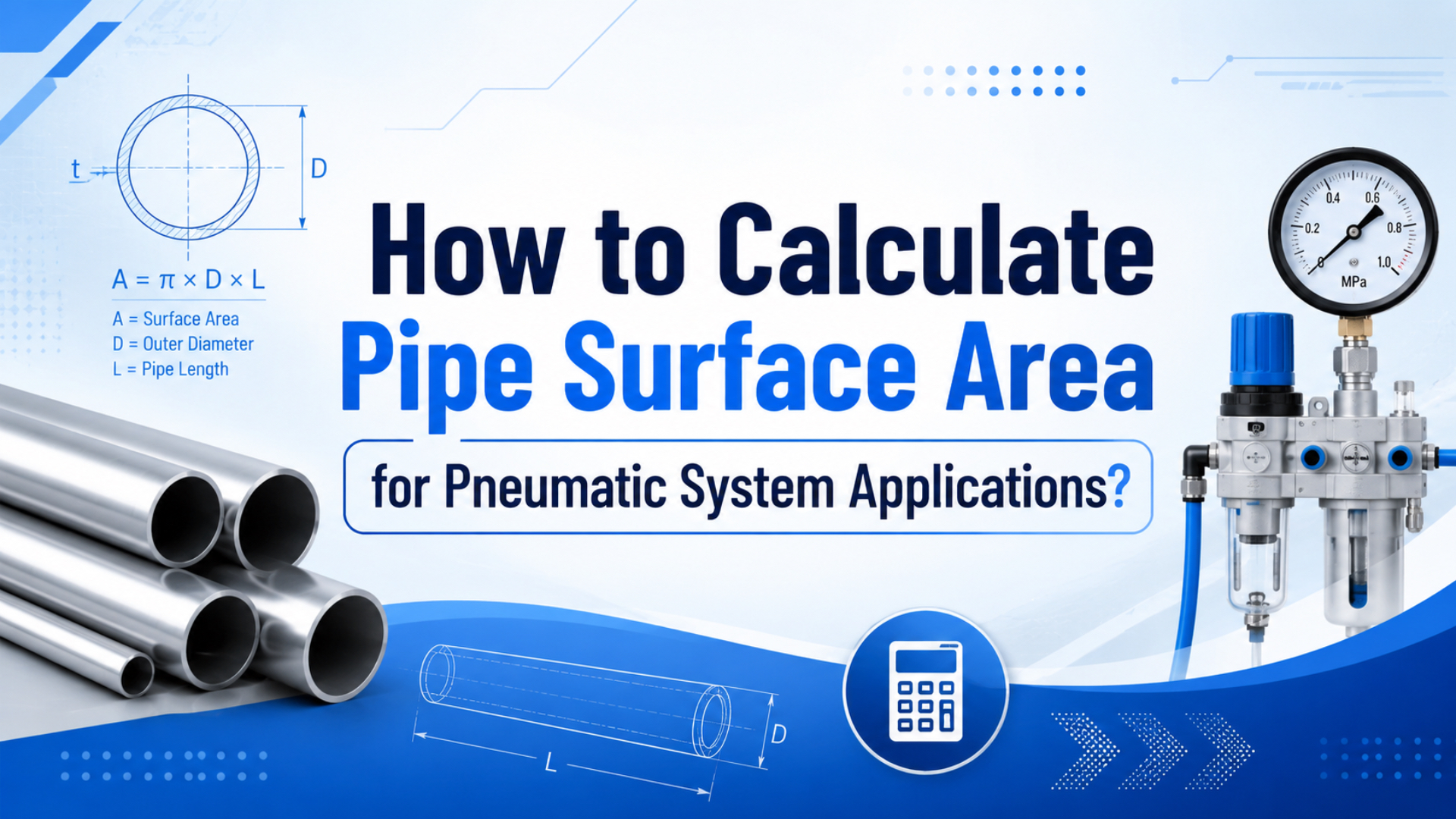 How to Calculate Pipe Surface Area for Pneumatic System Applications?Calculate pipe surface area for pneumatic tubing with piDL/pi dL formulas, CAGI 10% pressure-drop guidance, coating checks, and sizing examples for engineers.→