
 Low-Power Solenoid Valves: A Guide for Energy-Conscious Plant ManagersEvaluate low-power solenoid valves using verified 1 W-to-0.35 W data, correct energy-cost math, compatibility checks, payback rules, and a measured plant pilot.→
Blog Author
David Li
Hello, I'm David, a Bepto Pneumatic chief technical advisor. I help teams review compressed-air safety, system reliability, and practical product decisions before quotation.
Author Reading Path
Articles by David Li
112 articles sorted newest first for readers who want one author's pneumatic selection notes in one place.
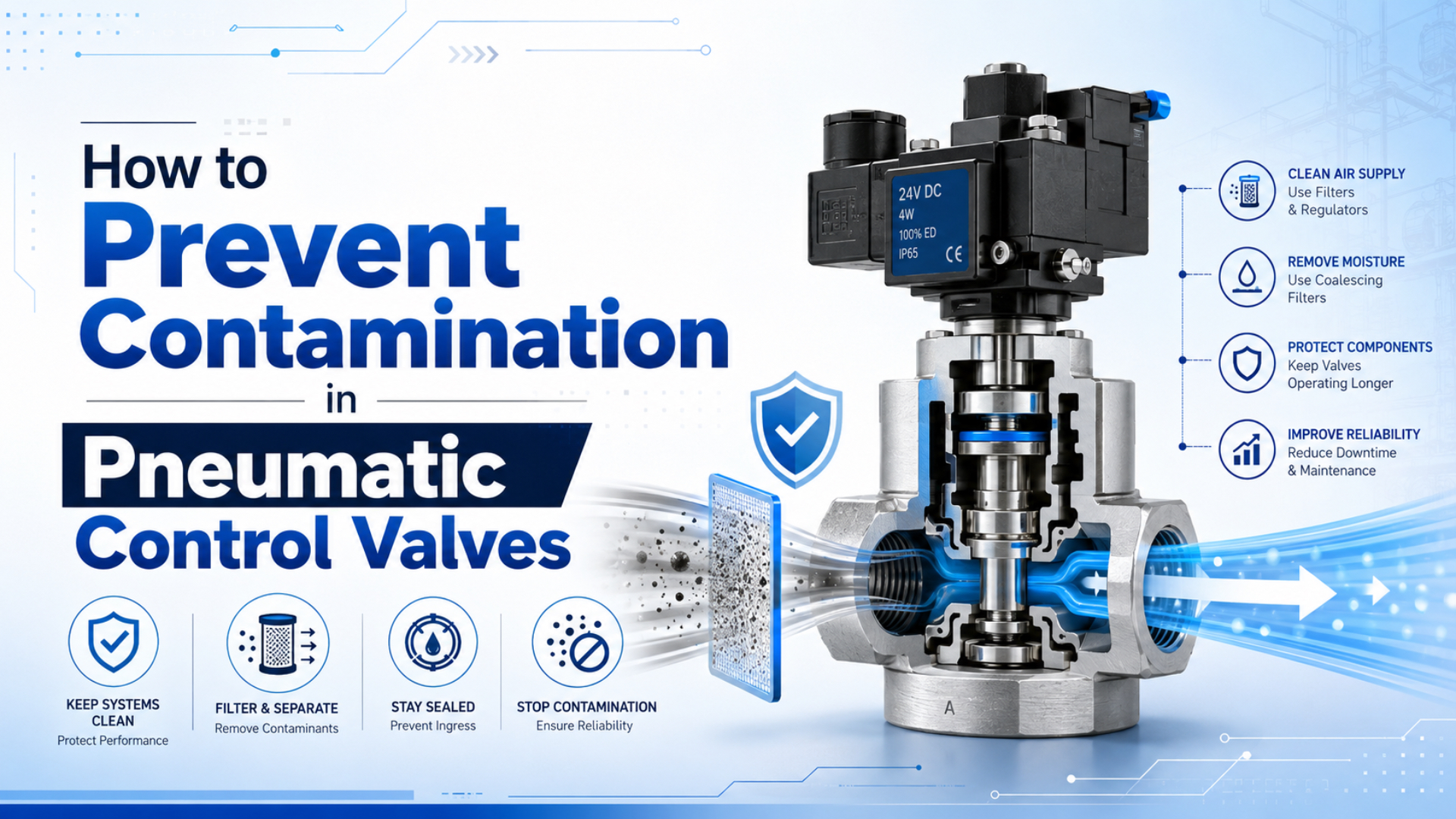 How to Prevent Contamination in Pneumatic Control ValvesPrevent pneumatic valve contamination using ISO 8573 classes, 5 µm point-of-use filtration, correct drying, representative sampling, and maintenance checks.→
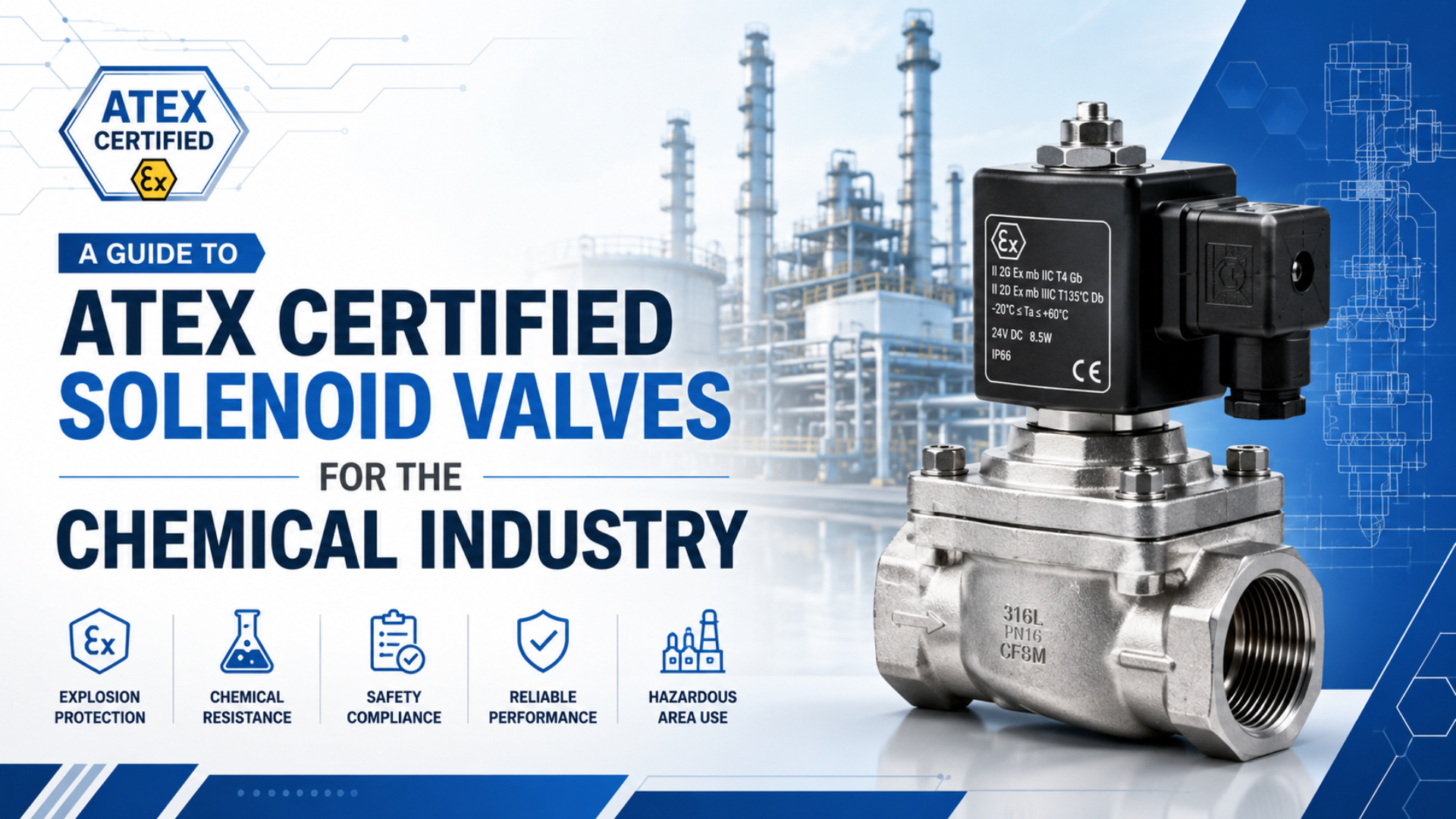 A Guide to ATEX Certified Solenoid Valves for the Chemical IndustrySelect ATEX solenoid valves by Zone, Category, EPL, gas or dust group, temperature marking, protection concept, certificate, and chemical compatibility.→
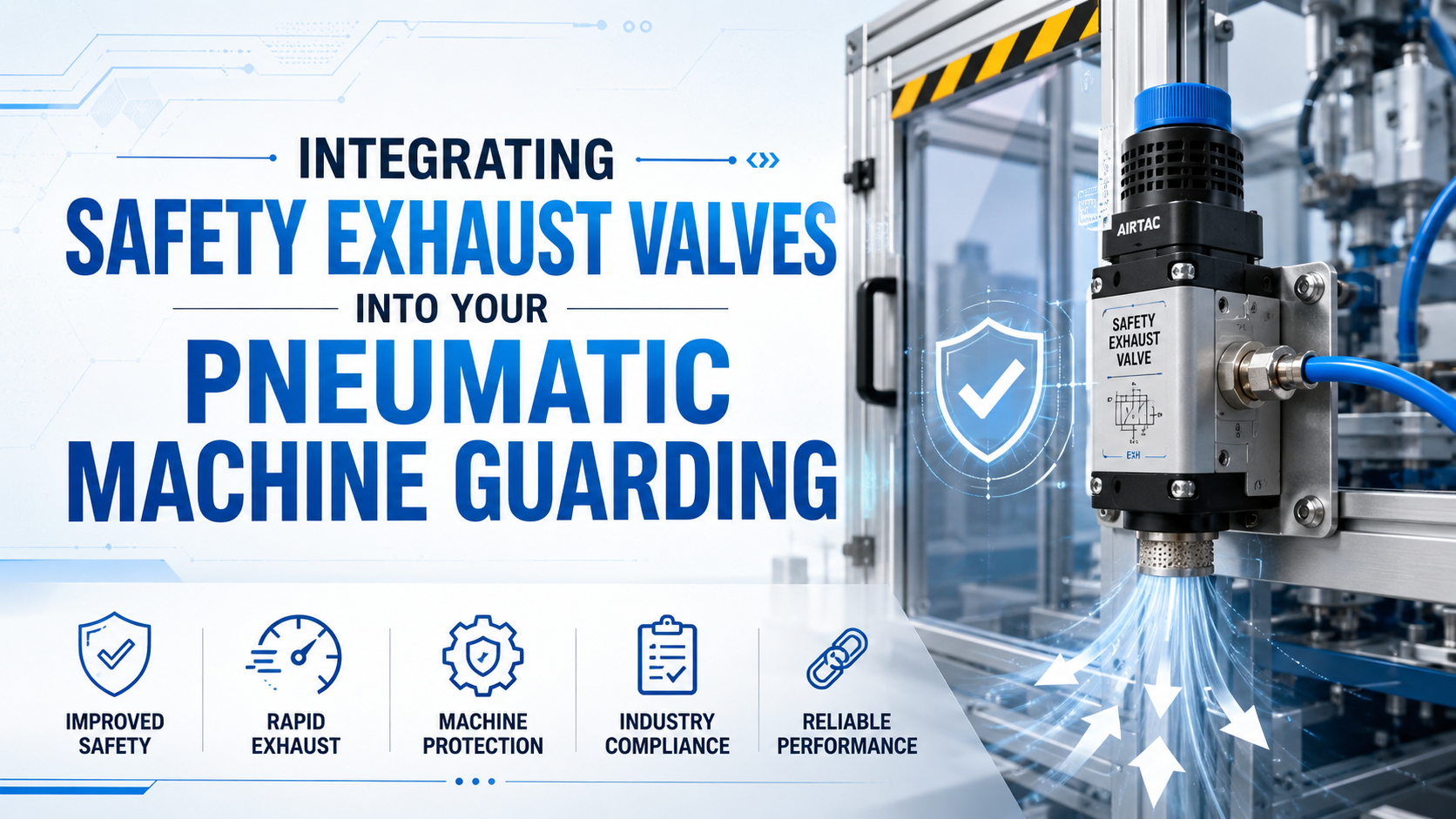 Integrating Safety Exhaust Valves into Your Pneumatic Machine GuardingIntegrate safety exhaust valves using ISO 13849 risk assessment, monitored valve architecture, pressure-decay testing, residual-energy control, and LOTO.→
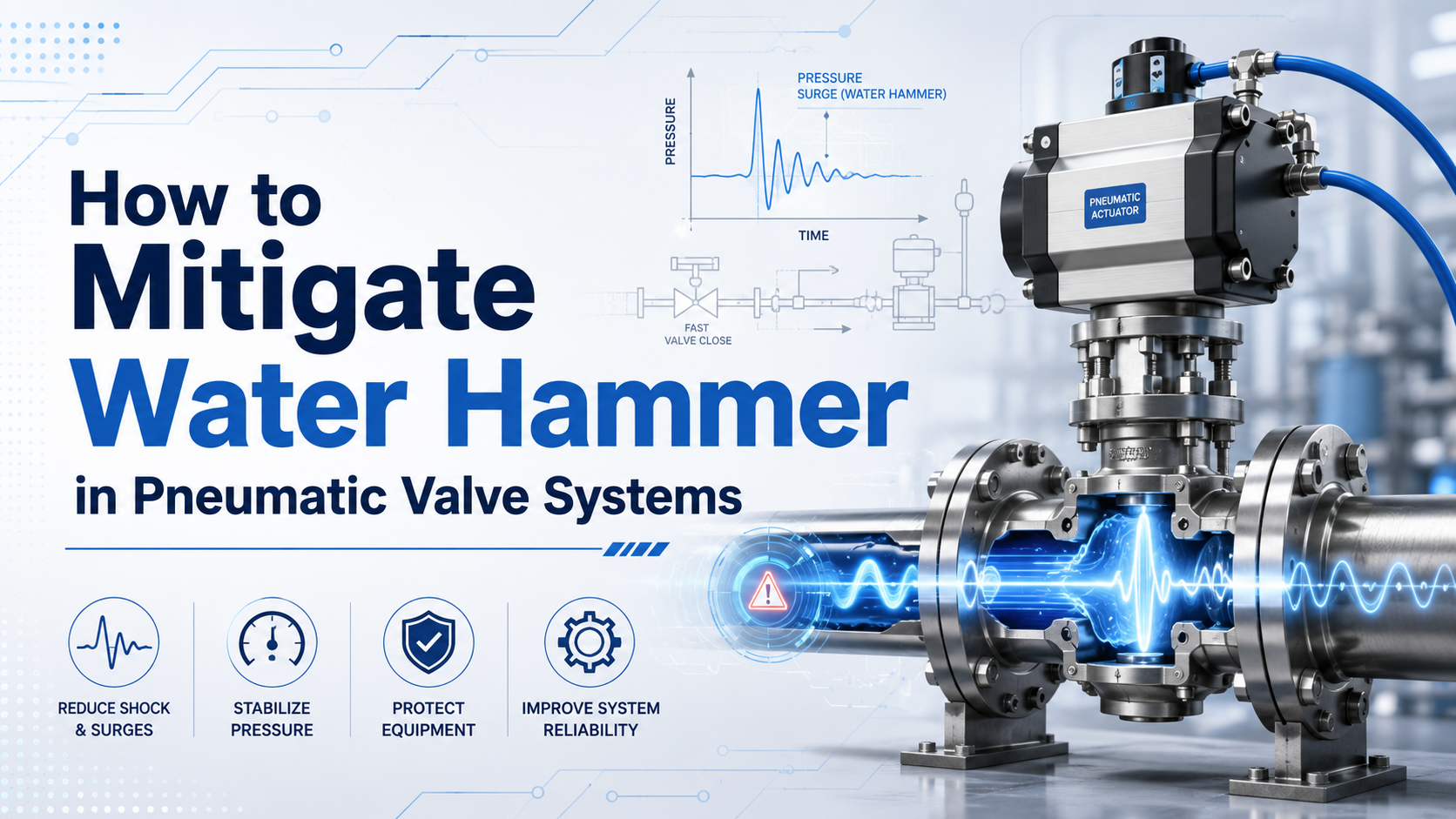 How to Mitigate Water Hammer in Pneumatic Valve SystemsMitigate pneumatic water hammer by separating 4 faults, measuring pressure, and controlling valve flow, exhaust back pressure, cushioning, and condensate.→
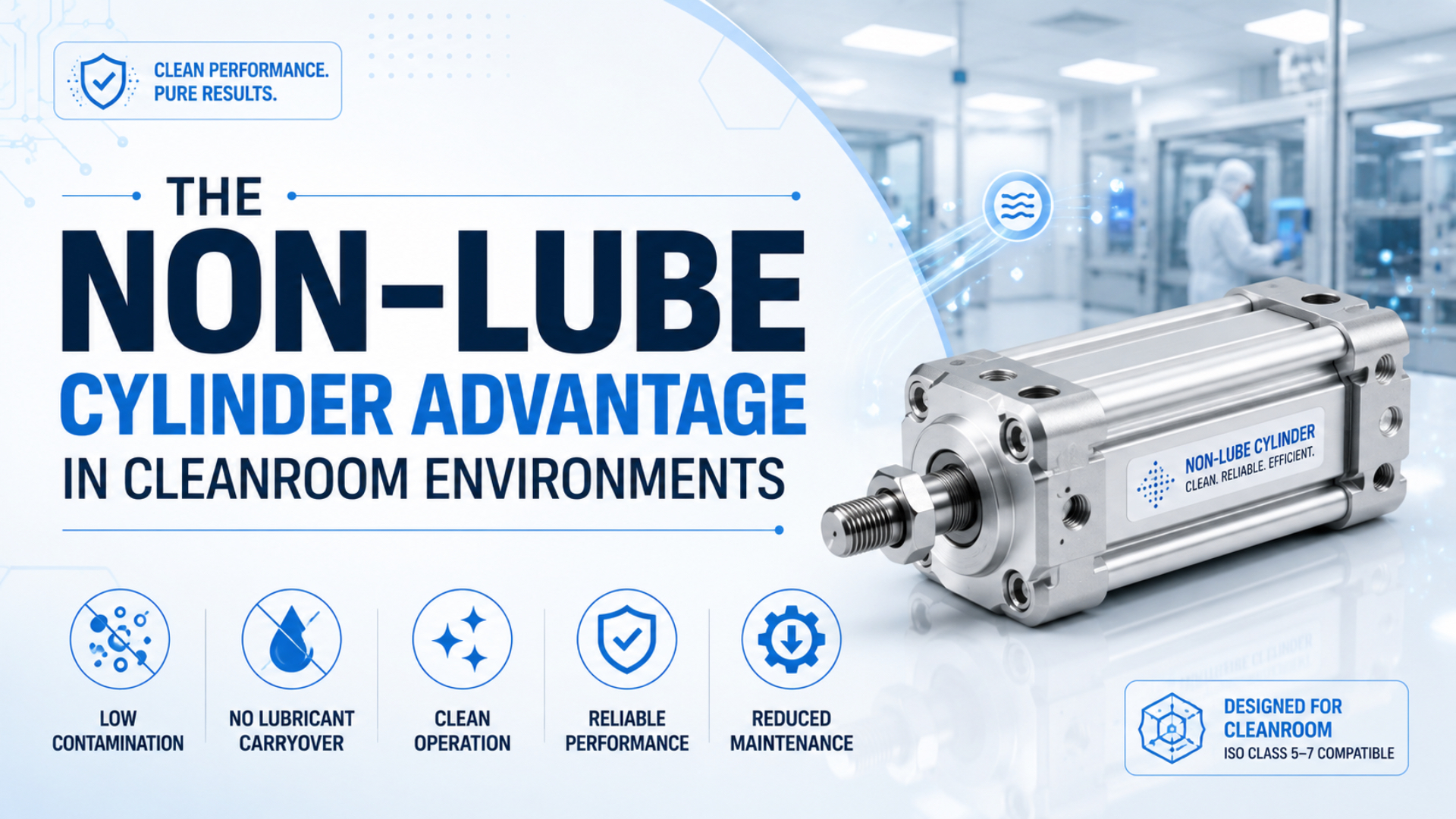 The Non-Lube Cylinder Advantage in Cleanroom EnvironmentsLearn why non-lube cylinders are not automatically cleanroom compliant and how ISO 14644-14:2026 guides particle tests, installation, maintenance, and RFQs.→
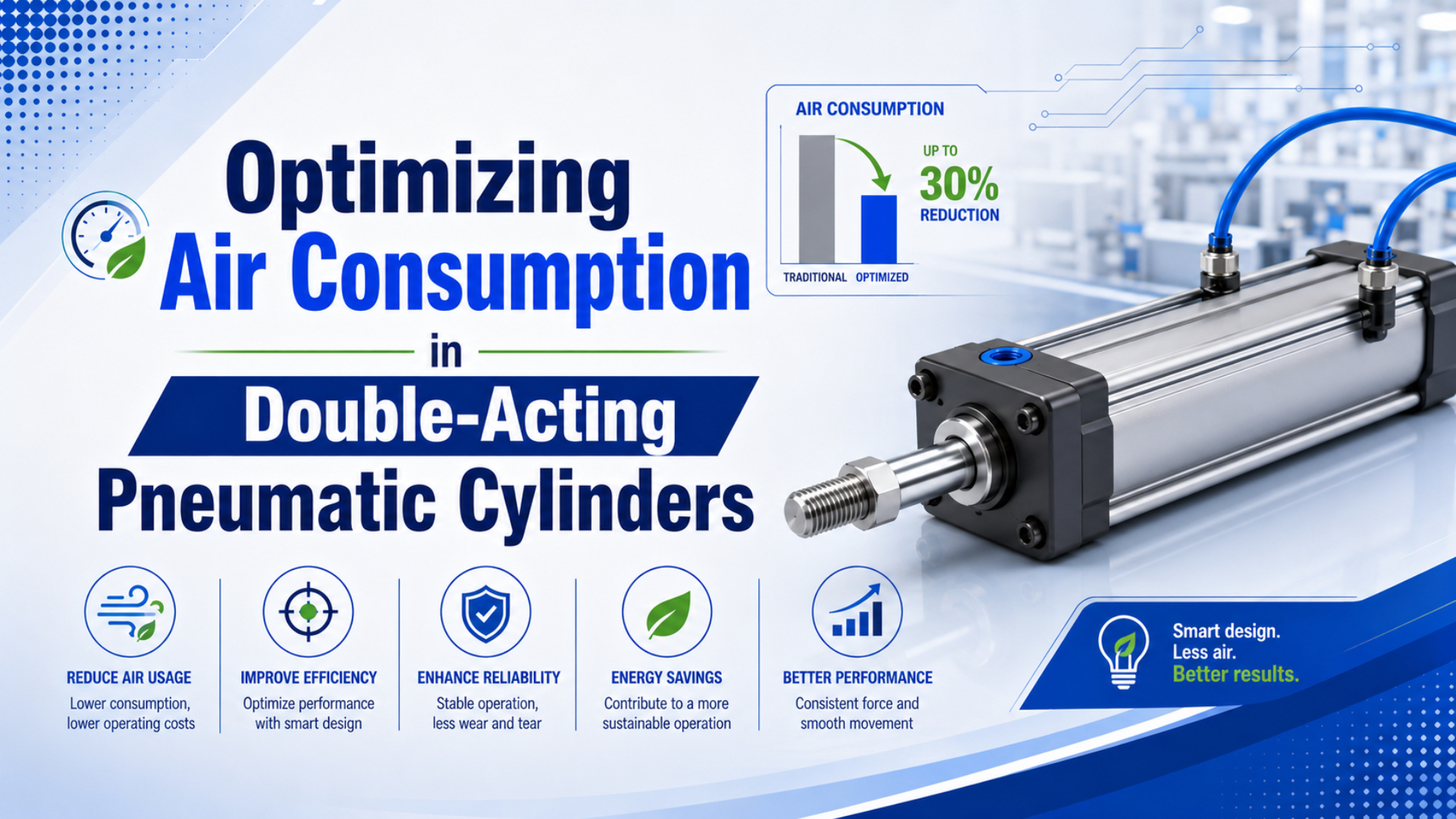 Optimizing Air Consumption in Double-Acting Pneumatic CylindersUse SMC's 13 L/cycle example to calculate double-acting cylinder air consumption, then reduce pressure, bore, stroke, tubing volume, leaks, and idle demand.→
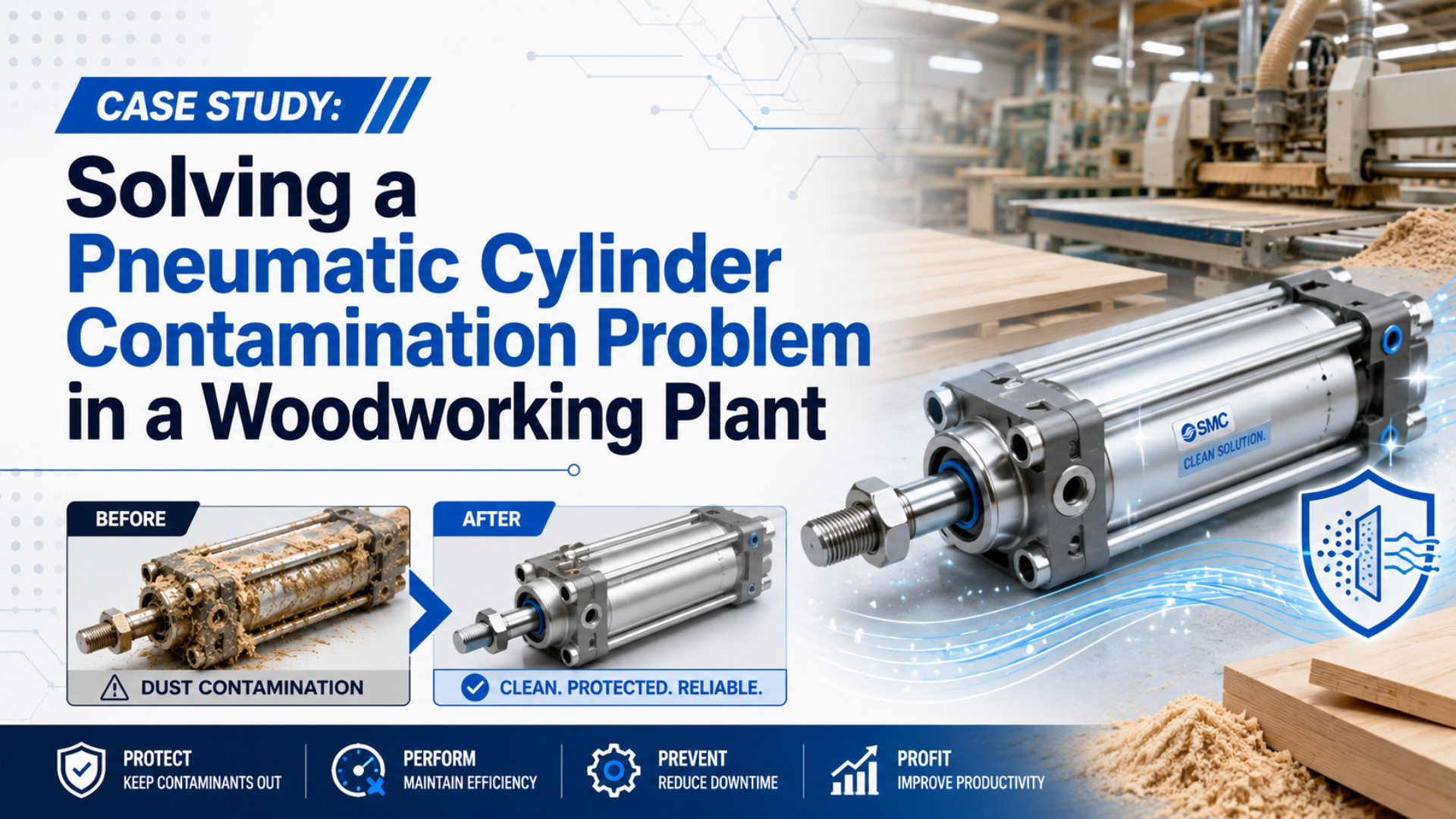 Case Study: Solving a Pneumatic Cylinder Contamination Problem in a Woodworking PlantA woodworking plant traced pneumatic cylinder contamination, improved dust extraction and rod protection, then verified repairs against OSHA’s 15 mg/m³ limit.→
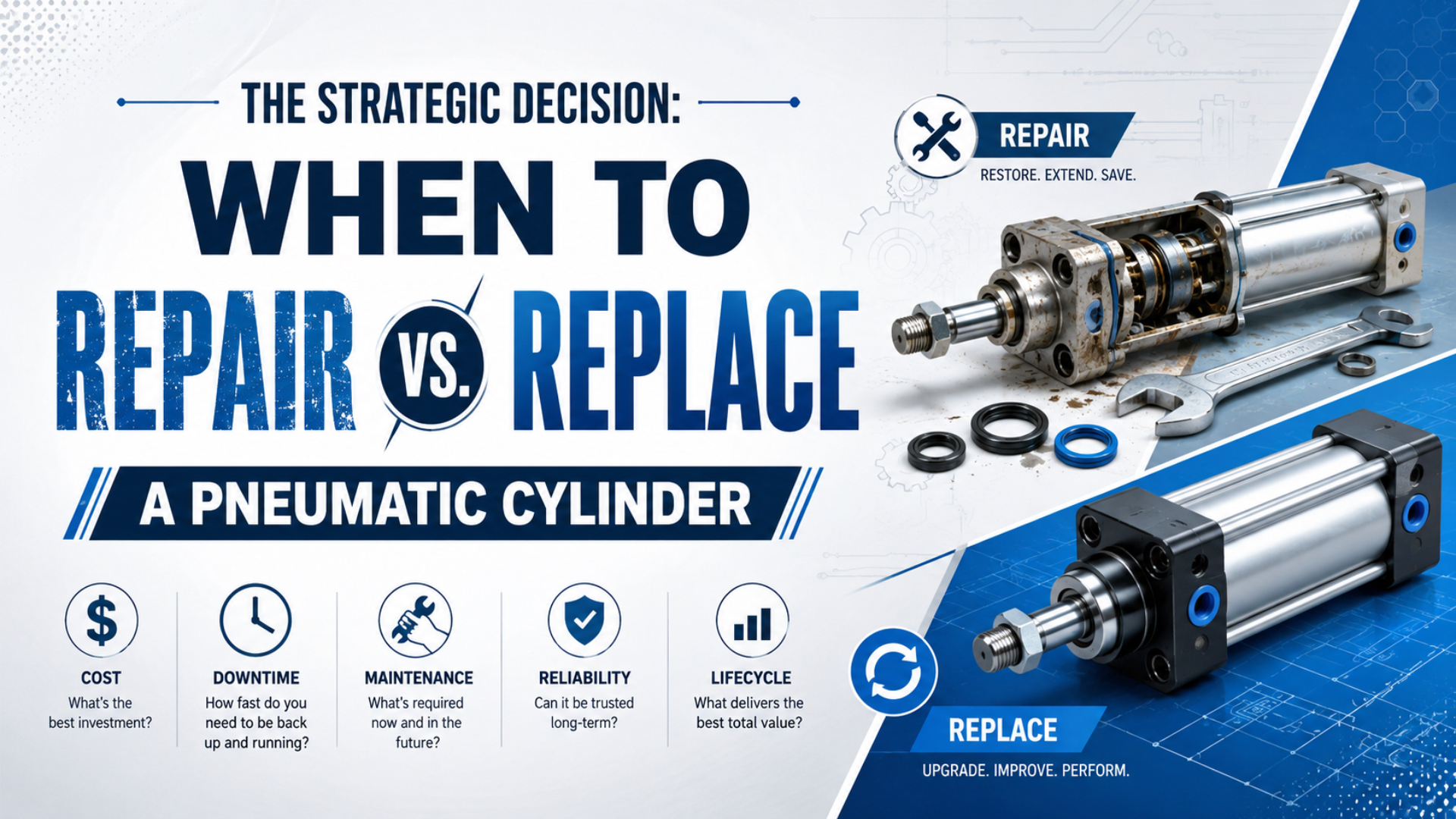 The Strategic Decision: When to Repair vs. Replace a Pneumatic CylinderDecide when to repair or replace a pneumatic cylinder using inspection evidence, OSHA lockout rules, and DOE’s 20-30% compressed-air leak-loss data for plants.→