
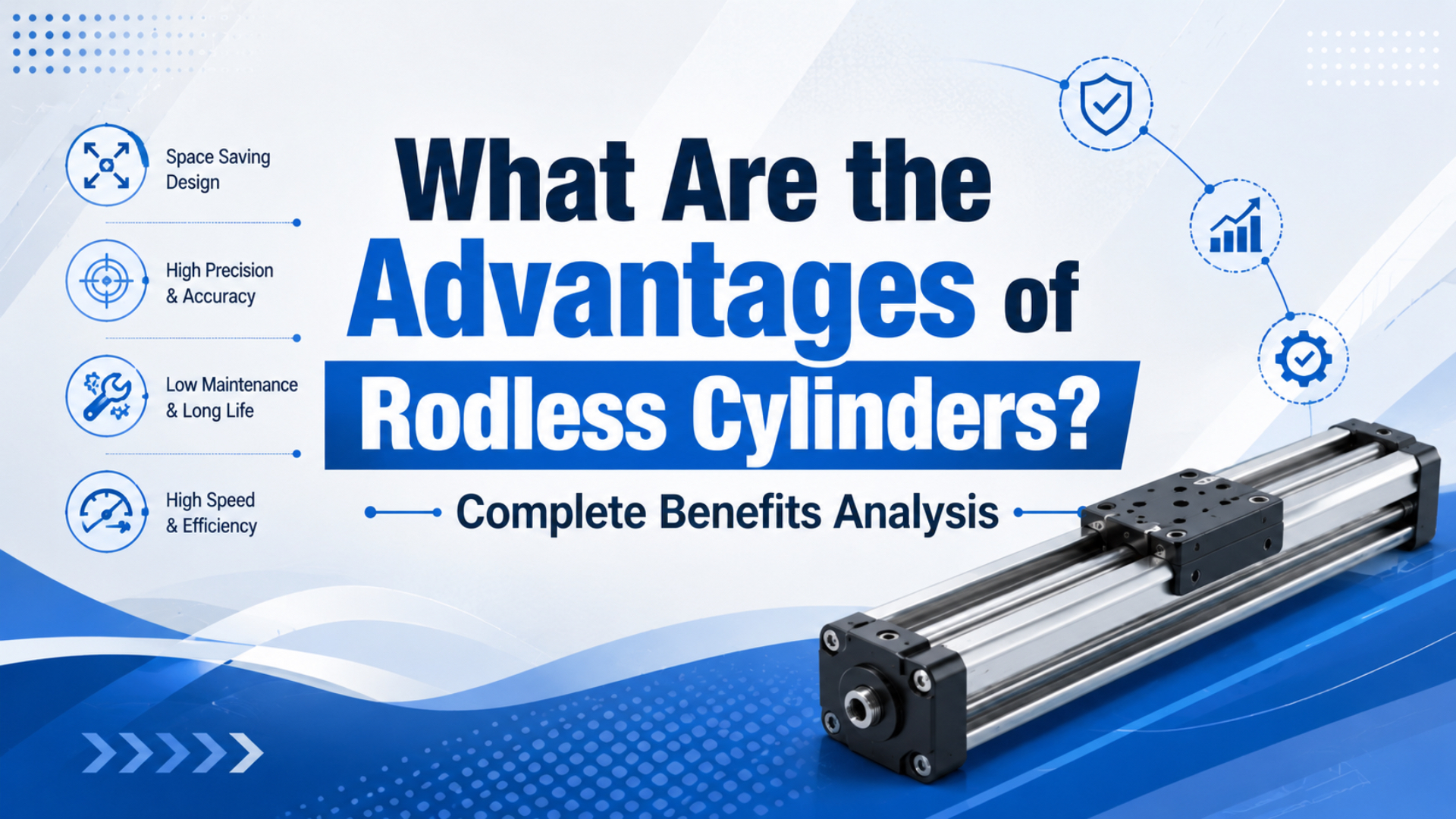
 What Are the Advantages of Rodless Cylinders? Complete Benefits AnalysisCompare rodless cylinder advantages with Parker 8 bar specs, SMC 100-1000 mm/s data, OSHA guarding rules, space math, and RFQ selection checks for teams.→
Blog Author
Jack Chen
Hello, I'm Jack, a Bepto Pneumatic pneumatics engineer. I help review cylinder sizing, rodless replacement details, stroke, guides, mounting, seals, and load direction.
Author Reading Path
Articles by Jack Chen
179 articles sorted newest first for readers who want one author's pneumatic selection notes in one place.
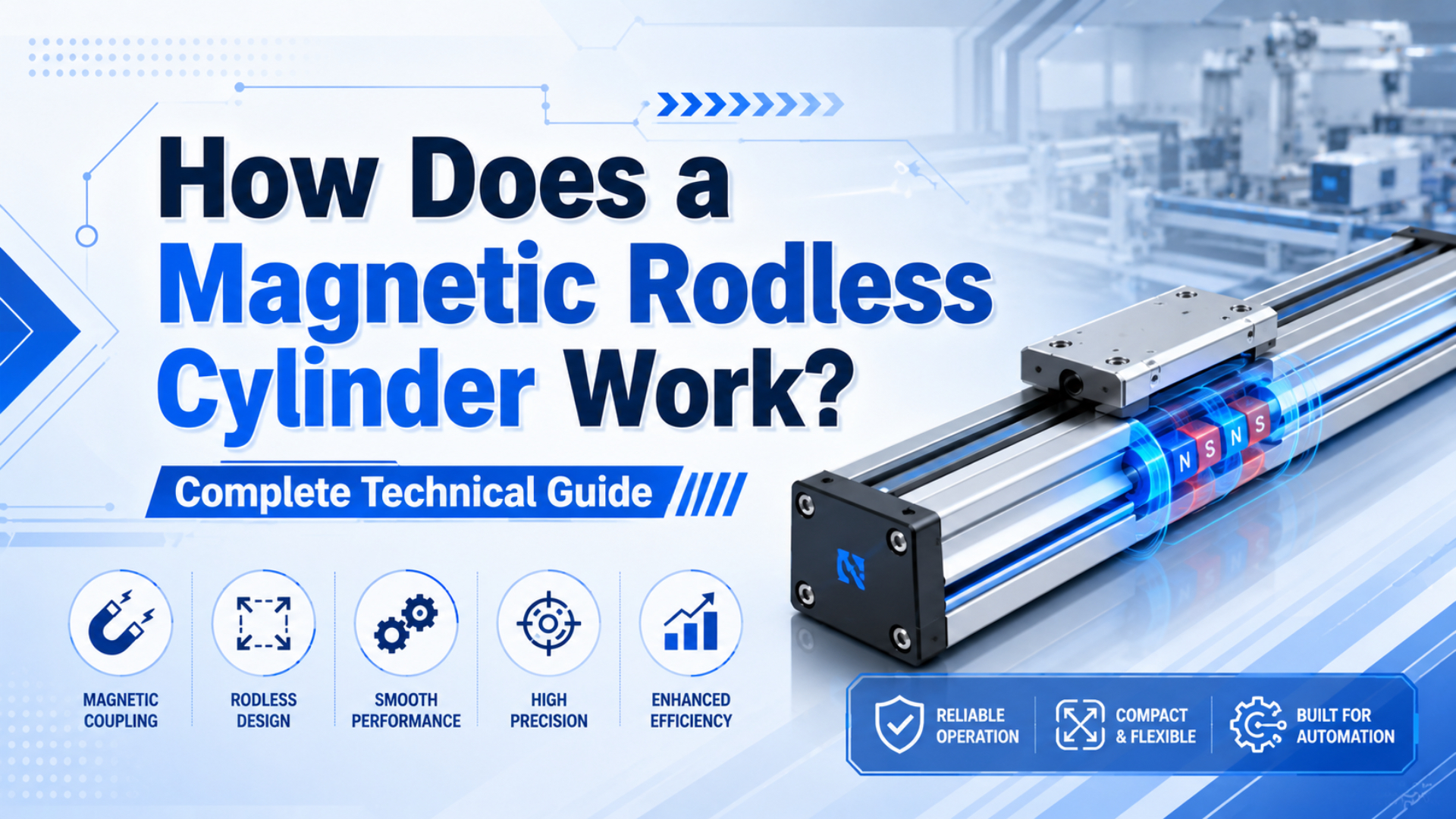 How Does a Magnetic Rodless Cylinder Work? Complete Technical GuideMagnetic rodless cylinder guide with SMC 6-63 mm bore data, NdFeB -0.12%/deg C temperature loss, coupling limits, sealing, sizing, maintenance, and RFQ tips.→
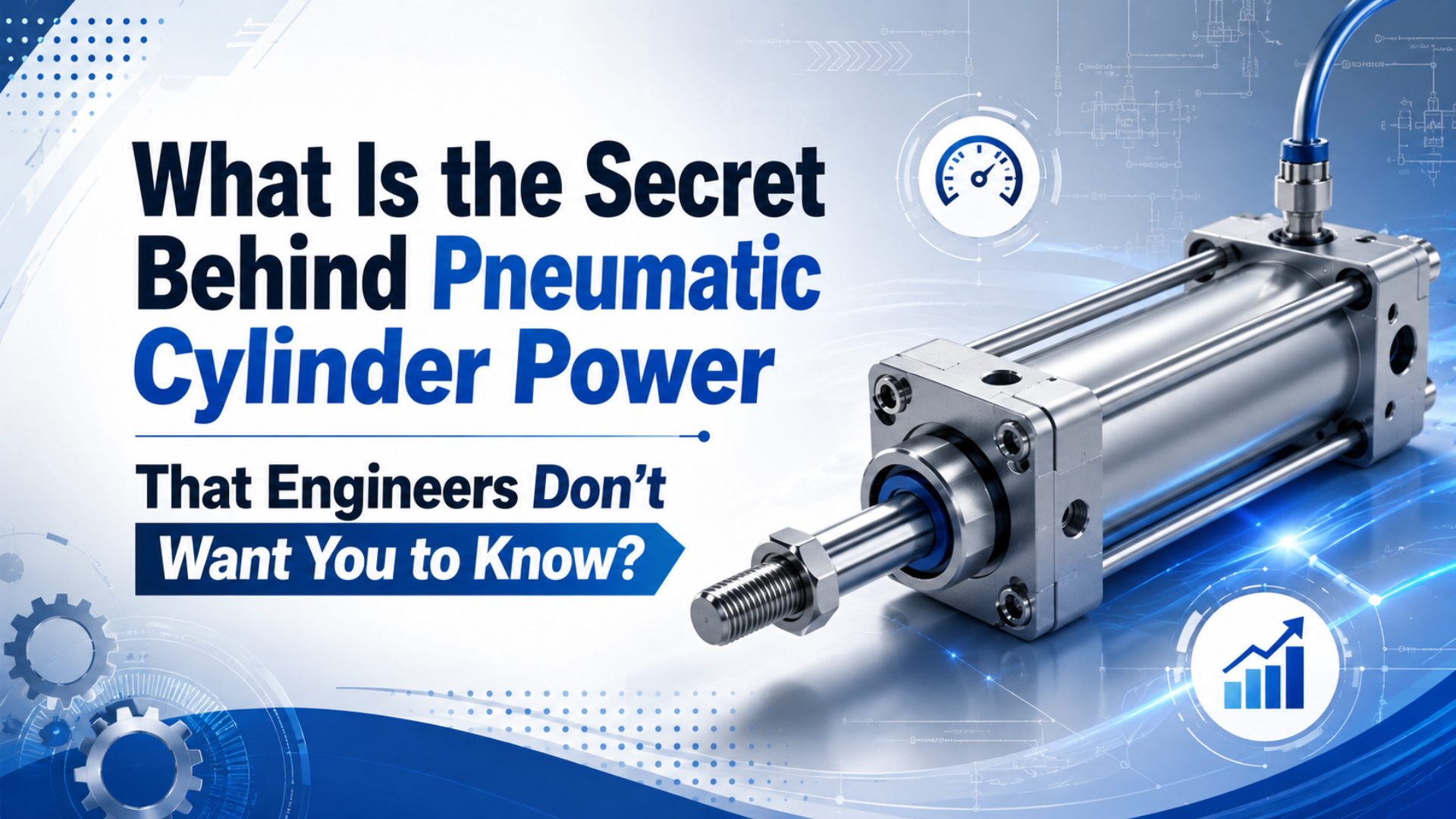 Pneumatic Cylinder Power: Force and Air Use GuideCalculate pneumatic cylinder power with NASA force math, ISO 15552's 10 bar scope, CAGI's 10% pressure-drop rule, DOE leak data, air-use examples, RFQ checks.→
 What Is the Hidden Function of Air Slides That Could Revolutionize Your Production Line?Air slide functions explained with DOE 10% compressed-air energy data, ISO cleanroom context, rodless cylinder guides, load checks, safety, and RFQ tips.→
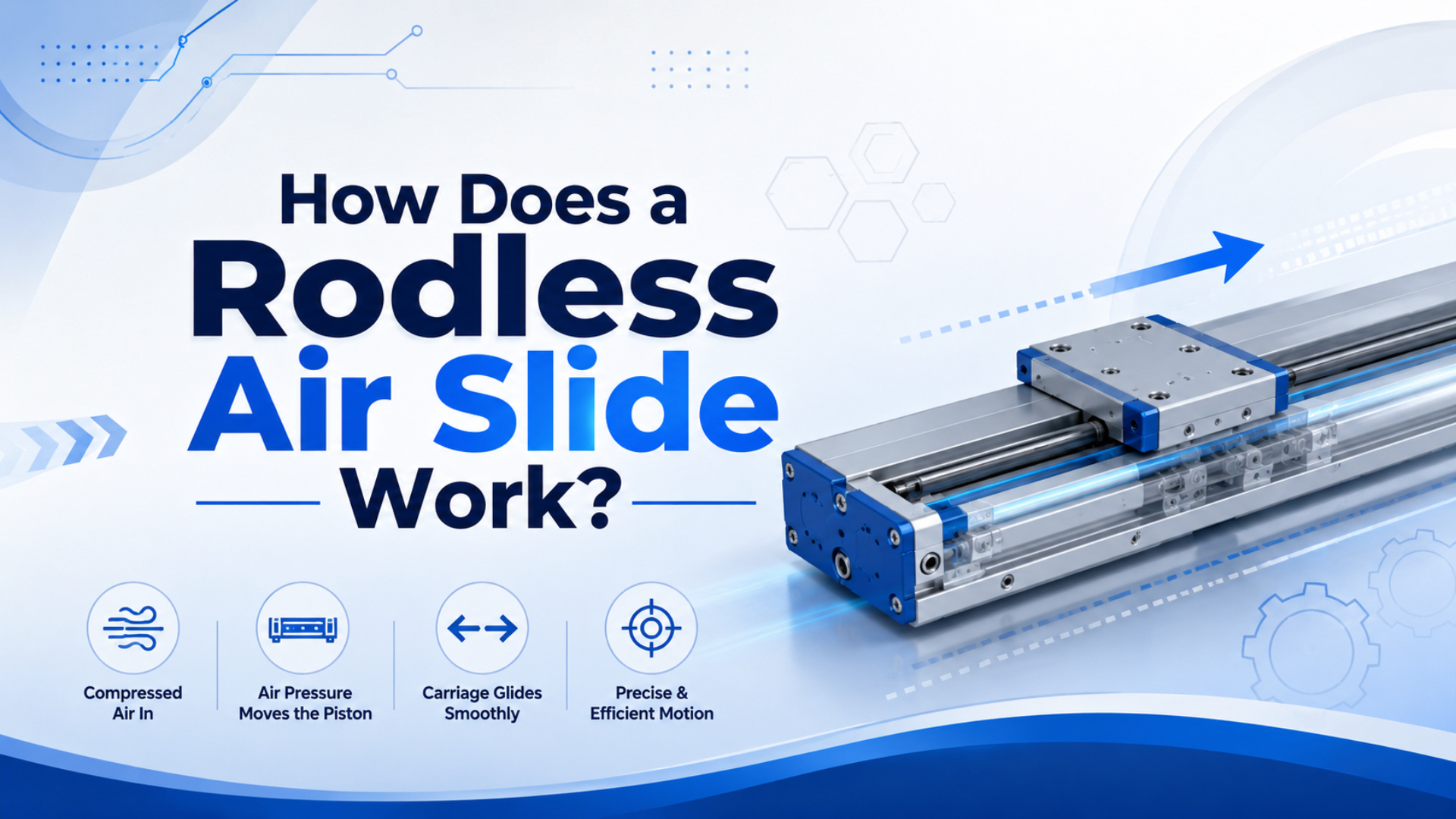 How Does a Rodless Air Slide Work?Learn how a rodless air slide works with Parker 6000 mm stroke data, SMC 0.1-0.8 MPa specs, force transfer choices, guide-load checks, video, and sizing tips.→
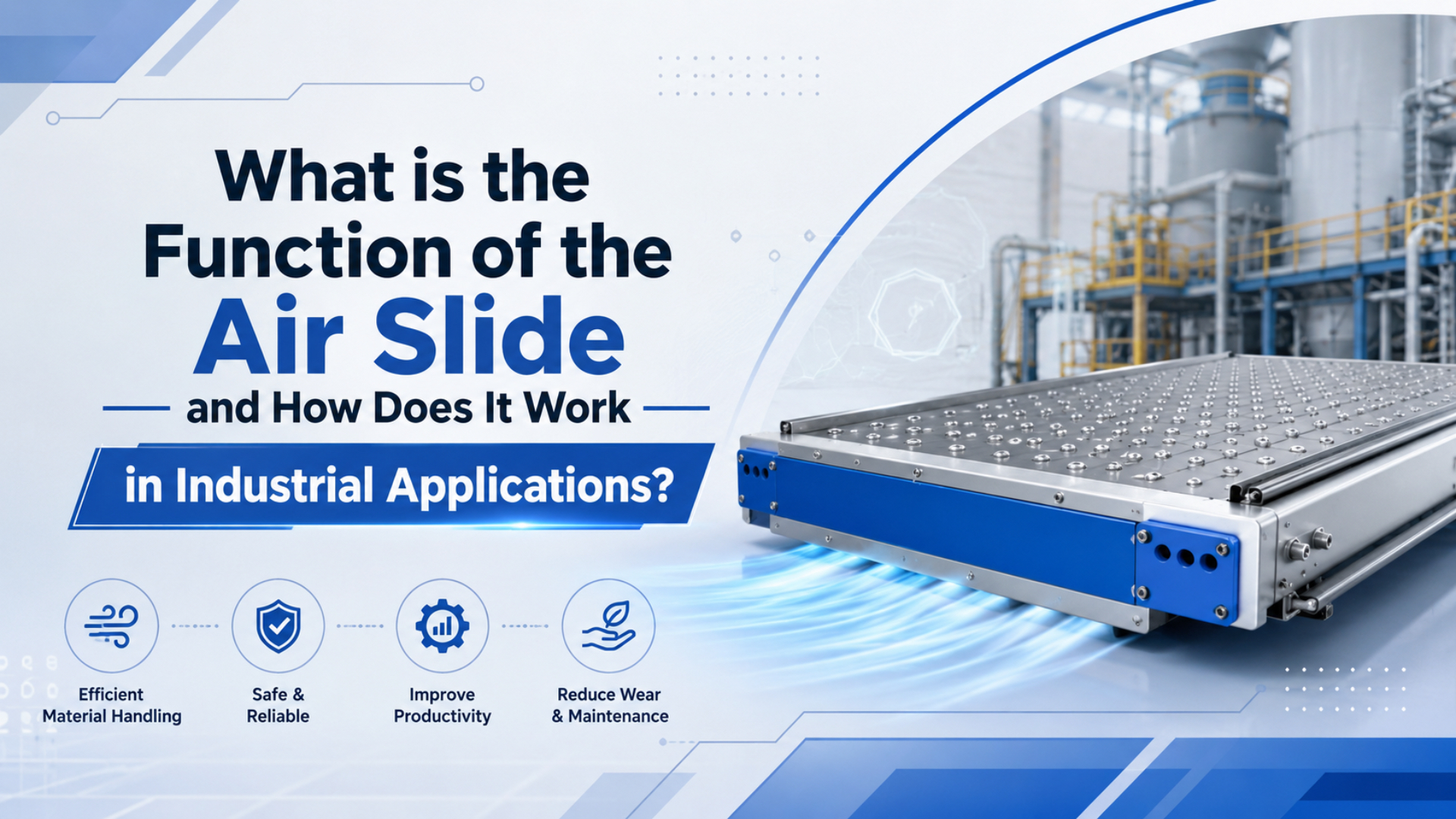 What is the Function of the Air Slide and How Does It Work in Industrial Applications?Understand air slide function with Parker 41 m stroke data, SMC 0.1-0.8 MPa specs, load checks, video demo, and safer selection rules for factory lines.→
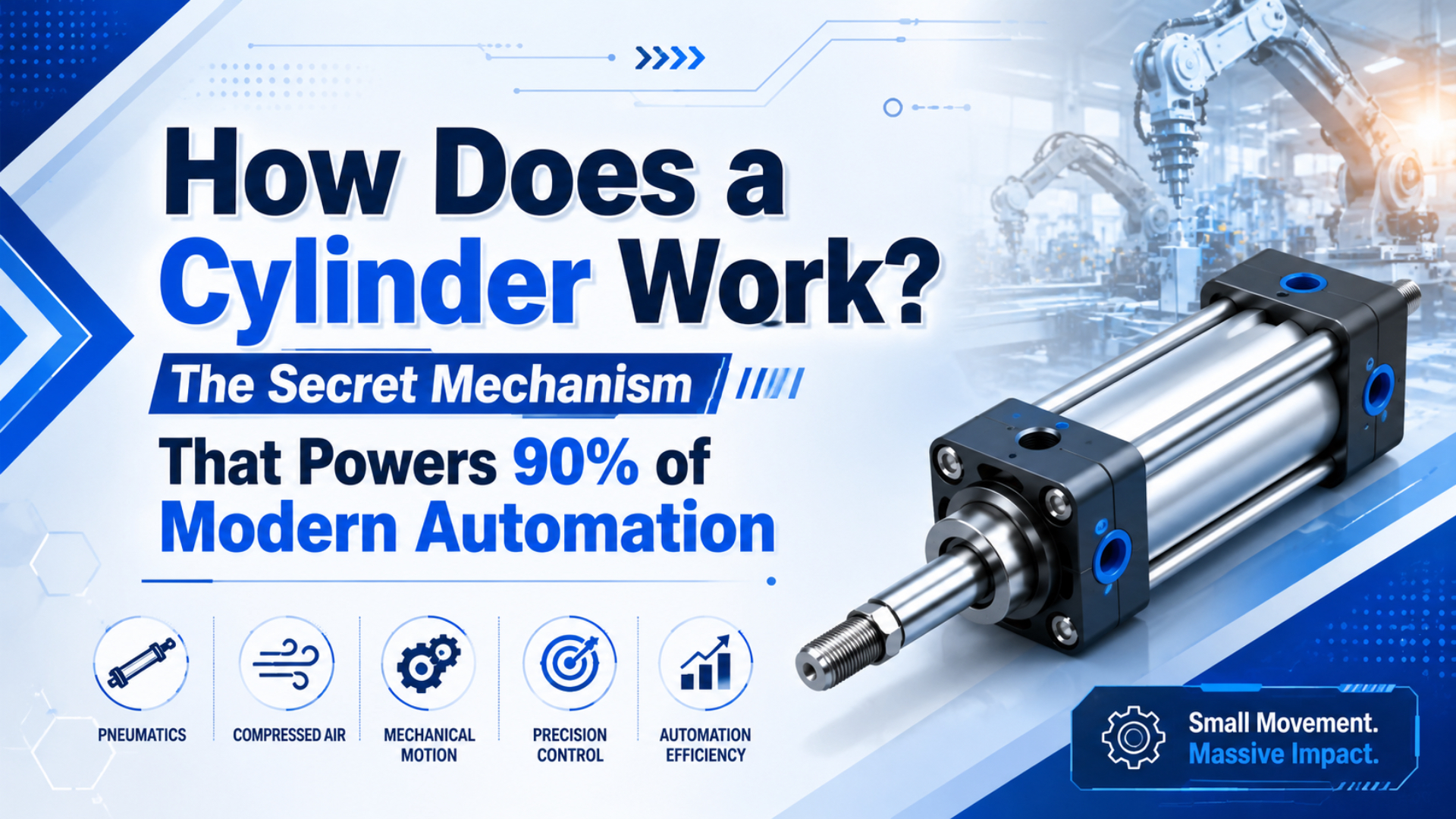 How Does a Pneumatic Cylinder Work in Automation?Learn how pneumatic cylinders work with 100 psi force math, CAGI's 10% pressure-drop rule, ISO 8573 air quality, valve flow, sensors, and RFQ checks now.→
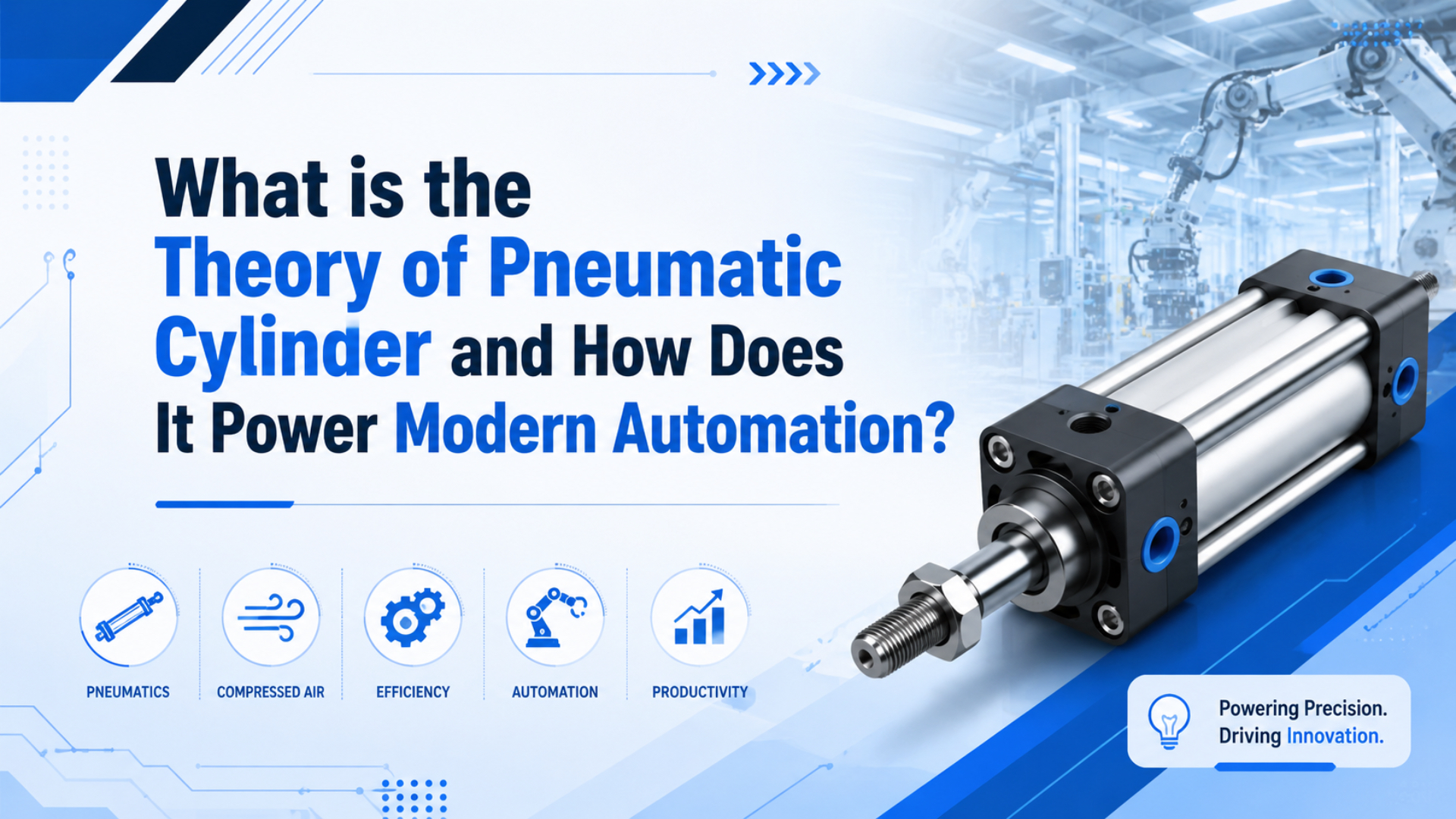 What is the Theory of Pneumatic Cylinder and How Does It Power Modern Automation?Learn pneumatic cylinder theory with 100 psi force math, rod-side area loss, CAGI 10% pressure-drop guidance, ISO 8573 air quality, and RFQ checks.→