
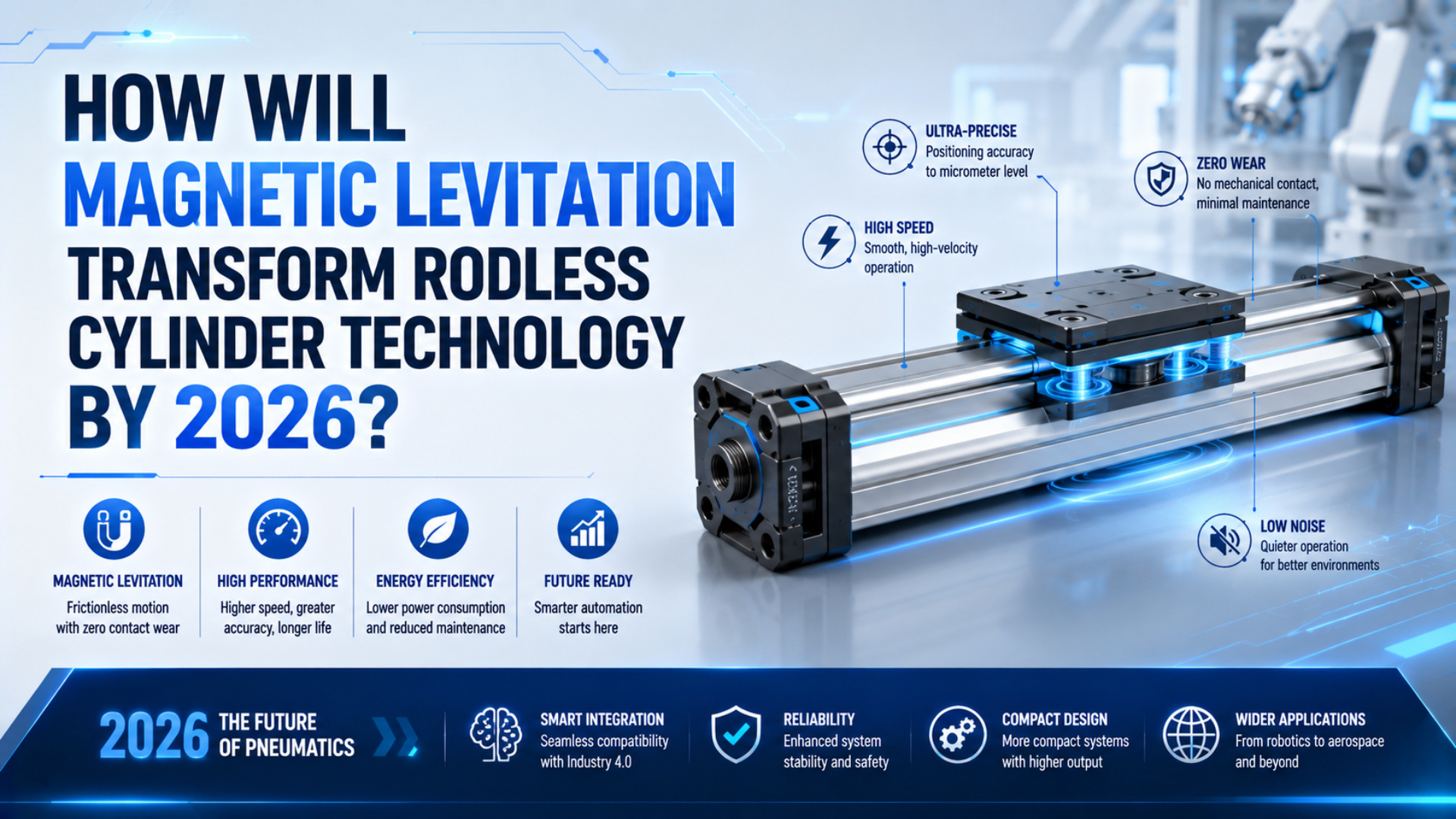
How Will Magnetic Levitation Transform Rodless Cylinder Technology by 2026?Separate 3 actuator technologies using 2026 data on magnetic coupling, 0.5 to 6 mm levitation, micron positioning, sealing, energy, and selection fit.→Blog Author
Jack Chen
Hello, I'm Jack, a Bepto Pneumatic pneumatics engineer. I help review cylinder sizing, rodless replacement details, stroke, guides, mounting, seals, and load direction.
Author Reading Path
Articles by Jack Chen
179 articles sorted newest first for readers who want one author's pneumatic selection notes in one place.
Showing 179 articles
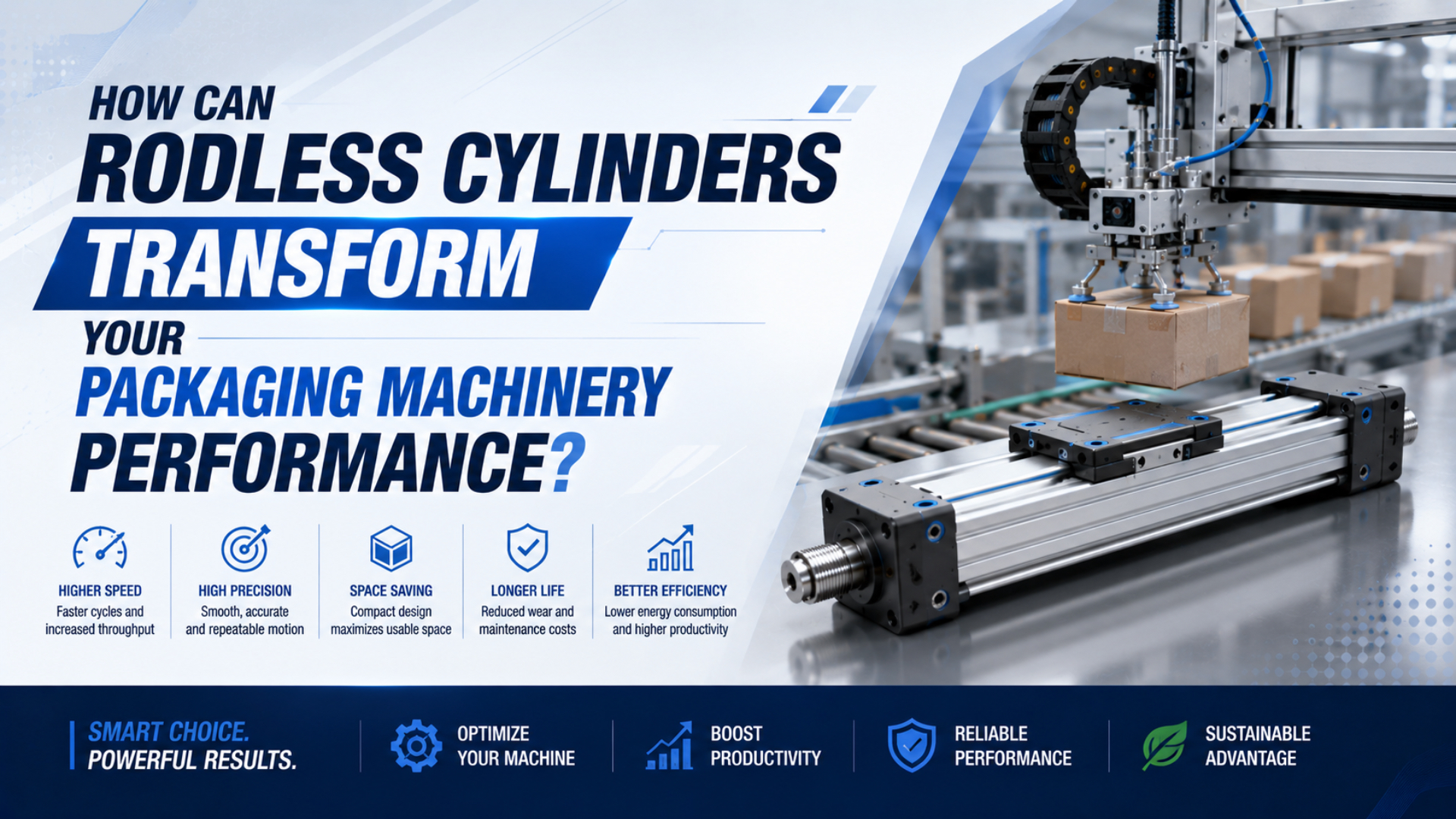
How Can Rodless Cylinders Transform Your Packaging Machinery Performance?Evaluate rodless cylinders for packaging machinery using Parker's 6000 mm stroke range, guide loads, cushioning, sensing, washdown, and retrofit checks.→
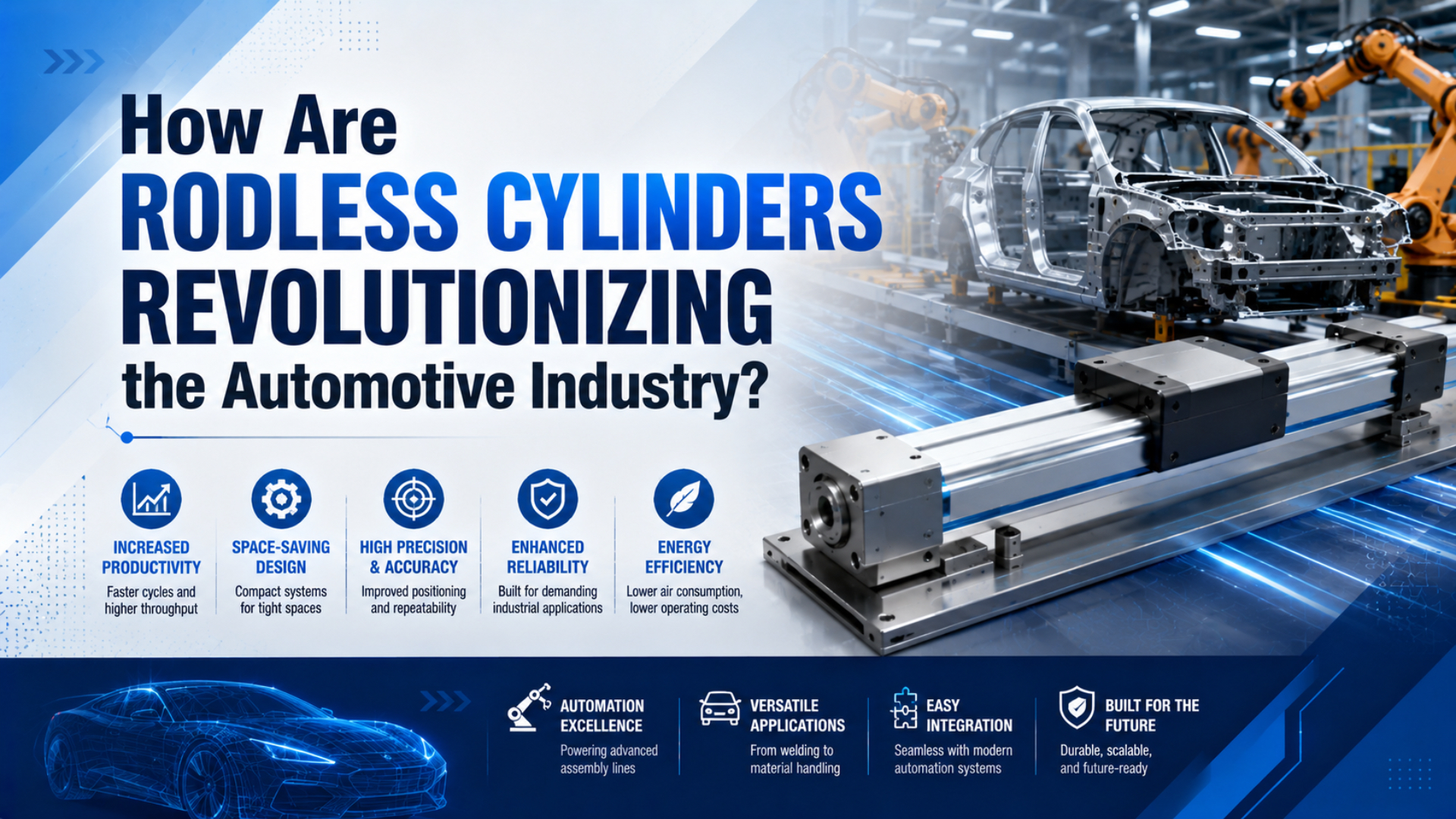
How Are Rodless Cylinders Revolutionizing the Automotive Industry?Evaluate automotive rodless cylinders using Parker's 6,000 mm stroke data, plus welding, clean-area, load-moment, stopping-energy, controls, and RFQ checks.→
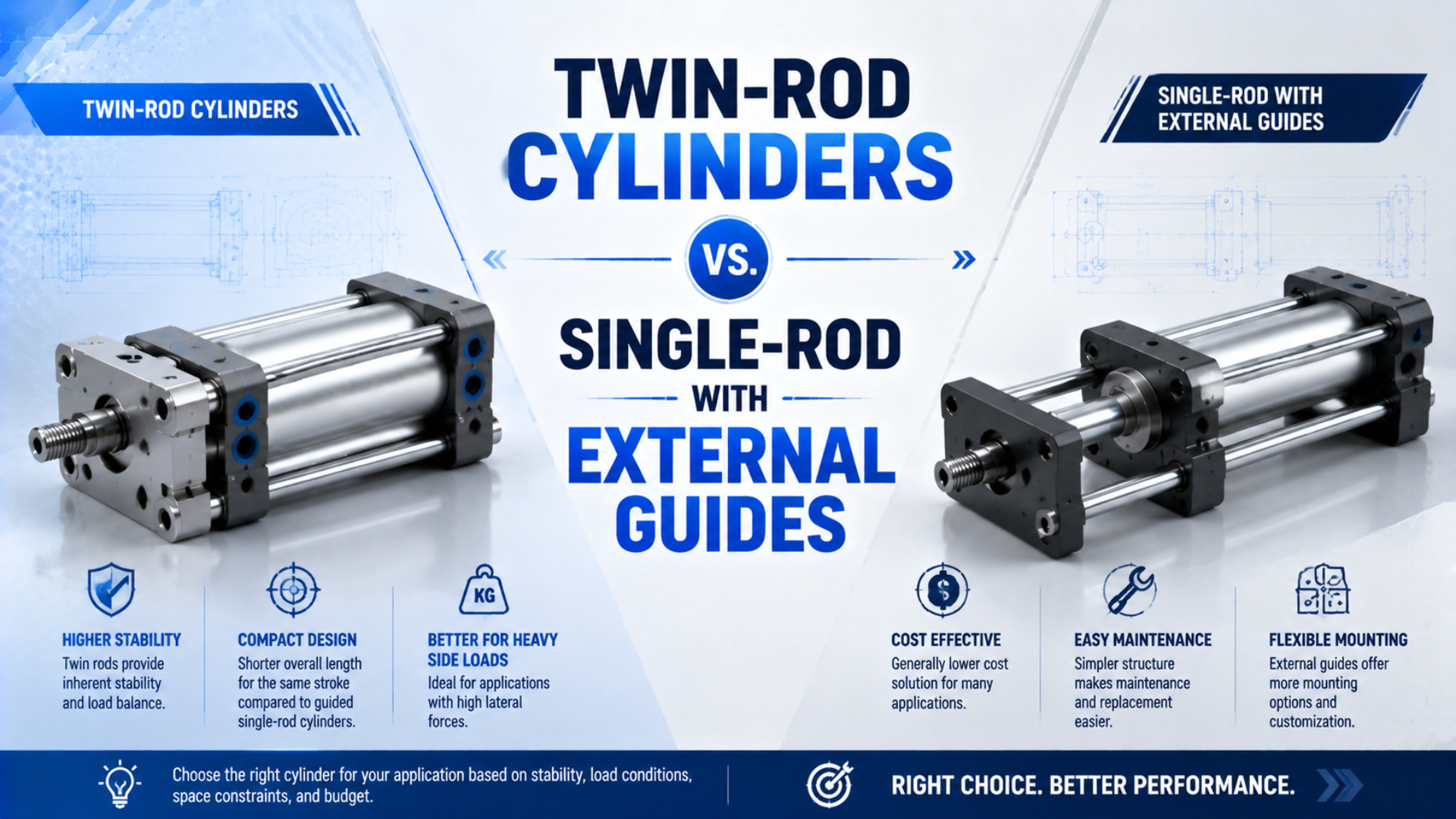
Twin-Rod Cylinders vs. Single-Rod with External GuidesCompare twin-rod cylinders with externally guided single-rod systems using SMC's ±0.1° example, load moments, alignment, life, and safe selection steps.→
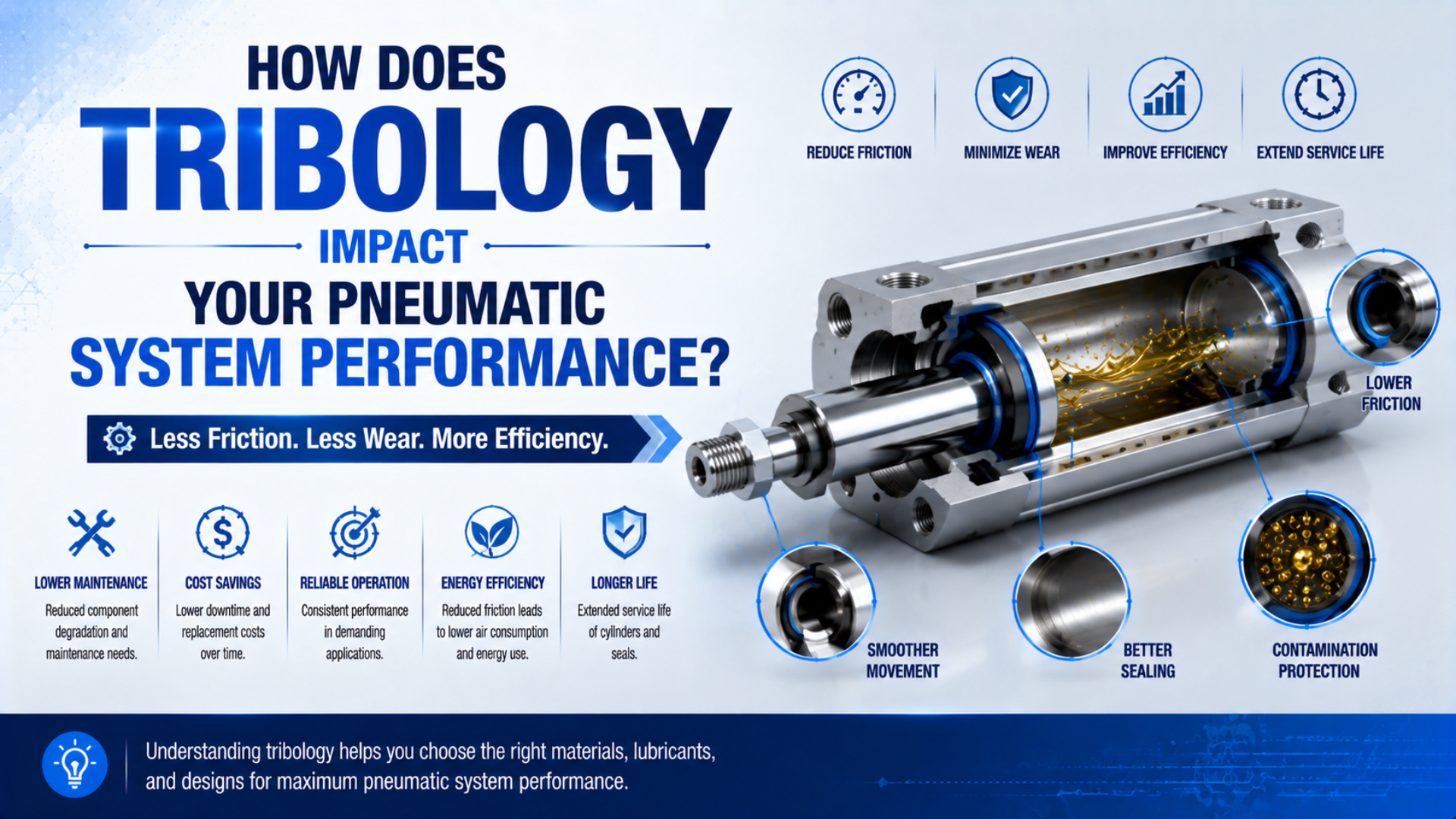
How Does Tribology Impact Your Pneumatic System Performance?A practical tribology guide for diagnosing pneumatic cylinder friction, wear, lubrication, surface texture, contamination, and low-speed motion problems.→
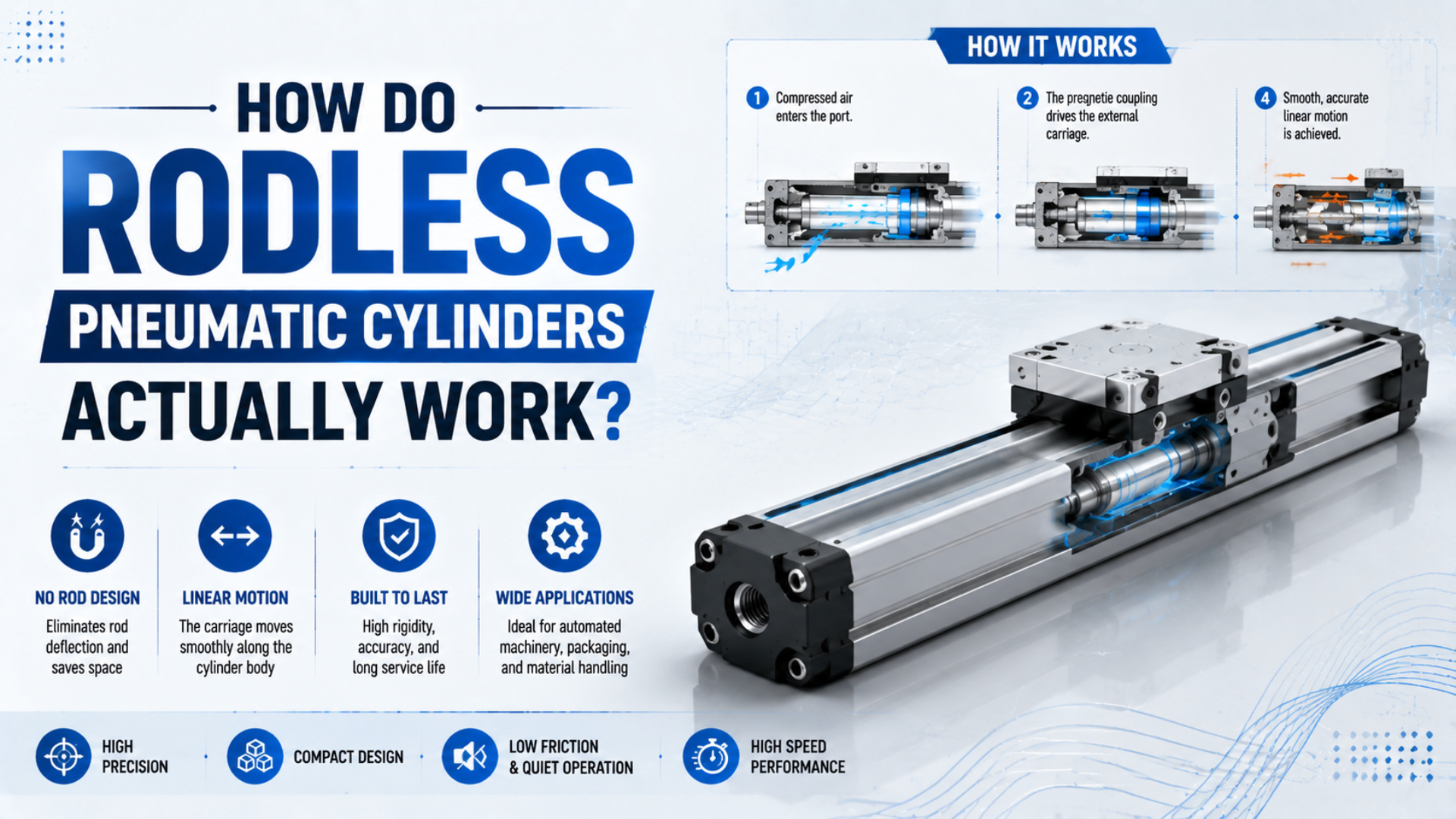
How Do Rodless Pneumatic Cylinders Actually Work?Trace 6 stages of a rodless pneumatic cylinder stroke, from valve switching and piston force to coupling, guidance, cushioning, and position sensing.→
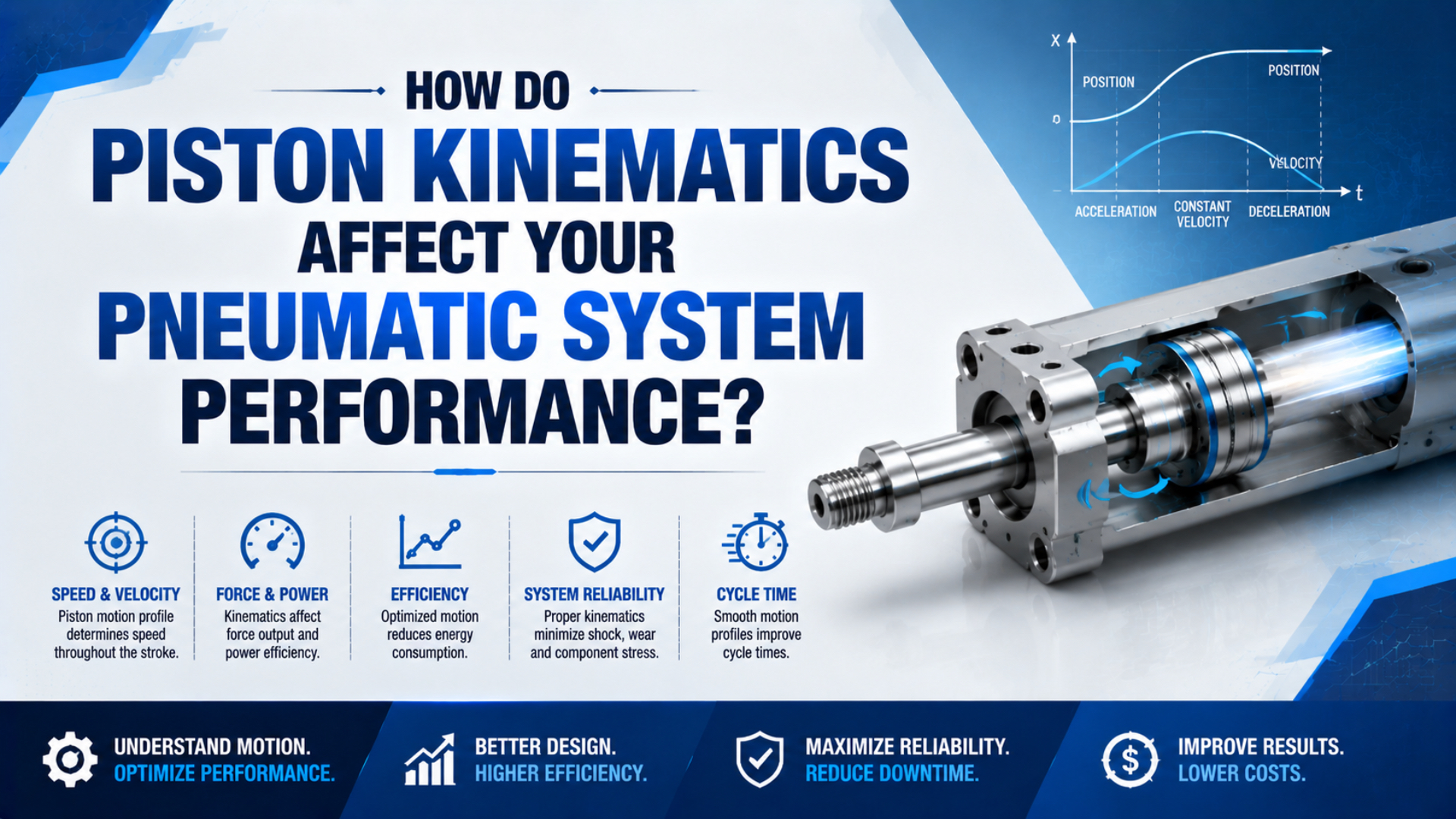
How Do Piston Kinematics Affect Your Pneumatic System Performance?Connect piston position, velocity, acceleration, pressure, flow, and cushion energy with a 10 kg worked example and machine validation steps for sizing.→
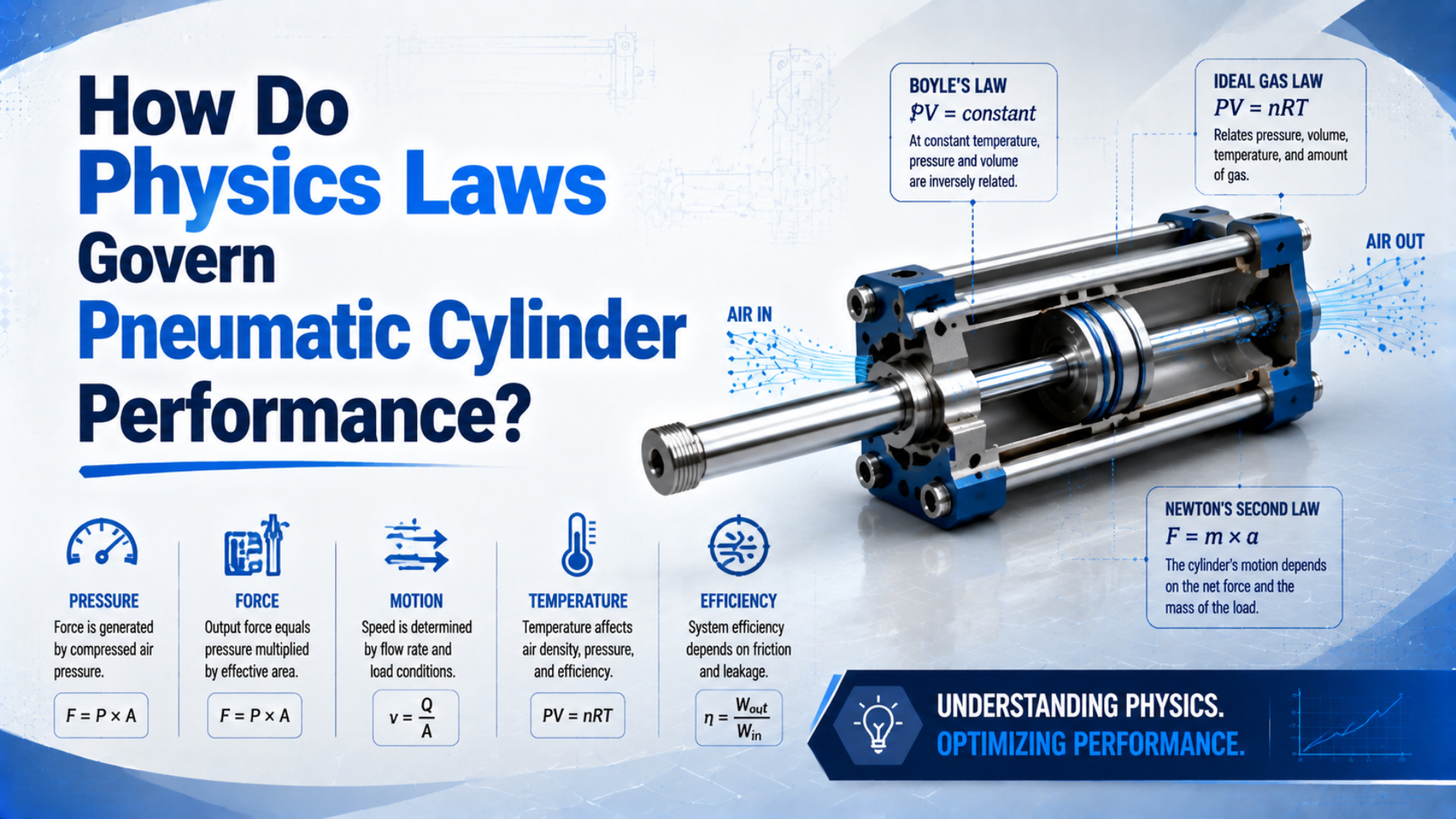
How Do Physics Laws Govern Pneumatic Cylinder Performance?Learn how 5 physics models predict pneumatic cylinder force, acceleration, airflow, choked flow, and pressure response using formulas and worked examples.→
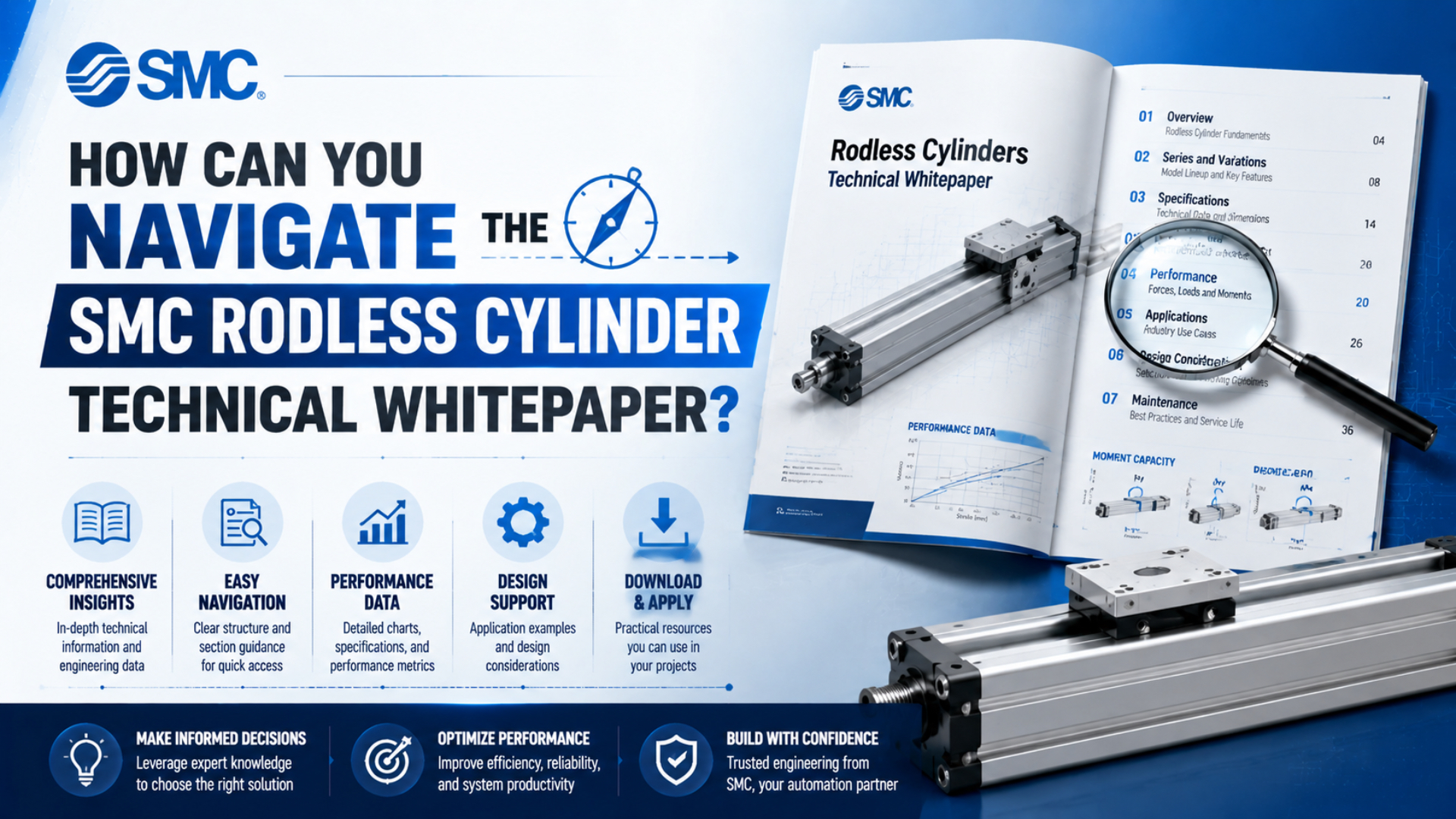
How Can You Navigate the SMC Rodless Cylinder Technical Whitepaper?Navigate SMC MY1B rodless-cylinder catalogs by model code, revision, CAD, dimensions, and limits. Current MY1B covers 25, 32, and 40 mm bores for selection.→
How Can Rodless Cylinders Revolutionize Industrial Automation Applications?Evaluate rodless cylinders across display, wafer, SMT, CNC, and cobot applications using Parker 6,000 mm stroke data and clear rejection checks for engineers.→
Choosing the Right Cylinder Rod Scraper for Dusty EnvironmentsSelect a pneumatic cylinder rod scraper by matching the contaminant, wiper profile, compound, housing, rod condition, lubrication, and maintenance evidence.→
Selecting Cylinder End-Cap Cushions: Fixed Bumper vs. Adjustable Air CushionChoose fixed bumpers or adjustable air cushions using Parker's 50% entry-speed warning, moving mass, model-specific energy limits, and commissioning evidence.→
High-Speed vs. Standard Pneumatic Cylinders: Identifying the NeedDecide whether a standard pneumatic cylinder is sufficient or a high-speed version is justified by checking motion time, airflow, stopping energy, duty, and exact product limits.→
Guide to Choosing Anti-Rotation Cylinders for Precision AssemblyChoose an anti-rotation cylinder by tool-tip error, Mx/My/Mz load, and stroke. Includes SMC ±0.1° data, Festo torque examples, and acceptance test steps.→
Choice of Cylinder Seal Material for Extreme Cold (-40°C)Choose a pneumatic cylinder seal system for -40°C service using exact compound data, OEM options, compatibility checks, and cold-soak validation for engineers.→
Choosing the Right Stroke Length: Standard vs. Custom CylindersChoose cylinder stroke from measured travel and installed geometry; ISO 15552 covers 32-320 mm bores, but it does not prescribe one standard stroke list.→
Clevis Mount Pneumatic Cylinder Definition: The Key to Pivoting Action in Automation SystemsDefine a clevis mount pneumatic cylinder using ISO 8140 and Parker guidance, then verify its pivot geometry, pin alignment, loads, clearances, and RFQ data.→
Managing Obsolescence: Sourcing Parts for Discontinued Cylinder ModelsManage discontinued pneumatic cylinders with IEC 62402, ISO 15552's 32-320 mm scope, verified cross-references, spare planning, and first-article tests.→
Packaging Industry Standards: High-Speed Sorting with Rodless CylindersApply packaging safety standards to rodless-cylinder sorting, including Parker's 50% cushion-entry speed allowance, guide loads, and FAT/SAT tests.→
Maximizing Uptime: Selecting Cylinders for 24/7 Production EnvironmentsSelect pneumatic cylinders for 24/7 production by converting duty into cycles and travel, then check 15 Hz limits, cushioning, guides, air quality, and spares.→
Heavy-Duty Cylinders: Solutions for Harsh Mining and Construction ApplicationsSpecify mining and construction cylinders with 8 checks covering dust, air quality, mounting, seals, temperature, corrosion, qualification, and maintenance.→
Vibration Resistance: Ensuring Cylinder Longevity in High-Speed StampingAt 450 strokes/min, a press cycles at 7.5 Hz before harmonics. Learn how to measure vibration, protect mounts, and extend pneumatic cylinder life safely.→
Predictive Maintenance: Indicators for Pre-Ordering Cylinder Spare PartsUse 6 cylinder condition signals, diagnostic confirmation, asset criticality, replenishment lead time, and 2 formulas to pre-order the right spare parts.→
SMC Rodless Cylinder Alternatives: Maintaining Quality While Cutting CostsCompare SMC rodless cylinder alternatives using model codes, drawings, load and moment checks, machine trials, and SMC’s documented 30% MY1B rating change.→
Finding Drop-In Replacements for Festo DNC Series CylindersFind a Festo DNC replacement using ISO 15552 limits, the correct PPV-A code, DSBC successor data, drawing checks, force review, and first-article tests.→
Cross-Reference Guide: Interchanging ISO 6432 Mini Cylinders Across BrandsCross-reference ISO 6432 mini cylinders across seven brands using the full model code, mounting drawing, ports, rod end, sensors, and operating limits.→
Top 5 Alternatives to Parker Origa Rodless Cylinders for Budget-Conscious BuyersCompare five Parker Origa alternatives using official bore, stroke, guide, and 8 bar data, then verify retrofit compatibility before requesting quotes.→
How to Switch from Norgren to Generic ISO Cylinders Without System RedesignReplace a Norgren ISO cylinder without redesign by verifying its series, drawing, ports, rod end, sensors, force, cushioning, and machine test.→
Aftermarket Seal Kits: Are They Safe for Premium Brand Cylinders?Evaluate aftermarket seal kits for premium pneumatic cylinders with a 5-gate check covering model identity, seal geometry, compound, hardware, and restart.→
Magnetic De-coupling Forces: The Physics of “Breaking” the ConnectionDiagnose magnetic de-coupling in rodless cylinders using 19.6-2,256 N holding-force data, transient force reconstruction, and safe recoupling checks.→
Slit-Type Cylinder Sealing: The Mechanics of Opening and Closing BandsLearn how slit-type cylinder bands open and reseat using Parker parts 11 and 17, Festo band-reverser guidance, and SMC MY1 service and inspection rules.→
Analyzing Seal Nibbling: The Interaction Between Pressure and Gap ClearanceIdentify seal nibbling in pneumatic cylinders using 5 damage signatures, pressure-gap checks, teardown evidence, backup-ring rules, and corrective-action verification.→
Vacuum Cylinder Physics: Forces Retraction DynamicsStandard atmosphere is 101.325 kPa. Calculate vacuum-cylinder force from chamber pressures, piston geometry, friction, load, and evacuation flow accurately.→
High-Frequency Oscillation: Thermal Buildup in Short-Stroke CylindersLearn why 2 Hz cannot define short-stroke cylinder heat risk; calculate sliding distance and reversal energy, then test against model-specific limits.→
Underwater Depth Ratings: External Pressure Effects on Cylinder SealsLearn how external pressure changes underwater cylinder seals, structure, and force, with a verified 30 m example and a qualification checklist for buyers.→
Non-Rotating Cylinder Mechanics: Hexagonal Rod vs. Twin Rod Torque ResistanceCompare hexagonal-rod and twin-rod mechanics using SMC's ±1.5° to ±0.1° examples, torque equations, wear limits, and validation steps.→
Eccentric Load Handling: Moment of Inertia Calculations for Side-Mounted MassesCalculate eccentric loads with signed force moments, linear inertia, and true rotational inertia, then verify Mx, My, and Mz limits for rodless cylinders.→
Bellows Protection: Calculating Compression Ratios for Rod BootsCalculate rod boot compression ratio from rated extended and retracted lengths, then verify travel, clearance, venting, materials, and both end positions.→
How to Calculate Pneumatic Cylinder Impact Force to Protect Your Equipment?Calculate cylinder stopping energy and average force, apply Parker's 50% cushion-entry speed warning, and verify peak loads before equipment damage occurs.→
Radial Load Tolerance: Analyzing Guide Bushing Stress DistributionsCalculate how a 100 N offset load can create a 400 N guide-bushing reaction, then screen projected pressure, edge loading, PV limits, and guide options.→
Euler Buckling Formula: How to Calculate the Critical Buckling Load of a ColumnCalculate Euler critical buckling load with 4 inputs, correct effective length factors, solid or hollow rod inertia, unit checks, and a worked cylinder example.→
Torsional Stress in Rodless Cylinders: Determining Maximum Roll MomentsParker rates OSP-P25 roll moment from 1.5 N·m standard to 260 N·m with HD guidance. Calculate Mx, dynamic loads, and combined utilization before selection.→
Inertia Matching: Sizing Cylinders for High-Mass Load DecelerationParker notes cushion-entry speed may be 50% above average. Size high-mass pneumatic deceleration using event energy, duty, and exact catalog limits.→
Deflection Calculations for Piston Rods in Horizontal ExtensionCalculate horizontal piston-rod deflection by separating tip load and rod self-weight, with a corrected 25 mm rod example, bending stress, and guide checks.→
The Mechanics of Magnetic Coupling Break-Away Force in Rodless CylindersCalculate magnetic rodless cylinder break-away force with SMC 19.6-2,256 N data, axial-load equations, dynamic checks, and recovery steps.→
Dynamic Seal Hysteresis: How Friction Lags Affect Precision PositioningDiagnose dynamic seal hysteresis with dual-chamber pressure, position and velocity data; a 2026 study tested three pneumatic cylinders under stick-slip.→
Energized Seals: Using Spring Loaders for Low-Pressure Cylinder SealingParker’s FBC-V seal is rated to 3,000 psi at up to 0.5 m/s in specified glands. Learn when spring energizers fit low-pressure cylinders and how to validate.→
Pneumatic Cushioning Physics: Modeling the Ideal Gas Law in Compression ChambersLearn when pV^n can model a pneumatic cushion, why needle exhaust requires an open-system model, and how to validate pressure and stopping force.→
Calculating Kinetic Energy Absorption Limits for Internal Air CushionsCalculate internal cushion demand and compare it with model-specific limits: SMC CA2 air-cushion ratings range from 2.8 to 29 J across five bore sizes.→
The “Bounce” Effect: Over-Cushioning Dynamics in Pneumatic CylindersSMC RLQ cylinders list 0.15 to 0.77 J allowable kinetic energy. Learn to diagnose pneumatic over-cushioning, tune the needle, and verify each stop safely.→
Shock Absorber Damping Coefficients: Tuning for Variable Cylinder LoadsLearn why shock absorber tuning needs 5 application inputs, not a guessed damping coefficient, and how to test variable cylinder loads without hard impact.→
Elastomer Bumpers vs. Air Cushions: A Frequency Response AnalysisCompare elastomer bumpers and air cushions using 5 measured response signals: impact energy, peak force, rebound, settling time, and temperature in service.→
Repeatability vs. Accuracy: Defining Pneumatic Cylinder Positioning CapabilitiesLearn how to separate repeatability, position error, resolution, linearity, and running accuracy, then build a defensible pneumatic cylinder acceptance test.→
Load Mass vs. Velocity: Plotting the Cushioning Capacity ChartPlot a cushioning capacity chart correctly using total moving mass and speed at cushion entry, then screen the exact cylinder model and operating case.→
Stribeck Curves in Pneumatics: Analyzing Friction Regimes in Cylinder SealsLearn how to measure and interpret Stribeck-type friction maps for pneumatic cylinder seals without relying on universal friction coefficients or regime thresholds.→
Fluid Viscosity at Low Temperatures: Impact on Cylinder Response TimeLearn why air viscosity falls about 11% from +20°C to -20°C, what really delays cold cylinders, and how to test seals, air, valves, pressure, and motion.→
Hydrodynamic Lubrication: When Do Cylinder Seals “Hydroplane”?One pneumatic-cylinder study found piston seals produced about 90% of measured friction; learn why speed alone cannot predict seal hydroplaning reliably.→
Quantifying Stick-Slip: The Science Behind “Stuttering” Motion in CylindersA 2026 three-cylinder study synchronized position, velocity, and chamber pressure. Learn to quantify stick-slip without a universal SSI threshold.→
Friction Force Calculation: Static vs. Dynamic Coefficients in Large BoresMeasure static breakaway and dynamic running friction in large-bore pneumatic cylinders using synchronized port pressures, effective piston areas, dwell time, and a defined running window.→
The Physics of Air Compressibility: Why Pneumatic Cylinders Experience “Bounce”Learn why cylinder speed, trapped air, cushioning, friction, and control tuning cause pneumatic cylinder bounce, plus how to diagnose and stop it.→
Analyzing Choked Flow Phenomena in High-Speed Cylinder PortsIdeal dry air chokes near p2/p1 = 0.528. Learn to measure cylinder-port pressure, locate restrictions, and verify flow for high-speed strokes.→
Pneumatic Cylinder Pressure vs Load Analysis: Are You Wasting 40% of Your Compressed Air Budget?Test whether a pneumatic cylinder can cut air use by 40% using real load, port pressure, force balance, cycle demand, and manufacturer limits before selection.→
What Are Opposing Loads in Pneumatic Systems: The Hidden Force That’s Costing You Money?Identify opposing loads in pneumatic systems, build a directional force budget, and size cylinder thrust without relying on fixed pressure percentages.→
Assisting Loads vs. Opposing Loads in Pneumatics: Which Configuration Maximizes Your System Efficiency?Compare assisting and opposing pneumatic loads using two-chamber force balance, vertical-axis examples, pressure checks, and safe motion-control rules.→
The Impact of Piston Mass on High-Cycle Cylinder PerformanceLearn when internal piston and rod mass materially affect high-cycle pneumatic cylinder acceleration, cushion energy, cycle testing, and service life.→
How to Use Back-to-Back Cylinders for 3-Position ApplicationsLearn how equal-stroke back-to-back cylinders create 3 fixed positions from 4 command states, with correct mounting, valve logic, force sizing, and tests.→
How Does Pneumatic Air Cushioning Work to Protect Your Equipment from Impact Damage?Learn how air cushioning traps exhaust air, why cushion-entry speed may be 50% above average, and how to prevent end-of-stroke impact damage in machinery.→
What Are Long-Stroke Pneumatic Cylinders and Why Do They Matter for Your Application?Learn when pneumatic stroke becomes a system-level design issue, compare rodded and rodless layouts, and apply Parker's 6000 mm example safely in real machines.→
The Role of Stop Tubes in Preventing Piston Damage in Long-Stroke CylindersLearn how stop tubes reduce cylinder bearing load, how 6 application inputs determine length, and why cushioning and rod buckling need separate checks.→
How to Analyze Cylinder Drift Caused by Internal Seal BypassDiagnose cylinder drift with dual-port pressure, position data, and isolation tests; one SMC actuator permits 10 cm³/min internal leakage, not a universal limit→
The Engineering Principles of Rodless Cylinder Dust BandsLearn how rodless cylinder dust bands protect the slot, differ from inner sealing bands, reseat around the carriage, and signal inspection or replacement needs.→
A Guide to Sizing External Shock Absorbers for Cylinder ApplicationsSize external cylinder shock absorbers with 6 checks: impact energy, drive work, hourly capacity, effective mass, impact speed, and usable absorber stroke.→
The Design Considerations for Sub-Zero Temperature Pneumatic CylindersSpecify sub-zero pneumatic cylinders by the complete model: SMC's -XB7 option reaches -40°C but changes seals, grease, cushioning, sensing, and lubrication.→
How to Calculate Cylinder Force Loss Due to Friction and Back PressureCalculate actual pneumatic cylinder force from both chamber pressures, effective areas, and measured breakaway or running friction without relying on universal loss percentages.→
How Cylinder Side-Loading Affects Rod Bearing and Seal WearSee how cylinder side-loading creates bearing edge contact, why Festo rates force and moment separately, and how to diagnose one-sided seal wear in service.→
A Deep Dive into NFPA Interchangeable Cylinder StandardsLearn what NFPA/T3.6.7 R3-2009 (R2024) standardizes, decode 13 mounting styles, compare drawings, and validate cylinder replacements safely across suppliers.→
The Role of the Cushion Seal in Adjustable Pneumatic CushioningLearn how a cushion seal traps exhaust air, acts as a return-stroke check valve, and why Parker rates one profile to 16 bar and 1 m/s before selection.→
How to Calculate the Kinetic Energy of a Moving Cylinder LoadCalculate moving cylinder load energy with KE = 1/2mv2, a 50 kg at 2 m/s example, cushion-entry speed checks, and model-specific catalog comparison steps.→
The Physics of Pressure Drop Within the Cylinder Barrel During High FlowLearn why ISO 6358 excludes cylinders from steady-state flow tests, model 2 moving chambers, measure dynamic pressure, and diagnose high-flow losses safely.→
How to Select Cylinders for High-G Shock and Vibration EnvironmentsSelect high-G pneumatic cylinders by converting 1 g = 9.80665 m/s² into force and moment, then verify mounts, guides, cushioning, and vibration tests.→
A Technical Breakdown of Non-Contact, Air Bearing Rodless CylindersUnderstand an air-bearing rodless axis through a 4-layer architecture covering drive, guide, encoder, safety, load, stiffness, air quality, and selection.→
The Effect of Cylinder Stroke Position on Available Force (Cantilever Loads)Learn why cylinder stroke position does not directly change pressure-generated thrust, yet can sharply change cantilever moment, deflection, and buckling margin.→
How to Use Flow Amplifiers to Increase Cylinder SpeedLearn why a 25:1 air amplifier cannot feed a pressurized cylinder, when volume boosters or quick exhaust valves help, and how to verify cylinder speed.→
A Technical Guide to Sizing a Cylinder for a Vertical-Up ApplicationSize a vertical-up pneumatic cylinder with m(g+a), minimum port pressure, backpressure, effective piston area, and a worked 120 kg bore-selection example.→
A Guide to Dual Piston Cylinders for Non-Rotation and Increased ForceLearn how dual piston cylinders combine two pressure areas for higher thrust and non-rotation, with a 25 mm worked example and SMC ±0.1° model limits.→
The Engineering of Clamp Cylinders: Swing vs. Linear MechanismsCompare swing and linear clamp cylinders using a 90° swing sequence, 6 bar force data, arm-moment limits, fixture reactions, and safe-state checks in fixtures.→
How to Analyze the Thermal Characteristics of a High-Cycle CylinderAnalyze high-cycle cylinder temperature with a 6-step test, thermal time constant, sensor checks, fault patterns, and model-specific operating limits.→
How to Calculate the Minimum Operating Pressure for a CylinderCalculate minimum cylinder operating pressure from area, load, acceleration, friction, and back pressure, with a 0.05 MPa catalog example and field test.→
A Guide to Compact Guide Cylinders for Anti-Rotation and PrecisionSelect compact guide cylinders by bearing, 3-axis moment, stroke, speed, and impact. See why one Festo DFM falls from 6.14 to 3.81 N·m as stroke increases.→
Which Seal Material Maximizes Your Pneumatic Cylinder Performance and Longevity?Compare 6 pneumatic cylinder seal material families by temperature, media, motion, wear, and compliance before approving a traceable compound or seal kit.→
Which Rodless Cylinder Coupling Technology Delivers Better Performance for Your Application?Compare magnetic and mechanical rodless cylinder coupling using SMC 2,256 N holding-force data, Parker load limits, failure modes, and RFQ checks.→
How Can You Prevent Piston Rod Buckling in Long-Stroke Cylinder Applications?Prevent piston rod buckling with Euler checks, 4 mounting cases, a 25 mm rod example, manufacturer charts, side-load controls, and redesign options in plants.→
Which Cylinder Mounting Type Maximizes Load Capacity for Your Critical Applications?Select a cylinder mounting type by load path, not a force ranking. Compare fixed, flange, foot, clevis, and trunnion mounts in ISO 15552's 10 bar series.→
How Do You Calculate Pneumatic Cylinder Piston Velocity for Optimal Performance?Calculate pneumatic cylinder piston velocity from flow and effective area with a 50 mm bore example, required-flow checks, and practical machine test steps.→
Why Do 73% of Pneumatic Cylinder Failures Start with Piston Rod Seal Leaks?Diagnose pneumatic cylinder piston rod seal leaks with a 4-path fault tree covering rod damage, side load, contamination, material limits, and repair checks.→
How Does Piston Seal Design Reduce Breakaway Friction by Up to 70% in Modern Cylinders?Learn how piston seal geometry, pressure, dwell, and lubrication affect breakaway friction, and how to validate a claimed 70% reduction with matched tests.→
Which ISO Standard Delivers 40% Space Savings: ISO 15552 or ISO 21287 Compact Cylinders?ISO 21287 covers 20-100 mm compact cylinders; ISO 15552 spans 32-320 mm. Compare space, force, cushioning, strokes, mounts, and retrofit risks before selection.→
How to Calculate Pneumatic Cylinder Theoretical Force: A Complete Engineering GuideCalculate pneumatic cylinder theoretical force for single-rod, double-rod, rodless, and tandem designs, including an ideal 2 in, 80 psi result of 251 lbf.→
Which Non-Rotating Rod Options Can Eliminate Your Pneumatic Cylinder Positioning Problems?Compare anti-twist pins, dual-rod cylinders, and guided slides using SMC's ±0.1° CXS2 rating plus moment, stroke, speed, and side-load checks for selection.→
How Do Pneumatic Cushion Needles Eliminate Shock and Extend Cylinder Life by 400%?Learn how to tune pneumatic cushion needles using mass, speed and load data; Parker warns cushion-entry speed can be 50% above the stroke average during sizing.→
How Do Tandem Cylinders Multiply Force Output for Heavy-Duty Applications?Calculate tandem cylinder force with a 63 mm, 6 bar example, then check flow, air consumption, mounting, rod buckling, and safety limits.→
How Do Oval-Piston Cylinders Deliver 40% More Force in 60% Less Space?See when oval-piston cylinders can yield 40% more theoretical force or 60% less piston height, with formulas, design limits, and a clear RFQ checklist.→
How Do You Calculate Effective Piston Area for Maximum Double-Acting Cylinder Performance?Calculate double-acting cylinder effective area, then verify a 63/20 mm example at 6 bar for extension force, retraction force, speed, and air-use checks.→
Why Does Cylinder Acceleration Change Dramatically with Different Load Weights?Learn why cylinder acceleration changes with load using the net-force equation, SMC's 50% dynamic load-factor guide, and practical pressure and flow checks.→
How Do Multi-Position Cylinders Achieve Precise Intermediate Stops?Learn how 3- and 4-position pneumatic cylinders combine fixed strokes and hard stops, and when sensors, rod locks, or servo feedback are required.→
How Do Advanced Load-Carrying Mechanisms Maximize Rodless Cylinder Performance?Learn how guide types, moment loads, combined-load ratios, magnetic coupling limits, and cushioning determine safe rodless cylinder performance.→
How Can You Calculate the Perfect Cylinder Bore Size to Maximize Energy Efficiency?Calculate cylinder bore from load and dynamic pressure, then compare 50 mm and 63 mm choices for force, cycle air demand, and annual energy cost.→
Which Cylinders Can Handle Millions of Cycles Without Failure in High-Speed Applications?Learn which pneumatic cylinders have documented 10-million-cycle evidence and how to verify load, speed, travel, test conditions, and failure limits.→
How Do Proper Rod Bearings Prevent Costly Rod Seal Failures in Pneumatic Cylinders?Learn how rod bearings protect pneumatic cylinder rod seals, why ISO 15552 covers 32-320 mm bores, and when external guidance prevents repeat leakage.→
How to Calculate Natural Frequency to Prevent Costly Resonance Failures in Your Pneumatic System?Calculate pneumatic natural frequency with a 2-chamber stiffness model, absolute pressure, dead volume, effective mass, damping, and stroke checks.→
What Causes Cylinder Cushion Failures and How Can You Diagnose Problems Before Costly Breakdowns?Diagnose cylinder cushion failures safely by separating adjustment, excess energy, exhaust restriction, seal leakage, contamination, and mechanical damage.→
How Does Choked Flow Physics Limit Your Pneumatic Cylinder’s Maximum Speed and Performance?Learn how choked flow limits pneumatic cylinder speed, use the 0.528 pressure ratio, calculate stroke demand, and diagnose supply or exhaust restrictions.→
How Can You Accurately Calculate and Control Dangerous End-of-Stroke Forces in Your Pneumatic Cylinders?Calculate pneumatic cylinder end-of-stroke energy, separate average from peak force, and apply Parker's 50% cushion-entry speed warning in machine design.→
How to Calculate and Control Cylinder Deflection in Cantilevered MountsCalculate cantilevered cylinder-rod deflection with FL³/3EI, see why halving unsupported length cuts ideal deflection 87.5%, and select guides or supports.→
How Do You Properly Derate Pneumatic Cylinders for Reliable High-Altitude Performance?Learn why altitude does not automatically reduce cylinder force, how 6 bar gauge preserves thrust, and which high-altitude air-system checks matter most.→
Why Do 73% of Low-Speed Cylinder Applications Suffer from Stick-Slip Motion Problems?Diagnose pneumatic cylinder stick-slip using chamber pressure, load, dwell, and friction checks, with model-specific low-speed data down to 0.5 mm/s reliably.→
How Do Self-Lubricating Seals Revolutionize Pneumatic Cylinder Reliability and Performance?Learn how self-lubricating pneumatic cylinder seals use initial grease, when added oil changes maintenance, and how ISO 19973-3 validates service life.→
What Are the Fundamental Physics Principles That Drive Vane-Type Rotary Actuator Performance and Efficiency?Learn how pressure differential creates vane-actuator torque and how flow, inertia, leakage, friction, and stopping energy shape real performance.→
What Are the Critical Failure Modes and Wear Points That Cause Rotary Actuator Breakdowns in Industrial Applications?Diagnose rotary actuator breakdowns using SMC's 0.2-to-1 s/90° range plus seal, shaft-load, backlash, cushion, air-quality, and repair checks.→
Which Rotary Actuator Internal Mechanism Delivers the Best Performance for Your Application?Compare rotary actuator mechanisms by torque curve, inertia, stopping energy, shaft load, backlash, duty, and fail action before selecting a model.→
How Can Proper Mounting and Alignment Extend Your Actuator’s Service Life by 300%?Use Parker's 2-position alignment check, correct mounting geometry, and measured commissioning records to reduce avoidable actuator wear and early failure.→
How Does Bore Size Impact Rotary Actuator Torque Performance?See why doubling bore can mean 4x theoretical torque, when that shortcut fails, and how to select rotary actuators from catalog data at real pressure.→
How Does the Pneumatic Angular Gripper Mechanism Actually Function in Industrial Applications?Learn how angular grippers convert piston travel into jaw rotation, then read 0.10-1.36 N·m MHC2 data, finger radius, backlash, sensors, and air-loss state.→
How Can Multi-Mount Actuators Transform Your Machine Design Flexibility and Reduce Manufacturing Costs?Build multi-mount actuator platforms around ISO 15552's 32-320 mm range, correct load paths, compatible brackets, validation, and measured lifecycle cost.→
How to Calculate Torque Requirements for Rotary Actuators: A Complete Engineering Guide?Calculate rotary actuator torque from load, inertia, friction and motion time, then verify a worked 90-degree example against catalog output.→
How Can High-Force Pneumatic Actuators Transform Your Pressing and Clamping Operations for Maximum Efficiency?Size high-force pneumatic actuators with 6 bar force data, tandem-cylinder limits, clamp geometry, pressure-loss checks, and machine safety requirements.→
What’s the Duty Cycle of Linear Actuators?Calculate linear actuator duty cycle using motor on-time, then check pneumatic frequency, speed, load, cushioning, travel, and verified 15 Hz product limits.→
Rotary Actuators: Rack & Pinion vs. Vane Type ExplainedCompare rack-and-pinion and vane rotary actuators using SMC 90-270° options, Parker torque data, load checks, end stops, mounting, and key RFQ criteria.→
An Engineer’s Guide to Sizing Pneumatic Rotary ActuatorsSize pneumatic rotary actuators using torque, inertia, pressure and kinetic energy checks, with a worked 90-degree example and practical valve sizing.→
What Is Side Loading on Linear Actuators and How Can It Destroy Your Equipment?Learn how linear actuator side loading damages rods, seals, and guides, then diagnose it safely in service with 2-position checks and model-specific load data.→
How Does Pneumatic Cylinder Bore Size Affect Air Consumption and Operating Costs?A 50-to-63 mm bore step raises cap-end volume 58.8% at the same stroke and pressure. Calculate cycle air, annual kWh, and operating cost before sizing up.→
The Impact of Cylinder Bore Size on Force and Speed: A Practical GuideSee how cylinder bore size changes force, flow demand, speed, and air use, with worked 32-80 mm comparisons and a practical sizing sequence.→
A Guide to Selecting Cylinders for Vertical Lifting ApplicationsSelect a vertical lifting cylinder using m(g+a), minimum pressure, mounting and load-holding checks; SMC limits one lock family to 50% holding force in use.→
Ensuring Gasket and Seal Compatibility in Pneumatic CylindersUse a 5-gate method to verify pneumatic cylinder seal compatibility across media, temperature, motion, hardware, and testing before approving a replacement.→
Rodless Cylinder Solutions for Long-Stroke Conveyor SystemsSize rodless cylinders for long-stroke conveyors using Parker 6000 mm stroke data, guide moments, cycle flow, cushion energy, mounting, and RFQ checks.→
How to Mitigate Side Load Issues in Linear Cylinder ApplicationsLearn how to mitigate pneumatic cylinder side loads with Festo's 9.5 N example, guide-moment checks, alignment tests, mounting choices, and retrofit steps.→
Understanding the Force Factor in Pneumatic Cylinder SelectionLearn how piston area becomes a cylinder force factor, why SMC limits dynamic load ratio to 0.5, and how to size bore from real port pressure and load.→
The Complete Guide to Trunnion Mount Cylinder ApplicationsEngineering guide to trunnion mount cylinder applications with Parker's 5x bore check, 35 ft/min threshold, force factors, RFQ data, and installation tests.→
What is Breakaway Force in Pneumatic Cylinders?Calculate pneumatic cylinder breakaway force with a 63 mm example, port-pressure testing, stick-slip diagnosis, sizing checks, and sourced limits in practice.→
Evaluating OEM vs. Aftermarket Rodless Cylinders: A Total Cost of Ownership ViewCompare OEM vs aftermarket rodless cylinders using NIST TCO categories, Parker’s 8 bar OSP-P limit, qualification gates, warranty checks, and site costs.→
Rodless Cylinder Mounting Guide: Avoiding Common Installation ErrorsPrevent rodless cylinder mounting errors with SMC's 5 mm MY1B end-support contact, model-specific torque, support charts, alignment checks, and trial runs.→
The Engineer’s Checklist for Specifying High-Speed Pneumatic CylindersSpecify high-speed pneumatic cylinders using Parker's 50% cushion-entry warning, verified load, airflow, pressure drop, RFQ data, and acceptance tests.→
How to Ensure ISO 15552 Cylinder Interchangeability with Your Current SupplierVerify ISO 15552 cylinder interchangeability across its 32-320 mm scope with drawing overlays, configuration checks, first-article tests, and change control.→
Rodless vs. Standard Cylinders: A Side-by-Side Comparison for Factory AutomationCompare rodless and standard cylinders with Parker's 6000 mm stroke data, ISO 15552 dimensions, rod-buckling checks, guide moments, and RFQ inputs for buyers.→
Beyond the Data Sheet: Evaluating Rodless Cylinder Durability for 24/7 OperationsEvaluate rodless cylinder durability for 24/7 duty using Parker's 8,000 km claim, ISO reliability methods, load, cushioning, air quality, and pilot tests.→
Myth vs. Fact: Common Misconceptions About Rodless Air Cylinder Load CapacityDebunk rodless air cylinder load myths with SMC 0.1-0.8 MPa data, force math, guide moment checks, rod buckling limits, and RFQ inputs before sizing.→
Step-by-Step Guide: Replacing a Competitor’s ISO 6432 CylinderReplace ISO 6432 cylinders with bore, stroke, mounting, force, LOTO, and acceptance checks using 25% force margin and CAGI's 10% pressure-drop rule.→
Rodless Cylinder Maintenance: A Preventive Checklist for Facility ManagersMaintain rodless cylinders with OSHA LOTO checks, DOE 20-30% leak-loss data, Parker OSP-P lubrication notes, ISO air quality, PM records, and shutdown rules.→
The Role of Air Cushions in High-Speed Cylinder ApplicationsUse Parker's 50% cushion-speed warning, Festo damping methods, and OSHA 85 dBA noise trigger to size air cushions for high-speed cylinders with stable timing.→
A Technical Deep Dive into Rodless Cylinder Sealing Band TechnologyLearn how rodless cylinder sealing bands work in slotted designs using SMC 0.1-0.8 MPa data, leak checks, failure signs, and replacement RFQ steps.→
How Does Pneumatic Cylinder Cushioning Work to Prevent Damage and Noise?Learn how cylinder cushioning traps exhaust air, why OSHA 85 dBA noise thresholds matter, and how to tune cushion energy before seals or caps fail.→
What Are the Key Differences Between Pneumatic Motors and Rotary Actuators for Industrial Applications?Compare pneumatic motors and rotary actuators using SMC 90-270 deg actuator arcs, Gast 10000+ rpm motor classes, torque checks, and RFQ data.→
What Are the Different Types of Rodless Pneumatic Cylinders Available?Compare rodless pneumatic cylinder types with SMC 0.1-0.8 MPa data, force-transfer limits, guide checks, and RFQ tips.→
What Are the Different Types of Industrial Cylinder Seals and Their Applications?Compare 7 industrial cylinder seal types by sealing job, motion, pressure, air quality, material, and failure mode before ordering pneumatic seal kits.→
How Does Pressure Differential Create Force in Pneumatic Physics?Calculate how pressure differential creates pneumatic force with NASA P=F/A, CAGI 10% pressure-drop checks, back pressure, rod area, and calculator tools.→
Calculating Force from Pressure and Area in Pneumatic SystemsCalculate pneumatic cylinder force with 4 in bore at 100 psi = 1,257 lbf, rod-side area, pressure loss, and practical bore sizing checks.→
How Does a Double-Acting Pneumatic Cylinder Work and Why Is It Essential for Modern Automation?Learn how a double-acting pneumatic cylinder works with 5/2 valve flow, 100 psi force math, rod-side loss, speed control, and RFQ checks for safer selection.→
Single Acting vs Double Acting Pneumatic Cylinder: Which Design Delivers Better Performance for Your Application?Compare single vs double acting pneumatic cylinders with CAGI's 10% pressure-drop rule, force math, air use, valve selection, and RFQ checks.→
How Do Pneumatic Rotary Actuators Work and Why Are They Essential for Modern Automation?Learn pneumatic rotary actuator sizing with SMC 90-270 deg motion, Parker torque equations, Festo 2-8 bar valve data, controls, RFQ checks, and troubleshooting.→
What is Pascal’s Law and How Does It Power Modern Pneumatic Systems?Explain Pascal's Law for pneumatic systems with F=P x A, SMC 0.1-0.8 MPa rodless data, Parker 3010 N force, CAGI 10% pressure-drop checks, and sizing mistakes.→
What is the Cylinder Formula for Pneumatic Systems?Calculate cylinder formulas for force, speed, area, and air use using ISO 15552 10 bar limits, NIST psi data, SMC air-volume rules, and RFQ checks fast.→
What is the Basic Concept of a Pneumatic Cylinder?Learn the basic concept of a pneumatic cylinder with NASA F=P*A force math, Parker 32-125 mm ISO data, components, types, speed control, and RFQ checks.→
How to Work Out the Total Surface Area of a Cylinder?Work out cylinder total surface area with OpenStax 2*pi*r^2 + 2*pi*r*h, piston-area force math, 6 bar examples, charts, and RFQ sizing checks for engineers.→
How to Calculate Surface Area for Pneumatic Cylinders?Calculate pneumatic cylinder surface area with A=piDL, piston area, rod area, ISO 15552's 10 bar scope, NIST psi data, coating, heat, and RFQ checks fast.→
What is the Difference Between TSA and CSA in Rodless Cylinder Calculations?Compare TSA and CSA for rodless cylinder tubes using 2*pi*r*h formulas, an 80 mm x 500 mm example, 8 bar OSP-P context, coating RFQ and repair checks.→
How to Find the Height of a Cylinder for Rodless Pneumatic Applications?Measure rodless cylinder height correctly with ISO 13385 caliper checks, Parker 6000 mm stroke data, body length rules, and replacement RFQ dimensions.→
How to Calculate Circumference for Rodless Cylinder Applications?Calculate rodless cylinder circumference with C=pi d, Parker 10-80 mm bores, Pi Tape measurement checks, seal-band RFQ tips, and sizing tables for quotes.→
What is the Volume of a Flat Sphere in Pneumatic Cylinder Applications?Calculate flat sphere volume with V=(4/3)pi*a^2*b, OSHA's 15 psig vessel threshold, CAGI's 10% pressure-drop limit, and pneumatic cushion sizing checks.→
What is the Area of a Rod in Pneumatic Cylinder Applications?Calculate pneumatic cylinder rod area with pi(d/2)^2, convert 6 bar to 0.6 N/mm^2, and avoid 10x retract-force errors.→
What is a Rodless Cylinder and How Does It Transform Industrial Automation?Learn what a rodless cylinder is with SMC carriage data, Parker 8 bar specs, NASA force math, failure checks, video, FAQ schema, and RFQ tips for engineers.→
Where Are Rodless Cylinders Used? Complete Guide to Industrial ApplicationsSee where rodless cylinders are used, with Parker 6000 mm stroke data, SMC guide options, cleanroom specs, food-equipment rules, and RFQ checks.→
What Are the Advantages of Rodless Cylinders? Complete Benefits AnalysisCompare rodless cylinder advantages with Parker 8 bar specs, SMC 100-1000 mm/s data, OSHA guarding rules, space math, and RFQ selection checks for teams.→
How Does a Magnetic Rodless Cylinder Work? Complete Technical GuideMagnetic rodless cylinder guide with SMC 6-63 mm bore data, NdFeB -0.12%/deg C temperature loss, coupling limits, sealing, sizing, maintenance, and RFQ tips.→
Pneumatic Cylinder Power: Force and Air Use GuideCalculate pneumatic cylinder power with NASA force math, ISO 15552's 10 bar scope, CAGI's 10% pressure-drop rule, DOE leak data, air-use examples, RFQ checks.→
What Is the Hidden Function of Air Slides That Could Revolutionize Your Production Line?Air slide functions explained with DOE 10% compressed-air energy data, ISO cleanroom context, rodless cylinder guides, load checks, safety, and RFQ tips.→
How Does a Rodless Air Slide Work?Learn how a rodless air slide works with Parker 6000 mm stroke data, SMC 0.1-0.8 MPa specs, force transfer choices, guide-load checks, video, and sizing tips.→
What is the Function of the Air Slide and How Does It Work in Industrial Applications?Understand air slide function with Parker 41 m stroke data, SMC 0.1-0.8 MPa specs, load checks, video demo, and safer selection rules for factory lines.→
How Does a Pneumatic Cylinder Work in Automation?Learn how pneumatic cylinders work with 100 psi force math, CAGI's 10% pressure-drop rule, ISO 8573 air quality, valve flow, sensors, and RFQ checks now.→
What is the Theory of Pneumatic Cylinder and How Does It Power Modern Automation?Learn pneumatic cylinder theory with 100 psi force math, rod-side area loss, CAGI 10% pressure-drop guidance, ISO 8573 air quality, and RFQ checks.→