
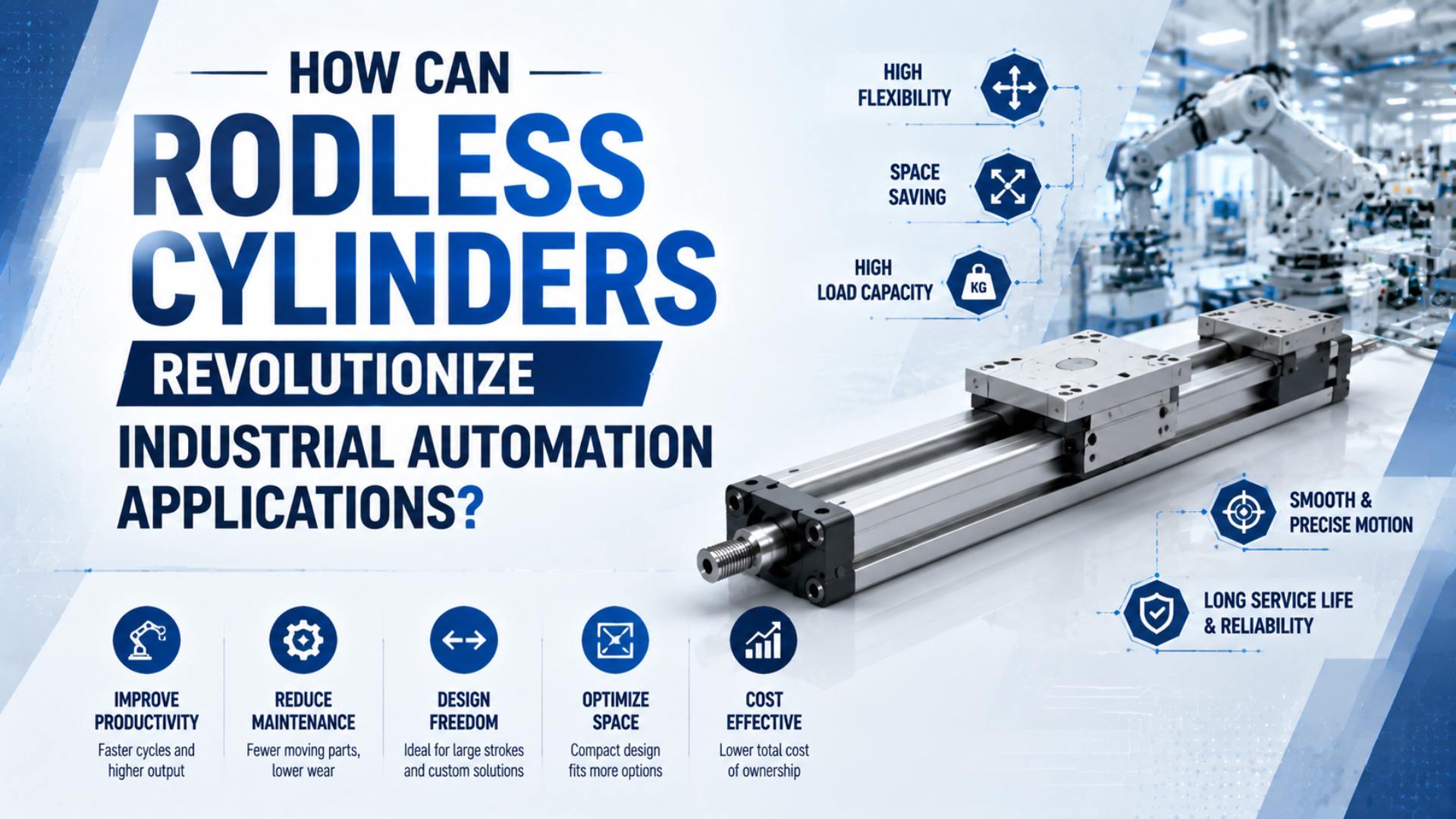
 How Can Rodless Cylinders Revolutionize Industrial Automation Applications?Evaluate rodless cylinders across display, wafer, SMT, CNC, and cobot applications using Parker 6,000 mm stroke data and clear rejection checks for engineers.→
Blog Author
Jack Chen
Hello, I'm Jack, a Bepto Pneumatic pneumatics engineer. I help review cylinder sizing, rodless replacement details, stroke, guides, mounting, seals, and load direction.
Author Reading Path
Articles by Jack Chen
179 articles sorted newest first for readers who want one author's pneumatic selection notes in one place.
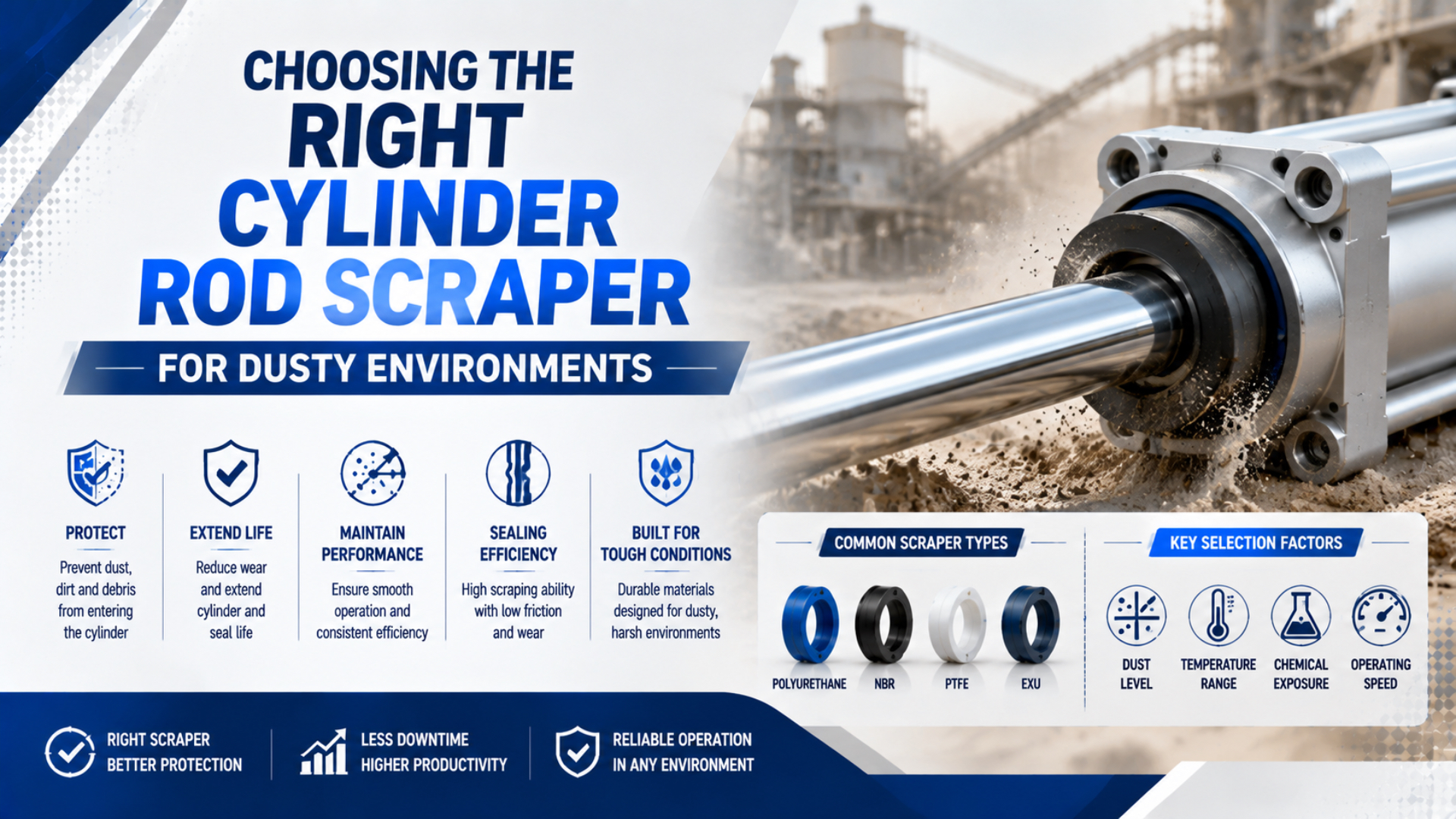 Choosing the Right Cylinder Rod Scraper for Dusty EnvironmentsSelect a pneumatic cylinder rod scraper by matching the contaminant, wiper profile, compound, housing, rod condition, lubrication, and maintenance evidence.→
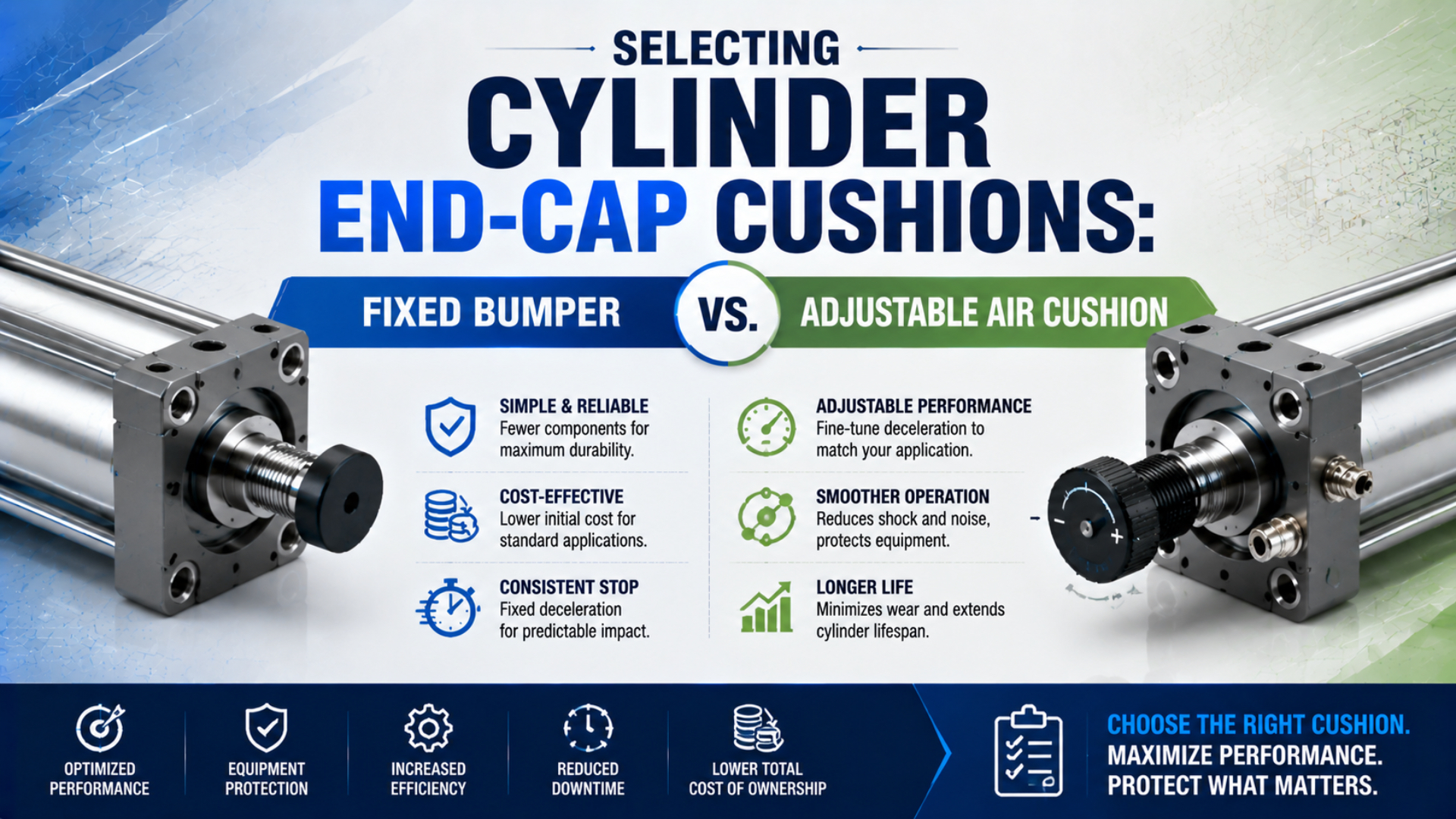 Selecting Cylinder End-Cap Cushions: Fixed Bumper vs. Adjustable Air CushionChoose fixed bumpers or adjustable air cushions using Parker's 50% entry-speed warning, moving mass, model-specific energy limits, and commissioning evidence.→
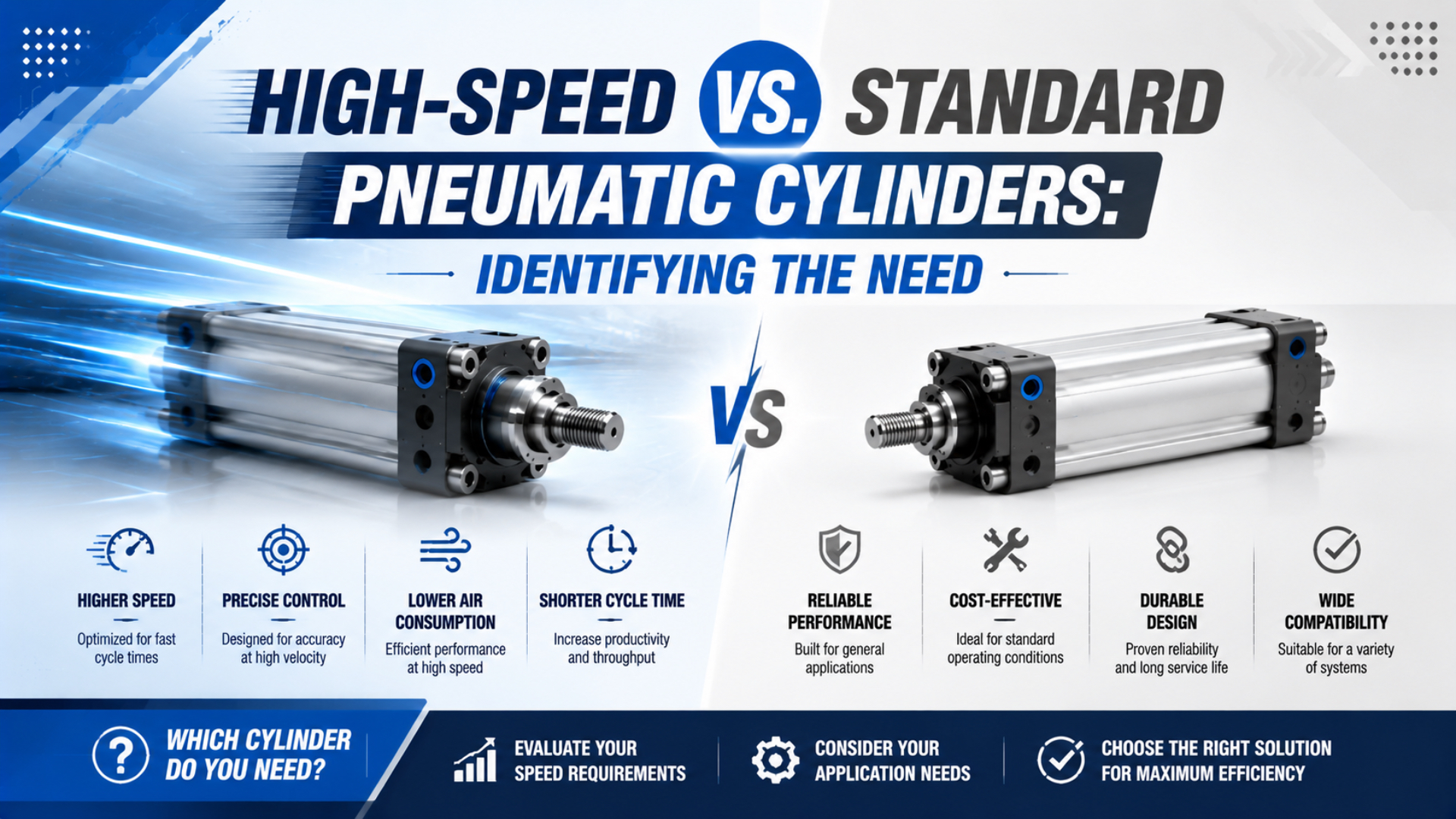 High-Speed vs. Standard Pneumatic Cylinders: Identifying the NeedDecide whether a standard pneumatic cylinder is sufficient or a high-speed version is justified by checking motion time, airflow, stopping energy, duty, and exact product limits.→
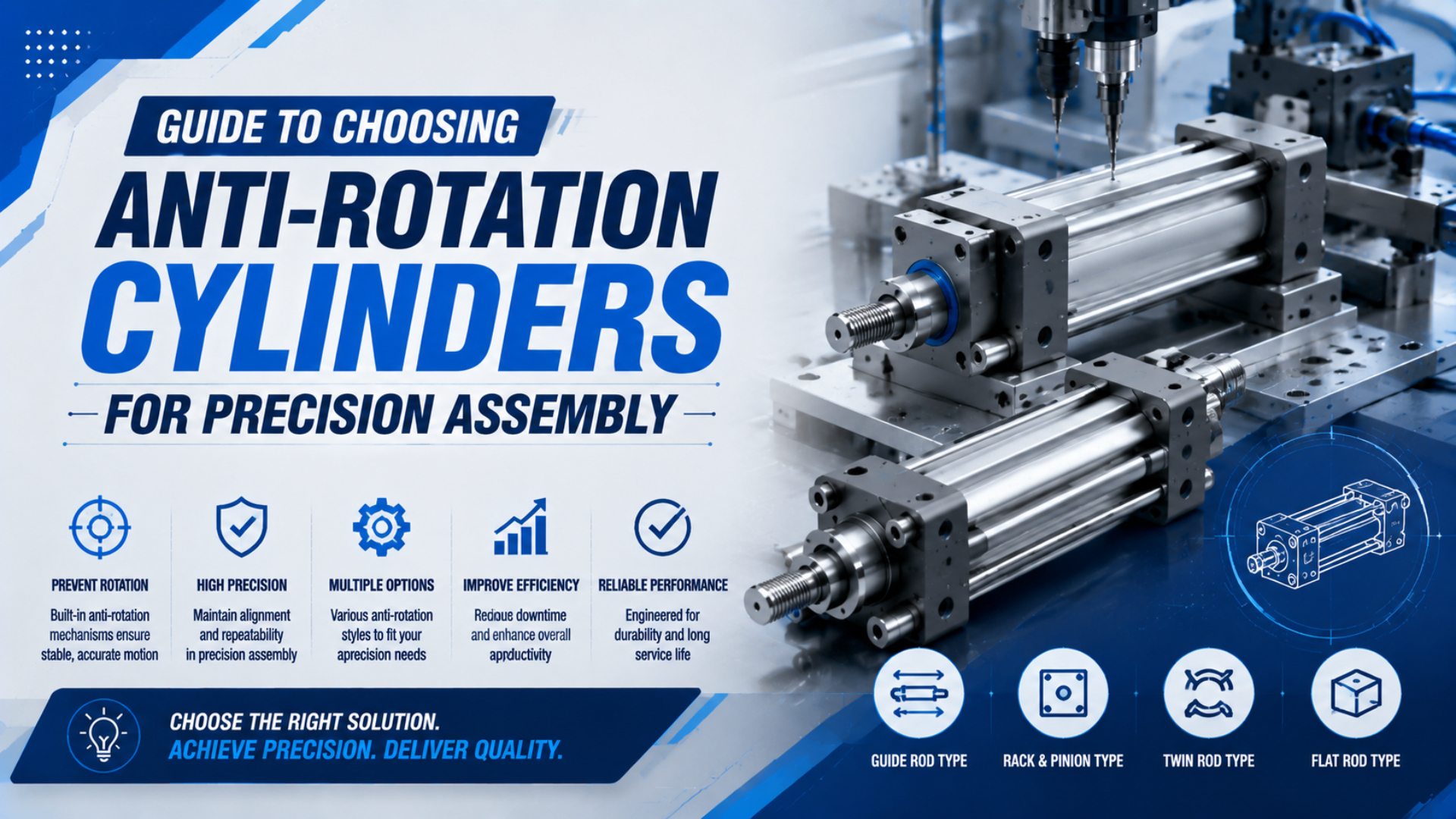 Guide to Choosing Anti-Rotation Cylinders for Precision AssemblyChoose an anti-rotation cylinder by tool-tip error, Mx/My/Mz load, and stroke. Includes SMC ±0.1° data, Festo torque examples, and acceptance test steps.→
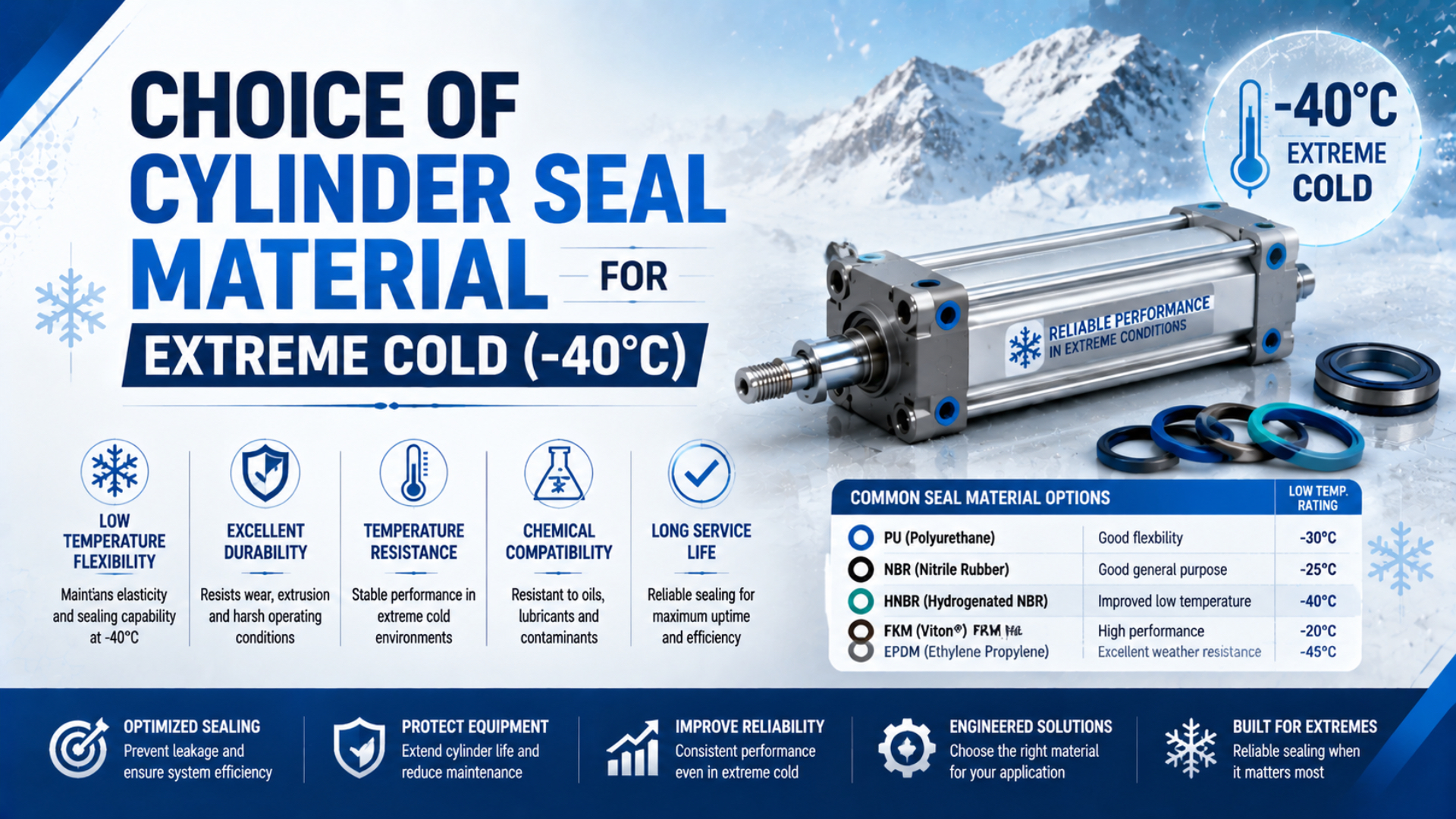 Choice of Cylinder Seal Material for Extreme Cold (-40°C)Choose a pneumatic cylinder seal system for -40°C service using exact compound data, OEM options, compatibility checks, and cold-soak validation for engineers.→
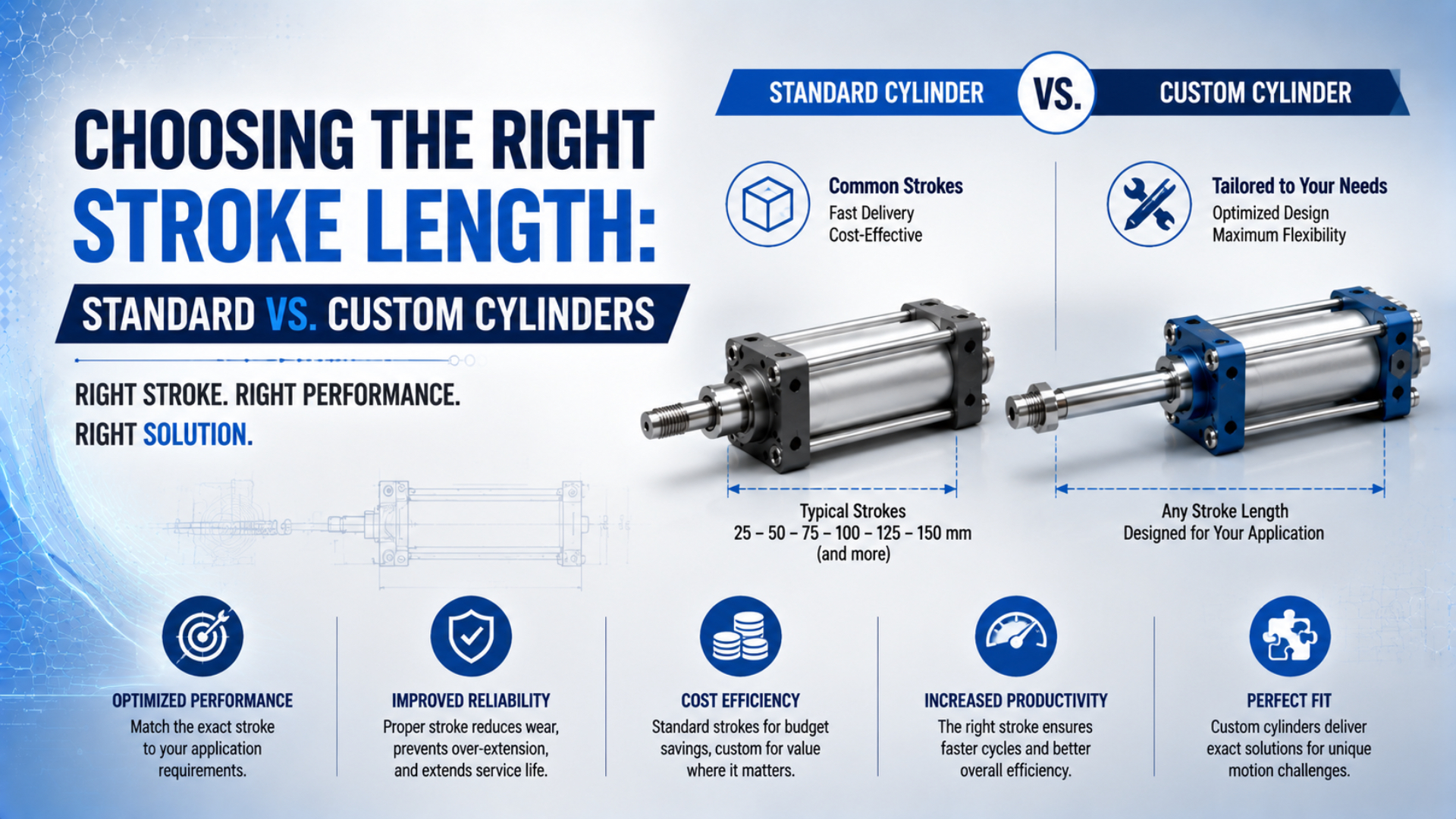 Choosing the Right Stroke Length: Standard vs. Custom CylindersChoose cylinder stroke from measured travel and installed geometry; ISO 15552 covers 32-320 mm bores, but it does not prescribe one standard stroke list.→
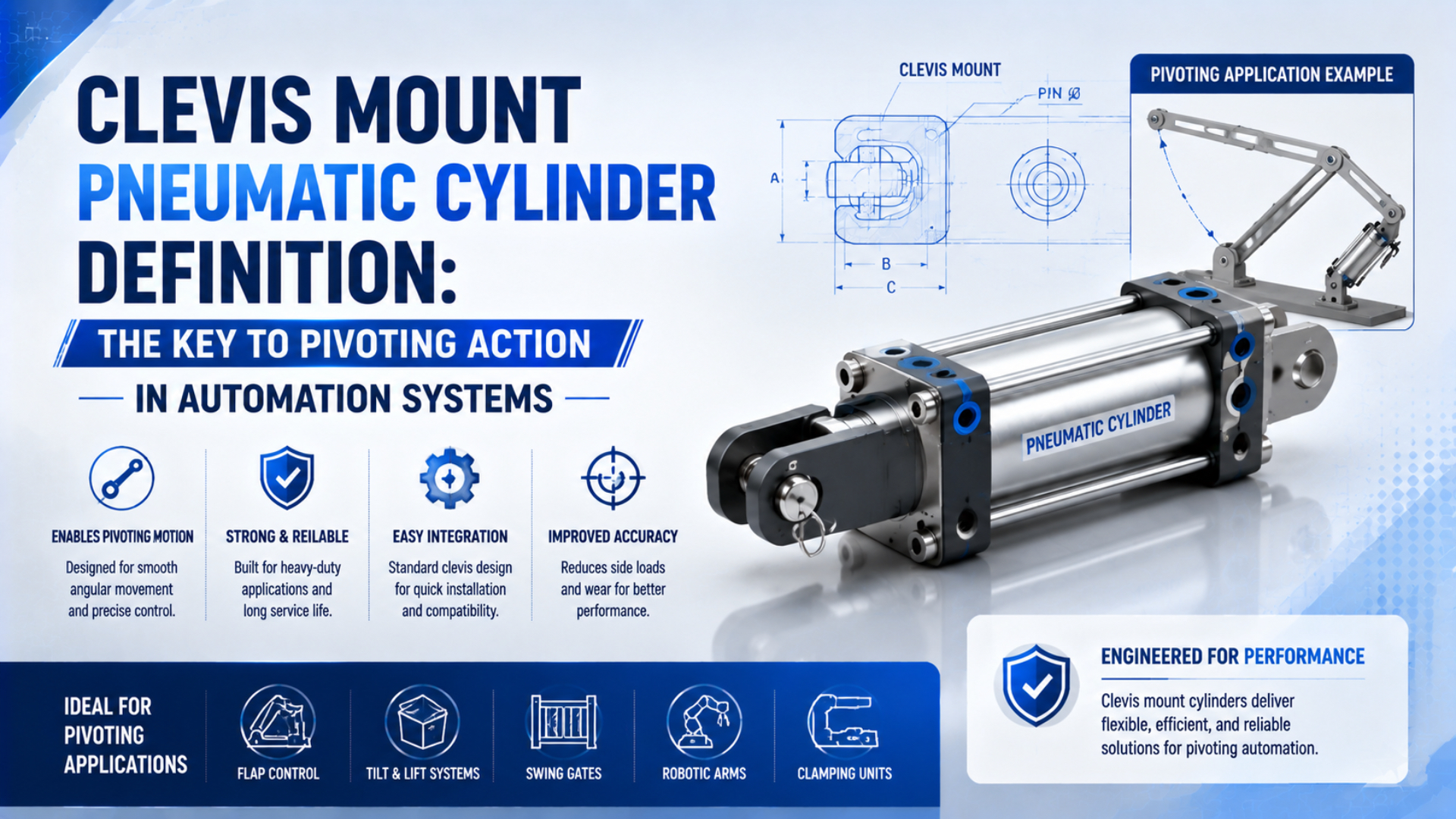 Clevis Mount Pneumatic Cylinder Definition: The Key to Pivoting Action in Automation SystemsDefine a clevis mount pneumatic cylinder using ISO 8140 and Parker guidance, then verify its pivot geometry, pin alignment, loads, clearances, and RFQ data.→
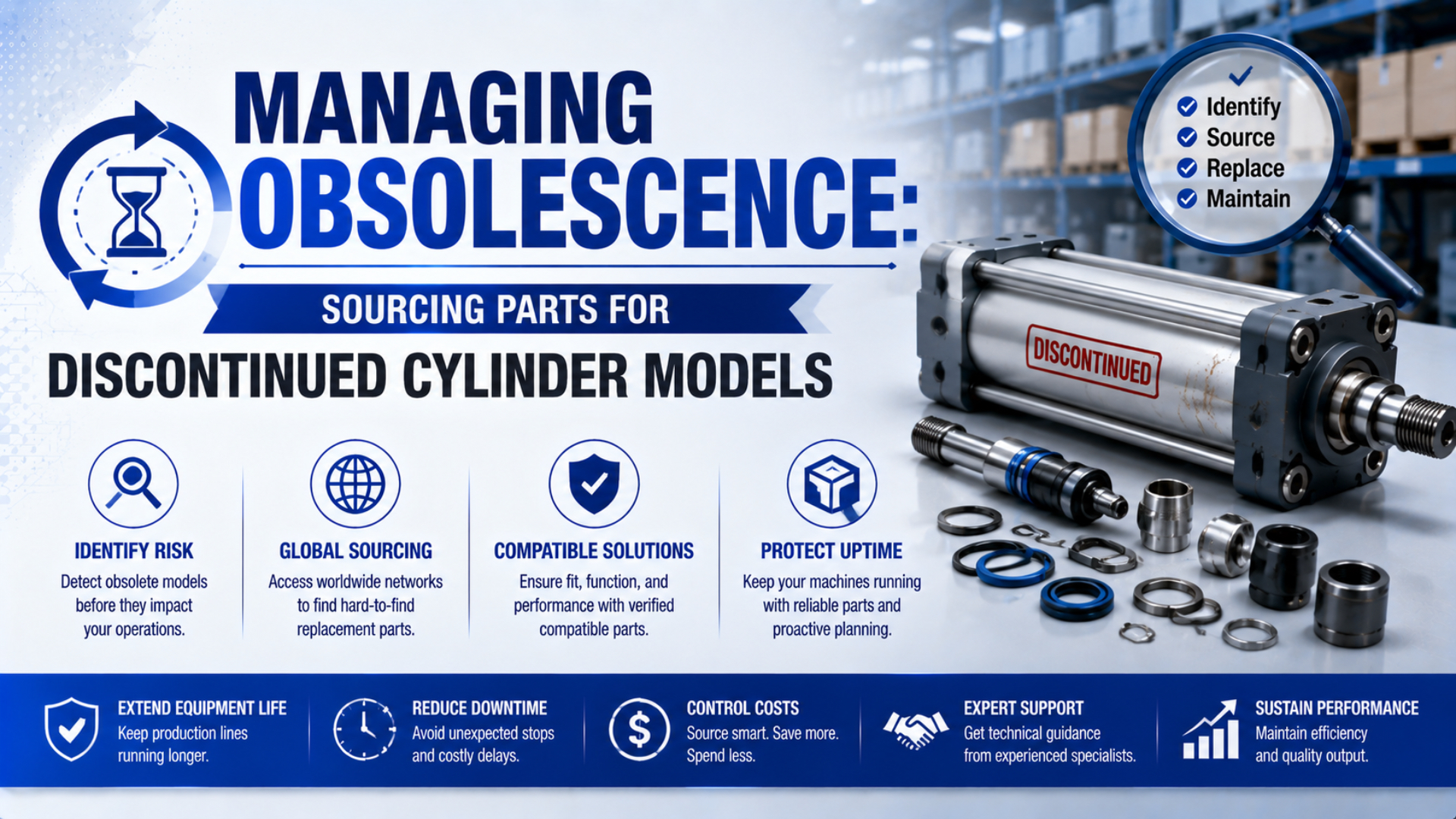 Managing Obsolescence: Sourcing Parts for Discontinued Cylinder ModelsManage discontinued pneumatic cylinders with IEC 62402, ISO 15552's 32-320 mm scope, verified cross-references, spare planning, and first-article tests.→