
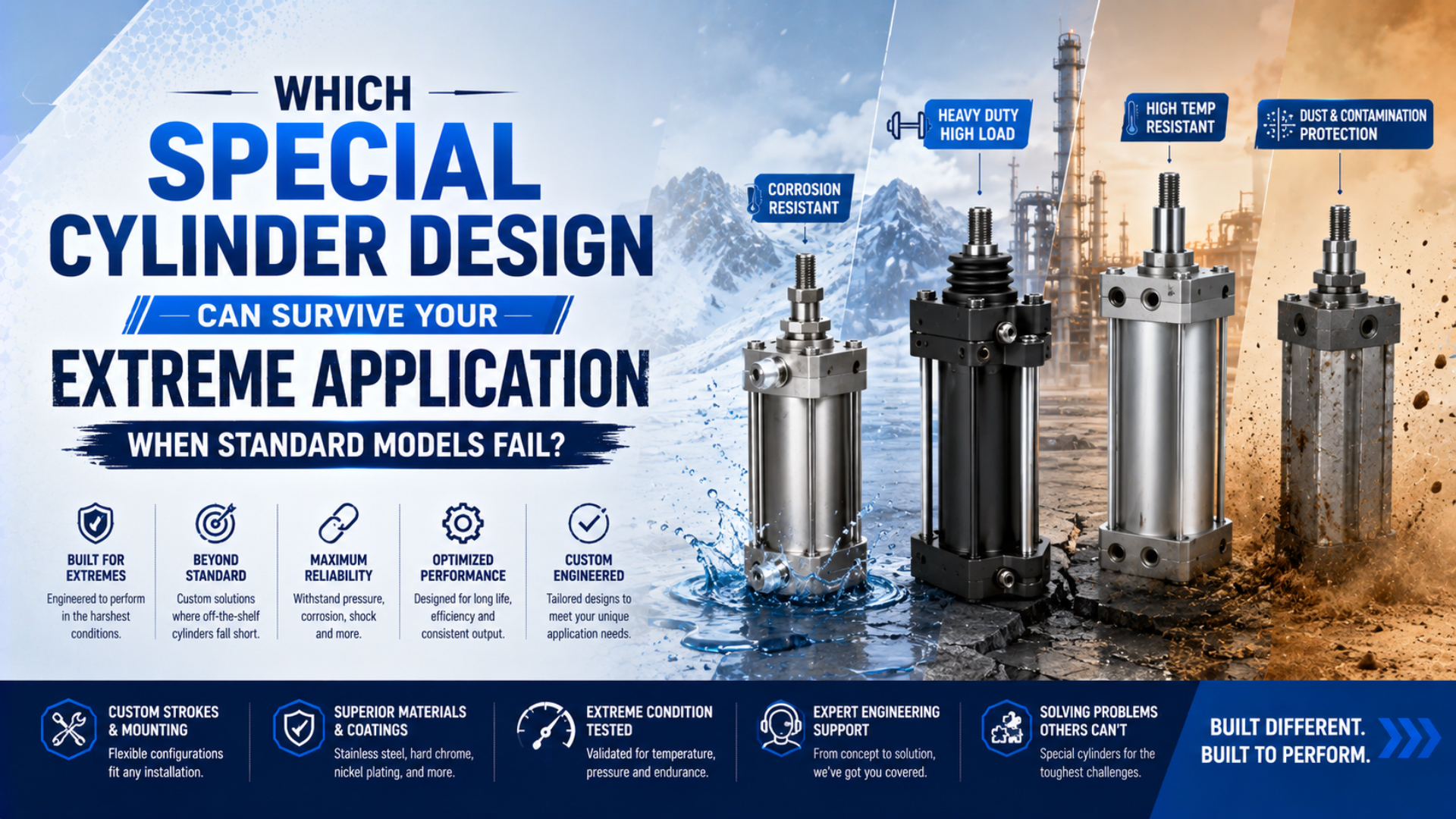
Which Special Cylinder Design Can Survive Your Extreme Application When Standard Models Fail?Select a special pneumatic cylinder by failure mode, verify 10 bar ISO 15552 limits, and match seals, guides, feedback, environment, and safety in service.→Blog Author
Siyu Wang
Hello, I'm Siyu, a Bepto Pneumatic application engineer. I help engineers and purchasing staff review pneumatic system design, component applications, and custom solution requirements.
Author Reading Path
Articles by Siyu Wang
46 articles sorted newest first for readers who want one author's pneumatic selection notes in one place.
Showing 46 articles
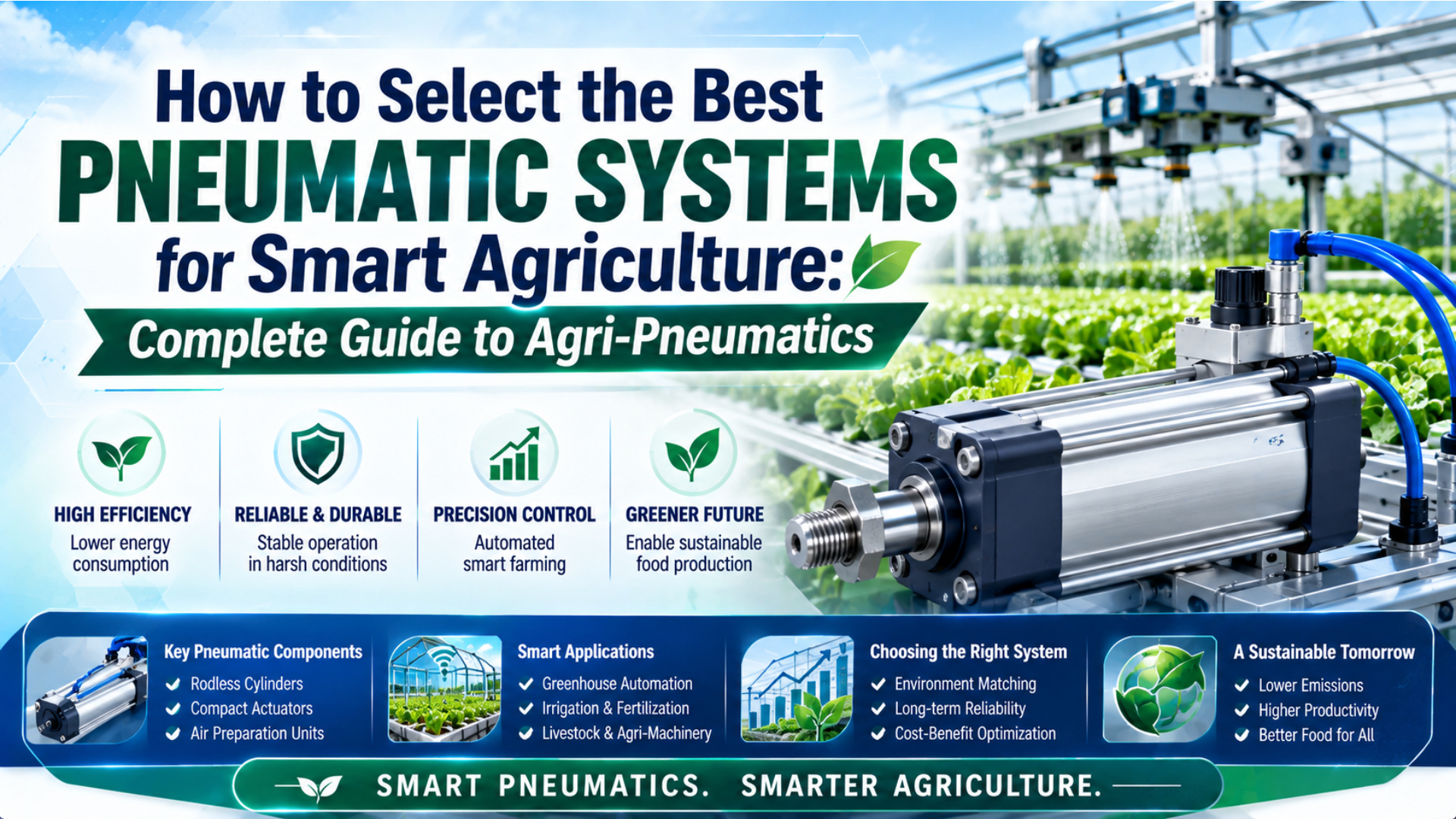
How to Select the Best Pneumatic Systems for Smart Agriculture: Complete Guide to Agri-PneumaticsSelect pneumatic systems for smart agriculture using 8 checks for load, air demand, contamination, controls, spray PWM, fail-safe design, and maintenance.→
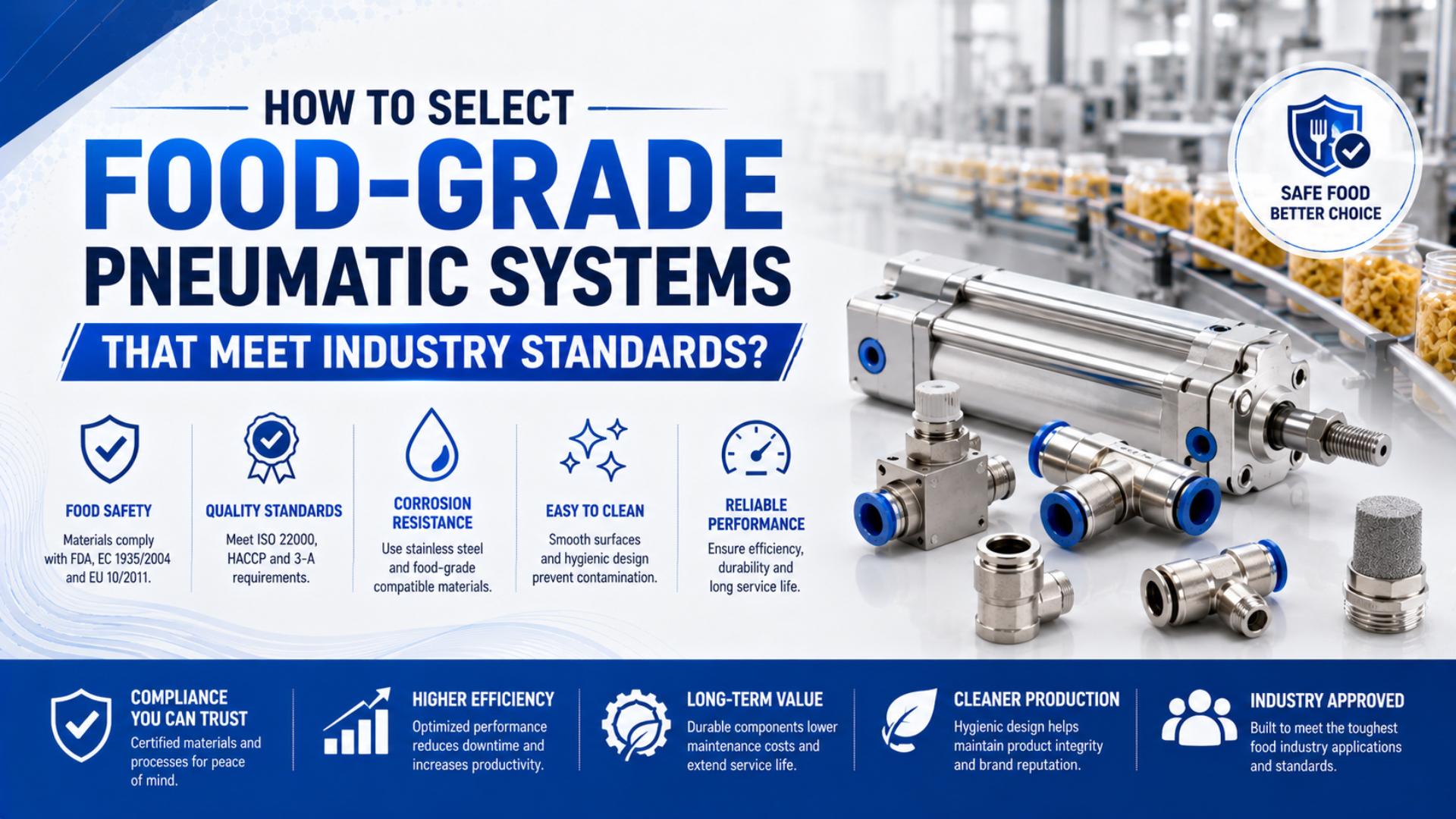
How to Select Food-Grade Pneumatic Systems That Meet Industry Standards?Select food-grade pneumatic systems by mapping 4 hygiene zones, applying 21 CFR 117.40, and verifying air quality, materials, cleanability, and evidence.→
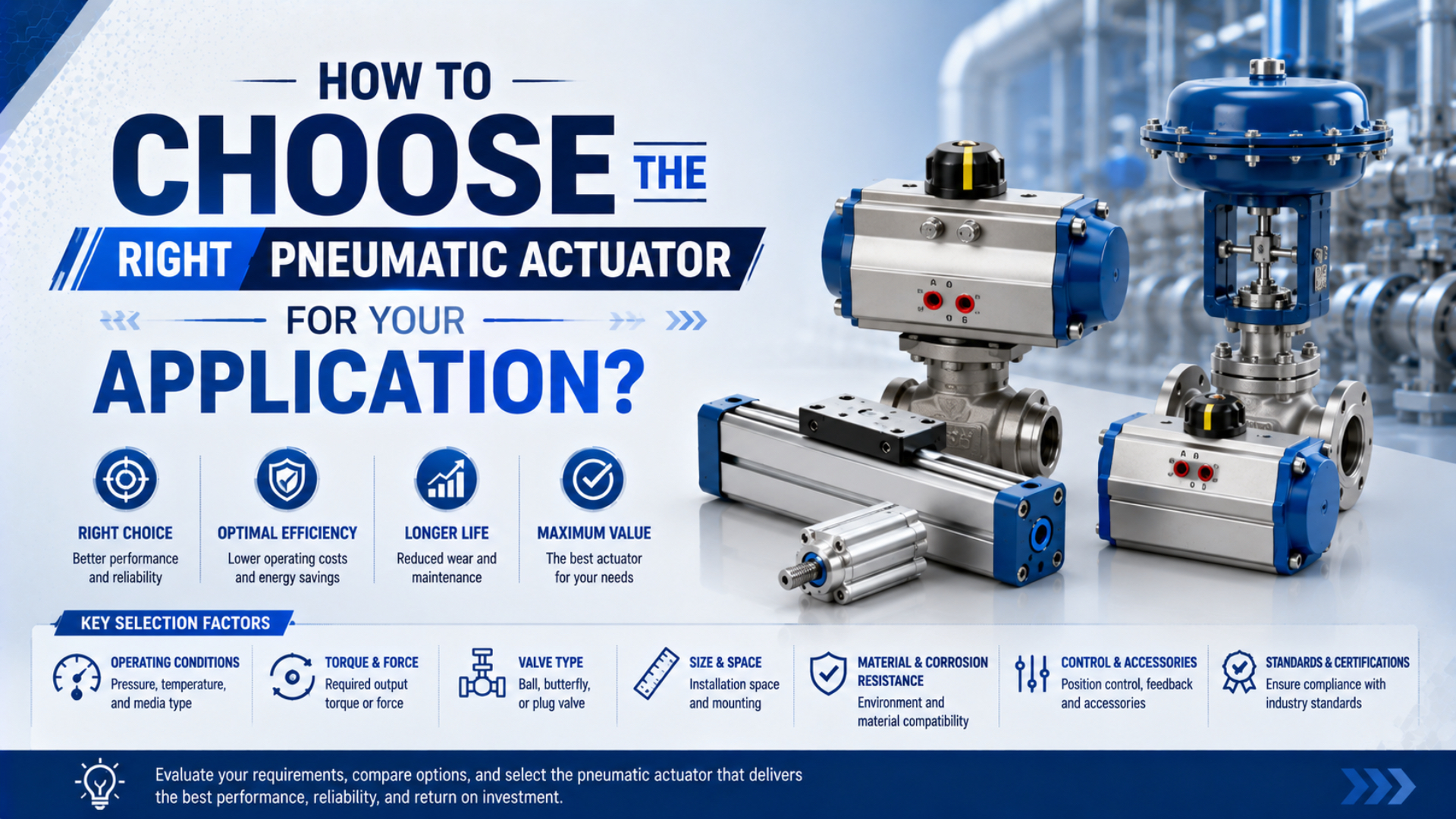
How to Choose the Right Pneumatic Actuator for Your Application?Choose a pneumatic actuator by matching motion, force or torque, guide loads, speed, stopping energy, environment, safety, and catalog limits.→
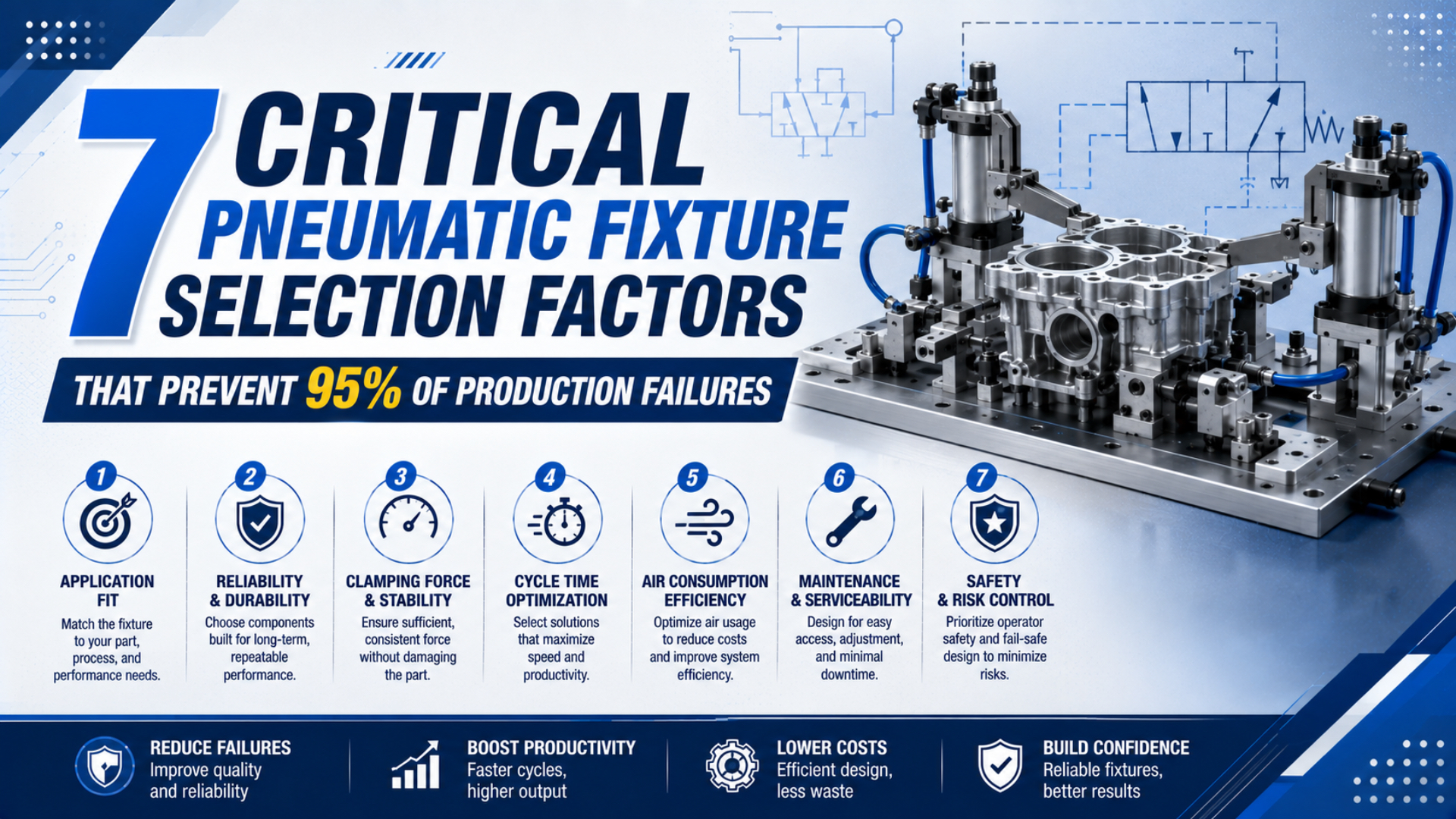
7 Critical Pneumatic Fixture Selection Factors That Prevent 95% of Production FailuresSelect pneumatic fixtures with seven checks for force, pressure, stroke, load path, fail-safe behavior, sensing, and quick-change interfaces.→
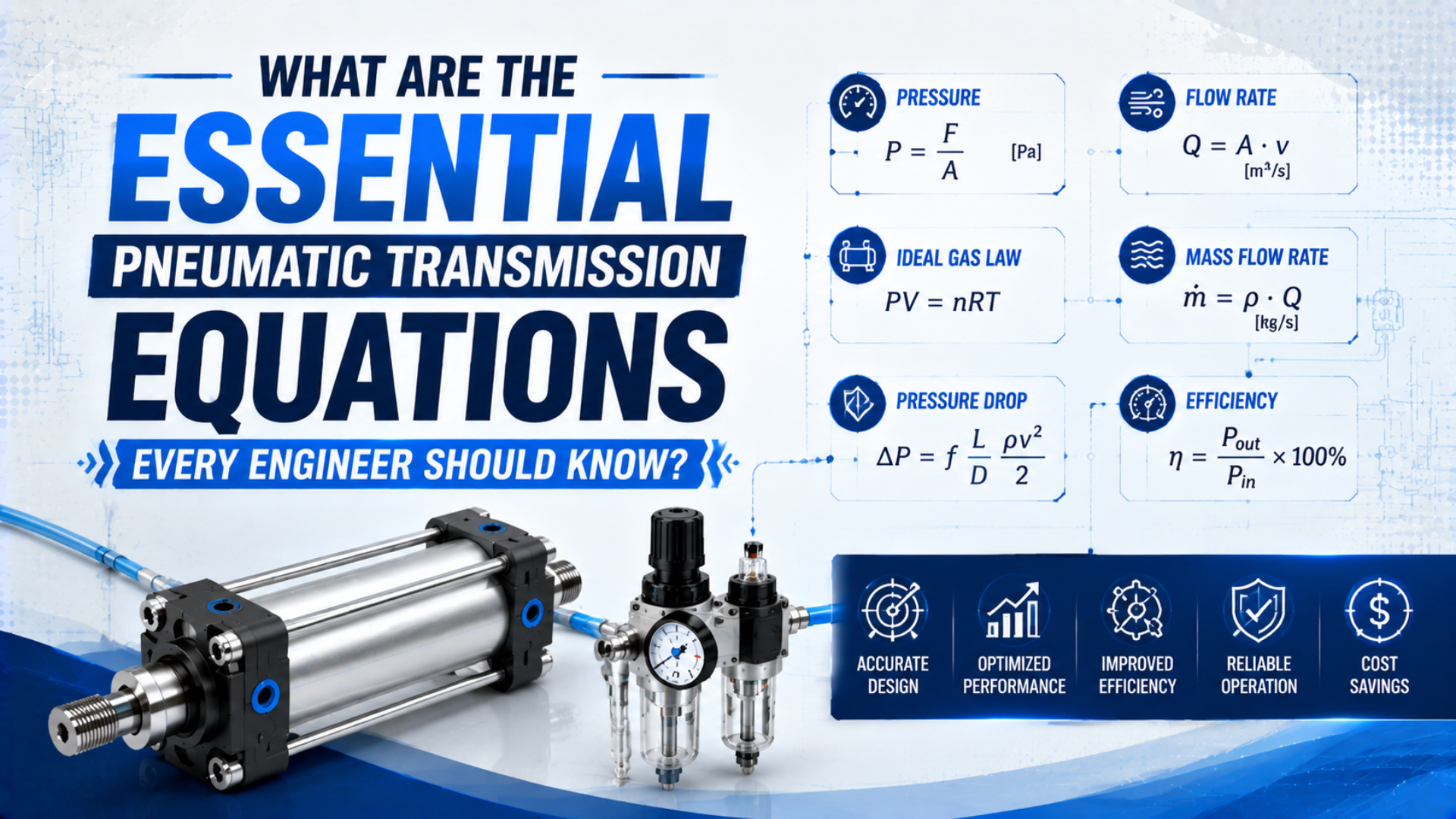
What Are The Essential Pneumatic Transmission Equations Every Engineer Should Know?A system-level reference for pneumatic equations, units, pressure and temperature states, cylinder force, air consumption, flow, speed, valve capacity, and pressure drop.→
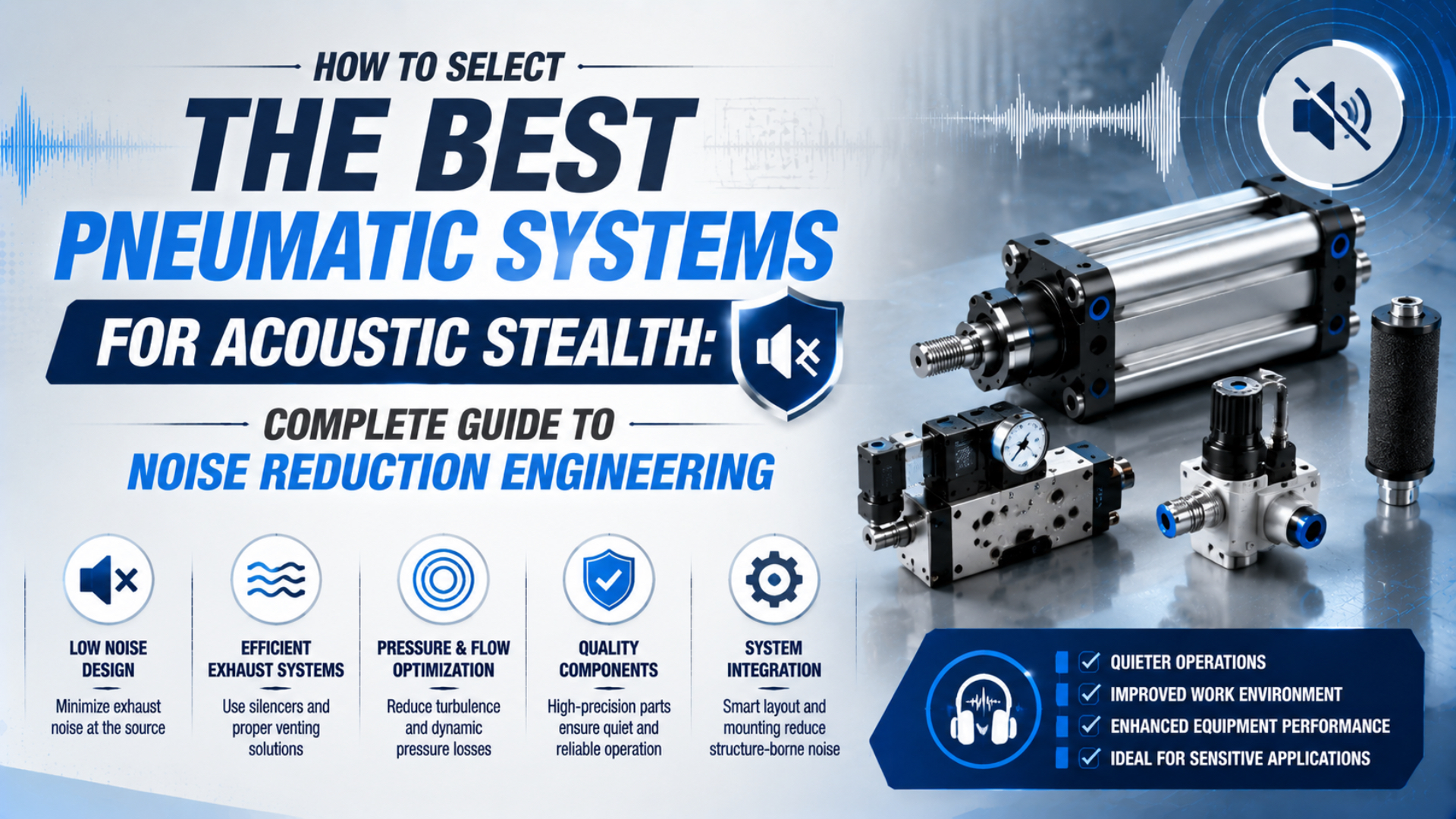
How to Select the Best Pneumatic Systems for Acoustic Stealth: Complete Guide to Noise Reduction EngineeringSelect low-noise pneumatic systems using OSHA's 85 dBA action level, ISO measurement methods, quieter exhaust, mounting, flow, and installed verification.→
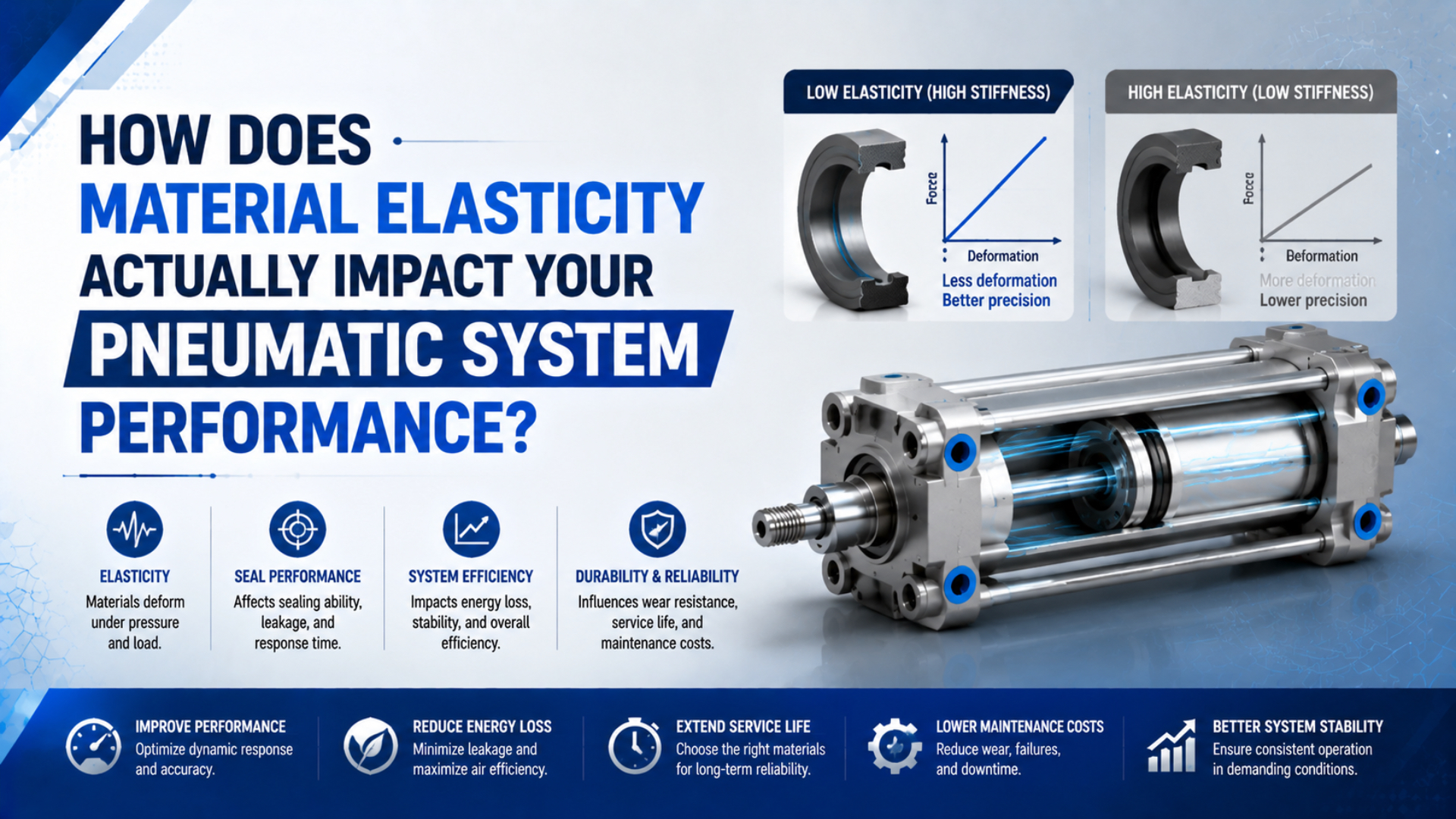
How Does Material Elasticity Actually Impact Your Pneumatic System Performance?Build a pneumatic system stiffness budget from material modulus, geometry, gas volume, seals, and joints; a 16 mm steel rod elongates 0.012 mm under 1 kN.→
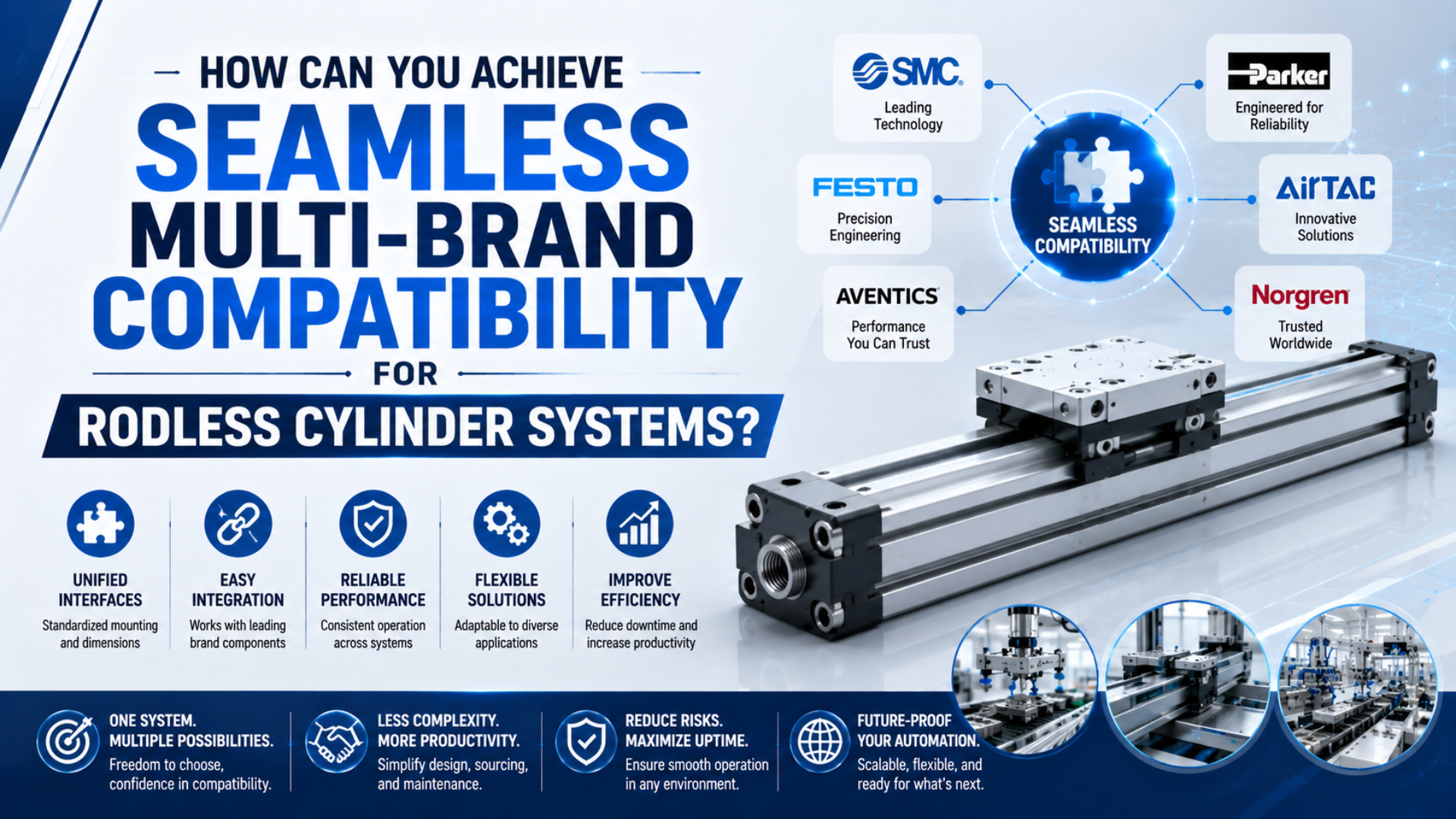
How Can You Achieve Seamless Multi-brand Compatibility for Rodless Cylinder Systems?Check rodless cylinder replacements across 7 interfaces covering load moments, mounting, ports, cushioning, sensors, controls, and machine acceptance.→
Industrial Pneumatic System Components GuideMap an industrial pneumatic system from air preparation to control and motion, using ISO 4414 boundaries, 3 ISO 8573 purity classes, and a verified RFQ.→
Parallel Grippers vs. Angular Grippers: Workpiece Geometry SelectionCompare parallel and angular grippers using 6 geometry checks for contact faces, jaw path, finger profile, tolerances, fixture clearance, and sample validation.→
How to Create a Precise RFQ for Custom Pneumatic CylindersBuild a precise custom pneumatic cylinder RFQ with 4 controlled data blocks covering duty, interfaces, acceptance evidence, and comparable supplier terms.→
Understanding Cylinder Naming Conventions: Decoding Part NumbersDecode pneumatic cylinder part numbers safely, then verify ISO 15552's 32-320 mm scope, ports, sensors, cushioning, drawings, and machine fit before ordering.→
Standard vs. Custom: When is it Worth Investing in Bespoke Cylinders?Choose standard, configured, or custom pneumatic cylinders with a 6-gate review covering interfaces, duty, validation, committed cost, MOQ, and change risk.→
FDA Compliant Pneumatics: A Procurement Guide for Food & Beverage PlantsProcure FDA compliant pneumatics using intended-use statements, material evidence, supplier declarations, RFQ gates, FAT/SAT checks, and change control.→
Textile Machinery Upgrades: Lint-Resistant Pneumatic SolutionsUse OSHA’s 0.2-0.75 mg/m³ cotton-dust limits correctly while selecting scrapers, rodless cylinders, air quality, and validation tests for textile machines.→
Material Handling: Sourcing Heavy-Duty Actuators for Conveyor SystemsSpecify conveyor actuators with 8 application inputs covering force, guidance, speed, cushioning, environment, interfaces, safety, and supplier evidence.→
Agriculture Automation: Weather-Proof Cylinders for Farming EquipmentSpecify farm pneumatic cylinders using ISO 15552's 32-320 mm range, exposure mapping, seal compatibility, air-quality controls, and field validation tests.→
Pneumatic Actuator Definition and TypesDefine pneumatic actuators, compare 7 major families, and use ISO 15552's 32-320 mm, 10 bar scope to prepare a precise industrial actuator replacement RFQ.→
Compatibility Check: Mixing Pneumatic Valves and Cylinders from Different BrandsVerify mixed-brand pneumatic valves and cylinders with eight checks covering function, pressure, flow, ports, tubing, controls, safety, and machine trials.→
The Truth About “Compatible” Pneumatic Parts: What Manufacturers Won’t Tell YouVerify compatible pneumatic parts through 4 evidence layers: standardized fit, configured interfaces, functional duty, and controlled machine release.→
The Risks of Gray Market Pneumatic Components: Protecting Your EquipmentSeparate gray-market, counterfeit, and alternative pneumatic parts, then use 3 evidence gates to verify provenance, inspect arrivals, and control release.→
What Technical Specifications Make Pneumatic Cylinders Suitable for Critical Cleanroom Environments?Cleanroom pneumatic cylinder specifications: compare particle tests, materials, seals, lubrication, motion limits, validation, RFQ evidence, and maintenance.→
Why Are Hydro-Pneumatic Cylinders the Ultimate Solution for Precision Control Applications?Learn how hydro-pneumatic cylinders control feed speed or create a short high-force stroke, plus the sizing, safety, and RFQ checks that matter.→
How Do You Calculate the True Lifting Capacity of Pneumatic Gripper Systems to Prevent Catastrophic Load Drops?Calculate pneumatic gripper lifting capacity from force per jaw, friction, acceleration, and finger position, then verify pressure and air-loss safety.→
Which Gripper Type Delivers Better Performance: Parallel or Angular Grippers for Your Automation Needs?Compare parallel and angular grippers by jaw path, clearance, finger length, grip force, and failure mode using SMC's 10-to-20-times load sizing guideline.→
Linear vs. Rotary Actuators: Which Motion Control Type Matches Your Application Requirements?Compare linear and rotary actuators using ISO 15552 cylinder scope, SMC 90-270° rotation ranges, force, torque, inertia, and RFQ checks.→
How Do Pneumatic Grippers Revolutionize Pick-and-Place Automation Efficiency?Diagnose pneumatic gripper cycle time through jaw stroke, grip force, sensors, tubing, and dynamic pressure; CAGI recommends limiting pressure drop to 10%.→
How Can Clean-Room Certified Pneumatic Grippers Revolutionize Your Electronics Manufacturing Quality and Efficiency?Select clean-room pneumatic grippers for electronics using ISO 5's 3,520 particles/m³ limit, force checks, contamination paths, and qualification evidence.→
How Do You Select the Right Pneumatic Components for Class 100 Cleanroom Applications Without Compromising Performance?Select Class 100 cleanroom pneumatic components using ISO 5's 3,520 particles/m³ limit, contamination-path checks, performance data, and qualification evidence.→
How Can Quick-Connect Fittings Revolutionize Your Tool Changeover Speed and Boost Production Efficiency?Select quick-connect fittings using ISO 6150 profiles at 10, 16 or 25 bar, measured changeover time, flow data, venting, locking, and pneumatic tool safety.→
How Can Chemical Processing Plants Choose Corrosion-Resistant Fittings to Ensure Safe and Reliable Pneumatic System Operations?Select corrosion-resistant pneumatic fittings with a 5-part check covering exposure mode, chemical concentration, temperature, seals, tubing, and test evidence.→
Compact Cylinders in End-of-Arm Tooling: A Design GuideDesign compact cylinders for EOAT using robot payload, center-of-gravity moment, grip-force math, ISO 9409-1 mounting, pneumatic timing, and air-loss tests.→
How to Select Corrosion-Resistant Cylinders for Marine ApplicationsSelect marine corrosion-resistant cylinders by exposure zone, 316L/duplex material, ISO 9227:2022 salt-spray limits, seals, drainage, and RFQ checklists.→
How Do Pneumatic Actuators Revolutionize Materials Testing Equipment Performance and Reliability?Use pneumatic actuators in materials testing fixtures with ASTM E4-24 force verification, ISO/IEC 17025 lab rules, CAGI 10% pressure-drop checks.→
What Are the Different Types of Pneumatic Grippers and How Do They Transform Industrial Automation?Choose pneumatic gripper types with SMC 2-, 3-, and 4-finger families, grip-force math, CAGI 10% pressure-drop guidance, tooling, and RFQ checks.→
What Are the Different Types of Linear Actuators and How Do They Transform Industrial Automation?Compare 6 linear actuator types with ISO 15552 10 bar cylinder data, Parker 6000 mm rodless strokes, electric screw/belt axes, and RFQ checks for sizing.→
What Are Pneumatic Actuators and How Do They Work?Learn pneumatic actuators with ISO 15552 10 bar cylinder scope, SMC 90-270 deg rotary arcs, CAGI 10% pressure-drop rule, sizing, valves, and RFQ checks.→
When Should I Choose a Cylinder Over an Electric Actuator for My Application?Choose cylinders over electric actuators when 10 bar ISO 15552 motion, two end stops, plant air, speed, force, and hazardous-area checks fit the axis.→
Are All Cylinders Considered Actuators in Pneumatic Systems?Yes, pneumatic cylinders are actuators. ISO 15552 covers 10 bar cylinders, while AutomationDirect confirms pneumatic actuator wording for accurate RFQs.→
Which Technology Provides the Highest Precision: Cylinders or Electric Actuators?Compare cylinder and electric actuator precision using Festo, NIST, ISO 15552, Tolomatic, and CAGI sources. Audit accuracy, repeatability, TCO, and control.→
Can Cylinders and Electric Actuators Be Used Together in the Same System?Design hybrid pneumatic-electric systems with ISO 15552 10 bar limits, DOE 10-15% air efficiency, PLC handoffs, safety interlocks, and RFQ checklists.→
How Do Rodless Actuators Work and Why Are They Revolutionizing Industrial Automation?Learn how rodless actuators work with Parker 6000 mm stroke data, SMC 0.1-0.8 MPa specs, DOE 10% air-efficiency context, selection matrix, and RFQ tips.→
What Is the Shocking Difference Between Cylinders and Actuators That 80% of Engineers Get Wrong?Compare cylinders and actuators with ISO 15552's 10 bar limit, DOE 10% air efficiency, CAGI 10% pressure-drop target, control, cost, and supplier RFQ rules.→
What is the Basic Law of Pneumatic and How Does It Drive Industrial Automation?Learn the basic law of pneumatic systems with Pascal, Boyle, 100 psi force math, DOE 20 psi pressure-drop data, flow limits, and automation selection rules.→
How Can You Maximize Energy Conversion Efficiency in Pneumatic Systems?Improve pneumatic energy efficiency with DOE-backed leak, pressure, heat-recovery, and actuator checks. Compressed air often delivers only 15% useful work.→