
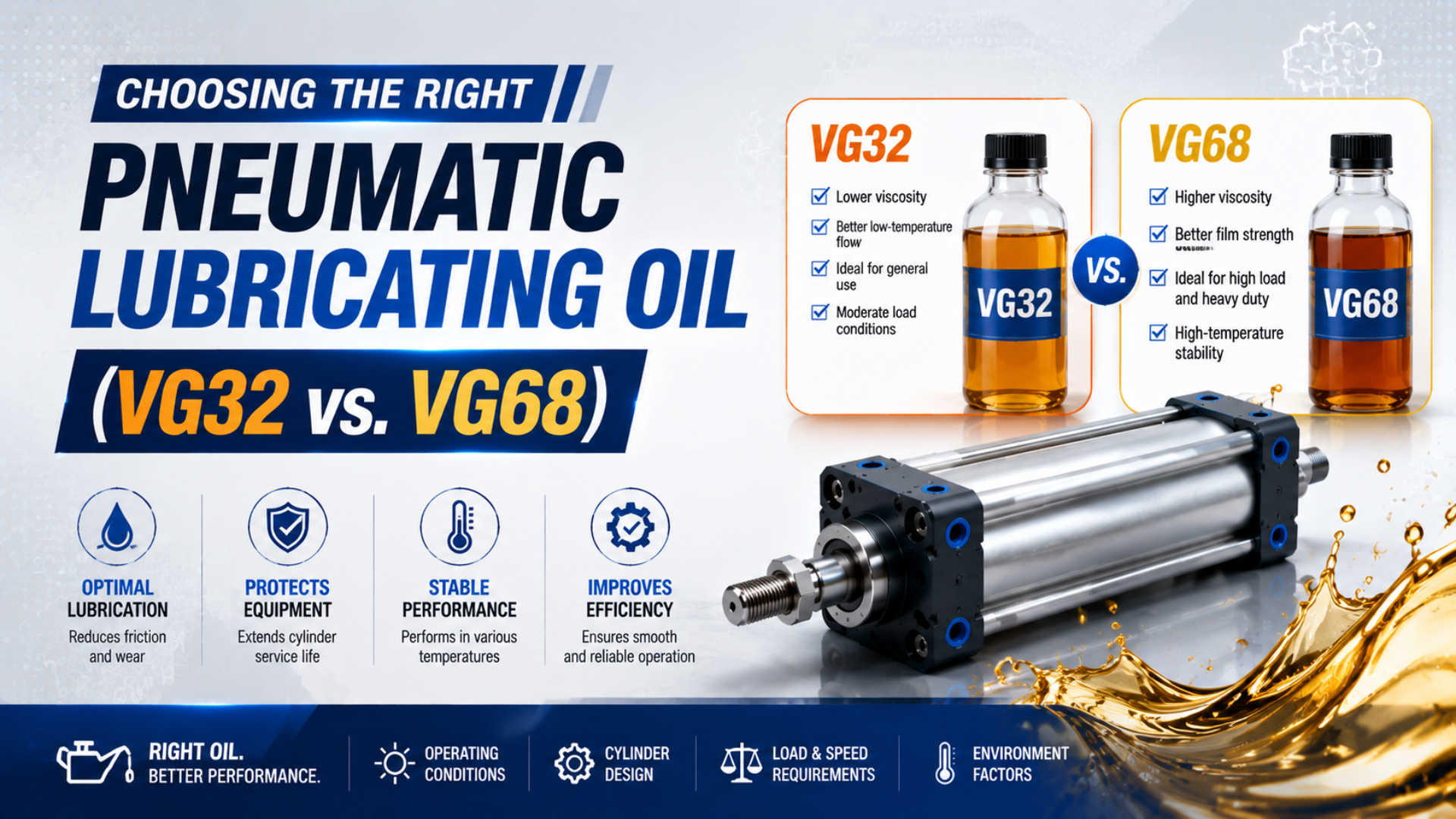
 Choosing the Right Pneumatic Lubricating Oil (VG32 vs. VG68)Choose VG32 or VG68 pneumatic oil using 6 checks for OEM requirements, 40°C viscosity, lubricant chemistry, seal compatibility, FRL delivery, and H1 service.
Blog Tag
air preparation articles
Review every Bepto Pneumatic article connected to air preparation, grouped as one focused reading list for engineers, maintenance staff, and sourcing specialists.
Tagged Reading Path
All articles tagged air preparation
Use this archive to scan related selection notes, RFQ checks, replacement guidance, and pneumatic component references.
Choosing the Right Pneumatic Lubricating Oil (VG32 vs. VG68)Choose VG32 or VG68 pneumatic oil using 6 checks for OEM requirements, 40°C viscosity, lubricant chemistry, seal compatibility, FRL delivery, and H1 service.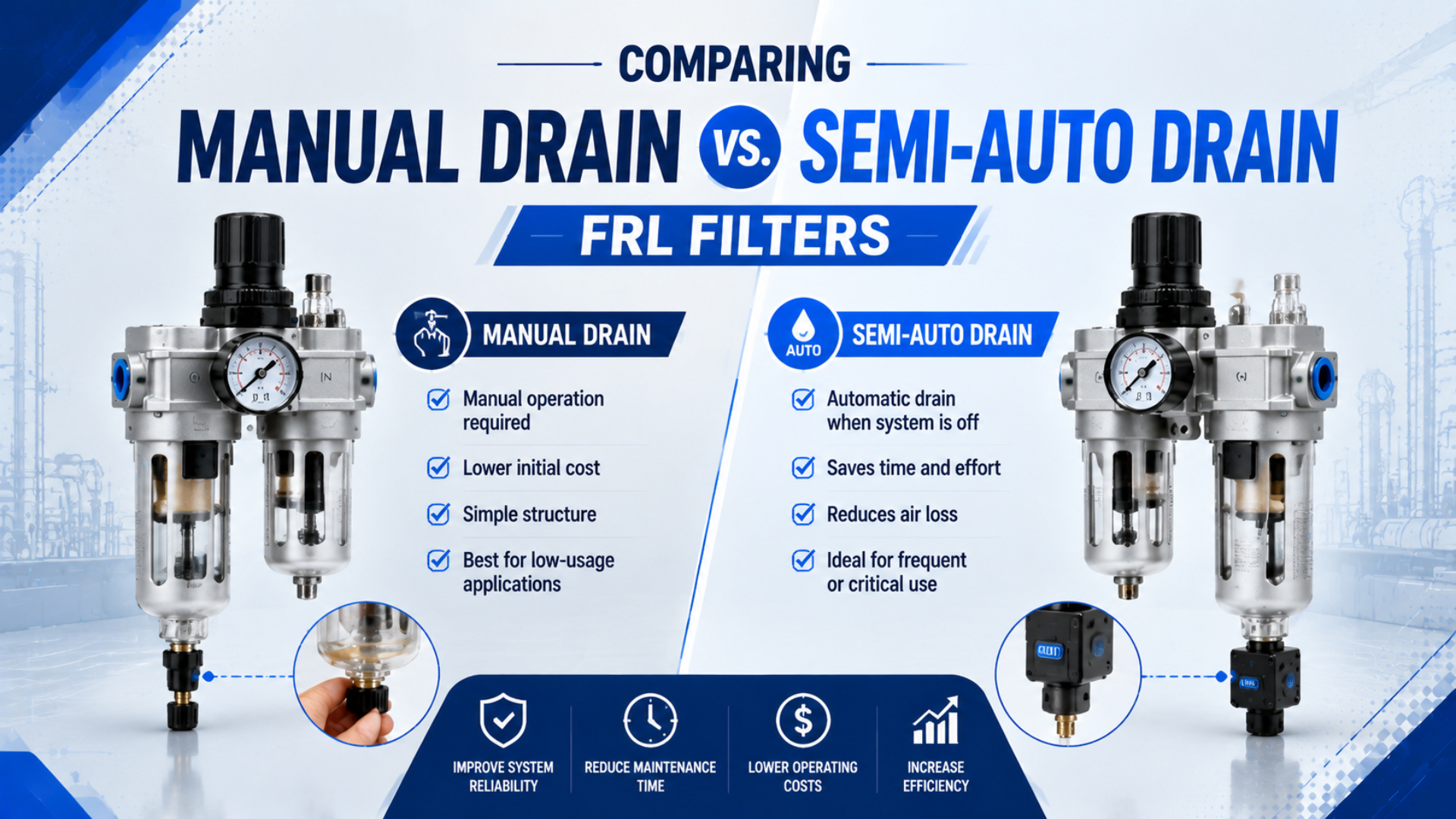 Comparing Manual Drain vs. Semi-Auto Drain FRL FiltersCompare manual and semi-automatic FRL filter drains by mechanism, pressure cycle, measured condensate rate, bowl capacity, maintenance access, and failure response.
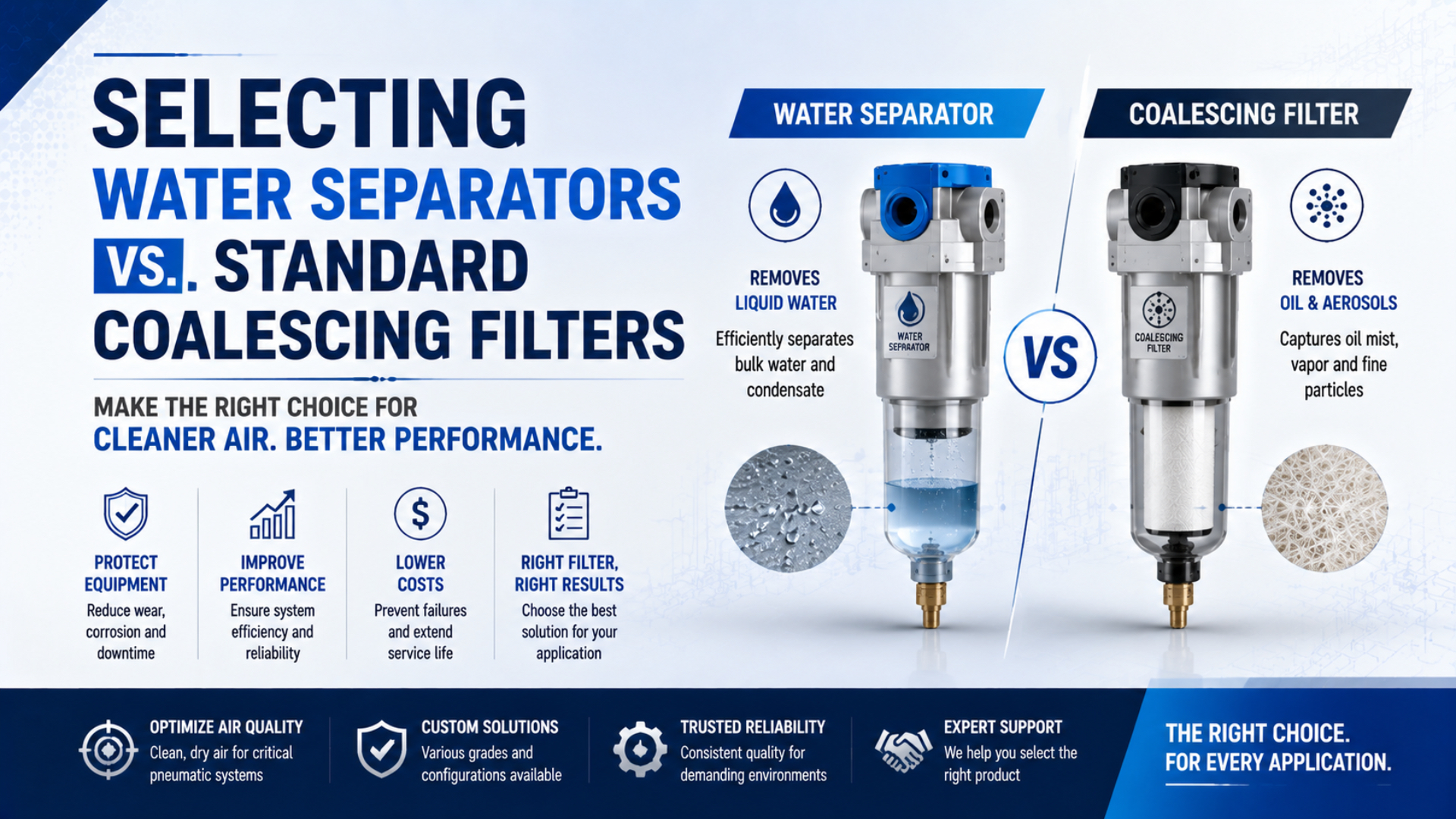 Selecting Water Separators vs. Standard Coalescing FiltersCompare water separators and coalescing filters using ISO 8573's 3 contaminant groups, model-specific flow, pressure drop, drain, and dryer requirements.
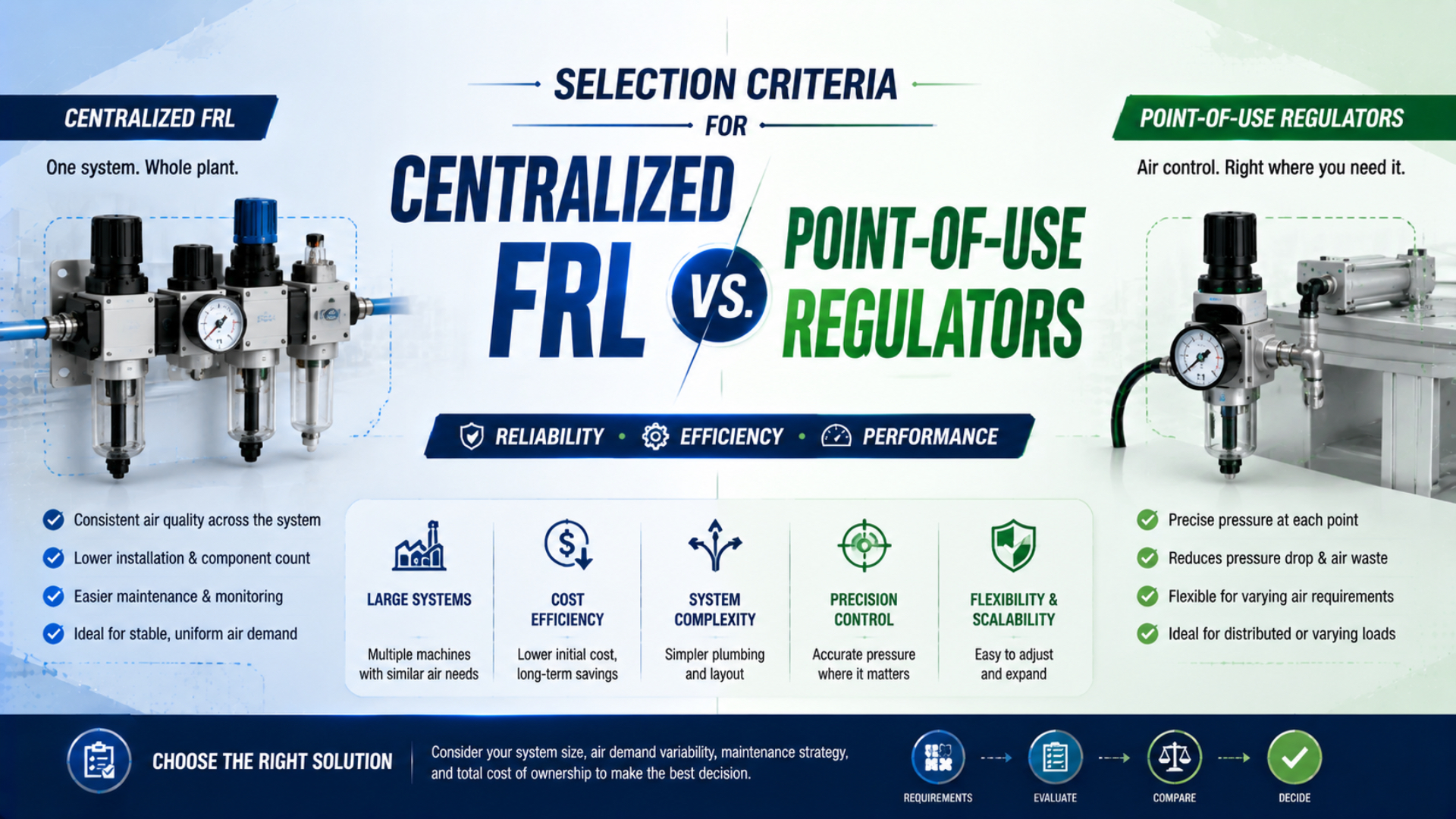 Selection Criteria for Centralized FRL vs. Point-of-Use RegulatorsChoose centralized FRL or point-of-use regulators using CAGI's 10% pressure-drop target, regulator flow curves, air-quality needs, and live-cycle tests.
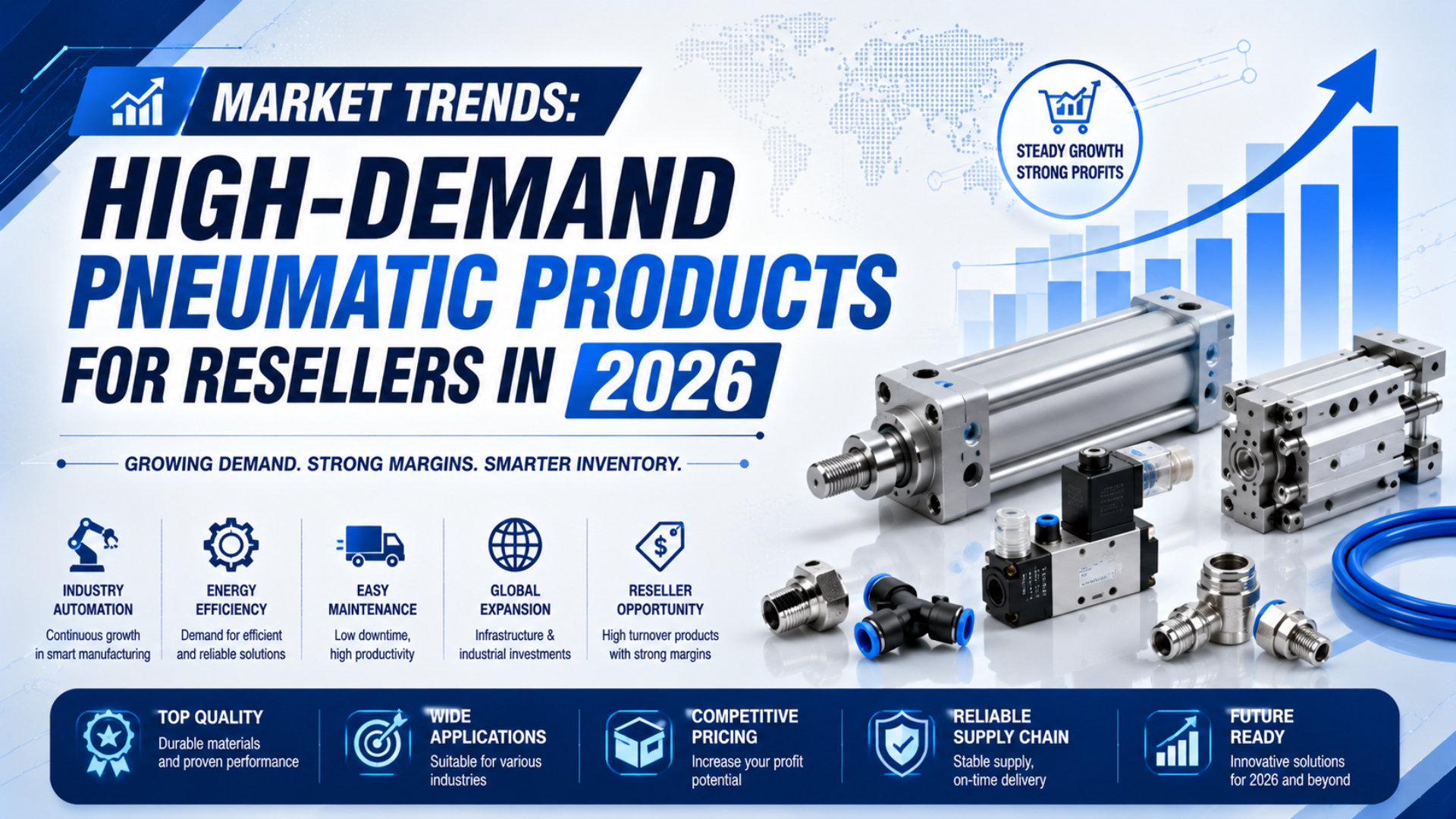 Market Trends: High-Demand Pneumatic Products for Resellers in 2026Use 542,000 robot installations and 71 million IO-Link nodes to plan a 2026 pneumatic reseller portfolio around motion, connectivity, air quality, and support.
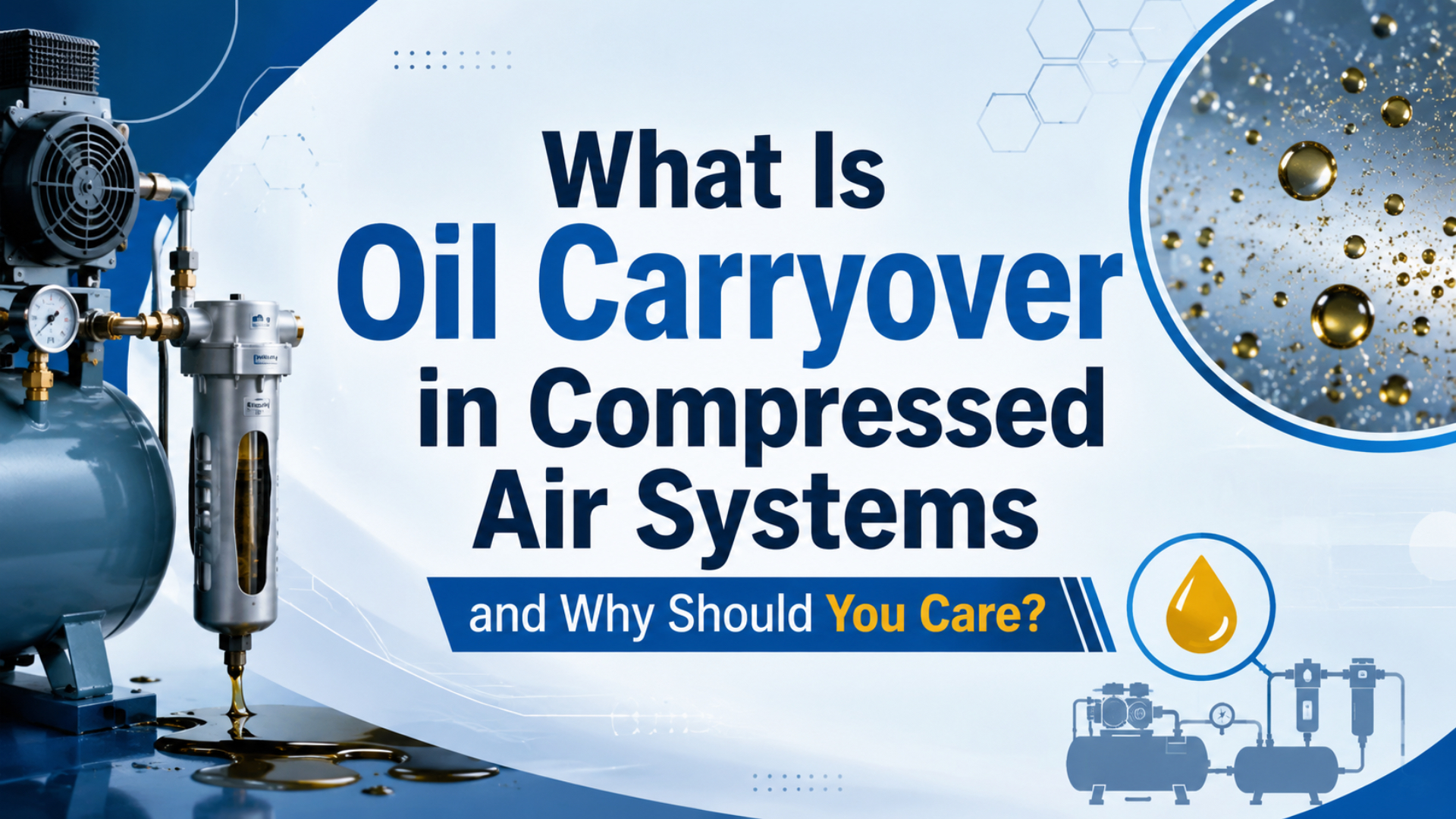 What Is Oil Carryover in Compressed Air Systems and Why Should You Care?Learn how to trace oil carryover, separate aerosol from vapor, apply ISO 8573 testing, and interpret Class 1's 0.01 mg/m³ total-oil limit at the point of use.
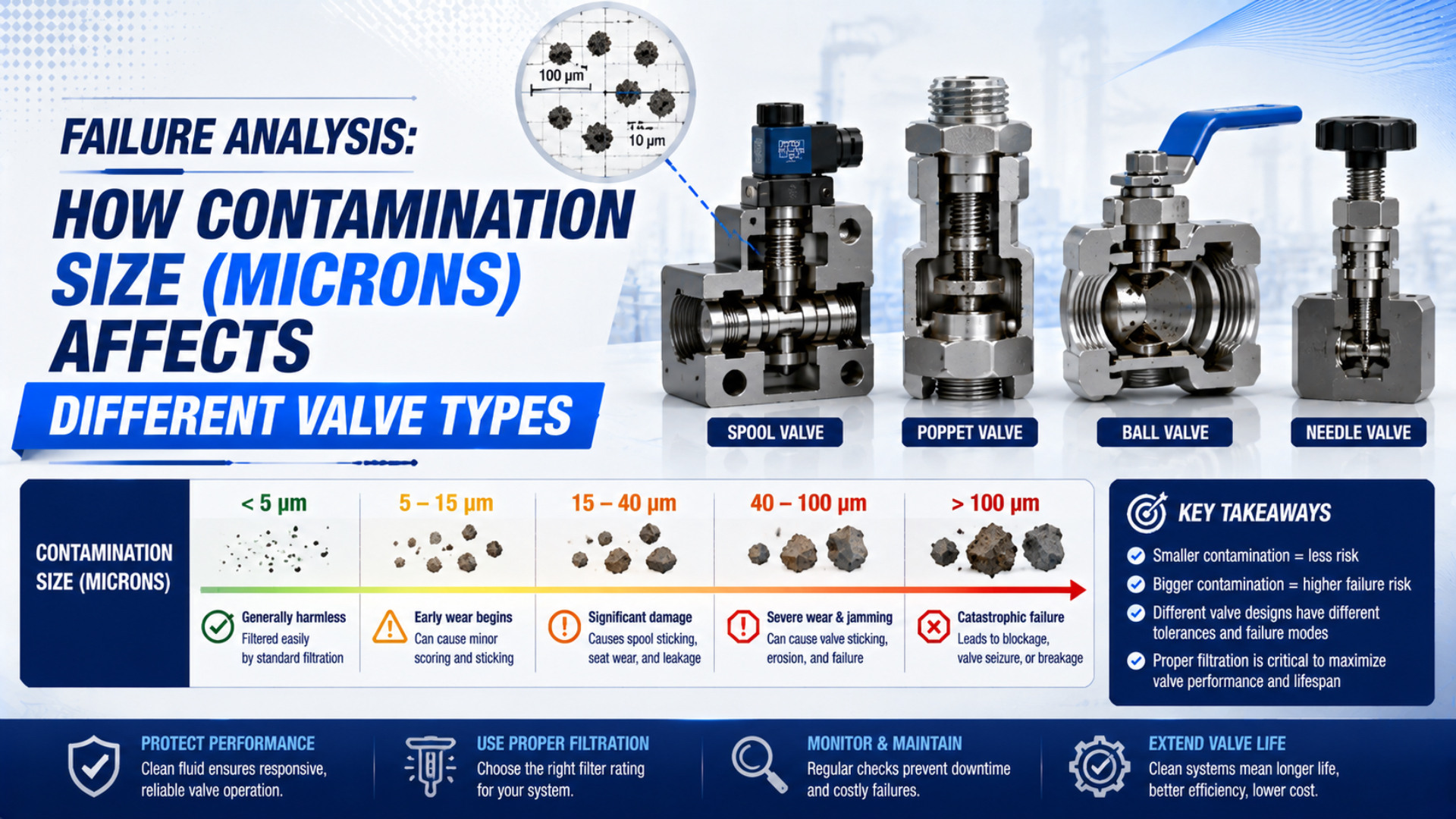 Failure Analysis: How Contamination Size (Microns) Affects Different Valve TypesAnalyze pneumatic valve contamination with 6 evidence checks covering particle size, valve clearance, residue, air quality, filter data, and failure timing.
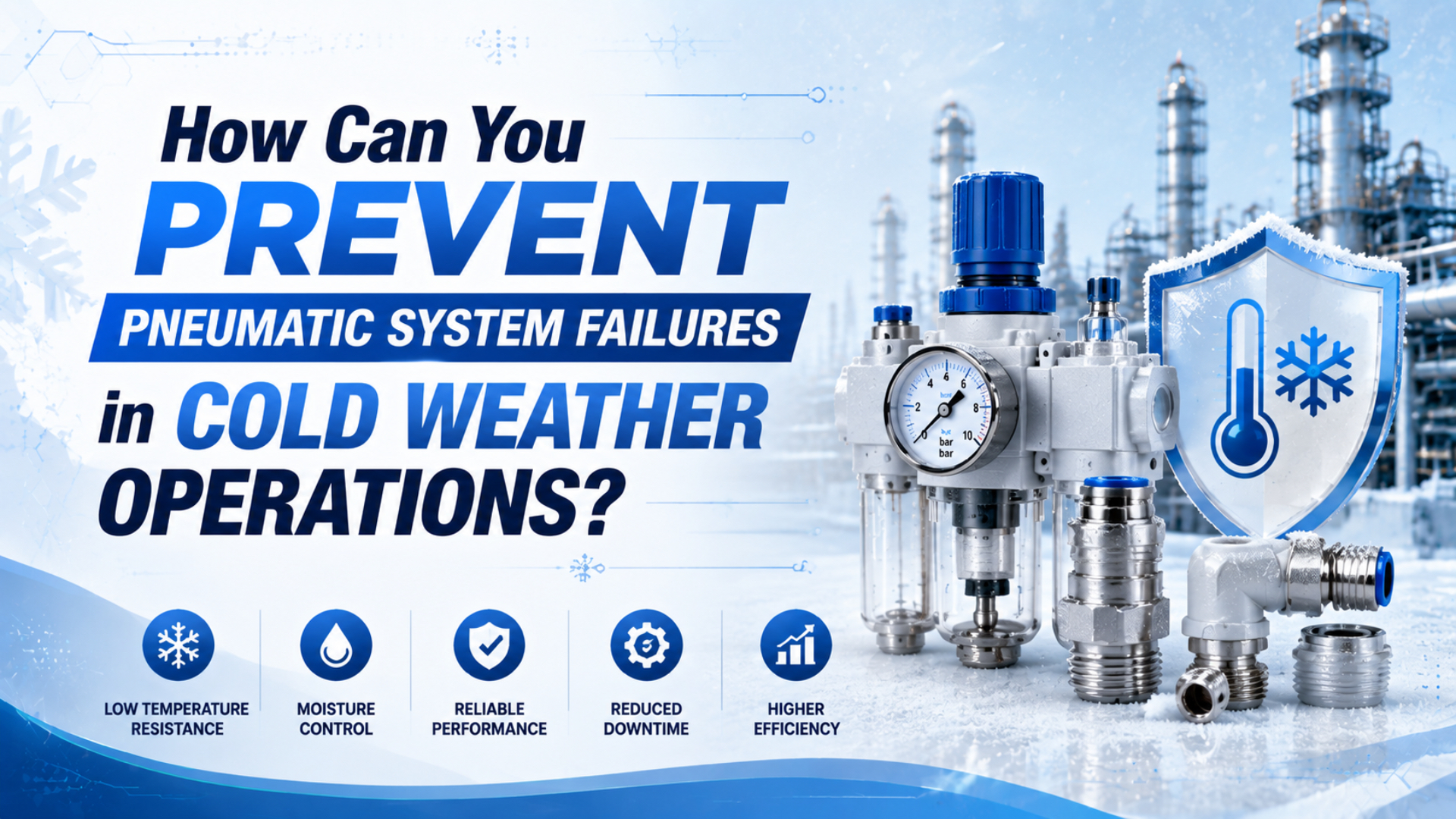 How Can You Prevent Pneumatic System Failures in Cold Weather Operations?Prevent cold-weather pneumatic failures by controlling pressure dew point, verifying component temperature ratings, and commissioning the system for winter.
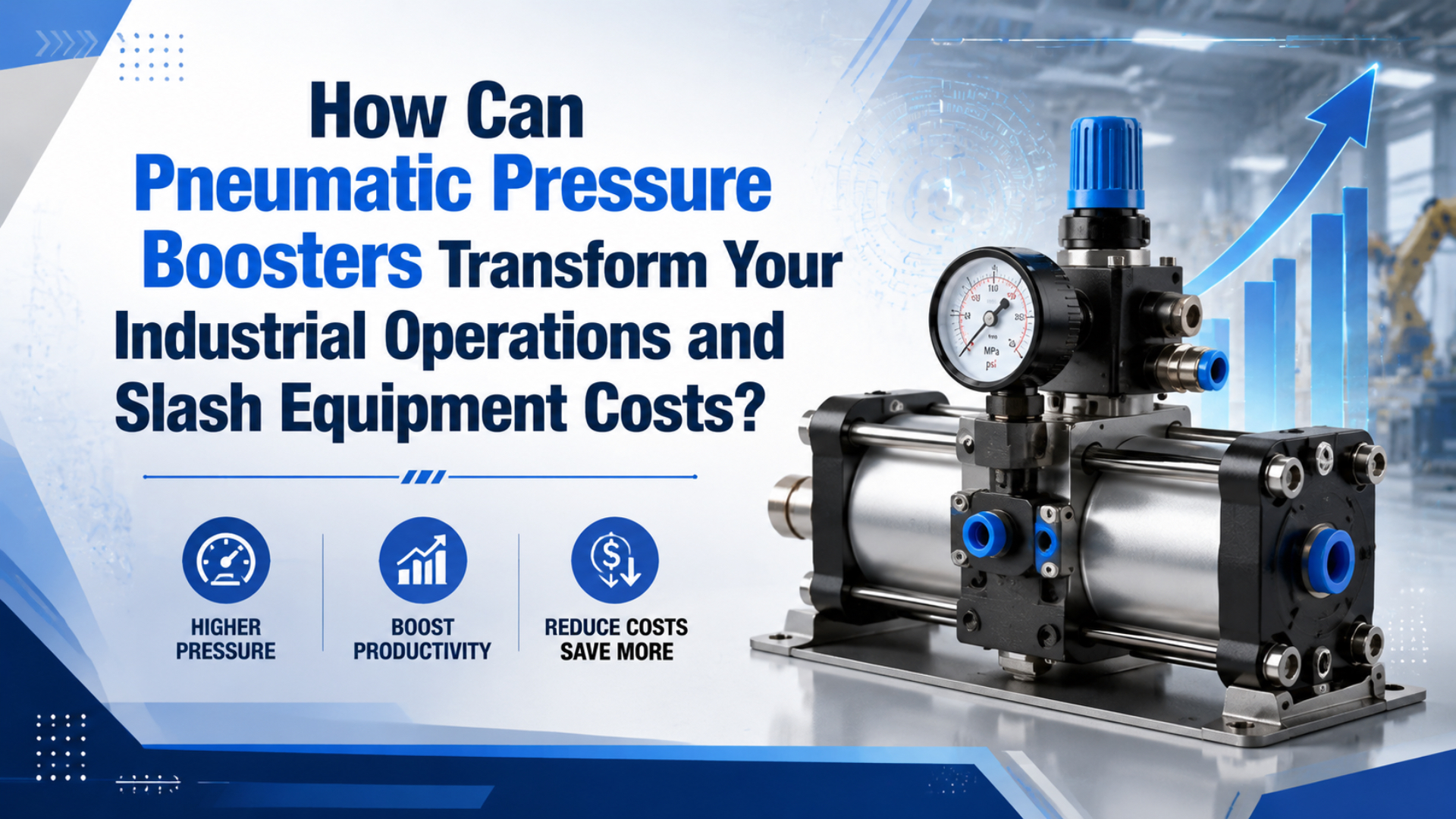 How Can Pneumatic Pressure Boosters Transform Your Industrial Operations and Slash Equipment Costs?Learn when a pneumatic pressure booster can cut local equipment cost, how booster ratios differ, and how to size pressure, flow, storage, and safety safely.