
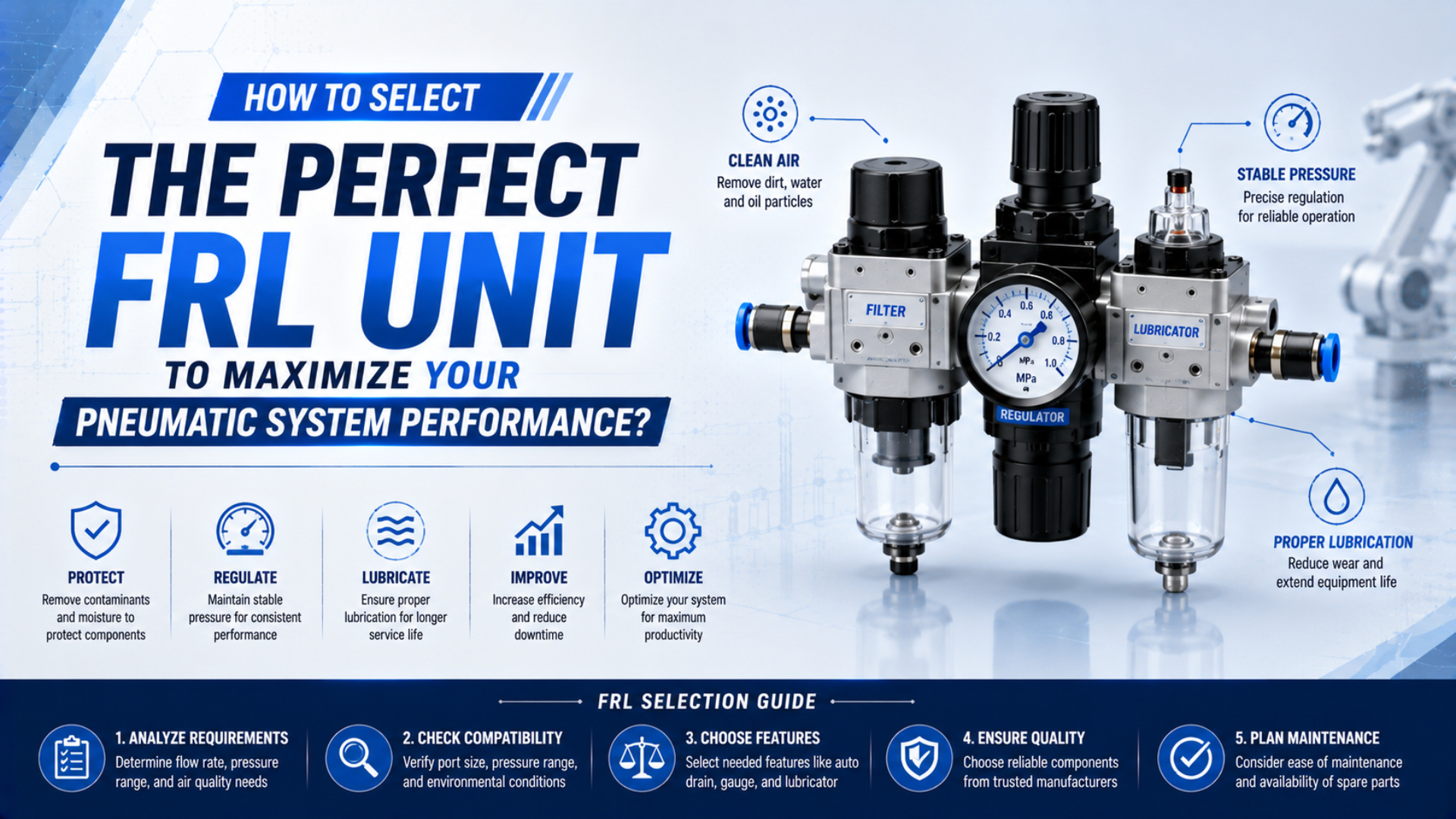
 How to Select the Perfect FRL Unit to Maximize Your Pneumatic System Performance?ISO 6953-2:2024 standardizes regulator tests across 39 pages. Learn to select FRL flow, filtration, pressure, drains, materials, and lubrication correctly.
Blog Tag
air preparation articles
Review every Bepto Pneumatic article connected to air preparation, grouped as one focused reading list for engineers, maintenance staff, and sourcing specialists.
Tagged Reading Path
All articles tagged air preparation
Use this archive to scan related selection notes, RFQ checks, replacement guidance, and pneumatic component references.
How to Select the Perfect FRL Unit to Maximize Your Pneumatic System Performance?ISO 6953-2:2024 standardizes regulator tests across 39 pages. Learn to select FRL flow, filtration, pressure, drains, materials, and lubrication correctly.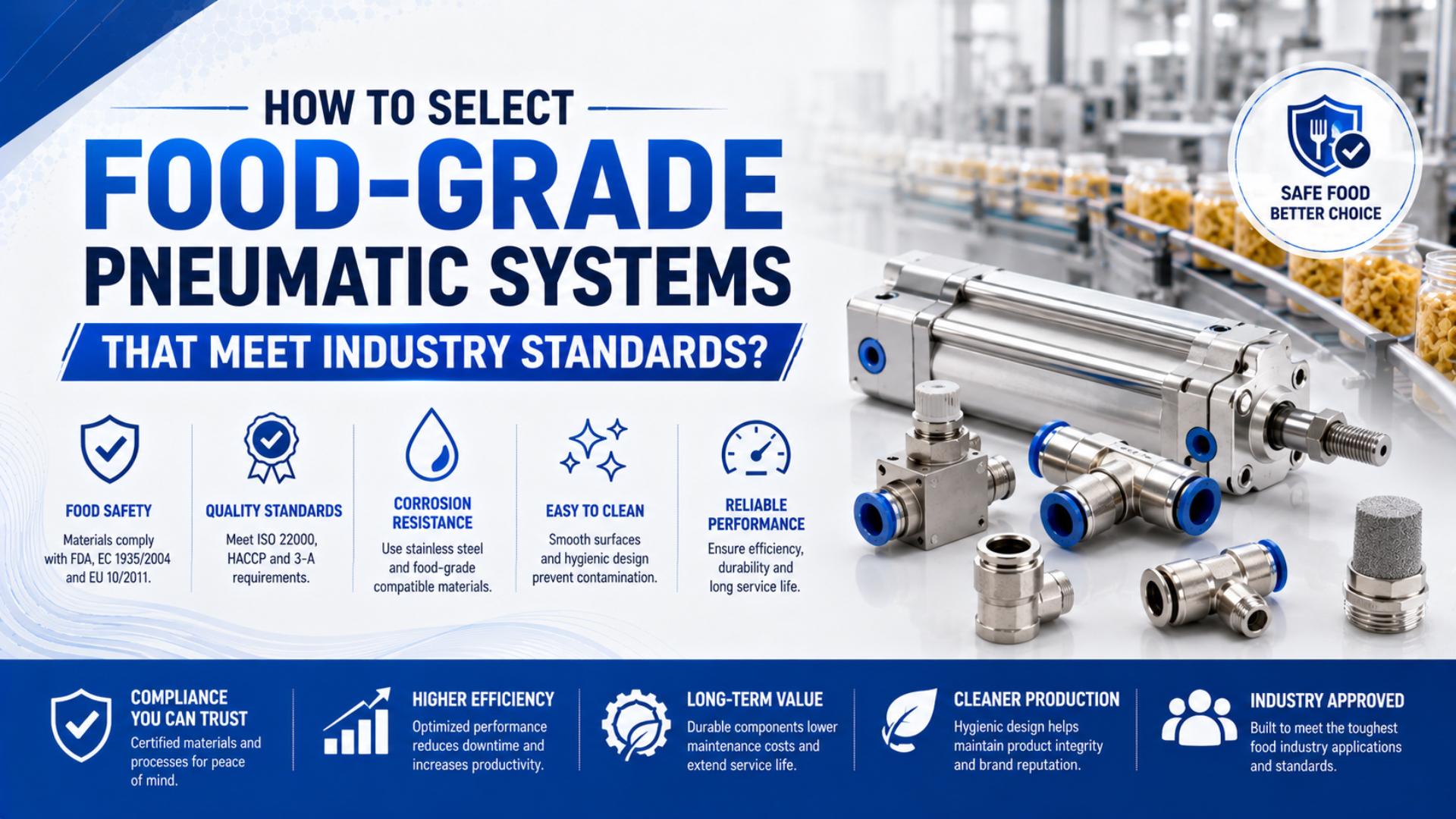 How to Select Food-Grade Pneumatic Systems That Meet Industry Standards?Select food-grade pneumatic systems by mapping 4 hygiene zones, applying 21 CFR 117.40, and verifying air quality, materials, cleanability, and evidence.
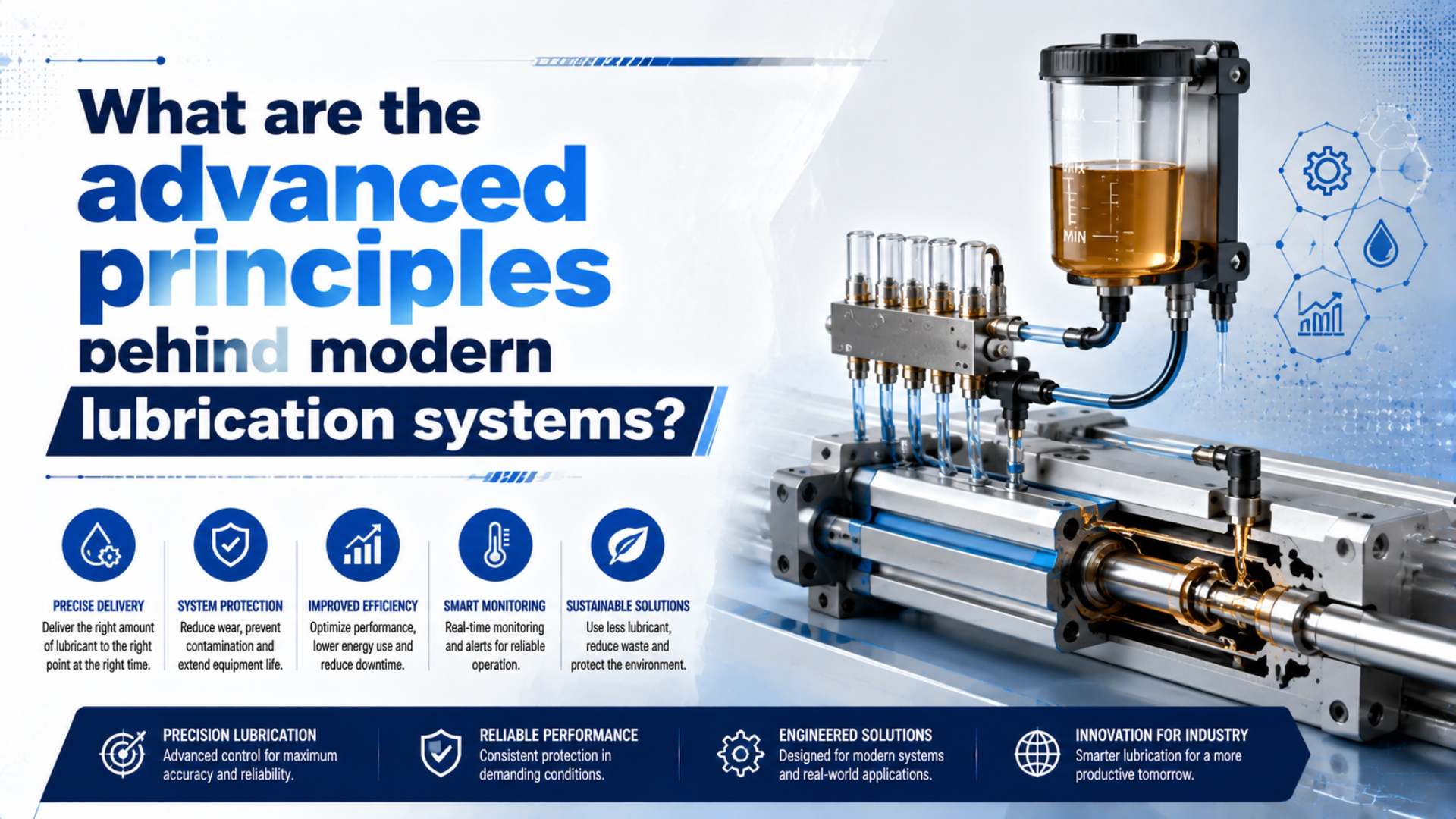 What are the advanced principles behind modern lubrication systems?ISO 8573-1 separates 3 compressed-air contaminant groups. Learn how friction regimes, viscosity, additives, delivery, and validation protect pneumatics.
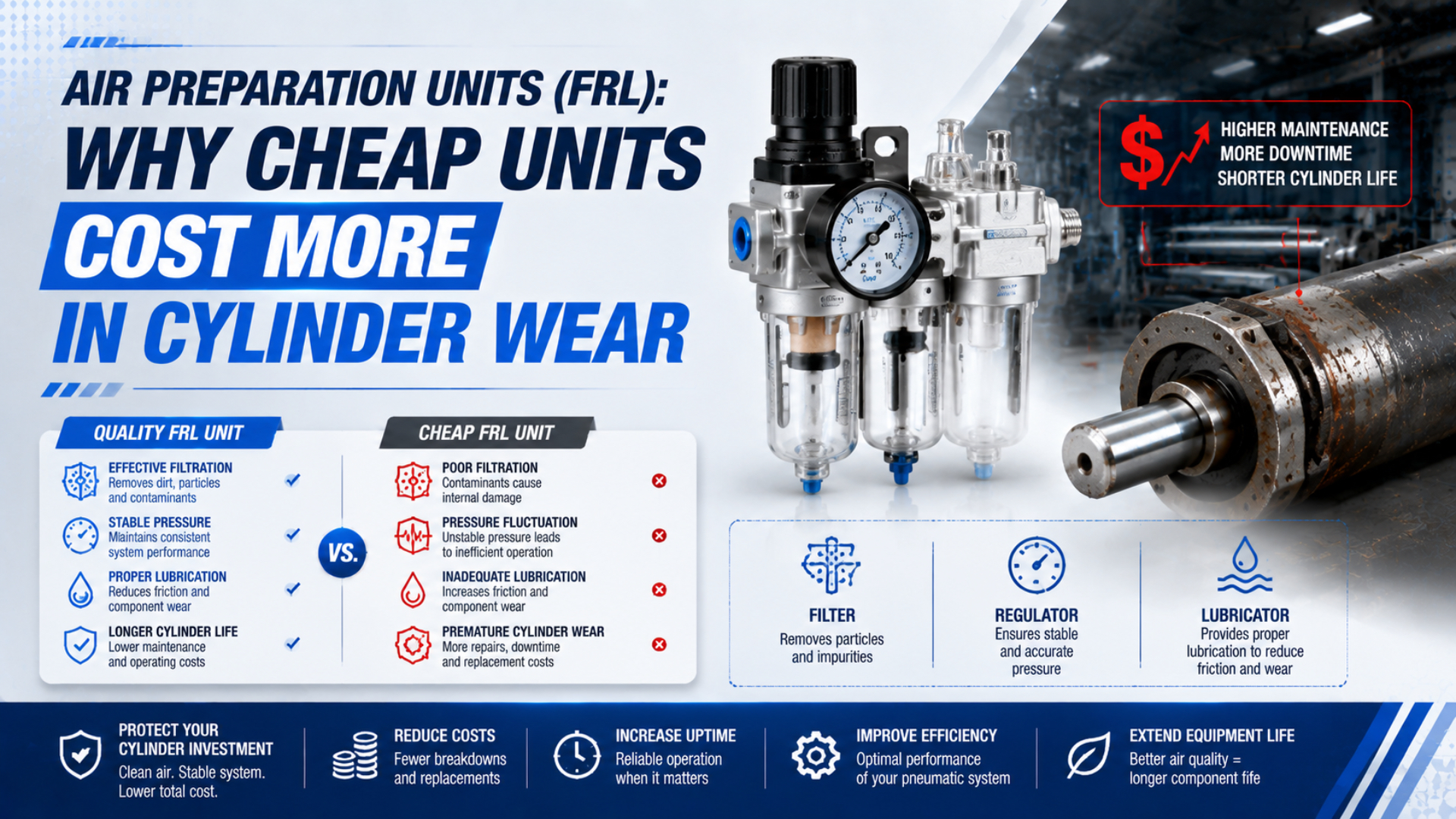 Air Preparation Units (FRL): Why Cheap Units Cost More in Cylinder WearLearn why low-cost FRL units can increase cylinder wear using ISO 8573 targets, CAGI's 10% pressure-drop limit, and a site-specific TCO model for procurement.
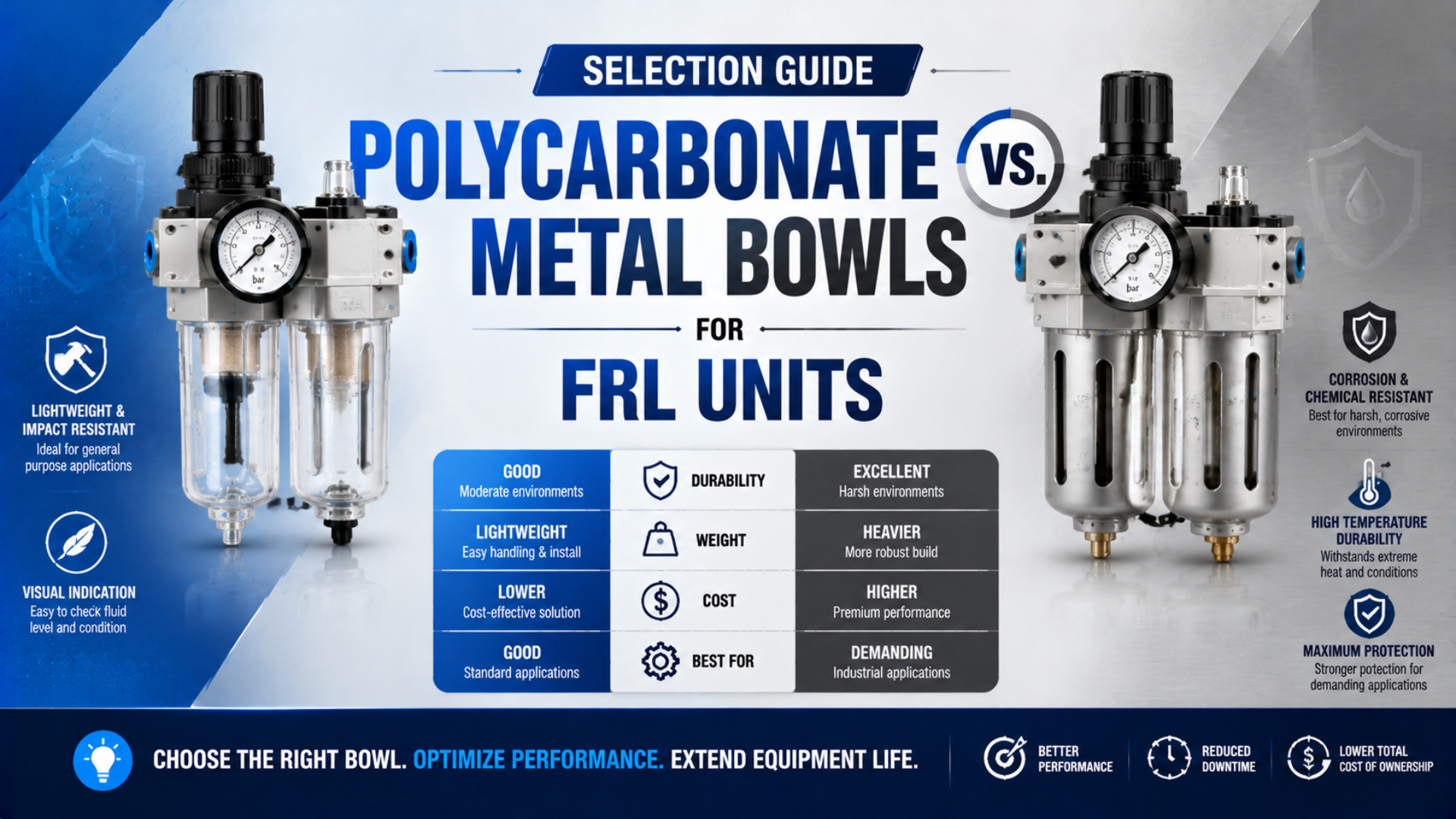 Selection Guide: Polycarbonate vs. Metal Bowls for FRL UnitsCompare polycarbonate vs. metal bowls for FRL units using model-specific ratings, chemical exposure, guards, sight gauges, and exact replacement data.
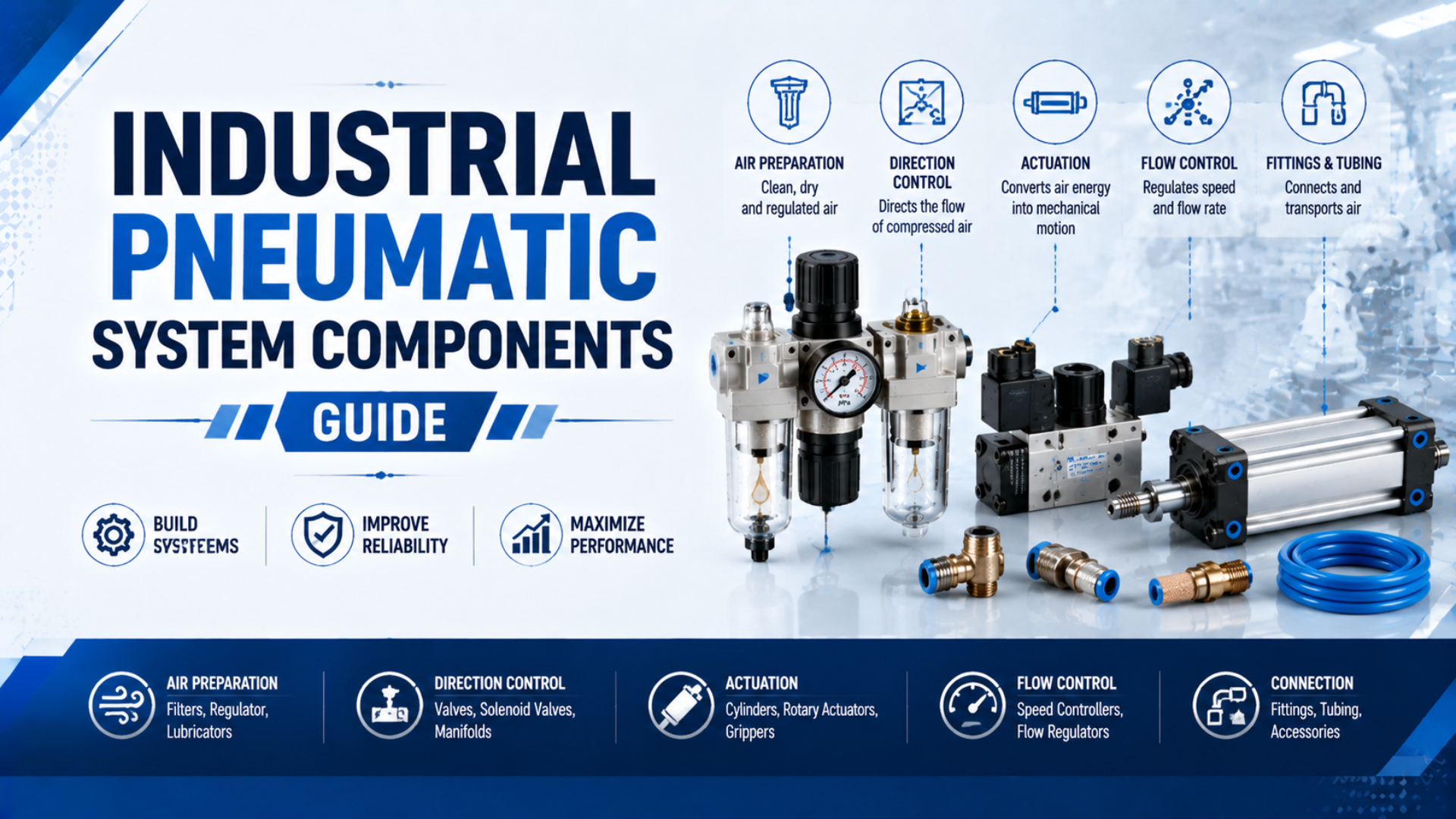 Industrial Pneumatic System Components GuideMap an industrial pneumatic system from air preparation to control and motion, using ISO 4414 boundaries, 3 ISO 8573 purity classes, and a verified RFQ.
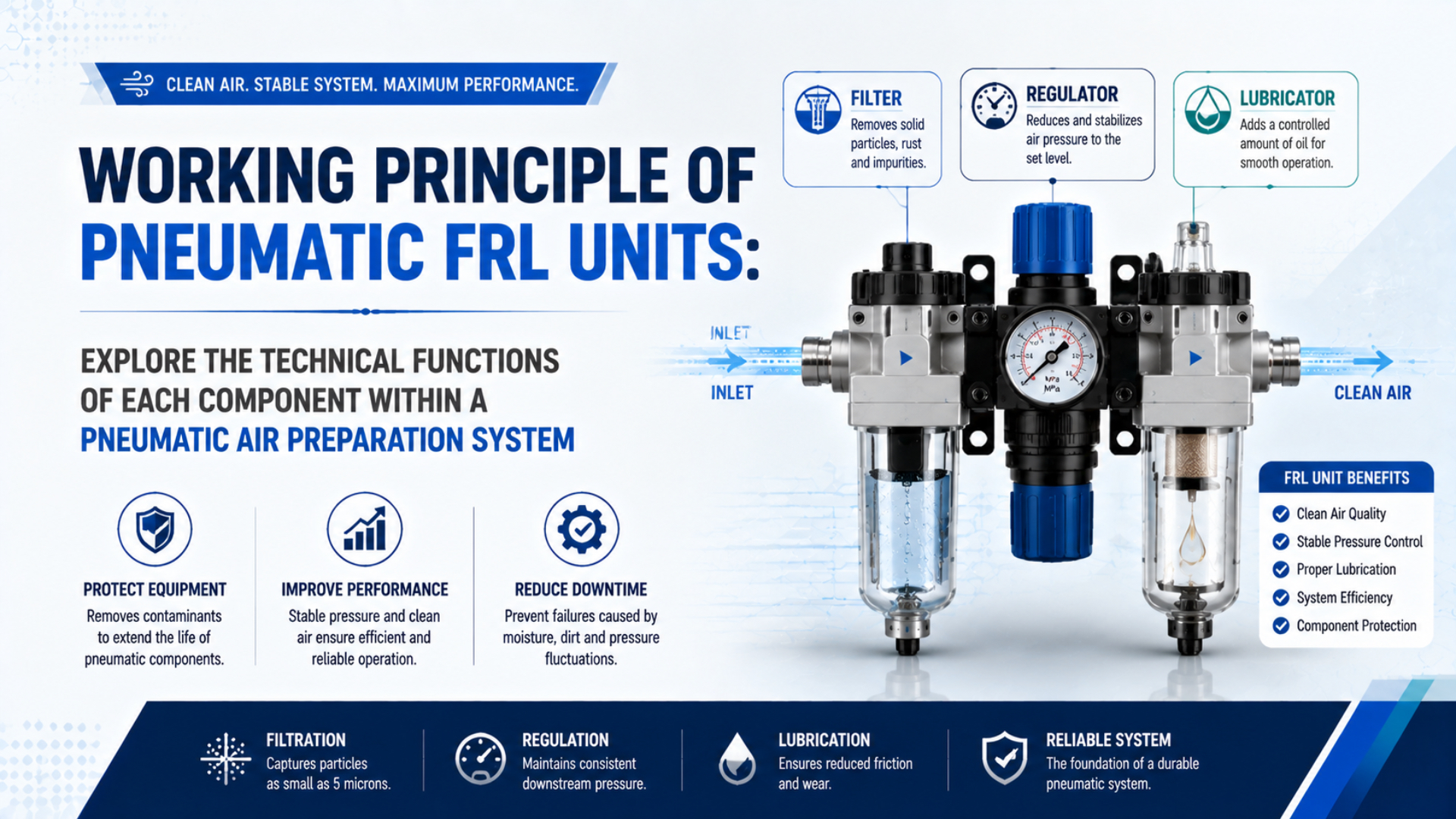 Working Principle of Pneumatic FRL Units: Explore the Technical Functions of Each Component Within a Pneumatic Air Preparation SystemLearn how pneumatic FRL filters, regulators, and lubricators work, using ISO 8573-1 purity classes and CAGI's 5-7 psig filter service trigger.
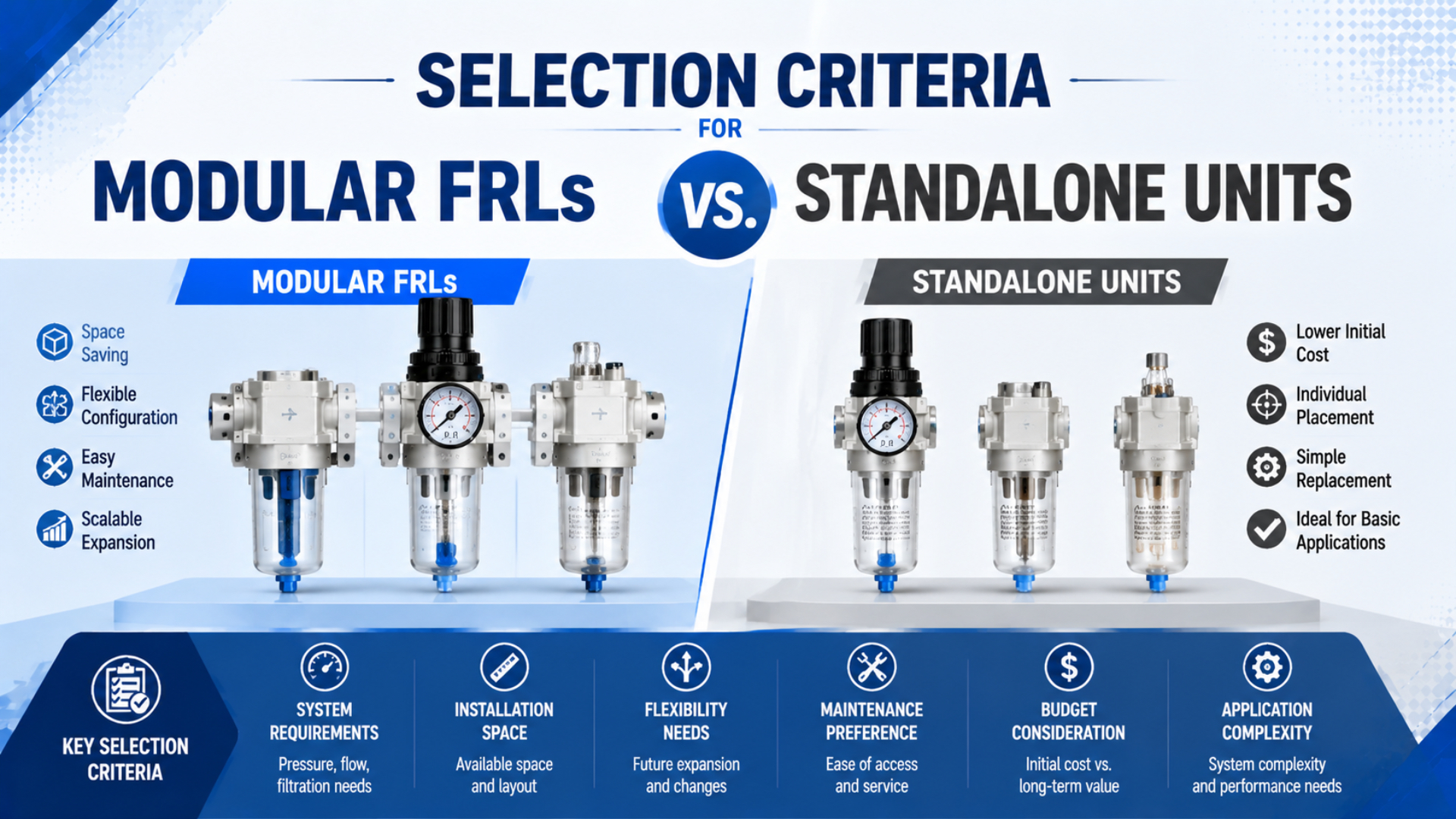 Selection Criteria for Modular FRLs vs. Standalone UnitsChoose modular FRLs or standalone units by flow curves, service isolation, interfaces, fit, and spares. SMC AC-D combinations cover 1/8- to 1-inch ports.
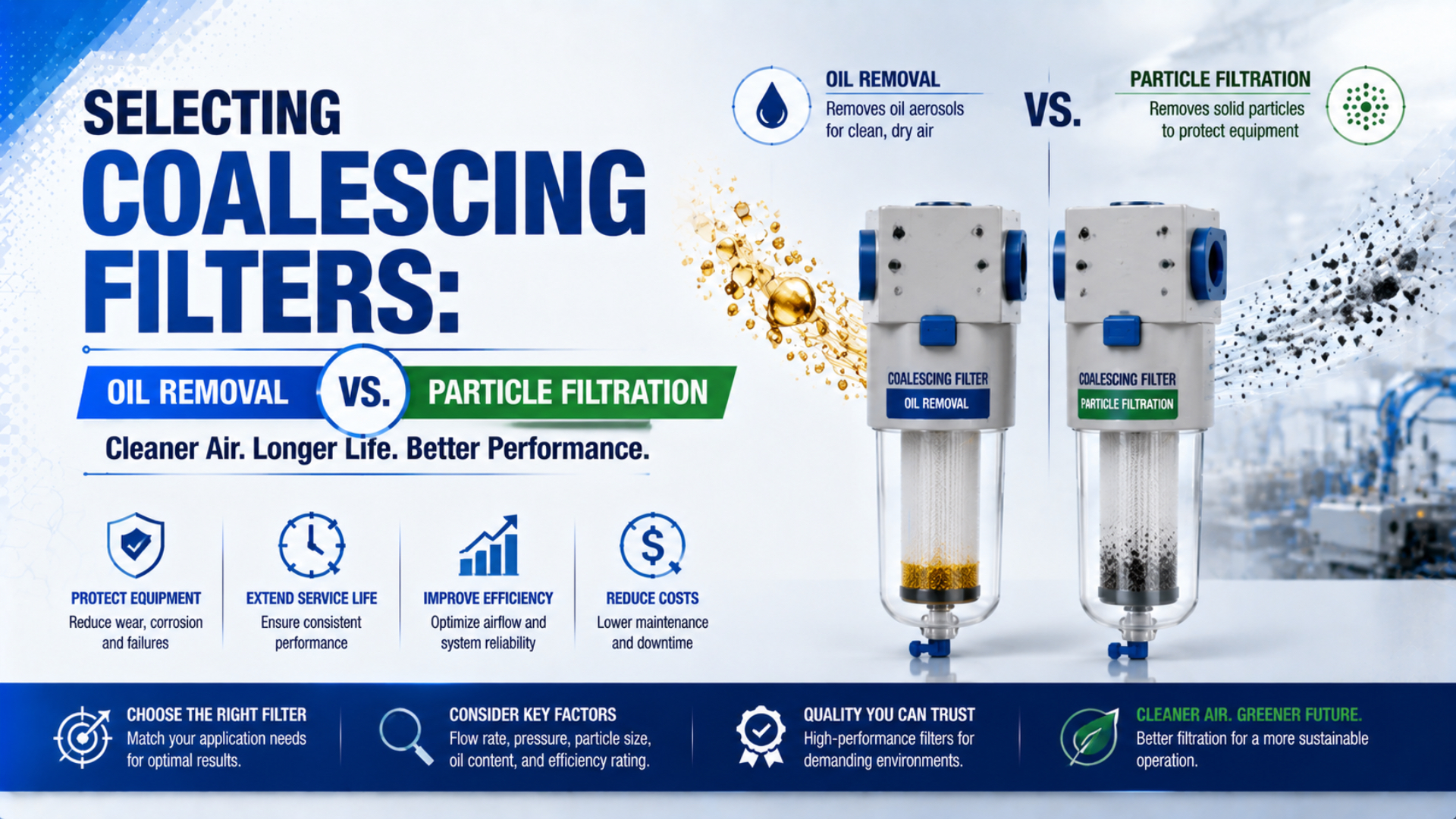 Selecting Coalescing Filters: Oil Removal vs. Particle FiltrationCompare particle and coalescing filters by contaminant phase, ISO 8573-1 classes, rated flow, pressure drop, and the 0.01 mg/m3 Class 1 oil limit in practice.