
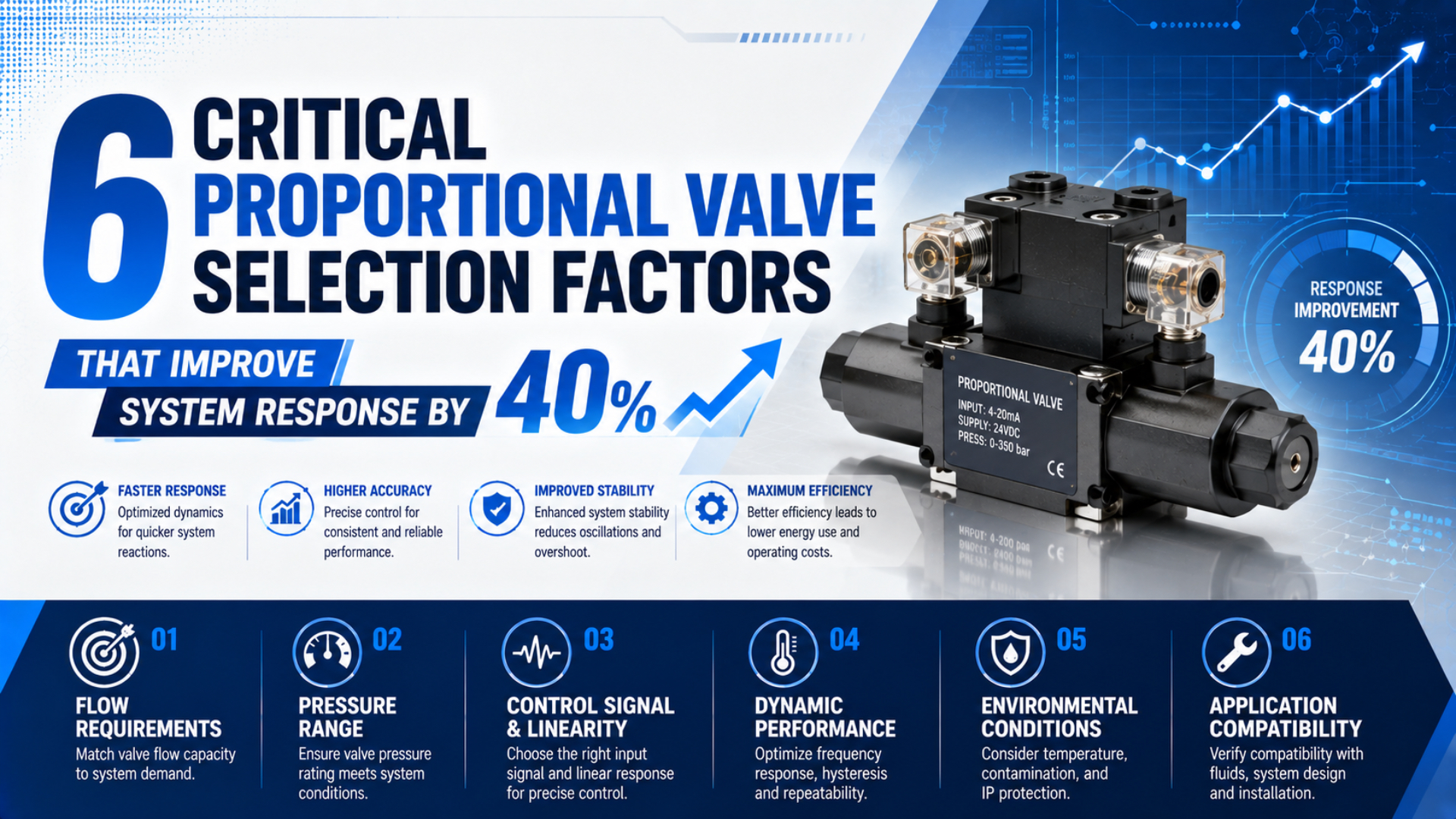
6 Critical Proportional Valve Selection Factors That Improve System Response by 40%Compare 6 proportional valve selection factors using Festo's 70-115 Hz data, then verify flow, deadband, signals, EMC, and measured response gains reliably.Blog Tag
flow control valve articles
Review every Bepto Pneumatic article connected to flow control valve, grouped as one focused reading list for engineers, maintenance staff, and sourcing specialists.
Tagged Reading Path
All articles tagged flow control valve
Use this archive to scan related selection notes, RFQ checks, replacement guidance, and pneumatic component references.
Showing 41 articles
6 Critical Proportional Valve Selection Factors That Improve System Response by 40%Compare 6 proportional valve selection factors using Festo's 70-115 Hz data, then verify flow, deadband, signals, EMC, and measured response gains reliably.
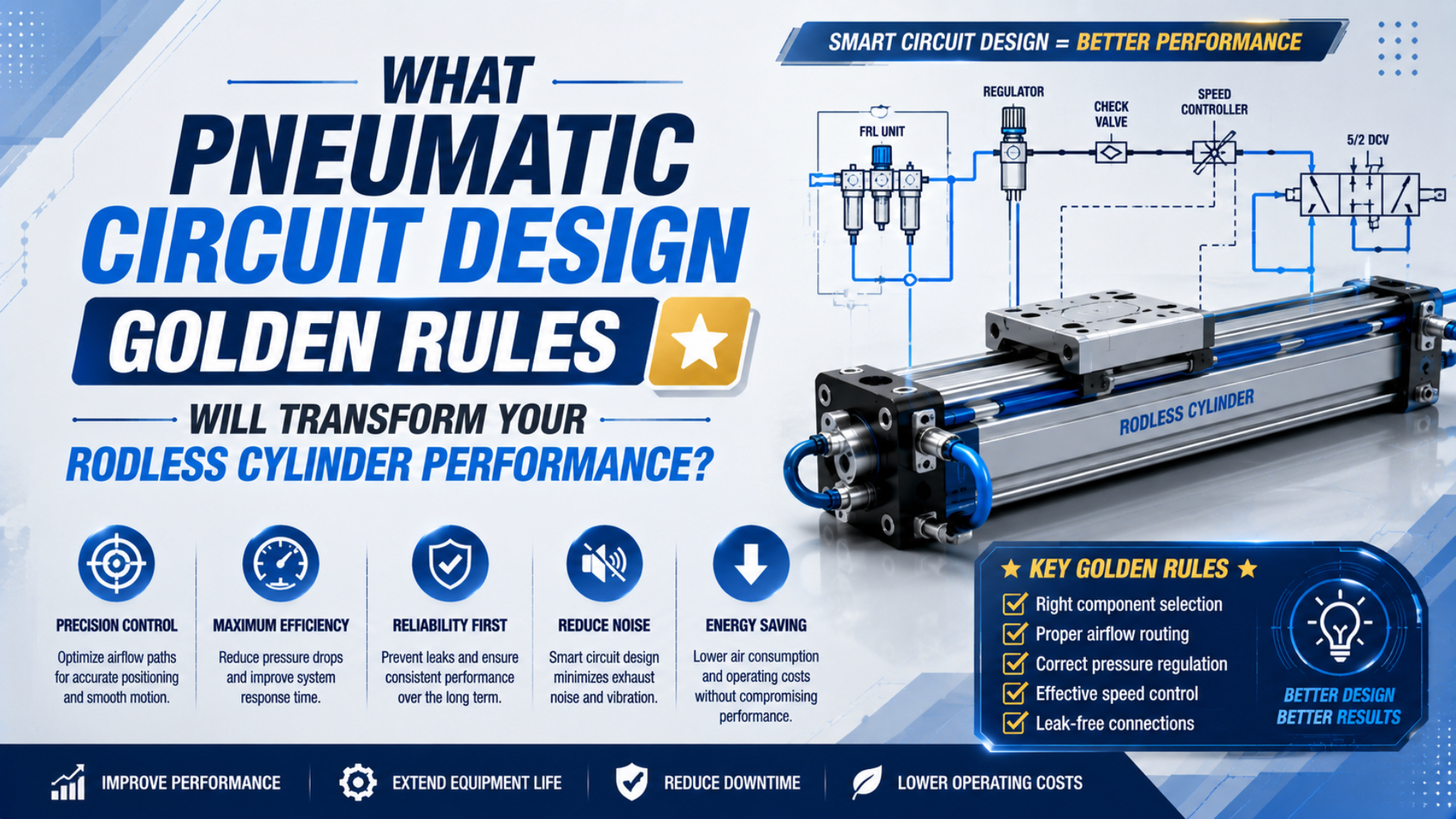
What Pneumatic Circuit Design Golden Rules Will Transform Your Rodless Cylinder Performance?Apply 7 rodless-cylinder circuit rules for safe states, peak flow, meter-out control, FRL sizing, exhaust, couplings, and measurable commissioning results.
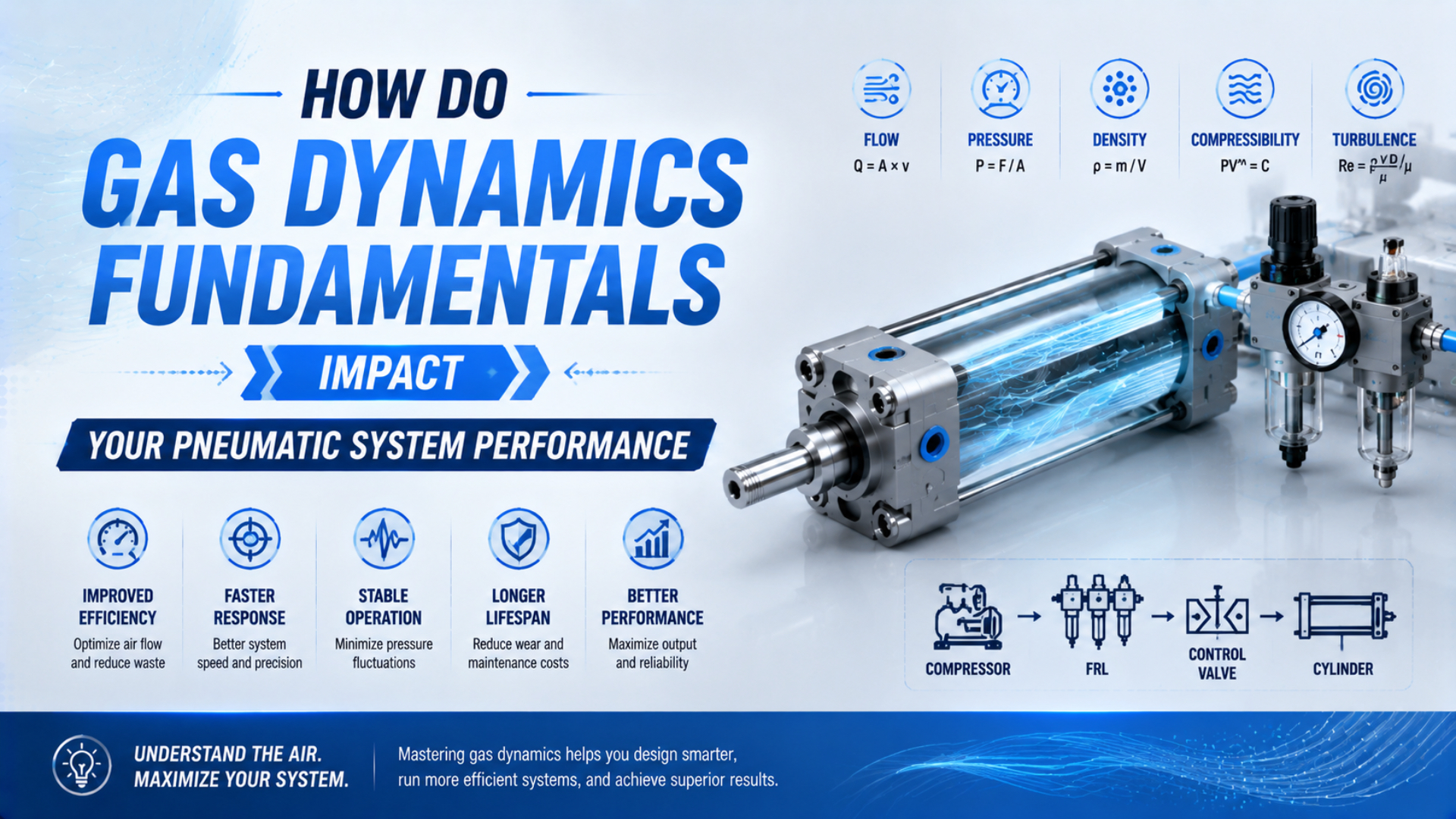
How Do Gas Dynamics Fundamentals Impact Your Pneumatic System Performance?Learn how pressure, temperature, mass flow, line volume, and the 0.528 critical pressure ratio govern pneumatic speed, force, response, and stability.
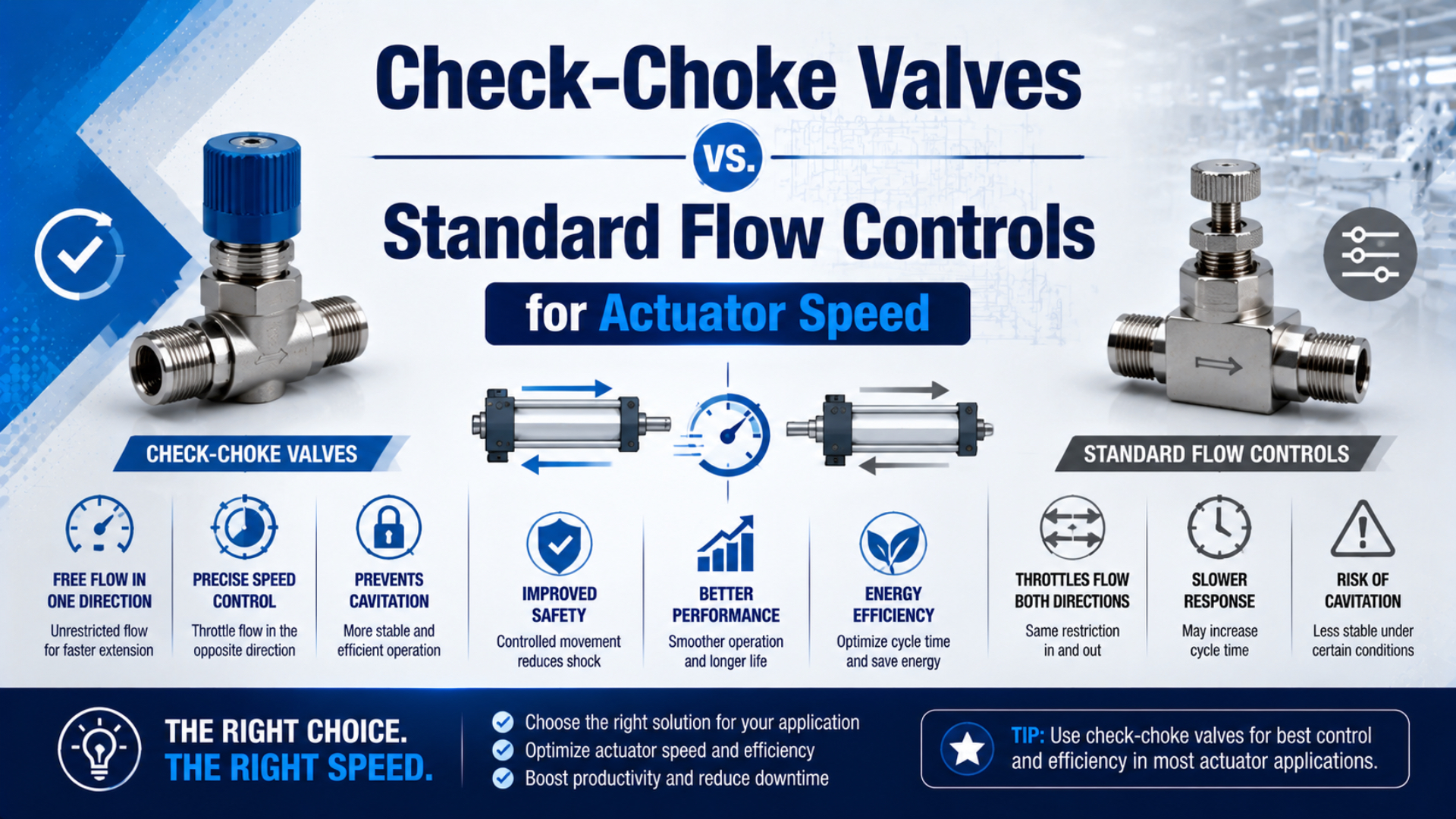
Check-Choke Valves vs. Standard Flow Controls for Actuator SpeedIdentify check-choke and bidirectional flow controls by symbol and direction; Parker recommends 2 valves for independent double-acting cylinder speeds.
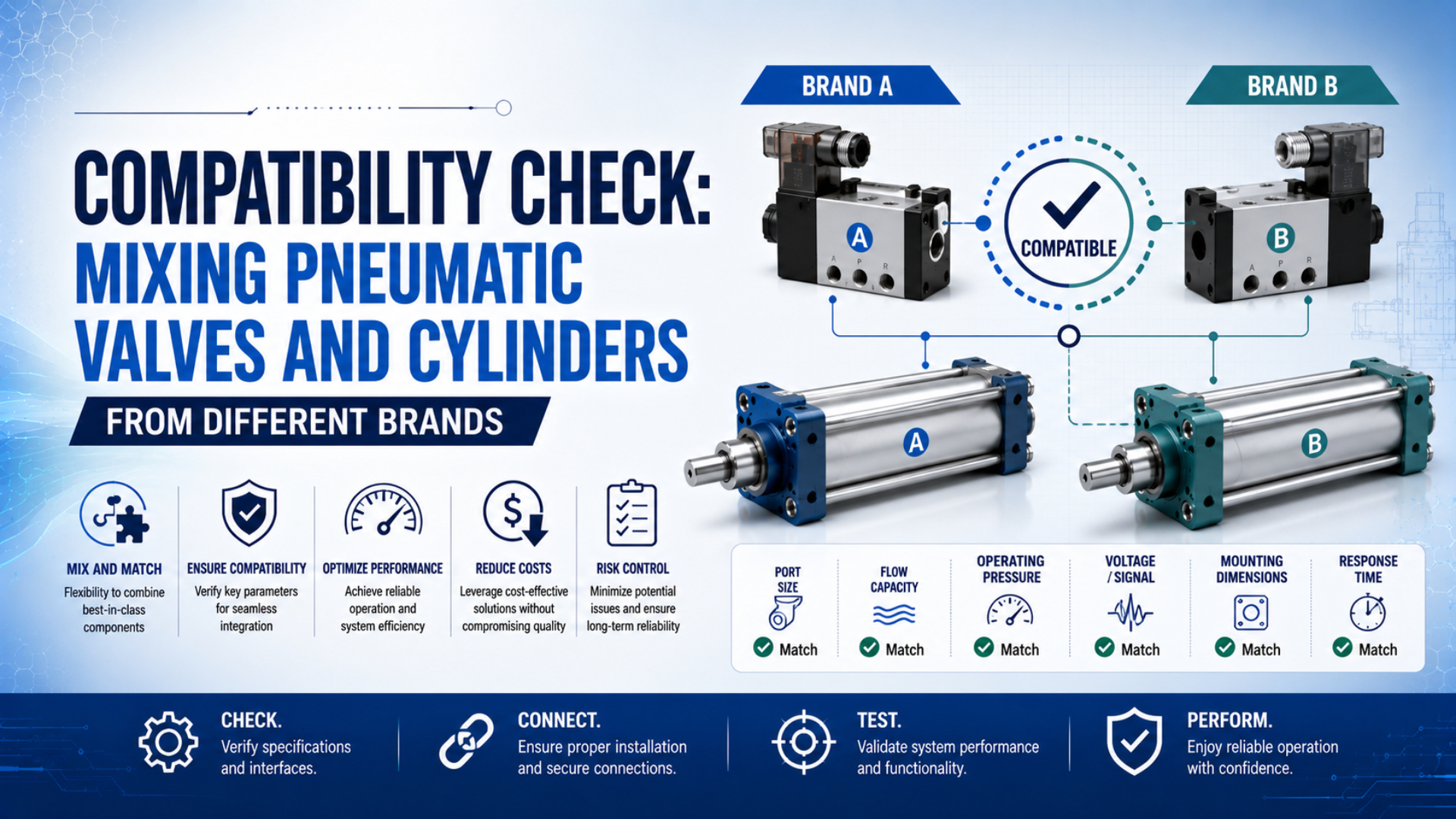
Compatibility Check: Mixing Pneumatic Valves and Cylinders from Different BrandsVerify mixed-brand pneumatic valves and cylinders with eight checks covering function, pressure, flow, ports, tubing, controls, safety, and machine trials.
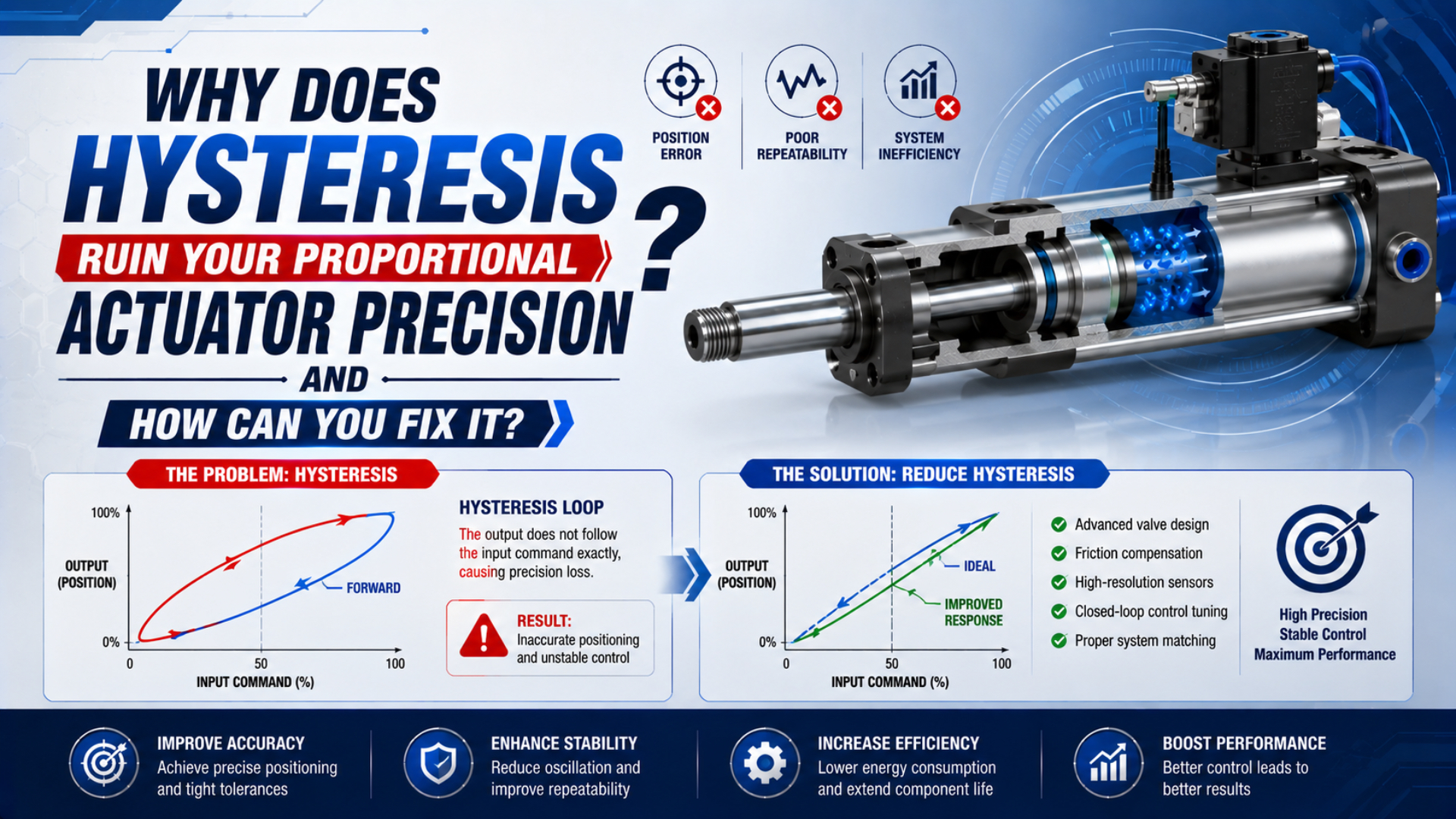
Why Does Hysteresis Ruin Your Proportional Actuator Precision and How Can You Fix It?Diagnose proportional actuator hysteresis with bidirectional position tests; SMC separates 0.5% FS hysteresis from repeatability and sensitivity in practice.
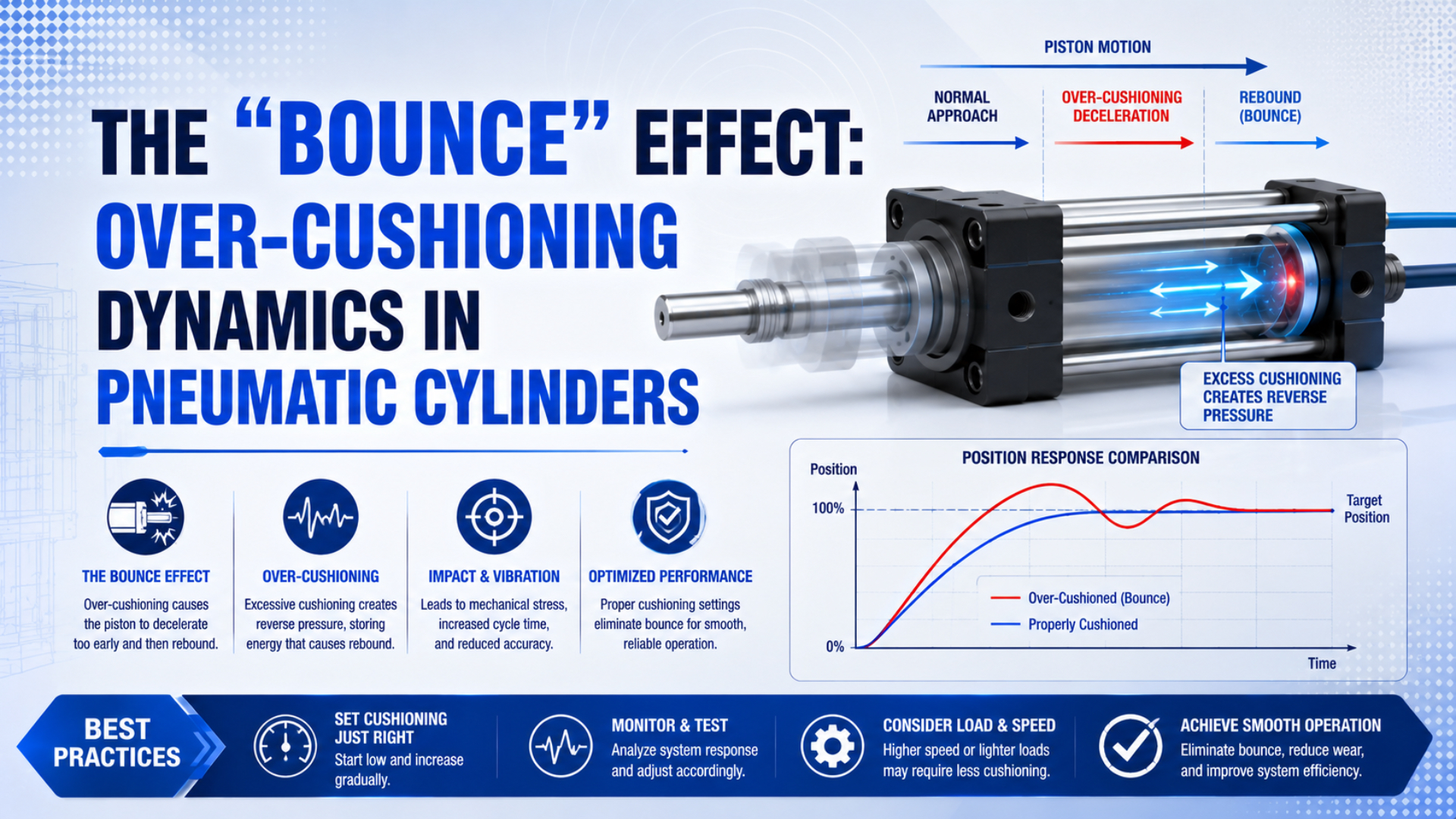
The “Bounce” Effect: Over-Cushioning Dynamics in Pneumatic CylindersSMC RLQ cylinders list 0.15 to 0.77 J allowable kinetic energy. Learn to diagnose pneumatic over-cushioning, tune the needle, and verify each stop safely.
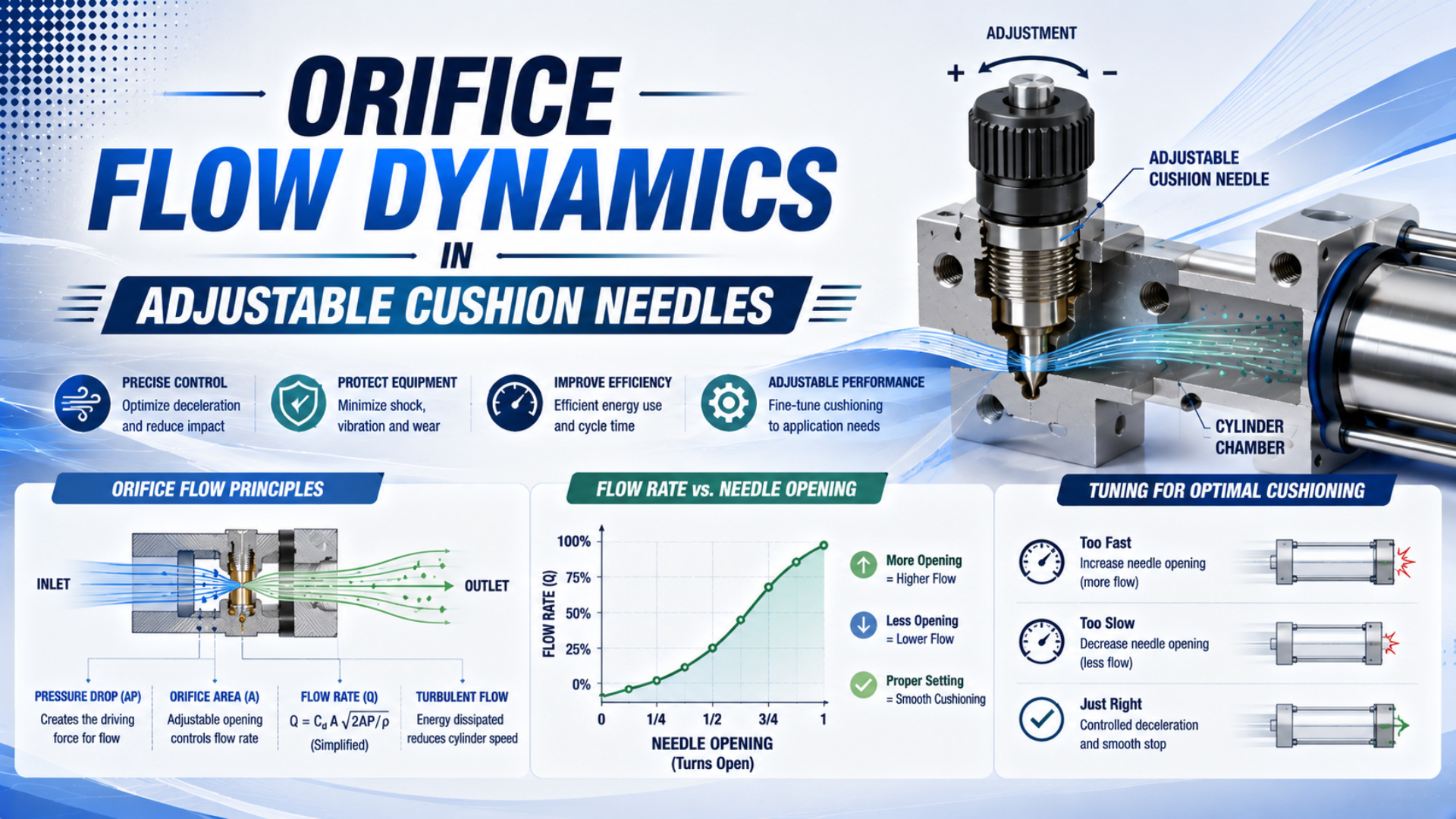
Orifice Flow Dynamics in Adjustable Cushion NeedlesLearn why a cushion needle can choke below a 0.528 pressure ratio, calculate compressible airflow, and tune cylinder deceleration from measured pressure data.
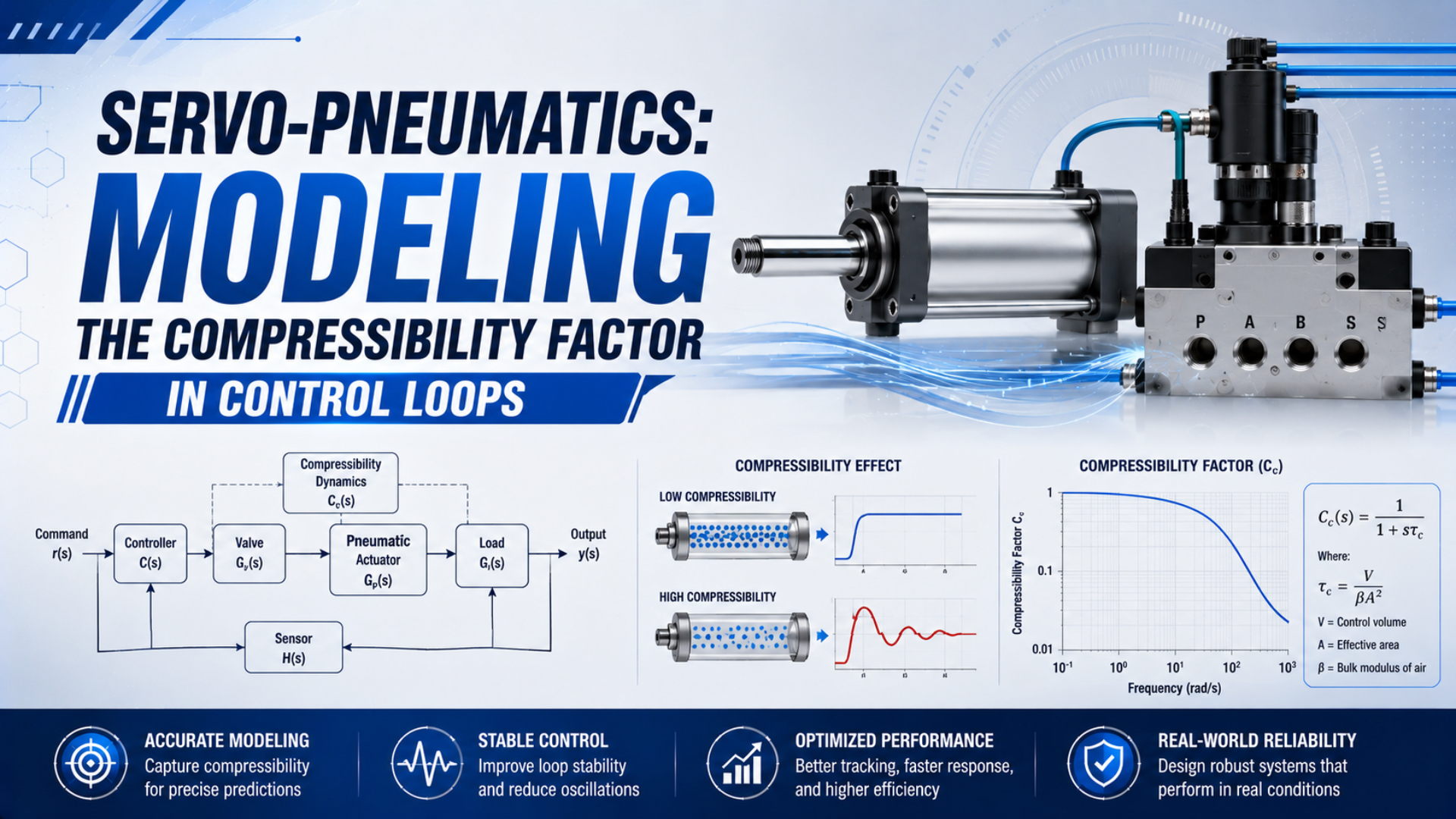
Servo-Pneumatics: Modeling the Compressibility Factor in Control LoopsModel a servo-pneumatic axis with four core states, ISO 6358 valve data, absolute chamber pressure, local linearization, identification, and validation.
Pulse Width Modulation (PWM) Control for Digital Pneumatic Valves and CylindersLearn how to distinguish solenoid current PWM from mechanical valve PWM, verify switching limits, map duty cycle to flow, and commission a pneumatic cylinder circuit.
Force Control Mode vs. Position Control Mode in Smart CylindersCompare force and position control in smart pneumatic cylinders through 3 feedback architectures, dual-chamber force math, safe switching, and acceptance tests.
Dual-Loop Control Strategies for Pneumatic Cylinder SynchronizationDesign dual-loop pneumatic cylinder synchronization with 2 error signals, cross-coupling, timing budgets, commissioning traces, and safe fault handling.
The Physics of Airflow Through Different Valve Orifice GeometriesLearn how 4 orifice geometries change separation, discharge coefficient, choking, and valve flow, with ISO 6358 data, equations, and inspection rules.
A Technical Analysis of Exhaust Flow Control in 5-Way ValvesAnalyze 5-way valve exhaust flow through ports 3 and 5, calculate back-pressure force loss, diagnose restrictions, and select meter-out or quick exhaust safely.
The Impact of Back Pressure on Pilot-Operated Valve PerformanceLearn why SMC specifies 0.15-0.7 MPa pilot pressure for one valve family, how back pressure reduces shift force, and how to test every control port safely.
Flow vs. Pressure: Sizing a Valve for Speed vs. ForceParker lists 754 N outward and 633 N return at 6 bar for one 40/16 mm cylinder. Separate force from flow, size the air path, and verify loaded stroke time.
The Engineering Behind Voice Coil Actuators in Servo-Pneumatic ValvesLearn how voice-coil force, spool feedback, gas-flow disturbance, and a documented 30 Hz valve example shape servo-pneumatic response, testing, and accuracy.
Proportional Flow Control vs. Proportional Pressure Control ValvesCompare proportional flow and pressure control valves using an SMC 85-to-40 L/min example, feedback architecture, load behavior, and acceptance tests.
How to Tune a PID Loop for a Proportional Valve and Cylinder SystemTune a pneumatic PID loop with 10–90% rise-time traces, anti-windup, derivative filtering, valve-neutral checks, and load-range validation for cylinder motion.
Understanding Hysteresis and Linearity in Proportional Valve SpecificationsCompare proportional-valve hysteresis and linearity using SMC's 0.5% and ±1% FS example, test curves, reference methods, conditions, and clear RFQ checks.
The Impact of Deadband on Proportional Valve Control AccuracyLearn how proportional-valve deadband differs from hysteresis, how a 0.4% model rating affects control, and how to measure and compensate it in practice.
A Technical Guide to Spool Position Feedback in Proportional ValvesUnderstand spool position feedback in proportional valves, including LVDT and Hall sensing, inner-loop limits, data-sheet checks, commissioning, and fault diagnosis.
The Function of Sandwich Plates: Pressure Regulators and Flow ControlsLearn how 5-port pneumatic sandwich plates regulate common or individual ports, meter exhaust flow, preserve manifold compatibility, and verify stack order.
Meter-In vs. Meter-Out: A Technical Analysis of Speed Control MethodsValidate a meter-in-to-meter-out retrofit with two port-pressure traces, four fault-injection tests, first-stroke checks, and documented acceptance limits.
The Design Differences: Needle Valves vs. Flow Control ValvesCompare needle valves with one-way pneumatic flow controls using Festo's 95 versus 76-95 L/min example, flow symbols, direction, and selection checks.
Meter-In vs Meter-Out Pneumatic Control: Which Flow Control Method Delivers Better Performance?Compare meter-in and meter-out pneumatic control using SMC's s=28.8q/A relation, load direction, exhaust back pressure, startup behavior, and tuning steps.
Sizing a Solenoid Valve for a Specific Cylinder Stroke TimeSize a solenoid valve for a 0.5-second cylinder stroke using correct extend/retract flow, ISO 6358 data, path checks, and dynamic validation on the machine.
A Technical Guide to Pressure-Compensated Flow Control ValvesLearn how pneumatic pressure-compensated flow valves work, where compensation ends, and how to select, install, and test one without confusing it with Cv.
The Technical Design of a Pneumatic Oscillator CircuitDesign a pneumatic oscillator circuit with 7 checks covering state logic, valve memory, timing, flow, safe stopping, air loss, and predictable restart.
How to Use a Quick Exhaust Valve to Create a Differential Speed CircuitLearn how a 3-port quick exhaust valve creates one fast cylinder stroke, where to install it, how to size exhaust flow, and how to verify safe operation.
The Impact of Turbulent vs. Laminar Flow on Valve SizingLearn how Reynolds number affects pneumatic valve sizing, why ISO 6358 data governs compressed-air flow, and when the 2300-4000 pipe range actually applies.
How to Design a Pneumatic Circuit for Sequential Cylinder OperationDesign a 4-step sequential pneumatic cylinder circuit using state tables, cascade or PLC control, feedback, timeouts, flow checks, and safe restart logic.
How to Use a 5-Way, 3-Position Valve for Cylinder Position HoldingLearn how a 5-way, 3-position valve pauses cylinder motion, why zero-drift holding fails, and when pilot checks or rod locks provide safer machine control.
How to Mitigate Water Hammer Effect When Stopping a Cylinder Mid-StrokeCompare 5/3 valve centers, trapped-air limits, stopping energy, rod locks, and ISO 13849-1 controls for safer pneumatic cylinder mid-stroke stops in practice.
A Technical Guide to Using Proportional Valves for Cylinder Position ControlBuild a closed-loop pneumatic cylinder position system using a 5/3 proportional valve, feedback, safe commissioning, trace-based tuning, and acceptance tests.
How Do Meter-Out Circuits Deliver Precise Speed Control for Pneumatic Cylinders?Learn how meter-out circuits control pneumatic cylinder speed through exhaust restriction, correct sizing, installation, tuning, and fault diagnosis.
How Can Flow Controls Transform Your Actuator Speed Performance and Eliminate Costly Production Bottlenecks?Diagnose actuator speed with SMC's 28.8 flow relation, correct free-air calculations, dynamic-pressure checks, and a repeatable tuning procedure in plants.
The Engineer’s Guide to Pneumatic Flow Control Valve SizingSize pneumatic flow control valves with Parker's Cv 1.06 example, cylinder stroke-time demand, pressure drop, tubing, exhaust paths, and commissioning checks.
Understanding Proportional Pressure Regulators in Pneumatic SystemsSpecify proportional pressure regulators by pressure range, flow, exhaust capacity, signal, feedback, downstream volume, force, and response testing.
A Guide to Proportional Valves for Precision Motion ControlSelect proportional pressure, flow, or directional valves for pneumatic motion control using load, flow, feedback, response, signal, and acceptance data.
Which Flow Control Method Delivers Better Performance: Meter-In vs Meter-Out?Choose meter-out for most cylinder speed control: SMC uses s=28.8q/A, AutomationDirect says 2 flow controls tune extension and retraction independently.