
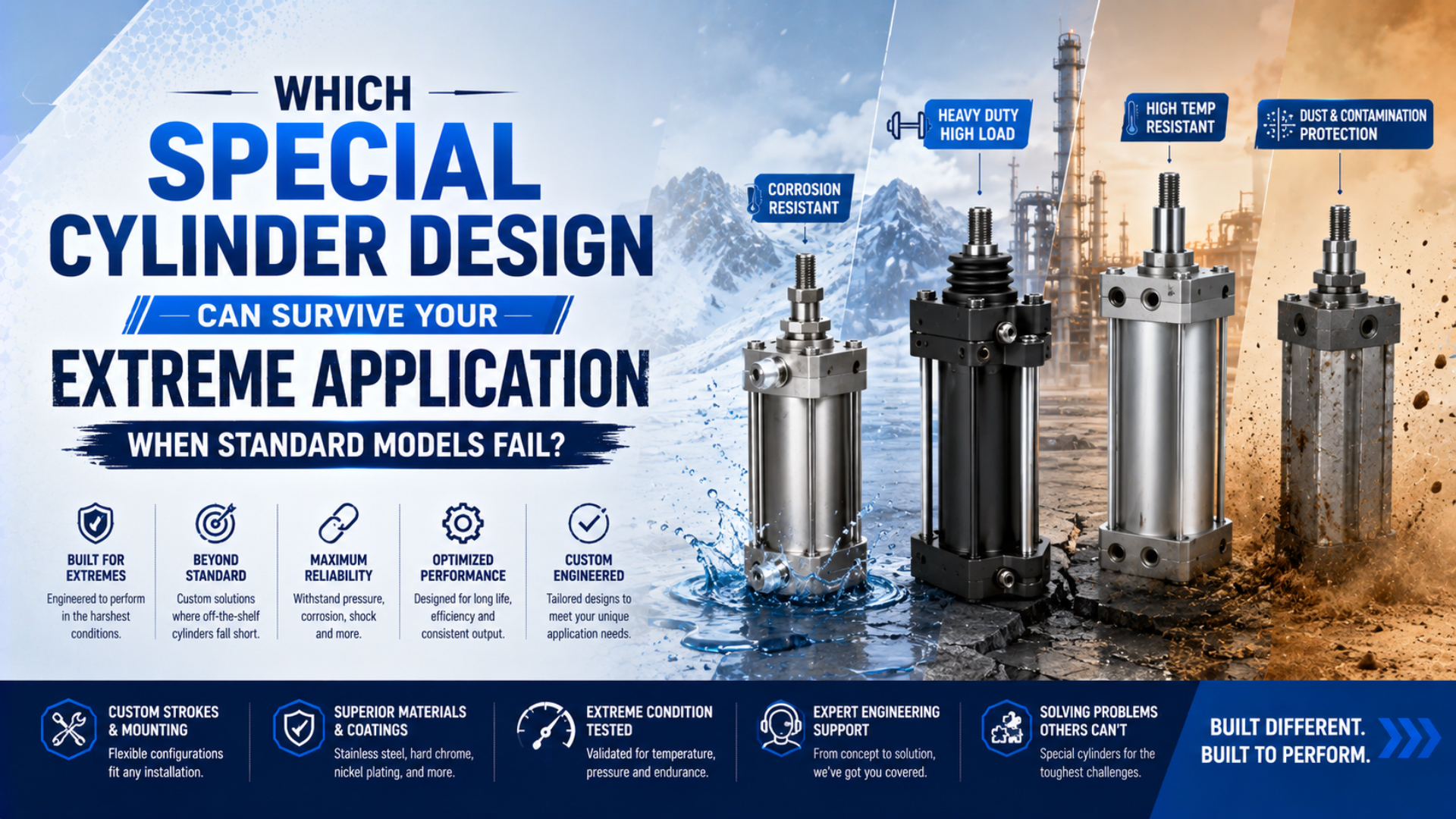
 Which Special Cylinder Design Can Survive Your Extreme Application When Standard Models Fail?Select a special pneumatic cylinder by failure mode, verify 10 bar ISO 15552 limits, and match seals, guides, feedback, environment, and safety in service.
Blog Tag
harsh environment pneumatics articles
Review every Bepto Pneumatic article connected to harsh environment pneumatics, grouped as one focused reading list for engineers, maintenance staff, and sourcing specialists.
Tagged Reading Path
All articles tagged harsh environment pneumatics
Use this archive to scan related selection notes, RFQ checks, replacement guidance, and pneumatic component references.
Which Special Cylinder Design Can Survive Your Extreme Application When Standard Models Fail?Select a special pneumatic cylinder by failure mode, verify 10 bar ISO 15552 limits, and match seals, guides, feedback, environment, and safety in service.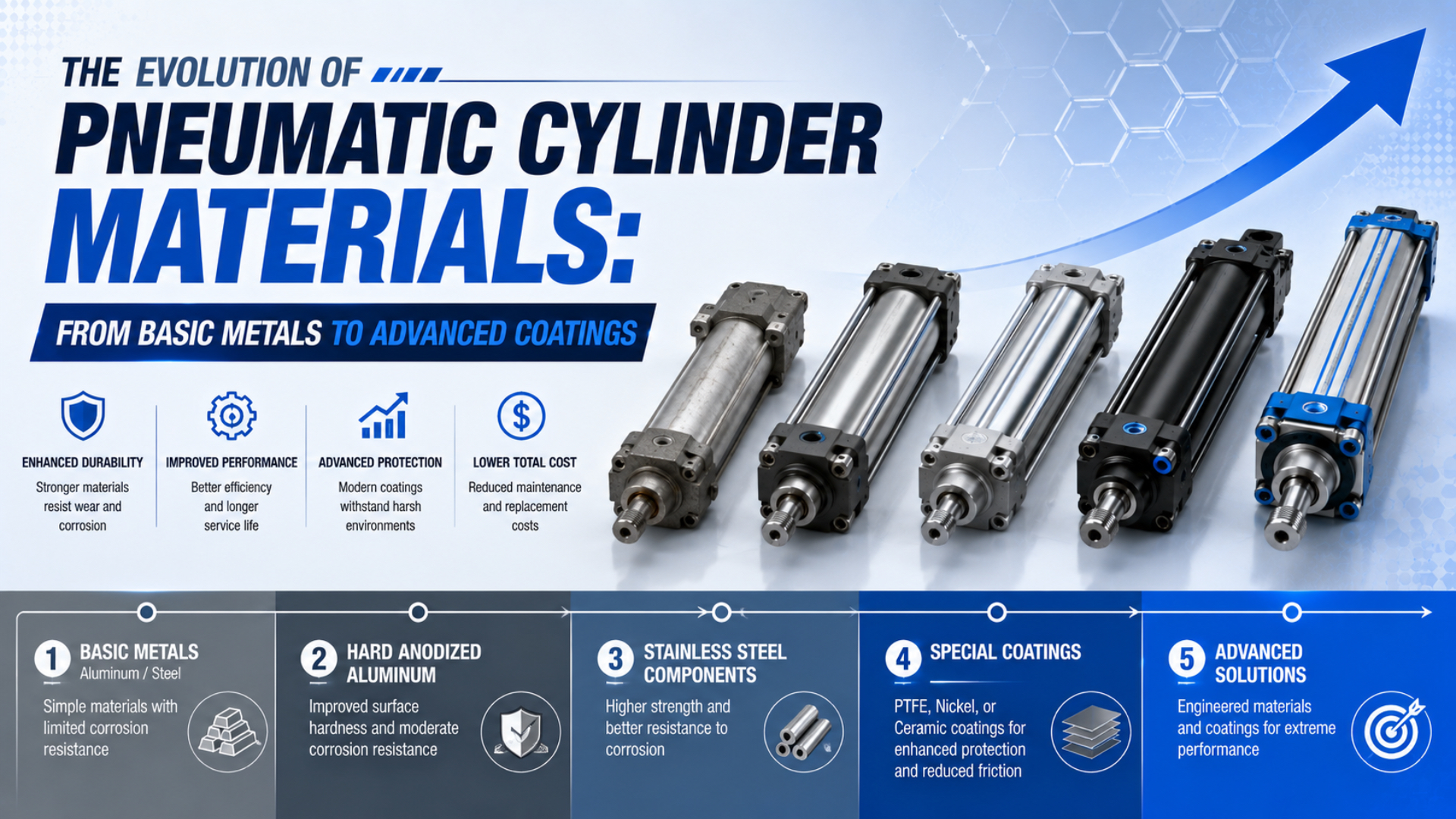 The Evolution of Pneumatic Cylinder Materials: From Basic Metals to Advanced CoatingsTrace pneumatic cylinder materials across the ISO 15552 32-320 mm range, from steel and anodized aluminum to stainless assemblies and advanced surface films.
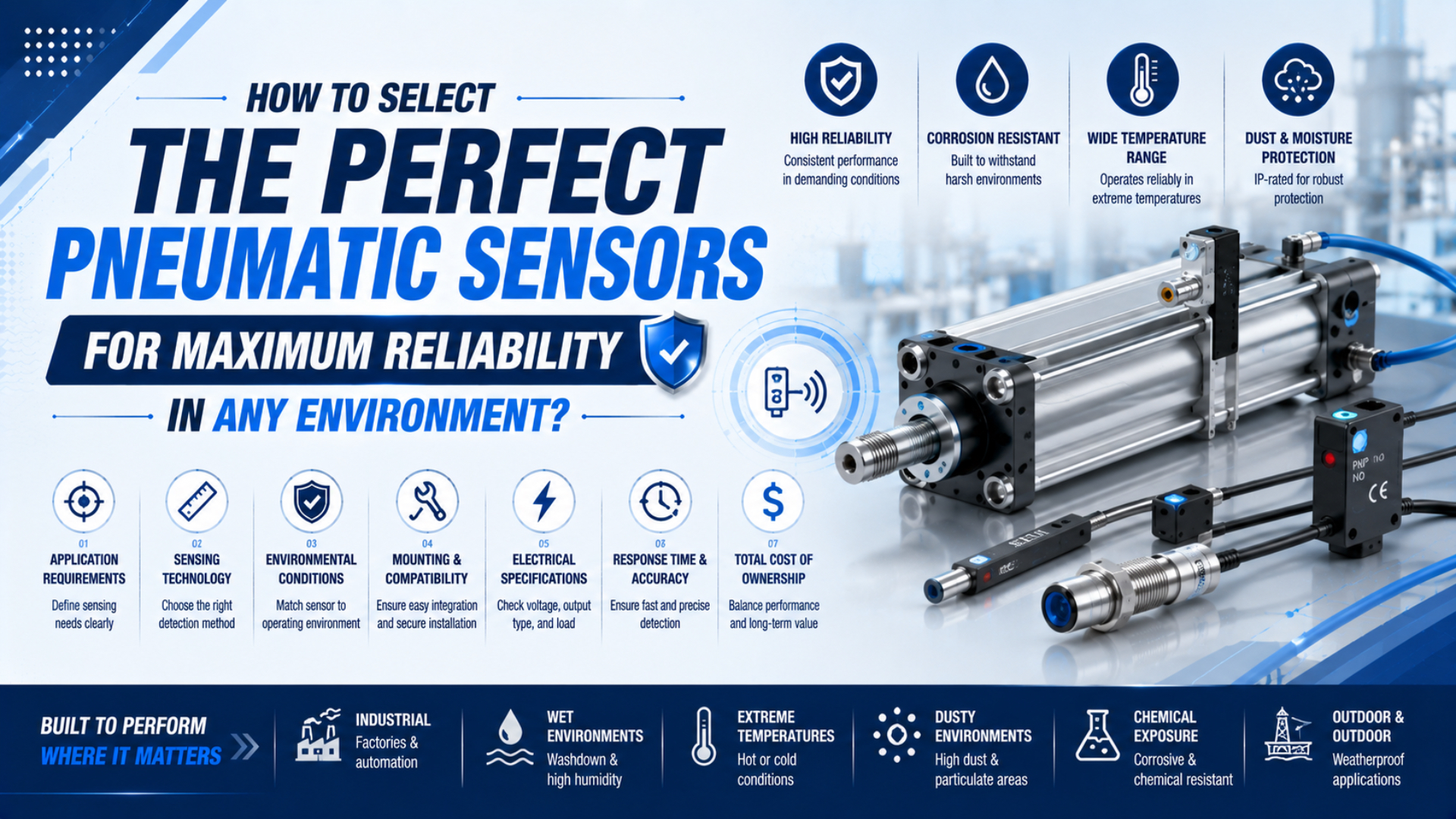 How to Select the Perfect Pneumatic Sensors for Maximum Reliability in Any Environment?Select pneumatic sensors by task, PLC interface and environment; compare 2 ms switching, IP ratings and commissioning evidence before machine release.
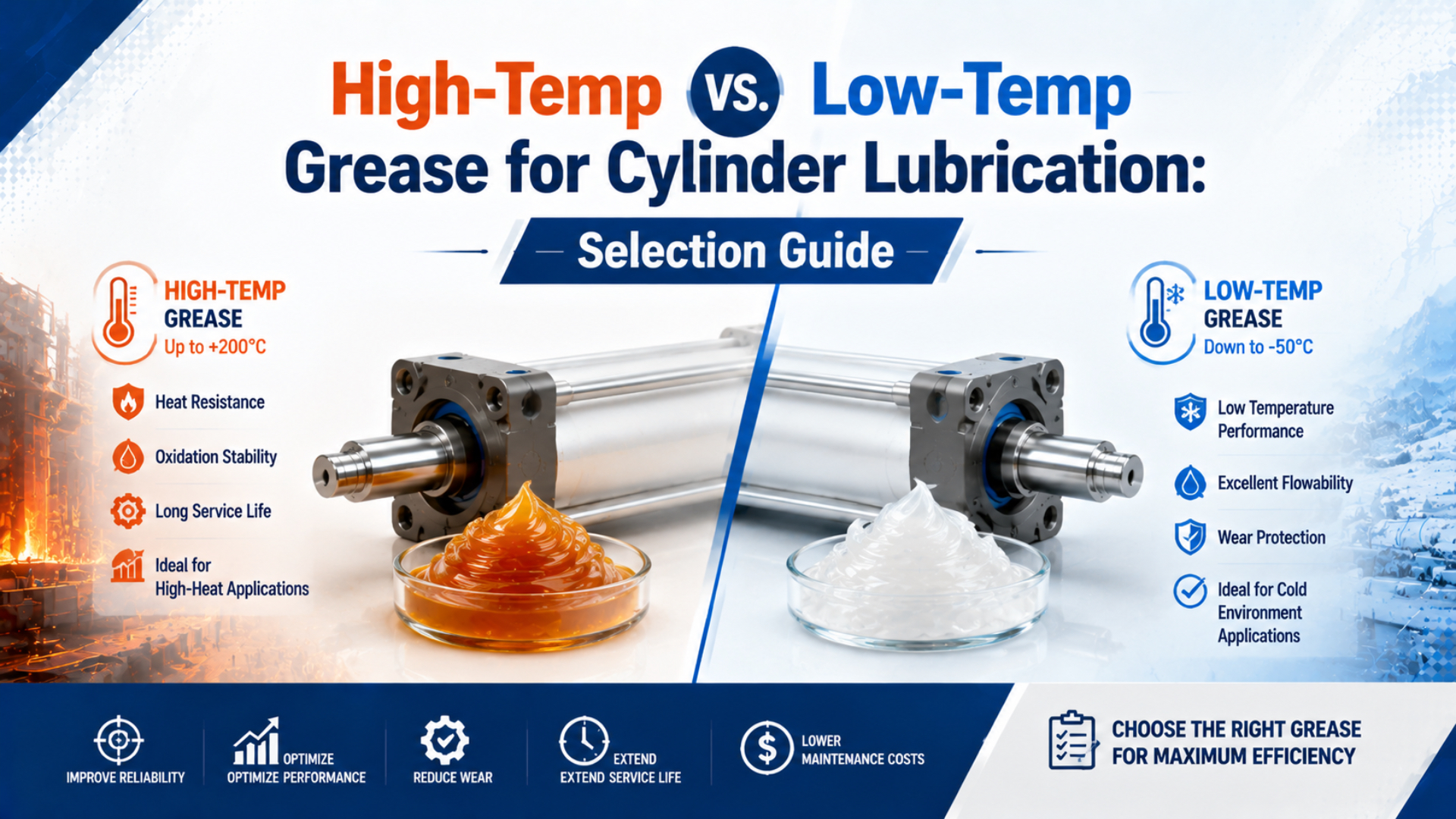 High-Temp vs. Low-Temp Grease for Cylinder Lubrication: Selection GuideSelect high- or low-temperature cylinder grease using 4 measured temperatures, exact seal compatibility, ASTM limits, and in-service commissioning checks.
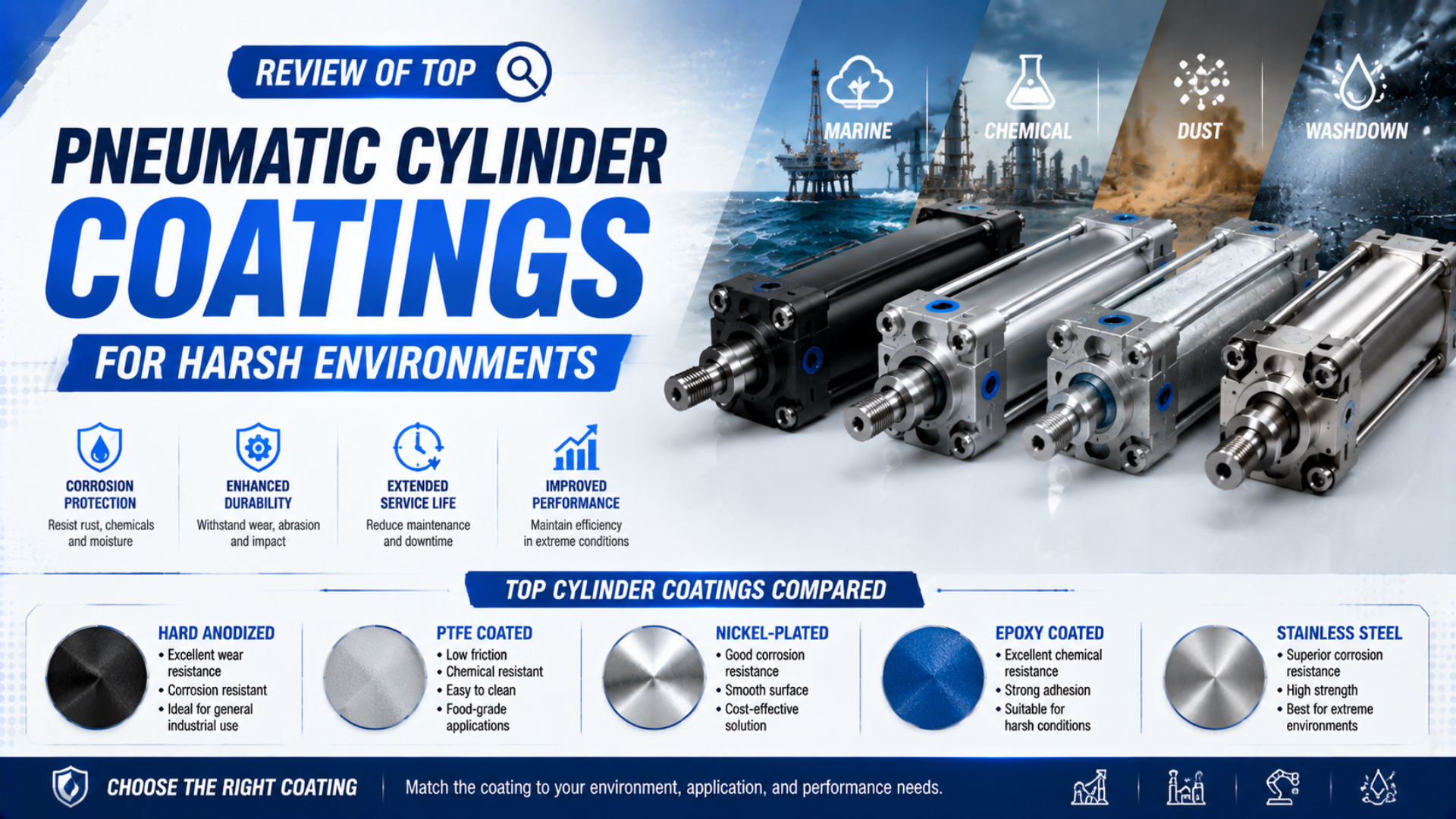 Review of Top Pneumatic Cylinder Coatings for Harsh EnvironmentsSelect pneumatic cylinder coatings by exposure, component, ISO 9227 limits, anodizing, ENP, rod finishes, stainless grades, and acceptance evidence.
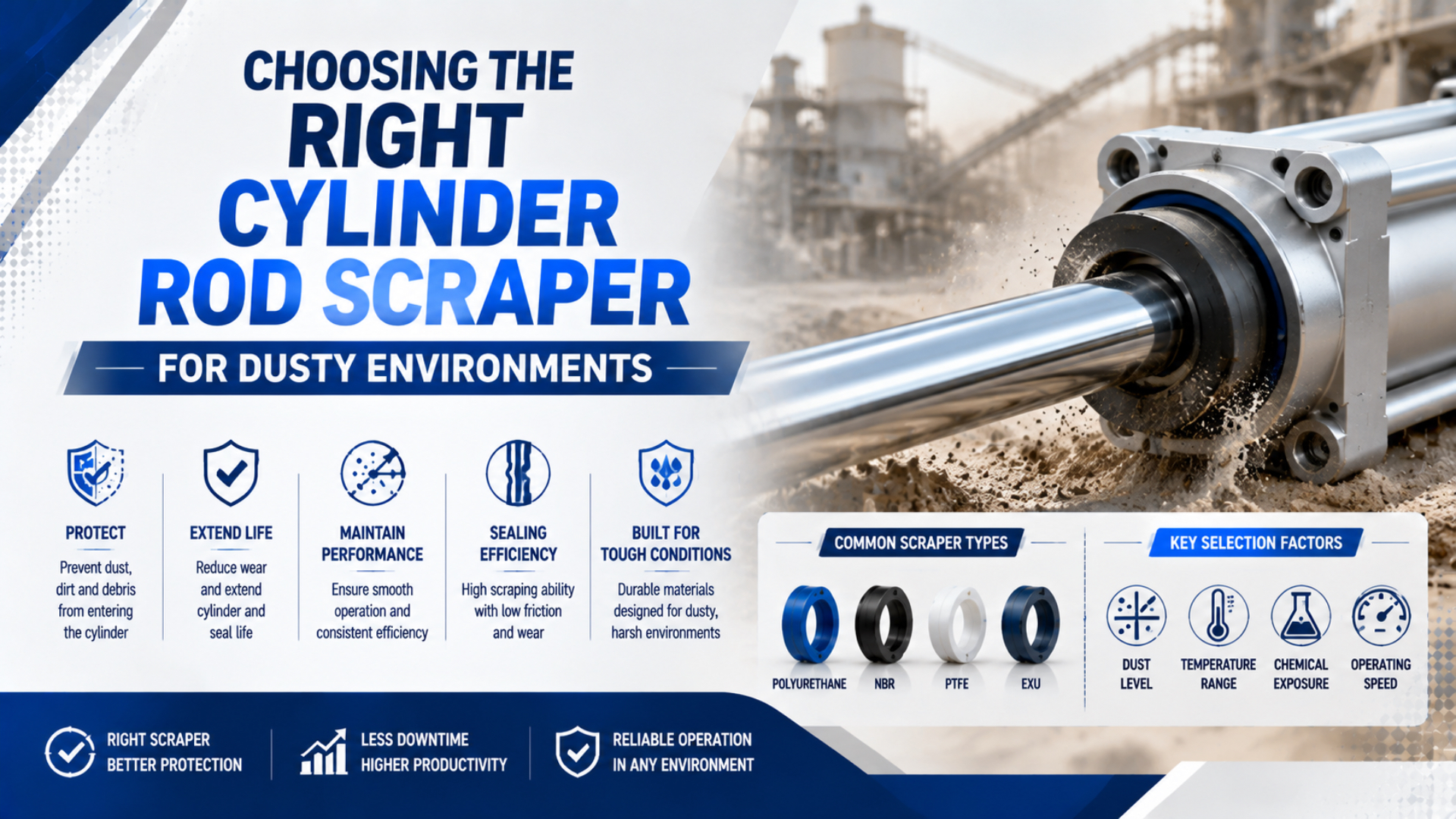 Choosing the Right Cylinder Rod Scraper for Dusty EnvironmentsSelect a pneumatic cylinder rod scraper by matching the contaminant, wiper profile, compound, housing, rod condition, lubrication, and maintenance evidence.
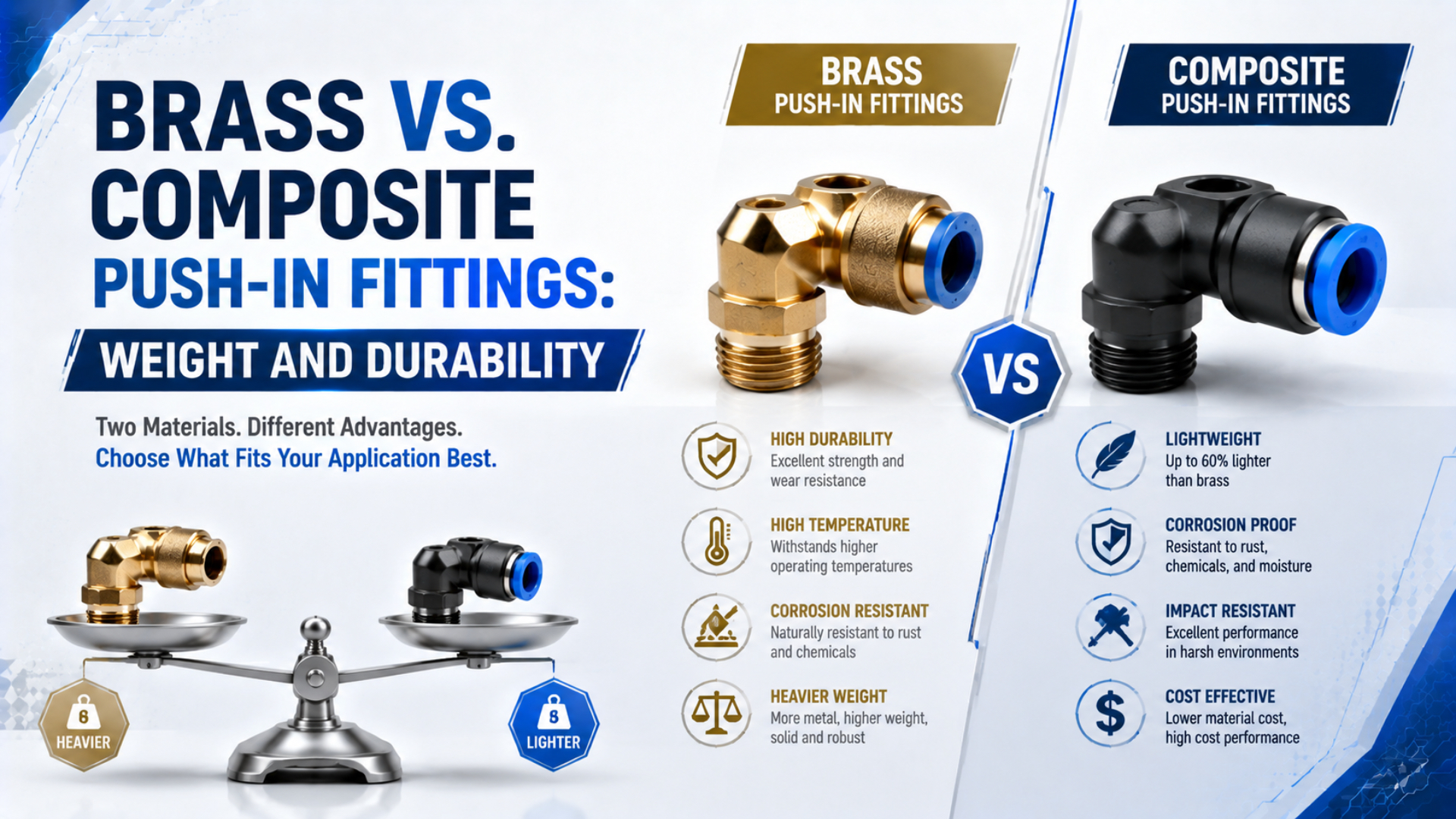 Brass vs. Composite Push-in Fittings: Weight and DurabilityCompare brass and composite push-in fittings using ISO 14743 assembly tests, exact catalog weights, and pressure, temperature, chemical, and vibration limits.
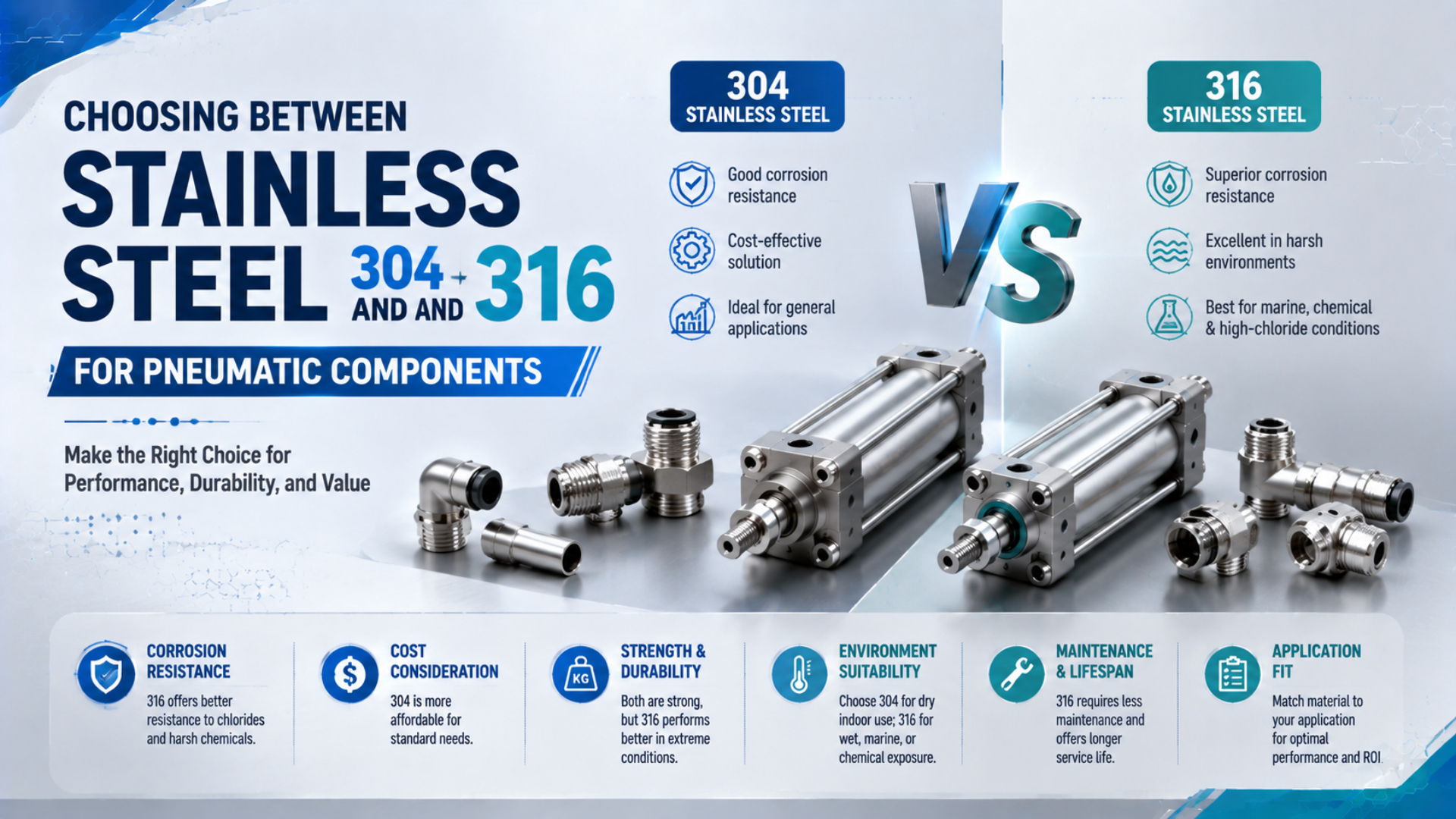 Choosing Between Stainless Steel 304 and 316 for Pneumatic ComponentsChoose stainless steel 304 or 316 pneumatic components using 2.1% molybdenum context, chloride exposure, cleaning chemistry, MTRs, and PMI checks in service.
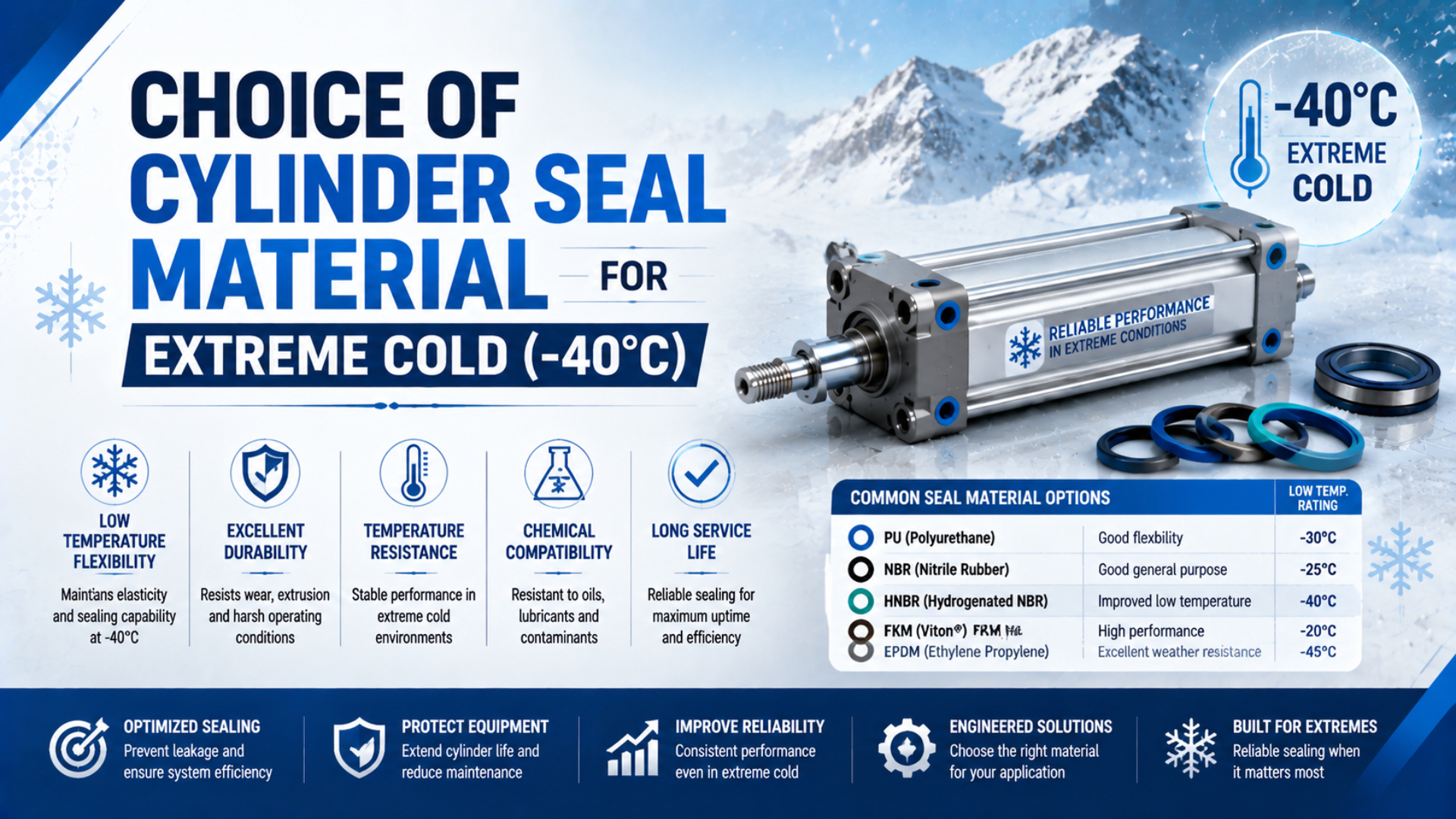 Choice of Cylinder Seal Material for Extreme Cold (-40°C)Choose a pneumatic cylinder seal system for -40°C service using exact compound data, OEM options, compatibility checks, and cold-soak validation for engineers.