
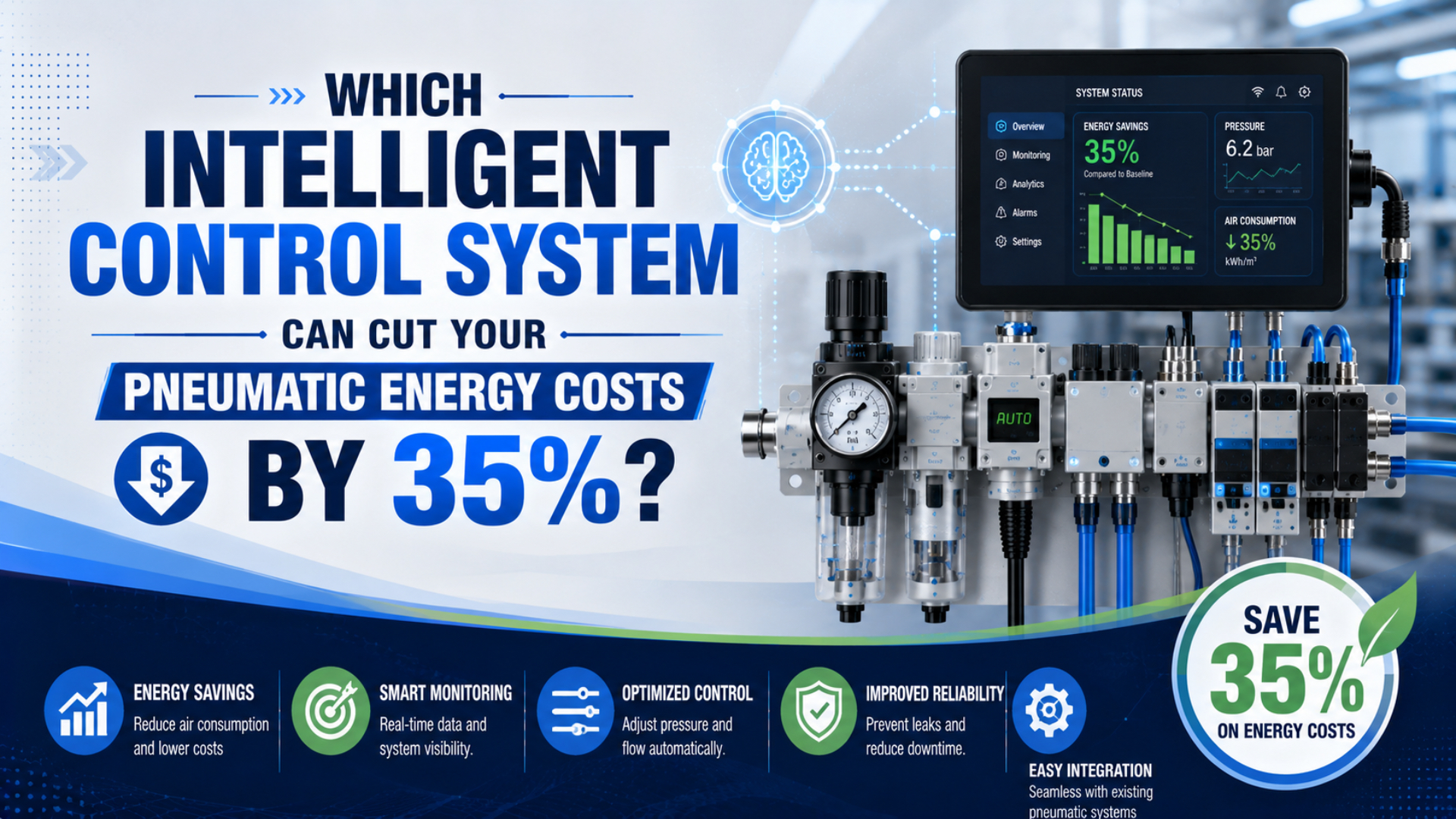
Which Intelligent Control System Can Cut Your Pneumatic Energy Costs by 35%?Learn which intelligent pneumatic control architecture can verify a 35% energy-cost target through metered baselines, demand control, and OT-safe integration.Blog Tag
industrial automation articles
Review every Bepto Pneumatic article connected to industrial automation, grouped as one focused reading list for engineers, maintenance staff, and sourcing specialists.
Tagged Reading Path
All articles tagged industrial automation
Use this archive to scan related selection notes, RFQ checks, replacement guidance, and pneumatic component references.
Showing 155 articles
Which Intelligent Control System Can Cut Your Pneumatic Energy Costs by 35%?Learn which intelligent pneumatic control architecture can verify a 35% energy-cost target through metered baselines, demand control, and OT-safe integration.
What is the Basic Theory of Pneumatics and How Does It Transform Industrial Automation?Learn pneumatic theory through a six-layer automation model covering air state, valves, actuators, sensors, safe states, flow limits, and commissioning.
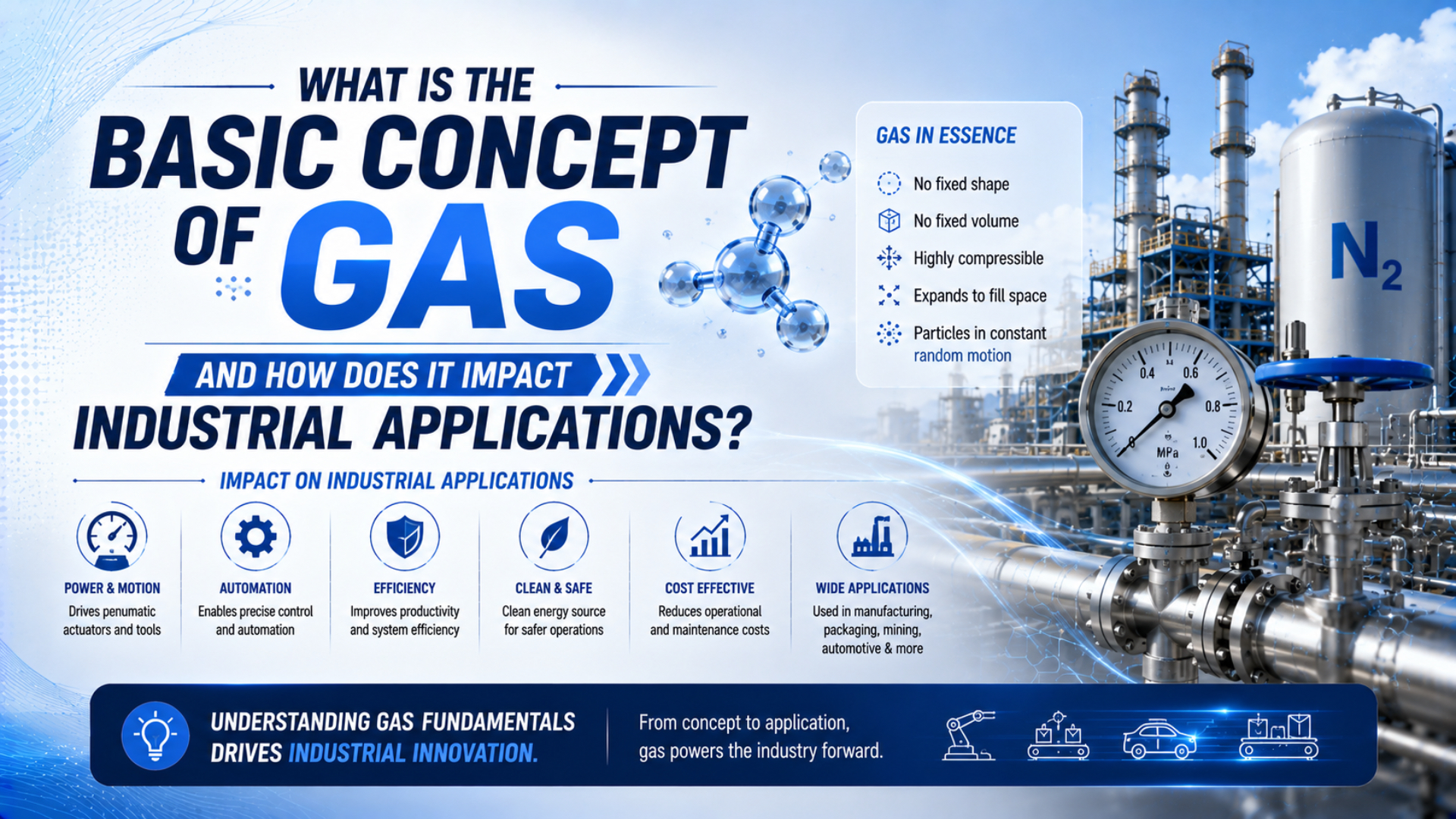
What is the Basic Concept of Gas and How Does It Impact Industrial Applications?Learn how pressure, volume, temperature, gas mass, and ISO 8573’s 3 contaminant groups affect pneumatic force, flow, safety, and reliable component selection.
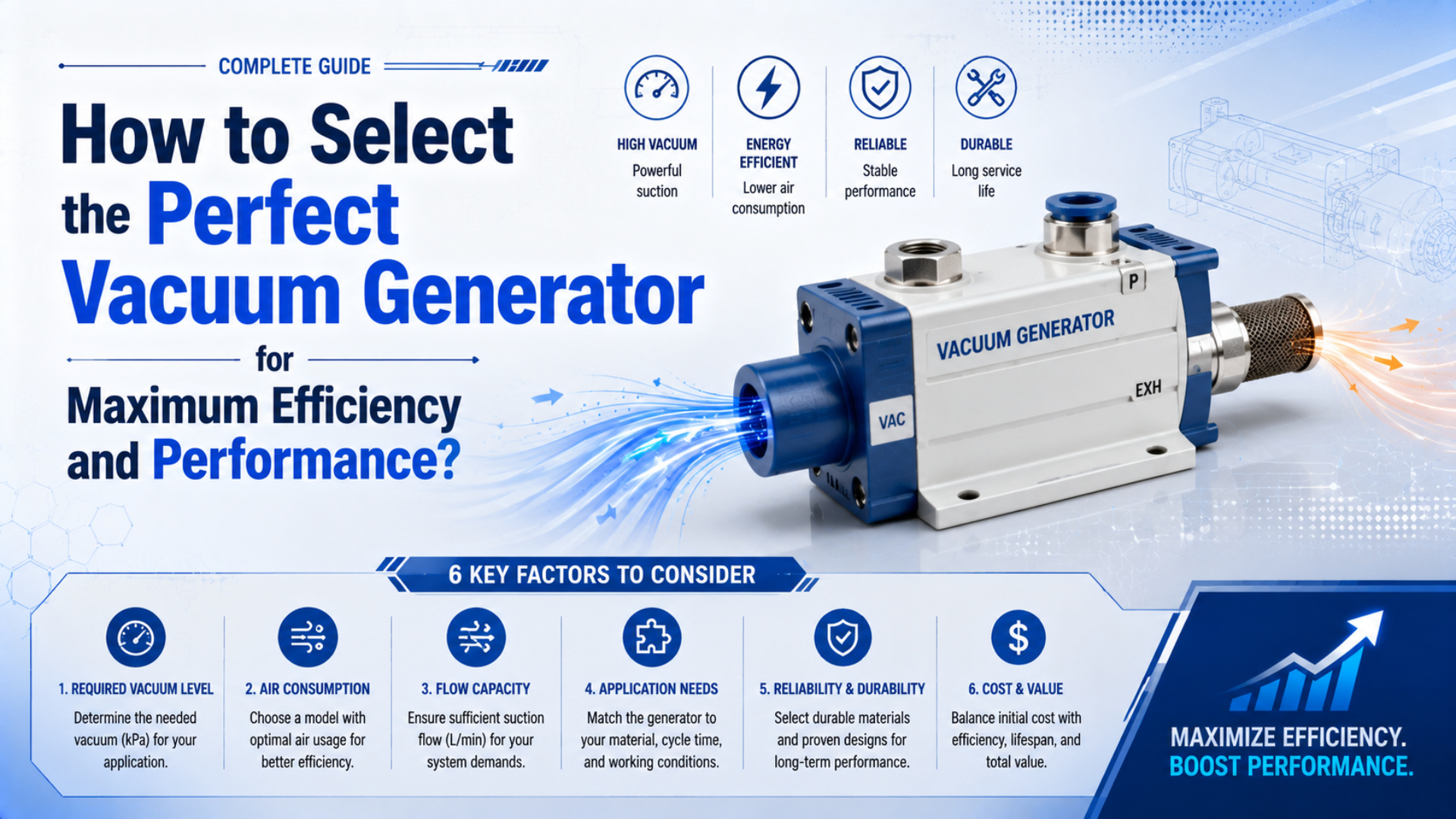
How to Select the Perfect Vacuum Generator for Maximum Efficiency and Performance?Choose a vacuum generator from load, leakage, response time, and air cost. Compare 5-22 L/min catalog data, read curves, and validate the actual workpiece.
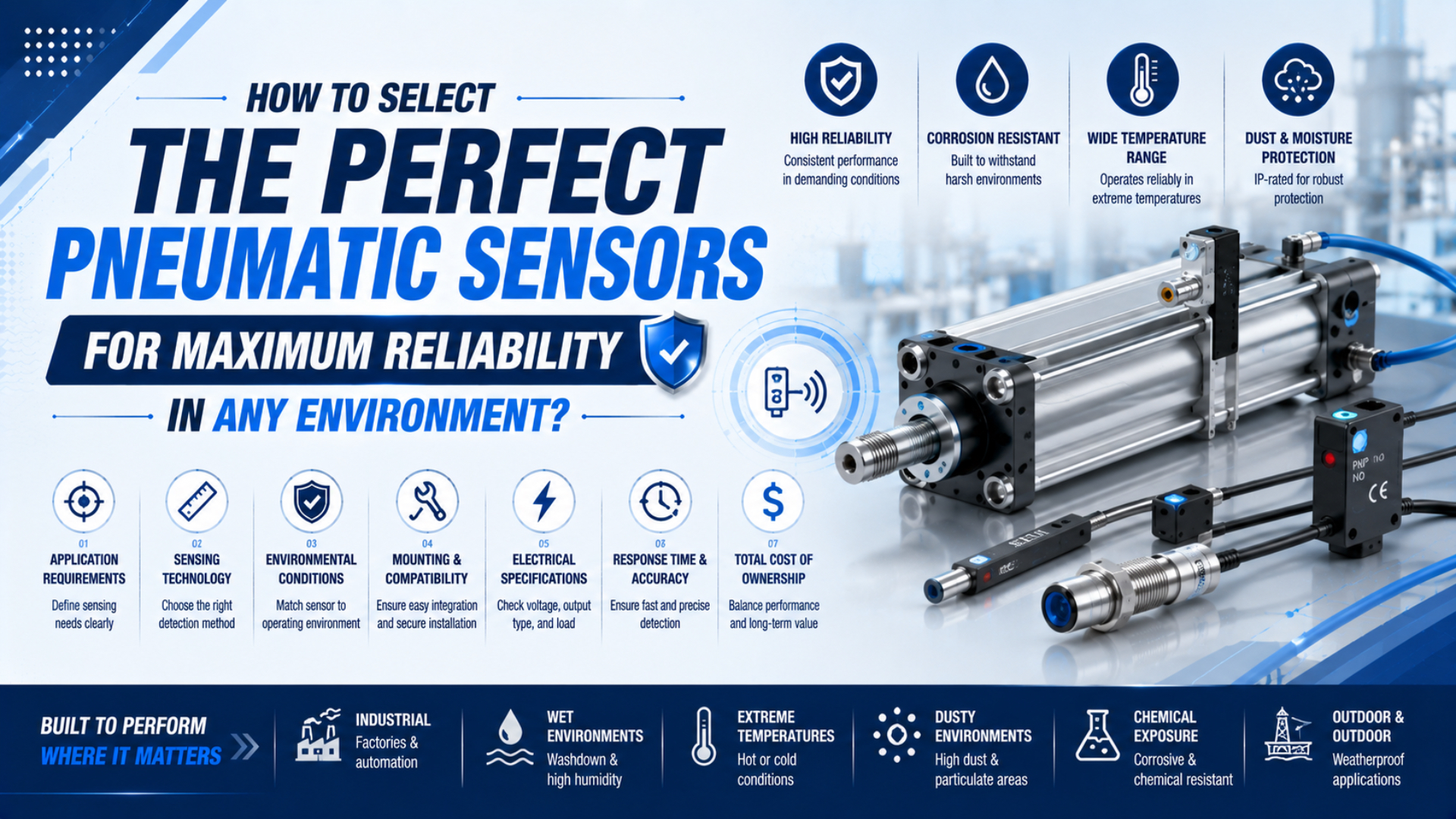
How to Select the Perfect Pneumatic Sensors for Maximum Reliability in Any Environment?Select pneumatic sensors by task, PLC interface and environment; compare 2 ms switching, IP ratings and commissioning evidence before machine release.
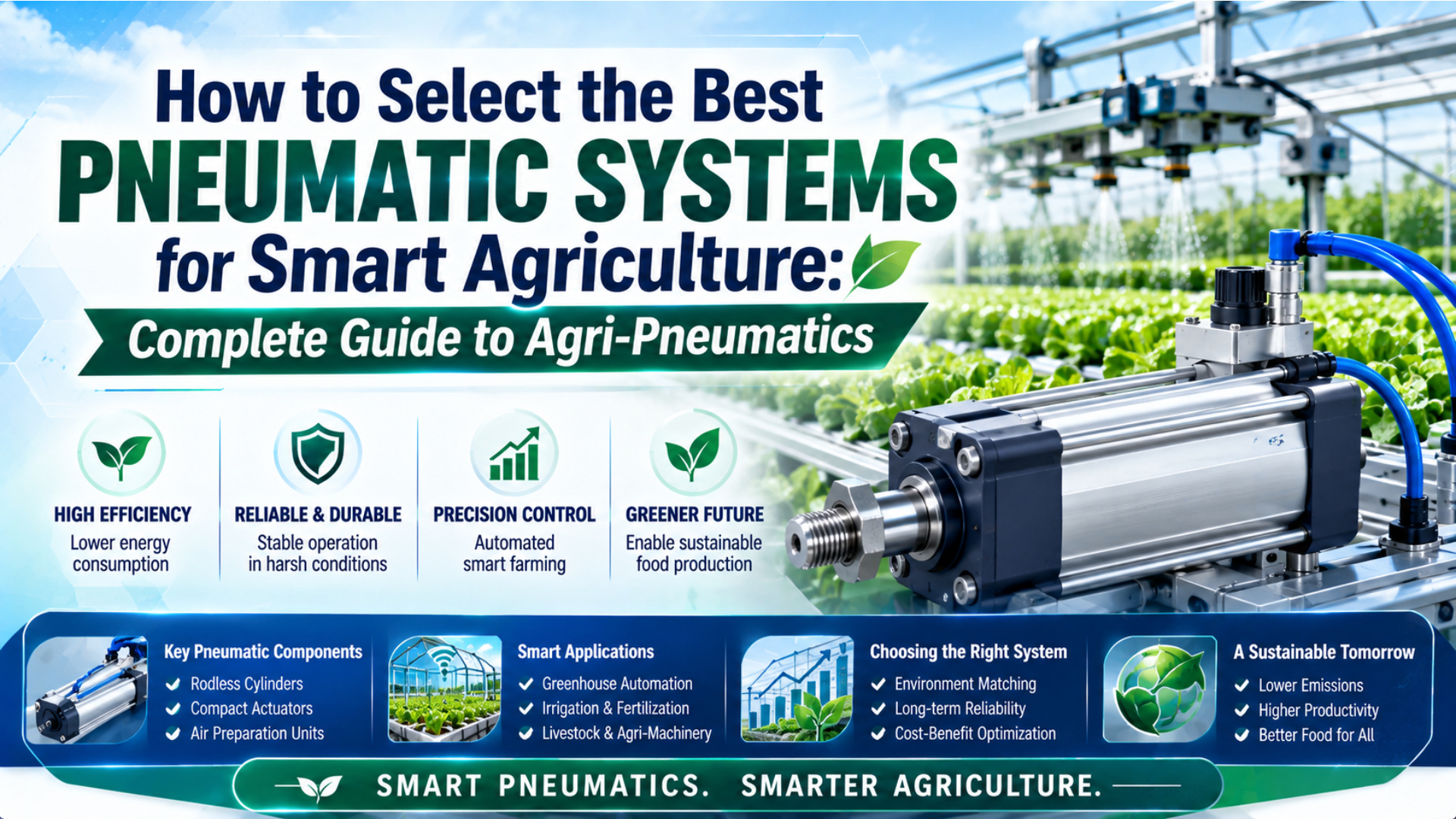
How to Select the Best Pneumatic Systems for Smart Agriculture: Complete Guide to Agri-PneumaticsSelect pneumatic systems for smart agriculture using 8 checks for load, air demand, contamination, controls, spray PWM, fail-safe design, and maintenance.
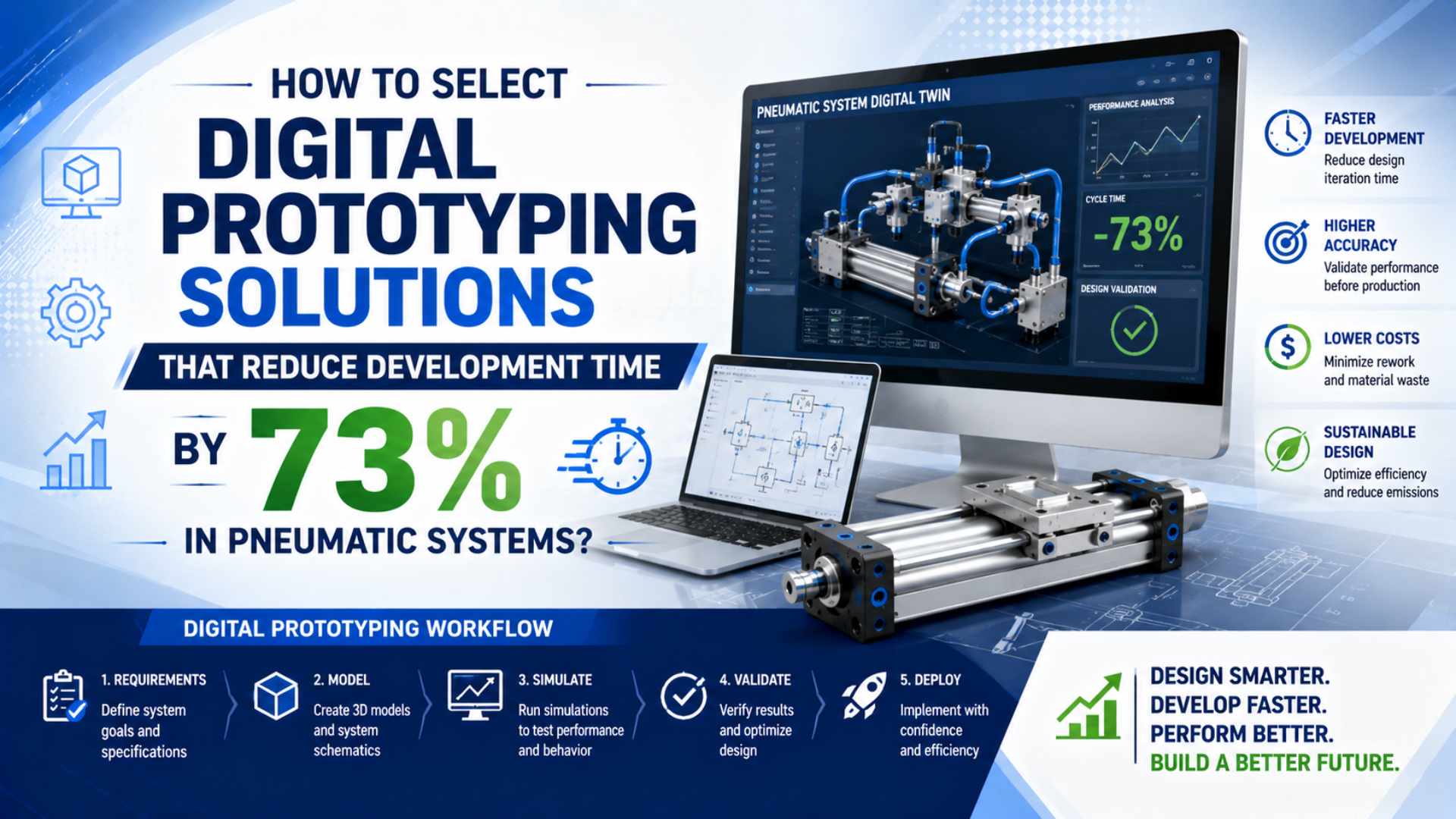
How to Select Digital Prototyping Solutions That Reduce Development Time by 73% in Pneumatic Systems?Test whether a digital prototyping solution can approach a 73% commissioning-time reduction through scope, pneumatic model, SIL/HIL, VVUQ, and pilot evidence.
How to Navigate Legal Disputes in Pneumatic System Manufacturing: A Technical GuideUse a 6-step engineering evidence workflow for pneumatic manufacturing disputes, covering incident response, contracts, patents, testing, and standards.
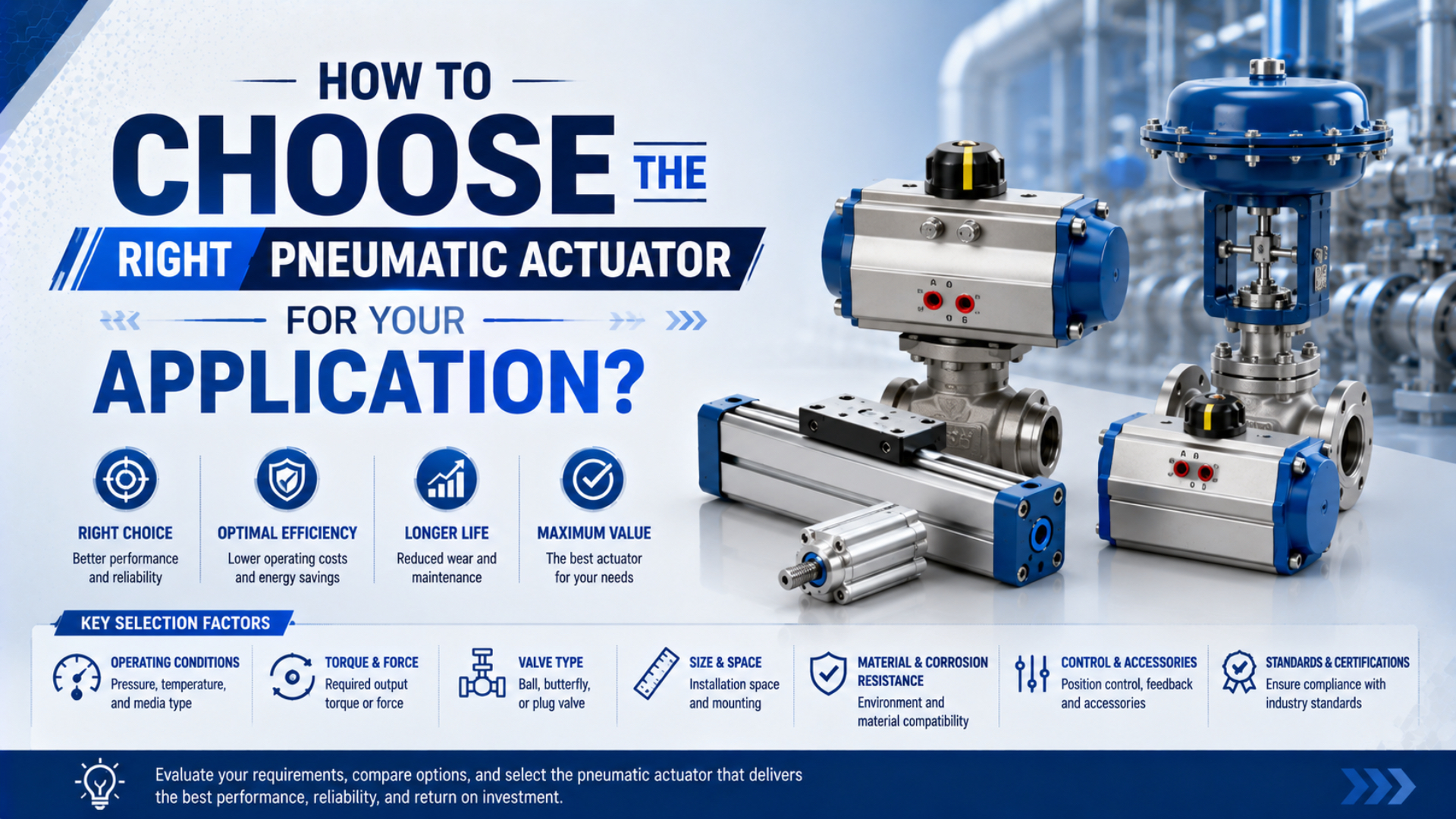
How to Choose the Right Pneumatic Actuator for Your Application?Choose a pneumatic actuator by matching motion, force or torque, guide loads, speed, stopping energy, environment, safety, and catalog limits.
How Are Rodless Cylinders Revolutionizing the Automotive Industry?Evaluate automotive rodless cylinders using Parker's 6,000 mm stroke data, plus welding, clean-area, load-moment, stopping-energy, controls, and RFQ checks.
6 Critical Proportional Valve Selection Factors That Improve System Response by 40%Compare 6 proportional valve selection factors using Festo's 70-115 Hz data, then verify flow, deadband, signals, EMC, and measured response gains reliably.
Twin-Rod Cylinders vs. Single-Rod with External GuidesCompare twin-rod cylinders with externally guided single-rod systems using SMC's ±0.1° example, load moments, alignment, life, and safe selection steps.
How Can Rodless Cylinders Revolutionize Industrial Automation Applications?Evaluate rodless cylinders across display, wafer, SMT, CNC, and cobot applications using Parker 6,000 mm stroke data and clear rejection checks for engineers.
Selection Guide for 5/3-Way Valves: Closed, Exhaust, or Pressure Center?Compare 3 center states of 5/3-way valves and validate 5 fault conditions covering drift, residual pressure, load motion, power loss, and safe restart.
Industrial Pneumatic System Components GuideMap an industrial pneumatic system from air preparation to control and motion, using ISO 4414 boundaries, 3 ISO 8573 purity classes, and a verified RFQ.
Brass vs. Composite Push-in Fittings: Weight and DurabilityCompare brass and composite push-in fittings using ISO 14743 assembly tests, exact catalog weights, and pressure, temperature, chemical, and vibration limits.
Selecting Cylinder End-Cap Cushions: Fixed Bumper vs. Adjustable Air CushionChoose fixed bumpers or adjustable air cushions using Parker's 50% entry-speed warning, moving mass, model-specific energy limits, and commissioning evidence.
Selecting Solenoid Valve Coils: 24VDC vs. 120VAC PerformanceCompare 24VDC and 120VAC solenoid coils across 8 electrical checks: supply, output, current, frequency, suppression, duty, heat, and safe field validation.
High-Speed vs. Standard Pneumatic Cylinders: Identifying the NeedDecide whether a standard pneumatic cylinder is sufficient or a high-speed version is justified by checking motion time, airflow, stopping energy, duty, and exact product limits.
Parallel Grippers vs. Angular Grippers: Workpiece Geometry SelectionCompare parallel and angular grippers using 6 geometry checks for contact faces, jaw path, finger profile, tolerances, fixture clearance, and sample validation.
Selecting the Right Vacuum Filter Size to Prevent Ejector CloggingSize a vacuum filter from suction flow and pressure drop at the target vacuum, then verify 5-80 µm grades, element area, dust loading, and service limits.
Guide to Choosing Anti-Rotation Cylinders for Precision AssemblyChoose an anti-rotation cylinder by tool-tip error, Mx/My/Mz load, and stroke. Includes SMC ±0.1° data, Festo torque examples, and acceptance test steps.
Guide to Choosing Cylinder Magnetic Sensors for Welding EnvironmentsChoose cylinder magnetic sensors for welding cells by separating magnetic, EMC, spatter, cable, wiring, and qualification requirements.
Choosing the Right Stroke Length: Standard vs. Custom CylindersChoose cylinder stroke from measured travel and installed geometry; ISO 15552 covers 32-320 mm bores, but it does not prescribe one standard stroke list.
5 Red Flags When Vetting New Pneumatic Component SuppliersVetting new pneumatic component suppliers? Identify five red flags through evidence checks for identity, specifications, test records, engineering, and quote scope.
Clevis Mount Pneumatic Cylinder Definition: The Key to Pivoting Action in Automation SystemsDefine a clevis mount pneumatic cylinder using ISO 8140 and Parker guidance, then verify its pivot geometry, pin alignment, loads, clearances, and RFQ data.
How to Request Pneumatic Cylinder Samples for Quality Validation Before Bulk OrderingUse a 3-stage sample, pilot-lot, and production-lot process to validate pneumatic cylinders without mistaking a few good samples for proven quality at scale.
Standard vs. Custom: When is it Worth Investing in Bespoke Cylinders?Choose standard, configured, or custom pneumatic cylinders with a 6-gate review covering interfaces, duty, validation, committed cost, MOQ, and change risk.
Reviewing Pneumatic Cylinder CAD Models: A Critical Checklist for Engineers and BuyersReview pneumatic cylinder CAD models using STEP validation, three clearance envelopes, controlled drawings, and ISO 15552's 32-320 mm dimensional scope.
Agriculture Automation: Weather-Proof Cylinders for Farming EquipmentSpecify farm pneumatic cylinders using ISO 15552's 32-320 mm range, exposure mapping, seal compatibility, air-quality controls, and field validation tests.
How to Become a Successful Distributor of Industrial Pneumatic ComponentsBuild a pneumatic distribution business with 5 SBA market checks, the 11 Incoterms 2020 rules, supplier qualification, inventory controls, and KPIs.
Pneumatic Actuator Definition and TypesDefine pneumatic actuators, compare 7 major families, and use ISO 15552's 32-320 mm, 10 bar scope to prepare a precise industrial actuator replacement RFQ.
Private Labeling Pneumatic Cylinders: Building Your Own Industrial BrandBuild a private-label pneumatic cylinder brand with 6 release gates covering trademarks, market roles, controlled specifications, pilot lots, and continuity.
Profit Margin Analysis: Selling Pneumatic Fittings and TubingAnalyze selling pneumatic fittings and tubing with 2025 distributor margins, landed cost, contribution margin, inventory turns, GMROI, and pricing control.
Choosing a Manufacturing Partner: Support Needed for Pneumatic DistributorsUse 4 evidence chains to assess pneumatic manufacturing partners: engineering support, commercial controls, quality records, and distributor enablement.
Marketing Pneumatic Parts: Strategies for Local Industrial DistributorsUse 3 local-search factors to build a measurable pneumatic-parts marketing plan with clear technical content, compliant reviews, and channel-level ROI.
Wholesale Sourcing: Finding Direct-from-Factory Pneumatic DealsEvaluate factory-direct pneumatic deals through 4 evidence gates covering landed cost, supplier identity, technical proof, trial orders, and contract controls.
Cross-Reference Guide: Interchanging ISO 6432 Mini Cylinders Across BrandsCross-reference ISO 6432 mini cylinders across seven brands using the full model code, mounting drawing, ports, rod end, sensors, and operating limits.
Sourcing Strategy: How to Evaluate Pneumatic Cylinder Suppliers in ChinaEvaluate pneumatic cylinder suppliers in China through 7 evidence gates covering legal identity, factory roles, technical proof, samples, and contracts.
Verifying Supplier Certifications: ISO Standards for Pneumatic ManufacturersVerify pneumatic supplier ISO certificates through 6 checks covering identity, site, status, accreditation, scope, and product evidence before approval.
Dual-Sourcing Strategies: Mitigating Risks in Pneumatic Component ProcurementBuild a dual-sourcing strategy for pneumatic components using controlled specifications, supplier qualification, common-cause risk checks, and failover tests.
How to Identify Reliable Private Label Manufacturers for Pneumatic CylindersUse ISO 9001 scope checks and 4 evidence gates to qualify private label pneumatic cylinder manufacturers before samples, tooling, contracts, and production.
Importing Pneumatic Components: Understanding Duties, Taxes, and LogisticsImport pneumatic components with a 6-digit HS starting point, current tariff checks, Incoterms 2020, and a documented landed-cost and customs workflow.
Vendor Managed Inventory (VMI) Benefits for High-Volume Pneumatic UsersDesign pneumatic VMI around SKU eligibility, min-max rules, ownership, data, KPIs, and exit terms. A 10-company study cut stockouts 55%.
Procurement Checklist: Essential Specs When Ordering ISO 15552 CylindersUse this ISO 15552 cylinder procurement checklist to control RFQ data across the standard’s 32-320 mm bore scope, compare quotes, and verify orders correctly.
Understanding Minimum Order Quantities (MOQ) in Custom Cylinder ManufacturingCompare custom-cylinder MOQ quotes across 5 cost groups—unit price, NRE, tooling, validation and inventory—then control delivery and design-change risk.
Guide Rail Parallelism: Tolerance Stack-Up in Rodless Cylinder MountingBuild a datum-based rodless cylinder alignment budget using model limits, worst-case and RSS methods, angular error, torque checks, and 3-position verification.
Pneumatic Hammering: Causes and Structural Damage AssessmentDiagnose pneumatic hammering after cylinder end-of-stroke impact, trace structural damage, apply OSHA 1910.147 isolation, and set evidence-based repair gates.
How Solenoid Valves Work in Pneumatic Control SystemsTrace a pneumatic solenoid valve through 7 control stages, from PLC output and coil current to pilot pressure, spool position, air paths, and actuator motion.
Telescopic Cylinder Stage Sequencing: Hydraulic vs. Pneumatic LogicCompare 3-stage hydraulic and pneumatic sequencing logic, calculate stage force and speed, then validate valves, sensors, timeouts, and fault response.
Why Does Hysteresis Ruin Your Proportional Actuator Precision and How Can You Fix It?Diagnose proportional actuator hysteresis with bidirectional position tests; SMC separates 0.5% FS hysteresis from repeatability and sensitivity in practice.
Servo-Pneumatics: Modeling the Compressibility Factor in Control LoopsModel a servo-pneumatic axis with four core states, ISO 6358 valve data, absolute chamber pressure, local linearization, identification, and validation.
Deadband Analysis in Pneumatic Cylinder Friction CompensationUse 2 chamber-pressure traces and position data to separate cylinder friction deadband from valve dead zone, then validate compensation without hunting.
Force Control Mode vs. Position Control Mode in Smart CylindersCompare force and position control in smart pneumatic cylinders through 3 feedback architectures, dual-chamber force math, safe switching, and acceptance tests.
Analyzing Overshoot and Settling Time in High-Speed Pneumatic SlidesAnalyze pneumatic slide overshoot and settling time using Parker's 50% cushion-entry warning, synchronized traces, energy checks, and acceptance tests.
Dual-Loop Control Strategies for Pneumatic Cylinder SynchronizationDesign dual-loop pneumatic cylinder synchronization with 2 error signals, cross-coupling, timing budgets, commissioning traces, and safe fault handling.
Understanding Polytropic Processes in Pneumatic Cylinder Air ExpansionCompare 4 pneumatic process boundaries, fit the polytropic index from pressure-volume data, and avoid applying pV^n to valve-connected cylinder strokes.
The Physics of Air Compressibility: Why Pneumatic Cylinders Experience “Bounce”Learn why cylinder speed, trapped air, cushioning, friction, and control tuning cause pneumatic cylinder bounce, plus how to diagnose and stop it.
Adiabatic vs. Isothermal Expansion: The Thermodynamics of Cylinder ActuationCompare cylinder models using measured 23 K heating and 17 K cooling data to separate ideal expansion laws from real pneumatic actuation and sizing errors.
How Do Electromagnetic Drives Work in Pneumatic Valve Applications?Learn how electromagnetic drives switch pneumatic valves, from coil current and pull-in force to peak-and-hold control, flyback, heat, and diagnostics.
Does Cavitation in Hydraulic and Pneumatic Valves Damage Your System?Learn why ISO 6358 separates subsonic and choked gas flow, how liquid cavitation damages valves, and which pressure and moisture checks prevent failures.
The Engineering Behind Glandless Spool Valve TechnologyUnderstand glandless spool-and-sleeve valves using Norgren 900 vs 1,200 L/min data, air-quality limits, leakage tradeoffs, and selection checks for engineers.
How Spool Underlap, Overlap, and Zero-Lap Affect Cylinder ControlCompare 3 spool-lap conditions, separate lap from valve center function, and learn how neutral leakage, dead zone, feedback, and load affect cylinder control.
Calculating Valve Shift Time: A Pneumatic and Electrical AnalysisCalculate valve shift time with ISO 12238:2023, an electrical-mechanical-pneumatic budget, RL coil math, chamber-fill estimates, and validation steps.
How Internal Pilot Pressure Affects Valve Actuation SpeedLearn how internal pilot pressure affects valve speed, why 0.15 MPa can be a model-specific minimum, and how to diagnose pressure, voltage, flow, and exhaust.
A Technical Analysis of Exhaust Flow Control in 5-Way ValvesAnalyze 5-way valve exhaust flow through ports 3 and 5, calculate back-pressure force loss, diagnose restrictions, and select meter-out or quick exhaust safely.
How to Tune a PID Loop for a Proportional Valve and Cylinder SystemTune a pneumatic PID loop with 10–90% rise-time traces, anti-windup, derivative filtering, valve-neutral checks, and load-range validation for cylinder motion.
The Impact of Deadband on Proportional Valve Control AccuracyLearn how proportional-valve deadband differs from hysteresis, how a 0.4% model rating affects control, and how to measure and compensate it in practice.
A Technical Guide to Spool Position Feedback in Proportional ValvesUnderstand spool position feedback in proportional valves, including LVDT and Hall sensing, inner-loop limits, data-sheet checks, commissioning, and fault diagnosis.
The Function of Sandwich Plates: Pressure Regulators and Flow ControlsLearn how 5-port pneumatic sandwich plates regulate common or individual ports, meter exhaust flow, preserve manifold compatibility, and verify stack order.
A Comparison of Piezoelectric vs. Solenoid Actuation in Proportional ValvesOne solenoid example responds in under 10 ms. Compare piezoelectric and solenoid proportional valves by flow, power, pressure, hysteresis, and duty cycle.
How Monitored Pneumatic Safety Valves (Category 3/4) OperateA component-level explanation of redundant pneumatic safety valves, feedback monitoring, fault response, reset logic, and Category 3/4 system boundaries.
Failure Analysis: Identifying the Root Cause of Internal Valve LeakageDiagnose internal valve leakage with port isolation, pressure checks, and teardown evidence; one SMC metal-seal valve permits 200 Ncc per port at 0.5 MPa.
The Physics of Air Hammer in Pneumatic Valve and Piping SystemsLearn what pneumatic air hammer is, how pressure waves travel, why liquid Joukowsky math can mislead, and how to measure valve transients safely.
A Guide to 3-Position Valve Center Conditions (Closed, Exhaust, Pressure)Compare 5/3 valve center conditions: closed, exhaust, and pressure. Learn each 5-port flow path, actuator behavior, restart risk, and selection checks.
The Function of Two-Pressure Valves (AND Logic) in Pneumatic CircuitsLearn how a two-pressure valve performs pneumatic AND logic across 4 input states, handles unequal pressures, and differs from a safety-rated two-hand control.
How to Build a Pneumatic Latching Circuit Using Logic ValvesBuild a pneumatic latching circuit with a double-piloted 5/2 valve, SET/RESET signals, conflict handling, startup checks, and clear safety limits.
A Technical Guide to Pneumatic Shuttle Valves (OR Logic)Select pneumatic shuttle valves using verified OR logic, pressure differential, ISO 6358 flow data, safety limits, installation checks, and RFQ criteria.
The Technical Design of a Pneumatic Oscillator CircuitDesign a pneumatic oscillator circuit with 7 checks covering state logic, valve memory, timing, flow, safe stopping, air loss, and predictable restart.
A Guide to Cascade Circuit Design Using Pneumatic ValvesDesign a pure-pneumatic cascade circuit with a six-motion, three-group example, valve logic, conflict checks, commissioning steps, and safe reset rules.
The Engineering of a Two-Hand Safety Control CircuitCommission a two-hand safety circuit with 2-channel timing, anti-tie-down, output feedback, and fault-injection tests before accepting pneumatic machinery.
How to Prevent Opposing Signals in a Pneumatic Logic CircuitPrevent opposing pneumatic signals with mutual-exclusion logic, cascade groups, pilot-pressure checks, and a 4-state test for directional valve control.
A Technical Guide to Pneumatic Memory Valves and Their FunctionLearn how 5/2 pneumatic memory valves retain spool state, why pressure and cylinder position may still change, and how to select and test them safely.
The Role of Check Valves in Preventing Backflow in Complex CircuitsPrevent pneumatic backflow with 7 circuit checks covering valve direction, cracking pressure, flow loss, reverse leakage, pilot release, and stored energy.
How to Design a Pneumatic Circuit for Sequential Cylinder OperationDesign a 4-step sequential pneumatic cylinder circuit using state tables, cascade or PLC control, feedback, timeouts, flow checks, and safe restart logic.
How to Use Back-to-Back Cylinders for 3-Position ApplicationsLearn how equal-stroke back-to-back cylinders create 3 fixed positions from 4 command states, with correct mounting, valve logic, force sizing, and tests.
How to Use a 5-Way, 3-Position Valve for Cylinder Position HoldingLearn how a 5-way, 3-position valve pauses cylinder motion, why zero-drift holding fails, and when pilot checks or rod locks provide safer machine control.
How Does Pneumatic Air Cushioning Work to Protect Your Equipment from Impact Damage?Learn how air cushioning traps exhaust air, why cushion-entry speed may be 50% above average, and how to prevent end-of-stroke impact damage in machinery.
How to Analyze Cylinder Drift Caused by Internal Seal BypassDiagnose cylinder drift with dual-port pressure, position data, and isolation tests; one SMC actuator permits 10 cm³/min internal leakage, not a universal limit
A Technical Guide to Cylinder Reed Switch and Hall Effect Sensor OperationCompare reed, Hall, and MR cylinder switches using a 0.8 mA two-wire leakage example, PNP/NPN wiring, PLC checks, and commissioning tests for automation.
The Physics of Venturi Ejectors and Vacuum Control ValvesLearn how Venturi ejectors create vacuum, why nozzle flow chokes, and how to read 80-90 kPa vacuum curves, size response time, and control air use.
How to Mitigate Water Hammer Effect When Stopping a Cylinder Mid-StrokeCompare 5/3 valve centers, trapped-air limits, stopping energy, rod locks, and ISO 13849-1 controls for safer pneumatic cylinder mid-stroke stops in practice.
The Engineering of Clamp Cylinders: Swing vs. Linear MechanismsCompare swing and linear clamp cylinders using a 90° swing sequence, 6 bar force data, arm-moment limits, fixture reactions, and safe-state checks in fixtures.
A Technical Guide to Using Proportional Valves for Cylinder Position ControlBuild a closed-loop pneumatic cylinder position system using a 5/3 proportional valve, feedback, safe commissioning, trace-based tuning, and acceptance tests.
A Guide to Compact Guide Cylinders for Anti-Rotation and PrecisionSelect compact guide cylinders by bearing, 3-axis moment, stroke, speed, and impact. See why one Festo DFM falls from 6.14 to 3.81 N·m as stroke increases.
How Does Air Compressibility Affect Pneumatic Cylinder Control Performance?Learn how air compressibility changes cylinder stiffness, how 10% pressure drop affects response, and when closed-loop pneumatic control is required for motion.
Which ISO Standard Delivers 40% Space Savings: ISO 15552 or ISO 21287 Compact Cylinders?ISO 21287 covers 20-100 mm compact cylinders; ISO 15552 spans 32-320 mm. Compare space, force, cushioning, strokes, mounts, and retrofit risks before selection.
How Do Tandem Cylinders Multiply Force Output for Heavy-Duty Applications?Calculate tandem cylinder force with a 63 mm, 6 bar example, then check flow, air consumption, mounting, rod buckling, and safety limits.
How Do Multi-Position Cylinders Achieve Precise Intermediate Stops?Learn how 3- and 4-position pneumatic cylinders combine fixed strokes and hard stops, and when sensors, rod locks, or servo feedback are required.
Why Are Hydro-Pneumatic Cylinders the Ultimate Solution for Precision Control Applications?Learn how hydro-pneumatic cylinders control feed speed or create a short high-force stroke, plus the sizing, safety, and RFQ checks that matter.
How Do Meter-Out Circuits Deliver Precise Speed Control for Pneumatic Cylinders?Learn how meter-out circuits control pneumatic cylinder speed through exhaust restriction, correct sizing, installation, tuning, and fault diagnosis.
Why Are Hydrodynamic Models Essential for Optimizing Your Pneumatic System Efficiency?Choose pneumatic flow models using ISO 6358, pipe loss, transient mass balance, and CFD boundaries, then verify CAGI's 10% pressure-drop target in operation.
Which Rotary Actuator Internal Mechanism Delivers the Best Performance for Your Application?Compare rotary actuator mechanisms by torque curve, inertia, stopping energy, shaft load, backlash, duty, and fail action before selecting a model.
How Do You Calculate the True Lifting Capacity of Pneumatic Gripper Systems to Prevent Catastrophic Load Drops?Calculate pneumatic gripper lifting capacity from force per jaw, friction, acceleration, and finger position, then verify pressure and air-loss safety.
How Does Bore Size Impact Rotary Actuator Torque Performance?See why doubling bore can mean 4x theoretical torque, when that shortcut fails, and how to select rotary actuators from catalog data at real pressure.
Should You Choose Internal or External Sensing for Your Pneumatic Grippers?Choose internal or external pneumatic gripper sensing by the datum your PLC must prove. Compare 3-state monitoring, part detection, wiring, and fault tests.
How Can You Accurately Measure and Eliminate Rotational Backlash to Achieve Precision Positioning in Pneumatic Actuators?Measure rotational backlash with a dial indicator or output encoder, separate clearance from compliance, and choose verifiable fixes for pneumatic actuators.
How Can Custom Gripper Finger Design Transform Your Complex Parts Handling Challenges?Design custom gripper fingers using SMC's 10-to-20-times load guidance, contact geometry, jaw moments, materials, tolerances, and validation tests.
Which Gripper Type Delivers Better Performance: Parallel or Angular Grippers for Your Automation Needs?Compare parallel and angular grippers by jaw path, clearance, finger length, grip force, and failure mode using SMC's 10-to-20-times load sizing guideline.
How Does the Pneumatic Angular Gripper Mechanism Actually Function in Industrial Applications?Learn how angular grippers convert piston travel into jaw rotation, then read 0.10-1.36 N·m MHC2 data, finger radius, backlash, sensors, and air-loss state.
How Do Pneumatic Parallel Grippers Actually Work in Modern Automation Systems?See how a 2-jaw pneumatic parallel gripper converts valve pressure into synchronized motion, then check force, finger length, backlash, and air-loss state.
Linear vs. Rotary Actuators: Which Motion Control Type Matches Your Application Requirements?Compare linear and rotary actuators using ISO 15552 cylinder scope, SMC 90-270° rotation ranges, force, torque, inertia, and RFQ checks.
How Can Integrating Feedback Sensors with Pneumatic Actuators Transform Your Automation Precision?Learn why 0.01 mm sensor resolution is not actuator accuracy, then integrate feedback, PLC inputs, proportional valves, fault logic, and acceptance tests.
How Do Pneumatic Grippers Revolutionize Pick-and-Place Automation Efficiency?Diagnose pneumatic gripper cycle time through jaw stroke, grip force, sensors, tubing, and dynamic pressure; CAGI recommends limiting pressure drop to 10%.
How Can Multi-Mount Actuators Transform Your Machine Design Flexibility and Reduce Manufacturing Costs?Build multi-mount actuator platforms around ISO 15552's 32-320 mm range, correct load paths, compatible brackets, validation, and measured lifecycle cost.
How to Calculate Torque Requirements for Rotary Actuators: A Complete Engineering Guide?Calculate rotary actuator torque from load, inertia, friction and motion time, then verify a worked 90-degree example against catalog output.
How Can High-Force Pneumatic Actuators Transform Your Pressing and Clamping Operations for Maximum Efficiency?Size high-force pneumatic actuators with 6 bar force data, tandem-cylinder limits, clamp geometry, pressure-loss checks, and machine safety requirements.
Which System Reigns Supreme: Hydraulic vs Pneumatic for Your Industrial Applications?Compare hydraulic and pneumatic systems using ISO's 10 bar pneumatic series, a 207 bar hydraulic example, force, safety, energy, and lifecycle cost.
How Do Pneumatic Pressure Boosters Work and Why Are They Essential for Industrial Applications?Learn how pneumatic pressure boosters work, when local boosting makes sense, and how to size pressure, flow, air storage, consumption, and safety.
Rotary Actuators: Rack & Pinion vs. Vane Type ExplainedCompare rack-and-pinion and vane rotary actuators using SMC 90-270° options, Parker torque data, load checks, end stops, mounting, and key RFQ criteria.
An Engineer’s Guide to Sizing Pneumatic Rotary ActuatorsSize pneumatic rotary actuators using torque, inertia, pressure and kinetic energy checks, with a worked 90-degree example and practical valve sizing.
What Is Side Loading on Linear Actuators and How Can It Destroy Your Equipment?Learn how linear actuator side loading damages rods, seals, and guides, then diagnose it safely in service with 2-position checks and model-specific load data.
High-Flow Solenoid Valves for Rapid Cycle Automotive Assembly LinesSize high-flow solenoid valves for automotive stations using Parker's Cv 1.06 example, ISO 6358 data, dynamic pressure tests, and full-cycle verification.
3/2 vs. 5/2 Way Solenoid Valves: An Application-Based ComparisonChoose 3/2 or 5/2 solenoid valves using 5 circuit checks: actuator ports, normal state, failure behavior, required flow, exhaust control, and lifecycle cost.
Decoding Solenoid Valve Response Times for Precision ApplicationsBuild a solenoid valve response-time budget with ISO 12238 and SMC 12-64 ms product data, then verify driver, tubing, exhaust, and machine timing reliably.
A Guide to NAMUR Standard Solenoid Valves for Process AutomationSelect NAMUR solenoid valves by VDI/VDE 3845 interface, 3/2 or 5/2 function, flow, fail state, coil, Ex approval, and actuator compatibility during replacement.
Selecting the Right Manual & Mechanical Valves for Your Pneumatic CircuitSelect manual and mechanical pneumatic valves by function, return state, Cv, pressure, and safety needs, using catalog data from 0.17 to 0.83 Cv for safe use.
The Role of Pneumatic Logic Valves in Control System DesignDesign pneumatic logic valve circuits with Festo 1-10 bar data, truth tables, ISO 4414 fault states, hazardous-area limits, and safe commissioning checks.
Optimizing Pneumatic Valve Placement for System EfficiencyOptimize pneumatic valve placement using CAGI's 10% pressure-drop limit, tube-volume checks, exhaust analysis, zoning, maintenance access, and measured tests.
A Guide to Pneumatic Check Valves and Their Critical FunctionsSelect pneumatic check valves using cracking pressure, forward flow, reverse leakage, pilot ratio, installation, testing, and machine safety requirements.
How to Mitigate Water Hammer in Pneumatic Valve SystemsMitigate pneumatic water hammer by separating 4 faults, measuring pressure, and controlling valve flow, exhaust back pressure, cushioning, and condensate.
A Comparison of Spool vs. Poppet Valve Designs for Industrial UseCompare spool and poppet valves by leakage, crossover, flow and pressure. Parker recommends a poppet when leakage below 5 drops/min is required in service.
How to Build a Reliable Pneumatic Circuit with Modular ValvesBuild a reliable modular pneumatic circuit using ISO valve interfaces, a 10% pressure-drop limit, defined fault states, and measured commissioning tests.
A Guide to Proportional Valves for Precision Motion ControlSelect proportional pressure, flow, or directional valves for pneumatic motion control using load, flow, feedback, response, signal, and acceptance data.
The Benefits of Aluminum Alloy Cylinders in Modern AutomationAluminum can weigh up to 65% less than steel, but cylinder speed and air use still depend on moving mass, bore, pressure, seals, and duty cycle in automation.
A Guide to Selecting Cylinders for Vertical Lifting ApplicationsSelect a vertical lifting cylinder using m(g+a), minimum pressure, mounting and load-holding checks; SMC limits one lock family to 50% holding force in use.
How to Mitigate Side Load Issues in Linear Cylinder ApplicationsLearn how to mitigate pneumatic cylinder side loads with Festo's 9.5 N example, guide-moment checks, alignment tests, mounting choices, and retrofit steps.
What Causes Internal Leakage in Pneumatic Cylinders and How Can You Fix It?Diagnose pneumatic cylinder internal leakage using Parker seal limits, SMC's 10 cm3/min example, safe isolation tests, and repair criteria.
The Complete Guide to Trunnion Mount Cylinder ApplicationsEngineering guide to trunnion mount cylinder applications with Parker's 5x bore check, 35 ft/min threshold, force factors, RFQ data, and installation tests.
From Spec to Install: The Lifecycle of a Custom Pneumatic CylinderFollow a custom pneumatic cylinder from specification and drawing approval through manufacturing, FAT, installation, commissioning, and documentation.
Rodless Cylinder Mounting Guide: Avoiding Common Installation ErrorsPrevent rodless cylinder mounting errors with SMC's 5 mm MY1B end-support contact, model-specific torque, support charts, alignment checks, and trial runs.
The Engineer’s Checklist for Specifying High-Speed Pneumatic CylindersSpecify high-speed pneumatic cylinders using Parker's 50% cushion-entry warning, verified load, airflow, pressure drop, RFQ data, and acceptance tests.
Compact Cylinders in End-of-Arm Tooling: A Design GuideDesign compact cylinders for EOAT using robot payload, center-of-gravity moment, grip-force math, ISO 9409-1 mounting, pneumatic timing, and air-loss tests.
How Do Pilot Operated Valves Work and Why Are They Essential for Industrial Automation?Learn how pilot operated valves use pressure differential, why many indirect types need 0.5 bar, and how to size flow, pilot air, and exhaust.
How Do 4-Way Directional Valve Pneumatic Control Systems Optimize Industrial Automation Efficiency?Optimize 4-way directional valve pneumatic control systems with 5/2, 5/3, Cv, meter-out exhaust control, and CAGI's 10% pressure-drop rule.
How Do Servo Control Pneumatic Systems Achieve Superior Positioning Accuracy in Industrial Applications?Learn how servo control pneumatic systems use proportional valves, feedback sensors, and 0-10 V signals to improve position control without overclaiming precision.
What Are the Different Types of Pneumatic Grippers and How Do They Transform Industrial Automation?Choose pneumatic gripper types with SMC 2-, 3-, and 4-finger families, grip-force math, CAGI 10% pressure-drop guidance, tooling, and RFQ checks.
What Are the Key Differences Between Pneumatic Motors and Rotary Actuators for Industrial Applications?Compare pneumatic motors and rotary actuators using SMC 90-270 deg actuator arcs, Gast 10000+ rpm motor classes, torque checks, and RFQ data.
What Are the Different Types of Linear Actuators and How Do They Transform Industrial Automation?Compare 6 linear actuator types with ISO 15552 10 bar cylinder data, Parker 6000 mm rodless strokes, electric screw/belt axes, and RFQ checks for sizing.
How Do Pneumatic Pilot Operated Valves Work and Why Are They Essential for Industrial Automation?Learn how pneumatic pilot operated valves use a pilot stage to shift a main spool, compare 5/2 and 5/3 options, and apply CAGI's 10% pressure-drop rule.
What Are Pneumatic Actuators and How Do They Work?Learn pneumatic actuators with ISO 15552 10 bar cylinder scope, SMC 90-270 deg rotary arcs, CAGI 10% pressure-drop rule, sizing, valves, and RFQ checks.
When Should I Choose a Cylinder Over an Electric Actuator for My Application?Choose cylinders over electric actuators when 10 bar ISO 15552 motion, two end stops, plant air, speed, force, and hazardous-area checks fit the axis.
Where Are Rodless Cylinders Used? Complete Guide to Industrial ApplicationsSee where rodless cylinders are used, with Parker 6000 mm stroke data, SMC guide options, cleanroom specs, food-equipment rules, and RFQ checks.
What Is the Shocking Difference Between Cylinders and Actuators That 80% of Engineers Get Wrong?Compare cylinders and actuators with ISO 15552's 10 bar limit, DOE 10% air efficiency, CAGI 10% pressure-drop target, control, cost, and supplier RFQ rules.
What is the Basic Law of Pneumatic and How Does It Drive Industrial Automation?Learn the basic law of pneumatic systems with Pascal, Boyle, 100 psi force math, DOE 20 psi pressure-drop data, flow limits, and automation selection rules.