
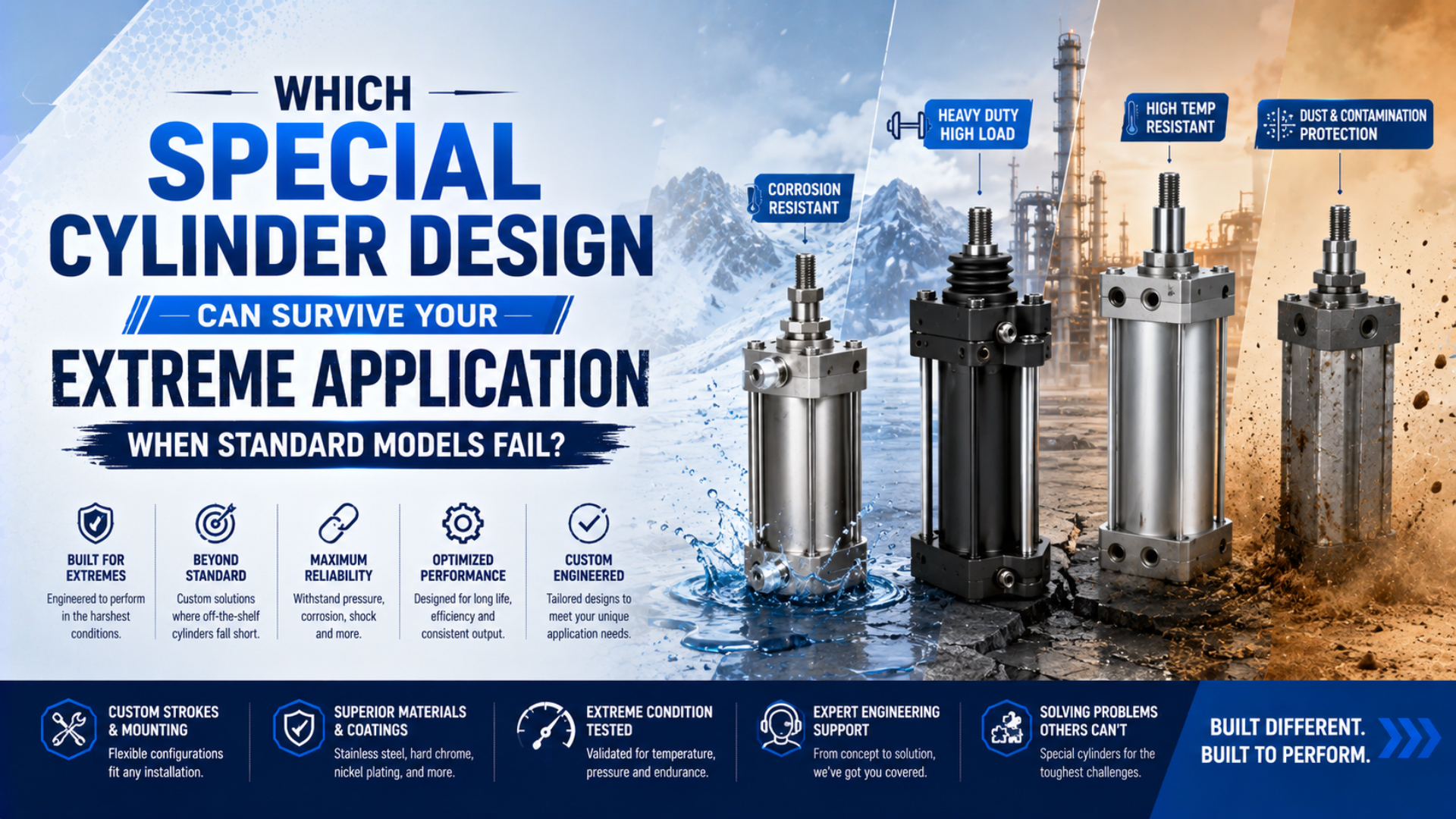
Which Special Cylinder Design Can Survive Your Extreme Application When Standard Models Fail?Select a special pneumatic cylinder by failure mode, verify 10 bar ISO 15552 limits, and match seals, guides, feedback, environment, and safety in service.Blog Tag
pneumatic actuator articles
Review every Bepto Pneumatic article connected to pneumatic actuator, grouped as one focused reading list for engineers, maintenance staff, and sourcing specialists.
Tagged Reading Path
All articles tagged pneumatic actuator
Use this archive to scan related selection notes, RFQ checks, replacement guidance, and pneumatic component references.
Showing 74 articles
Which Special Cylinder Design Can Survive Your Extreme Application When Standard Models Fail?Select a special pneumatic cylinder by failure mode, verify 10 bar ISO 15552 limits, and match seals, guides, feedback, environment, and safety in service.
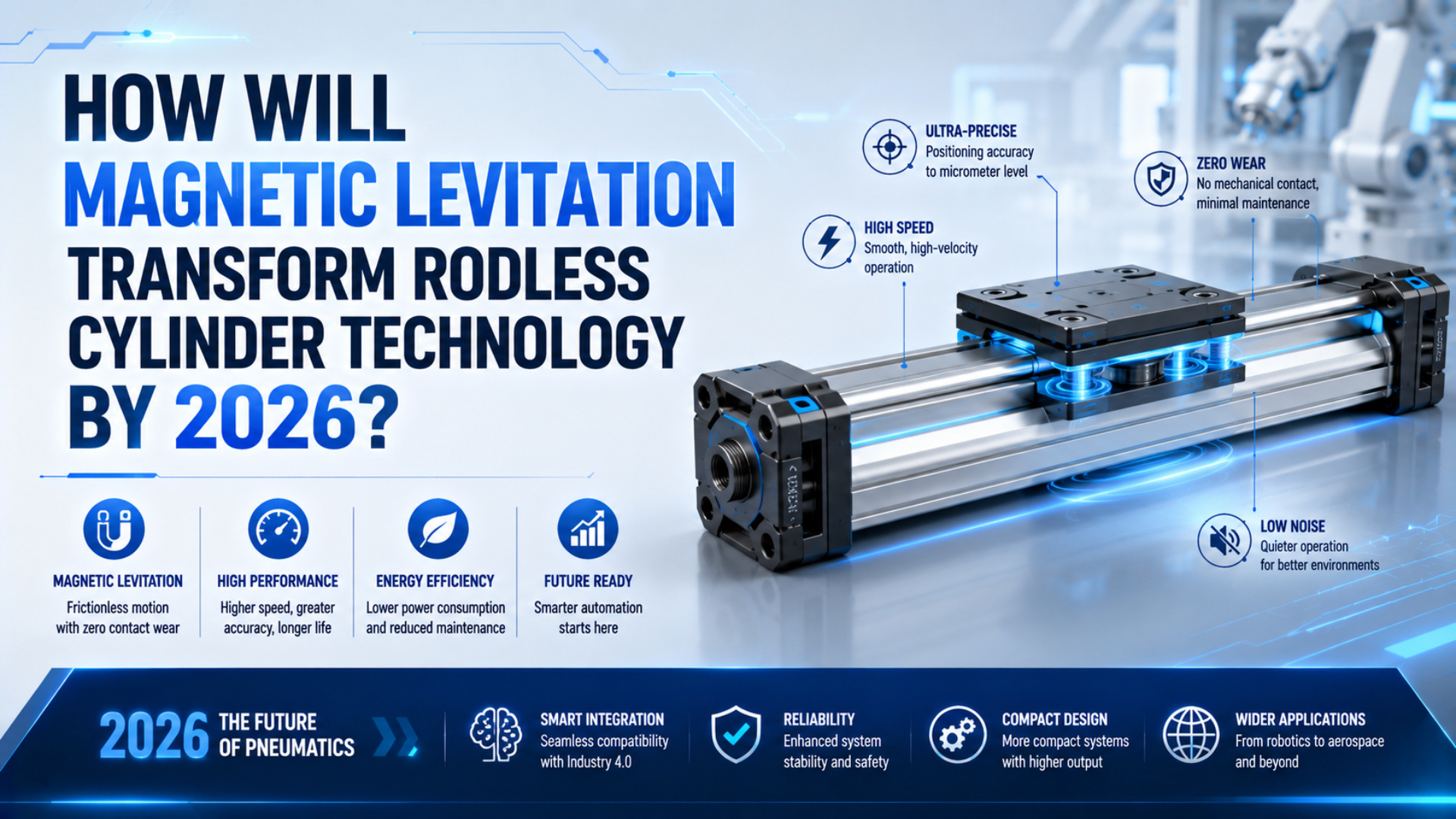
How Will Magnetic Levitation Transform Rodless Cylinder Technology by 2026?Separate 3 actuator technologies using 2026 data on magnetic coupling, 0.5 to 6 mm levitation, micron positioning, sealing, energy, and selection fit.
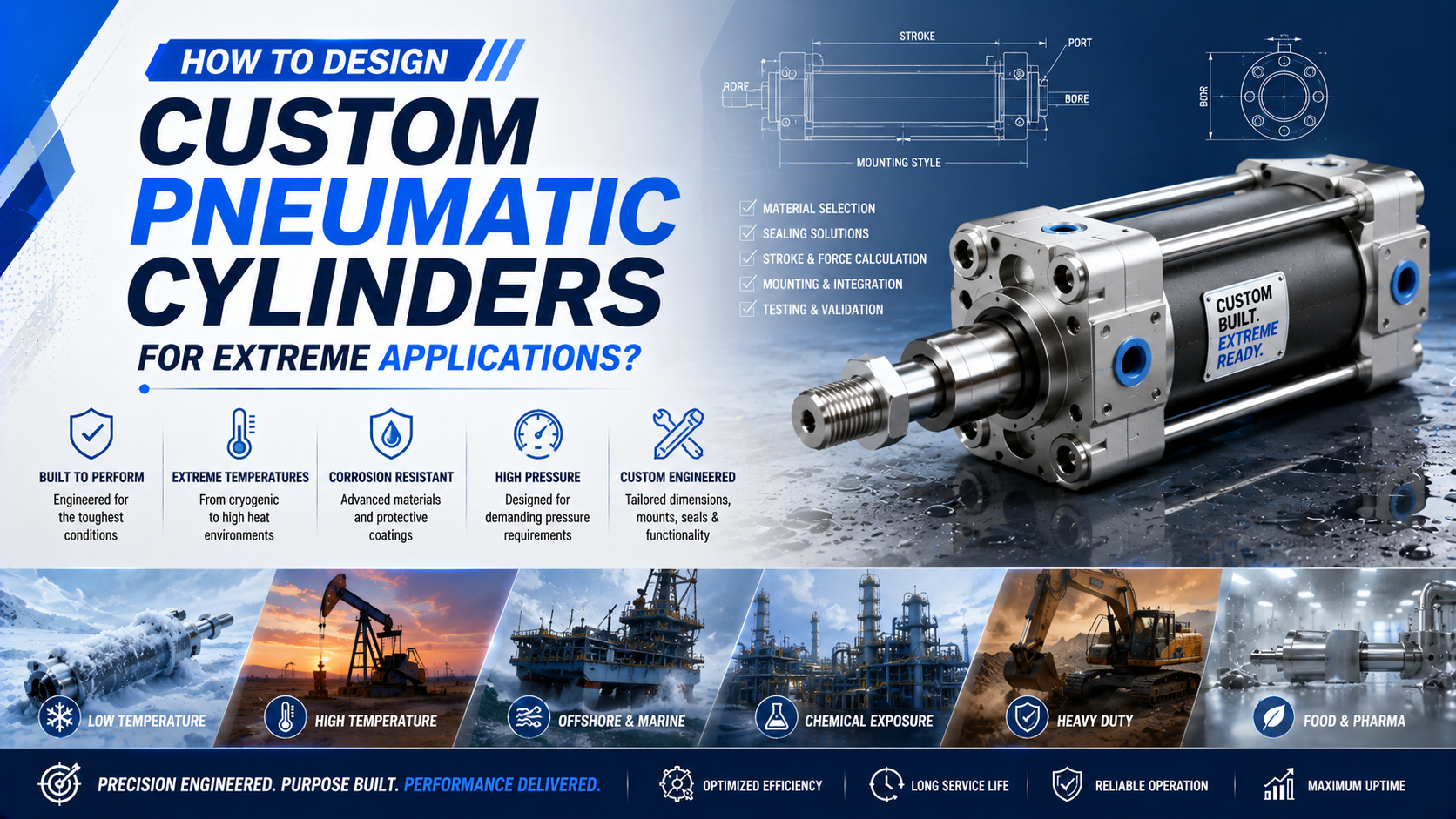
How to Design Custom Pneumatic Cylinders for Extreme Applications?Design custom pneumatic cylinders with 8 engineering checks for load, pressure, heat, seals, long-stroke stability, tolerances, and validation evidence.
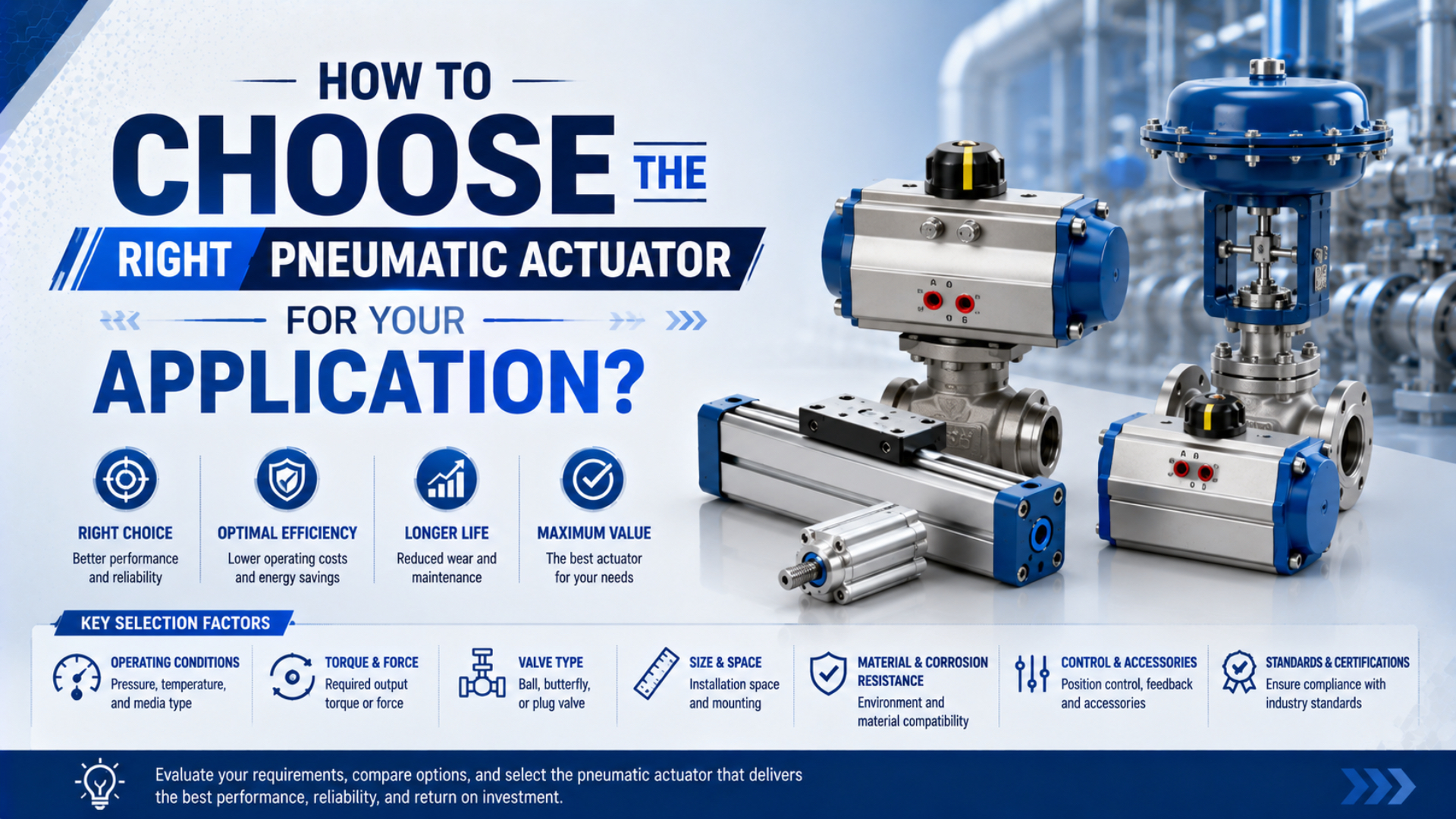
How to Choose the Right Pneumatic Actuator for Your Application?Choose a pneumatic actuator by matching motion, force or torque, guide loads, speed, stopping energy, environment, safety, and catalog limits.
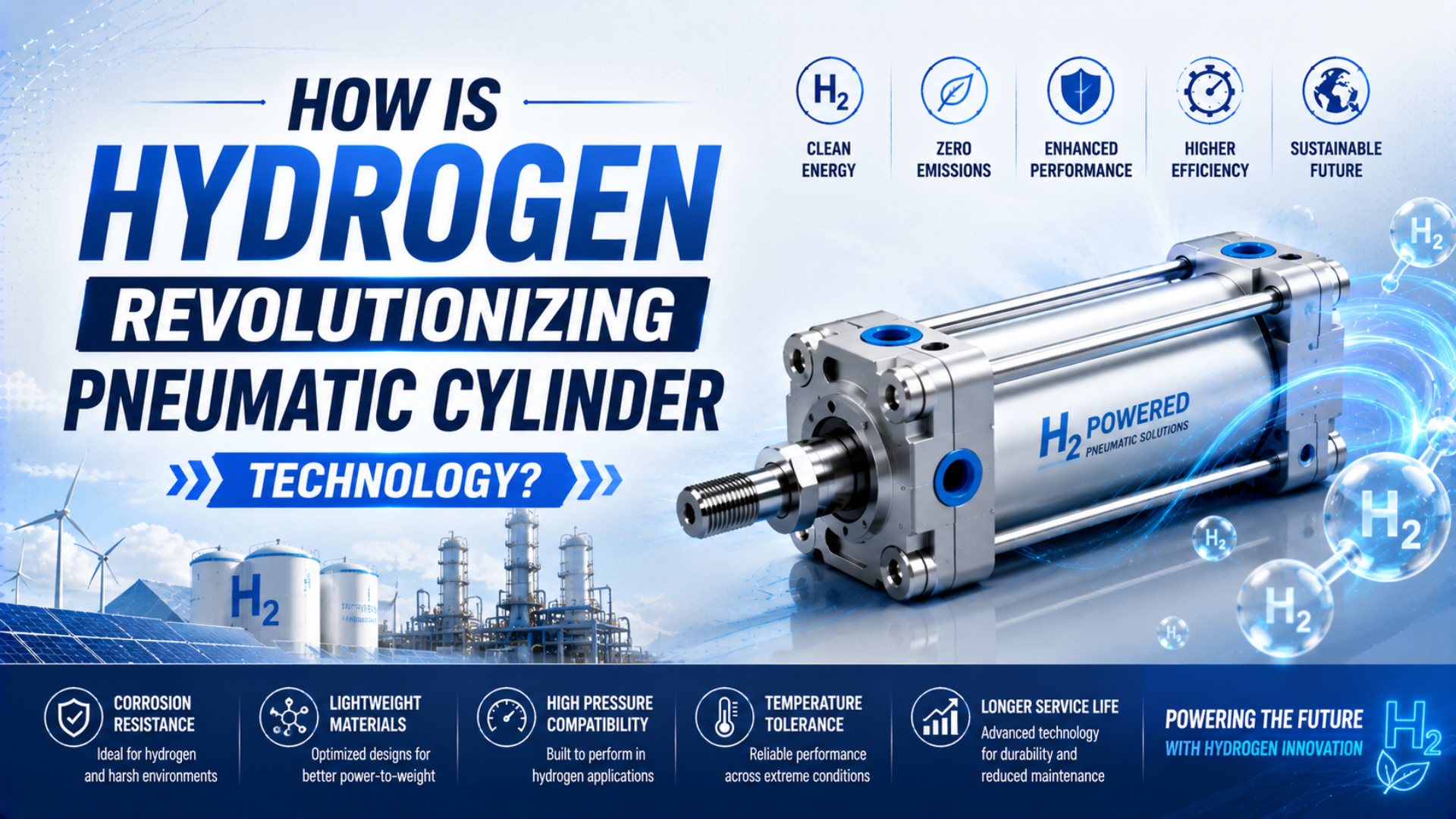
How Is Hydrogen Revolutionizing Pneumatic Cylinder Technology?Hydrogen stations can dispense at 70 MPa, but pneumatic cylinders still run on compressed air. Learn the Ex, material, exhaust, valve, and RFQ checks.
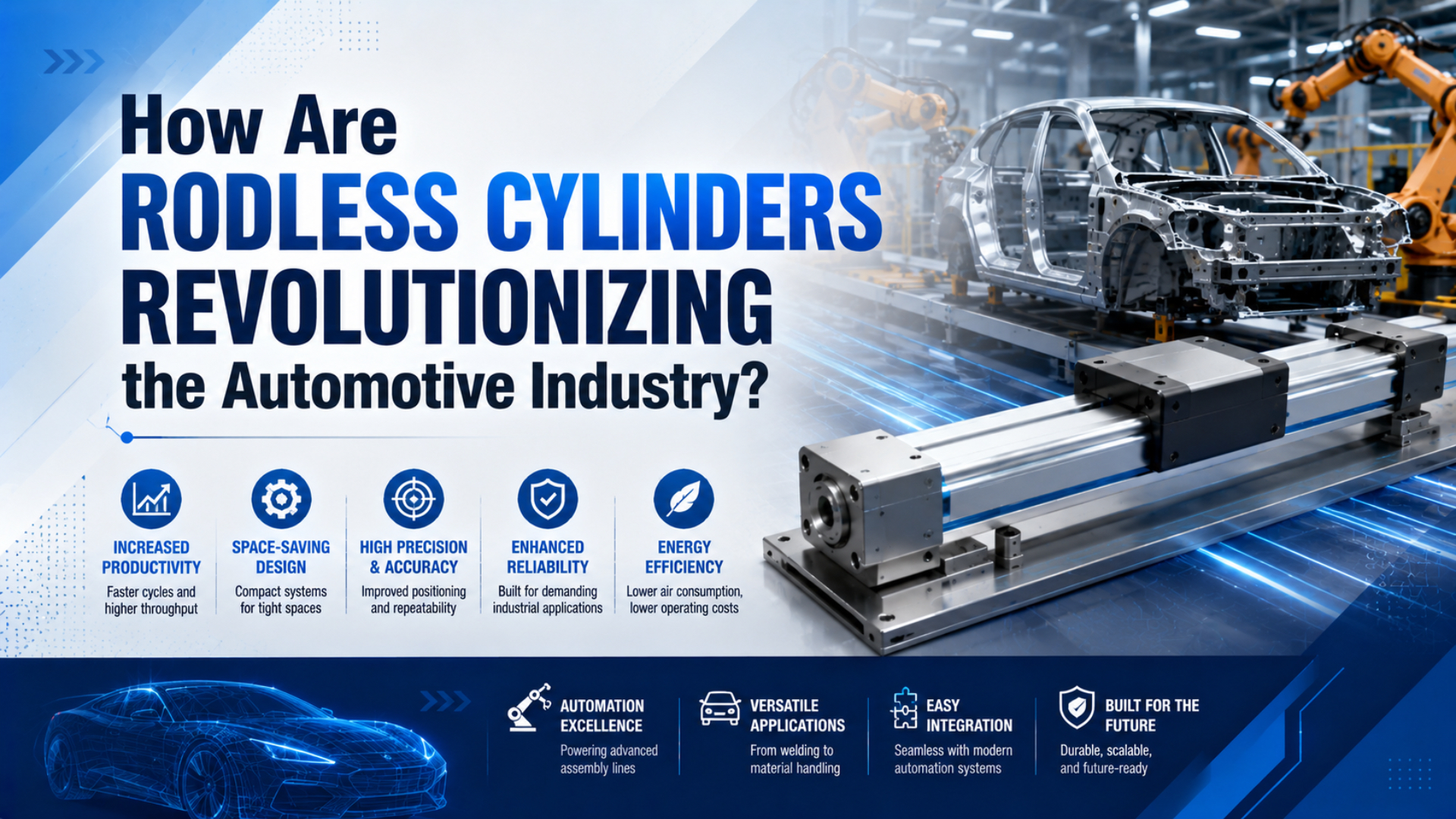
How Are Rodless Cylinders Revolutionizing the Automotive Industry?Evaluate automotive rodless cylinders using Parker's 6,000 mm stroke data, plus welding, clean-area, load-moment, stopping-energy, controls, and RFQ checks.
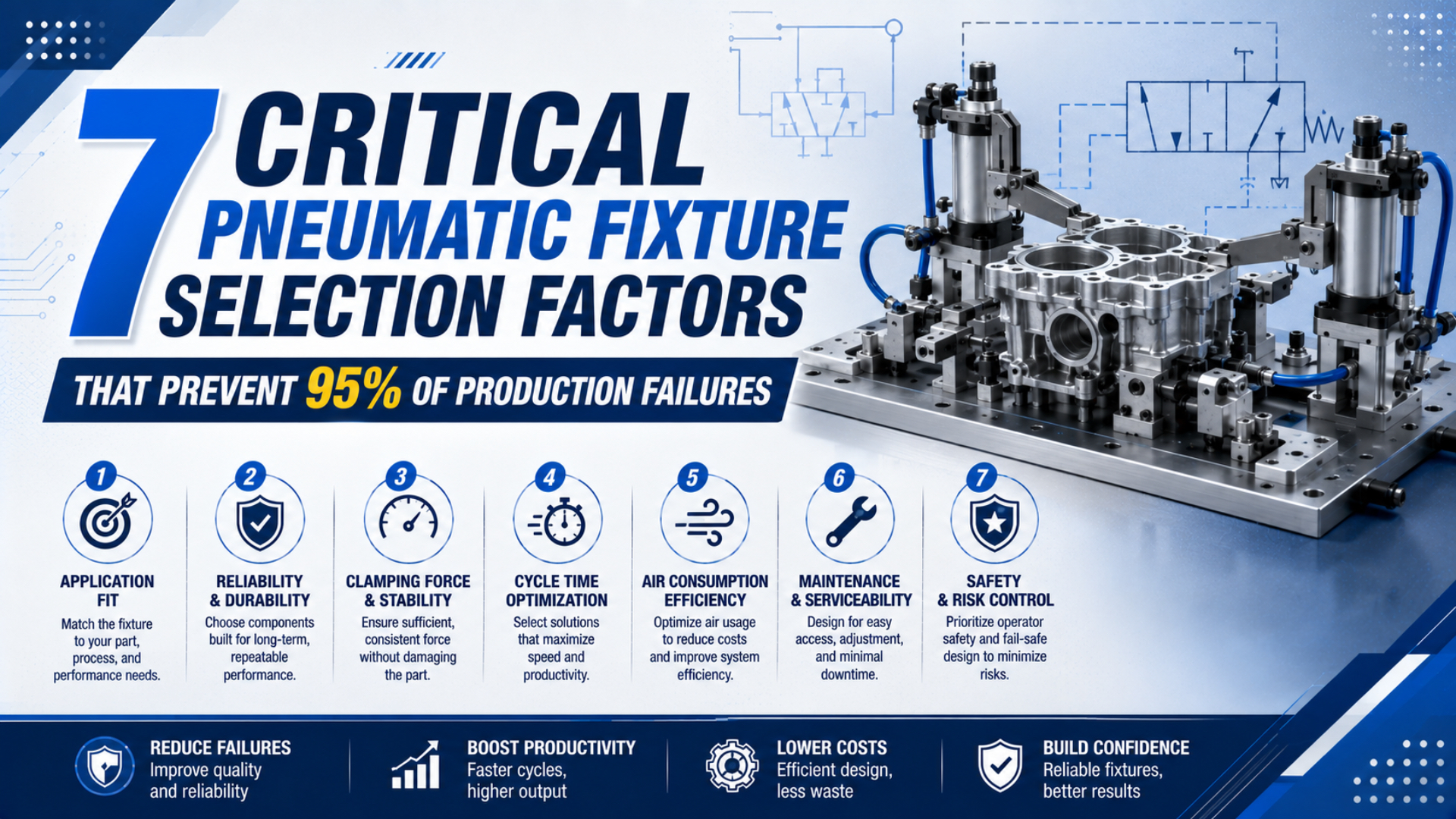
7 Critical Pneumatic Fixture Selection Factors That Prevent 95% of Production FailuresSelect pneumatic fixtures with seven checks for force, pressure, stroke, load path, fail-safe behavior, sensing, and quick-change interfaces.
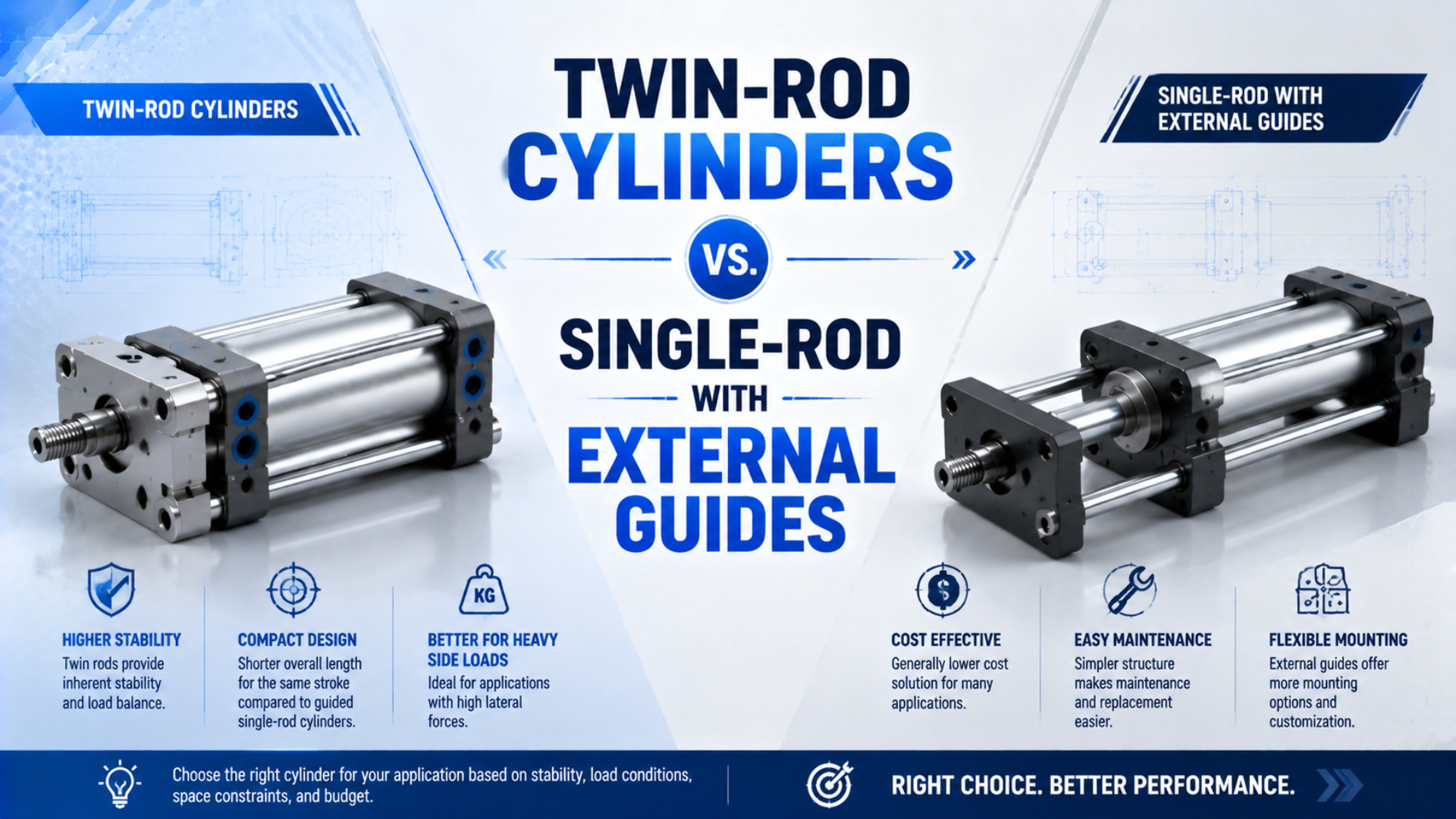
Twin-Rod Cylinders vs. Single-Rod with External GuidesCompare twin-rod cylinders with externally guided single-rod systems using SMC's ±0.1° example, load moments, alignment, life, and safe selection steps.
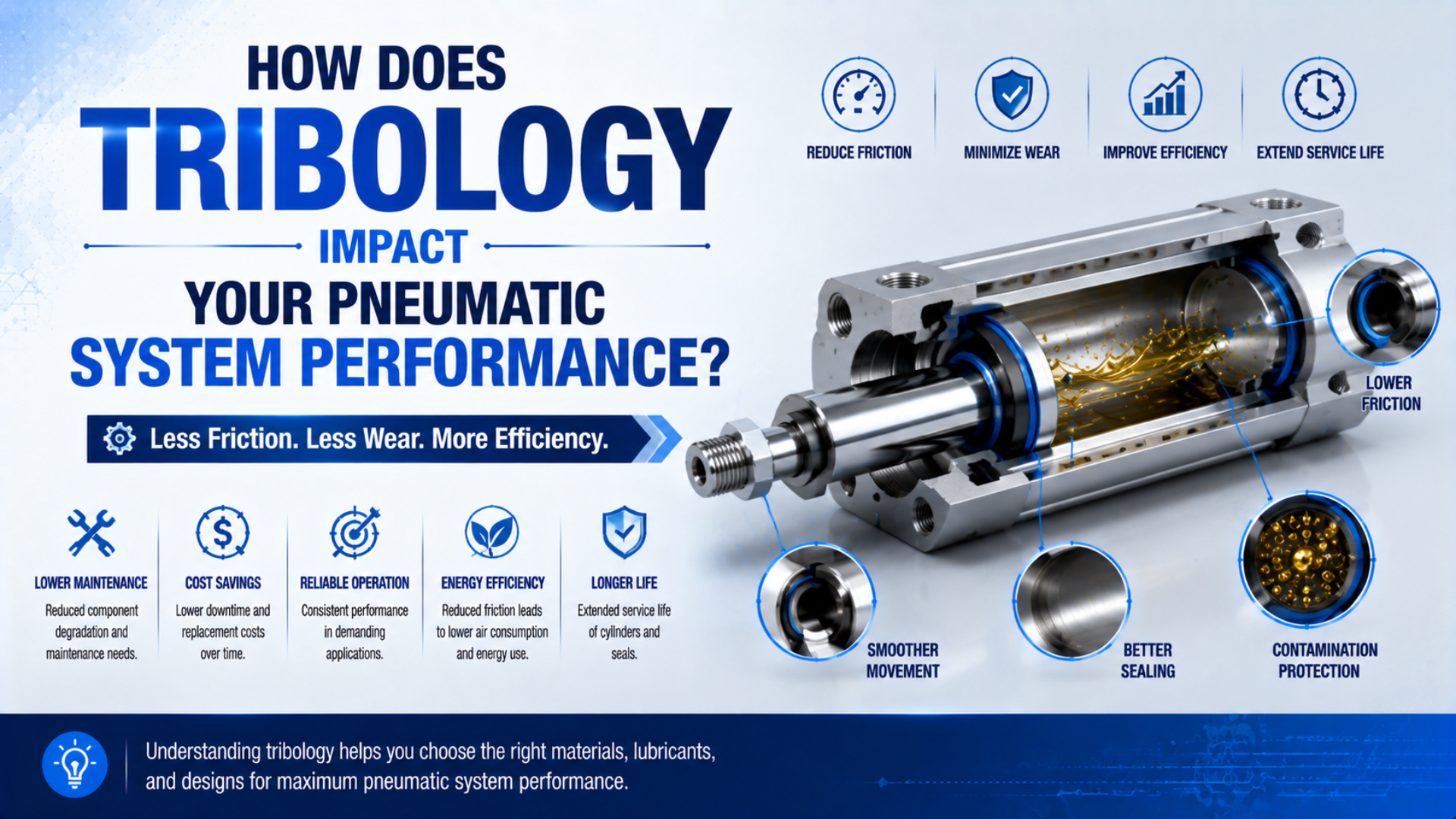
How Does Tribology Impact Your Pneumatic System Performance?A practical tribology guide for diagnosing pneumatic cylinder friction, wear, lubrication, surface texture, contamination, and low-speed motion problems.
How Do Rodless Pneumatic Cylinders Actually Work?Trace 6 stages of a rodless pneumatic cylinder stroke, from valve switching and piston force to coupling, guidance, cushioning, and position sensing.
How Can Rodless Cylinders Revolutionize Industrial Automation Applications?Evaluate rodless cylinders across display, wafer, SMT, CNC, and cobot applications using Parker 6,000 mm stroke data and clear rejection checks for engineers.
Industrial Pneumatic System Components GuideMap an industrial pneumatic system from air preparation to control and motion, using ISO 4414 boundaries, 3 ISO 8573 purity classes, and a verified RFQ.
Parallel Grippers vs. Angular Grippers: Workpiece Geometry SelectionCompare parallel and angular grippers using 6 geometry checks for contact faces, jaw path, finger profile, tolerances, fixture clearance, and sample validation.
Documentation Requirements: Ensuring Material Traceability in PneumaticsBuild pneumatic material traceability with 4 identity levels, linked evidence, supplier audits, retention rules, and ISO 9001 and FDA scope checks for buyers.
FDA Compliant Pneumatics: A Procurement Guide for Food & Beverage PlantsProcure FDA compliant pneumatics using intended-use statements, material evidence, supplier declarations, RFQ gates, FAT/SAT checks, and change control.
Material Handling: Sourcing Heavy-Duty Actuators for Conveyor SystemsSpecify conveyor actuators with 8 application inputs covering force, guidance, speed, cushioning, environment, interfaces, safety, and supplier evidence.
Pneumatic Actuator Definition and TypesDefine pneumatic actuators, compare 7 major families, and use ISO 15552's 32-320 mm, 10 bar scope to prepare a precise industrial actuator replacement RFQ.
Market Trends: High-Demand Pneumatic Products for Resellers in 2026Use 542,000 robot installations and 71 million IO-Link nodes to plan a 2026 pneumatic reseller portfolio around motion, connectivity, air quality, and support.
Eccentric Load Handling: Moment of Inertia Calculations for Side-Mounted MassesCalculate eccentric loads with signed force moments, linear inertia, and true rotational inertia, then verify Mx, My, and Mz limits for rodless cylinders.
Torsional Stress in Rodless Cylinders: Determining Maximum Roll MomentsParker rates OSP-P25 roll moment from 1.5 N·m standard to 260 N·m with HD guidance. Calculate Mx, dynamic loads, and combined utilization before selection.
Analyzing Permeation Rates of Gases Through Cylinder Seal MaterialsLearn how Parker's five-input O-ring approximation estimates gas permeation, why film data cannot prove cylinder leakage, and how to specify a valid hold test.
Wiper Ring Mechanics: Exclusion Efficiency vs. Rod DragLearn how pneumatic wiper rings balance contamination exclusion and rod drag using 2 friction measurements, product limits, inspection evidence, and ISO 6195.
Why Does Hysteresis Ruin Your Proportional Actuator Precision and How Can You Fix It?Diagnose proportional actuator hysteresis with bidirectional position tests; SMC separates 0.5% FS hysteresis from repeatability and sensitivity in practice.
Quad-Ring vs. O-Ring: Cross-Sectional Dynamics in Reciprocating MotionCompare a four-lip X-ring with a circular O-ring in reciprocating service, covering twist risk, groove compatibility, friction, materials, and validation.
PSIA vs PSIG Difference Compressed AirLearn the PSIA vs PSIG difference, convert with local atmospheric pressure, and choose the correct reference for six common compressed-air calculations.
Designing Deceleration Profiles to Minimize Cycle TimeDesign pneumatic deceleration profiles using Parker's 50% cushion-entry speed warning, stopping-distance math, energy limits, traces, and acceptance tests.
The Effect of Tubing Compliance on Cylinder Positioning StiffnessCalculate how 10 m of 8 mm OD, 5 mm ID tubing adds 196 cm³ to a pneumatic cylinder circuit, then improve positioning stiffness without restricting airflow.
The Role of Surface Finish (Ra vs. Rz) in Cylinder Barrel LongevityCompare Ra and Rz for cylinder barrels using ISO 21920, Parker's 0.2 and 0.4 um seal examples, measurement settings, inspection maps, and practical RFQ checks.
Adiabatic vs. Isothermal Expansion: The Thermodynamics of Cylinder ActuationCompare cylinder models using measured 23 K heating and 17 K cooling data to separate ideal expansion laws from real pneumatic actuation and sizing errors.
Pneumatic Cylinder Pressure vs Load Analysis: Are You Wasting 40% of Your Compressed Air Budget?Test whether a pneumatic cylinder can cut air use by 40% using real load, port pressure, force balance, cycle demand, and manufacturer limits before selection.
What Are Opposing Loads in Pneumatic Systems: The Hidden Force That’s Costing You Money?Identify opposing loads in pneumatic systems, build a directional force budget, and size cylinder thrust without relying on fixed pressure percentages.
Assisting Loads vs. Opposing Loads in Pneumatics: Which Configuration Maximizes Your System Efficiency?Compare assisting and opposing pneumatic loads using two-chamber force balance, vertical-axis examples, pressure checks, and safe motion-control rules.
What Are Long-Stroke Pneumatic Cylinders and Why Do They Matter for Your Application?Learn when pneumatic stroke becomes a system-level design issue, compare rodded and rodless layouts, and apply Parker's 6000 mm example safely in real machines.
The Role of Stop Tubes in Preventing Piston Damage in Long-Stroke CylindersLearn how stop tubes reduce cylinder bearing load, how 6 application inputs determine length, and why cushioning and rod buckling need separate checks.
How Cylinder Side-Loading Affects Rod Bearing and Seal WearSee how cylinder side-loading creates bearing edge contact, why Festo rates force and moment separately, and how to diagnose one-sided seal wear in service.
A Technical Look at Latching Cylinders for Fail-Safe ApplicationsCompare end-position latching cylinders with any-position rod locks. Festo rates static holding up to 8,000 N; learn safe release, sizing, and validation.
A Technical Breakdown of Non-Contact, Air Bearing Rodless CylindersUnderstand an air-bearing rodless axis through a 4-layer architecture covering drive, guide, encoder, safety, load, stiffness, air quality, and selection.
A Deep Dive into the Material Science of Cylinder Piston SealsLearn how 3 ASTM D395 compression-set methods, compound chemistry, swelling, friction, and groove geometry govern pneumatic piston-seal leakage and wear.
The Engineering of Clamp Cylinders: Swing vs. Linear MechanismsCompare swing and linear clamp cylinders using a 90° swing sequence, 6 bar force data, arm-moment limits, fixture reactions, and safe-state checks in fixtures.
Which Seal Material Maximizes Your Pneumatic Cylinder Performance and Longevity?Compare 6 pneumatic cylinder seal material families by temperature, media, motion, wear, and compliance before approving a traceable compound or seal kit.
How Can You Prevent Piston Rod Buckling in Long-Stroke Cylinder Applications?Prevent piston rod buckling with Euler checks, 4 mounting cases, a 25 mm rod example, manufacturer charts, side-load controls, and redesign options in plants.
Which Cylinder Mounting Type Maximizes Load Capacity for Your Critical Applications?Select a cylinder mounting type by load path, not a force ranking. Compare fixed, flange, foot, clevis, and trunnion mounts in ISO 15552's 10 bar series.
Which Non-Rotating Rod Options Can Eliminate Your Pneumatic Cylinder Positioning Problems?Compare anti-twist pins, dual-rod cylinders, and guided slides using SMC's ±0.1° CXS2 rating plus moment, stroke, speed, and side-load checks for selection.
How Do Oval-Piston Cylinders Deliver 40% More Force in 60% Less Space?See when oval-piston cylinders can yield 40% more theoretical force or 60% less piston height, with formulas, design limits, and a clear RFQ checklist.
Why Are Rod Lock Units Essential for Pneumatic Cylinder Safety and Positioning?Learn why pneumatic rod lock units need separate static-holding and dynamic-braking checks, with product forces from 600 to 8,425 N and validation steps.
How Do Dynamic vs. Static Cylinder Seals Impact Performance and Reliability?Compare 4 cylinder sealing interfaces by motion, friction, leakage, wear, groove fit, and failure evidence before specifying a pneumatic seal kit.
How Do Multi-Position Cylinders Achieve Precise Intermediate Stops?Learn how 3- and 4-position pneumatic cylinders combine fixed strokes and hard stops, and when sensors, rod locks, or servo feedback are required.
How Does Air Lubrication Impact the Performance of Different Cylinder Seal Materials?Learn how airline oil affects NBR, polyurethane, FKM, and PTFE cylinder seals, with a 5-step approval process for safe lubrication changes and maintenance.
How Do Advanced Load-Carrying Mechanisms Maximize Rodless Cylinder Performance?Learn how guide types, moment loads, combined-load ratios, magnetic coupling limits, and cushioning determine safe rodless cylinder performance.
How Do Proper Rod Bearings Prevent Costly Rod Seal Failures in Pneumatic Cylinders?Learn how rod bearings protect pneumatic cylinder rod seals, why ISO 15552 covers 32-320 mm bores, and when external guidance prevents repeat leakage.
How Do Self-Lubricating Seals Revolutionize Pneumatic Cylinder Reliability and Performance?Learn how self-lubricating pneumatic cylinder seals use initial grease, when added oil changes maintenance, and how ISO 19973-3 validates service life.
What Are the Fundamental Physics Principles That Drive Vane-Type Rotary Actuator Performance and Efficiency?Learn how pressure differential creates vane-actuator torque and how flow, inertia, leakage, friction, and stopping energy shape real performance.
What Are the Critical Failure Modes and Wear Points That Cause Rotary Actuator Breakdowns in Industrial Applications?Diagnose rotary actuator breakdowns using SMC's 0.2-to-1 s/90° range plus seal, shaft-load, backlash, cushion, air-quality, and repair checks.
Which Rotary Actuator Internal Mechanism Delivers the Best Performance for Your Application?Compare rotary actuator mechanisms by torque curve, inertia, stopping energy, shaft load, backlash, duty, and fail action before selecting a model.
Which Actuator Seal Material Will Survive Your Chemical Environment Without Costly Failures?Use a 7-input actuator seal review covering chemical, concentration, temperature, exposure, motion, lubricant, and validation before approving a compound.
How Can Proper Mounting and Alignment Extend Your Actuator’s Service Life by 300%?Use Parker's 2-position alignment check, correct mounting geometry, and measured commissioning records to reduce avoidable actuator wear and early failure.
How Can You Protect Foundry Actuators from Contamination and Catastrophic Failure in Extreme Industrial Environments?Protect foundry actuators with shielding, scrapers, clean air, and verification; NIOSH found local exhaust cut silica exposure by 59-77%.
How Does Bore Size Impact Rotary Actuator Torque Performance?See why doubling bore can mean 4x theoretical torque, when that shortcut fails, and how to select rotary actuators from catalog data at real pressure.
How Do You Select FDA-Compliant Actuators That Meet Strict Food Safety Standards Without Compromising Performance?Select FDA-compliant actuators using 21 CFR 117.40, exact material declarations, food-contact evidence, washdown limits, and loaded performance tests.
How Can You Accurately Measure and Eliminate Rotational Backlash to Achieve Precision Positioning in Pneumatic Actuators?Measure rotational backlash with a dial indicator or output encoder, separate clearance from compliance, and choose verifiable fixes for pneumatic actuators.
Are Rotary Actuator Drift and Positioning Inaccuracies Killing Your Production Efficiency?Diagnose rotary actuator drift under load by separating backlash, leakage, pressure, sensors, and stop energy; SMC notes CRA1 gear backlash can be within 1°.
What’s the Complete Maintenance Checklist for Pneumatic Actuators That Prevents Costly Downtime?Use this pneumatic actuator maintenance checklist to control stored energy, check 3 air contaminants, trend leaks, and verify repairs before costly downtime.
Linear vs. Rotary Actuators: Which Motion Control Type Matches Your Application Requirements?Compare linear and rotary actuators using ISO 15552 cylinder scope, SMC 90-270° rotation ranges, force, torque, inertia, and RFQ checks.
How Can Integrating Feedback Sensors with Pneumatic Actuators Transform Your Automation Precision?Learn why 0.01 mm sensor resolution is not actuator accuracy, then integrate feedback, PLC inputs, proportional valves, fault logic, and acceptance tests.
How to Calculate Torque Requirements for Rotary Actuators: A Complete Engineering Guide?Calculate rotary actuator torque from load, inertia, friction and motion time, then verify a worked 90-degree example against catalog output.
How Can High-Force Pneumatic Actuators Transform Your Pressing and Clamping Operations for Maximum Efficiency?Size high-force pneumatic actuators with 6 bar force data, tandem-cylinder limits, clamp geometry, pressure-loss checks, and machine safety requirements.
Which System Reigns Supreme: Hydraulic vs Pneumatic for Your Industrial Applications?Compare hydraulic and pneumatic systems using ISO's 10 bar pneumatic series, a 207 bar hydraulic example, force, safety, energy, and lifecycle cost.
An Engineer’s Guide to Sizing Pneumatic Rotary ActuatorsSize pneumatic rotary actuators using torque, inertia, pressure and kinetic energy checks, with a worked 90-degree example and practical valve sizing.
What Is Side Loading on Linear Actuators and How Can It Destroy Your Equipment?Learn how linear actuator side loading damages rods, seals, and guides, then diagnose it safely in service with 2-position checks and model-specific load data.
Are All Cylinders Considered Actuators in Pneumatic Systems?Yes, pneumatic cylinders are actuators. ISO 15552 covers 10 bar cylinders, while AutomationDirect confirms pneumatic actuator wording for accurate RFQs.
What is a Rodless Cylinder and How Does It Transform Industrial Automation?Learn what a rodless cylinder is with SMC carriage data, Parker 8 bar specs, NASA force math, failure checks, video, FAQ schema, and RFQ tips for engineers.
How Do Rodless Actuators Work and Why Are They Revolutionizing Industrial Automation?Learn how rodless actuators work with Parker 6000 mm stroke data, SMC 0.1-0.8 MPa specs, DOE 10% air-efficiency context, selection matrix, and RFQ tips.
How Does a Magnetic Rodless Cylinder Work? Complete Technical GuideMagnetic rodless cylinder guide with SMC 6-63 mm bore data, NdFeB -0.12%/deg C temperature loss, coupling limits, sealing, sizing, maintenance, and RFQ tips.
What is the Theory of Pneumatic Cylinder and How Does It Power Modern Automation?Learn pneumatic cylinder theory with 100 psi force math, rod-side area loss, CAGI 10% pressure-drop guidance, ISO 8573 air quality, and RFQ checks.