
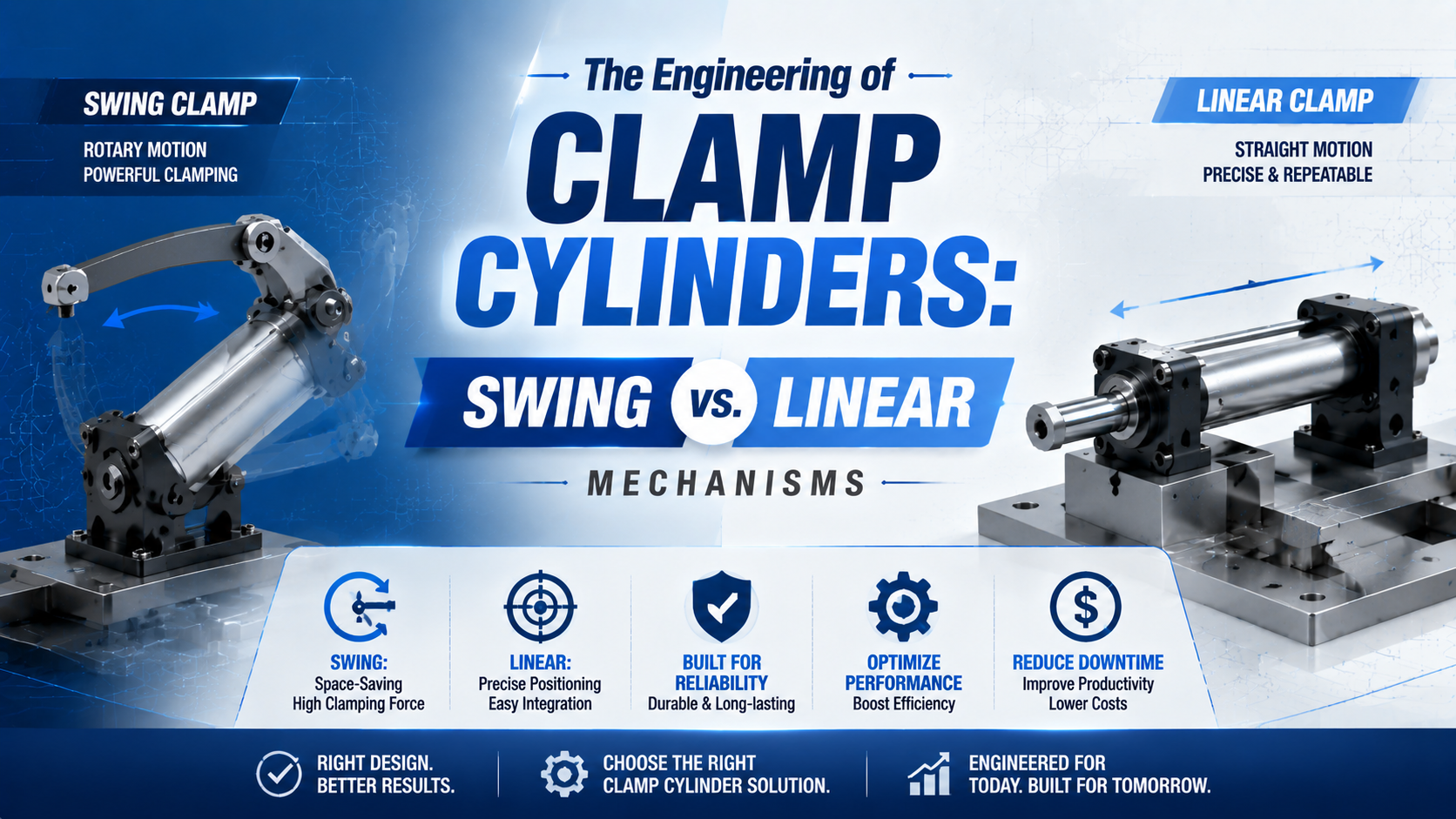
 The Engineering of Clamp Cylinders: Swing vs. Linear MechanismsCompare swing and linear clamp cylinders using a 90° swing sequence, 6 bar force data, arm-moment limits, fixture reactions, and safe-state checks in fixtures.
Blog Tag
pneumatic safety articles
Review every Bepto Pneumatic article connected to pneumatic safety, grouped as one focused reading list for engineers, maintenance staff, and sourcing specialists.
Tagged Reading Path
All articles tagged pneumatic safety
Use this archive to scan related selection notes, RFQ checks, replacement guidance, and pneumatic component references.
The Engineering of Clamp Cylinders: Swing vs. Linear MechanismsCompare swing and linear clamp cylinders using a 90° swing sequence, 6 bar force data, arm-moment limits, fixture reactions, and safe-state checks in fixtures.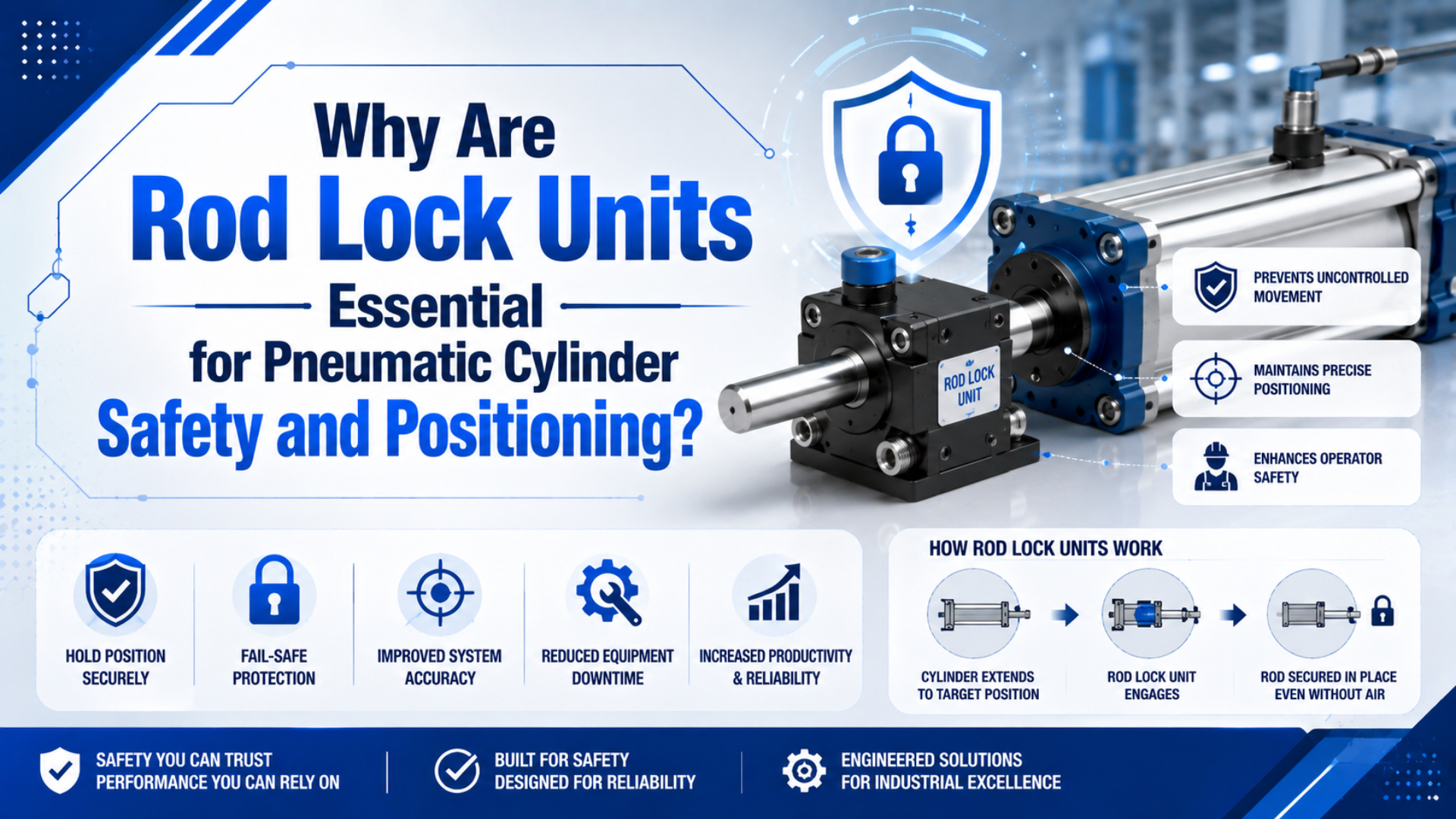 Why Are Rod Lock Units Essential for Pneumatic Cylinder Safety and Positioning?Learn why pneumatic rod lock units need separate static-holding and dynamic-braking checks, with product forces from 600 to 8,425 N and validation steps.
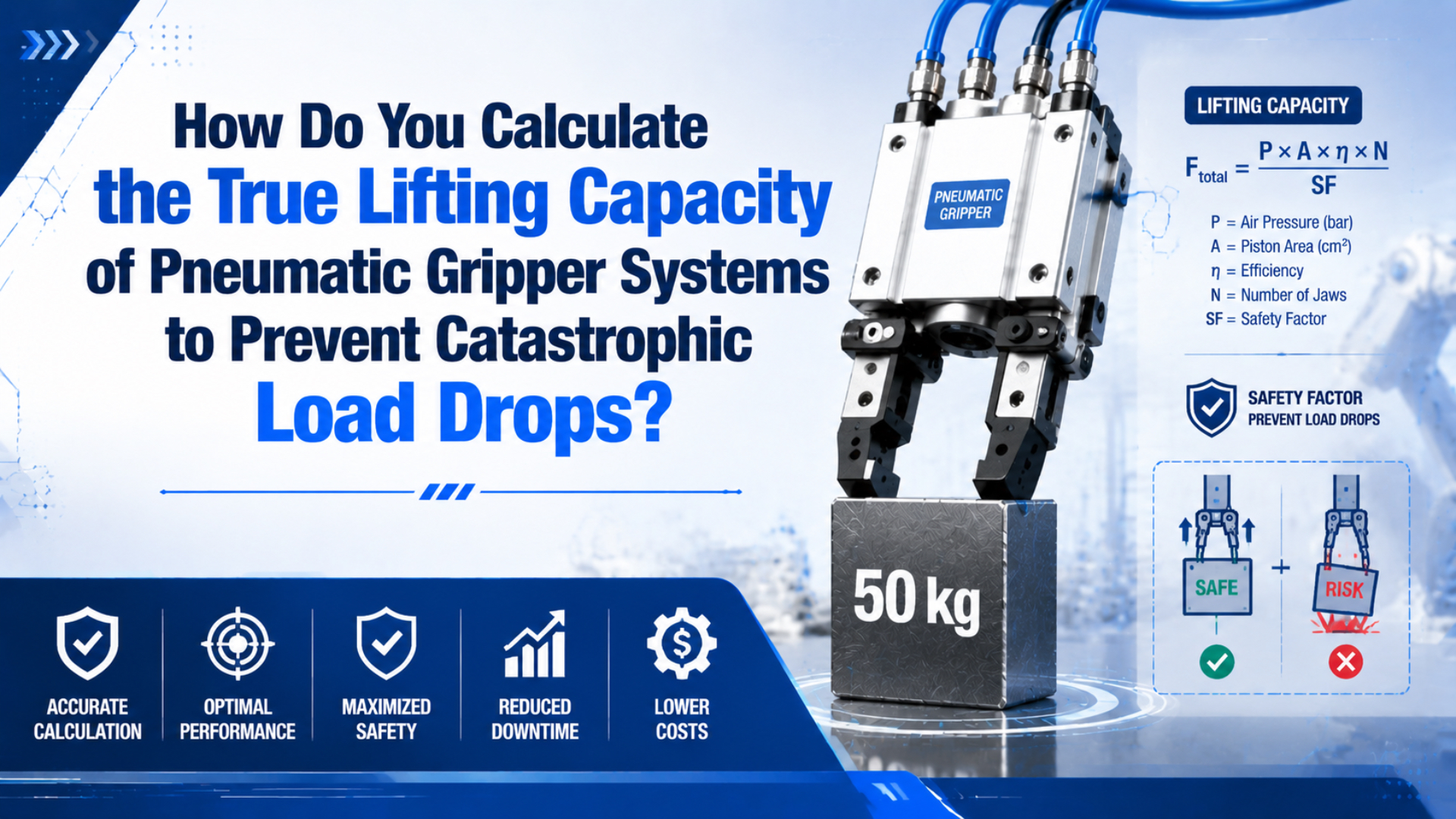 How Do You Calculate the True Lifting Capacity of Pneumatic Gripper Systems to Prevent Catastrophic Load Drops?Calculate pneumatic gripper lifting capacity from force per jaw, friction, acceleration, and finger position, then verify pressure and air-loss safety.
 How Do You Select FDA-Compliant Actuators That Meet Strict Food Safety Standards Without Compromising Performance?Select FDA-compliant actuators using 21 CFR 117.40, exact material declarations, food-contact evidence, washdown limits, and loaded performance tests.
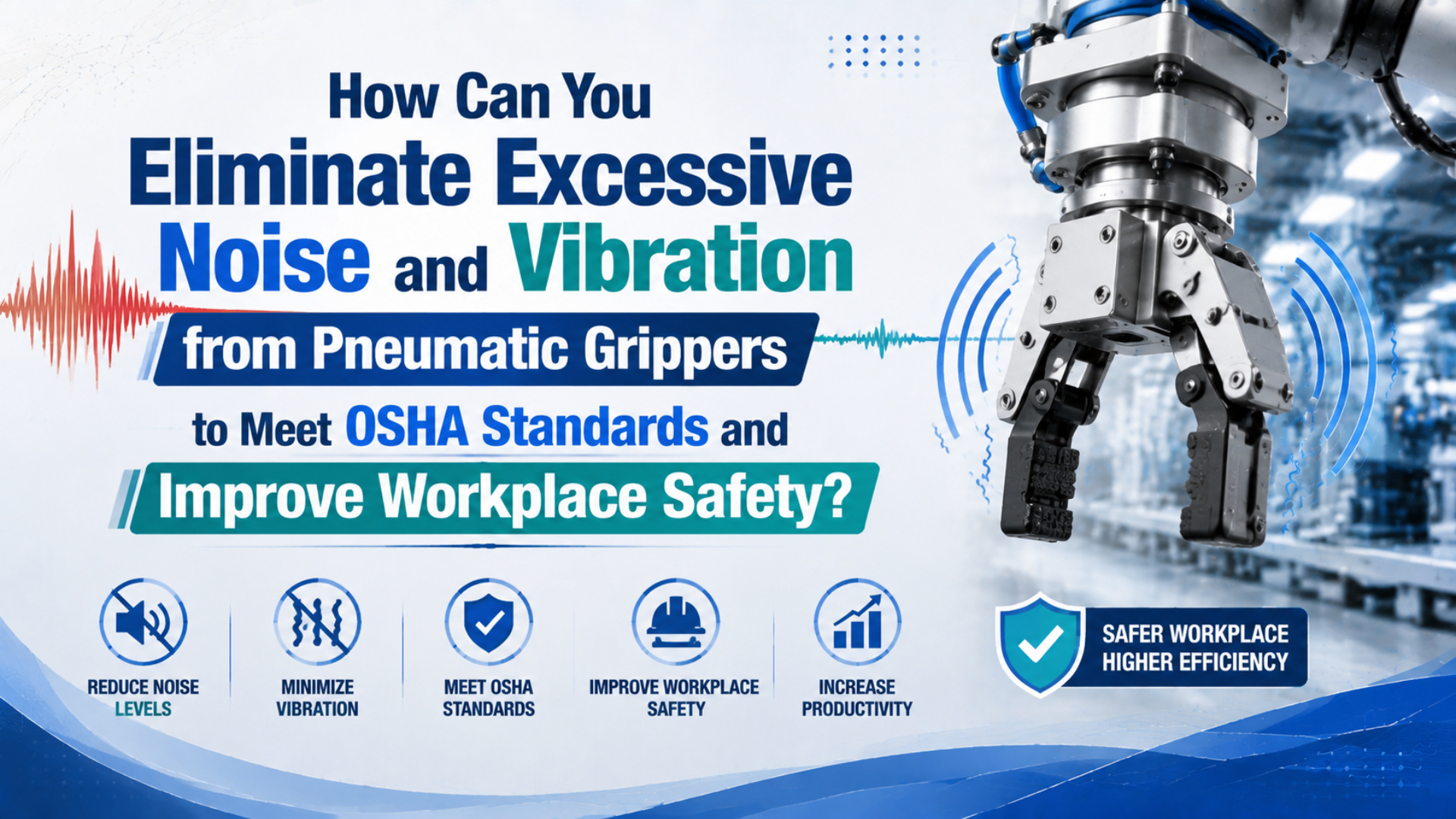 How Can You Eliminate Excessive Noise and Vibration from Pneumatic Grippers to Meet OSHA Standards and Improve Workplace Safety?Reduce pneumatic gripper noise using OSHA's 85 dBA action level, source testing, quieter exhaust, controlled impact, and verified gripping force.
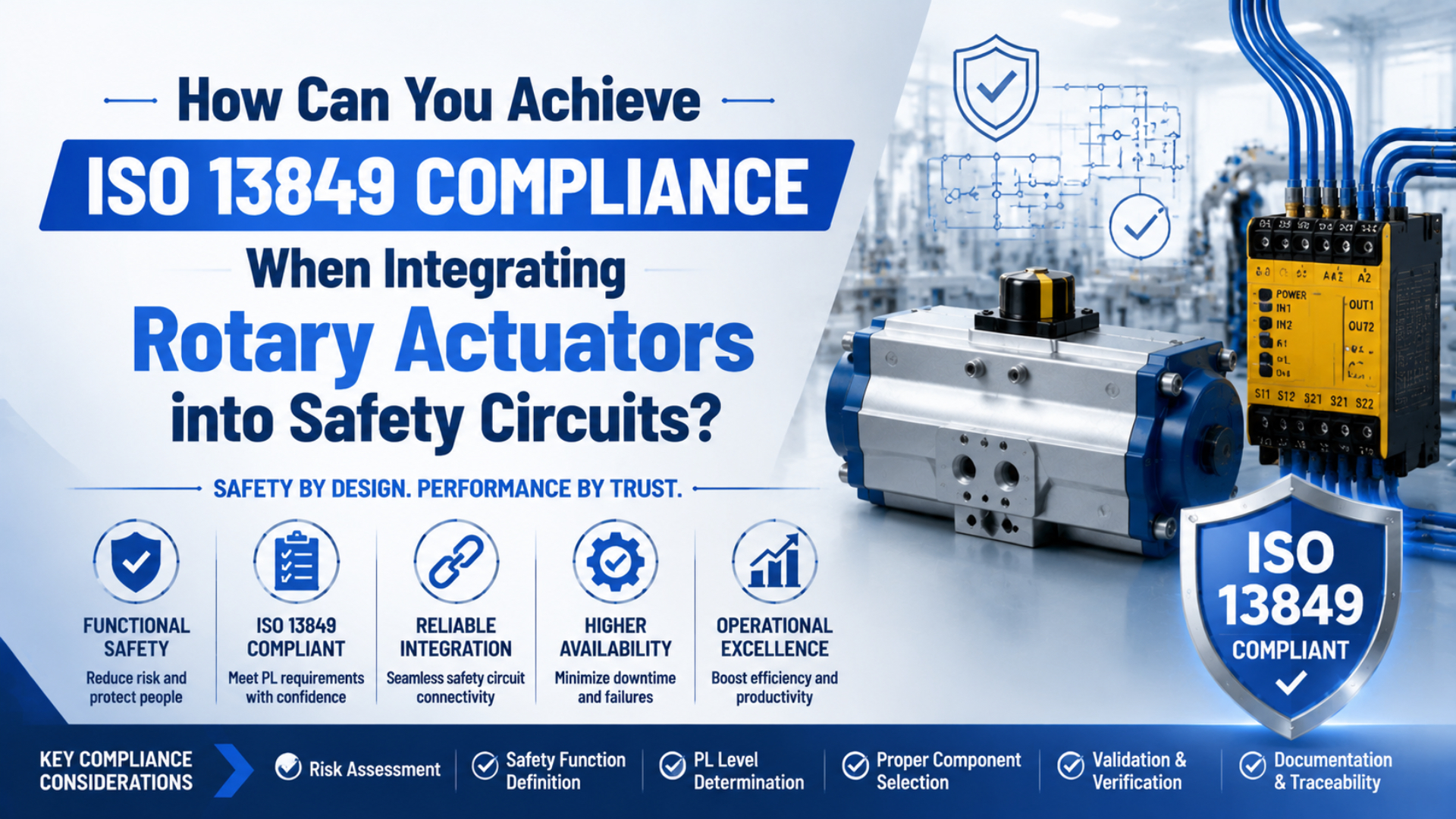 How Can You Achieve ISO 13849 Compliance When Integrating Rotary Actuators into Safety Circuits?Integrate rotary actuators into ISO 13849 safety functions using 5 PL bands, defined safe states, fault analysis, SISTEMA, and installed-machine validation.
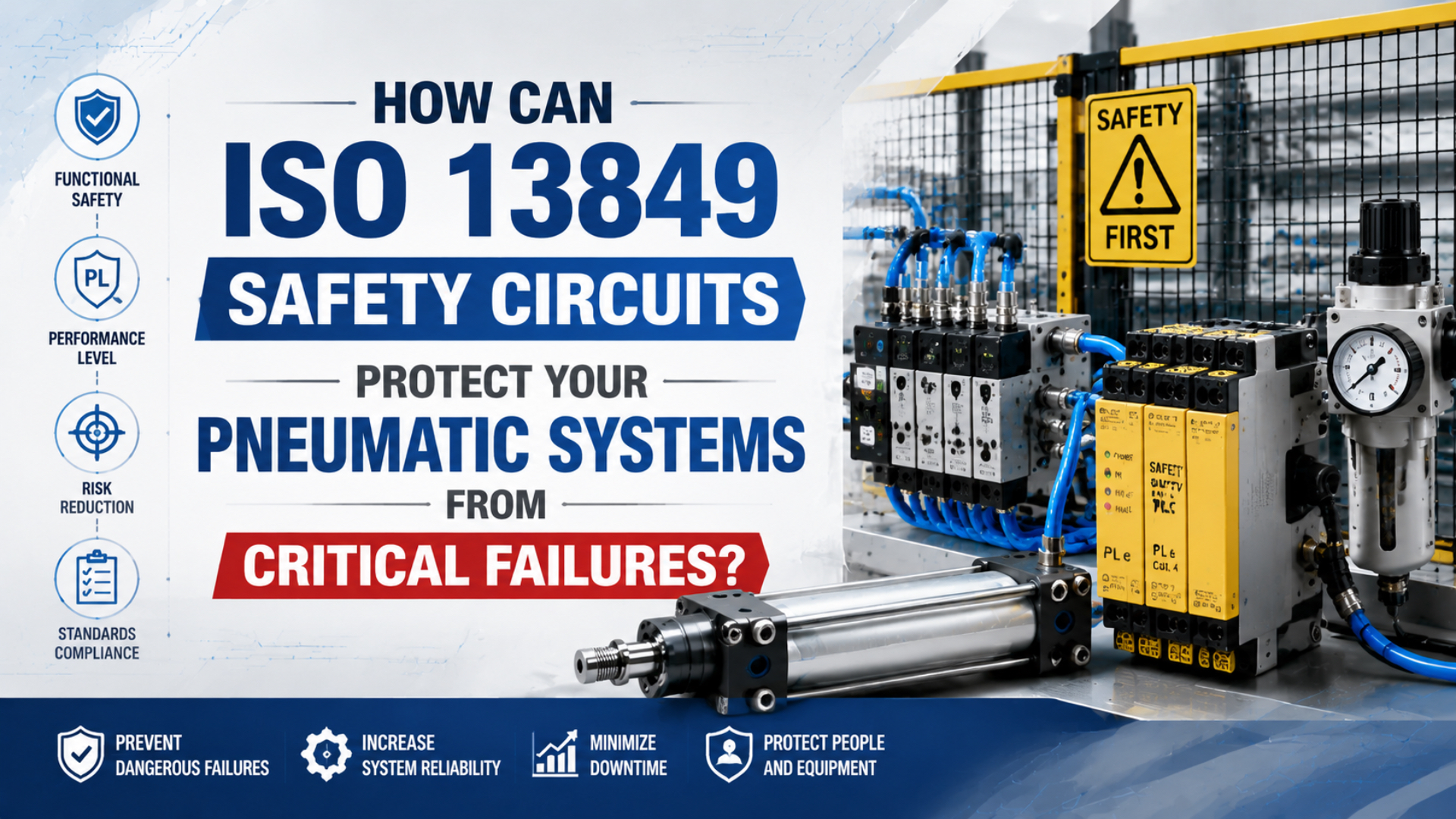 How Can ISO 13849 Safety Circuits Protect Your Pneumatic Systems from Critical Failures?Apply ISO 13849 to pneumatic safety functions using PLr, Category, MTTFd, DCavg, CCF, SISTEMA, and validation without confusing safety exhaust with LOTO.
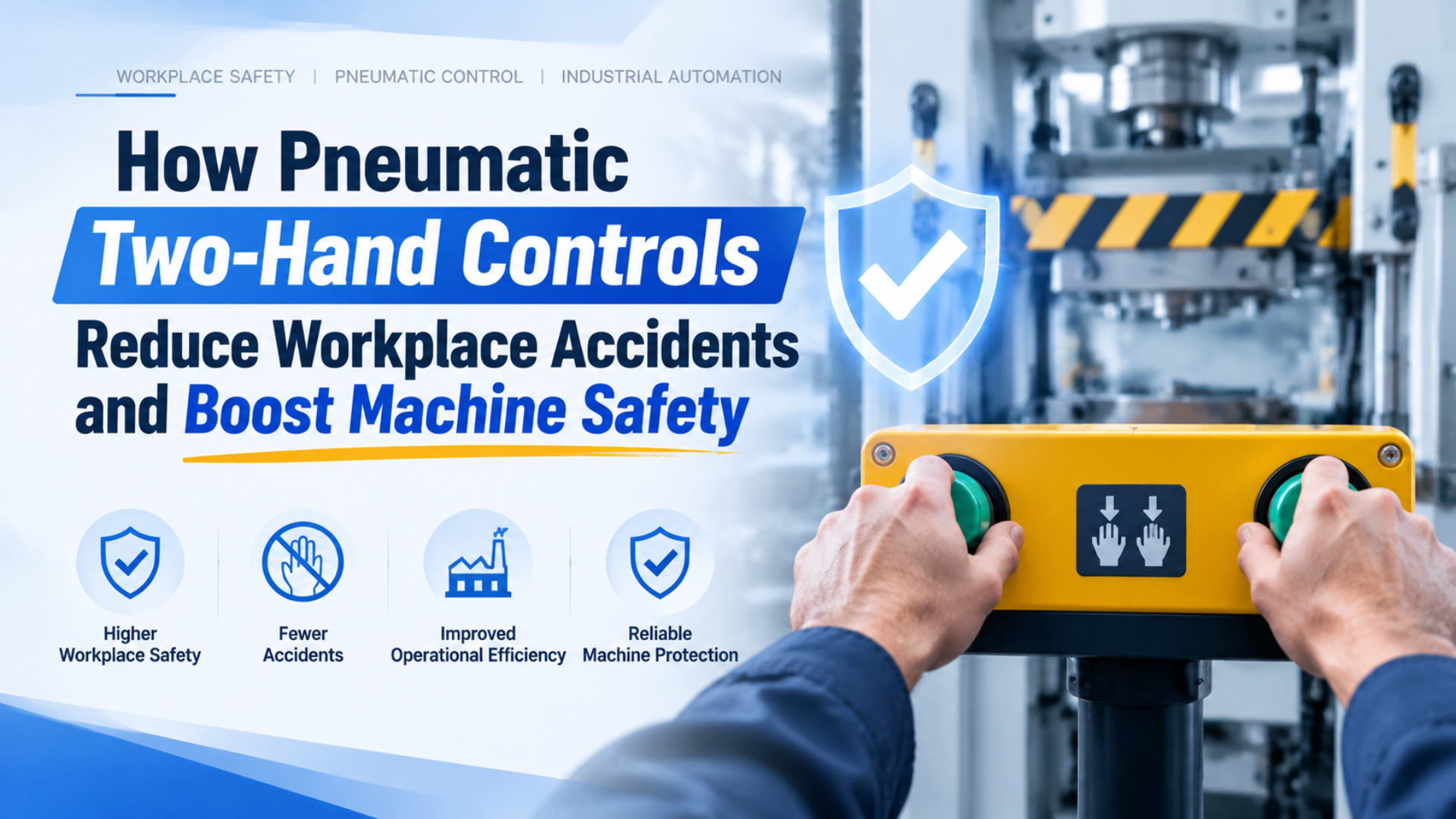 How Pneumatic Two-Hand Controls Reduce Workplace Accidents and Boost Machine SafetyLearn how pneumatic two-hand controls use 2 concurrent inputs, safety-distance calculations, anti-tie-down logic, fault response, and validation to reduce risk.
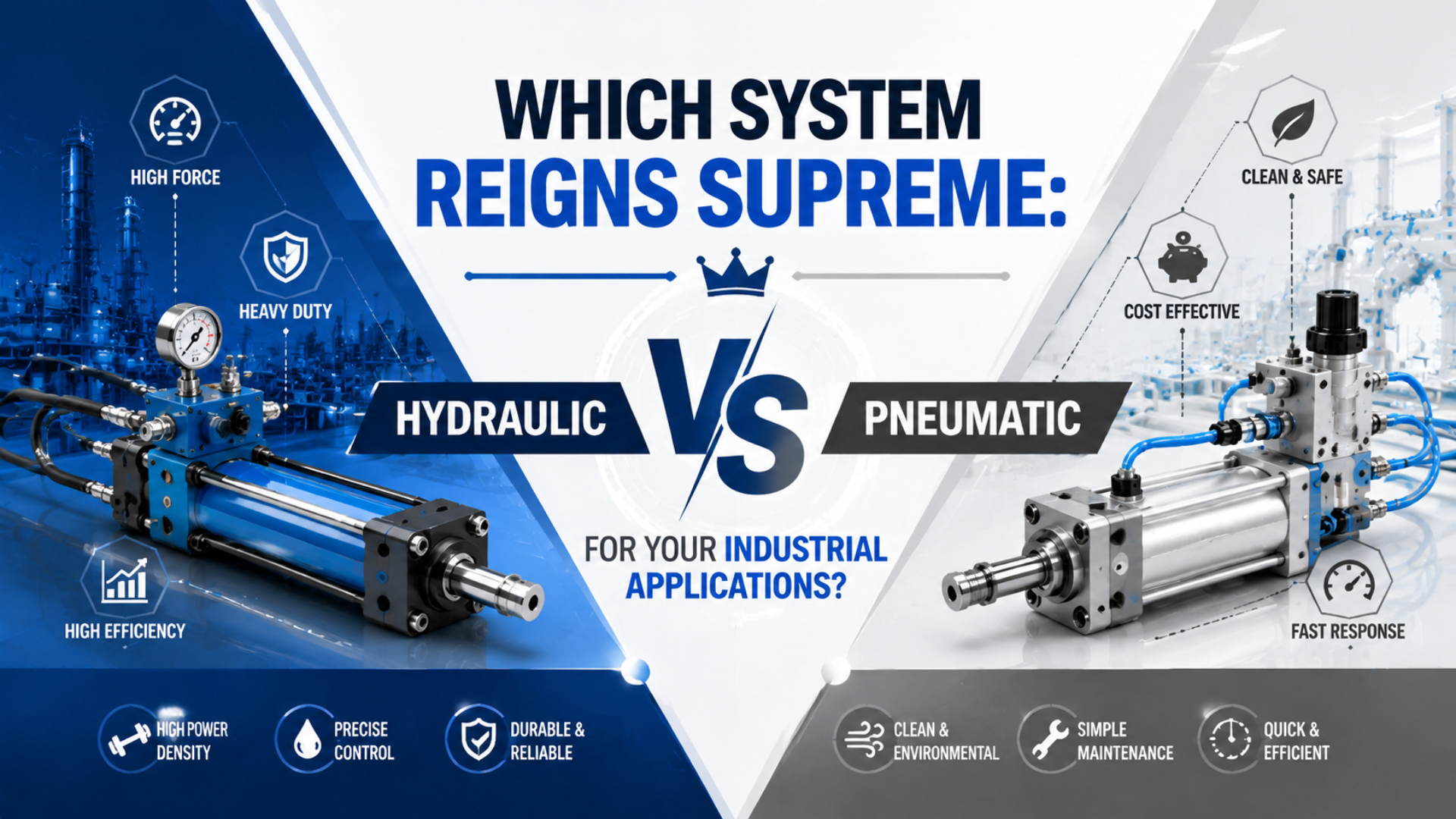 Which System Reigns Supreme: Hydraulic vs Pneumatic for Your Industrial Applications?Compare hydraulic and pneumatic systems using ISO's 10 bar pneumatic series, a 207 bar hydraulic example, force, safety, energy, and lifecycle cost.