
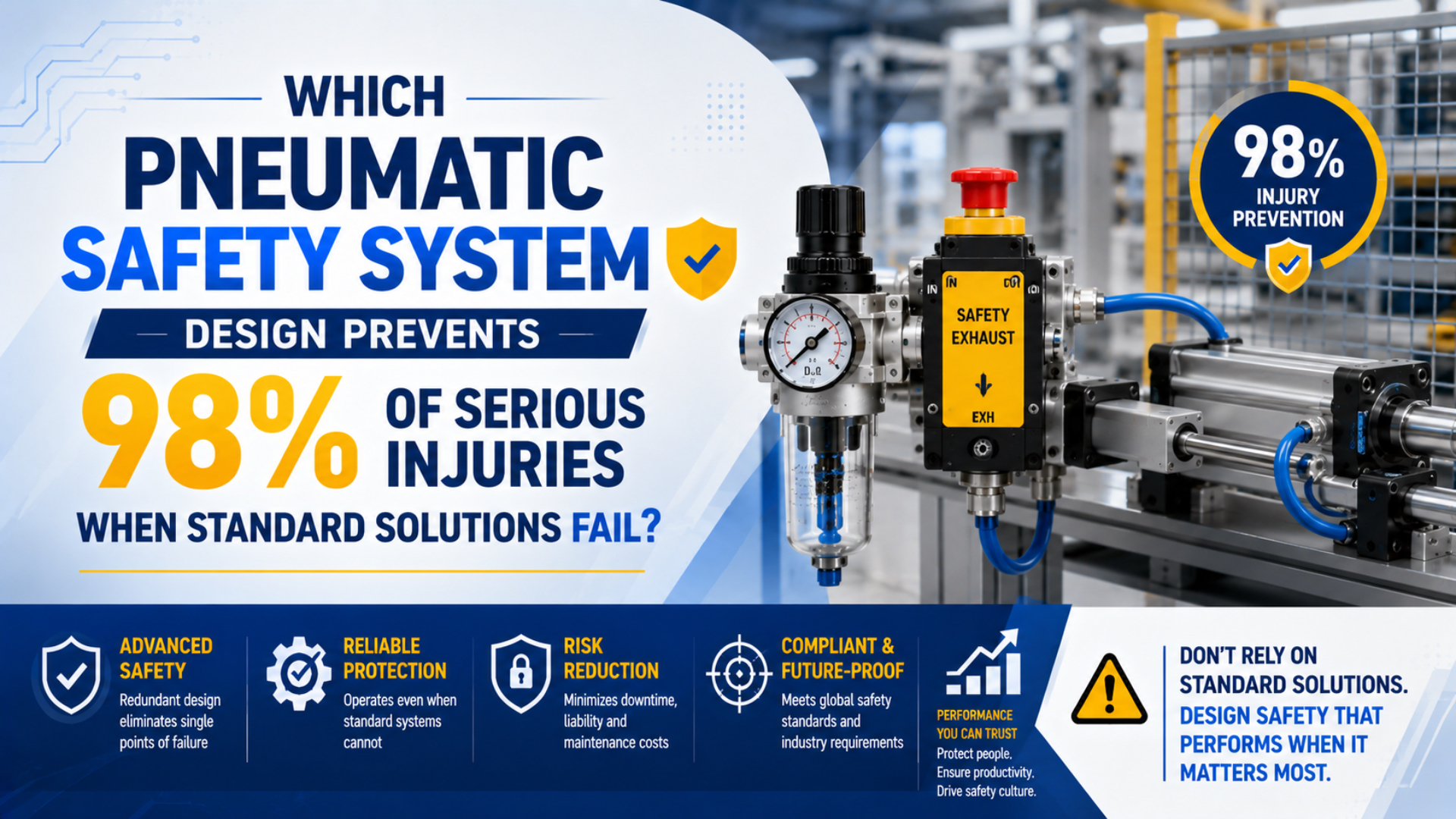
Which Pneumatic Safety System Design Prevents 98% of Serious Injuries When Standard Solutions Fail?OSHA says lockout/tagout prevents an estimated 120 deaths and 50,000 injuries yearly. Learn how to design and validate pneumatic safety functions correctly.Blog Tag
pneumatic safety articles
Review every Bepto Pneumatic article connected to pneumatic safety, grouped as one focused reading list for engineers, maintenance staff, and sourcing specialists.
Tagged Reading Path
All articles tagged pneumatic safety
Use this archive to scan related selection notes, RFQ checks, replacement guidance, and pneumatic component references.
Showing 48 articles
Which Pneumatic Safety System Design Prevents 98% of Serious Injuries When Standard Solutions Fail?OSHA says lockout/tagout prevents an estimated 120 deaths and 50,000 injuries yearly. Learn how to design and validate pneumatic safety functions correctly.
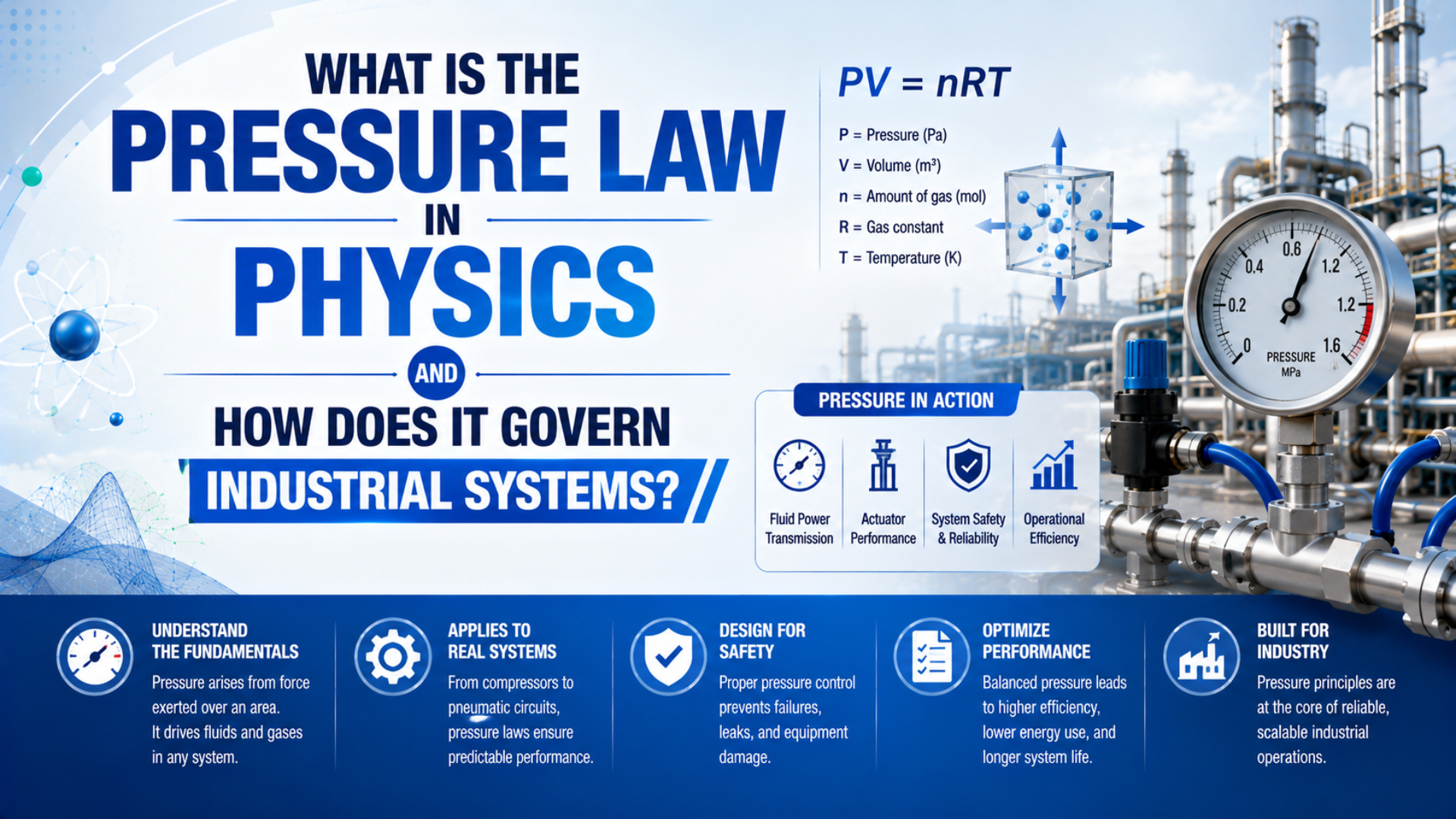
What is the Pressure Law in Physics and How Does It Govern Industrial Systems?A practical guide to the pressure-temperature gas law, absolute pressure, fixed-volume calculations, pneumatic applications, and safety limits.
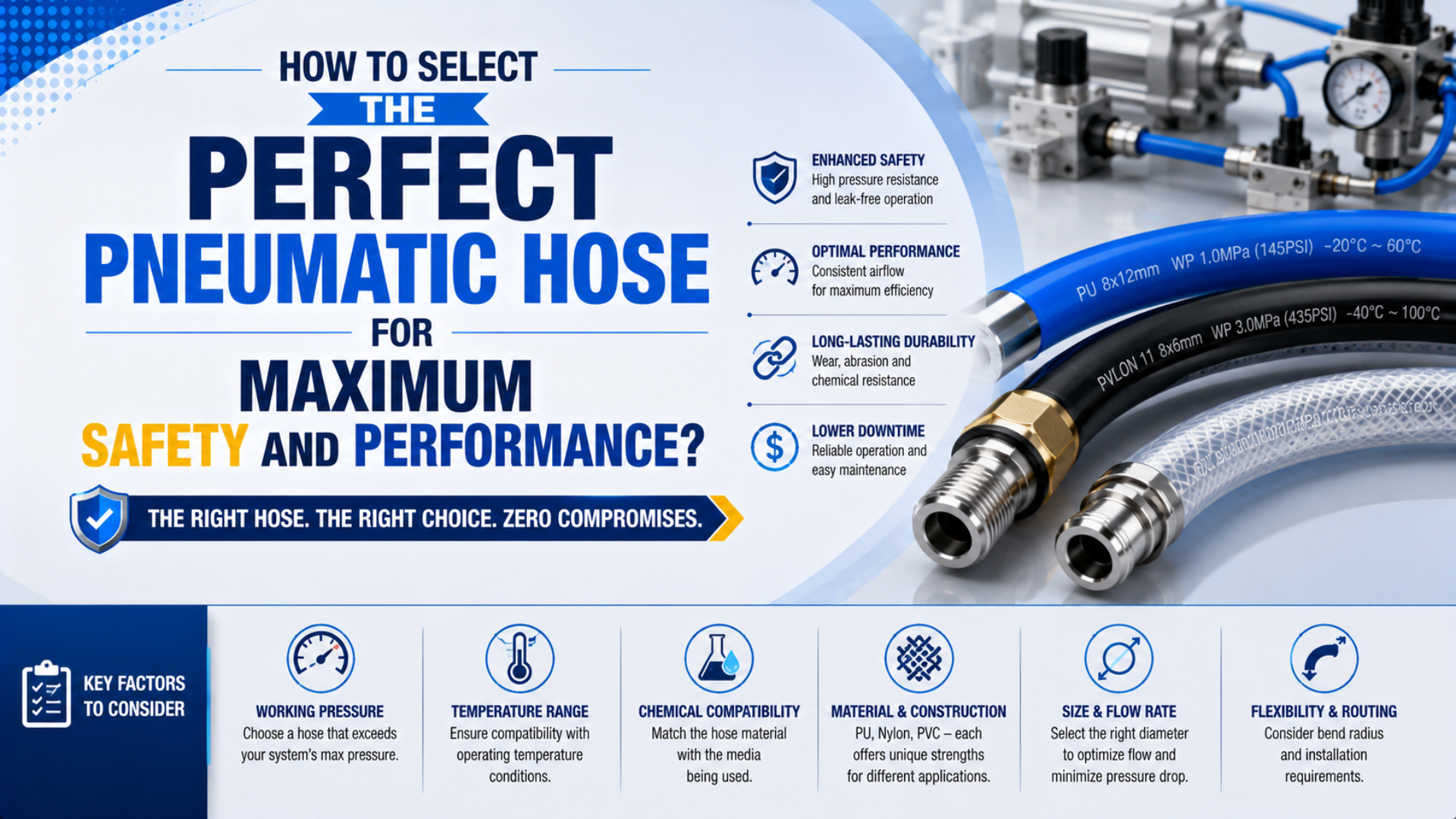
How to Select the Perfect Pneumatic Hose for Maximum Safety and Performance?Select pneumatic hose by pressure, temperature, media, flow, motion, and ends. ISO 2398:2024 covers textile-reinforced rubber hose up to 25 bar in service.
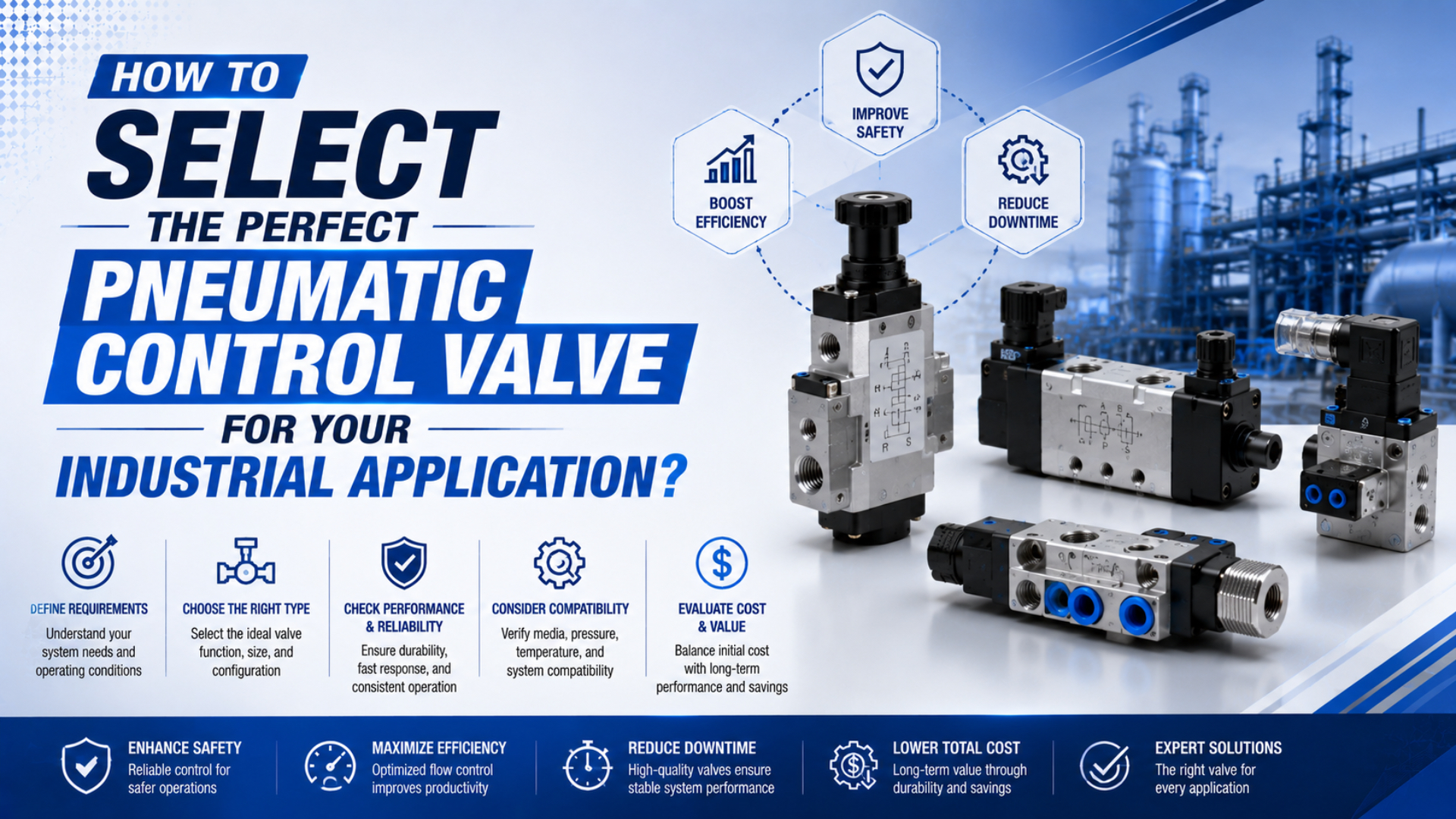
How to Select the Perfect Pneumatic Control Valve for Your Industrial Application?Select a pneumatic control valve by matching valve function, safe state, usable flow, pilot pressure, response, interfaces, environment, and reliability evidence.
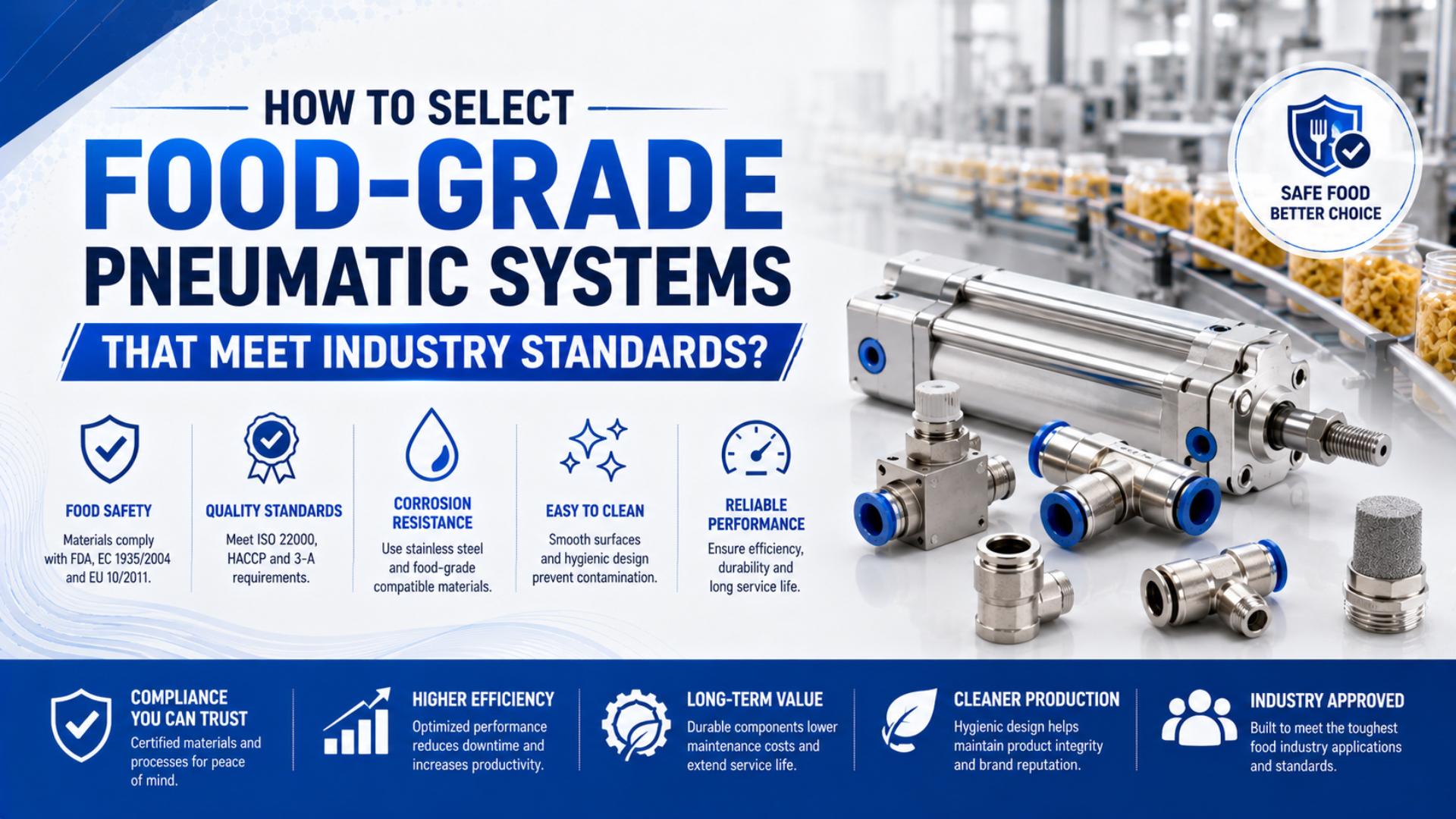
How to Select Food-Grade Pneumatic Systems That Meet Industry Standards?Select food-grade pneumatic systems by mapping 4 hygiene zones, applying 21 CFR 117.40, and verifying air quality, materials, cleanability, and evidence.
How to Navigate Legal Disputes in Pneumatic System Manufacturing: A Technical GuideUse a 6-step engineering evidence workflow for pneumatic manufacturing disputes, covering incident response, contracts, patents, testing, and standards.
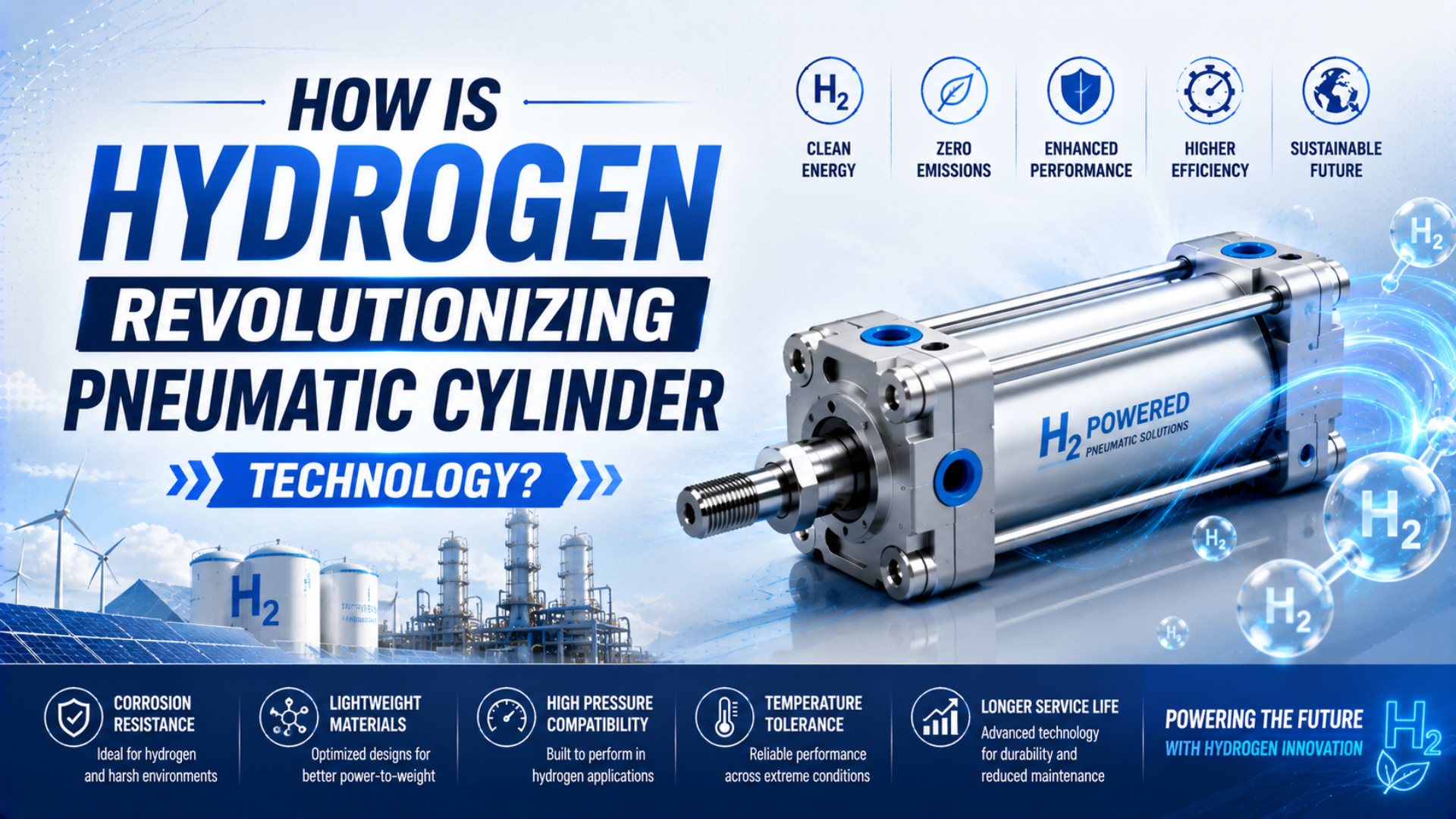
How Is Hydrogen Revolutionizing Pneumatic Cylinder Technology?Hydrogen stations can dispense at 70 MPa, but pneumatic cylinders still run on compressed air. Learn the Ex, material, exhaust, valve, and RFQ checks.
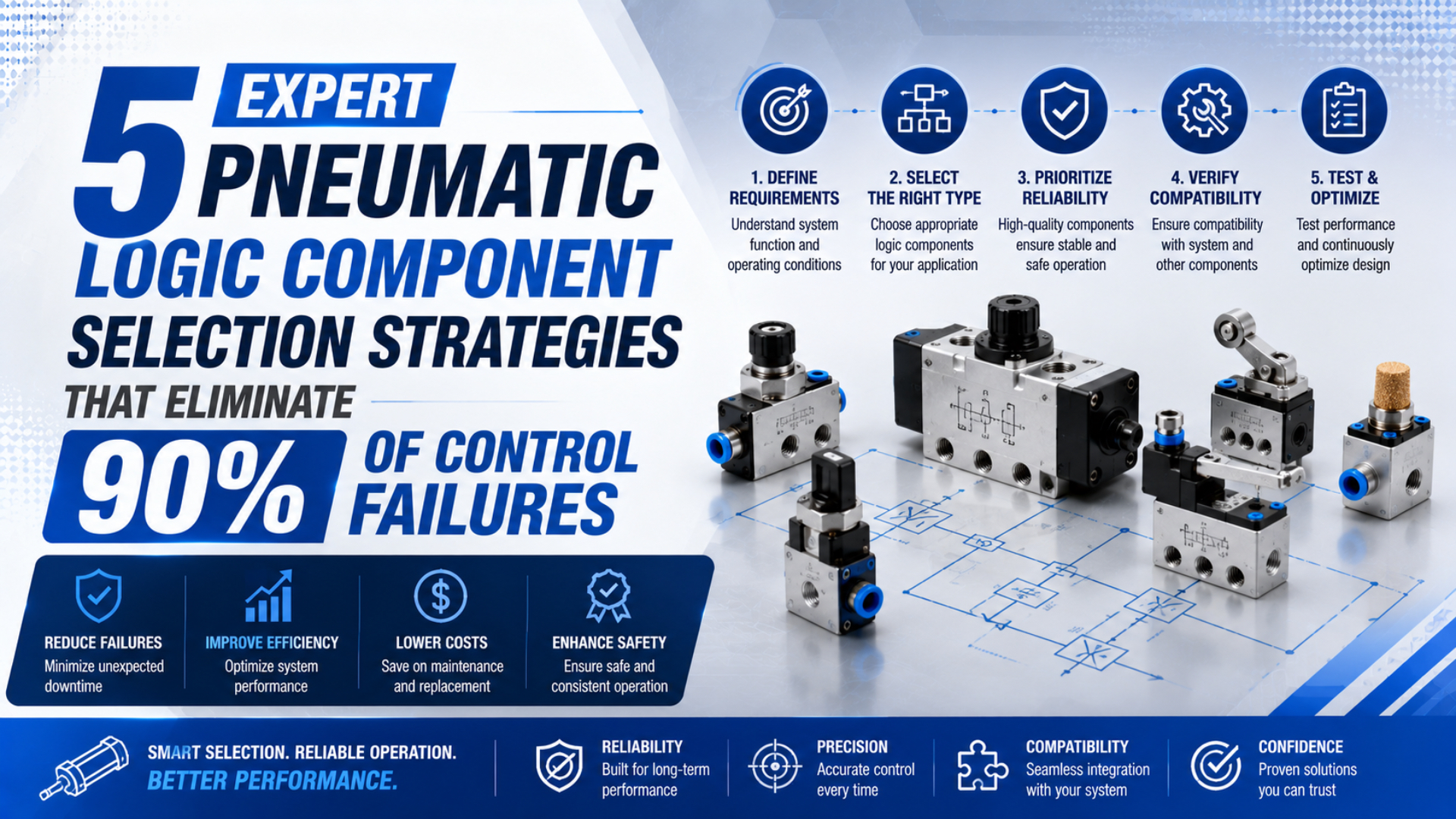
5 Expert Pneumatic Logic Component Selection Strategies That Eliminate 90% of Control FailuresUse 5 evidence-based selection strategies to specify pneumatic logic by state, pressure, timing, reset behavior, and machine functional-safety requirements.
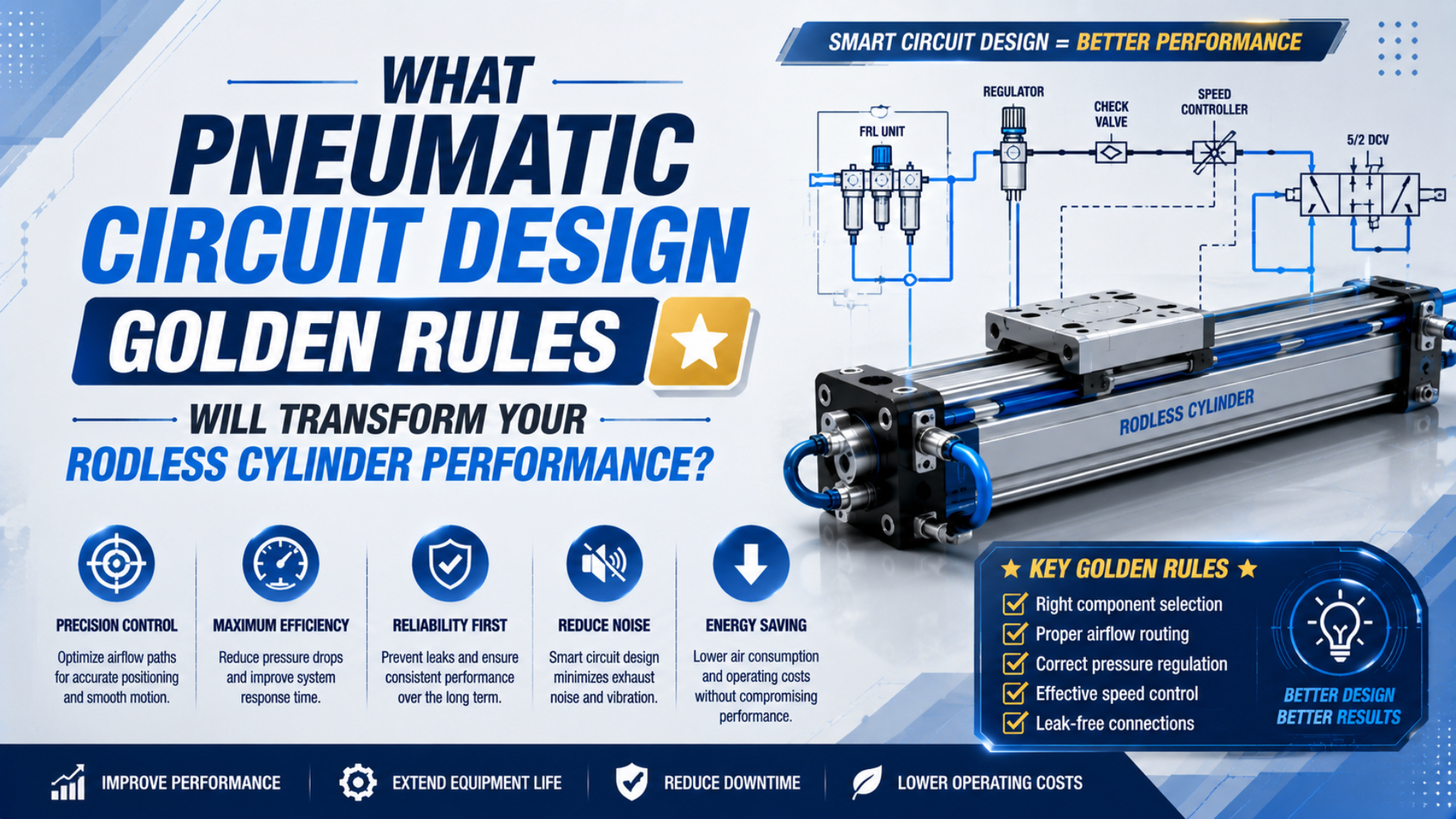
What Pneumatic Circuit Design Golden Rules Will Transform Your Rodless Cylinder Performance?Apply 7 rodless-cylinder circuit rules for safe states, peak flow, meter-out control, FRL sizing, exhaust, couplings, and measurable commissioning results.
How to Select the Best Pneumatic Systems for Acoustic Stealth: Complete Guide to Noise Reduction EngineeringSelect low-noise pneumatic systems using OSHA's 85 dBA action level, ISO measurement methods, quieter exhaust, mounting, flow, and installed verification.
How Does Acoustic Noise Impact Your Pneumatic System Performance?Learn how pneumatic noise affects worker exposure and machine performance using NIOSH's 85 dBA limit, synchronized pressure tests, and safe exhaust fixes.
Pneumatic Exhaust Air Discharge Safety: Understanding the Physics and Hazards of High-Velocity Compressed AirSeparate fixed exhaust, blow-off cleaning, quick exhaust, and safety dump circuits using ISO 4414, OSHA's 30 psi rule, and verified pressure-decay testing.
Sintered Bronze vs. Plastic Silencers: Choosing for Noise ReductionCompare bronze and plastic pneumatic silencers using 6 bar noise data, conductance, pressure, temperature, contamination, and acceptance tests.
Selection Guide: Polycarbonate vs. Metal Bowls for FRL UnitsCompare polycarbonate vs. metal bowls for FRL units using model-specific ratings, chemical exposure, guards, sight gauges, and exact replacement data.
Selection Guide for 5/3-Way Valves: Closed, Exhaust, or Pressure Center?Compare 3 center states of 5/3-way valves and validate 5 fault conditions covering drift, residual pressure, load motion, power loss, and safe restart.
What Is a SIL Rated Solenoid Valve? (SIL Levels Explained for Industrial Safety Systems)Learn what SIL-rated solenoid valve claims mean, how SIL 1-4 targets apply to a complete SIF, and which certificate and proof-test evidence to verify.
How to Create a Precise RFQ for Custom Pneumatic CylindersBuild a precise custom pneumatic cylinder RFQ with 4 controlled data blocks covering duty, interfaces, acceptance evidence, and comparable supplier terms.
FDA Compliant Pneumatics: A Procurement Guide for Food & Beverage PlantsProcure FDA compliant pneumatics using intended-use statements, material evidence, supplier declarations, RFQ gates, FAT/SAT checks, and change control.
Packaging Industry Standards: High-Speed Sorting with Rodless CylindersApply packaging safety standards to rodless-cylinder sorting, including Parker's 50% cushion-entry speed allowance, guide loads, and FAT/SAT tests.
Vibration Resistance: Ensuring Cylinder Longevity in High-Speed StampingAt 450 strokes/min, a press cycles at 7.5 Hz before harmonics. Learn how to measure vibration, protect mounts, and extend pneumatic cylinder life safely.
Food Safety Engineering: Surface Topography and Bacterial Retention in CylindersLearn why Ra alone cannot predict bacterial retention, how 0.8 µm guidance fits hygienic design, and how to validate cylinder cleanability in food equipment.
Emergency Stop Dynamics: Calculating Impact Forces During Power LossCalculate power-loss stopping energy, distinguish average from peak force, and verify pneumatic emergency-stop behavior with a 30 kg worked example.
Does Cavitation in Hydraulic and Pneumatic Valves Damage Your System?Learn why ISO 6358 separates subsonic and choked gas flow, how liquid cavitation damages valves, and which pressure and moisture checks prevent failures.
The Acoustic Signature of a Pneumatic Valve: Noise Generation PhysicsMeasure pneumatic valve noise using the 20 µPa dB reference, standardized microphone positions, synchronized pressure traces, and verified controls.
Redundant Valve Systems: A Guide to ISO 13849-1 Safety CircuitsDesign redundant pneumatic valve systems for ISO 13849-1 using 3/2 and 5/2 architectures, monitored feedback, fault response, SISTEMA, and validation.
How Monitored Pneumatic Safety Valves (Category 3/4) OperateA component-level explanation of redundant pneumatic safety valves, feedback monitoring, fault response, reset logic, and Category 3/4 system boundaries.
The Physics of Air Hammer in Pneumatic Valve and Piping SystemsLearn what pneumatic air hammer is, how pressure waves travel, why liquid Joukowsky math can mislead, and how to measure valve transients safely.
How to Build a Pneumatic Latching Circuit Using Logic ValvesBuild a pneumatic latching circuit with a double-piloted 5/2 valve, SET/RESET signals, conflict handling, startup checks, and clear safety limits.
The Engineering of a Two-Hand Safety Control CircuitCommission a two-hand safety circuit with 2-channel timing, anti-tie-down, output feedback, and fault-injection tests before accepting pneumatic machinery.
How to Prevent Opposing Signals in a Pneumatic Logic CircuitPrevent opposing pneumatic signals with mutual-exclusion logic, cascade groups, pilot-pressure checks, and a 4-state test for directional valve control.
A Technical Guide to Pneumatic Memory Valves and Their FunctionLearn how 5/2 pneumatic memory valves retain spool state, why pressure and cylinder position may still change, and how to select and test them safely.
A Guide to Sizing External Shock Absorbers for Cylinder ApplicationsSize external cylinder shock absorbers with 6 checks: impact energy, drive work, hourly capacity, effective mass, impact speed, and usable absorber stroke.
A Technical Look at Latching Cylinders for Fail-Safe ApplicationsCompare end-position latching cylinders with any-position rod locks. Festo rates static holding up to 8,000 N; learn safe release, sizing, and validation.
How to Select Cylinders for High-G Shock and Vibration EnvironmentsSelect high-G pneumatic cylinders by converting 1 g = 9.80665 m/s² into force and moment, then verify mounts, guides, cushioning, and vibration tests.
The Effect of Cylinder Stroke Position on Available Force (Cantilever Loads)Learn why cylinder stroke position does not directly change pressure-generated thrust, yet can sharply change cantilever moment, deflection, and buckling margin.
What Causes Water Hammer in Pneumatic Systems and How Can You Prevent It?Separate four causes of pneumatic water hammer, identify the first pressure event, and prevent dry-air surges, liquid slugs, and unsafe repressurization.
The Engineering of Clamp Cylinders: Swing vs. Linear MechanismsCompare swing and linear clamp cylinders using a 90° swing sequence, 6 bar force data, arm-moment limits, fixture reactions, and safe-state checks in fixtures.
Why Are Rod Lock Units Essential for Pneumatic Cylinder Safety and Positioning?Learn why pneumatic rod lock units need separate static-holding and dynamic-braking checks, with product forces from 600 to 8,425 N and validation steps.
How Do You Calculate the True Lifting Capacity of Pneumatic Gripper Systems to Prevent Catastrophic Load Drops?Calculate pneumatic gripper lifting capacity from force per jaw, friction, acceleration, and finger position, then verify pressure and air-loss safety.
How Do You Select FDA-Compliant Actuators That Meet Strict Food Safety Standards Without Compromising Performance?Select FDA-compliant actuators using 21 CFR 117.40, exact material declarations, food-contact evidence, washdown limits, and loaded performance tests.
How Can You Eliminate Excessive Noise and Vibration from Pneumatic Grippers to Meet OSHA Standards and Improve Workplace Safety?Reduce pneumatic gripper noise using OSHA's 85 dBA action level, source testing, quieter exhaust, controlled impact, and verified gripping force.
How Can You Achieve ISO 13849 Compliance When Integrating Rotary Actuators into Safety Circuits?Integrate rotary actuators into ISO 13849 safety functions using 5 PL bands, defined safe states, fault analysis, SISTEMA, and installed-machine validation.
How Can ISO 13849 Safety Circuits Protect Your Pneumatic Systems from Critical Failures?Apply ISO 13849 to pneumatic safety functions using PLr, Category, MTTFd, DCavg, CCF, SISTEMA, and validation without confusing safety exhaust with LOTO.
How Pneumatic Two-Hand Controls Reduce Workplace Accidents and Boost Machine SafetyLearn how pneumatic two-hand controls use 2 concurrent inputs, safety-distance calculations, anti-tie-down logic, fault response, and validation to reduce risk.
Which System Reigns Supreme: Hydraulic vs Pneumatic for Your Industrial Applications?Compare hydraulic and pneumatic systems using ISO's 10 bar pneumatic series, a 207 bar hydraulic example, force, safety, energy, and lifecycle cost.
How Can You Organize and Manage Pneumatic Hoses to Ensure Workplace Safety and Operational Efficiency?Organize pneumatic hoses with a 6-zone routing audit covering walkways, reels, bend radius, pressure ratings, couplings, isolation, and replacement criteria.
The Role of Pneumatic Logic Valves in Control System DesignDesign pneumatic logic valve circuits with Festo 1-10 bar data, truth tables, ISO 4414 fault states, hazardous-area limits, and safe commissioning checks.
Integrating Safety Exhaust Valves into Your Pneumatic Machine GuardingIntegrate safety exhaust valves using ISO 13849 risk assessment, monitored valve architecture, pressure-decay testing, residual-energy control, and LOTO.