
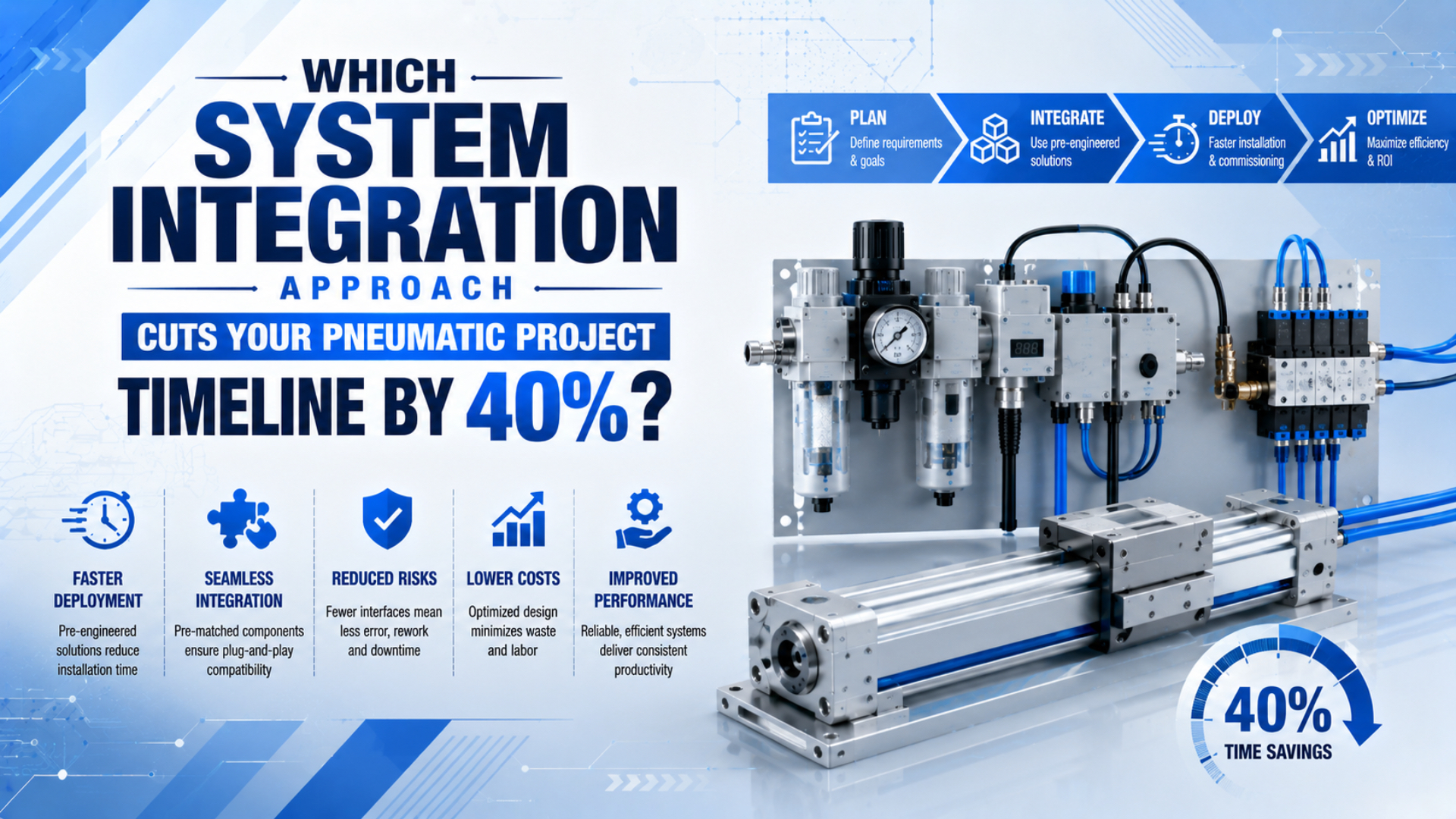
Which System Integration Approach Cuts Your Pneumatic Project Timeline by 40%?Use an interface-first pneumatic integration approach to target a measured 40% schedule reduction with controlled requirements, interfaces, FAT, and SAT.Blog Tag
pneumatic standards articles
Review every Bepto Pneumatic article connected to pneumatic standards, grouped as one focused reading list for engineers, maintenance staff, and sourcing specialists.
Tagged Reading Path
All articles tagged pneumatic standards
Use this archive to scan related selection notes, RFQ checks, replacement guidance, and pneumatic component references.
Showing 101 articles
Which System Integration Approach Cuts Your Pneumatic Project Timeline by 40%?Use an interface-first pneumatic integration approach to target a measured 40% schedule reduction with controlled requirements, interfaces, FAT, and SAT.
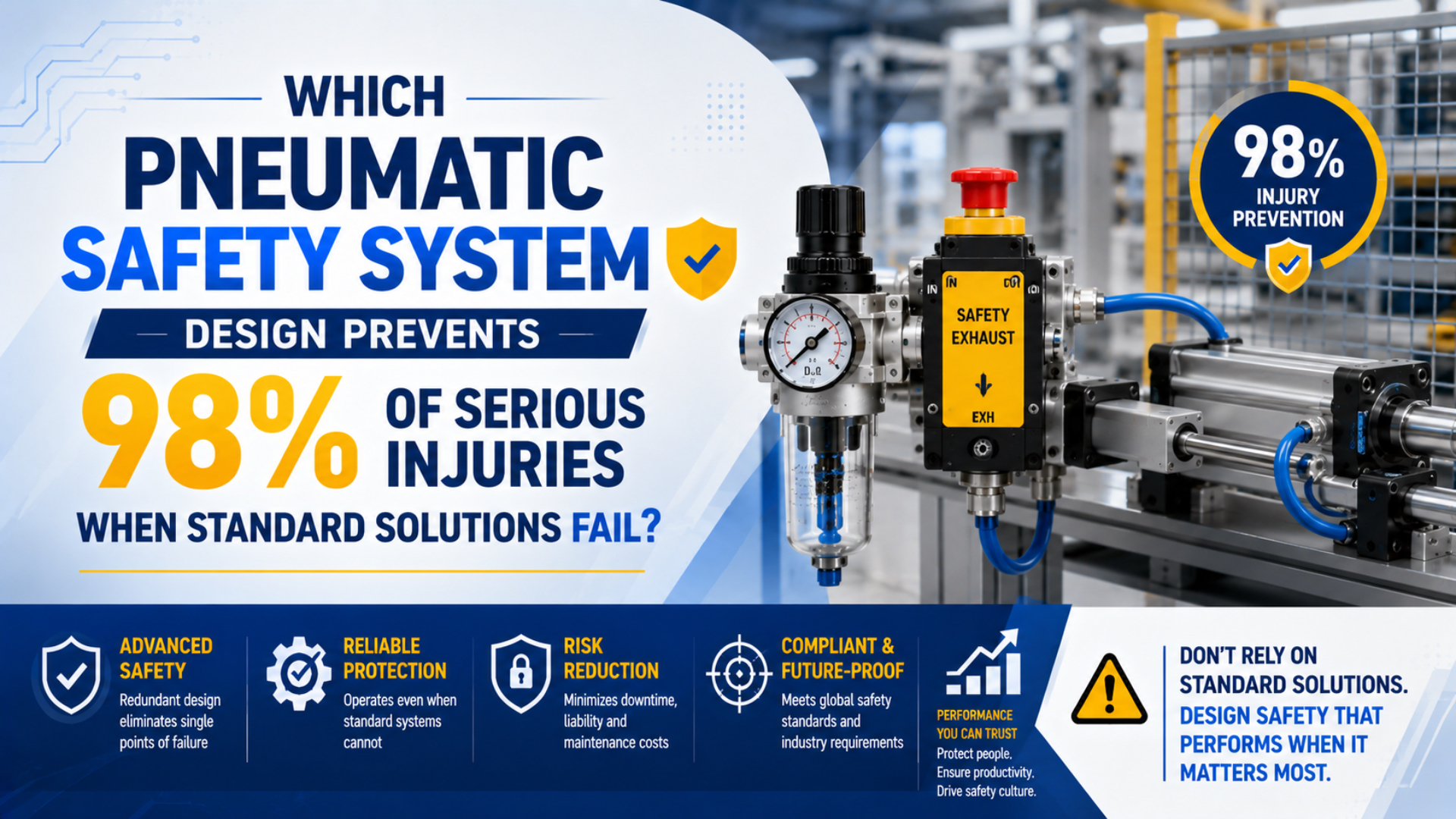
Which Pneumatic Safety System Design Prevents 98% of Serious Injuries When Standard Solutions Fail?OSHA says lockout/tagout prevents an estimated 120 deaths and 50,000 injuries yearly. Learn how to design and validate pneumatic safety functions correctly.
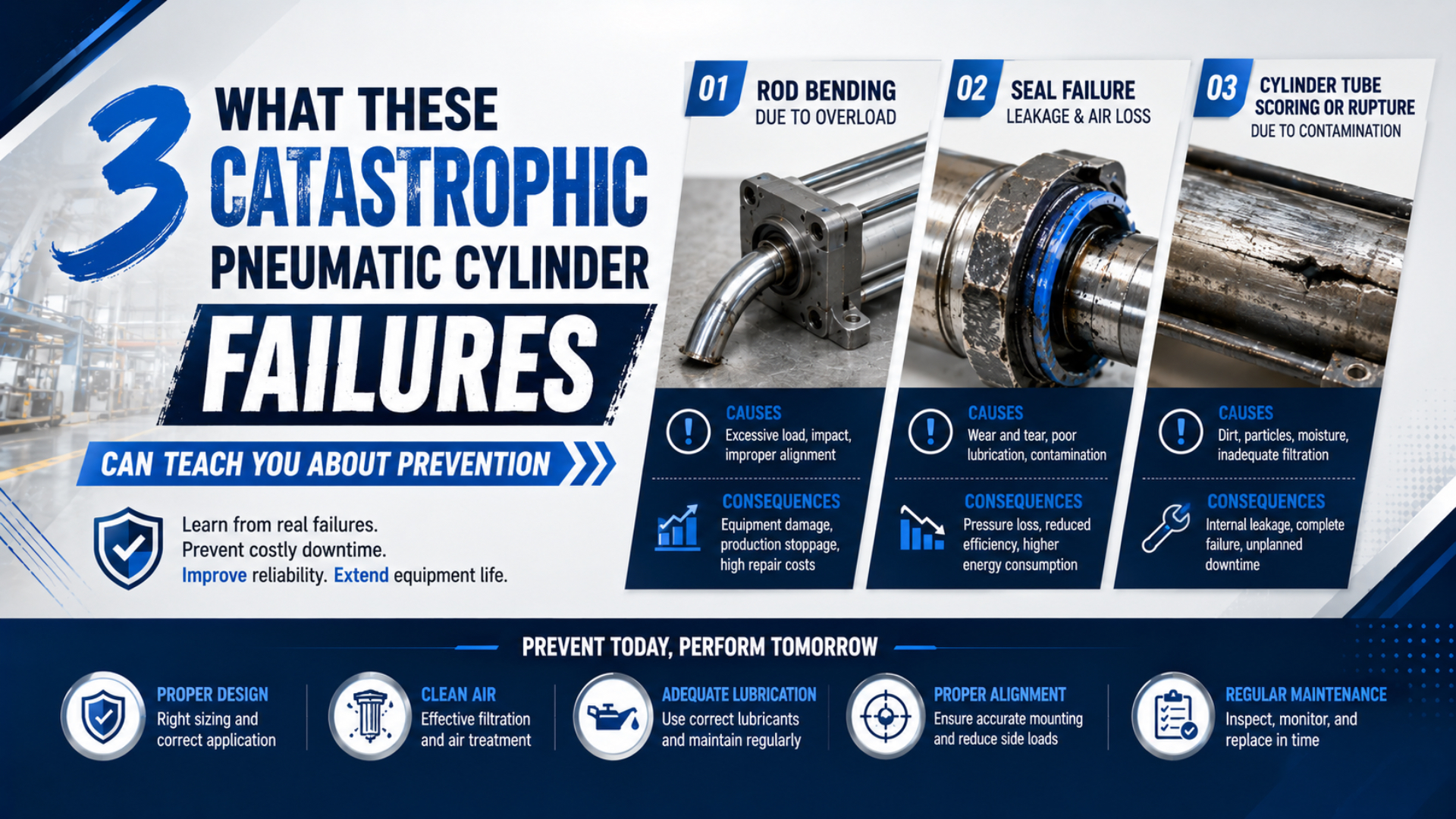
What These 3 Catastrophic Pneumatic Cylinder Failures Can Teach You About PreventionLearn 3 evidence-based pneumatic cylinder failure chains involving magnetic force margin, cold seals, and loose mounts, plus prevention and restart checks.
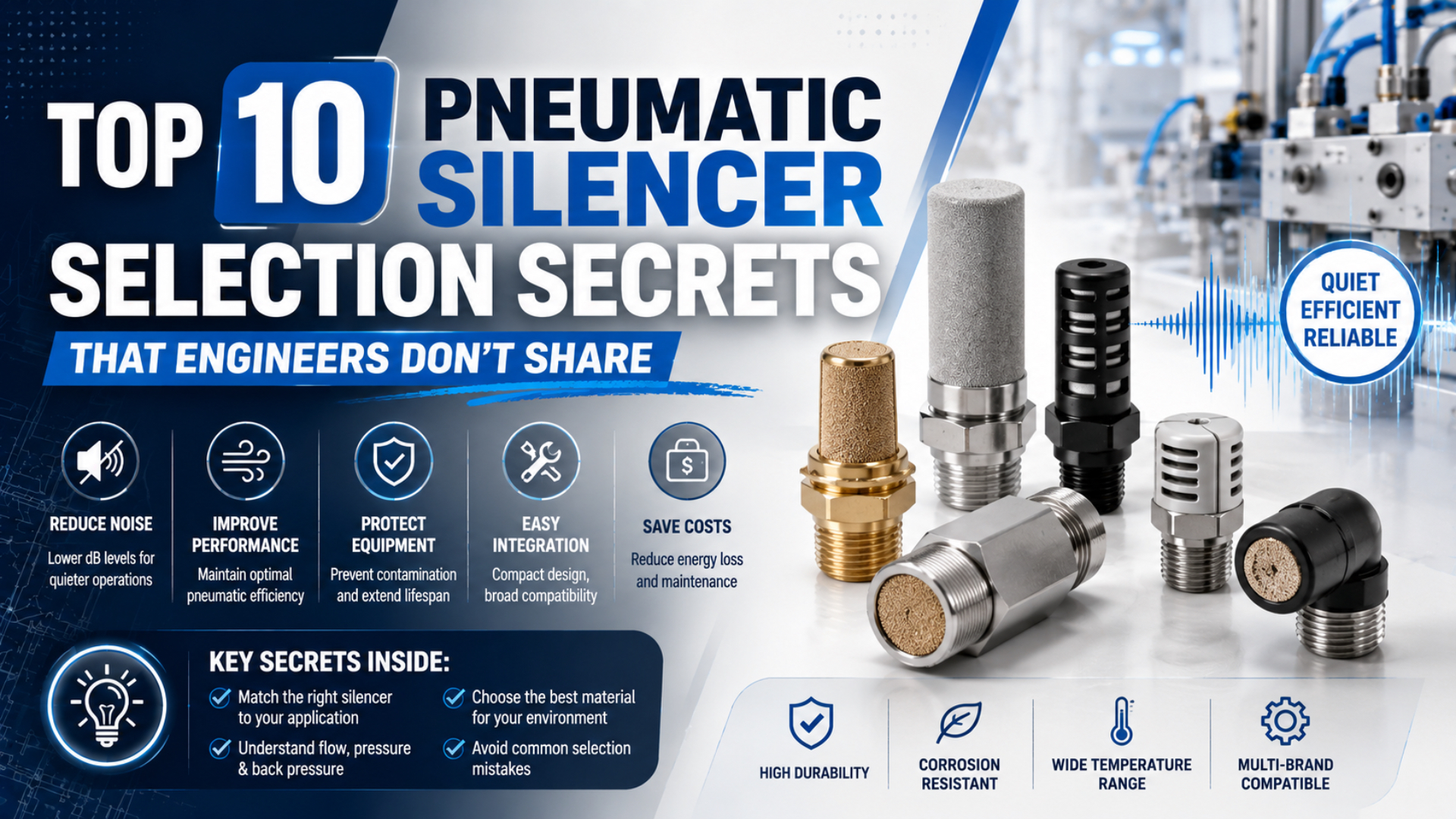
Top 10 Pneumatic Silencer Selection Secrets That Engineers Don’t ShareSelect pneumatic silencers by ISO 20145 test mode, peak exhaust flow, back pressure, and air quality. G1/8 Festo models span 1,340 to 2,050 L/min at 6 bar.
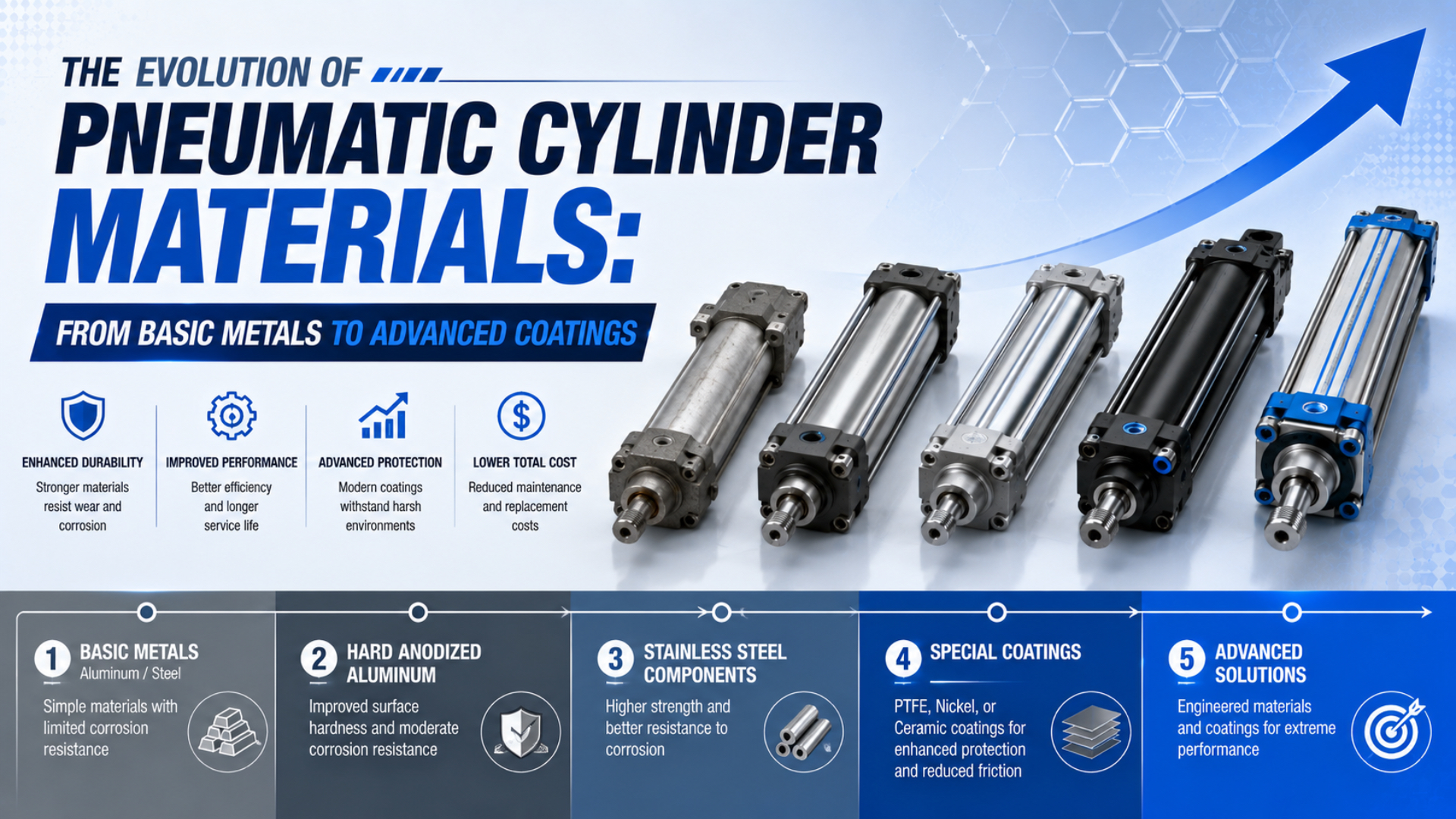
The Evolution of Pneumatic Cylinder Materials: From Basic Metals to Advanced CoatingsTrace pneumatic cylinder materials across the ISO 15552 32-320 mm range, from steel and anodized aluminum to stainless assemblies and advanced surface films.
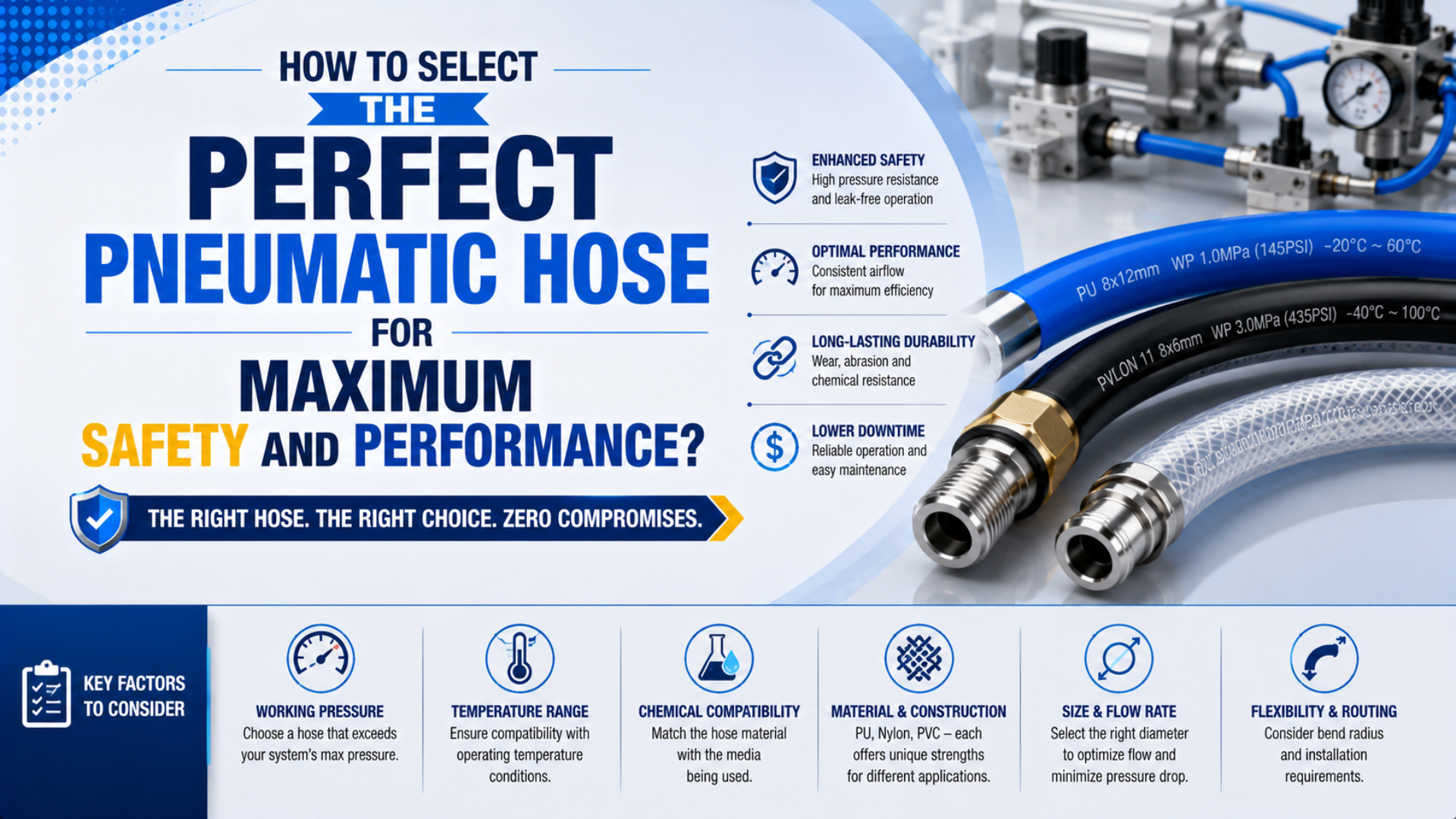
How to Select the Perfect Pneumatic Hose for Maximum Safety and Performance?Select pneumatic hose by pressure, temperature, media, flow, motion, and ends. ISO 2398:2024 covers textile-reinforced rubber hose up to 25 bar in service.
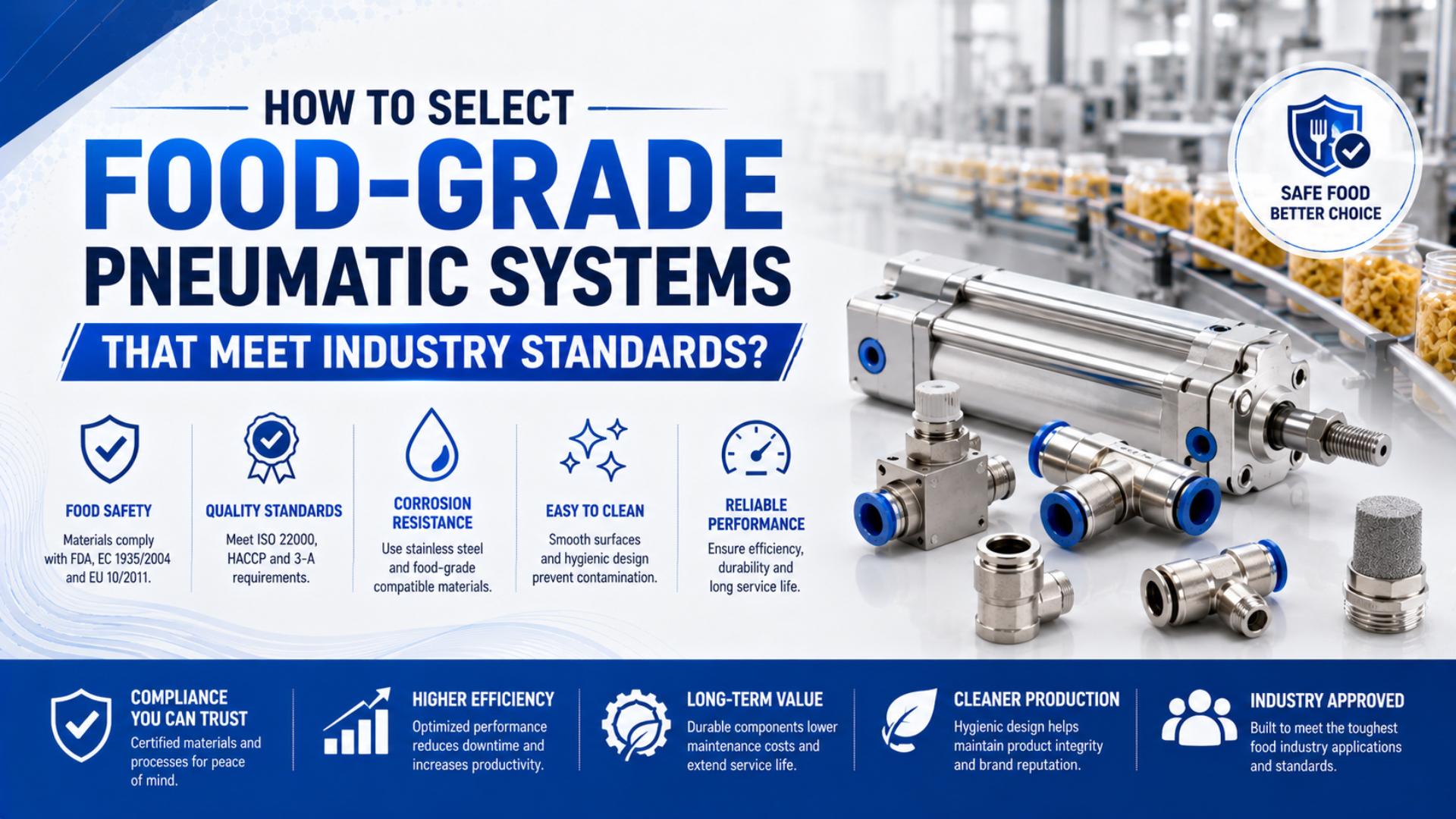
How to Select Food-Grade Pneumatic Systems That Meet Industry Standards?Select food-grade pneumatic systems by mapping 4 hygiene zones, applying 21 CFR 117.40, and verifying air quality, materials, cleanability, and evidence.
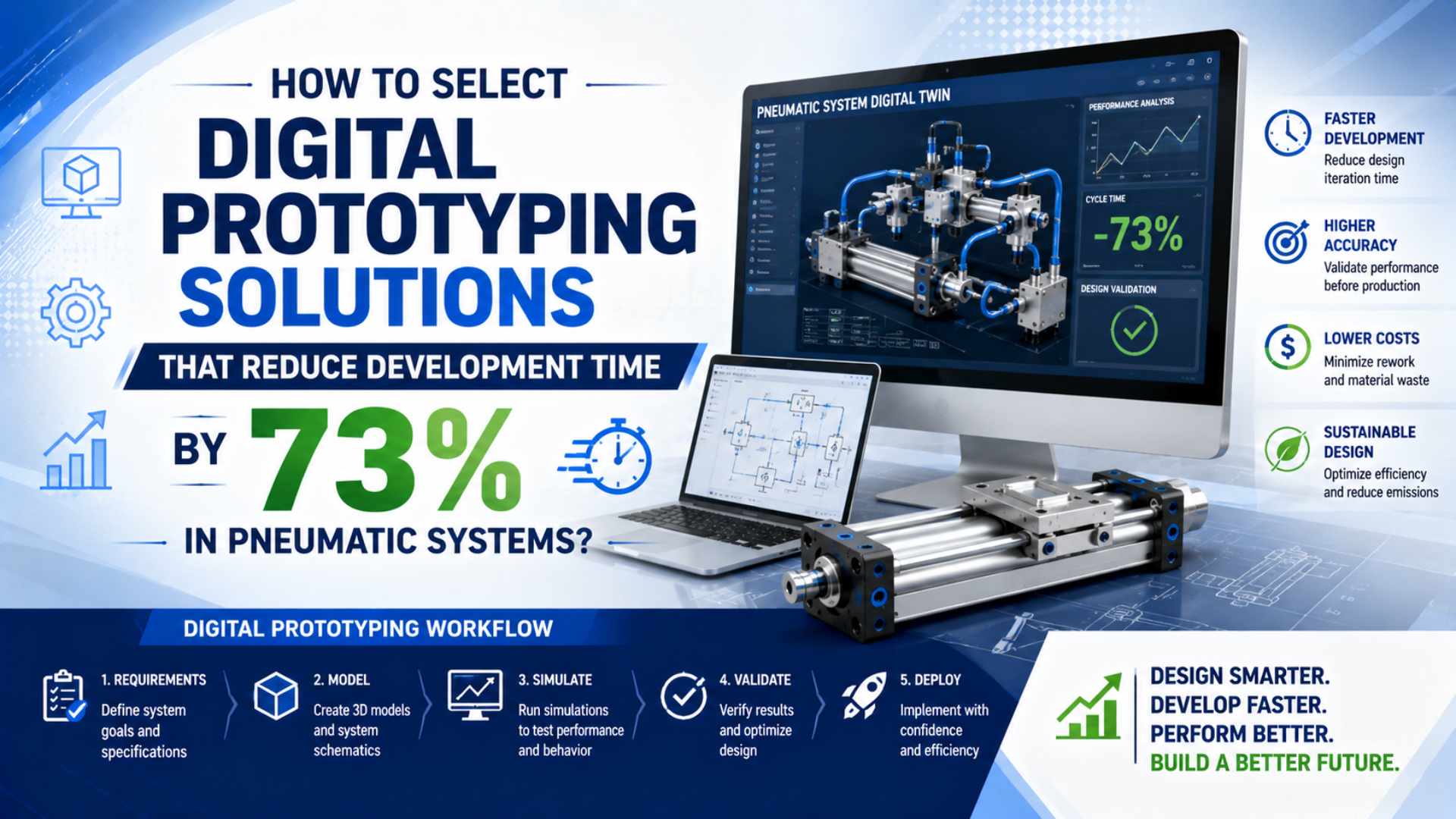
How to Select Digital Prototyping Solutions That Reduce Development Time by 73% in Pneumatic Systems?Test whether a digital prototyping solution can approach a 73% commissioning-time reduction through scope, pneumatic model, SIL/HIL, VVUQ, and pilot evidence.
How to Navigate Legal Disputes in Pneumatic System Manufacturing: A Technical GuideUse a 6-step engineering evidence workflow for pneumatic manufacturing disputes, covering incident response, contracts, patents, testing, and standards.
6 Critical Proportional Valve Selection Factors That Improve System Response by 40%Compare 6 proportional valve selection factors using Festo's 70-115 Hz data, then verify flow, deadband, signals, EMC, and measured response gains reliably.
5 Expert Pneumatic Logic Component Selection Strategies That Eliminate 90% of Control FailuresUse 5 evidence-based selection strategies to specify pneumatic logic by state, pressure, timing, reset behavior, and machine functional-safety requirements.
What are the advanced principles behind modern lubrication systems?ISO 8573-1 separates 3 compressed-air contaminant groups. Learn how friction regimes, viscosity, additives, delivery, and validation protect pneumatics.
How to Select the Best Pneumatic Systems for Acoustic Stealth: Complete Guide to Noise Reduction EngineeringSelect low-noise pneumatic systems using OSHA's 85 dBA action level, ISO measurement methods, quieter exhaust, mounting, flow, and installed verification.
High-Temp vs. Low-Temp Grease for Cylinder Lubrication: Selection GuideSelect high- or low-temperature cylinder grease using 4 measured temperatures, exact seal compatibility, ASTM limits, and in-service commissioning checks.
Review of Top Pneumatic Cylinder Coatings for Harsh EnvironmentsSelect pneumatic cylinder coatings by exposure, component, ISO 9227 limits, anodizing, ENP, rod finishes, stainless grades, and acceptance evidence.
Pneumatic Tubing Materials: Polyurethane vs Nylon — Which One Does Your System Really Need?Compare PU and nylon pneumatic tubing using ISO 11619's 3 to 16 mm scope, pressure, temperature, bend radius, chemical, motion, fitting, and safety checks.
What Is a SIL Rated Solenoid Valve? (SIL Levels Explained for Industrial Safety Systems)Learn what SIL-rated solenoid valve claims mean, how SIL 1-4 targets apply to a complete SIF, and which certificate and proof-test evidence to verify.
Hard Anodized vs. Standard Aluminum Cylinder Barrels: Wear ComparisonCompare hard and standard anodized cylinder barrels using 3 abrasion methods, controlled life testing, bore inspection, failure evidence, and TCO checks.
Choosing Between Stainless Steel 304 and 316 for Pneumatic ComponentsChoose stainless steel 304 or 316 pneumatic components using 2.1% molybdenum context, chloride exposure, cleaning chemistry, MTRs, and PMI checks in service.
Comparing Pneumatic Silencer Thread Types for Exhaust PortsCompare 4 pneumatic silencer thread groups using ISO and ASME definitions, then verify sealing, flow, back pressure, and mounting before a safe replacement.
Selecting Solenoid Enclosures: NEMA 4 vs. NEMA 4XSelect NEMA 4 or 4X solenoid enclosures using NEMA’s 600-hour plus 200-hour corrosion tests, IP limits, material checks, assembly ratings, and RFQ evidence.
5 Red Flags When Vetting New Pneumatic Component SuppliersVetting new pneumatic component suppliers? Identify five red flags through evidence checks for identity, specifications, test records, engineering, and quote scope.
Clevis Mount Pneumatic Cylinder Definition: The Key to Pivoting Action in Automation SystemsDefine a clevis mount pneumatic cylinder using ISO 8140 and Parker guidance, then verify its pivot geometry, pin alignment, loads, clearances, and RFQ data.
Understanding Cylinder Naming Conventions: Decoding Part NumbersDecode pneumatic cylinder part numbers safely, then verify ISO 15552's 32-320 mm scope, ports, sensors, cushioning, drawings, and machine fit before ordering.
How to Request Pneumatic Cylinder Samples for Quality Validation Before Bulk OrderingUse a 3-stage sample, pilot-lot, and production-lot process to validate pneumatic cylinders without mistaking a few good samples for proven quality at scale.
Warranty Terms Explained: What Should Your Pneumatic Cylinder Guarantee Cover?Review 12 pneumatic cylinder warranty fields covering duration, exclusions, claim evidence, remedies, freight, liability, and document precedence rules.
Managing Obsolescence: Sourcing Parts for Discontinued Cylinder ModelsManage discontinued pneumatic cylinders with IEC 62402, ISO 15552's 32-320 mm scope, verified cross-references, spare planning, and first-article tests.
Documentation Requirements: Ensuring Material Traceability in PneumaticsBuild pneumatic material traceability with 4 identity levels, linked evidence, supplier audits, retention rules, and ISO 9001 and FDA scope checks for buyers.
FDA Compliant Pneumatics: A Procurement Guide for Food & Beverage PlantsProcure FDA compliant pneumatics using intended-use statements, material evidence, supplier declarations, RFQ gates, FAT/SAT checks, and change control.
Rail and Transport: Sourcing Vibration-Proof Pneumatic Door ActuatorsSource vibration-proof pneumatic door actuators with 5 evidence gates covering EN 14752, IEC 61373, system safety, interfaces, testing, and change control.
Agriculture Automation: Weather-Proof Cylinders for Farming EquipmentSpecify farm pneumatic cylinders using ISO 15552's 32-320 mm range, exposure mapping, seal compatibility, air-quality controls, and field validation tests.
Maximizing Uptime: Selecting Cylinders for 24/7 Production EnvironmentsSelect pneumatic cylinders for 24/7 production by converting duty into cycles and travel, then check 15 Hz limits, cushioning, guides, air quality, and spares.
Heavy-Duty Cylinders: Solutions for Harsh Mining and Construction ApplicationsSpecify mining and construction cylinders with 8 checks covering dust, air quality, mounting, seals, temperature, corrosion, qualification, and maintenance.
Vibration Resistance: Ensuring Cylinder Longevity in High-Speed StampingAt 450 strokes/min, a press cycles at 7.5 Hz before harmonics. Learn how to measure vibration, protect mounts, and extend pneumatic cylinder life safely.
Case Study: Increasing Machine Reliability by 40% with Upgraded SealsLearn how to verify a 40% pneumatic machine reliability gain after a seal upgrade using failure-rate, exposure, root-cause, cost, and acceptance data.
Private Labeling Pneumatic Cylinders: Building Your Own Industrial BrandBuild a private-label pneumatic cylinder brand with 6 release gates covering trademarks, market roles, controlled specifications, pilot lots, and continuity.
Choosing a Manufacturing Partner: Support Needed for Pneumatic DistributorsUse 4 evidence chains to assess pneumatic manufacturing partners: engineering support, commercial controls, quality records, and distributor enablement.
Wholesale Sourcing: Finding Direct-from-Factory Pneumatic DealsEvaluate factory-direct pneumatic deals through 4 evidence gates covering landed cost, supplier identity, technical proof, trial orders, and contract controls.
Finding Drop-In Replacements for Festo DNC Series CylindersFind a Festo DNC replacement using ISO 15552 limits, the correct PPV-A code, DSBC successor data, drawing checks, force review, and first-article tests.
Cross-Reference Guide: Interchanging ISO 6432 Mini Cylinders Across BrandsCross-reference ISO 6432 mini cylinders across seven brands using the full model code, mounting drawing, ports, rod end, sensors, and operating limits.
How to Switch from Norgren to Generic ISO Cylinders Without System RedesignReplace a Norgren ISO cylinder without redesign by verifying its series, drawing, ports, rod end, sensors, force, cushioning, and machine test.
Understanding Thread Types: A Complete Guide to BSP, NPT, G, and R ThreadsCompare NPT, G, R, Rc, and Rp pneumatic threads using 55° and 60° profiles, sealing locations, field measurements, pairing rules, and precise RFQ callouts.
Why Major Automotive Plants Are Testing Alternative Cylinder BrandsUse 4 evidence gates to test alternative pneumatic cylinder brands in automotive plants without confusing ISO dimensions with validated field performance.
Unbranded vs. Branded Pneumatics: Where Can You Compromise?Compare branded and unbranded pneumatics through 4 substitution gates: specification, safety, evidence, and validation for controlled replacements.
The Truth About “Compatible” Pneumatic Parts: What Manufacturers Won’t Tell YouVerify compatible pneumatic parts through 4 evidence layers: standardized fit, configured interfaces, functional duty, and controlled machine release.
Sourcing Strategy: How to Evaluate Pneumatic Cylinder Suppliers in ChinaEvaluate pneumatic cylinder suppliers in China through 7 evidence gates covering legal identity, factory roles, technical proof, samples, and contracts.
Guide to Bulk Purchasing Pneumatic Fittings: Quality Assurance TipsUse ISO 2859-1:2026, product-specific tests, certificate-scope checks, and lot traceability to qualify suppliers and inspect bulk pneumatic fitting lots.
Verifying Supplier Certifications: ISO Standards for Pneumatic ManufacturersVerify pneumatic supplier ISO certificates through 6 checks covering identity, site, status, accreditation, scope, and product evidence before approval.
Dual-Sourcing Strategies: Mitigating Risks in Pneumatic Component ProcurementBuild a dual-sourcing strategy for pneumatic components using controlled specifications, supplier qualification, common-cause risk checks, and failover tests.
How to Identify Reliable Private Label Manufacturers for Pneumatic CylindersUse ISO 9001 scope checks and 4 evidence gates to qualify private label pneumatic cylinder manufacturers before samples, tooling, contracts, and production.
Importing Pneumatic Components: Understanding Duties, Taxes, and LogisticsImport pneumatic components with a 6-digit HS starting point, current tariff checks, Incoterms 2020, and a documented landed-cost and customs workflow.
Procurement Checklist: Essential Specs When Ordering ISO 15552 CylindersUse this ISO 15552 cylinder procurement checklist to control RFQ data across the standard’s 32-320 mm bore scope, compare quotes, and verify orders correctly.
Evaluating Factory Capabilities: What to Look for in a Cylinder ManufacturerEvaluate a cylinder manufacturer with a 7-step audit covering machining evidence, QMS scope, test records, traceability, capacity, samples, and delivery.
Thread Stripping Mechanics in Aluminum Cylinder PortsLearn why aluminum cylinder ports strip, why fixed NPT torque tables fail, and how 2-3 turns from finger tight guide safer assembly and repair decisions.
Cryogenic Pneumatics: Material Selection for -40°C OperationAt -40°C, qualify the exact seal, grease, metal, sensor, tubing, and valve package; NIST places true cryogenic service below about -153°C before release.
Cleanroom Class Calculations: Particle Generation Rates from Rod SealsMeasure rod-seal particle generation, subtract background counts, calculate particles per cycle, and compare results with the ISO Class 5 limit of 3,520 particles/m³.
Food Safety Engineering: Surface Topography and Bacterial Retention in CylindersLearn why Ra alone cannot predict bacterial retention, how 0.8 µm guidance fits hygienic design, and how to validate cylinder cleanability in food equipment.
Hard Anodizing Depth: How Oxide Layers Protect Aluminum CylindersLearn why 50 µm is a common Type III reference, how coating growth changes cylinder dimensions, and which ISO and ASTM checks validate hard anodizing.
Elastomer Science: The Glass Transition Temperature (Tg) of Cylinder SealsLearn how 4 low-temperature tests, Tg, TR10, Gehman stiffness, and brittleness, differ and how to qualify pneumatic cylinder seals.
Material Compatibility: FKM Swell Rates in Synthetic Compressor OilsLearn why FKM swell rates require 7 controlled test inputs, how ASTM D471 measures volume change, and how to qualify synthetic compressor oils reliably.
Low-Temperature Brittleness: Impact Charpy Testing for Polar-Grade CylindersLearn what Charpy impact testing proves, why aluminum lacks a sharp DBTT, and how to qualify a complete pneumatic cylinder for documented -40°C service.
Pneumatic Valve ISO 1219 Symbols: 3/2 vs 5/2Read ISO 1219 pneumatic valve symbols correctly: decode 3/2 and 5/2 ports, positions, flow paths, actuation methods, rest states, and state-table checks.
Emergency Stop Dynamics: Calculating Impact Forces During Power LossCalculate power-loss stopping energy, distinguish average from peak force, and verify pneumatic emergency-stop behavior with a 30 kg worked example.
The Physics of Seal Lip Geometry: Radiused vs. Sharp Edge DesignsCompare 3 pneumatic sealing functions and learn how lip radius, preload, rod finish, lubrication, and wiper pairing control friction, leakage, and wear.
A Technical Guide to Pneumatic Valve Seal Materials (NBR, FKM, HNBR) and Chemical CompatibilityCompare NBR, HNBR, and FKM valve seals using 8 operating inputs, official test methods, and model-level validation before approving a compound.
A Guide to pneumaitc Valve Port Thread Types (NPT, BSP, G) and Sealing MethodsCompare 3 valve-port thread families: ASME NPT, ISO 7 R/Rc/Rp, and ISO 228 G, with sealing checks for manifolds, adapters, and replacement valves in service.
The Physics of Airflow Through Different Valve Orifice GeometriesLearn how 4 orifice geometries change separation, discharge coefficient, choking, and valve flow, with ISO 6358 data, equations, and inspection rules.
Understanding Valve Manifold IP Ratings (IP65, IP67, IP69K) for WashdownSpecify valve manifold IP ratings by the 2-digit code, cited test standard, connectors, washdown pressure, temperature, chemicals, installation, and inspection.
Redundant Valve Systems: A Guide to ISO 13849-1 Safety CircuitsDesign redundant pneumatic valve systems for ISO 13849-1 using 3/2 and 5/2 architectures, monitored feedback, fault response, SISTEMA, and validation.
How to Specify Valves for ATEX / HazLoc EnvironmentsOSHA recognizes 9 hazardous-location designations. Specify ATEX and HazLoc valves by marking, certificate scope, temperature, cable entry, and evidence.
How to Select a Valve for High-Frequency Cycling ApplicationsSelect a high-frequency pneumatic valve by separating response, duty cycle, flow, and B10 life, using ISO tests, 500 Hz model data, and machine validation.
A Deep Dive into NFPA Interchangeable Cylinder StandardsLearn what NFPA/T3.6.7 R3-2009 (R2024) standardizes, decode 13 mounting styles, compare drawings, and validate cylinder replacements safely across suppliers.
A Guide to Specifying Cylinder Piston Rod End Thread TypesSpecify cylinder rod end threads with ASME and ISO classes, supplier drawings, and a drawing-ready checklist that prevents costly interface mismatches.
Does Chrome or Nitride Rod Finish Really Double Your Pneumatic Seal Life?Learn why chrome or nitriding cannot guarantee 2x seal life and how to specify rod Ra, Rz, Rmax, Rmr, hardness, integrity, and cycle tests.
Which ISO Standard Delivers 40% Space Savings: ISO 15552 or ISO 21287 Compact Cylinders?ISO 21287 covers 20-100 mm compact cylinders; ISO 15552 spans 32-320 mm. Compare space, force, cushioning, strokes, mounts, and retrofit risks before selection.
How Does Cylinder Barrel Honing Impact Performance and Seal Life in Modern Pneumatic Systems?Cylinder barrel honing guide using Parker Ra 0.2-0.4 um limits, ISO 21920 measurement rules, inspection steps, seal-life evidence, and repair decisions.
How Does End Cap Design Impact Cylinder Strength and Mounting Integrity?Learn how pneumatic cylinder end cap design contains pressure, transfers mounting loads, and why ISO 15552's 32-320 mm scope does not rate strength alone.
How Do Tie Rod Design and Torque Specifications Determine Cylinder Longevity?Learn how tie-rod preload, friction, and model-specific torque affect pneumatic cylinder life, using a 7-step rebuild and acceptance workflow for repairs.
Which Cylinder Port Thread Types Deliver the Most Reliable Connections?Compare NPT's 1:16 taper with ISO 7 R threads, ISO 228 G ports, and M5 seals to identify cylinder ports and prevent mismatched fittings.
Which Cylinder Construction Method Delivers Better Performance for Your Application?Compare profile and tie-rod cylinders using ISO 15552's 10 bar scope, matched 63 mm force data, service access, envelope, sensors, and retrofit checks.
What Technical Specifications Make Pneumatic Cylinders Suitable for Critical Cleanroom Environments?Cleanroom pneumatic cylinder specifications: compare particle tests, materials, seals, lubrication, motion limits, validation, RFQ evidence, and maintenance.
How Can Proper Mounting and Alignment Extend Your Actuator’s Service Life by 300%?Use Parker's 2-position alignment check, correct mounting geometry, and measured commissioning records to reduce avoidable actuator wear and early failure.
How Can You Protect Foundry Actuators from Contamination and Catastrophic Failure in Extreme Industrial Environments?Protect foundry actuators with shielding, scrapers, clean air, and verification; NIOSH found local exhaust cut silica exposure by 59-77%.
How Do You Select FDA-Compliant Actuators That Meet Strict Food Safety Standards Without Compromising Performance?Select FDA-compliant actuators using 21 CFR 117.40, exact material declarations, food-contact evidence, washdown limits, and loaded performance tests.
How Can You Eliminate Excessive Noise and Vibration from Pneumatic Grippers to Meet OSHA Standards and Improve Workplace Safety?Reduce pneumatic gripper noise using OSHA's 85 dBA action level, source testing, quieter exhaust, controlled impact, and verified gripping force.
How Can You Achieve ISO 13849 Compliance When Integrating Rotary Actuators into Safety Circuits?Integrate rotary actuators into ISO 13849 safety functions using 5 PL bands, defined safe states, fault analysis, SISTEMA, and installed-machine validation.
How Can Clean-Room Certified Pneumatic Grippers Revolutionize Your Electronics Manufacturing Quality and Efficiency?Select clean-room pneumatic grippers for electronics using ISO 5's 3,520 particles/m³ limit, force checks, contamination paths, and qualification evidence.
How Can You Prevent Pneumatic System Failures in Cold Weather Operations?Prevent cold-weather pneumatic failures by controlling pressure dew point, verifying component temperature ratings, and commissioning the system for winter.
How Can ISO 13849 Safety Circuits Protect Your Pneumatic Systems from Critical Failures?Apply ISO 13849 to pneumatic safety functions using PLr, Category, MTTFd, DCavg, CCF, SISTEMA, and validation without confusing safety exhaust with LOTO.
How Pneumatic Two-Hand Controls Reduce Workplace Accidents and Boost Machine SafetyLearn how pneumatic two-hand controls use 2 concurrent inputs, safety-distance calculations, anti-tie-down logic, fault response, and validation to reduce risk.
How Do You Select the Right Pneumatic Components for Class 100 Cleanroom Applications Without Compromising Performance?Select Class 100 cleanroom pneumatic components using ISO 5's 3,520 particles/m³ limit, contamination-path checks, performance data, and qualification evidence.
How Can Coalescing Filters Deliver the Oil-Free Compressed Air Your Critical Applications Demand?Learn how coalescing filters use ISO 8573-1 targets, 0.01 mg/m3 oil-aerosol ratings, staged treatment, and point-of-use testing to protect critical processes.
What Is Pressure Regulator Drift in Pneumatics and How It’s Sabotaging Your System Performance?Learn to separate pneumatic regulator drift from droop, creep, and gauge error with a 5-step pressure test, manufacturer limits, and safe corrective actions.
Absolute vs Nominal Micron Filter Rating: The Critical Difference That Could Be Destroying Your EquipmentCompare absolute vs nominal micron filter ratings using efficiency, test standards, flow, pressure drop, and ISO 8573 air-quality verification.
How Can ISO 8573-1 Standards Transform Your Plant’s Compressed Air Quality Management?Build an ISO 8573-1 plant air-quality program using 3 contaminant classes, named sampling points, ISO test methods, risk-based monitoring, and records.
A Guide to ATEX Certified Solenoid Valves for the Chemical IndustrySelect ATEX solenoid valves by Zone, Category, EPL, gas or dust group, temperature marking, protection concept, certificate, and chemical compatibility.
The Non-Lube Cylinder Advantage in Cleanroom EnvironmentsLearn why non-lube cylinders are not automatically cleanroom compliant and how ISO 14644-14:2026 guides particle tests, installation, maintenance, and RFQs.
Case Study: Solving a Pneumatic Cylinder Contamination Problem in a Woodworking PlantA woodworking plant traced pneumatic cylinder contamination, improved dust extraction and rod protection, then verified repairs against OSHA’s 15 mg/m³ limit.
A Guide to Cylinder Stroke Length Tolerances and Their ImpactRead cylinder stroke length tolerances correctly. Parker lists +0.3/+2.0 mm up to 500 mm; learn how to specify, measure, and verify actual cylinder travel.
Low-Friction Cylinders: Enhancing Precision in Medical Device ManufacturingSelect low-friction cylinders for medical device manufacturing using SMC's 0.5 mm/s CQ2X range, cleanroom checks, force margins, and validation tests.
How to Ensure ISO 15552 Cylinder Interchangeability with Your Current SupplierVerify ISO 15552 cylinder interchangeability across its 32-320 mm scope with drawing overlays, configuration checks, first-article tests, and change control.