
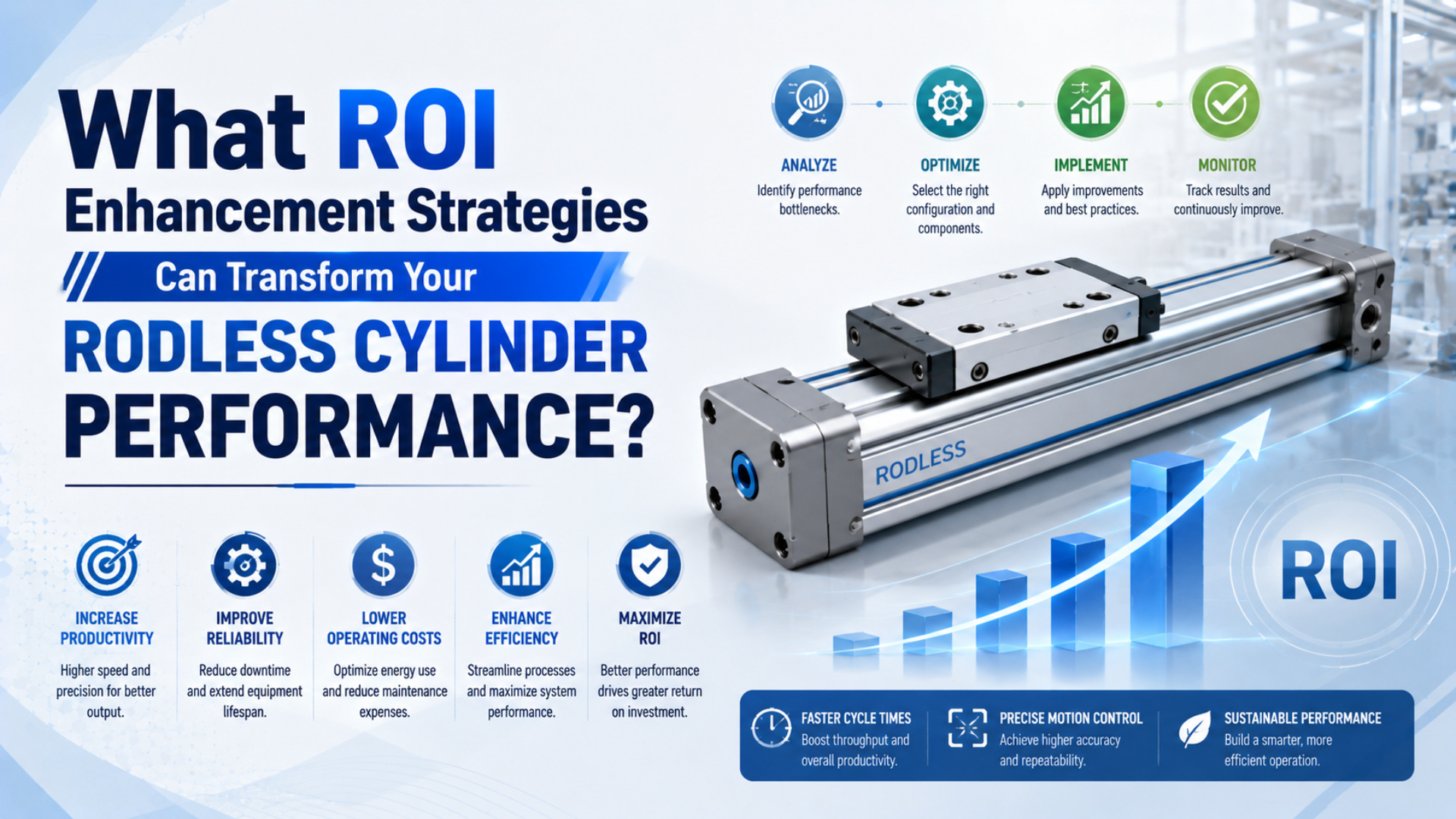
What ROI Enhancement Strategies Can Transform Your Rodless Cylinder Performance?Build a defensible rodless cylinder ROI case from measured air, downtime, maintenance and inventory costs, using 3 formulas and sensitivity checks today.Blog Tag
rodless cylinder articles
Review every Bepto Pneumatic article connected to rodless cylinder, grouped as one focused reading list for engineers, maintenance staff, and sourcing specialists.
Tagged Reading Path
All articles tagged rodless cylinder
Use this archive to scan related selection notes, RFQ checks, replacement guidance, and pneumatic component references.
Showing 75 articles
What ROI Enhancement Strategies Can Transform Your Rodless Cylinder Performance?Build a defensible rodless cylinder ROI case from measured air, downtime, maintenance and inventory costs, using 3 formulas and sensitivity checks today.
How Will Magnetic Levitation Transform Rodless Cylinder Technology by 2026?Separate 3 actuator technologies using 2026 data on magnetic coupling, 0.5 to 6 mm levitation, micron positioning, sealing, energy, and selection fit.
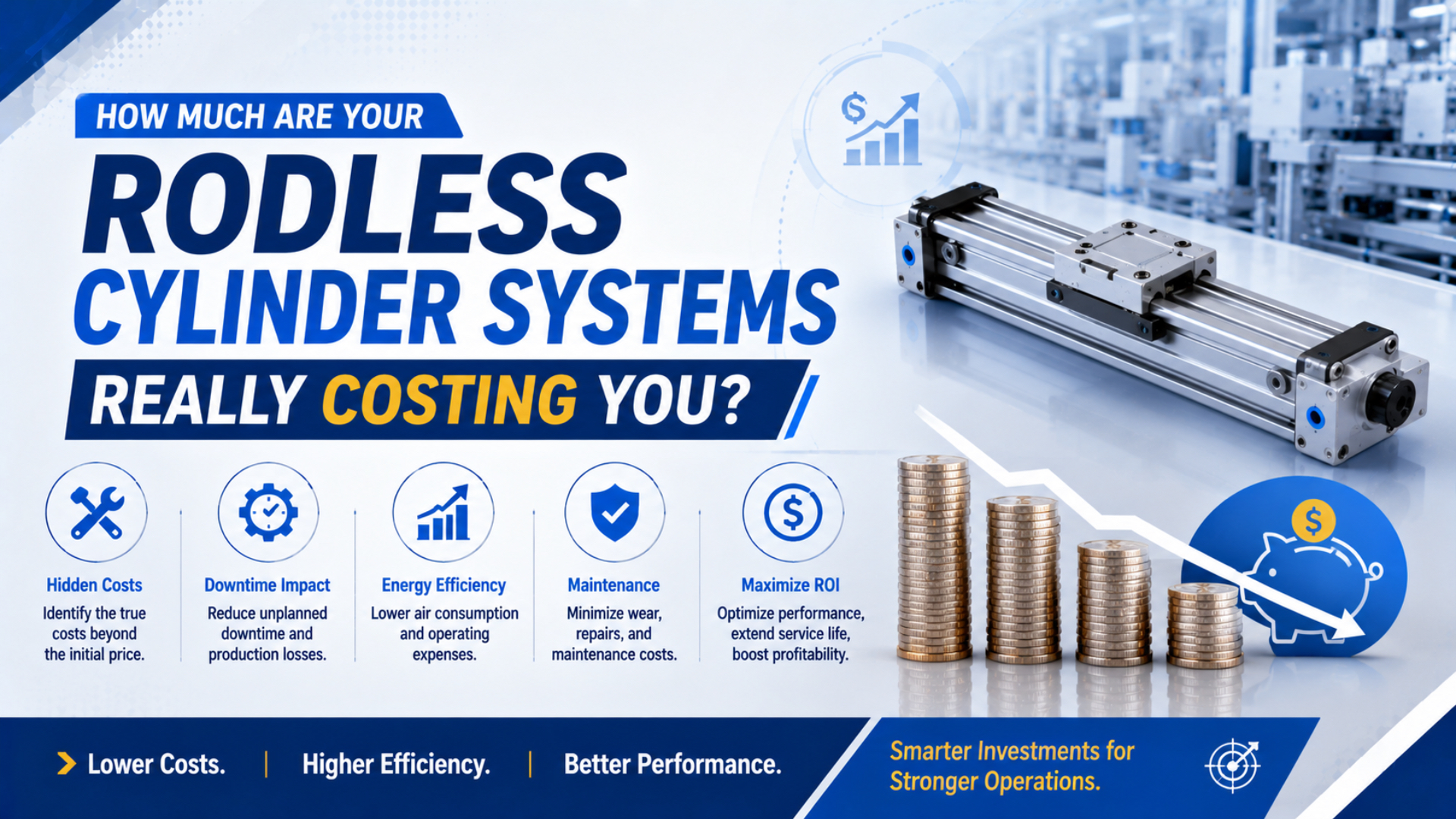
How Much Are Your Rodless Cylinder Systems Really Costing You?Build an auditable rodless cylinder TCO model with ISO 8778 air data, NIST present-value rules, SMC maintenance inputs, and DOE energy methods.
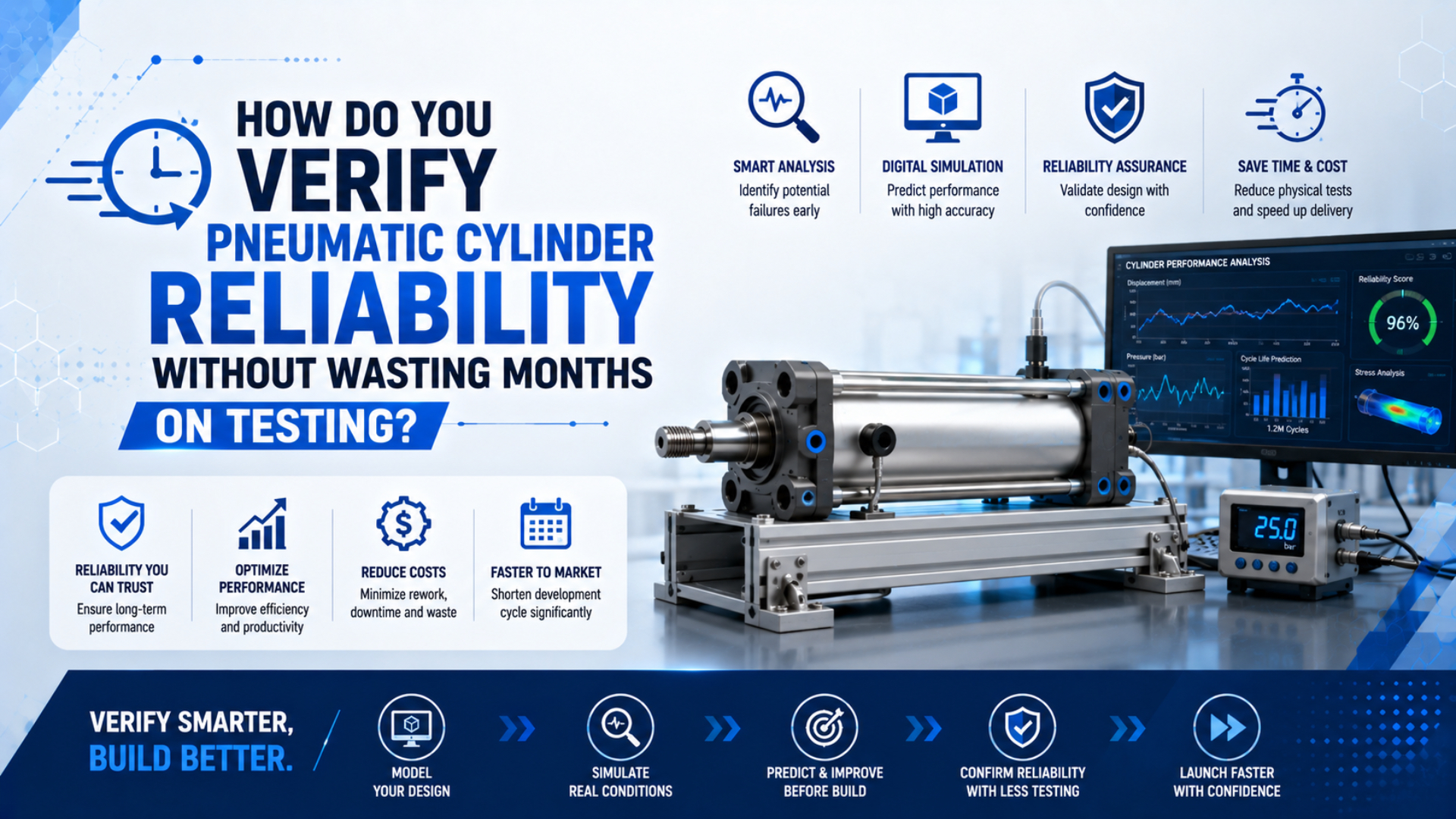
How Do You Verify Pneumatic Cylinder Reliability Without Wasting Months on Testing?Verify pneumatic cylinder reliability with ISO 19973 methods, a 22-run confidence example, failure-mode testing, valid acceleration models, and release gates.
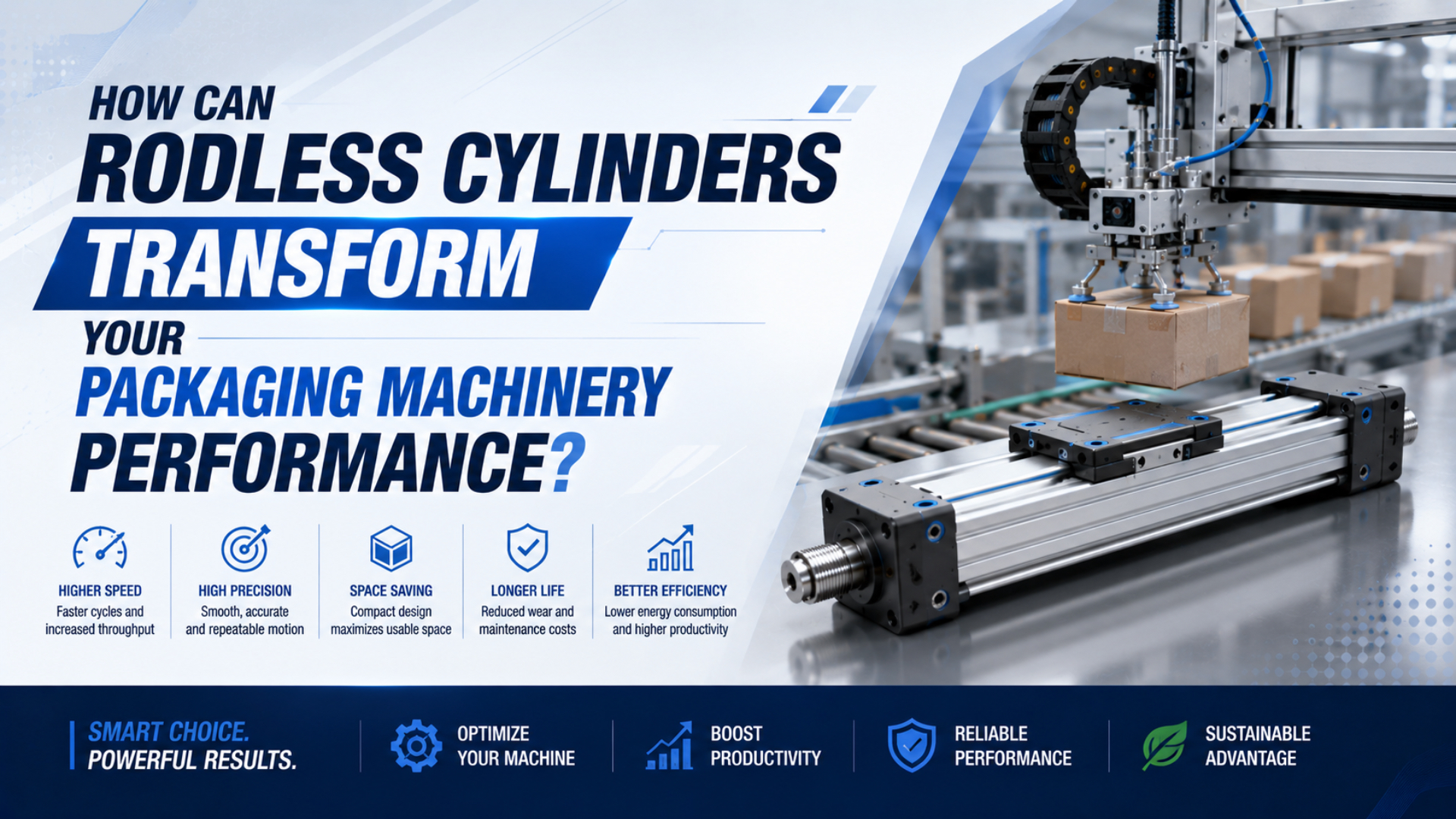
How Can Rodless Cylinders Transform Your Packaging Machinery Performance?Evaluate rodless cylinders for packaging machinery using Parker's 6000 mm stroke range, guide loads, cushioning, sensing, washdown, and retrofit checks.
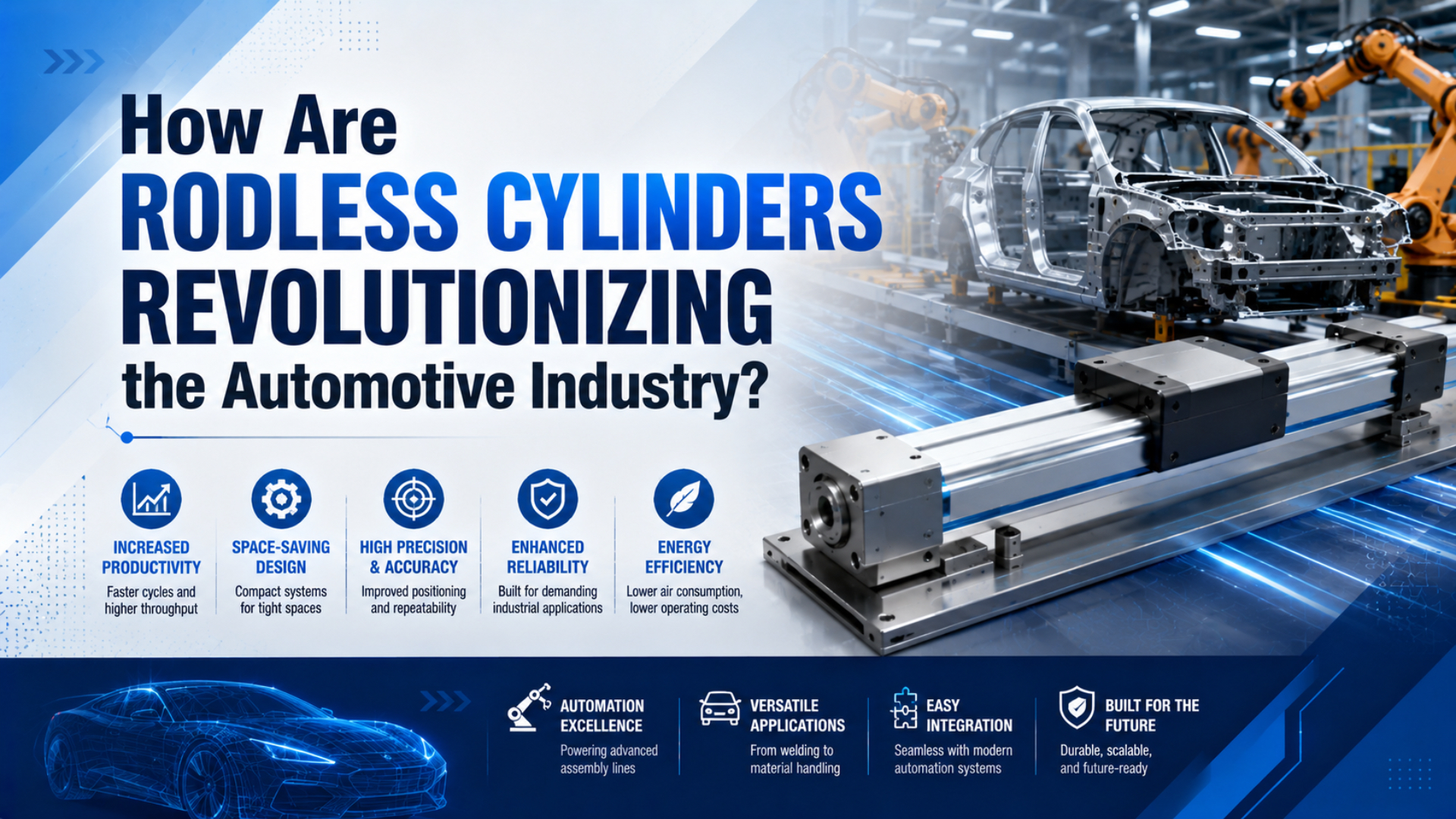
How Are Rodless Cylinders Revolutionizing the Automotive Industry?Evaluate automotive rodless cylinders using Parker's 6,000 mm stroke data, plus welding, clean-area, load-moment, stopping-energy, controls, and RFQ checks.
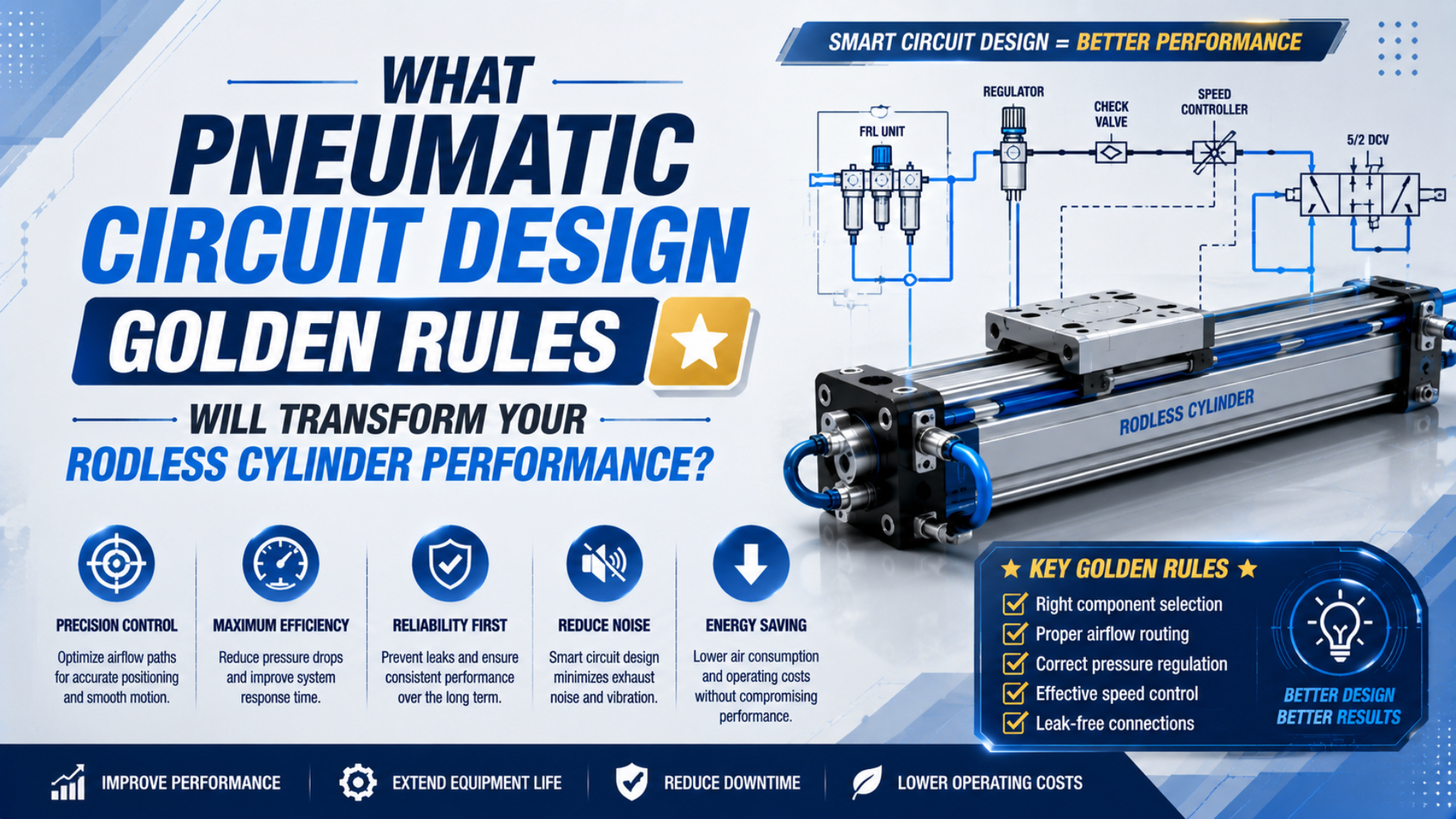
What Pneumatic Circuit Design Golden Rules Will Transform Your Rodless Cylinder Performance?Apply 7 rodless-cylinder circuit rules for safe states, peak flow, meter-out control, FRL sizing, exhaust, couplings, and measurable commissioning results.
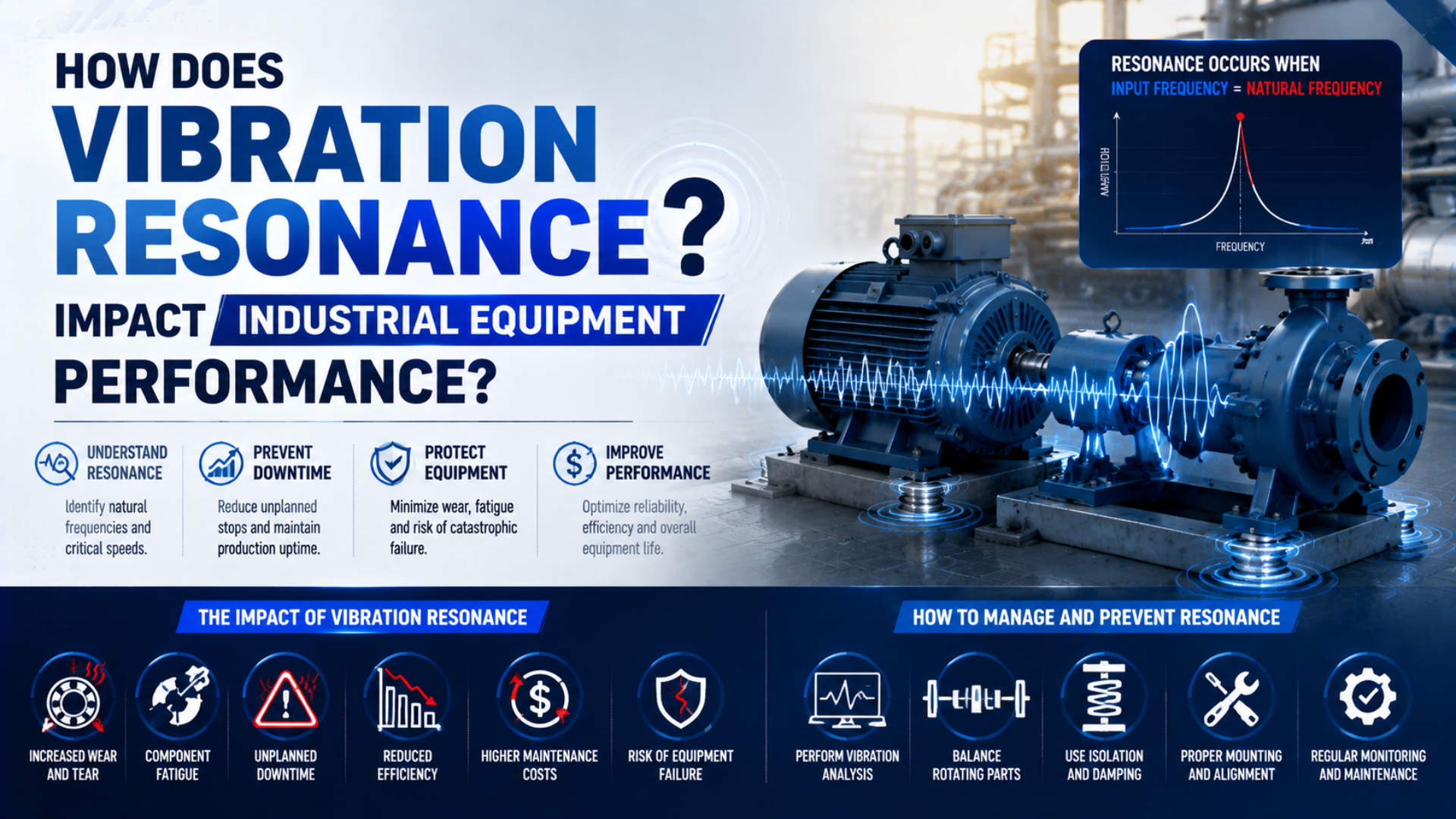
How Does Vibration Resonance Impact Industrial Equipment Performance?Diagnose vibration resonance using ISO 13373 measurement practice, a 600 RPM = 10 Hz order example, frequency-response evidence, and pneumatic actuator checks.
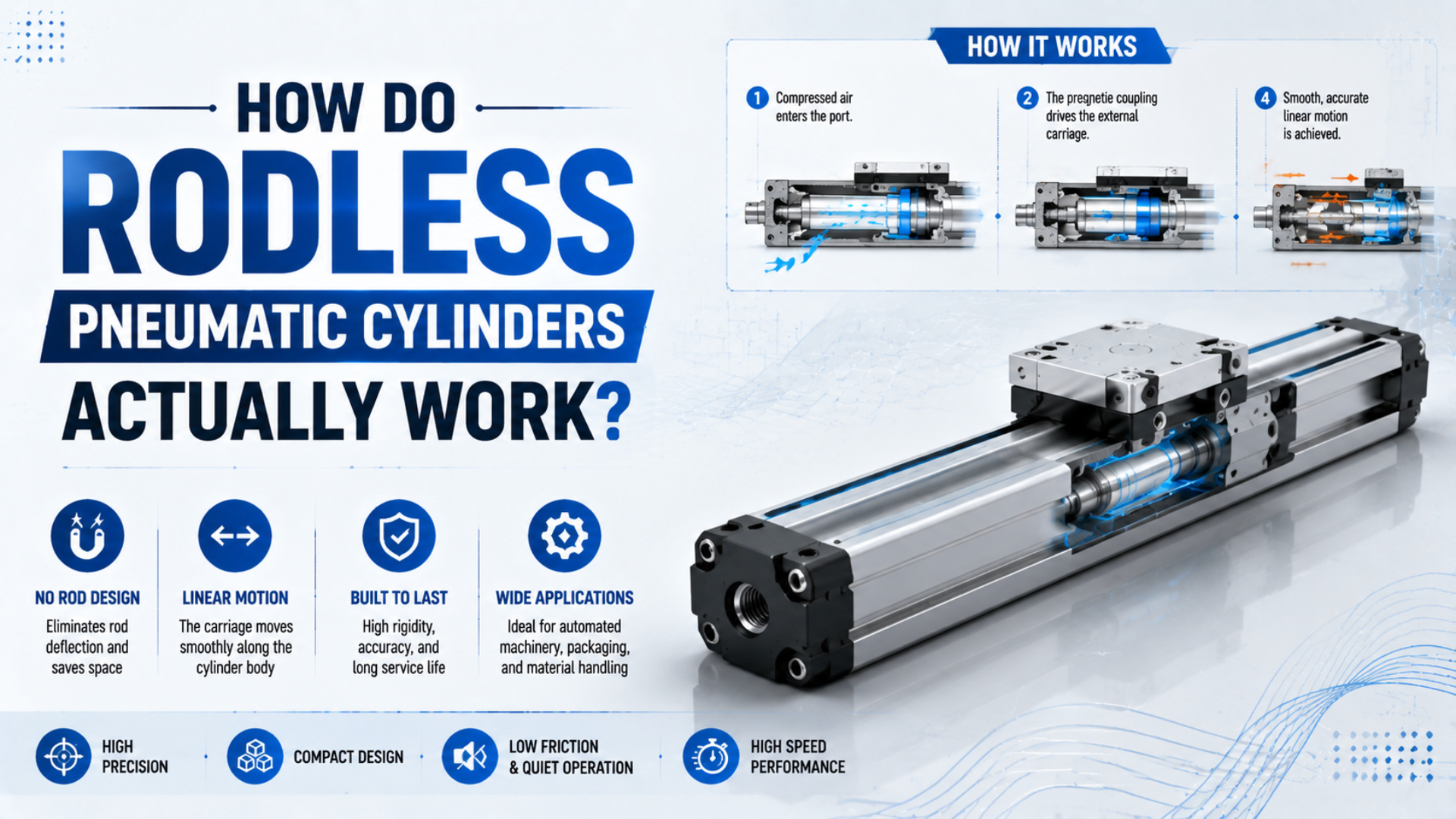
How Do Rodless Pneumatic Cylinders Actually Work?Trace 6 stages of a rodless pneumatic cylinder stroke, from valve switching and piston force to coupling, guidance, cushioning, and position sensing.
How Can You Navigate the SMC Rodless Cylinder Technical Whitepaper?Navigate SMC MY1B rodless-cylinder catalogs by model code, revision, CAD, dimensions, and limits. Current MY1B covers 25, 32, and 40 mm bores for selection.
How Can You Achieve Seamless Multi-brand Compatibility for Rodless Cylinder Systems?Check rodless cylinder replacements across 7 interfaces covering load moments, mounting, ports, cushioning, sensors, controls, and machine acceptance.
How Can Rodless Cylinders Revolutionize Industrial Automation Applications?Evaluate rodless cylinders across display, wafer, SMT, CNC, and cobot applications using Parker 6,000 mm stroke data and clear rejection checks for engineers.
Understanding Cylinder Naming Conventions: Decoding Part NumbersDecode pneumatic cylinder part numbers safely, then verify ISO 15552's 32-320 mm scope, ports, sensors, cushioning, drawings, and machine fit before ordering.
Shipping Heavy Hydraulic/Pneumatic Parts: Packaging and Logistics GuideProtect heavy hydraulic and pneumatic parts using ISTA 3B/3E test paths, ISPM 15 scope, cargo securing, safe handling, export documents, and cargo claims.
Standard vs. Custom: When is it Worth Investing in Bespoke Cylinders?Choose standard, configured, or custom pneumatic cylinders with a 6-gate review covering interfaces, duty, validation, committed cost, MOQ, and change risk.
Managing Obsolescence: Sourcing Parts for Discontinued Cylinder ModelsManage discontinued pneumatic cylinders with IEC 62402, ISO 15552's 32-320 mm scope, verified cross-references, spare planning, and first-article tests.
Packaging Industry Standards: High-Speed Sorting with Rodless CylindersApply packaging safety standards to rodless-cylinder sorting, including Parker's 50% cushion-entry speed allowance, guide loads, and FAT/SAT tests.
Textile Machinery Upgrades: Lint-Resistant Pneumatic SolutionsUse OSHA’s 0.2-0.75 mg/m³ cotton-dust limits correctly while selecting scrapers, rodless cylinders, air quality, and validation tests for textile machines.
Expanding Your Catalog: Why Add Rodless Cylinders to Your Product Line?Use six evidence gates to decide whether rodless cylinders belong in your catalog, then qualify product families, suppliers, inventory, and pilot results.
Market Trends: High-Demand Pneumatic Products for Resellers in 2026Use 542,000 robot installations and 71 million IO-Link nodes to plan a 2026 pneumatic reseller portfolio around motion, connectivity, air quality, and support.
SMC Rodless Cylinder Alternatives: Maintaining Quality While Cutting CostsCompare SMC rodless cylinder alternatives using model codes, drawings, load and moment checks, machine trials, and SMC’s documented 30% MY1B rating change.
Top 5 Alternatives to Parker Origa Rodless Cylinders for Budget-Conscious BuyersCompare five Parker Origa alternatives using official bore, stroke, guide, and 8 bar data, then verify retrofit compatibility before requesting quotes.
Compatibility Check: Mixing Pneumatic Valves and Cylinders from Different BrandsVerify mixed-brand pneumatic valves and cylinders with eight checks covering function, pressure, flow, ports, tubing, controls, safety, and machine trials.
Evaluating Factory Capabilities: What to Look for in a Cylinder ManufacturerEvaluate a cylinder manufacturer with a 7-step audit covering machining evidence, QMS scope, test records, traceability, capacity, samples, and delivery.
Understanding Minimum Order Quantities (MOQ) in Custom Cylinder ManufacturingCompare custom-cylinder MOQ quotes across 5 cost groups—unit price, NRE, tooling, validation and inventory—then control delivery and design-change risk.
Inner Band Fatigue: Analysis of Steel Strip Failure in Rodless CylindersDiagnose rodless cylinder inner band fatigue using Parker's 5-size RC inspection criteria, bending-strain screening, damage morphology, and repair decisions.
Magnetic De-coupling Forces: The Physics of “Breaking” the ConnectionDiagnose magnetic de-coupling in rodless cylinders using 19.6-2,256 N holding-force data, transient force reconstruction, and safe recoupling checks.
Slit-Type Cylinder Sealing: The Mechanics of Opening and Closing BandsLearn how slit-type cylinder bands open and reseat using Parker parts 11 and 17, Festo band-reverser guidance, and SMC MY1 service and inspection rules.
Guide Rail Parallelism: Tolerance Stack-Up in Rodless Cylinder MountingBuild a datum-based rodless cylinder alignment budget using model limits, worst-case and RSS methods, angular error, torque checks, and 3-position verification.
Re-greasing Intervals: Calculating Lubricant Film Breakdown in Rodless SlidesCalculate rodless-slide exposure from cycles and travel, then validate it: Festo DGC-8 specifies 3,000 km or 3 years, not one universal interval for service.
Eccentric Load Handling: Moment of Inertia Calculations for Side-Mounted MassesCalculate eccentric loads with signed force moments, linear inertia, and true rotational inertia, then verify Mx, My, and Mz limits for rodless cylinders.
Torsional Stress in Rodless Cylinders: Determining Maximum Roll MomentsParker rates OSP-P25 roll moment from 1.5 N·m standard to 260 N·m with HD guidance. Calculate Mx, dynamic loads, and combined utilization before selection.
Deflection Calculations for Piston Rods in Horizontal ExtensionCalculate horizontal piston-rod deflection by separating tip load and rod self-weight, with a corrected 25 mm rod example, bending stress, and guide checks.
The Mechanics of Magnetic Coupling Break-Away Force in Rodless CylindersCalculate magnetic rodless cylinder break-away force with SMC 19.6-2,256 N data, axial-load equations, dynamic checks, and recovery steps.
Vibration Damping: The Structural Advantages of Polymer vs. Metal End CapsCompare polymer and metal cylinder end caps through damping, stiffness, creep, temperature, noise testing, and a published 10 bar polymer-cover example.
Low-Temperature Brittleness: Impact Charpy Testing for Polar-Grade CylindersLearn what Charpy impact testing proves, why aluminum lacks a sharp DBTT, and how to qualify a complete pneumatic cylinder for documented -40°C service.
Die-Cast vs. Extruded Aluminum: Metallurgical Differences in Cylinder BarrelsCompare die-cast and extruded aluminum cylinder barrels by alloy, temper, defects, bore finish, inspection, and verified pneumatic pressure ratings in service.
Lip Profile Optimization: Balancing Sealing Force and FrictionUse a 2019 pneumatic-seal study and matched friction, leakage, wear, surface, and duty tests to validate lip profiles without universal geometry rules.
The Physics of Extrusion Gaps: Preventing Seal Failure at High PressuresCalculate radial extrusion gap, use 2 backup rings for reversing-pressure O-rings, account for heat and wear, and diagnose pneumatic seal nibbling correctly.
Repeatability vs. Accuracy: Defining Pneumatic Cylinder Positioning CapabilitiesLearn how to separate repeatability, position error, resolution, linearity, and running accuracy, then build a defensible pneumatic cylinder acceptance test.
Analyzing Overshoot and Settling Time in High-Speed Pneumatic SlidesAnalyze pneumatic slide overshoot and settling time using Parker's 50% cushion-entry warning, synchronized traces, energy checks, and acceptance tests.
Tribological Comparison: PTFE vs. Polyurethane Seals in Dry Air ApplicationsCompare PTFE-based and polyurethane pneumatic seals in dry air using 6 operating variables, model-specific limits, and a practical validation plan for buyers.
Solid Lubricants: MoS2 Coatings for Oil-Free Cylinder OperationNASA tests of 6 MoS2 coatings show why humidity, binder, film thickness, seals, and acceptance testing define oil-free pneumatic cylinder performance.
Assisting Loads vs. Opposing Loads in Pneumatics: Which Configuration Maximizes Your System Efficiency?Compare assisting and opposing pneumatic loads using two-chamber force balance, vertical-axis examples, pressure checks, and safe motion-control rules.
What Are Long-Stroke Pneumatic Cylinders and Why Do They Matter for Your Application?Learn when pneumatic stroke becomes a system-level design issue, compare rodded and rodless layouts, and apply Parker's 6000 mm example safely in real machines.
The Engineering Principles of Rodless Cylinder Dust BandsLearn how rodless cylinder dust bands protect the slot, differ from inner sealing bands, reseat around the carriage, and signal inspection or replacement needs.
A Technical Breakdown of Non-Contact, Air Bearing Rodless CylindersUnderstand an air-bearing rodless axis through a 4-layer architecture covering drive, guide, encoder, safety, load, stiffness, air quality, and selection.
Which Rodless Cylinder Coupling Technology Delivers Better Performance for Your Application?Compare magnetic and mechanical rodless cylinder coupling using SMC 2,256 N holding-force data, Parker load limits, failure modes, and RFQ checks.
How Can You Prevent Piston Rod Buckling in Long-Stroke Cylinder Applications?Prevent piston rod buckling with Euler checks, 4 mounting cases, a 25 mm rod example, manufacturer charts, side-load controls, and redesign options in plants.
How Do Advanced Load-Carrying Mechanisms Maximize Rodless Cylinder Performance?Learn how guide types, moment loads, combined-load ratios, magnetic coupling limits, and cushioning determine safe rodless cylinder performance.
How Can You Prevent Costly Water Damage in Your Pneumatic Air Cylinders?Prevent pneumatic cylinder water damage by tracing internal and external ingress, specifying pressure dew point, checking drains, and inspecting failures.
How to Calculate Natural Frequency to Prevent Costly Resonance Failures in Your Pneumatic System?Calculate pneumatic natural frequency with a 2-chamber stiffness model, absolute pressure, dead volume, effective mass, damping, and stroke checks.
What Materials and Functions Make Piston Wear Rings Critical for Rodless Cylinder Performance?Learn how piston wear rings carry side load, protect seals and bores, compare 4 material families, and define 8 replacement checks for rodless cylinders.
How Does Internal Magnet Design Affect Position Sensor Accuracy in Modern Pneumatic Cylinders?Learn how piston magnet geometry, field margin, cylinder walls, temperature, and sensor choice affect pneumatic cylinder switch points and position signals.
What’s the Duty Cycle of Linear Actuators?Calculate linear actuator duty cycle using motor on-time, then check pneumatic frequency, speed, load, cushioning, travel, and verified 15 Hz product limits.
The Benefits of Aluminum Alloy Cylinders in Modern AutomationAluminum can weigh up to 65% less than steel, but cylinder speed and air use still depend on moving mass, bore, pressure, seals, and duty cycle in automation.
Rodless Cylinder Solutions for Long-Stroke Conveyor SystemsSize rodless cylinders for long-stroke conveyors using Parker 6000 mm stroke data, guide moments, cycle flow, cushion energy, mounting, and RFQ checks.
How to Mitigate Side Load Issues in Linear Cylinder ApplicationsLearn how to mitigate pneumatic cylinder side loads with Festo's 9.5 N example, guide-moment checks, alignment tests, mounting choices, and retrofit steps.
Evaluating OEM vs. Aftermarket Rodless Cylinders: A Total Cost of Ownership ViewCompare OEM vs aftermarket rodless cylinders using NIST TCO categories, Parker’s 8 bar OSP-P limit, qualification gates, warranty checks, and site costs.
Rodless Cylinder Mounting Guide: Avoiding Common Installation ErrorsPrevent rodless cylinder mounting errors with SMC's 5 mm MY1B end-support contact, model-specific torque, support charts, alignment checks, and trial runs.
A Guide to Pneumatic Cylinder Position Sensing TechnologiesSelect pneumatic cylinder position sensing by end checks, zones, analog feedback, PLC inputs, and LVDT ranges up to 30 in before commissioning.
How Do Servo Control Pneumatic Systems Achieve Superior Positioning Accuracy in Industrial Applications?Learn how servo control pneumatic systems use proportional valves, feedback sensors, and 0-10 V signals to improve position control without overclaiming precision.
How Do Pneumatic Actuators Revolutionize Materials Testing Equipment Performance and Reliability?Use pneumatic actuators in materials testing fixtures with ASTM E4-24 force verification, ISO/IEC 17025 lab rules, CAGI 10% pressure-drop checks.
What Are the Different Types of Linear Actuators and How Do They Transform Industrial Automation?Compare 6 linear actuator types with ISO 15552 10 bar cylinder data, Parker 6000 mm rodless strokes, electric screw/belt axes, and RFQ checks for sizing.
What is Pascal’s Law and How Does It Power Modern Pneumatic Systems?Explain Pascal's Law for pneumatic systems with F=P x A, SMC 0.1-0.8 MPa rodless data, Parker 3010 N force, CAGI 10% pressure-drop checks, and sizing mistakes.
How to Find the Height of a Cylinder for Rodless Pneumatic Applications?Measure rodless cylinder height correctly with ISO 13385 caliper checks, Parker 6000 mm stroke data, body length rules, and replacement RFQ dimensions.
How to Calculate Circumference for Rodless Cylinder Applications?Calculate rodless cylinder circumference with C=pi d, Parker 10-80 mm bores, Pi Tape measurement checks, seal-band RFQ tips, and sizing tables for quotes.
What is the Volume of a Flat Sphere in Pneumatic Cylinder Applications?Calculate flat sphere volume with V=(4/3)pi*a^2*b, OSHA's 15 psig vessel threshold, CAGI's 10% pressure-drop limit, and pneumatic cushion sizing checks.
What is a Rodless Cylinder and How Does It Transform Industrial Automation?Learn what a rodless cylinder is with SMC carriage data, Parker 8 bar specs, NASA force math, failure checks, video, FAQ schema, and RFQ tips for engineers.
How Do Rodless Actuators Work and Why Are They Revolutionizing Industrial Automation?Learn how rodless actuators work with Parker 6000 mm stroke data, SMC 0.1-0.8 MPa specs, DOE 10% air-efficiency context, selection matrix, and RFQ tips.
How Do Proportional Flow Control Valves Work in Rodless Cylinder Systems?Learn how proportional flow control valves tune rodless cylinder speed with 0-10 V or 4-20 mA signals, meter-out control, PLC checks, tuning, and RFQ data.
How Does a Magnetic Rodless Cylinder Work? Complete Technical GuideMagnetic rodless cylinder guide with SMC 6-63 mm bore data, NdFeB -0.12%/deg C temperature loss, coupling limits, sealing, sizing, maintenance, and RFQ tips.
What Is the Hidden Function of Air Slides That Could Revolutionize Your Production Line?Air slide functions explained with DOE 10% compressed-air energy data, ISO cleanroom context, rodless cylinder guides, load checks, safety, and RFQ tips.
How Does a Rodless Air Slide Work?Learn how a rodless air slide works with Parker 6000 mm stroke data, SMC 0.1-0.8 MPa specs, force transfer choices, guide-load checks, video, and sizing tips.
What is the Theory of Pneumatic Cylinder and How Does It Power Modern Automation?Learn pneumatic cylinder theory with 100 psi force math, rod-side area loss, CAGI 10% pressure-drop guidance, ISO 8573 air quality, and RFQ checks.