
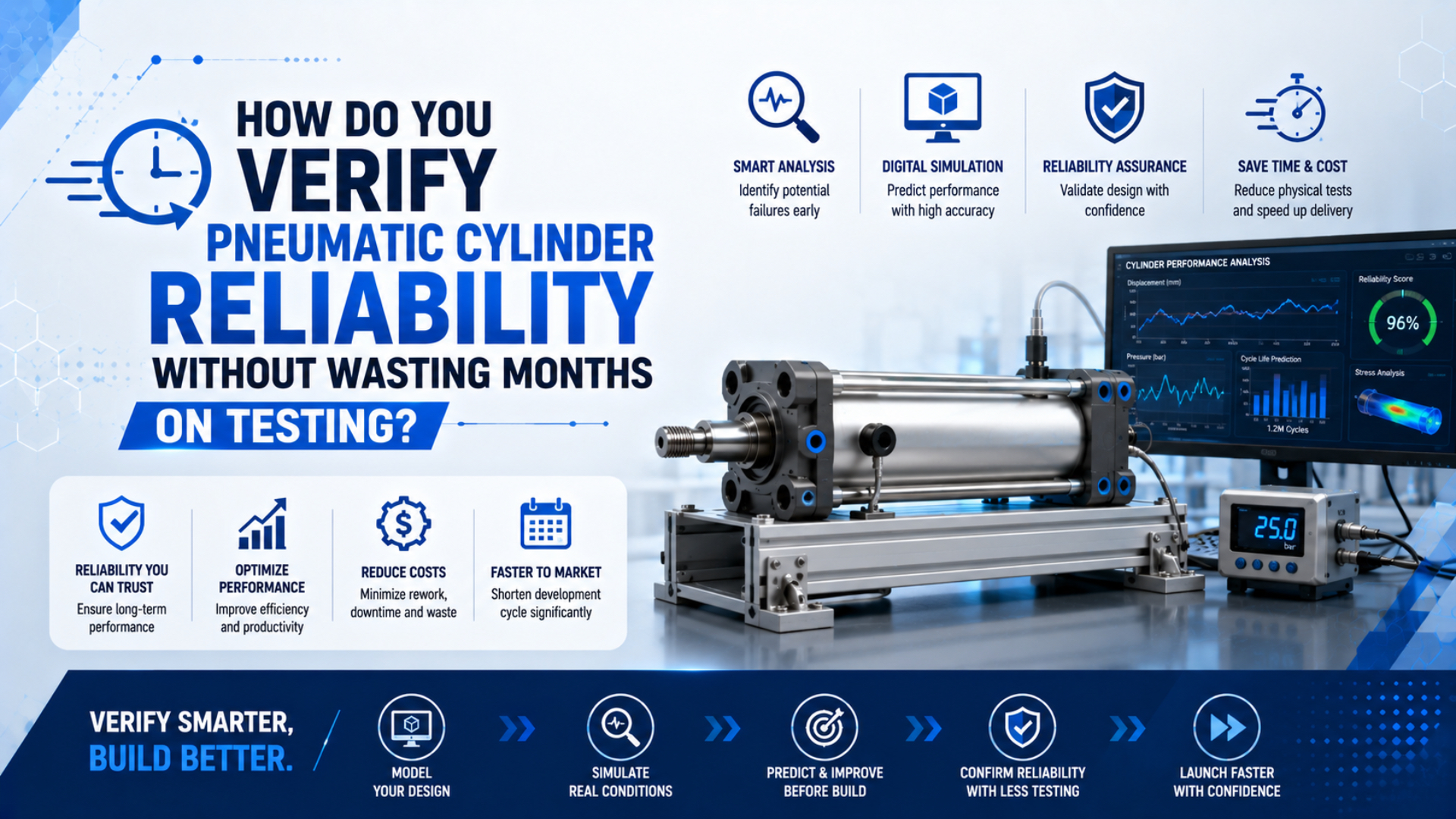
 How Do You Verify Pneumatic Cylinder Reliability Without Wasting Months on Testing?Verify pneumatic cylinder reliability with ISO 19973 methods, a 22-run confidence example, failure-mode testing, valid acceleration models, and release gates.→
Blog Author
David Li
Hello, I'm David, a Bepto Pneumatic chief technical advisor. I help teams review compressed-air safety, system reliability, and practical product decisions before quotation.
Author Reading Path
Articles by David Li
112 articles sorted newest first for readers who want one author's pneumatic selection notes in one place.
 How Can You Optimize Your Pipeline System for Maximum Efficiency?Optimize compressed-air pipelines using CAGI's 10% pressure-drop limit, synchronized measurements, branch analysis, storage checks, and field A/B tests.→
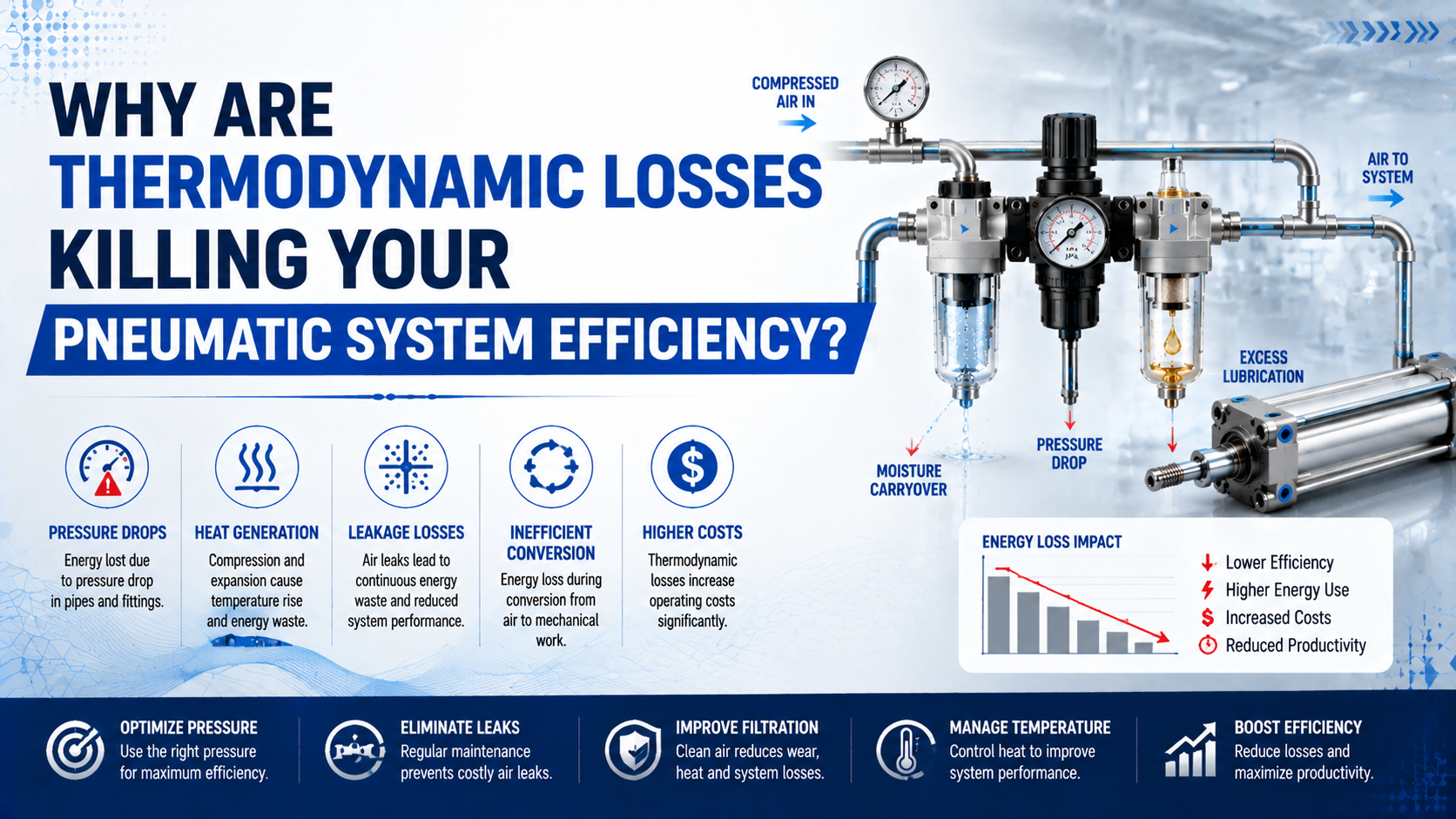 Why Are Thermodynamic Losses Killing Your Pneumatic System Efficiency?Trace pneumatic thermodynamic losses from compressor heat to exhaust using DOE's 80-93% figure, synchronized flow, pressure, work, and dew-point data.→
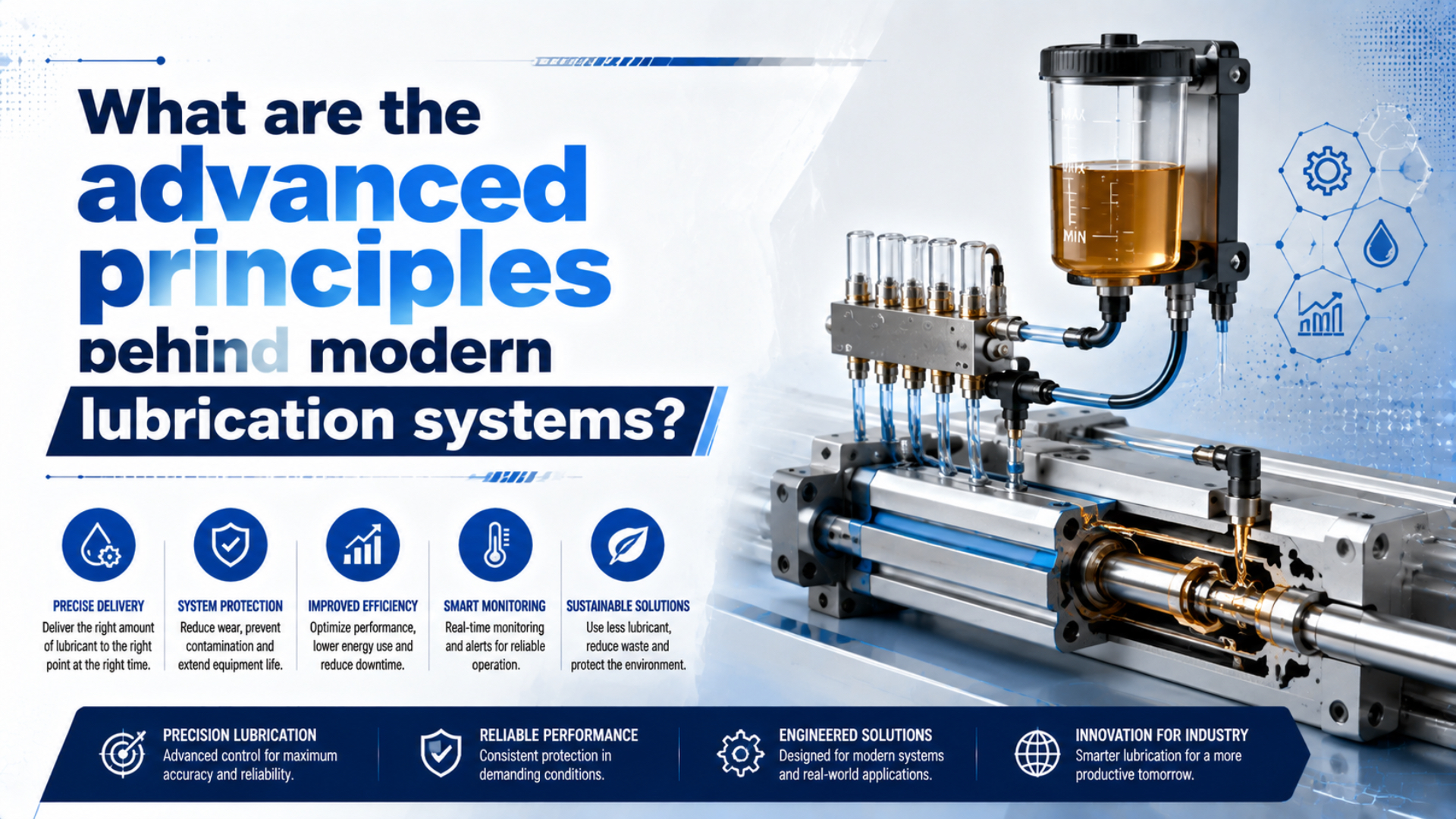 What are the advanced principles behind modern lubrication systems?ISO 8573-1 separates 3 compressed-air contaminant groups. Learn how friction regimes, viscosity, additives, delivery, and validation protect pneumatics.→
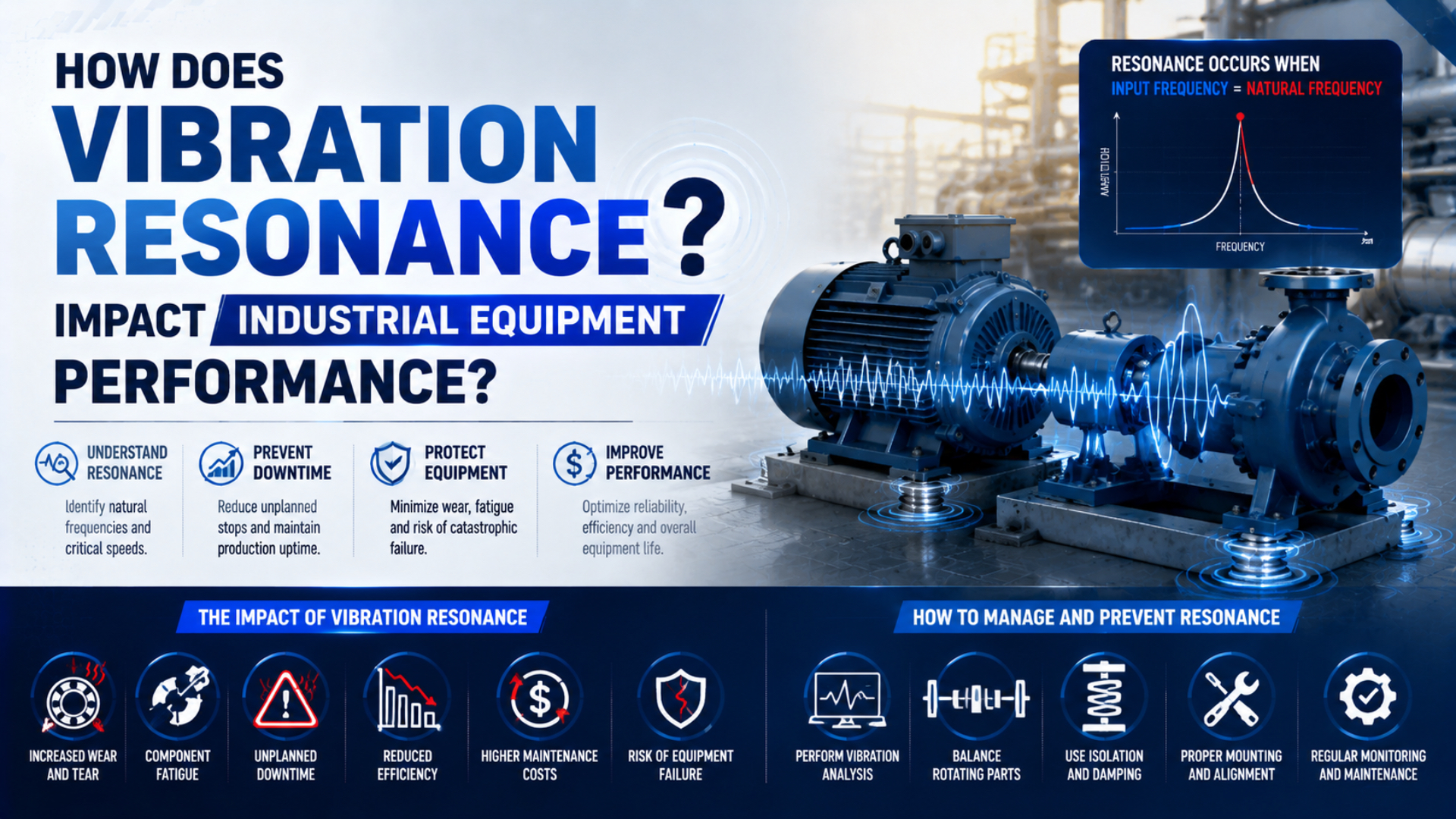 How Does Vibration Resonance Impact Industrial Equipment Performance?Diagnose vibration resonance using ISO 13373 measurement practice, a 600 RPM = 10 Hz order example, frequency-response evidence, and pneumatic actuator checks.→
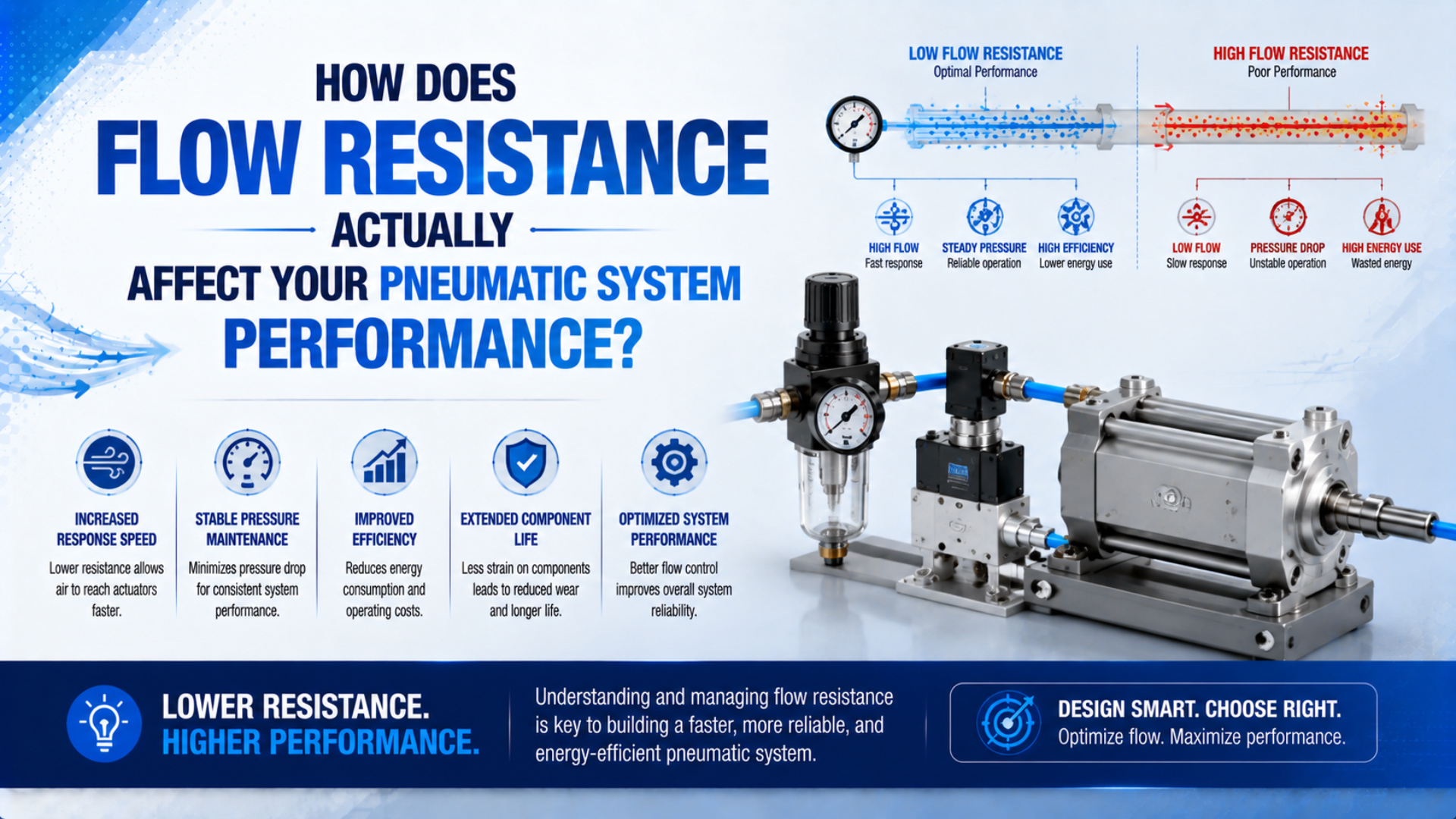 How Does Flow Resistance Actually Affect Your Pneumatic System Performance?Learn how pneumatic flow resistance reduces force, speed, and repeatability, then diagnose the real bottleneck with synchronized pressure measurements.→
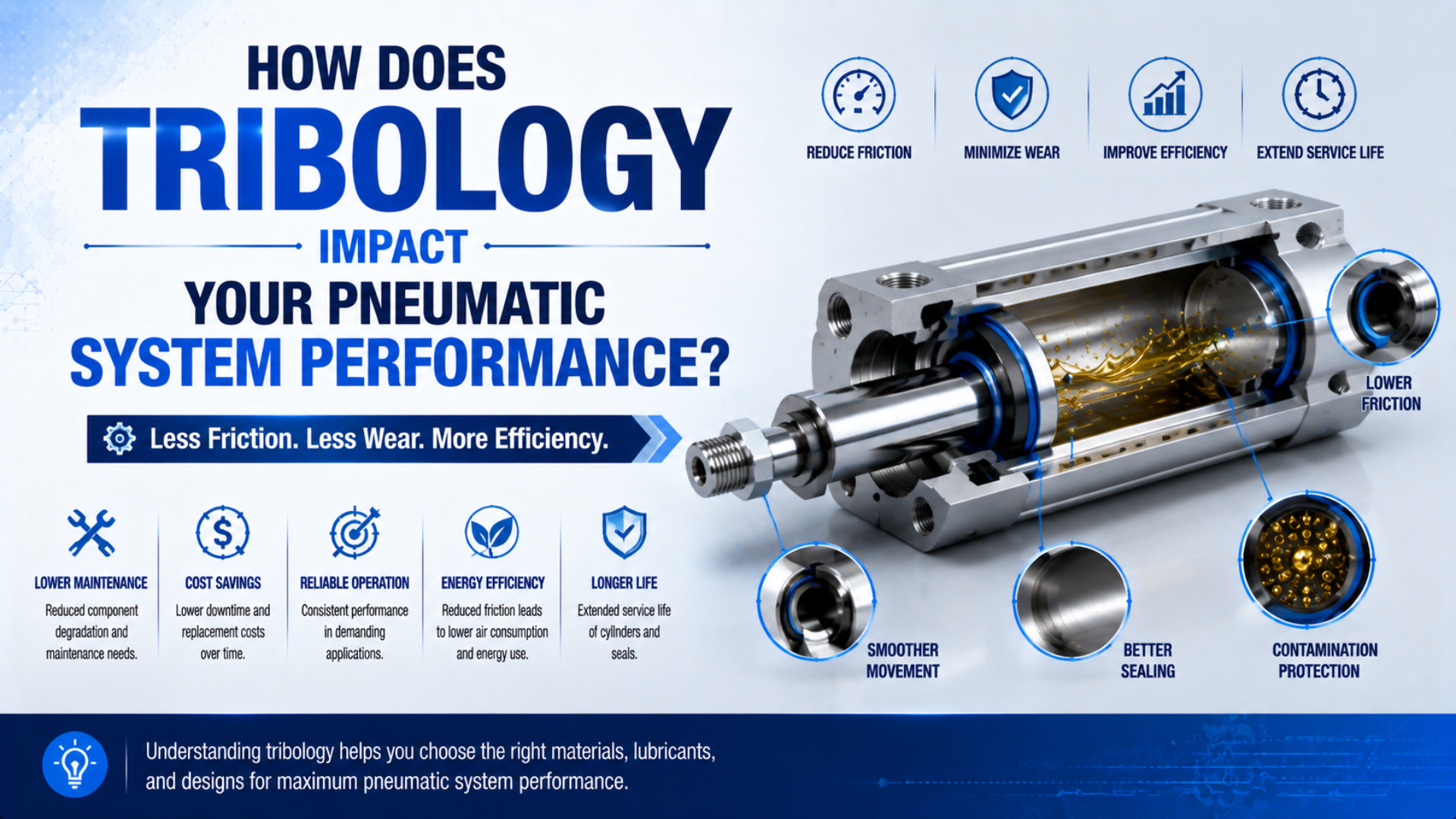 How Does Acoustic Noise Impact Your Pneumatic System Performance?Learn how pneumatic noise affects worker exposure and machine performance using NIOSH's 85 dBA limit, synchronized pressure tests, and safe exhaust fixes.→
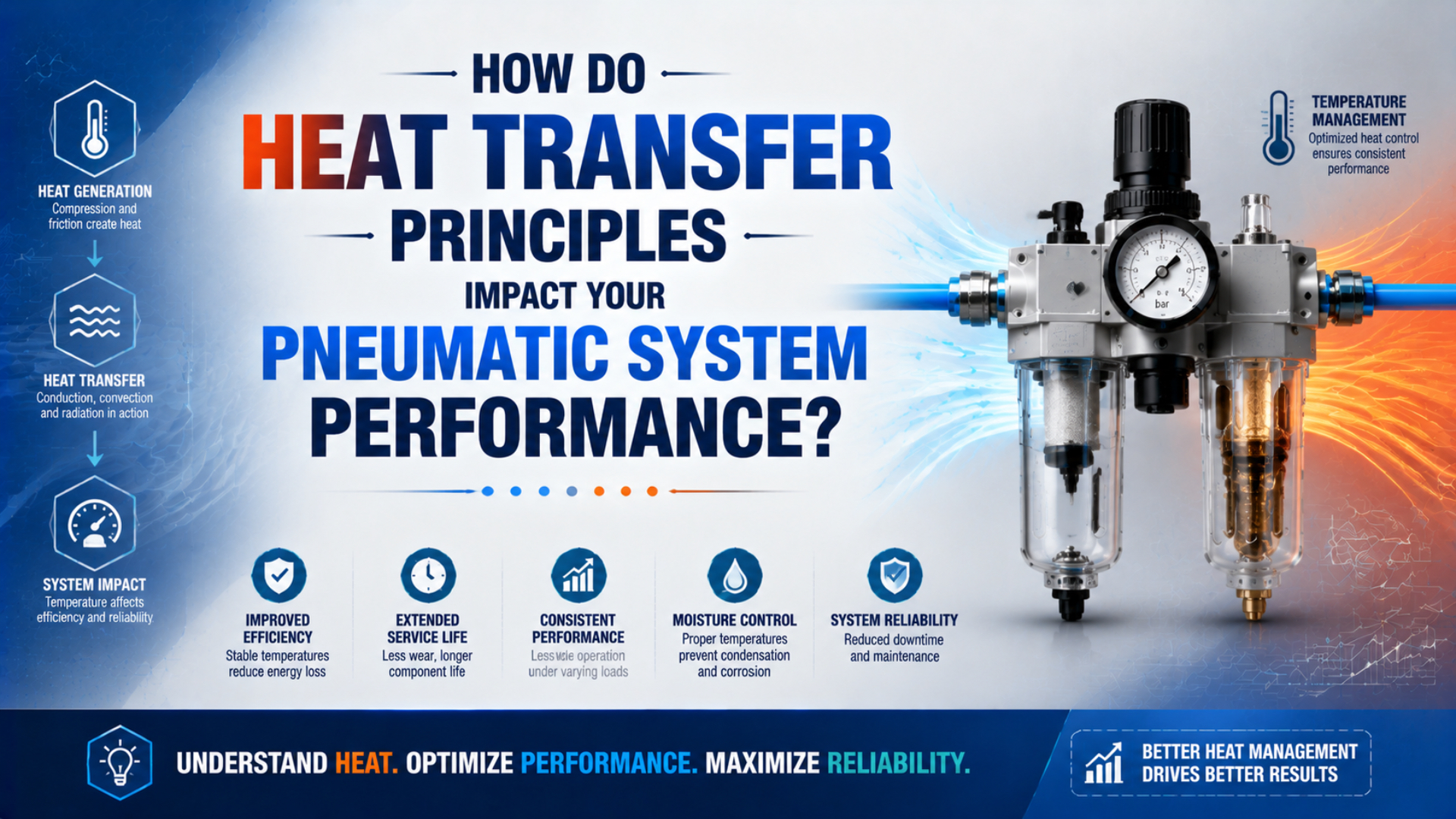 How Do Heat Transfer Principles Impact Your Pneumatic System Performance?Learn how conduction, convection, radiation, and gas transients affect pneumatic performance, using a 5-60°C rating example and a practical heat-balance method.→
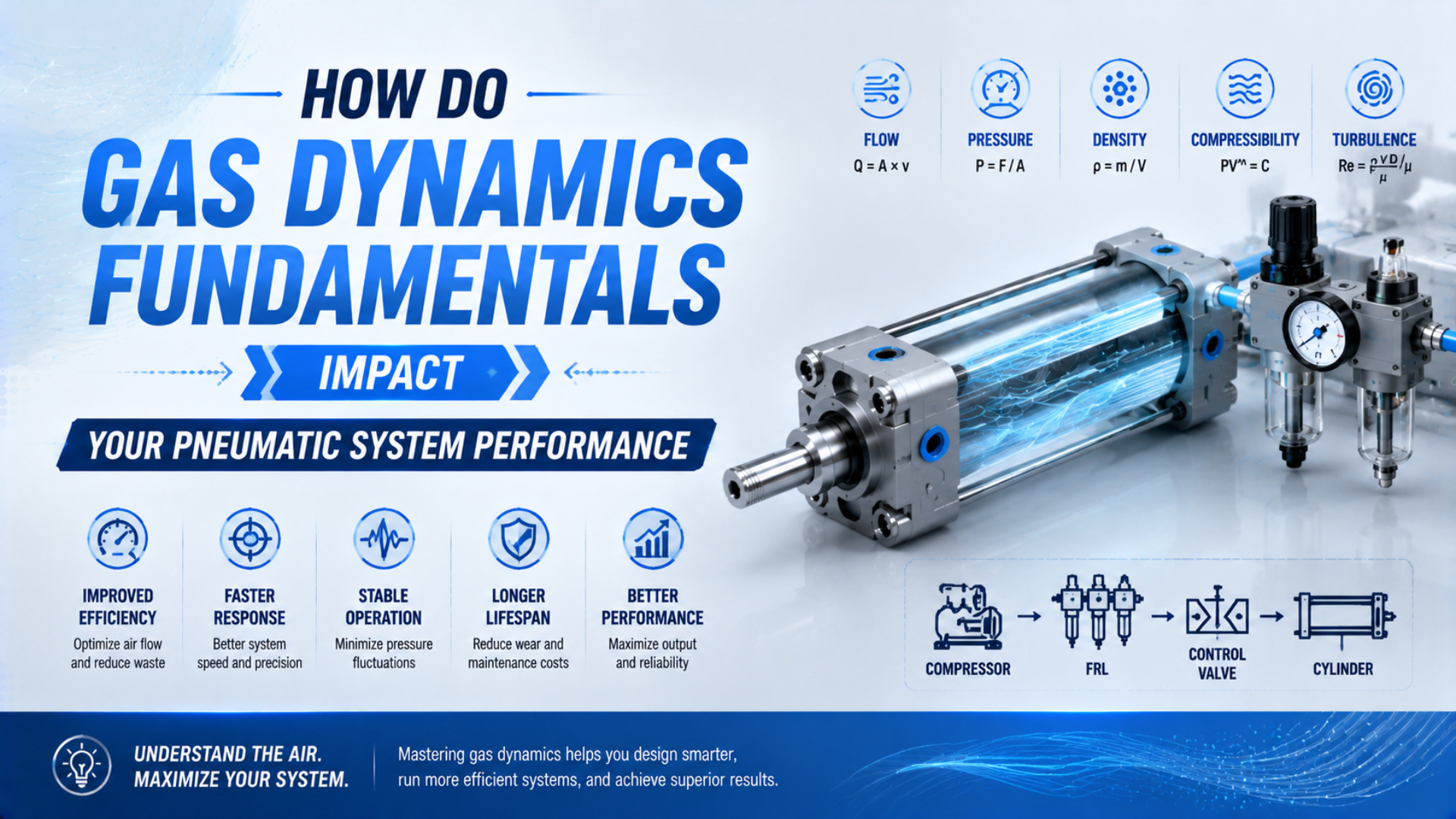 How Do Gas Dynamics Fundamentals Impact Your Pneumatic System Performance?Learn how pressure, temperature, mass flow, line volume, and the 0.528 critical pressure ratio govern pneumatic speed, force, response, and stability.→