
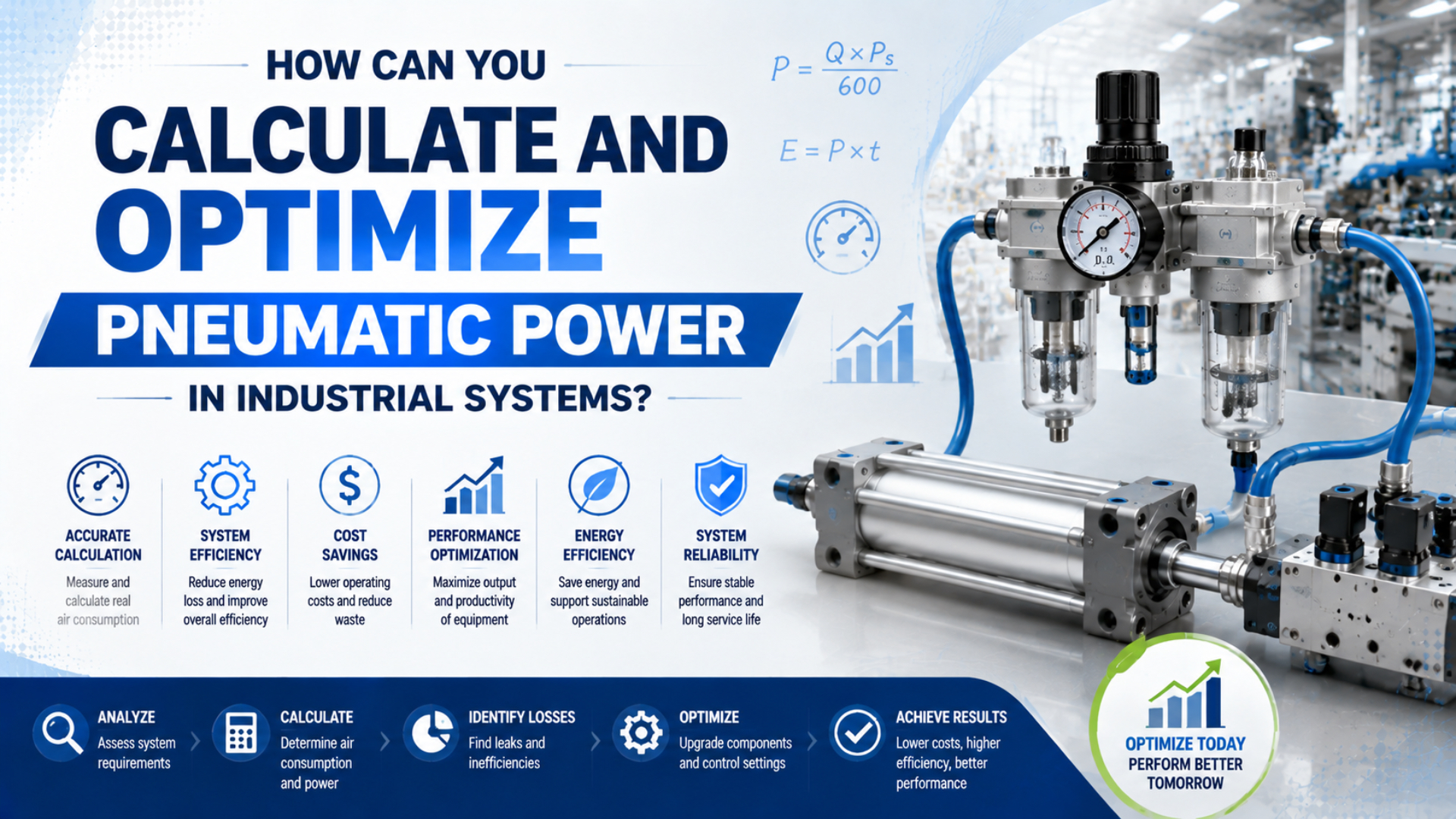
 How Can You Calculate and Optimize Pneumatic Power in Industrial Systems?Calculate pneumatic power across 3 boundaries using cylinder force, cycle work, measured flow, and ISO 1217 specific power, then verify real savings in use.→
Blog Author
David Li
Hello, I'm David, a Bepto Pneumatic chief technical advisor. I help teams review compressed-air safety, system reliability, and practical product decisions before quotation.
Author Reading Path
Articles by David Li
112 articles sorted newest first for readers who want one author's pneumatic selection notes in one place.
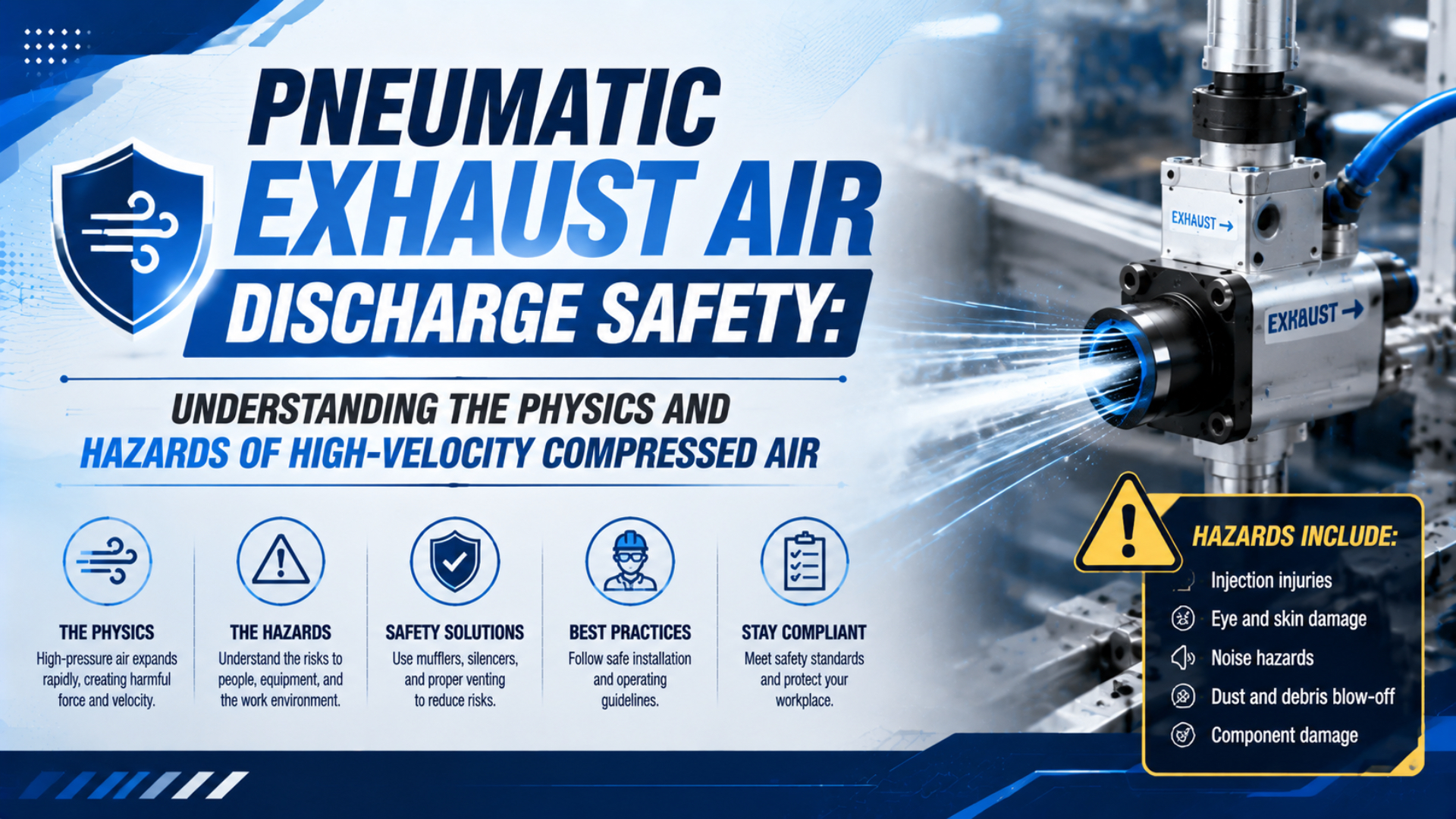 Pneumatic Exhaust Air Discharge Safety: Understanding the Physics and Hazards of High-Velocity Compressed AirSeparate fixed exhaust, blow-off cleaning, quick exhaust, and safety dump circuits using ISO 4414, OSHA's 30 psi rule, and verified pressure-decay testing.→
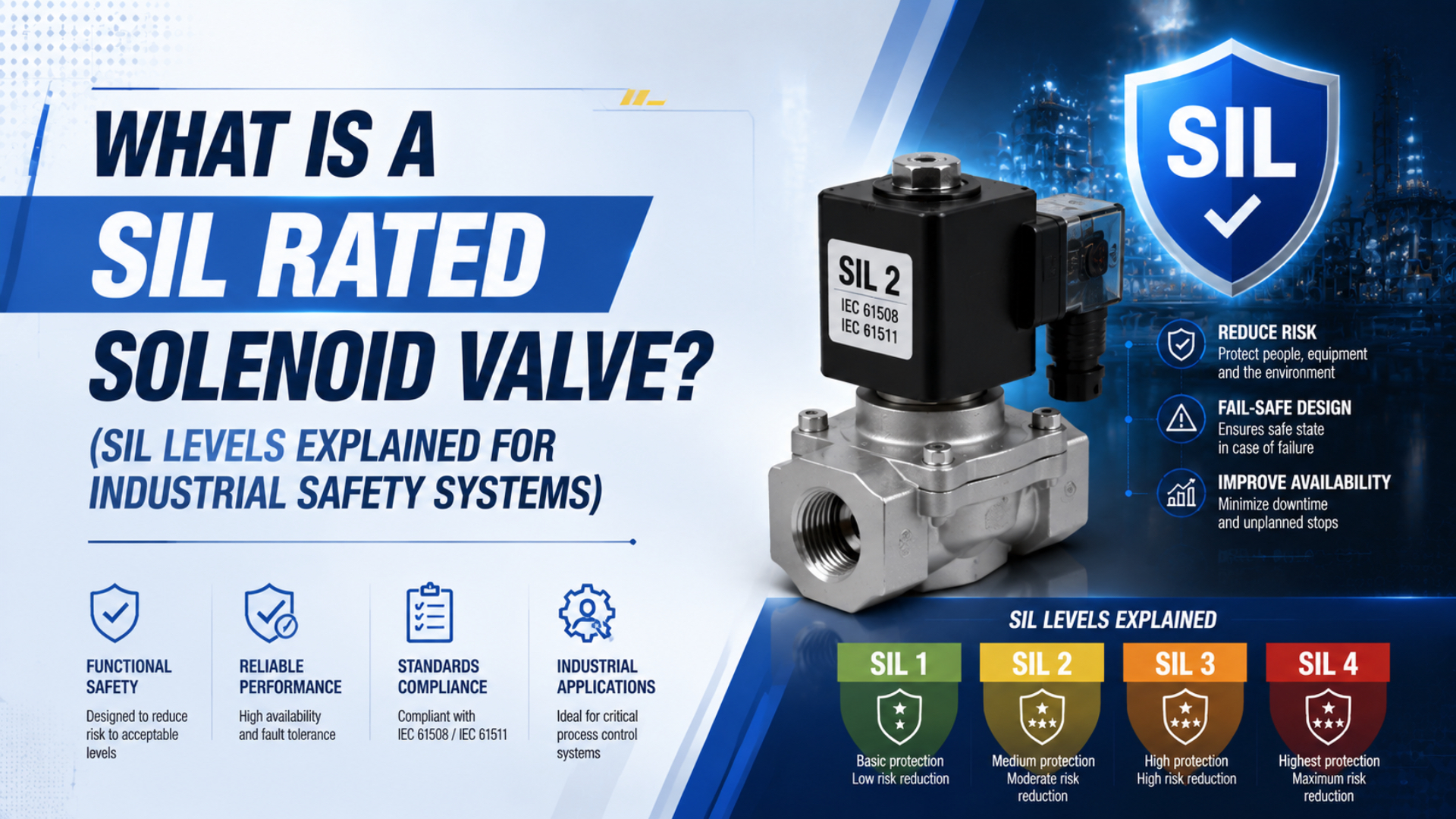 What Is a SIL Rated Solenoid Valve? (SIL Levels Explained for Industrial Safety Systems)Learn what SIL-rated solenoid valve claims mean, how SIL 1-4 targets apply to a complete SIF, and which certificate and proof-test evidence to verify.→
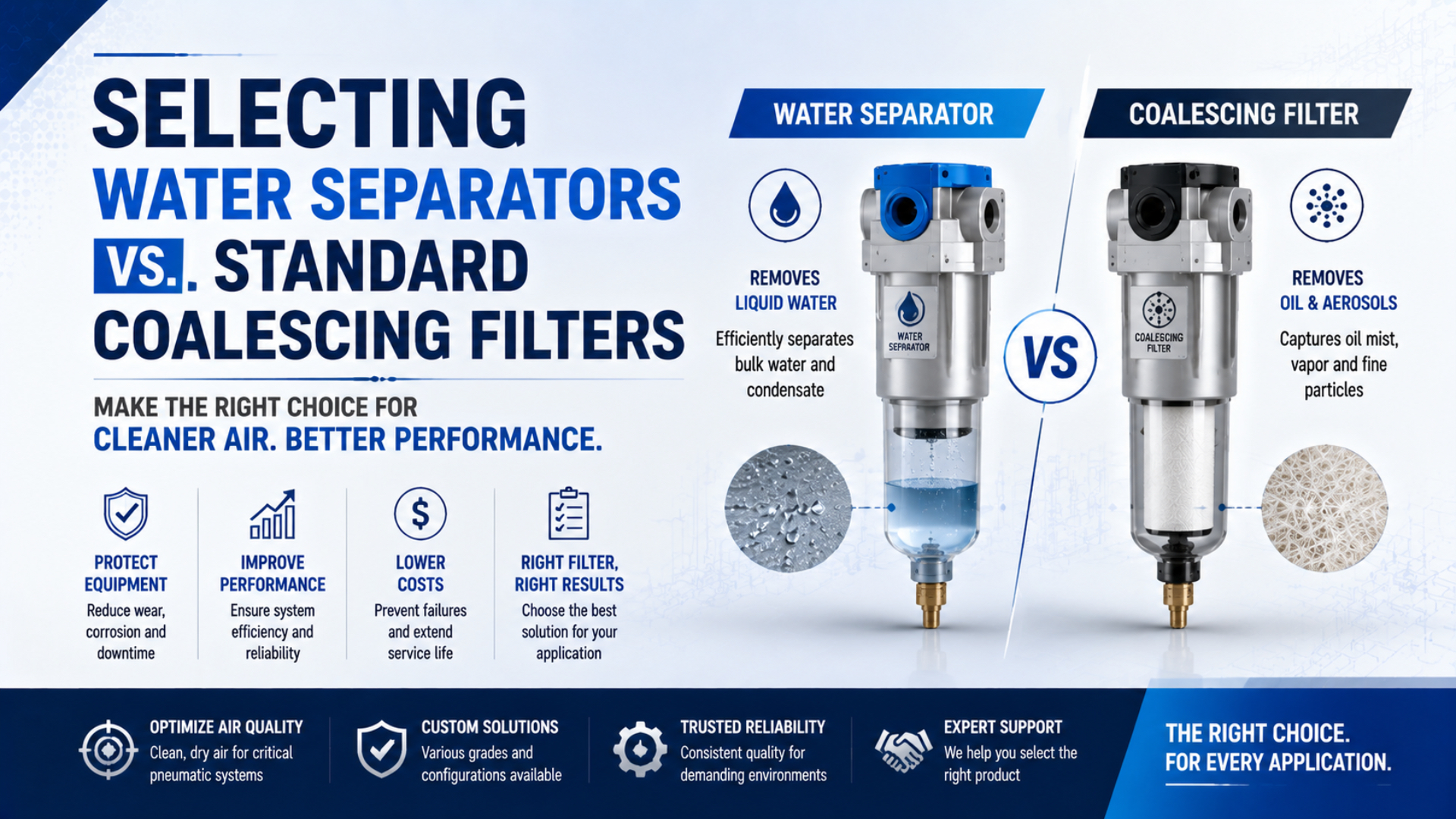 Selecting Water Separators vs. Standard Coalescing FiltersCompare water separators and coalescing filters using ISO 8573's 3 contaminant groups, model-specific flow, pressure drop, drain, and dryer requirements.→
 Rail and Transport: Sourcing Vibration-Proof Pneumatic Door ActuatorsSource vibration-proof pneumatic door actuators with 5 evidence gates covering EN 14752, IEC 61373, system safety, interfaces, testing, and change control.→
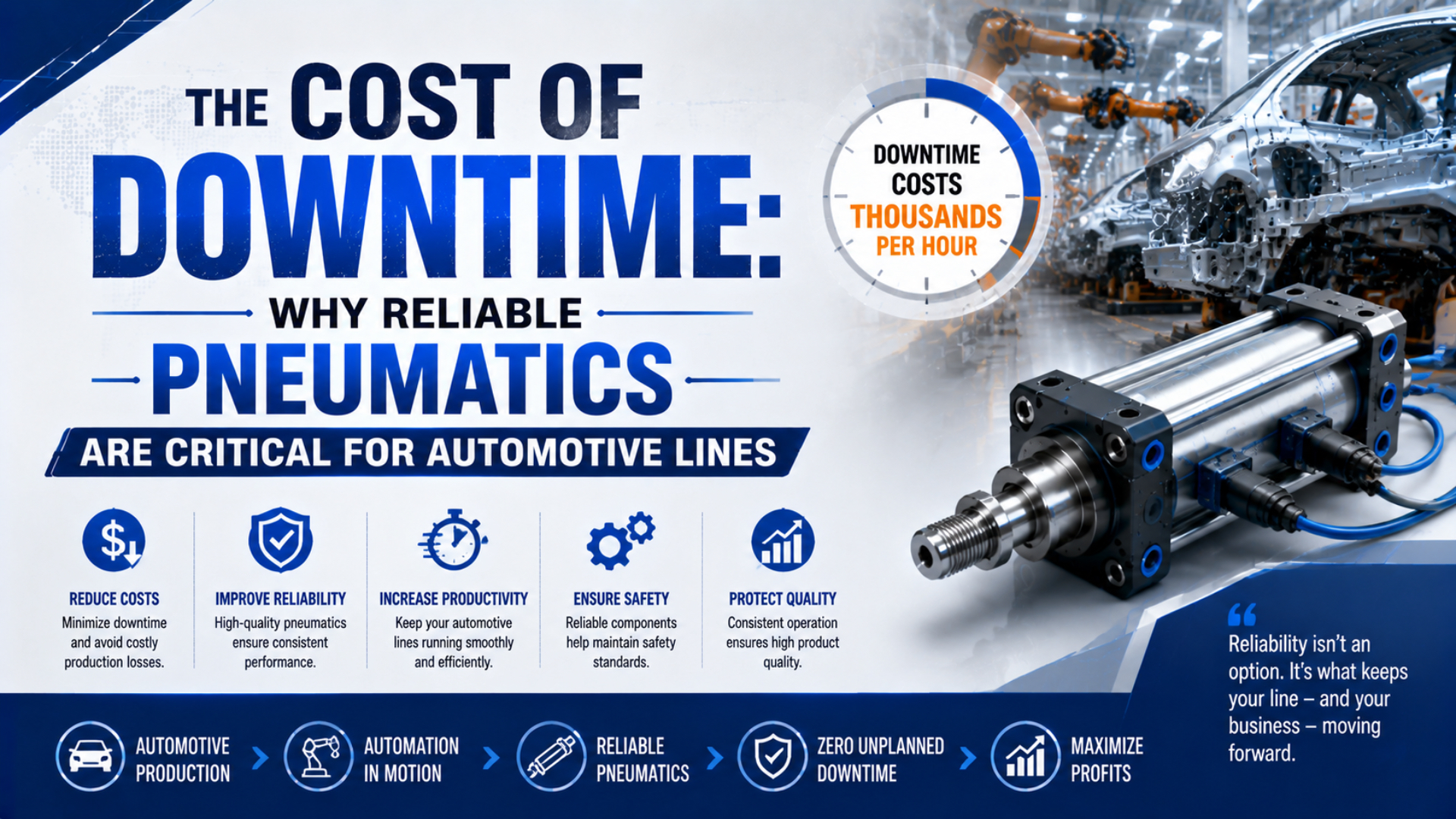 The Cost of Downtime: Why Reliable Pneumatics Are Critical for Automotive LinesSiemens reports USD 2.3 million per hour of automotive downtime. Learn how pneumatic criticality, spares, diagnostics, and safe recovery reduce exposure.→
 Contamination Control: Protecting Your Pneumatic Assets in Dusty FactoriesProtect pneumatic assets in dusty factories by controlling 3 contamination paths: external dust, dirty compressed air, and maintenance ingress at point of use.→
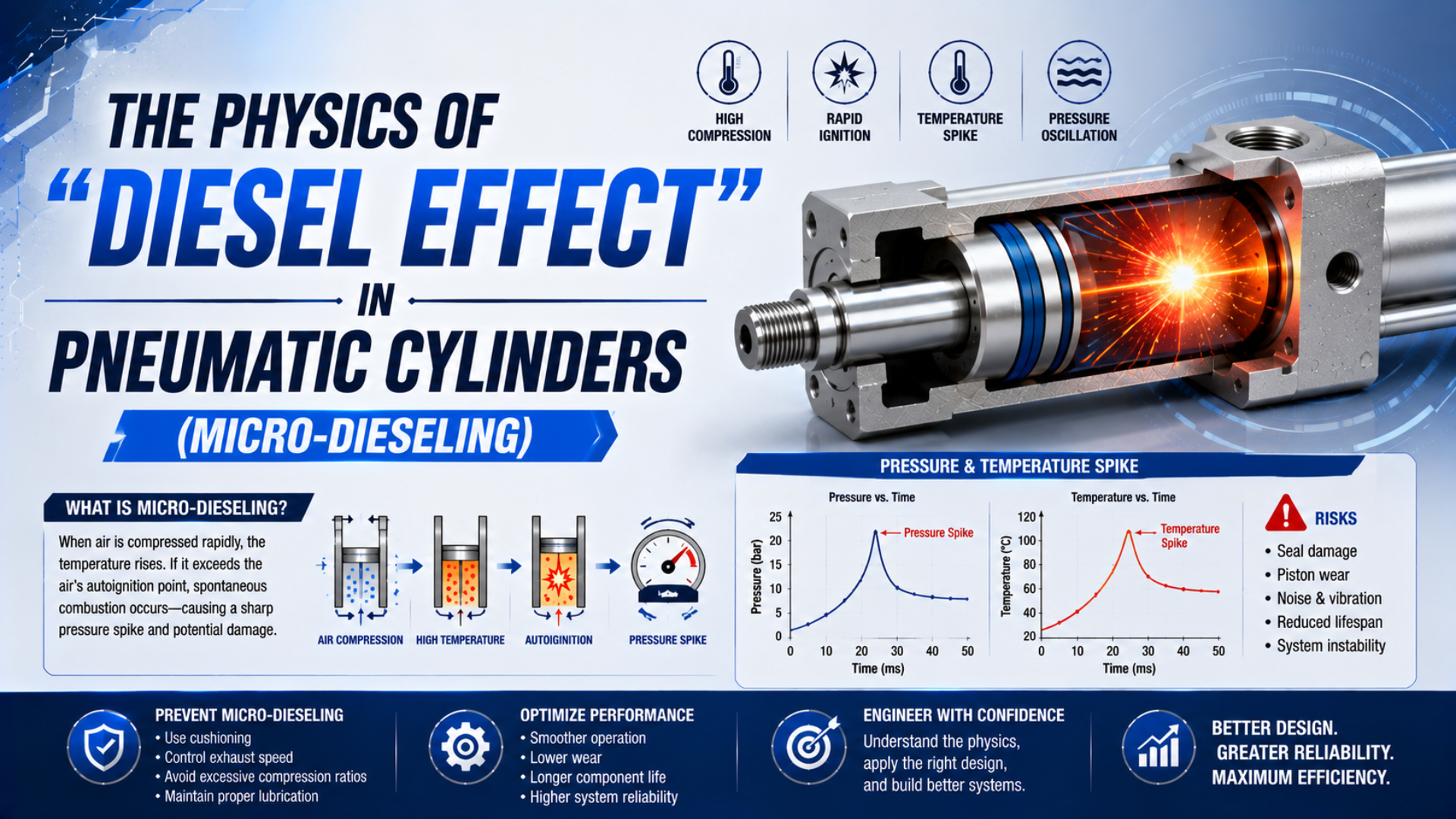 The Physics of “Diesel Effect” in Pneumatic Cylinders (Micro-Dieseling)Calculate why an 8:1 ideal adiabatic compression reaches about 258°C, then use ISO 4414 and ISO 8573 evidence to investigate suspected micro-dieseling.→
 Low-Temperature Brittleness: Impact Charpy Testing for Polar-Grade CylindersLearn what Charpy impact testing proves, why aluminum lacks a sharp DBTT, and how to qualify a complete pneumatic cylinder for documented -40°C service.→