
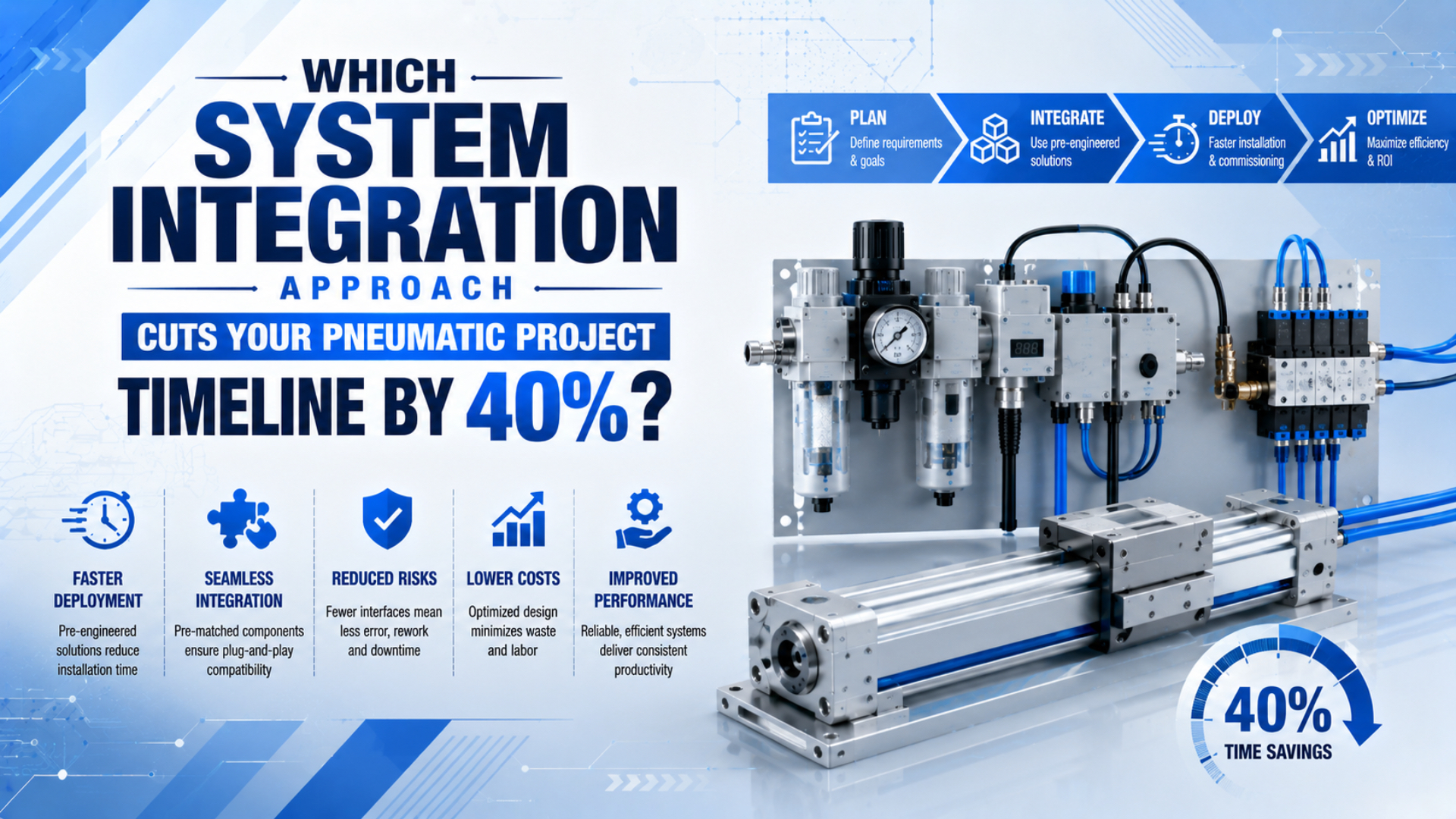
Which System Integration Approach Cuts Your Pneumatic Project Timeline by 40%?Use an interface-first pneumatic integration approach to target a measured 40% schedule reduction with controlled requirements, interfaces, FAT, and SAT.→Blog Author
Eric Zhou
Hello, I'm Eric, a Bepto Pneumatic control systems engineer. I help connect valve, FRL, CAD, and machine-control requirements with practical pneumatic component choices.
Author Reading Path
Articles by Eric Zhou
166 articles sorted newest first for readers who want one author's pneumatic selection notes in one place.
Showing 166 articles
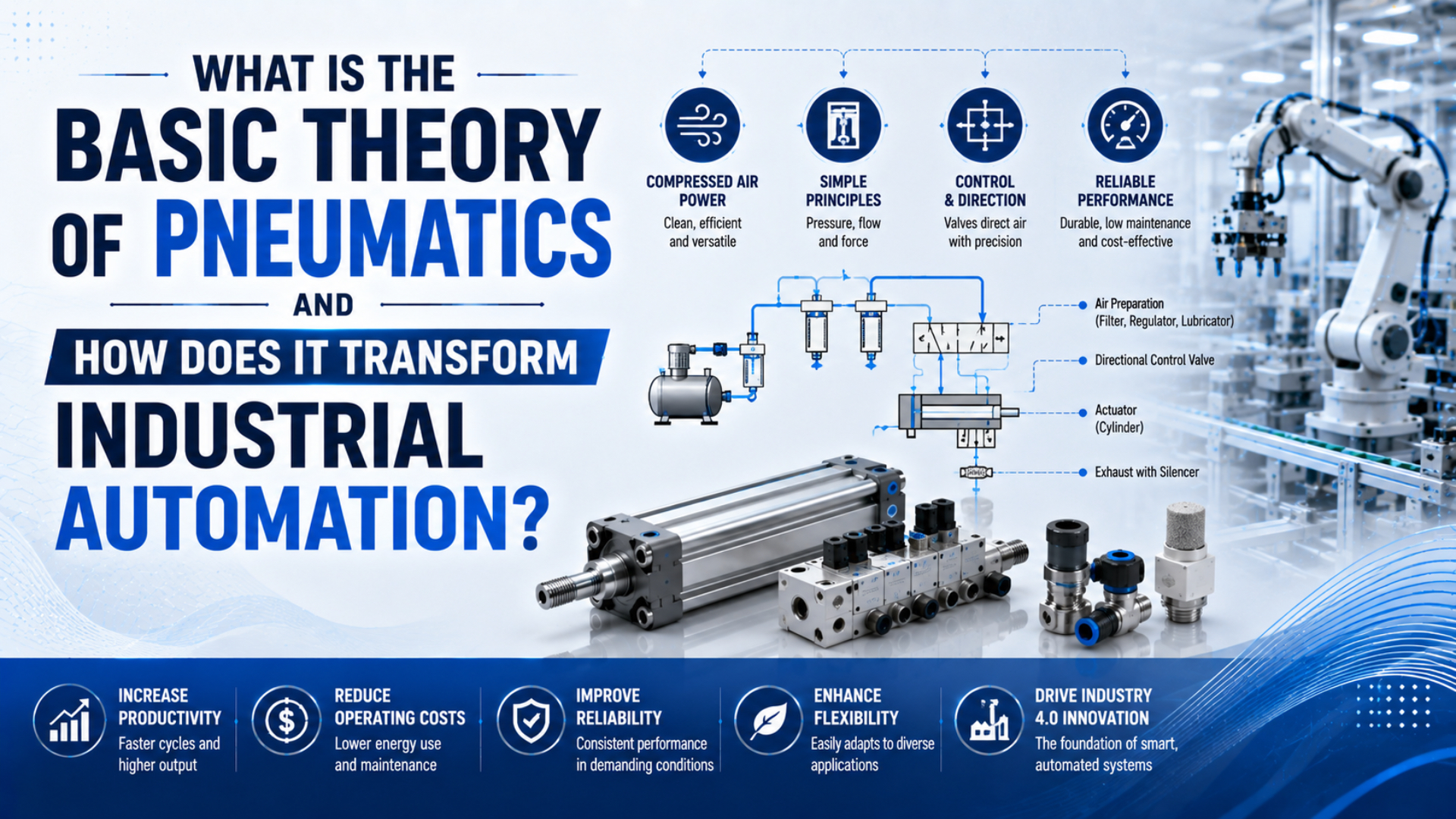
What is the Basic Theory of Pneumatics and How Does It Transform Industrial Automation?Learn pneumatic theory through a six-layer automation model covering air state, valves, actuators, sensors, safe states, flow limits, and commissioning.→
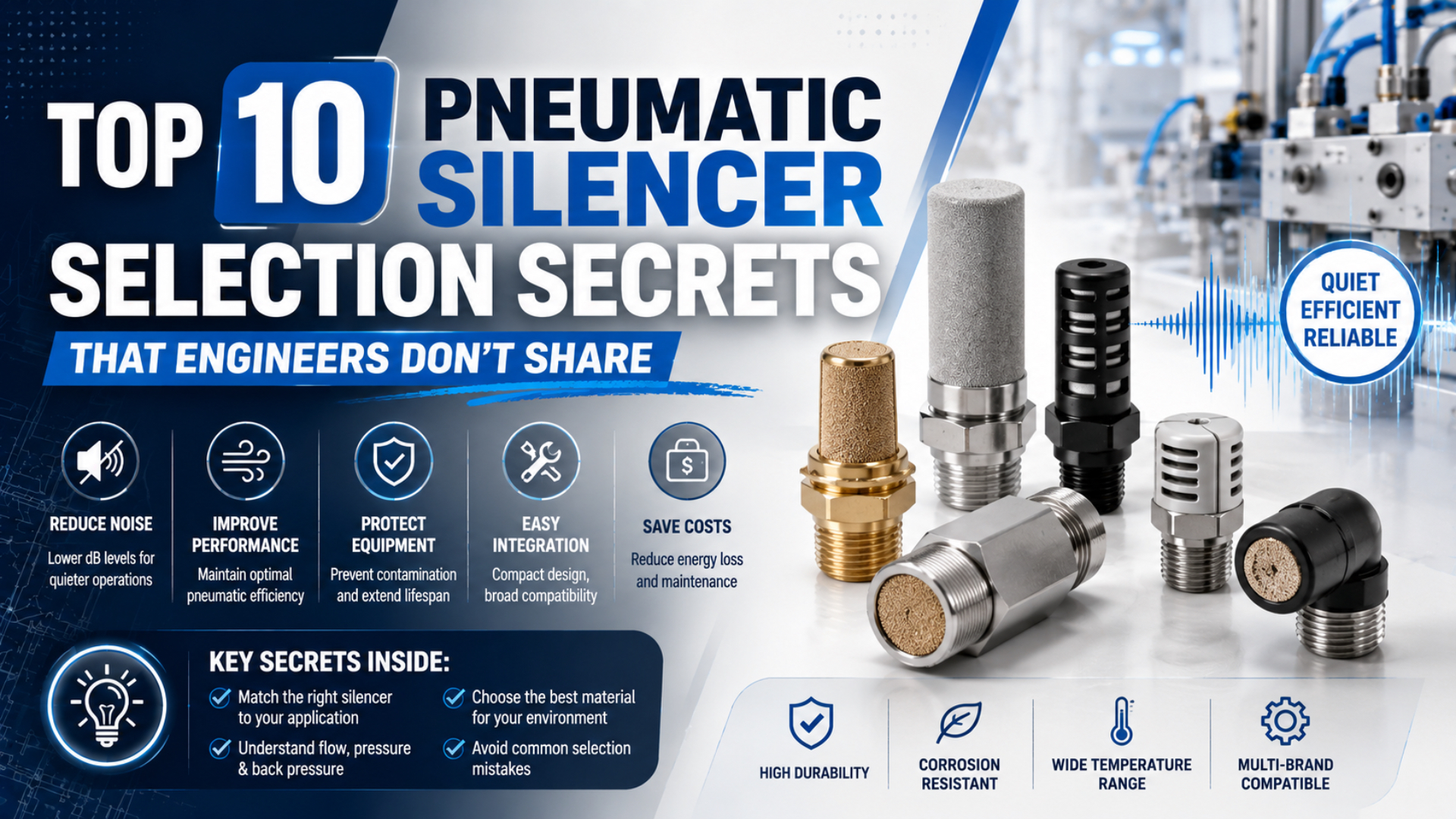
Top 10 Pneumatic Silencer Selection Secrets That Engineers Don’t ShareSelect pneumatic silencers by ISO 20145 test mode, peak exhaust flow, back pressure, and air quality. G1/8 Festo models span 1,340 to 2,050 L/min at 6 bar.→
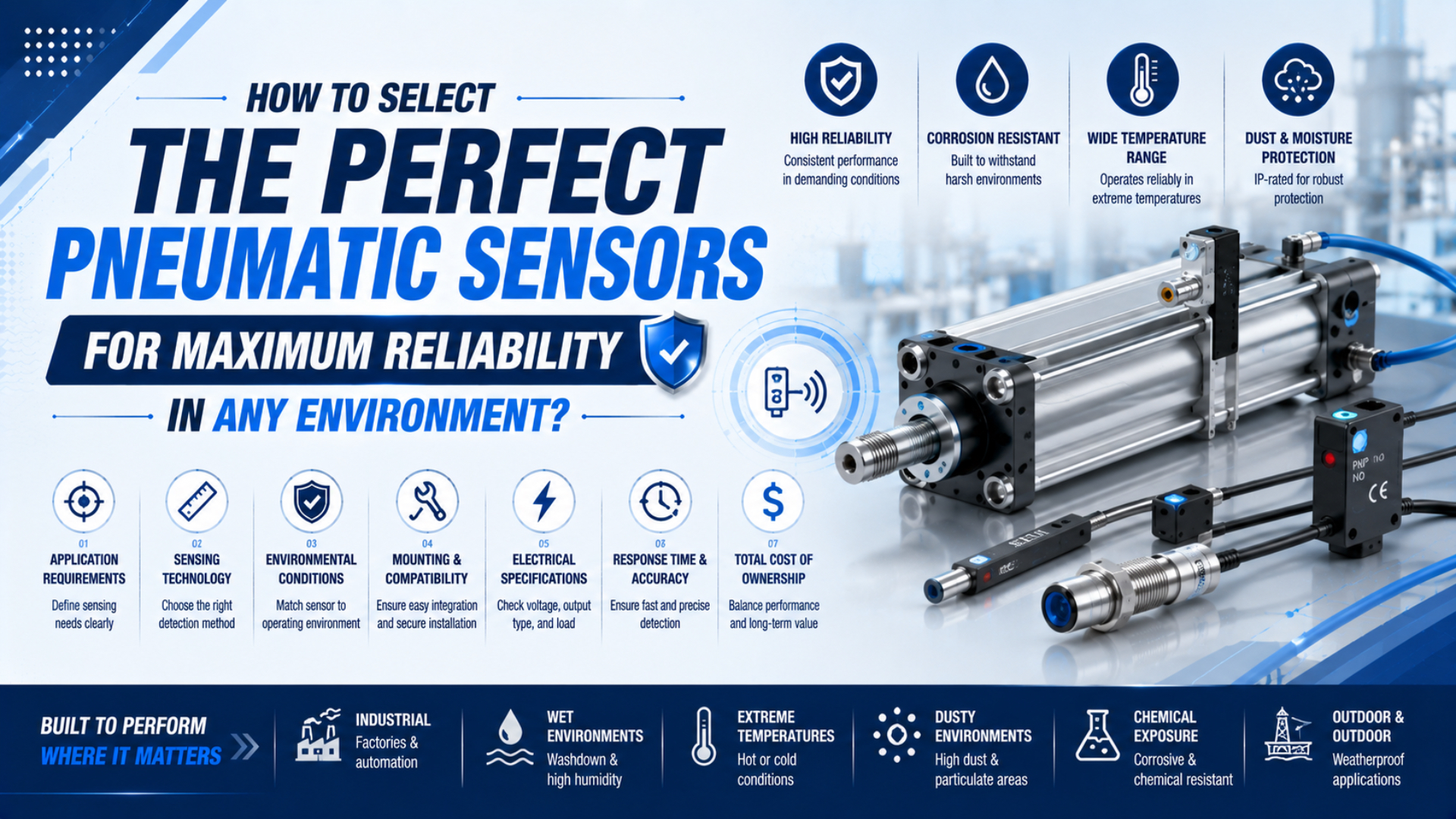
How to Select the Perfect Pneumatic Sensors for Maximum Reliability in Any Environment?Select pneumatic sensors by task, PLC interface and environment; compare 2 ms switching, IP ratings and commissioning evidence before machine release.→
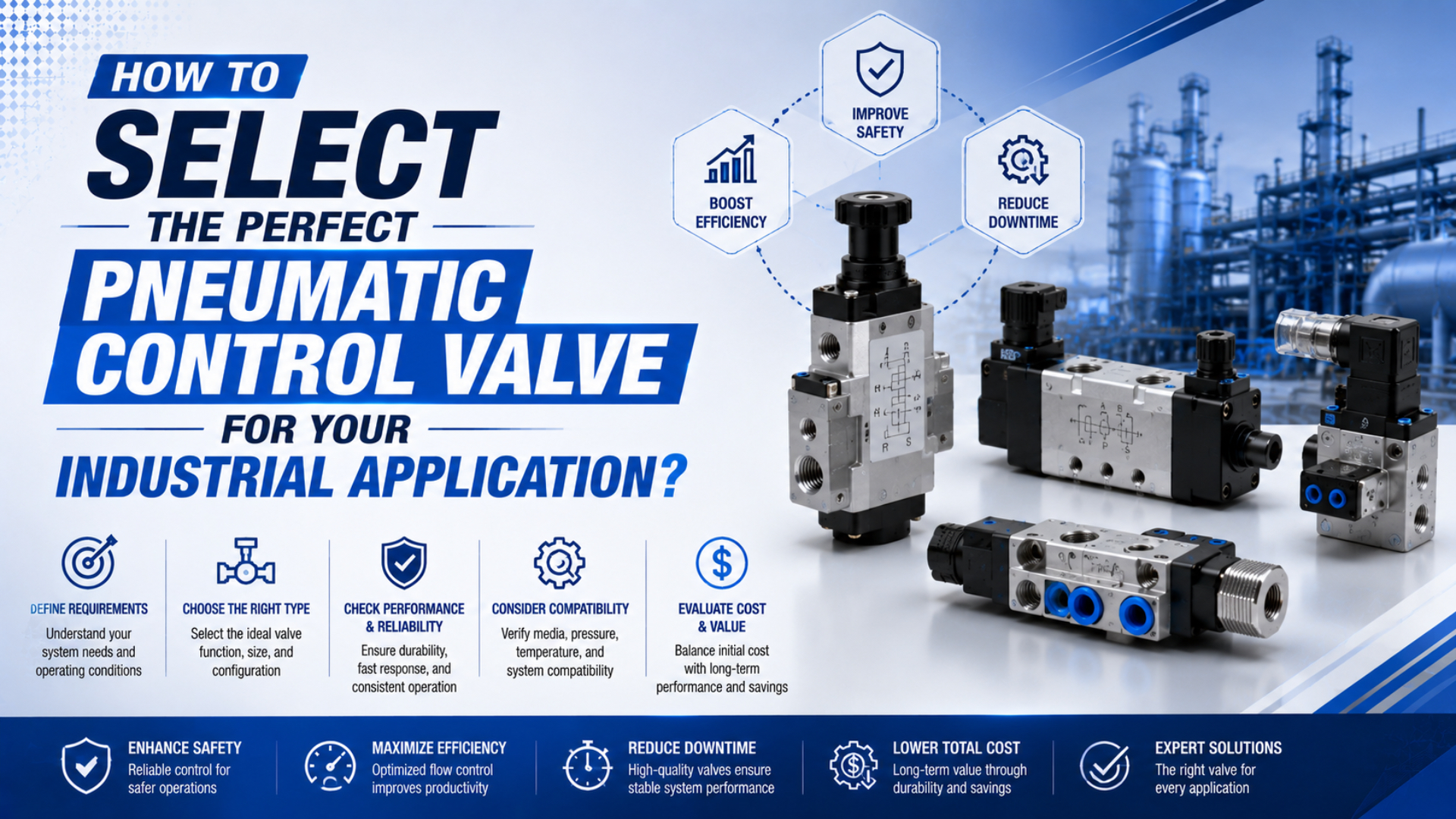
How to Select the Perfect Pneumatic Control Valve for Your Industrial Application?Select a pneumatic control valve by matching valve function, safe state, usable flow, pilot pressure, response, interfaces, environment, and reliability evidence.→
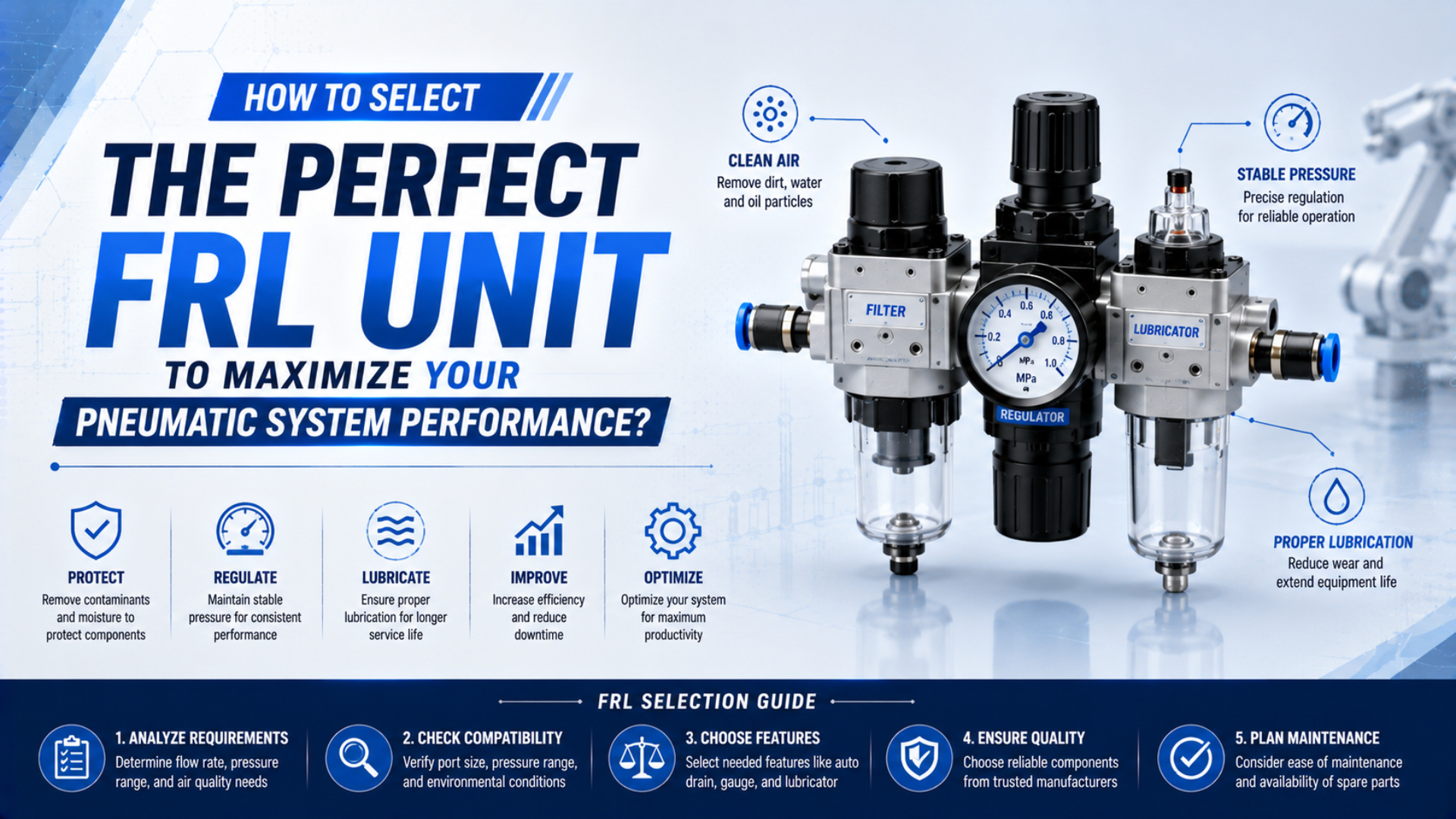
How to Select the Perfect FRL Unit to Maximize Your Pneumatic System Performance?ISO 6953-2:2024 standardizes regulator tests across 39 pages. Learn to select FRL flow, filtration, pressure, drains, materials, and lubrication correctly.→
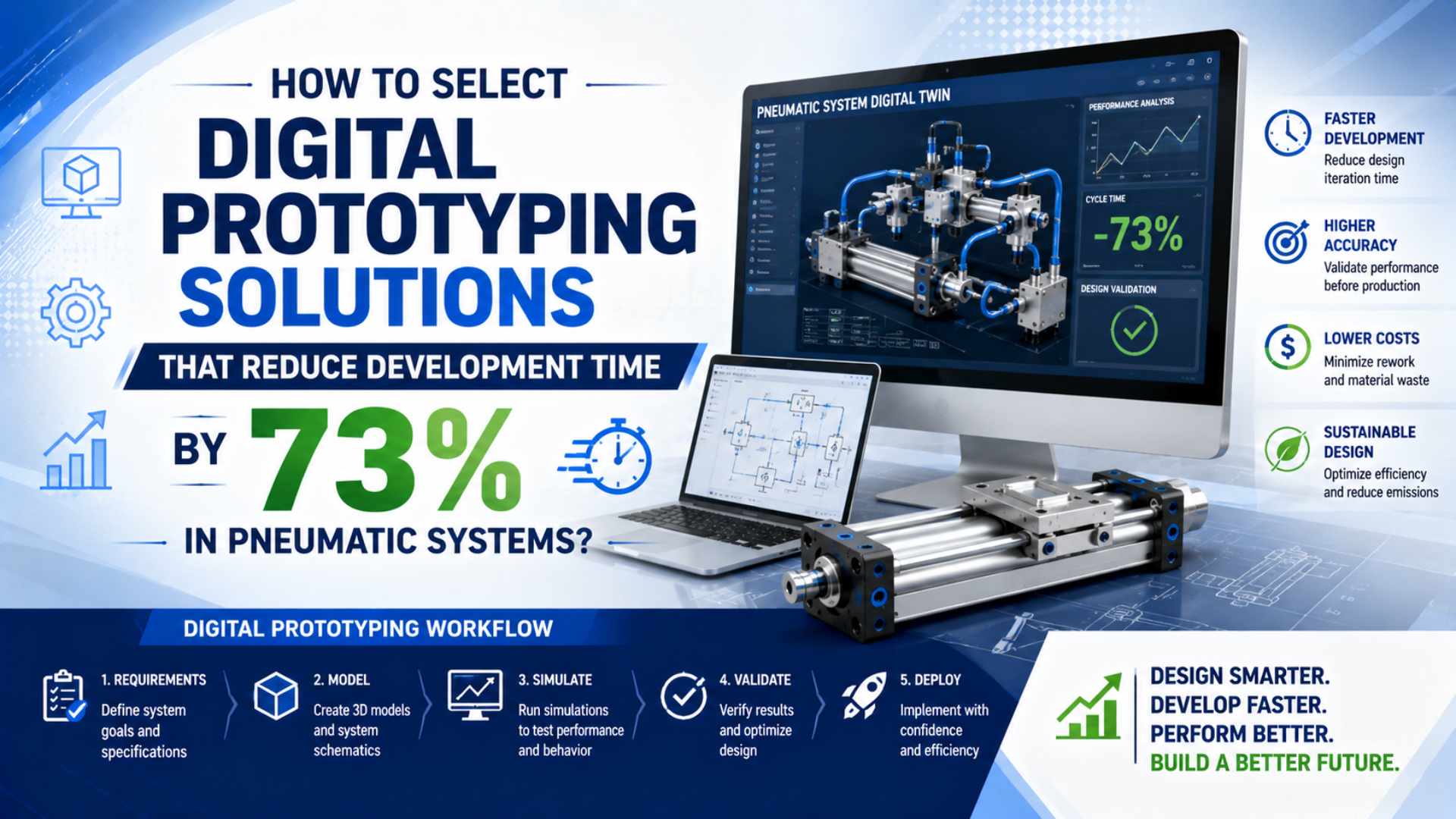
How to Select Digital Prototyping Solutions That Reduce Development Time by 73% in Pneumatic Systems?Test whether a digital prototyping solution can approach a 73% commissioning-time reduction through scope, pneumatic model, SIL/HIL, VVUQ, and pilot evidence.→
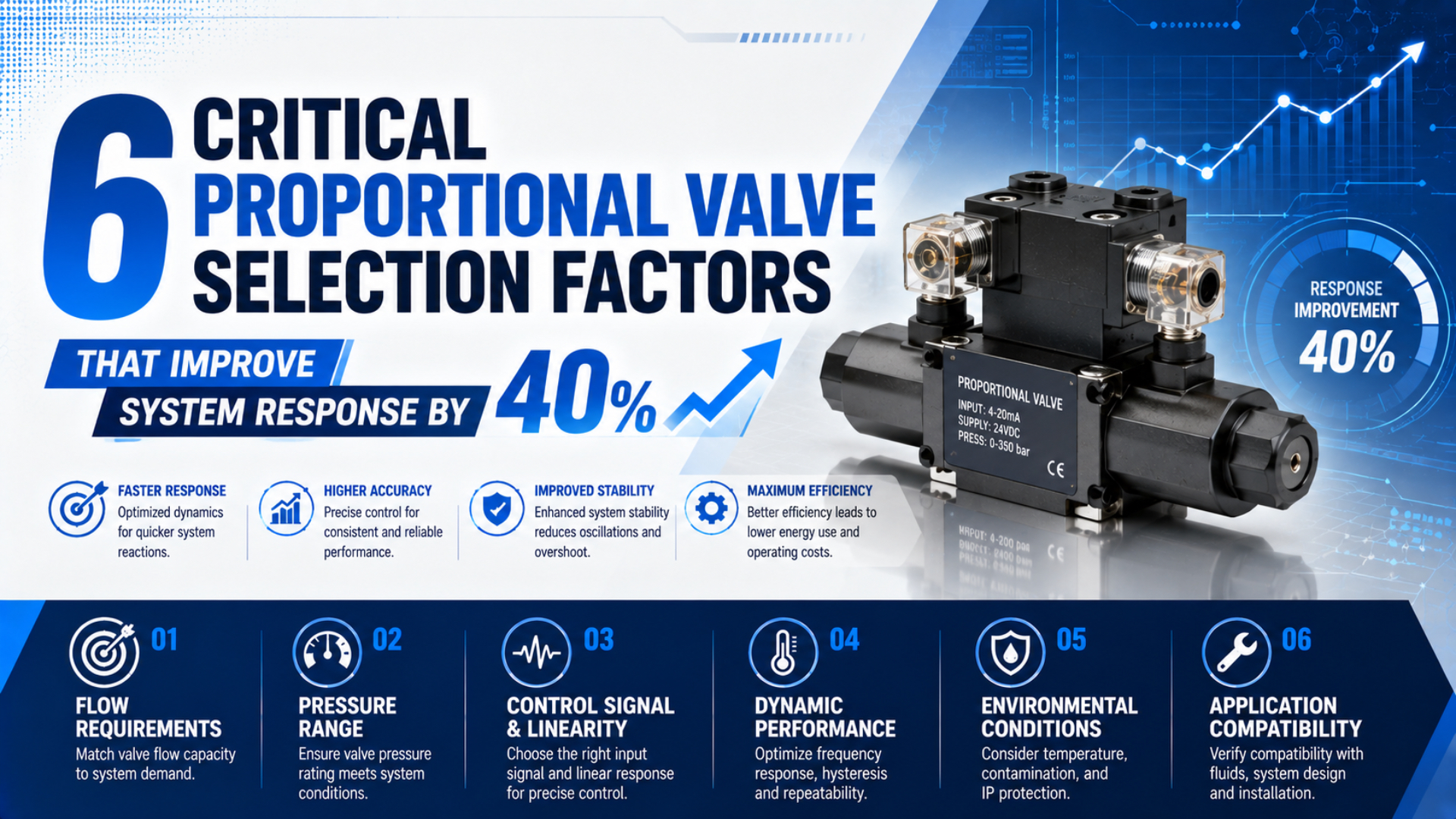
6 Critical Proportional Valve Selection Factors That Improve System Response by 40%Compare 6 proportional valve selection factors using Festo's 70-115 Hz data, then verify flow, deadband, signals, EMC, and measured response gains reliably.→
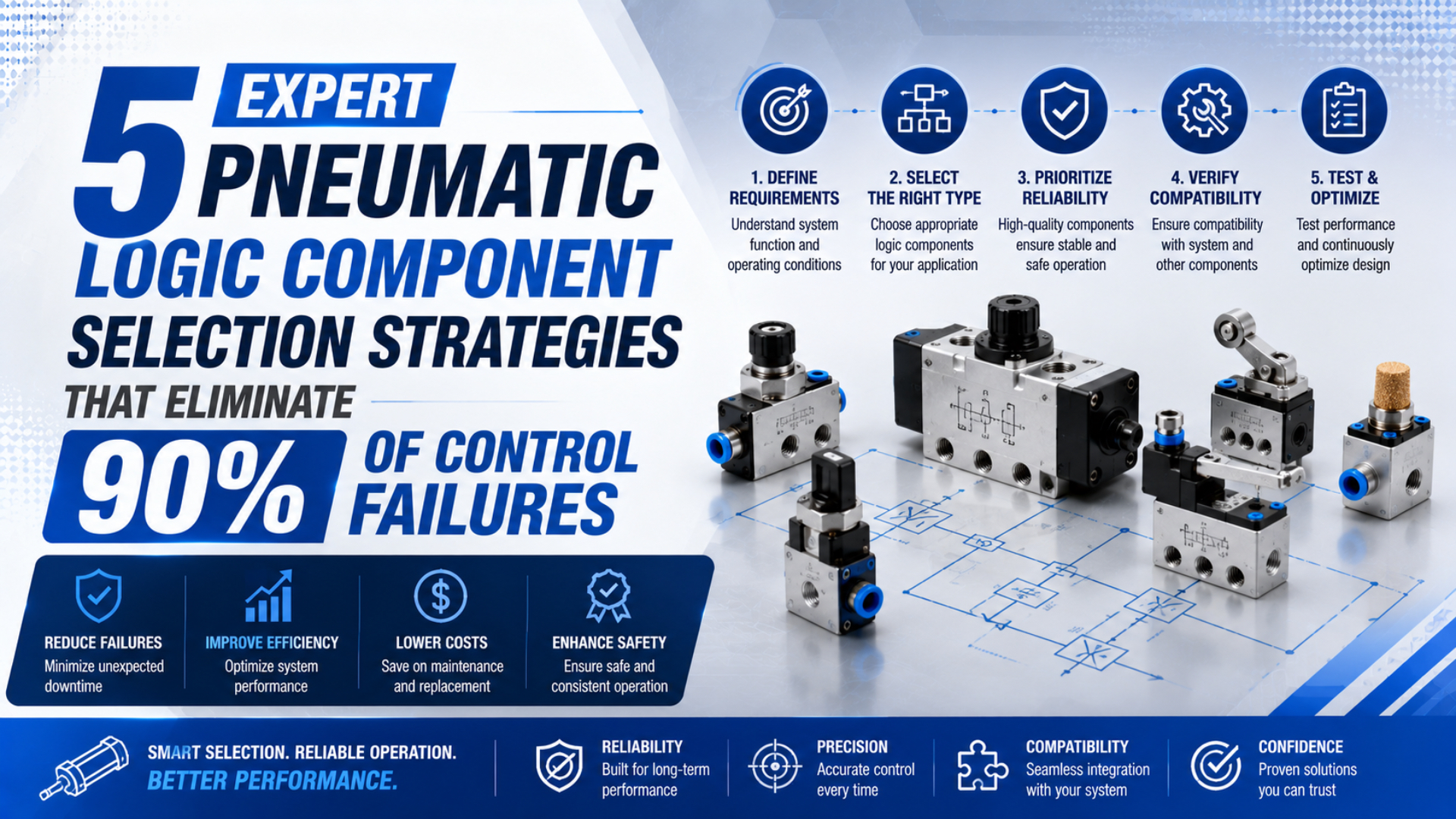
5 Expert Pneumatic Logic Component Selection Strategies That Eliminate 90% of Control FailuresUse 5 evidence-based selection strategies to specify pneumatic logic by state, pressure, timing, reset behavior, and machine functional-safety requirements.→
What Pneumatic Circuit Design Golden Rules Will Transform Your Rodless Cylinder Performance?Apply 7 rodless-cylinder circuit rules for safe states, peak flow, meter-out control, FRL sizing, exhaust, couplings, and measurable commissioning results.→
Air Preparation Units (FRL): Why Cheap Units Cost More in Cylinder WearLearn why low-cost FRL units can increase cylinder wear using ISO 8573 targets, CAGI's 10% pressure-drop limit, and a site-specific TCO model for procurement.→
Sintered Bronze vs. Plastic Silencers: Choosing for Noise ReductionCompare bronze and plastic pneumatic silencers using 6 bar noise data, conductance, pressure, temperature, contamination, and acceptance tests.→
Selection Guide: Polycarbonate vs. Metal Bowls for FRL UnitsCompare polycarbonate vs. metal bowls for FRL units using model-specific ratings, chemical exposure, guards, sight gauges, and exact replacement data.→
Selection Guide for 5/3-Way Valves: Closed, Exhaust, or Pressure Center?Compare 3 center states of 5/3-way valves and validate 5 fault conditions covering drift, residual pressure, load motion, power loss, and safe restart.→
Pneumatic Tubing Materials: Polyurethane vs Nylon — Which One Does Your System Really Need?Compare PU and nylon pneumatic tubing using ISO 11619's 3 to 16 mm scope, pressure, temperature, bend radius, chemical, motion, fitting, and safety checks.→
Working Principle of Pneumatic FRL Units: Explore the Technical Functions of Each Component Within a Pneumatic Air Preparation SystemLearn how pneumatic FRL filters, regulators, and lubricators work, using ISO 8573-1 purity classes and CAGI's 5-7 psig filter service trigger.→
Selection Criteria for Modular FRLs vs. Standalone UnitsChoose modular FRLs or standalone units by flow curves, service isolation, interfaces, fit, and spares. SMC AC-D combinations cover 1/8- to 1-inch ports.→
Selecting Coalescing Filters: Oil Removal vs. Particle FiltrationCompare particle and coalescing filters by contaminant phase, ISO 8573-1 classes, rated flow, pressure drop, and the 0.01 mg/m3 Class 1 oil limit in practice.→
Selecting Solenoid Valve Coils: 24VDC vs. 120VAC PerformanceCompare 24VDC and 120VAC solenoid coils across 8 electrical checks: supply, output, current, frequency, suppression, duty, heat, and safe field validation.→
Selecting the Right Vacuum Filter Size to Prevent Ejector CloggingSize a vacuum filter from suction flow and pressure drop at the target vacuum, then verify 5-80 µm grades, element area, dust loading, and service limits.→
Pilot-Operated Check Valves vs. Standard Check Valves for Load HoldingCompare standard and pilot-operated check valves for pneumatic load holding, including leakage, pilot release, trapped energy, safety limits, and commissioning.→
Comparing Pneumatic Silencer Thread Types for Exhaust PortsCompare 4 pneumatic silencer thread groups using ISO and ASME definitions, then verify sealing, flow, back pressure, and mounting before a safe replacement.→
Selecting Solenoid Enclosures: NEMA 4 vs. NEMA 4XSelect NEMA 4 or 4X solenoid enclosures using NEMA’s 600-hour plus 200-hour corrosion tests, IP limits, material checks, assembly ratings, and RFQ evidence.→
Choosing Between 2/2-Way and 3/2-Way Valves for Simple On/Off ControlChoose 2/2 or 3/2 valves using 7 checks: flow paths, normal state, medium, pressure range, leakage, exhaust capacity, and safe isolation.→
Choosing the Right Pneumatic Lubricating Oil (VG32 vs. VG68)Choose VG32 or VG68 pneumatic oil using 6 checks for OEM requirements, 40°C viscosity, lubricant chemistry, seal compatibility, FRL delivery, and H1 service.→
Check-Choke Valves vs. Standard Flow Controls for Actuator SpeedIdentify check-choke and bidirectional flow controls by symbol and direction; Parker recommends 2 valves for independent double-acting cylinder speeds.→
Comparing Manual Drain vs. Semi-Auto Drain FRL FiltersCompare manual and semi-automatic FRL filter drains by mechanism, pressure cycle, measured condensate rate, bowl capacity, maintenance access, and failure response.→
Comparing 4/2-Way vs. 5/2-Way Valves for Double-Acting CylindersCompare 4/2-way and 5/2-way valves by 4 versus 5 ports, flow paths, speed control, exhaust handling, flow capacity, and fail-state requirements in practice.→
Choosing the Proper Wattage for Energy-Saving Solenoid CoilsChoose solenoid coil wattage using verified 1 W-to-0.35 W data, correct voltage-drop math, peak-current checks, thermal limits, and installed testing.→
Guide to Choosing Cylinder Magnetic Sensors for Welding EnvironmentsChoose cylinder magnetic sensors for welding cells by separating magnetic, EMC, spatter, cable, wiring, and qualification requirements.→
Selection Criteria for Centralized FRL vs. Point-of-Use RegulatorsChoose centralized FRL or point-of-use regulators using CAGI's 10% pressure-drop target, regulator flow curves, air-quality needs, and live-cycle tests.→
Reviewing Pneumatic Cylinder CAD Models: A Critical Checklist for Engineers and BuyersReview pneumatic cylinder CAD models using STEP validation, three clearance envelopes, controlled drawings, and ISO 15552's 32-320 mm dimensional scope.→
Analyzing Sensor Failure: Magnetic Field Decay or Reed Switch Burnout?Use a 5-stage test to separate cylinder sensor wiring, Reed contact, mounting, piston-motion, and magnet faults without relying on universal gauss limits.→
How Solenoid Valves Work in Pneumatic Control SystemsTrace a pneumatic solenoid valve through 7 control stages, from PLC output and coil current to pilot pressure, spool position, air paths, and actuator motion.→
Telescopic Cylinder Stage Sequencing: Hydraulic vs. Pneumatic LogicCompare 3-stage hydraulic and pneumatic sequencing logic, calculate stage force and speed, then validate valves, sensors, timeouts, and fault response.→
Transient Pressure Response: Measuring Lag Time in Long-Stroke CylindersMeasure long-stroke cylinder pressure lag with 2 synchronized sensors, defined thresholds, and position data that separate wave travel from chamber filling.→
Calculating the Flow Coefficient (Cv) Required for Critical Cylinder SpeedsCalculate pneumatic valve Cv from bore, stroke, target time, pressure, and allowed drop, with a verified 63 mm cylinder example and clear validation steps.→
Why Does Hysteresis Ruin Your Proportional Actuator Precision and How Can You Fix It?Diagnose proportional actuator hysteresis with bidirectional position tests; SMC separates 0.5% FS hysteresis from repeatability and sensitivity in practice.→
Orifice Flow Dynamics in Adjustable Cushion NeedlesLearn why a cushion needle can choke below a 0.528 pressure ratio, calculate compressible airflow, and tune cylinder deceleration from measured pressure data.→
Pneumatic Valve ISO 1219 Symbols: 3/2 vs 5/2Read ISO 1219 pneumatic valve symbols correctly: decode 3/2 and 5/2 ports, positions, flow paths, actuation methods, rest states, and state-table checks.→
Designing Deceleration Profiles to Minimize Cycle TimeDesign pneumatic deceleration profiles using Parker's 50% cushion-entry speed warning, stopping-distance math, energy limits, traces, and acceptance tests.→
Servo-Pneumatics: Modeling the Compressibility Factor in Control LoopsModel a servo-pneumatic axis with four core states, ISO 6358 valve data, absolute chamber pressure, local linearization, identification, and validation.→
Hysteresis Loops in Proportional Pressure Control of CylindersMeasure cylinder pressure-control hysteresis with matched rising and falling steps, a full-scale formula, synchronized traces, and model-specific limits.→
Deadband Analysis in Pneumatic Cylinder Friction CompensationUse 2 chamber-pressure traces and position data to separate cylinder friction deadband from valve dead zone, then validate compensation without hunting.→
The Effect of Tubing Compliance on Cylinder Positioning StiffnessCalculate how 10 m of 8 mm OD, 5 mm ID tubing adds 196 cm³ to a pneumatic cylinder circuit, then improve positioning stiffness without restricting airflow.→
Pulse Width Modulation (PWM) Control for Digital Pneumatic Valves and CylindersLearn how to distinguish solenoid current PWM from mechanical valve PWM, verify switching limits, map duty cycle to flow, and commission a pneumatic cylinder circuit.→
Force Control Mode vs. Position Control Mode in Smart CylindersCompare force and position control in smart pneumatic cylinders through 3 feedback architectures, dual-chamber force math, safe switching, and acceptance tests.→
Analyzing Overshoot and Settling Time in High-Speed Pneumatic SlidesAnalyze pneumatic slide overshoot and settling time using Parker's 50% cushion-entry warning, synchronized traces, energy checks, and acceptance tests.→
Dual-Loop Control Strategies for Pneumatic Cylinder SynchronizationDesign dual-loop pneumatic cylinder synchronization with 2 error signals, cross-coupling, timing budgets, commissioning traces, and safe fault handling.→
Differential Pressure Sensing: Detecting End-of-Stroke Without SwitchesA 1997 patent detects pneumatic end-of-stroke from a preset pressure crossover, not direct piston position; learn calibration, logic, and failure limits.→
The Physics of Solenoid Actuation: Force, Stroke, and Response TimeLearn how solenoid force changes with stroke, why a 12 ms valve rating needs test conditions, and how current, load, and air gaps set real response time.→
The Impact of Voltage Tolerance on Solenoid Valve PerformanceSMC permits -15% to +10% voltage on one valve series, while other coils specify ±10%. Learn to verify hot, loaded coil voltage before commissioning approval.→
Failure Analysis: The Technical Root Causes of Solenoid Coil BurnoutDiagnose solenoid coil burnout by separating 4 coil architectures and checking voltage, current, duty rating, heat, moisture, connectors, and core movement.→
Spool vs. Poppet: A Deeper Dive into Sealing and Flow Path DynamicsCompare spool and poppet valves through 5 engineering checks: seal interface, metering area, pressure balance, crossover, and ISO 6358 flow data for selection.→
How Do Electromagnetic Drives Work in Pneumatic Valve Applications?Learn how electromagnetic drives switch pneumatic valves, from coil current and pull-in force to peak-and-hold control, flyback, heat, and diagnostics.→
The Engineering Behind Glandless Spool Valve TechnologyUnderstand glandless spool-and-sleeve valves using Norgren 900 vs 1,200 L/min data, air-quality limits, leakage tradeoffs, and selection checks for engineers.→
How Spool Underlap, Overlap, and Zero-Lap Affect Cylinder ControlCompare 3 spool-lap conditions, separate lap from valve center function, and learn how neutral leakage, dead zone, feedback, and load affect cylinder control.→
A Technical Guide to Pneumatic Valve Seal Materials (NBR, FKM, HNBR) and Chemical CompatibilityCompare NBR, HNBR, and FKM valve seals using 8 operating inputs, official test methods, and model-level validation before approving a compound.→
Failure Analysis: The Physics of Spool Stiction and Varnish BuildupDiagnose spool valve stiction by separating electrical, pilot, exhaust, mechanical, water, particle, lubricant, and varnish-like deposit causes.→
What Is a Pneumatic Valve Armature and How Does It Control Your Airflow?Learn how three basic solenoid-valve components turn coil current into armature motion, pilot action, port switching, airflow, and practical fault diagnosis.→
The Physics of Airflow Through Different Valve Orifice GeometriesLearn how 4 orifice geometries change separation, discharge coefficient, choking, and valve flow, with ISO 6358 data, equations, and inspection rules.→
Calculating Valve Shift Time: A Pneumatic and Electrical AnalysisCalculate valve shift time with ISO 12238:2023, an electrical-mechanical-pneumatic budget, RL coil math, chamber-fill estimates, and validation steps.→
Understanding Pressure Drop in Valve Manifold Common PassagesUnderstand valve-manifold passage pressure drop using SMC's two-end supply rule above 4 stations, ISO 6358 data, dynamic tests, and pressure-zone design.→
How Internal Pilot Pressure Affects Valve Actuation SpeedLearn how internal pilot pressure affects valve speed, why 0.15 MPa can be a model-specific minimum, and how to diagnose pressure, voltage, flow, and exhaust.→
A Technical Analysis of Exhaust Flow Control in 5-Way ValvesAnalyze 5-way valve exhaust flow through ports 3 and 5, calculate back-pressure force loss, diagnose restrictions, and select meter-out or quick exhaust safely.→
The Acoustic Signature of a Pneumatic Valve: Noise Generation PhysicsMeasure pneumatic valve noise using the 20 µPa dB reference, standardized microphone positions, synchronized pressure traces, and verified controls.→
The Impact of Back Pressure on Pilot-Operated Valve PerformanceLearn why SMC specifies 0.15-0.7 MPa pilot pressure for one valve family, how back pressure reduces shift force, and how to test every control port safely.→
How to Calculate Minimum Pilot Pressure for Pilot-Operated ValvesCalculate minimum pilot pressure from valve architecture, datasheet limits, pilot-line losses, and dynamic tests using verified 0.1 to 0.2 MPa examples.→
Flow vs. Pressure: Sizing a Valve for Speed vs. ForceParker lists 754 N outward and 633 N return at 6 bar for one 40/16 mm cylinder. Separate force from flow, size the air path, and verify loaded stroke time.→
The Engineering Behind Voice Coil Actuators in Servo-Pneumatic ValvesLearn how voice-coil force, spool feedback, gas-flow disturbance, and a documented 30 Hz valve example shape servo-pneumatic response, testing, and accuracy.→
Proportional Flow Control vs. Proportional Pressure Control ValvesCompare proportional flow and pressure control valves using an SMC 85-to-40 L/min example, feedback architecture, load behavior, and acceptance tests.→
How to Tune a PID Loop for a Proportional Valve and Cylinder SystemTune a pneumatic PID loop with 10–90% rise-time traces, anti-windup, derivative filtering, valve-neutral checks, and load-range validation for cylinder motion.→
Understanding Hysteresis and Linearity in Proportional Valve SpecificationsCompare proportional-valve hysteresis and linearity using SMC's 0.5% and ±1% FS example, test curves, reference methods, conditions, and clear RFQ checks.→
The Impact of Deadband on Proportional Valve Control AccuracyLearn how proportional-valve deadband differs from hysteresis, how a 0.4% model rating affects control, and how to measure and compensate it in practice.→
A Technical Guide to Spool Position Feedback in Proportional ValvesUnderstand spool position feedback in proportional valves, including LVDT and Hall sensing, inner-loop limits, data-sheet checks, commissioning, and fault diagnosis.→
The Function of Sandwich Plates: Pressure Regulators and Flow ControlsLearn how 5-port pneumatic sandwich plates regulate common or individual ports, meter exhaust flow, preserve manifold compatibility, and verify stack order.→
A Comparison of Piezoelectric vs. Solenoid Actuation in Proportional ValvesOne solenoid example responds in under 10 ms. Compare piezoelectric and solenoid proportional valves by flow, power, pressure, hysteresis, and duty cycle.→
Understanding Valve Manifold IP Ratings (IP65, IP67, IP69K) for WashdownSpecify valve manifold IP ratings by the 2-digit code, cited test standard, connectors, washdown pressure, temperature, chemicals, installation, and inspection.→
The Physics of Quick Exhaust Valves and Their Impact on Cylinder SpeedUnderstand how a 3-port quick exhaust valve changes cylinder speed through choked flow, falling back pressure, and measured 55-cycle pressure tests for sizing.→
Meter-In vs. Meter-Out: A Technical Analysis of Speed Control MethodsValidate a meter-in-to-meter-out retrofit with two port-pressure traces, four fault-injection tests, first-stroke checks, and documented acceptance limits.→
Pneumatic Valve Sizing Calculations: How Do You Ensure Optimal Flow Performance in Your System?Size pneumatic valves from cylinder volume, absolute pressure, stroke time, and Parker’s Cv 1.06 example, then verify supply and exhaust flow under load.→
The Design Differences: Needle Valves vs. Flow Control ValvesCompare needle valves with one-way pneumatic flow controls using Festo's 95 versus 76-95 L/min example, flow symbols, direction, and selection checks.→
Meter-In vs Meter-Out Pneumatic Control: Which Flow Control Method Delivers Better Performance?Compare meter-in and meter-out pneumatic control using SMC's s=28.8q/A relation, load direction, exhaust back pressure, startup behavior, and tuning steps.→
How to Calculate Flow Coefficient (Cv) from Valve Test DataAn engineering workflow for reducing valve test data into a defensible Cv, including liquid and gas equations, uncertainty, and reporting requirements.→
The Technical Impact of Silencer Clogging on Valve and Cylinder PerformanceFesto rates G1/8 silencers from 1,340 to 2,050 L/min. Learn how clogging creates back pressure, slows cylinders, and how to verify the fault safely in service.→
The Engineering of Pneumatic Silencers: Diffusion vs. AbsorptionCompare diffusion, reactive, and absorptive pneumatic silencers using a 59 dB(A), 1,700 L/min example, insertion loss, and exhaust-flow tests for sizing.→
Failure Analysis: Identifying the Root Cause of Internal Valve LeakageDiagnose internal valve leakage with port isolation, pressure checks, and teardown evidence; one SMC metal-seal valve permits 200 Ncc per port at 0.5 MPa.→
The Technical Effects of Using Unlubricated Air on Spool Valve SealsLearn how unlubricated air affects spool valve seals, why ISO 8573-1 separates 3 contaminant classes, and how to qualify lubrication changes safely.→
How Valve Response Time Consistency Affects Machine SynchronizationLearn how valve response-time jitter creates axis skew, how to set a machine-specific timing budget, and why a 2 ms valve is not automatically synchronized.→
How to Read and Interpret a Valve Flow (Cv) ChartRead valve Cv charts with 5 checks for axes, flow path, test conditions, curve type, and pressure limits before comparing pneumatic valve capacity data.→
The Impact of Media Temperature on Solenoid Valve OperationLearn how media temperature affects solenoid valves using 4 temperature checks, a copper-coil resistance formula, model-specific ratings, and field tests.→
How to Calculate the Force Generated by a Valve’s Solenoid PlungerCalculate solenoid plunger force with magnetic pressure, virtual work, and valve-load checks, including a worked 0.8 T, 10 mm pole-face example in practice.→
Sizing a Solenoid Valve for a Specific Cylinder Stroke TimeSize a solenoid valve for a 0.5-second cylinder stroke using correct extend/retract flow, ISO 6358 data, path checks, and dynamic validation on the machine.→
A Guide to 3-Position Valve Center Conditions (Closed, Exhaust, Pressure)Compare 5/3 valve center conditions: closed, exhaust, and pressure. Learn each 5-port flow path, actuator behavior, restart risk, and selection checks.→
How to Select a Valve for High-Frequency Cycling ApplicationsSelect a high-frequency pneumatic valve by separating response, duty cycle, flow, and B10 life, using ISO tests, 500 Hz model data, and machine validation.→
The Impact of Port Size vs. Internal Orifice Size on Valve PerformanceSMC lists two 1/4-inch valves at Cv 0.9 and 1.7. Compare port size, internal paths, ISO 6358 data, and pressure drop before valve selection.→
How to Specify pneumatic Valves for Low-Temperature (Sub-Zero) EnvironmentsSpecify sub-zero pneumatic valves by 4 temperature limits, pressure dew point, actuation type, seals, pilot pressure, flow, cold-start tests, and supplier data.→
A Technical Guide to Pressure-Compensated Flow Control ValvesLearn how pneumatic pressure-compensated flow valves work, where compensation ends, and how to select, install, and test one without confusing it with Cv.→
The Function of Two-Pressure Valves (AND Logic) in Pneumatic CircuitsLearn how a two-pressure valve performs pneumatic AND logic across 4 input states, handles unequal pressures, and differs from a safety-rated two-hand control.→
How to Build a Pneumatic Latching Circuit Using Logic ValvesBuild a pneumatic latching circuit with a double-piloted 5/2 valve, SET/RESET signals, conflict handling, startup checks, and clear safety limits.→
A Technical Guide to Pneumatic Shuttle Valves (OR Logic)Select pneumatic shuttle valves using verified OR logic, pressure differential, ISO 6358 flow data, safety limits, installation checks, and RFQ criteria.→
The Technical Design of a Pneumatic Oscillator CircuitDesign a pneumatic oscillator circuit with 7 checks covering state logic, valve memory, timing, flow, safe stopping, air loss, and predictable restart.→
How to Use a Quick Exhaust Valve to Create a Differential Speed CircuitLearn how a 3-port quick exhaust valve creates one fast cylinder stroke, where to install it, how to size exhaust flow, and how to verify safe operation.→
A Guide to Cascade Circuit Design Using Pneumatic ValvesDesign a pure-pneumatic cascade circuit with a six-motion, three-group example, valve logic, conflict checks, commissioning steps, and safe reset rules.→
How to Prevent Opposing Signals in a Pneumatic Logic CircuitPrevent opposing pneumatic signals with mutual-exclusion logic, cascade groups, pilot-pressure checks, and a 4-state test for directional valve control.→
A Technical Guide to Pneumatic Memory Valves and Their FunctionLearn how 5/2 pneumatic memory valves retain spool state, why pressure and cylinder position may still change, and how to select and test them safely.→
The Role of Check Valves in Preventing Backflow in Complex CircuitsPrevent pneumatic backflow with 7 circuit checks covering valve direction, cracking pressure, flow loss, reverse leakage, pilot release, and stored energy.→
The Impact of Turbulent vs. Laminar Flow on Valve SizingLearn how Reynolds number affects pneumatic valve sizing, why ISO 6358 data governs compressed-air flow, and when the 2300-4000 pipe range actually applies.→
How to Design a Pneumatic Circuit for Sequential Cylinder OperationDesign a 4-step sequential pneumatic cylinder circuit using state tables, cascade or PLC control, feedback, timeouts, flow checks, and safe restart logic.→
How to Use a 5-Way, 3-Position Valve for Cylinder Position HoldingLearn how a 5-way, 3-position valve pauses cylinder motion, why zero-drift holding fails, and when pilot checks or rod locks provide safer machine control.→
A Technical Guide to Cylinder Reed Switch and Hall Effect Sensor OperationCompare reed, Hall, and MR cylinder switches using a 0.8 mA two-wire leakage example, PNP/NPN wiring, PLC checks, and commissioning tests for automation.→
A Technical Analysis of Cylinder Response Time and Dead VolumeCalculate cylinder response time from valve delay, breakaway pressure, and dead volume; a 6 mm ID tube contains 28.3 cm³ per metre before motion begins.→
The Impact of Hose and Fitting Size on Cylinder Speed and PerformanceCalculate pneumatic cylinder flow demand, compare actual hose ID and fitting capacity, and diagnose restrictions that limit speed and force.→
The Physics of Venturi Ejectors and Vacuum Control ValvesLearn how Venturi ejectors create vacuum, why nozzle flow chokes, and how to read 80-90 kPa vacuum curves, size response time, and control air use.→
The Engineering of Non-Return and Pilot-Operated Check ValvesCompare non-return and pilot-operated check valves using Festo's 0.1 bar example, pilot-release force balance, flow data, leakage limits, and safety checks.→
How to Mitigate Water Hammer Effect When Stopping a Cylinder Mid-StrokeCompare 5/3 valve centers, trapped-air limits, stopping energy, rod locks, and ISO 13849-1 controls for safer pneumatic cylinder mid-stroke stops in practice.→
A Technical Guide to Using Proportional Valves for Cylinder Position ControlBuild a closed-loop pneumatic cylinder position system using a 5/3 proportional valve, feedback, safe commissioning, trace-based tuning, and acceptance tests.→
How Does Air Compressibility Affect Pneumatic Cylinder Control Performance?Learn how air compressibility changes cylinder stiffness, how 10% pressure drop affects response, and when closed-loop pneumatic control is required for motion.→
How Does Internal Magnet Design Affect Position Sensor Accuracy in Modern Pneumatic Cylinders?Learn how piston magnet geometry, field margin, cylinder walls, temperature, and sensor choice affect pneumatic cylinder switch points and position signals.→
How Do Meter-Out Circuits Deliver Precise Speed Control for Pneumatic Cylinders?Learn how meter-out circuits control pneumatic cylinder speed through exhaust restriction, correct sizing, installation, tuning, and fault diagnosis.→
Should You Choose Internal or External Sensing for Your Pneumatic Grippers?Choose internal or external pneumatic gripper sensing by the datum your PLC must prove. Compare 3-state monitoring, part detection, wiring, and fault tests.→
Are Rotary Actuator Drift and Positioning Inaccuracies Killing Your Production Efficiency?Diagnose rotary actuator drift under load by separating backlash, leakage, pressure, sensors, and stop energy; SMC notes CRA1 gear backlash can be within 1°.→
How Do Pneumatic Parallel Grippers Actually Work in Modern Automation Systems?See how a 2-jaw pneumatic parallel gripper converts valve pressure into synchronized motion, then check force, finger length, backlash, and air-loss state.→
How Can Integrating Feedback Sensors with Pneumatic Actuators Transform Your Automation Precision?Learn why 0.01 mm sensor resolution is not actuator accuracy, then integrate feedback, PLC inputs, proportional valves, fault logic, and acceptance tests.→
How Can Flow Controls Transform Your Actuator Speed Performance and Eliminate Costly Production Bottlenecks?Diagnose actuator speed with SMC's 28.8 flow relation, correct free-air calculations, dynamic-pressure checks, and a repeatable tuning procedure in plants.→
How Do You Properly Route Pneumatic Tubing in Automated Machinery to Ensure Optimal Performance and Reliability?Route pneumatic tubing with model-specific bend radii, 5-10% carrier clearance, strain relief, motion testing, and measured pressure-drop checks under load.→
How Can You Properly Set and Maintain Your Filter-Regulator-Lubricator to Maximize Pneumatic System Performance?Set and maintain an FRL with dynamic pressure checks, model-specific lubrication, and Parker's 10 psig filter trigger for reliable pneumatic performance.→
Why Is Your FRL Unit the Most Critical Component in Your Pneumatic System?Diagnose FRL failures using ISO 8573-1 air classes, CAGI's 10% pressure-drop target, maintenance triggers, a practical upgrade plan, and safer service.→
How to Choose the Perfect FRL Unit Size for Your Pneumatic System?Choose an FRL unit by peak flow and regulator droop using ISO 6953-2 data, CAGI's 10% pressure-drop limit, dynamic tests, and clean-element curves first.→
How to Troubleshoot a Failing Pneumatic Solenoid ValveTroubleshoot pneumatic solenoid valves with OSHA 1910.147 isolation, voltage and continuity checks, pilot-pressure tests, and symptom-based decisions.→
High-Flow Solenoid Valves for Rapid Cycle Automotive Assembly LinesSize high-flow solenoid valves for automotive stations using Parker's Cv 1.06 example, ISO 6358 data, dynamic pressure tests, and full-cycle verification.→
3/2 vs. 5/2 Way Solenoid Valves: An Application-Based ComparisonChoose 3/2 or 5/2 solenoid valves using 5 circuit checks: actuator ports, normal state, failure behavior, required flow, exhaust control, and lifecycle cost.→
How to Ensure Solenoid Valve Compatibility as an OEM ReplacementVerify OEM solenoid valve replacements across 4 compatibility gates covering function, electrical data, airflow, interfaces, safety, testing, and records.→
Decoding Solenoid Valve Response Times for Precision ApplicationsBuild a solenoid valve response-time budget with ISO 12238 and SMC 12-64 ms product data, then verify driver, tubing, exhaust, and machine timing reliably.→
A Guide to NAMUR Standard Solenoid Valves for Process AutomationSelect NAMUR solenoid valves by VDI/VDE 3845 interface, 3/2 or 5/2 function, flow, fail state, coil, Ex approval, and actuator compatibility during replacement.→
The Engineer’s Guide to Pneumatic Flow Control Valve SizingSize pneumatic flow control valves with Parker's Cv 1.06 example, cylinder stroke-time demand, pressure drop, tubing, exhaust paths, and commissioning checks.→
Selecting the Right Manual & Mechanical Valves for Your Pneumatic CircuitSelect manual and mechanical pneumatic valves by function, return state, Cv, pressure, and safety needs, using catalog data from 0.17 to 0.83 Cv for safe use.→
Understanding Proportional Pressure Regulators in Pneumatic SystemsSpecify proportional pressure regulators by pressure range, flow, exhaust capacity, signal, feedback, downstream volume, force, and response testing.→
The Role of Pneumatic Logic Valves in Control System DesignDesign pneumatic logic valve circuits with Festo 1-10 bar data, truth tables, ISO 4414 fault states, hazardous-area limits, and safe commissioning checks.→
Optimizing Pneumatic Valve Placement for System EfficiencyOptimize pneumatic valve placement using CAGI's 10% pressure-drop limit, tube-volume checks, exhaust analysis, zoning, maintenance access, and measured tests.→
A Guide to Pneumatic Check Valves and Their Critical FunctionsSelect pneumatic check valves using cracking pressure, forward flow, reverse leakage, pilot ratio, installation, testing, and machine safety requirements.→
A Comparison of Spool vs. Poppet Valve Designs for Industrial UseCompare spool and poppet valves by leakage, crossover, flow and pressure. Parker recommends a poppet when leakage below 5 drops/min is required in service.→
The Importance of Valve Flow (Cv) in System PerformanceDiagnose valve Cv bottlenecks with Parker’s Cv 1.06 example, ISO 6358 flow data, dynamic pressure checks, and a cycle-time acceptance worksheet.→
How to Build a Reliable Pneumatic Circuit with Modular ValvesBuild a reliable modular pneumatic circuit using ISO valve interfaces, a 10% pressure-drop limit, defined fault states, and measured commissioning tests.→
A Guide to Proportional Valves for Precision Motion ControlSelect proportional pressure, flow, or directional valves for pneumatic motion control using load, flow, feedback, response, signal, and acceptance data.→
The Difference Between Direct-Acting and Pilot-Operated Solenoid ValvesCompare direct and pilot-operated solenoid valves. Bürkert lists DN 6 direct and DN 50 servo-assisted ranges; select safely by pressure, flow, and media.→
A Guide to Pneumatic Cylinder Position Sensing TechnologiesSelect pneumatic cylinder position sensing by end checks, zones, analog feedback, PLC inputs, and LVDT ranges up to 30 in before commissioning.→
Integrating Compact Cylinders into Automated PCB Assembly LinesIntegrate compact cylinders into PCB lines with IPC-A-610H context, ISO 8573-1 air quality, force sizing, stroke-time checks, and ESD controls.→
How Does a Quick Exhaust Valve Work and Why Should You Care?Use a quick exhaust valve when long tubing or valve exhaust restriction slows cylinders; compare 3 ports, Cv, CAGI's 10% target, install and RFQ checks.→
Which Solenoid Coil Type Offers Faster Response Time: DC or AC Pneumatic Valves?Compare AC and DC pneumatic solenoid valve response with 63.2% L/R timing, 15x AC inrush, 50 us DC driver startup, suppression, and machine stroke tests.→
What Is Sonic Conductance in Pneumatic Valves and How Does Critical Pressure Ratio Affect Choked Flow?Check pneumatic valve choked flow with air's 0.528 pressure-ratio limit, sonic conductance, ISO 6358 data, measured P1/P2, and safer valve sizing checks.→
How Is Pneumatic Solenoid Valve Response Time Measured? A Complete GuideMeasure pneumatic solenoid valve response time with ISO 12238 timing points, pressure traces, 90% output checks, RFQ notes, and troubleshooting steps.→
How Do You Calculate Pressure Drop Across a Pneumatic Valve?Calculate pneumatic valve pressure drop with Cv, P1/P2 gauge readings, ISO 6358 flow tests, CAGI 10% system limit, and field checks before resizing valves.→
How Does Coil Inductance Affect Solenoid Response Time in Pneumatic Systems?Learn how coil inductance affects solenoid response time with L/R time constants, 63.2% current rise, flyback choices, and pneumatic delay checks.→
How Do Pilot Operated Valves Work and Why Are They Essential for Industrial Automation?Learn how pilot operated valves use pressure differential, why many indirect types need 0.5 bar, and how to size flow, pilot air, and exhaust.→
How Do 4-Way Directional Valve Pneumatic Control Systems Optimize Industrial Automation Efficiency?Optimize 4-way directional valve pneumatic control systems with 5/2, 5/3, Cv, meter-out exhaust control, and CAGI's 10% pressure-drop rule.→
How Do Servo Control Pneumatic Systems Achieve Superior Positioning Accuracy in Industrial Applications?Learn how servo control pneumatic systems use proportional valves, feedback sensors, and 0-10 V signals to improve position control without overclaiming precision.→
What Are Air Source Treatment Units (FRL) and Why Do They Determine Pneumatic System Reliability?Choose FRL air source treatment units using ISO 8573-1, CAGI 10% pressure-drop target, 5-7 psig filter-change rule, Cv checks, and maintenance.→
How Do Pneumatic Solenoid Valves Work to Control Compressed Air Flow in Industrial Systems?Learn how pneumatic solenoid valves control compressed air with 3/2 and 5/2 ports, pilot operation, Cv checks, and CAGI's 10% pressure-drop rule.→
What Is Flow Coefficient Cv and How Does It Determine Valve Sizing for Pneumatic Systems?Size pneumatic valves with Cv, Kv, ISO 6358, Parker stroke-time checks, CAGI pressure-drop limits, and practical RFQ rules for actuator flow.→
How Do Pneumatic Pilot Operated Valves Work and Why Are They Essential for Industrial Automation?Learn how pneumatic pilot operated valves use a pilot stage to shift a main spool, compare 5/2 and 5/3 options, and apply CAGI's 10% pressure-drop rule.→
How Do Pneumatic Mufflers Work and Why Are They Critical for Industrial Noise Control?Learn how pneumatic mufflers cut exhaust noise, meet OSHA's 85 dBA action level, and avoid back pressure with flow sizing, maintenance, and RFQ checks.→
Which Flow Control Method Delivers Better Performance: Meter-In vs Meter-Out?Choose meter-out for most cylinder speed control: SMC uses s=28.8q/A, AutomationDirect says 2 flow controls tune extension and retraction independently.→
How Does a 4-Way 5-Port Pneumatic Valve Control Your Rodless Cylinder System?Learn how a 4-way 5-port valve controls rodless cylinders with P-A-B-EA-EB ports, 5/2 routing, CAGI 10% pressure-drop checks, Cv, and troubleshooting.→
What Are the Different Types of Pneumatic Flow Control Valves and How Do They Impact Your System Performance?Compare pneumatic flow control valve types with SMC meter-out guidance, Parker Cv 1.06, CAGI 10% pressure-drop rule, and RFQ checks for fast cylinders.→
How Do Proportional Flow Control Valves Work in Rodless Cylinder Systems?Learn how proportional flow control valves tune rodless cylinder speed with 0-10 V or 4-20 mA signals, meter-out control, PLC checks, tuning, and RFQ data.→