
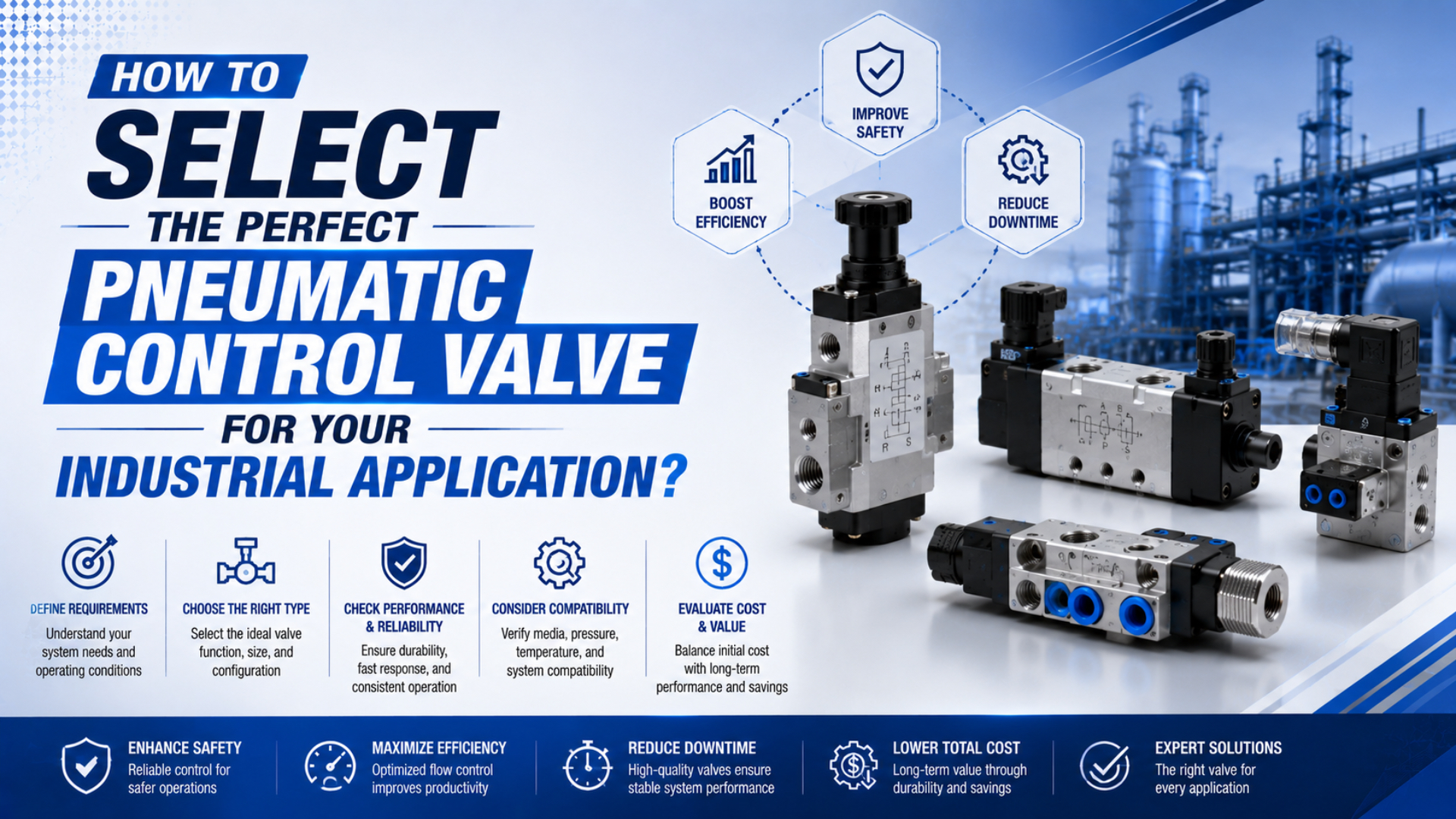
 How to Select the Perfect Pneumatic Control Valve for Your Industrial Application?Select a pneumatic control valve by matching valve function, safe state, usable flow, pilot pressure, response, interfaces, environment, and reliability evidence.→
Blog Author
Eric Zhou
Hello, I'm Eric, a Bepto Pneumatic control systems engineer. I help connect valve, FRL, CAD, and machine-control requirements with practical pneumatic component choices.
Author Reading Path
Articles by Eric Zhou
164 articles sorted newest first for readers who want one author's pneumatic selection notes in one place.
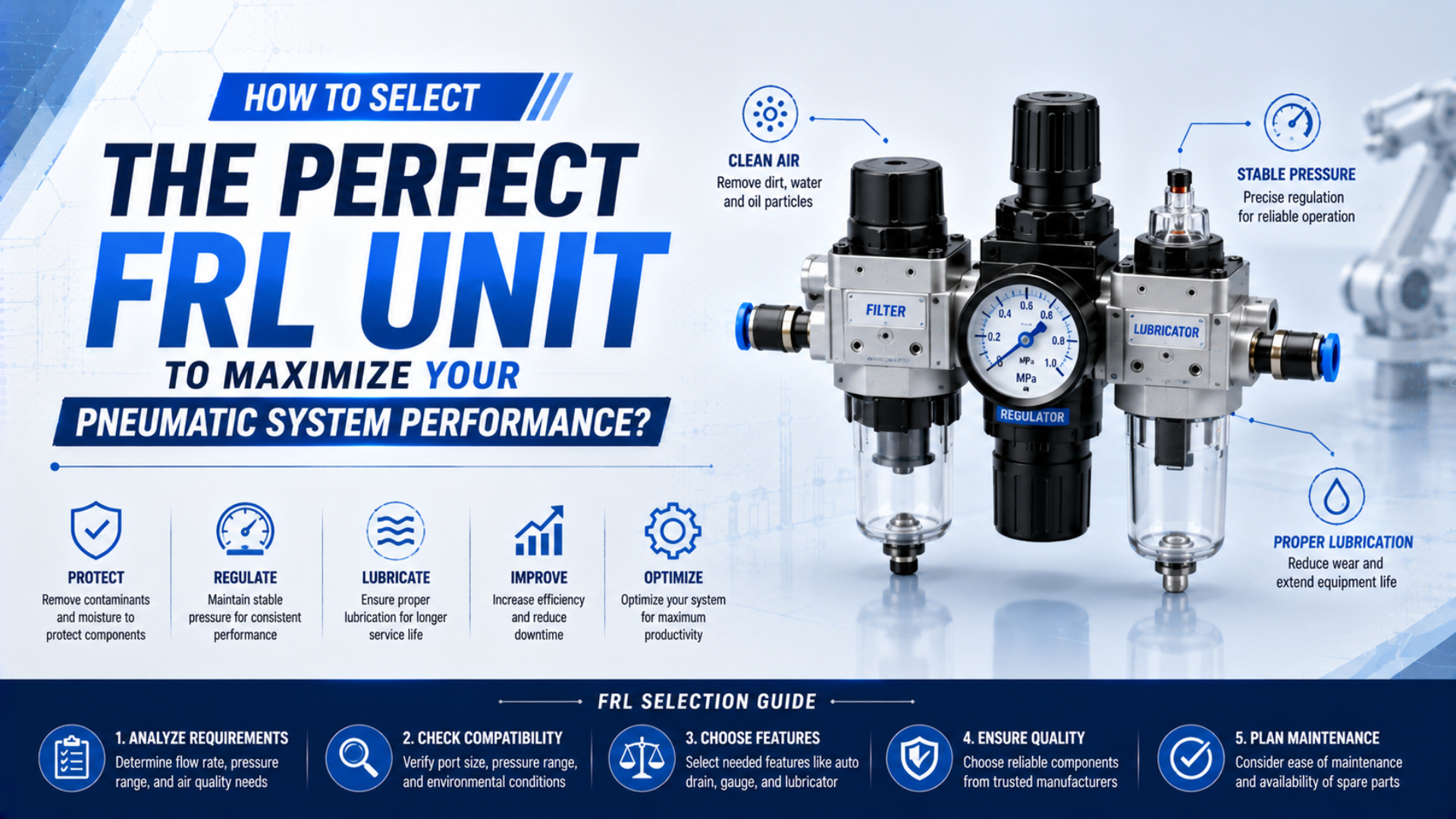 How to Select the Perfect FRL Unit to Maximize Your Pneumatic System Performance?ISO 6953-2:2024 standardizes regulator tests across 39 pages. Learn to select FRL flow, filtration, pressure, drains, materials, and lubrication correctly.→
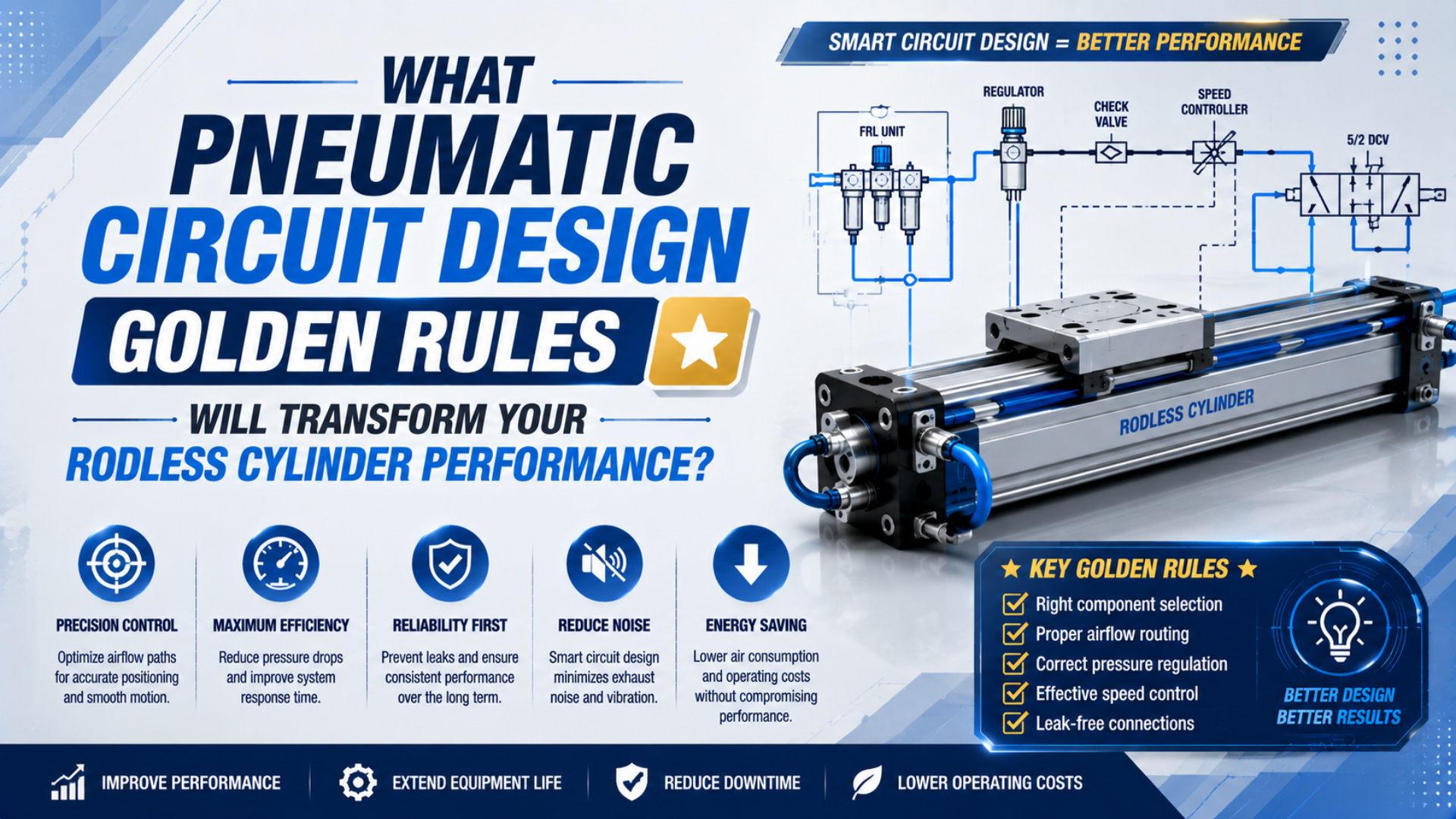 What Pneumatic Circuit Design Golden Rules Will Transform Your Rodless Cylinder Performance?Apply 7 rodless-cylinder circuit rules for safe states, peak flow, meter-out control, FRL sizing, exhaust, couplings, and measurable commissioning results.→
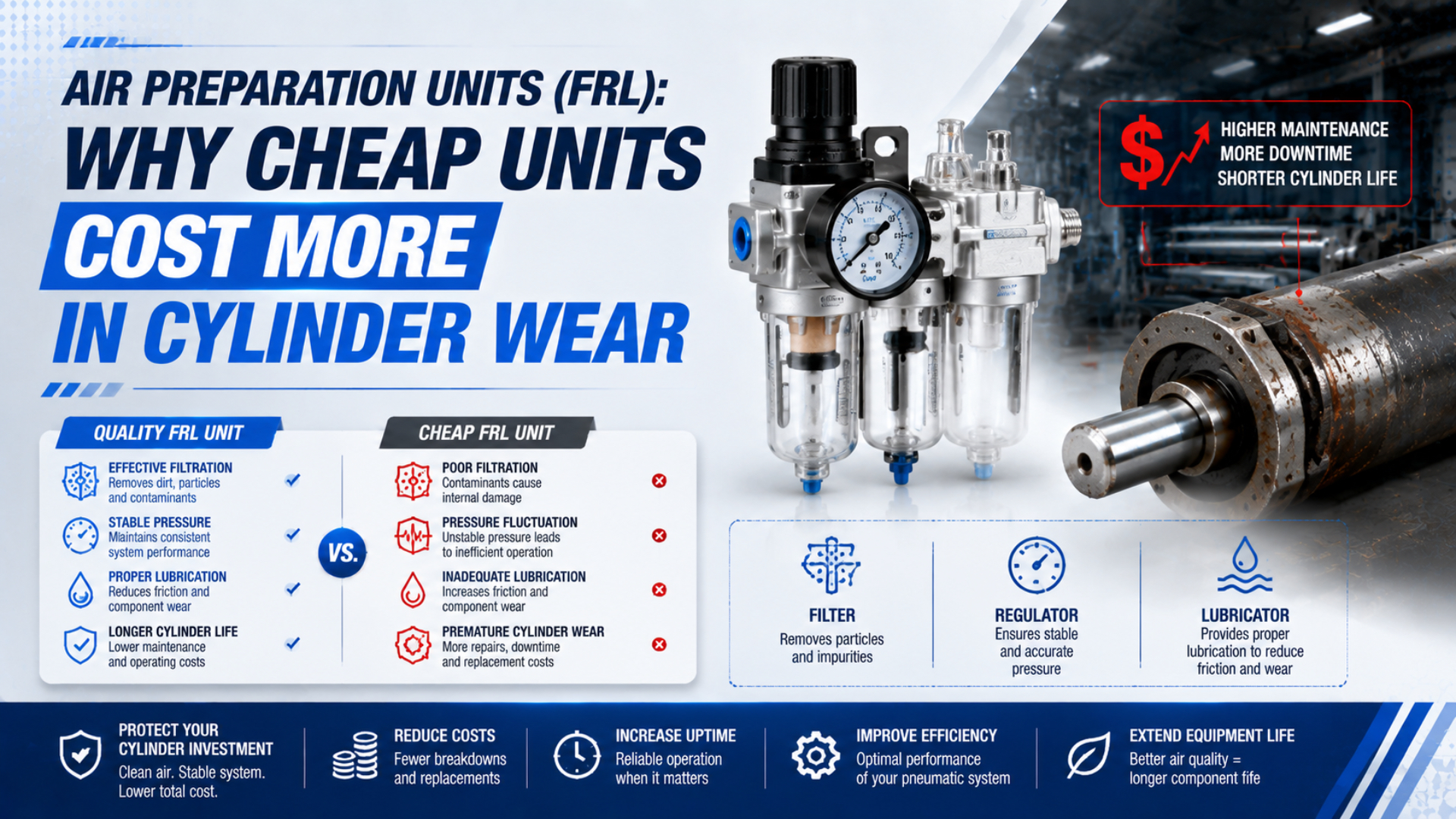 Air Preparation Units (FRL): Why Cheap Units Cost More in Cylinder WearLearn why low-cost FRL units can increase cylinder wear using ISO 8573 targets, CAGI's 10% pressure-drop limit, and a site-specific TCO model for procurement.→
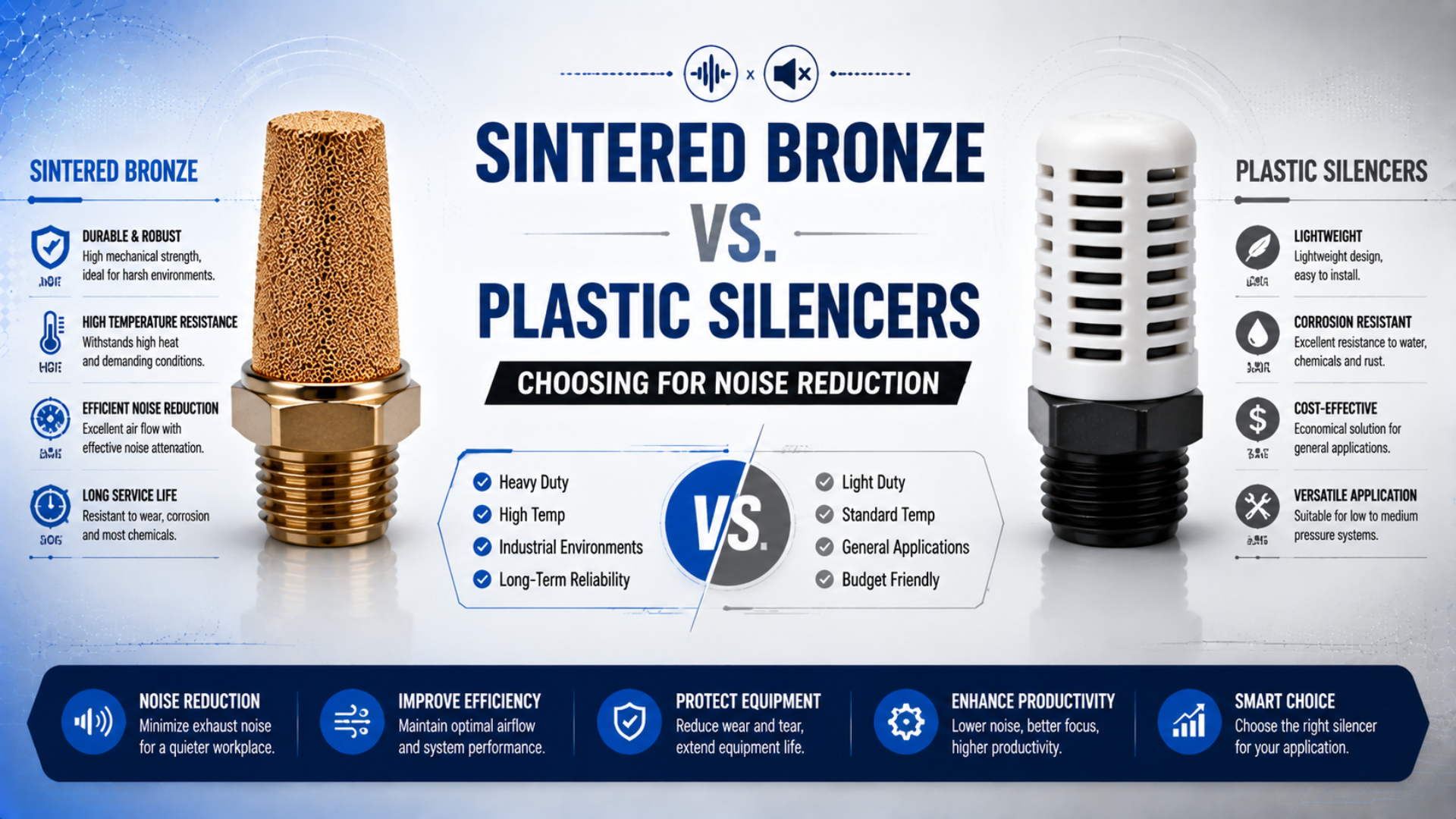 Sintered Bronze vs. Plastic Silencers: Choosing for Noise ReductionCompare bronze and plastic pneumatic silencers using 6 bar noise data, conductance, pressure, temperature, contamination, and acceptance tests.→
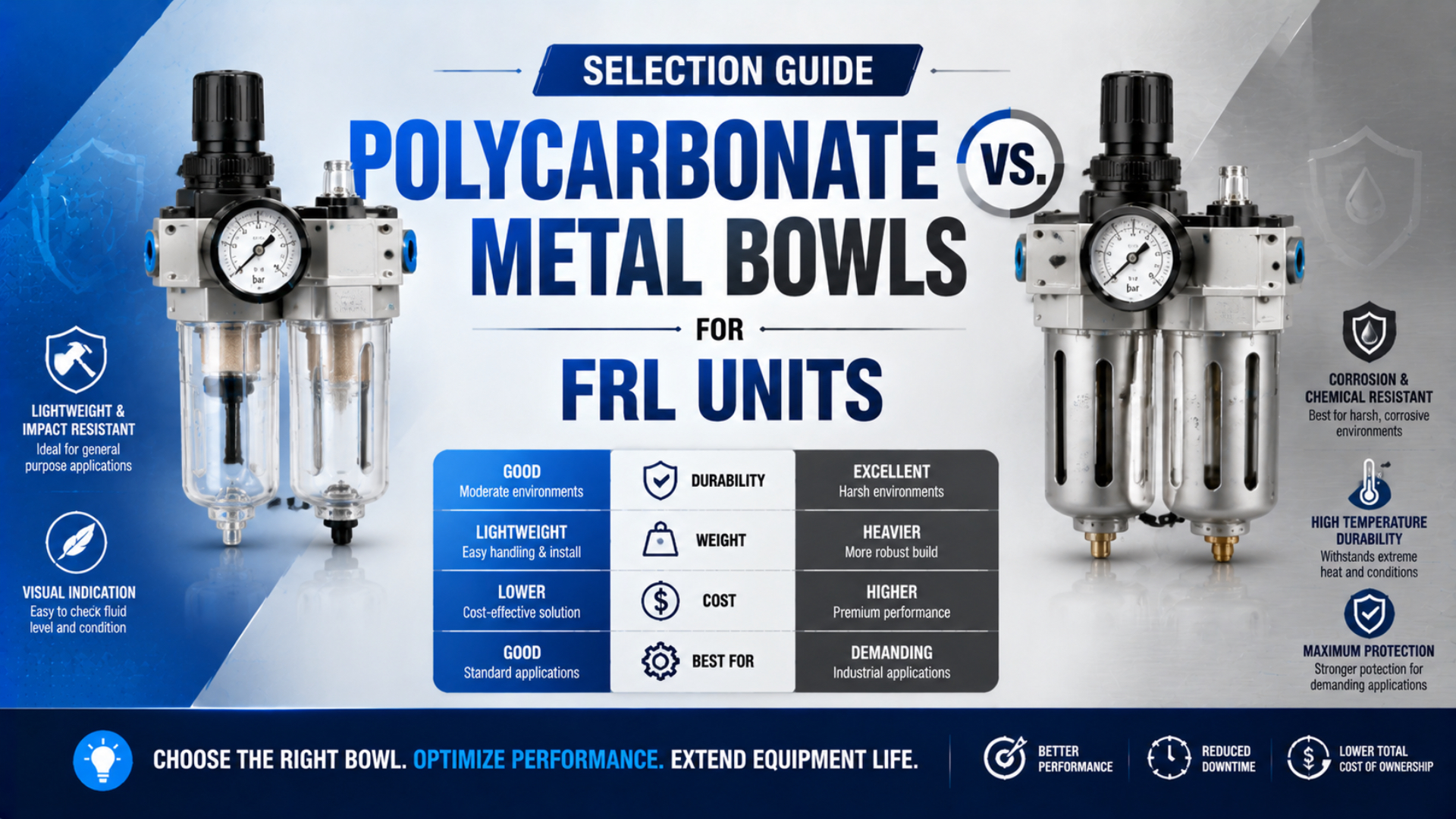 Selection Guide: Polycarbonate vs. Metal Bowls for FRL UnitsCompare polycarbonate vs. metal bowls for FRL units using model-specific ratings, chemical exposure, guards, sight gauges, and exact replacement data.→
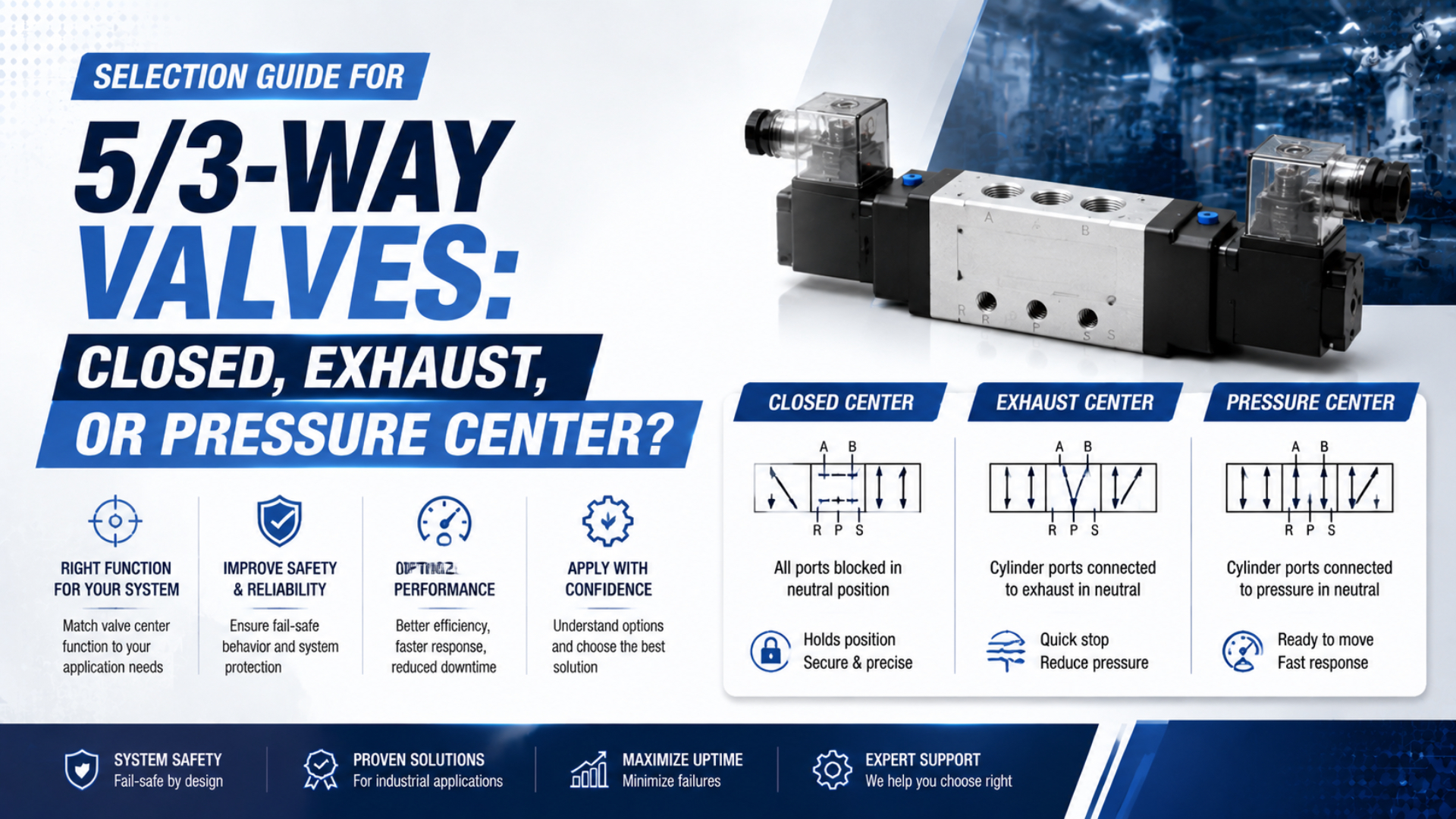 Selection Guide for 5/3-Way Valves: Closed, Exhaust, or Pressure Center?Compare 3 center states of 5/3-way valves and validate 5 fault conditions covering drift, residual pressure, load motion, power loss, and safe restart.→
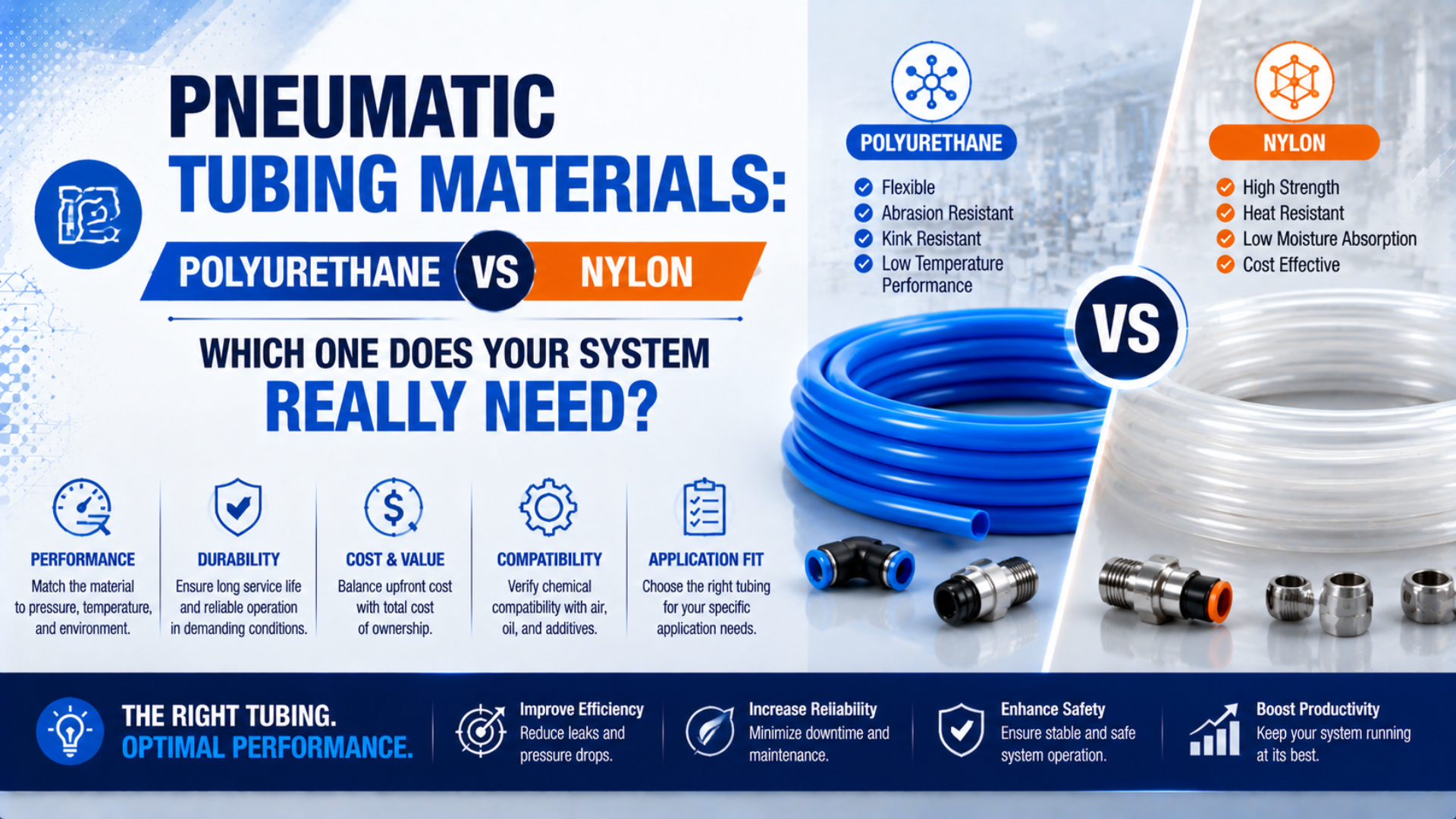 Pneumatic Tubing Materials: Polyurethane vs Nylon — Which One Does Your System Really Need?Compare PU and nylon pneumatic tubing using ISO 11619's 3 to 16 mm scope, pressure, temperature, bend radius, chemical, motion, fitting, and safety checks.→
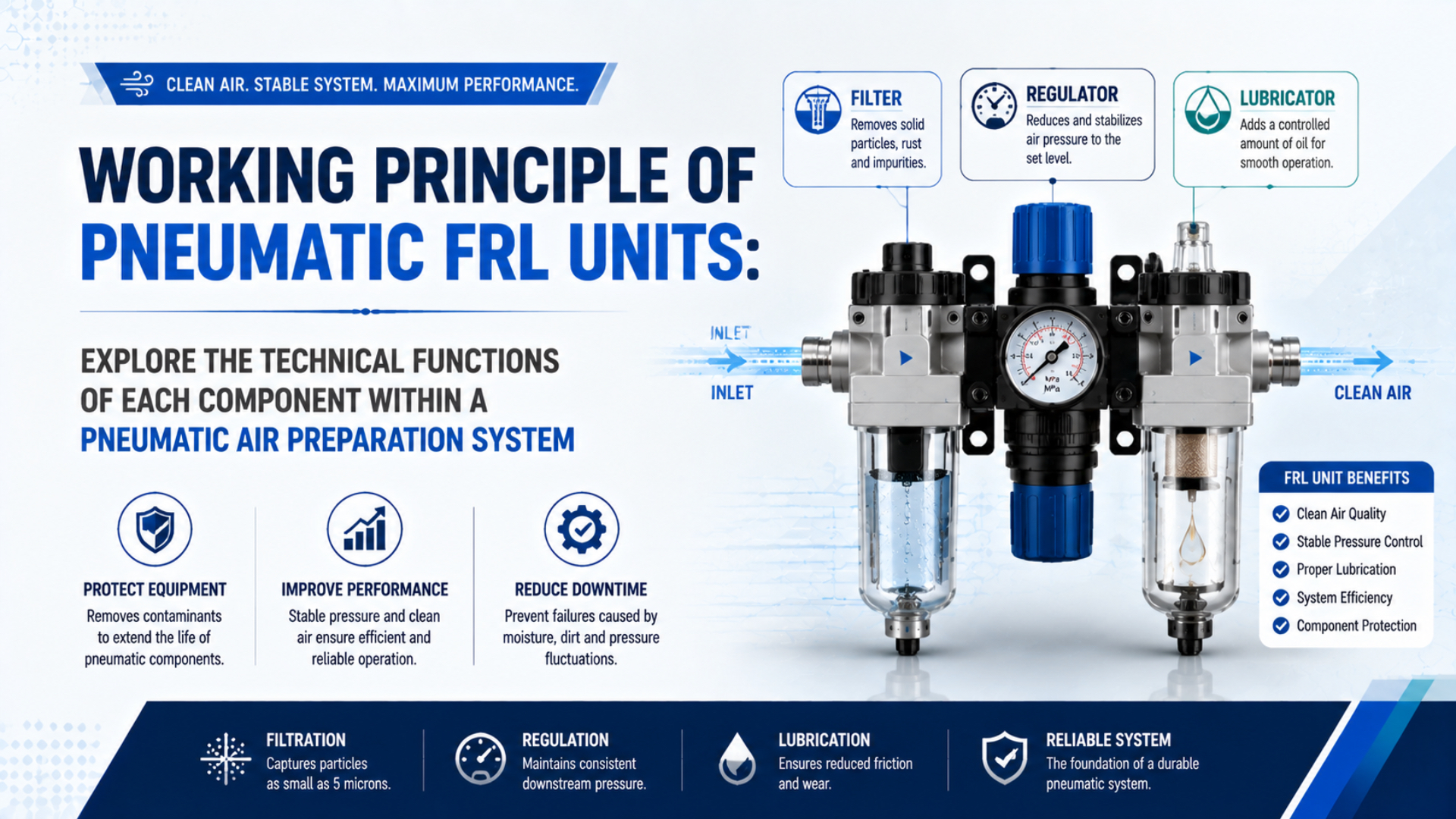 Working Principle of Pneumatic FRL Units: Explore the Technical Functions of Each Component Within a Pneumatic Air Preparation SystemLearn how pneumatic FRL filters, regulators, and lubricators work, using ISO 8573-1 purity classes and CAGI's 5-7 psig filter service trigger.→