
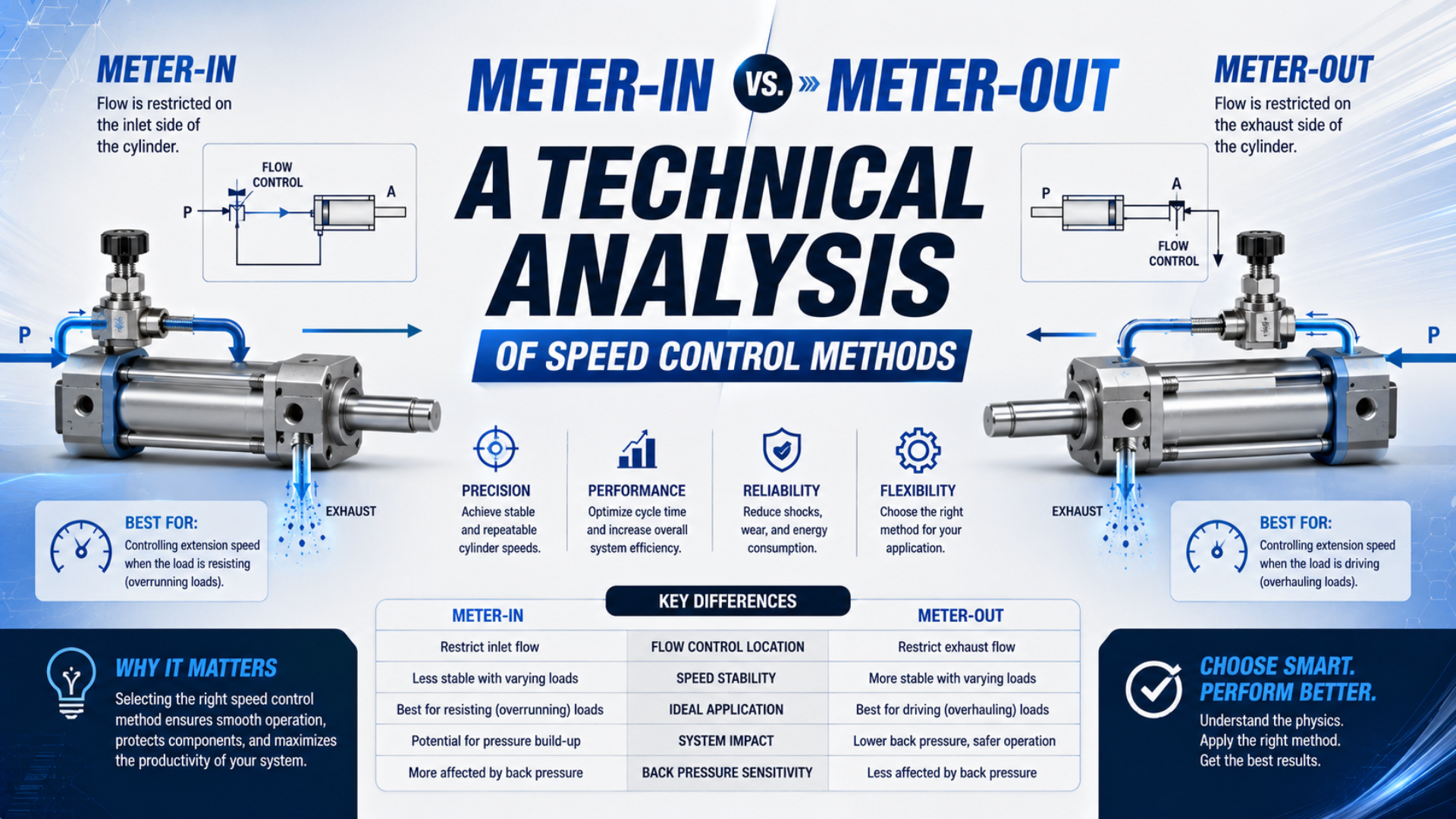
 Meter-In vs. Meter-Out: A Technical Analysis of Speed Control MethodsValidate a meter-in-to-meter-out retrofit with two port-pressure traces, four fault-injection tests, first-stroke checks, and documented acceptance limits.→
Blog Author
Eric Zhou
Hello, I'm Eric, a Bepto Pneumatic control systems engineer. I help connect valve, FRL, CAD, and machine-control requirements with practical pneumatic component choices.
Author Reading Path
Articles by Eric Zhou
164 articles sorted newest first for readers who want one author's pneumatic selection notes in one place.
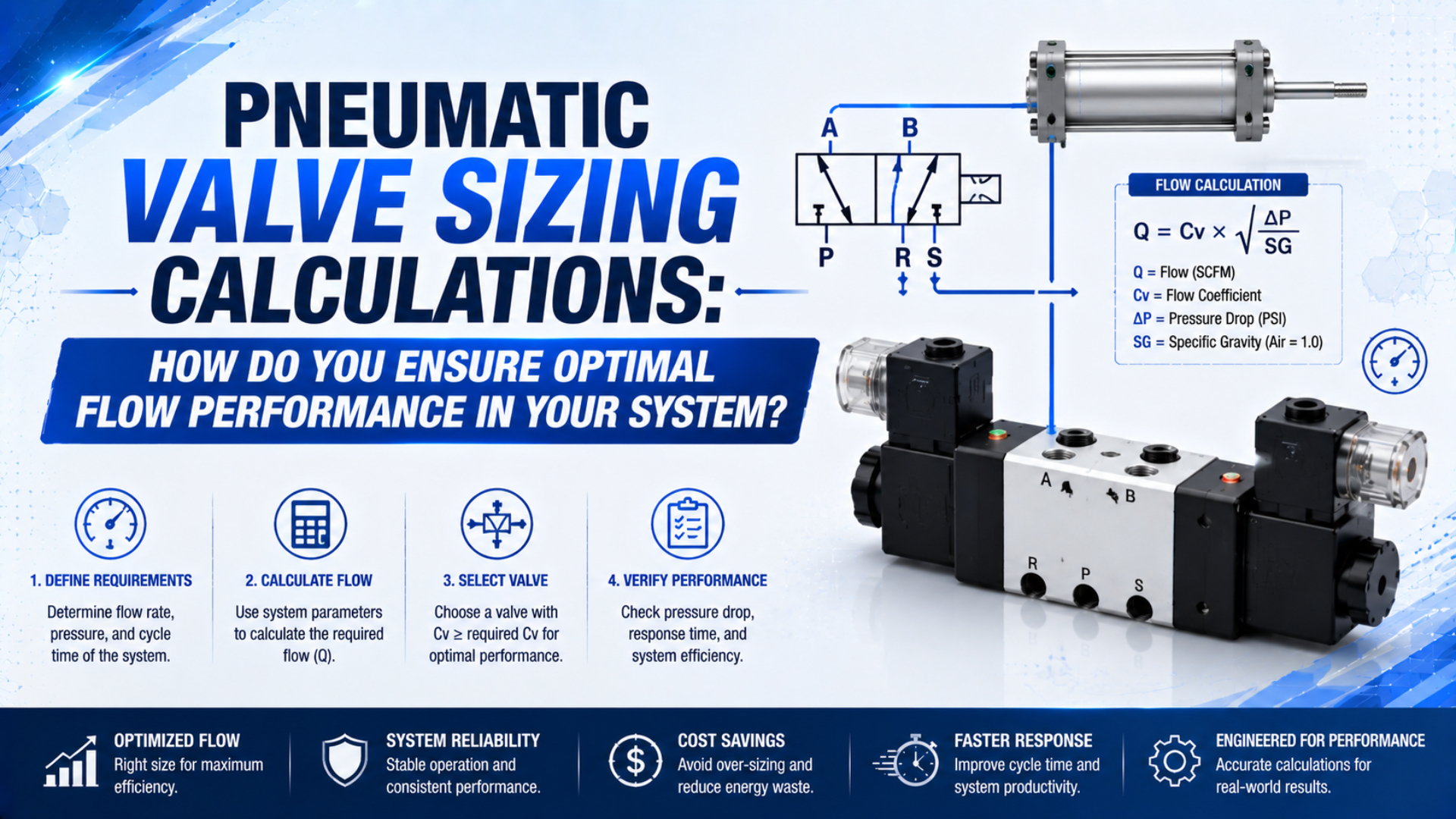 Pneumatic Valve Sizing Calculations: How Do You Ensure Optimal Flow Performance in Your System?Size pneumatic valves from cylinder volume, absolute pressure, stroke time, and Parker’s Cv 1.06 example, then verify supply and exhaust flow under load.→
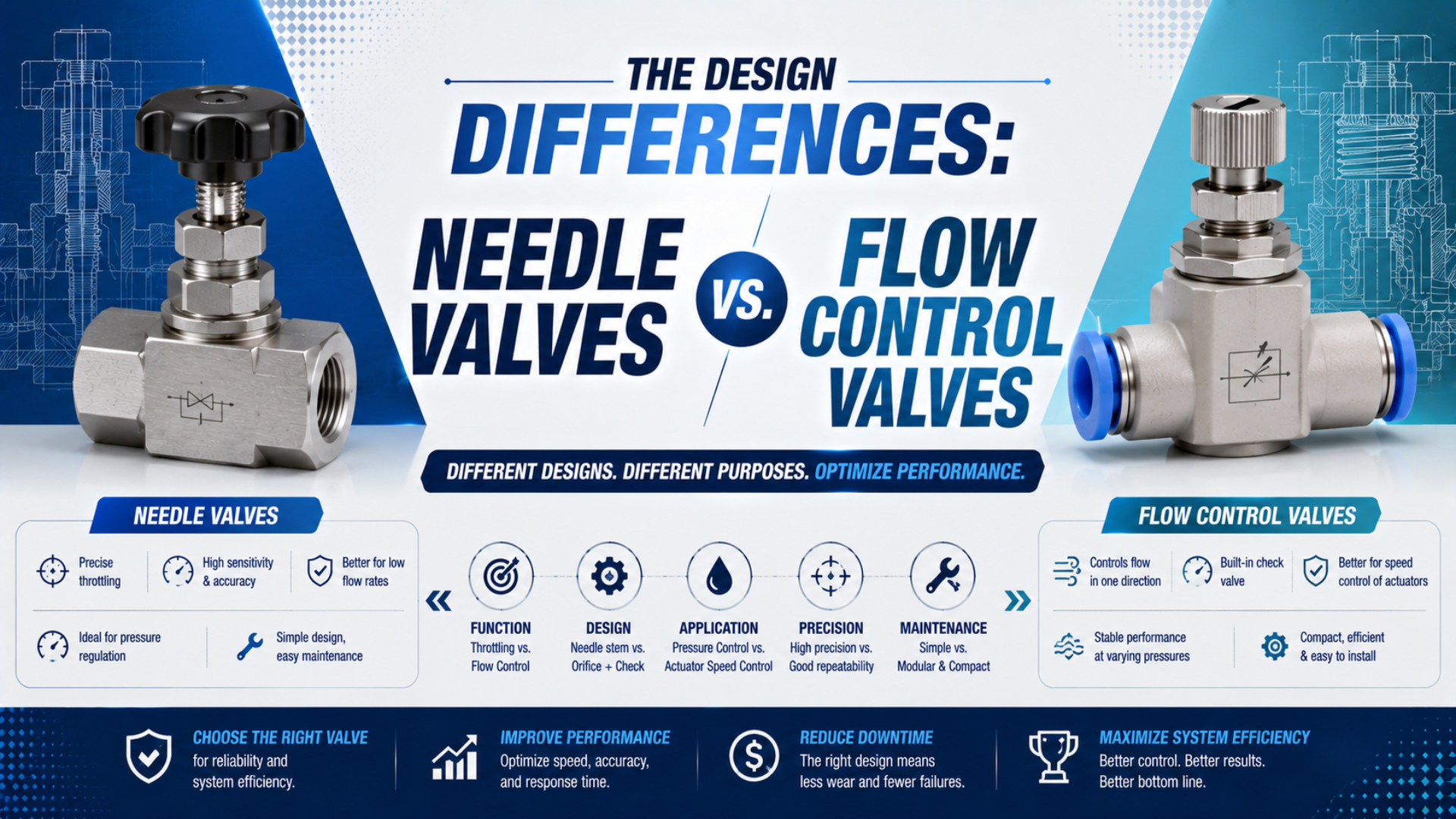 The Design Differences: Needle Valves vs. Flow Control ValvesCompare needle valves with one-way pneumatic flow controls using Festo's 95 versus 76-95 L/min example, flow symbols, direction, and selection checks.→
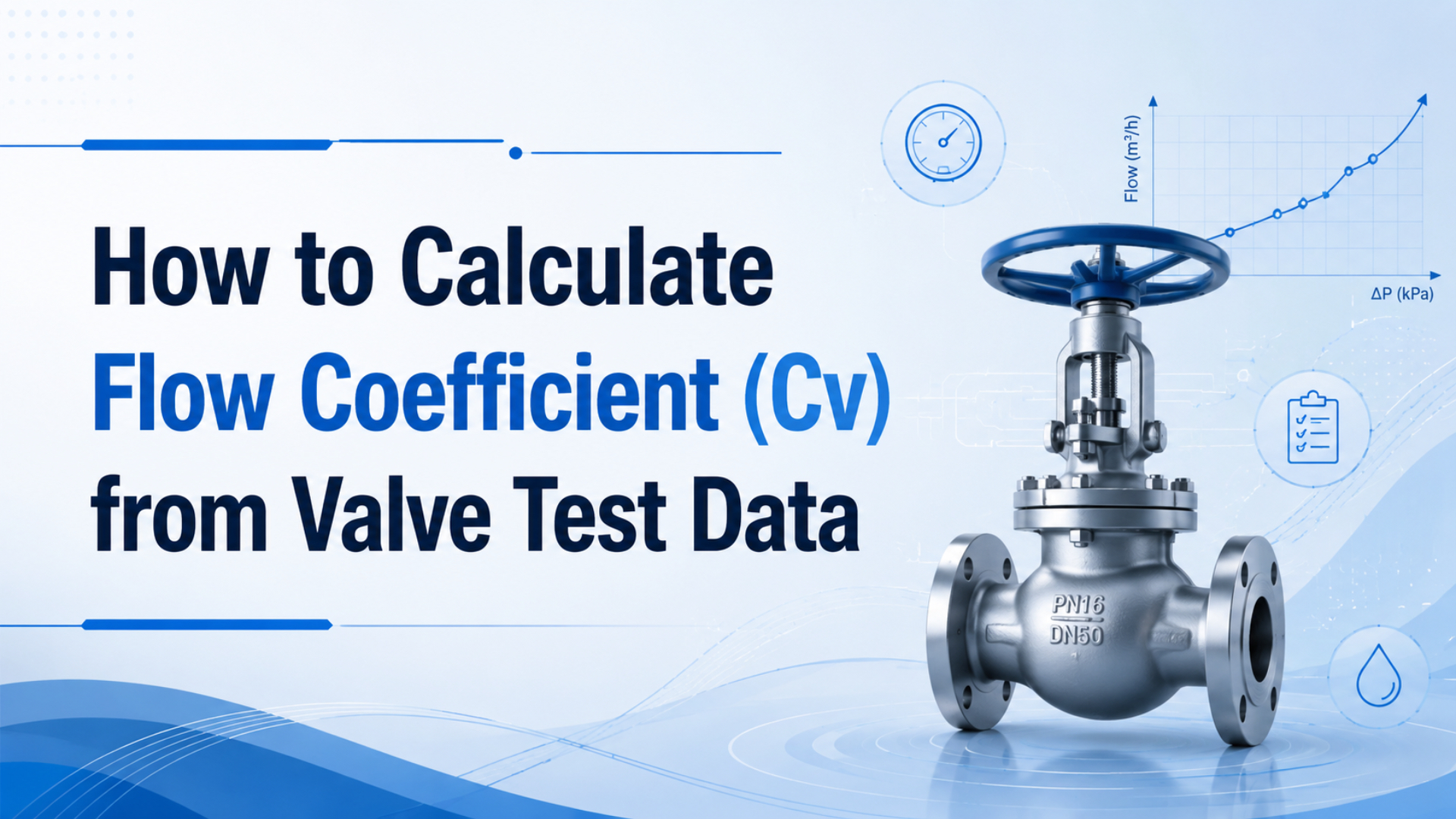 How to Calculate Flow Coefficient (Cv) from Valve Test DataAn engineering workflow for reducing valve test data into a defensible Cv, including liquid and gas equations, uncertainty, and reporting requirements.→
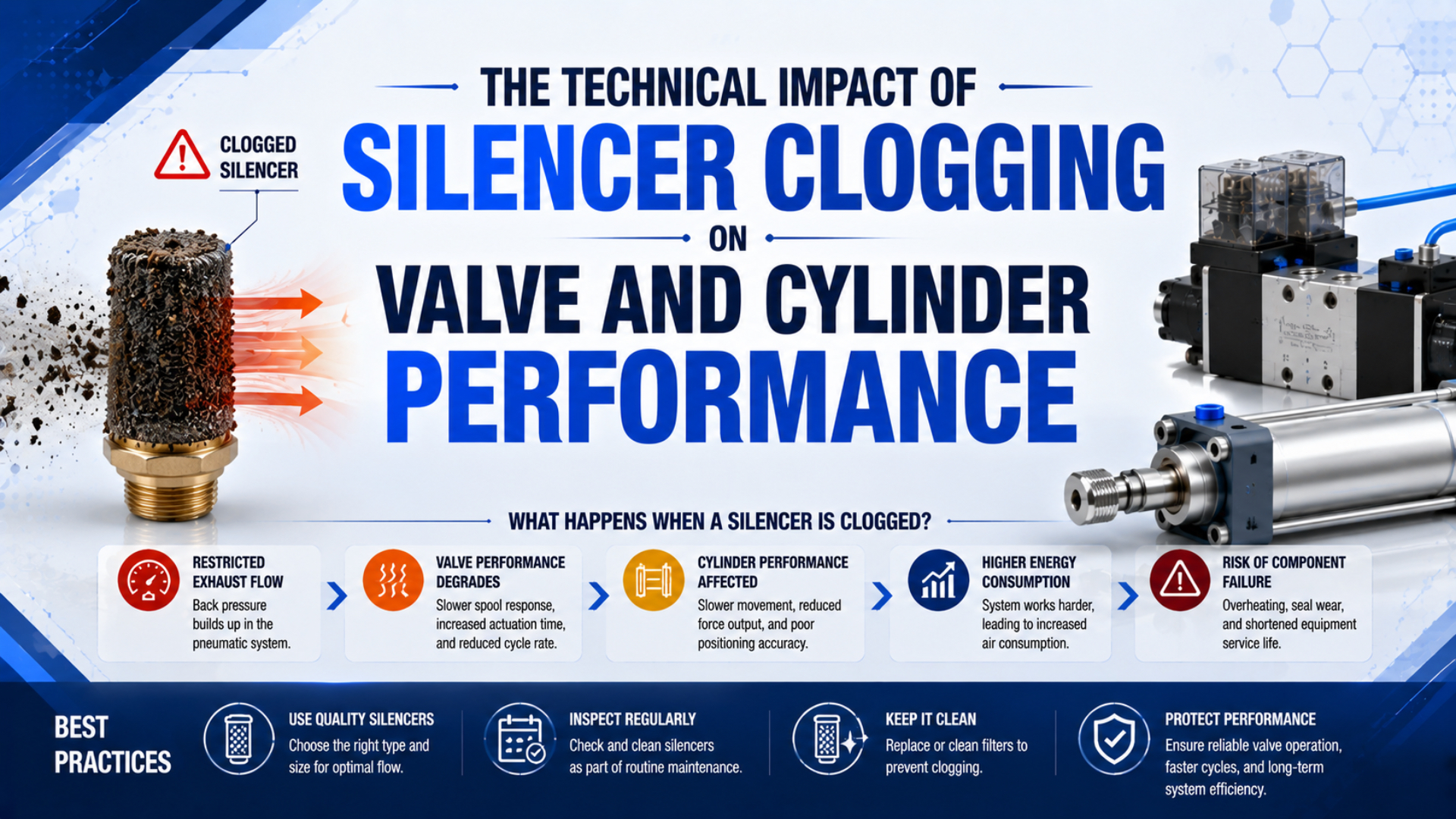 The Technical Impact of Silencer Clogging on Valve and Cylinder PerformanceFesto rates G1/8 silencers from 1,340 to 2,050 L/min. Learn how clogging creates back pressure, slows cylinders, and how to verify the fault safely in service.→
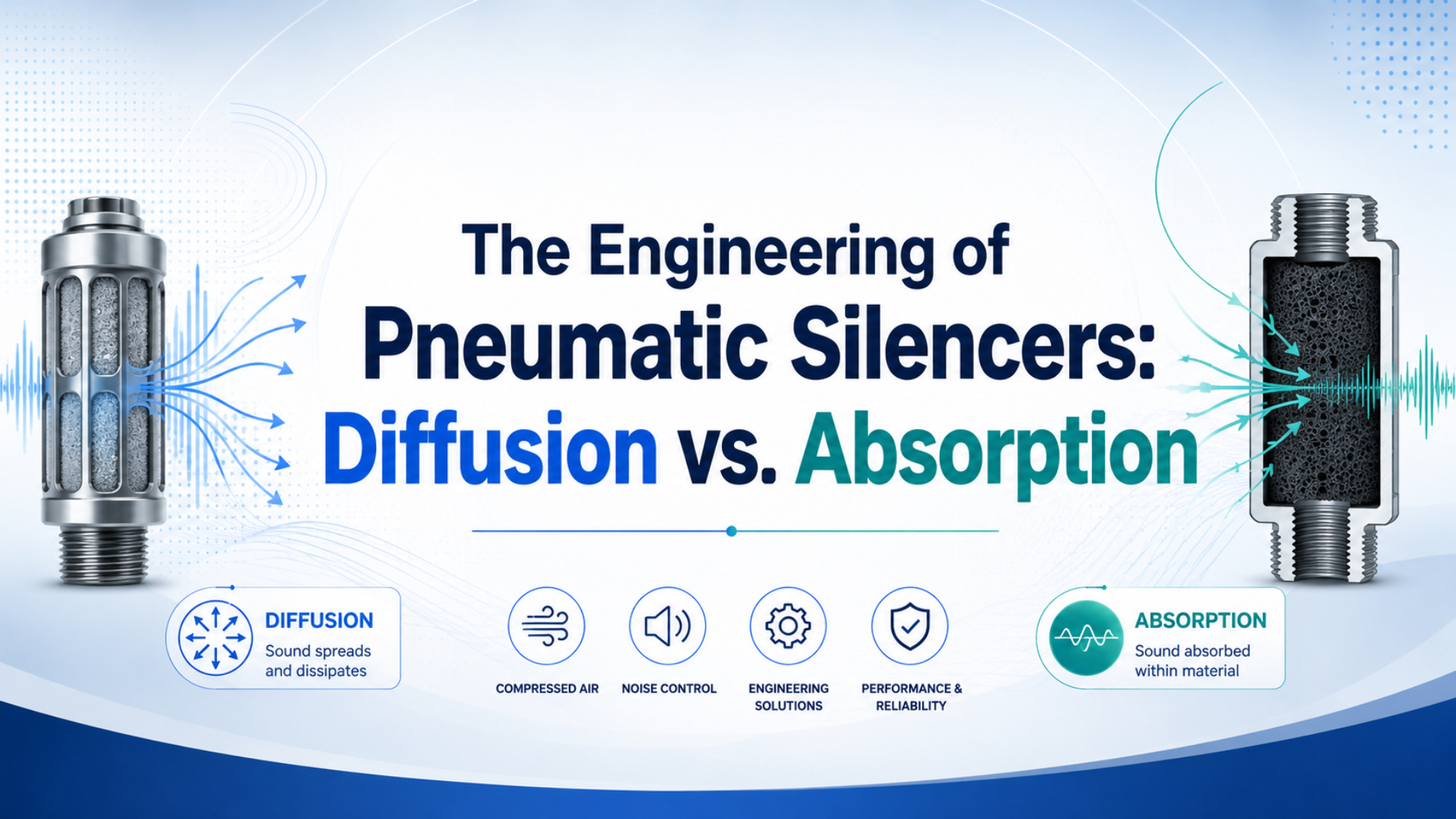 The Engineering of Pneumatic Silencers: Diffusion vs. AbsorptionCompare diffusion, reactive, and absorptive pneumatic silencers using a 59 dB(A), 1,700 L/min example, insertion loss, and exhaust-flow tests for sizing.→
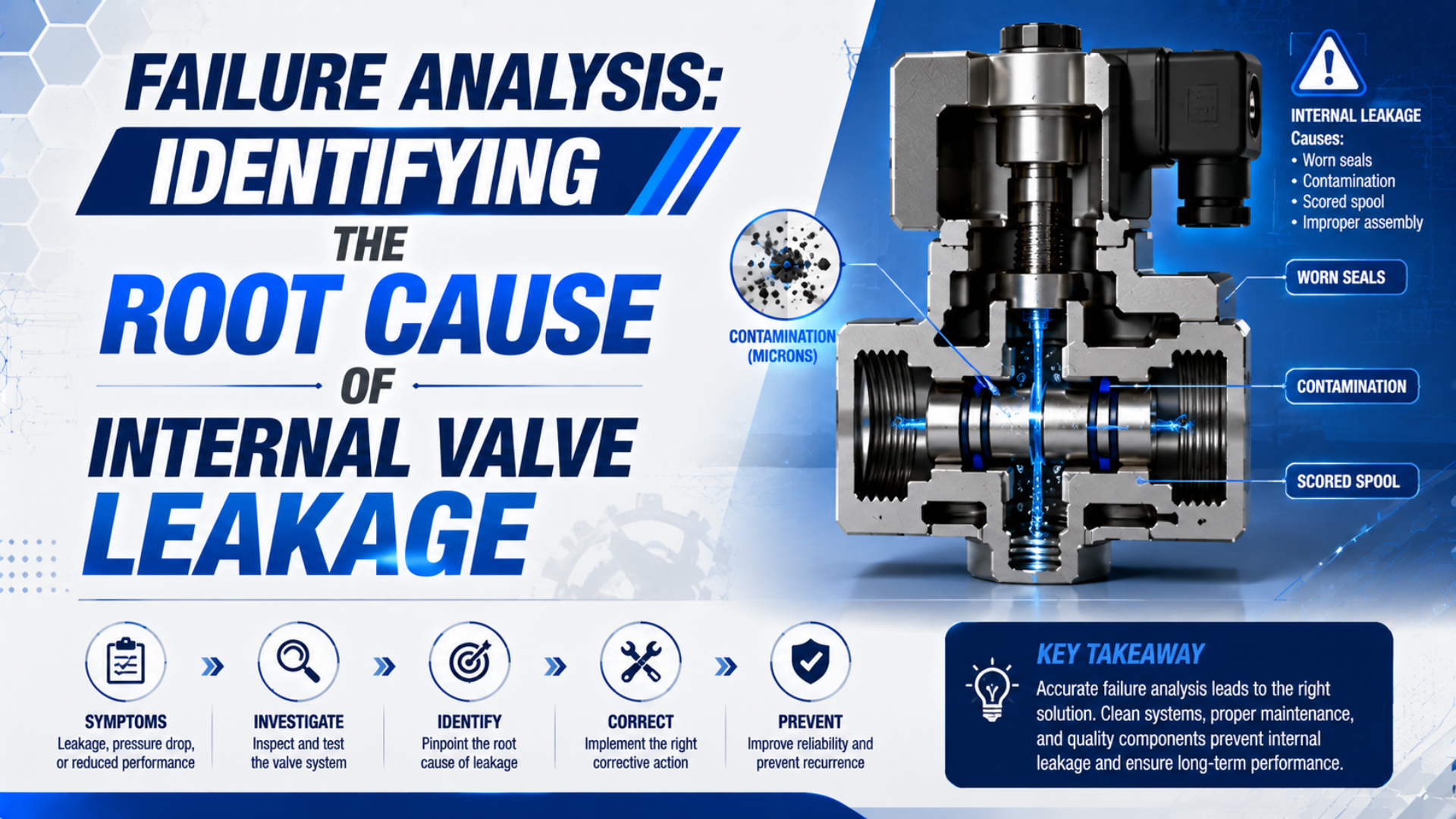 Failure Analysis: Identifying the Root Cause of Internal Valve LeakageDiagnose internal valve leakage with port isolation, pressure checks, and teardown evidence; one SMC metal-seal valve permits 200 Ncc per port at 0.5 MPa.→
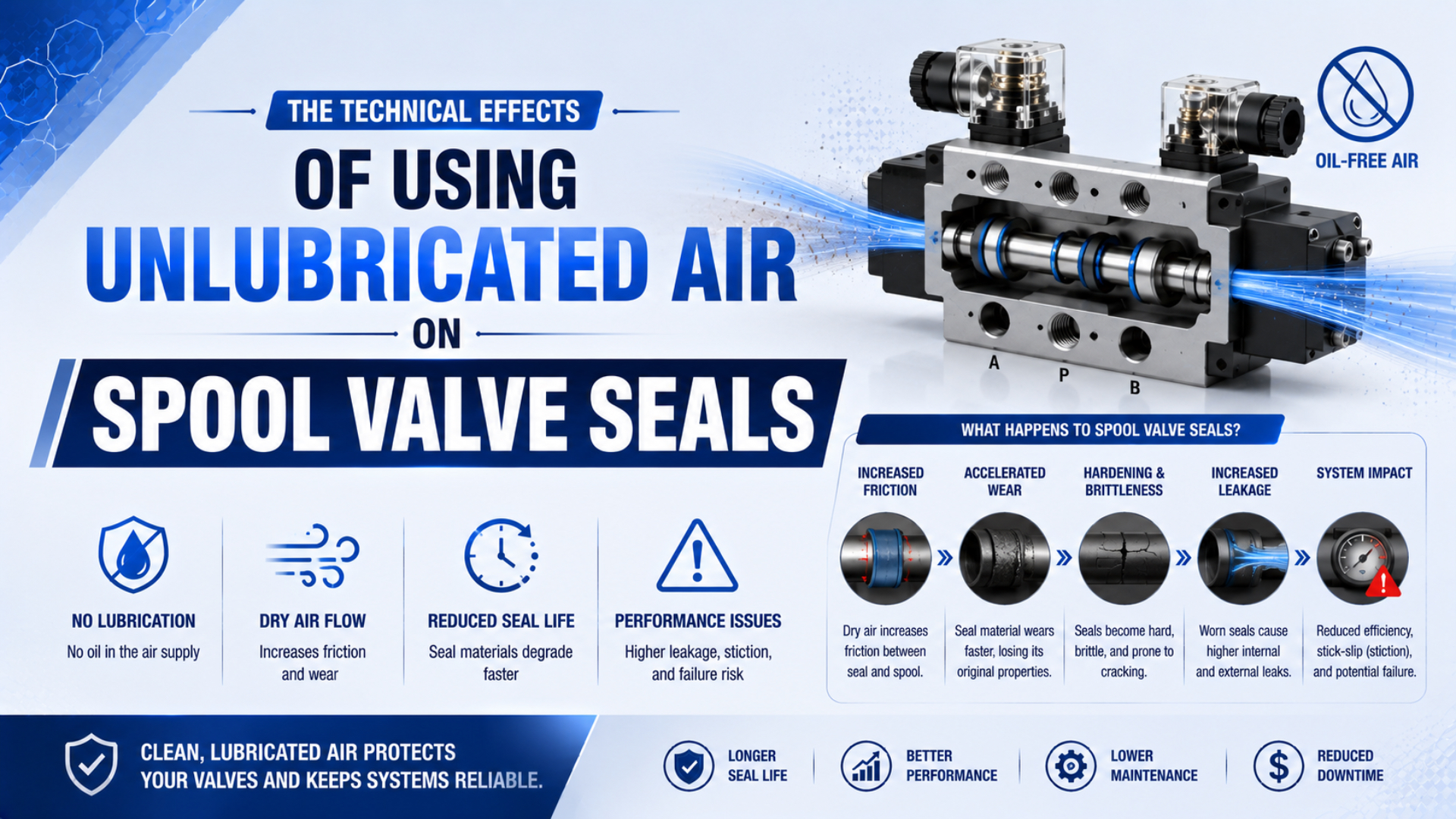 The Technical Effects of Using Unlubricated Air on Spool Valve SealsLearn how unlubricated air affects spool valve seals, why ISO 8573-1 separates 3 contaminant classes, and how to qualify lubrication changes safely.→
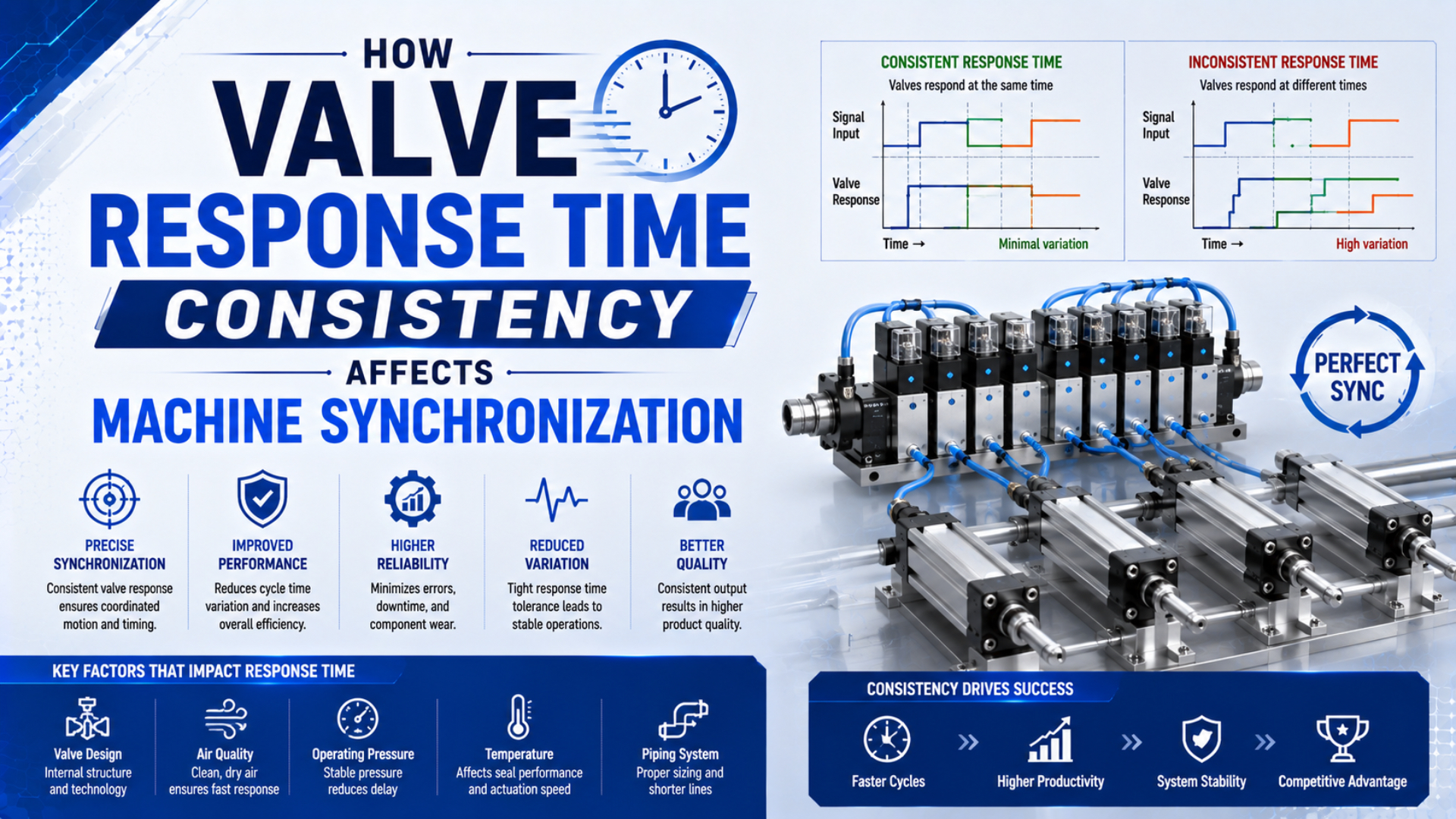 How Valve Response Time Consistency Affects Machine SynchronizationLearn how valve response-time jitter creates axis skew, how to set a machine-specific timing budget, and why a 2 ms valve is not automatically synchronized.→