
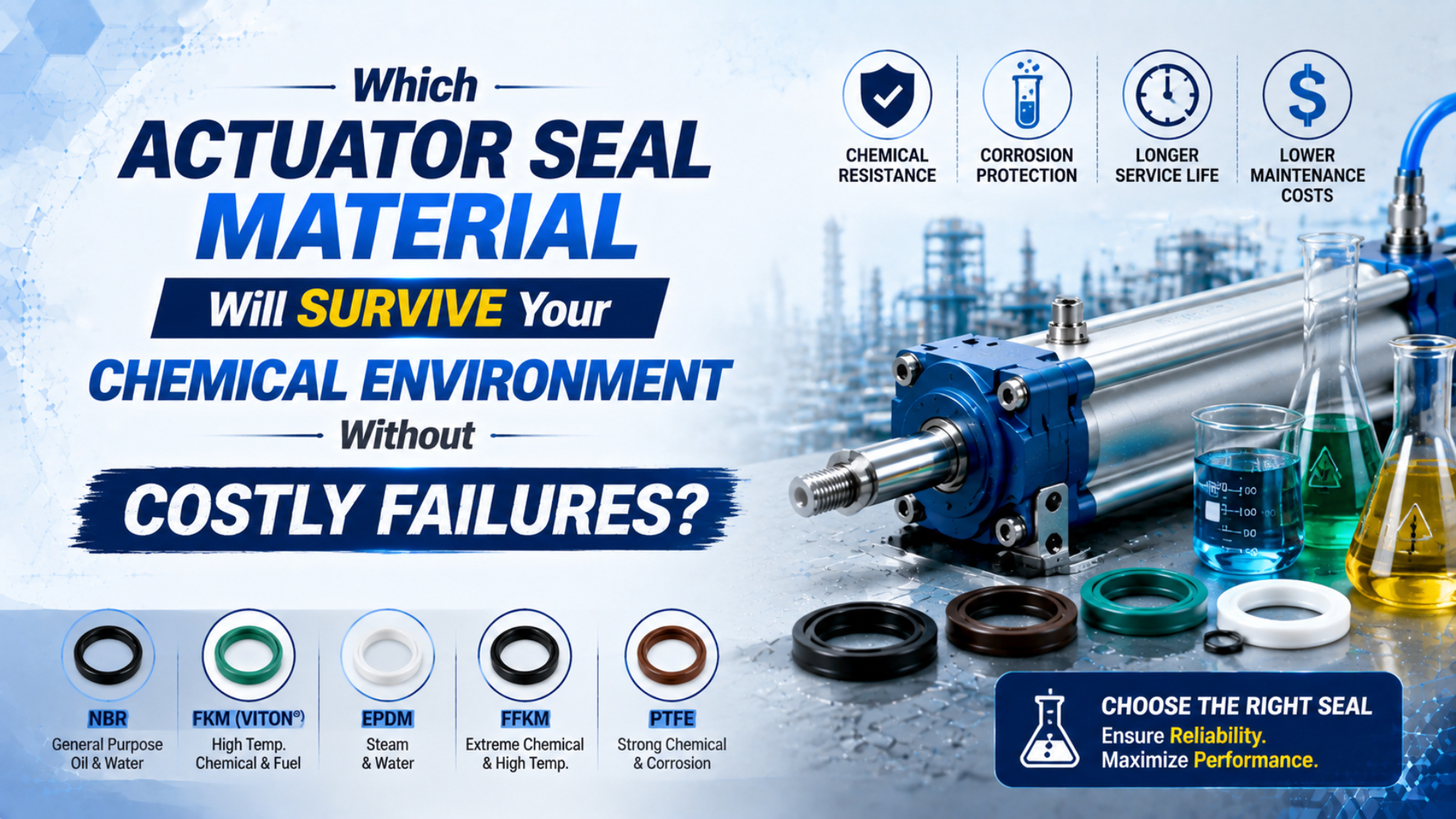
 Which Actuator Seal Material Will Survive Your Chemical Environment Without Costly Failures?Use a 7-input actuator seal review covering chemical, concentration, temperature, exposure, motion, lubricant, and validation before approving a compound.→
Blog Author
Jason Tan
Hello, I'm Jason, a Bepto Pneumatic manufacturing engineer. I help connect drawings, machining tolerance, sealing interfaces, assembly checks, and inspection needs with build-ready pneumatic parts.
Author Reading Path
Articles by Jason Tan
89 articles sorted newest first for readers who want one author's pneumatic selection notes in one place.
 How Do You Select FDA-Compliant Actuators That Meet Strict Food Safety Standards Without Compromising Performance?Select FDA-compliant actuators using 21 CFR 117.40, exact material declarations, food-contact evidence, washdown limits, and loaded performance tests.→
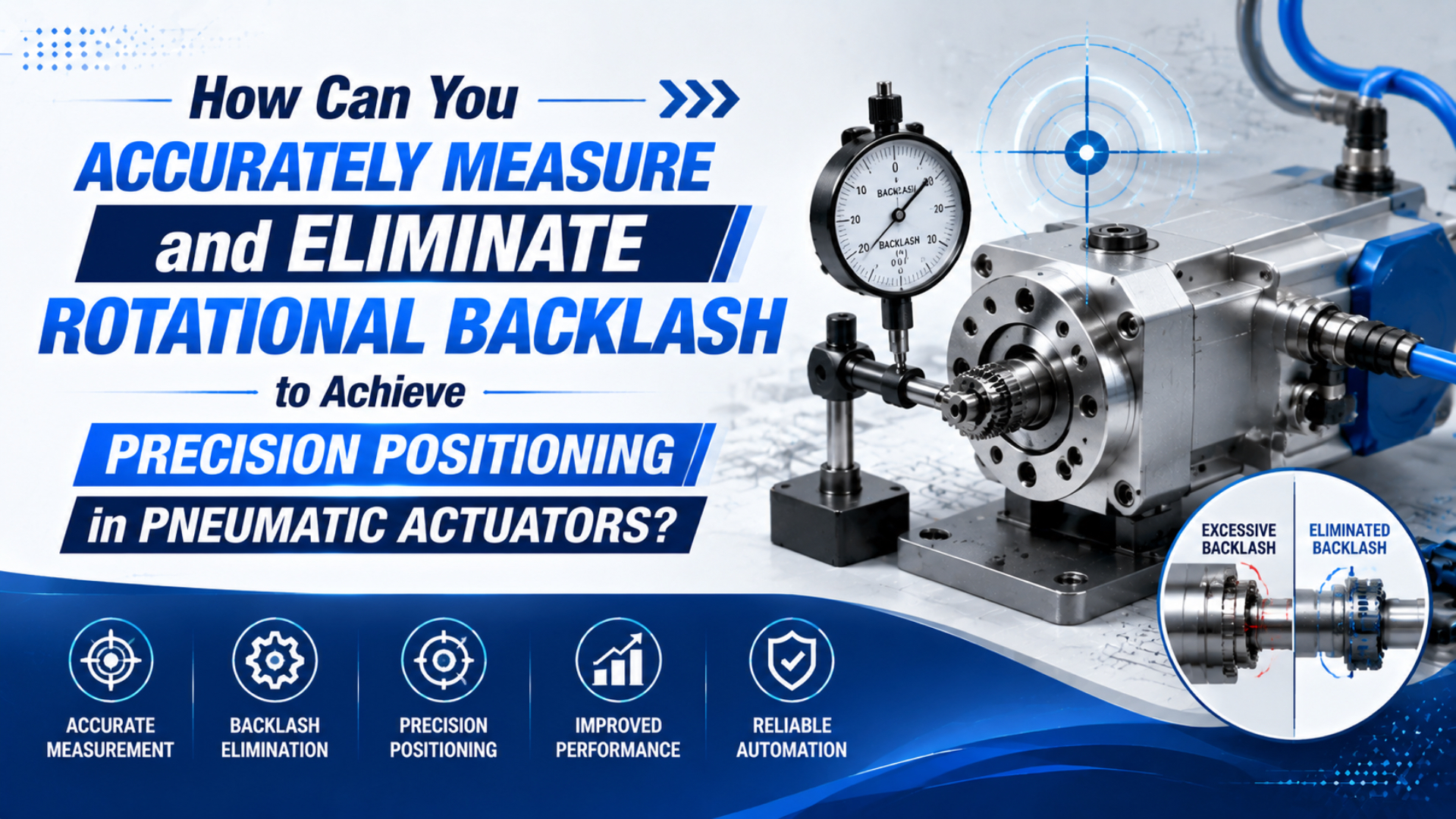 How Can You Accurately Measure and Eliminate Rotational Backlash to Achieve Precision Positioning in Pneumatic Actuators?Measure rotational backlash with a dial indicator or output encoder, separate clearance from compliance, and choose verifiable fixes for pneumatic actuators.→
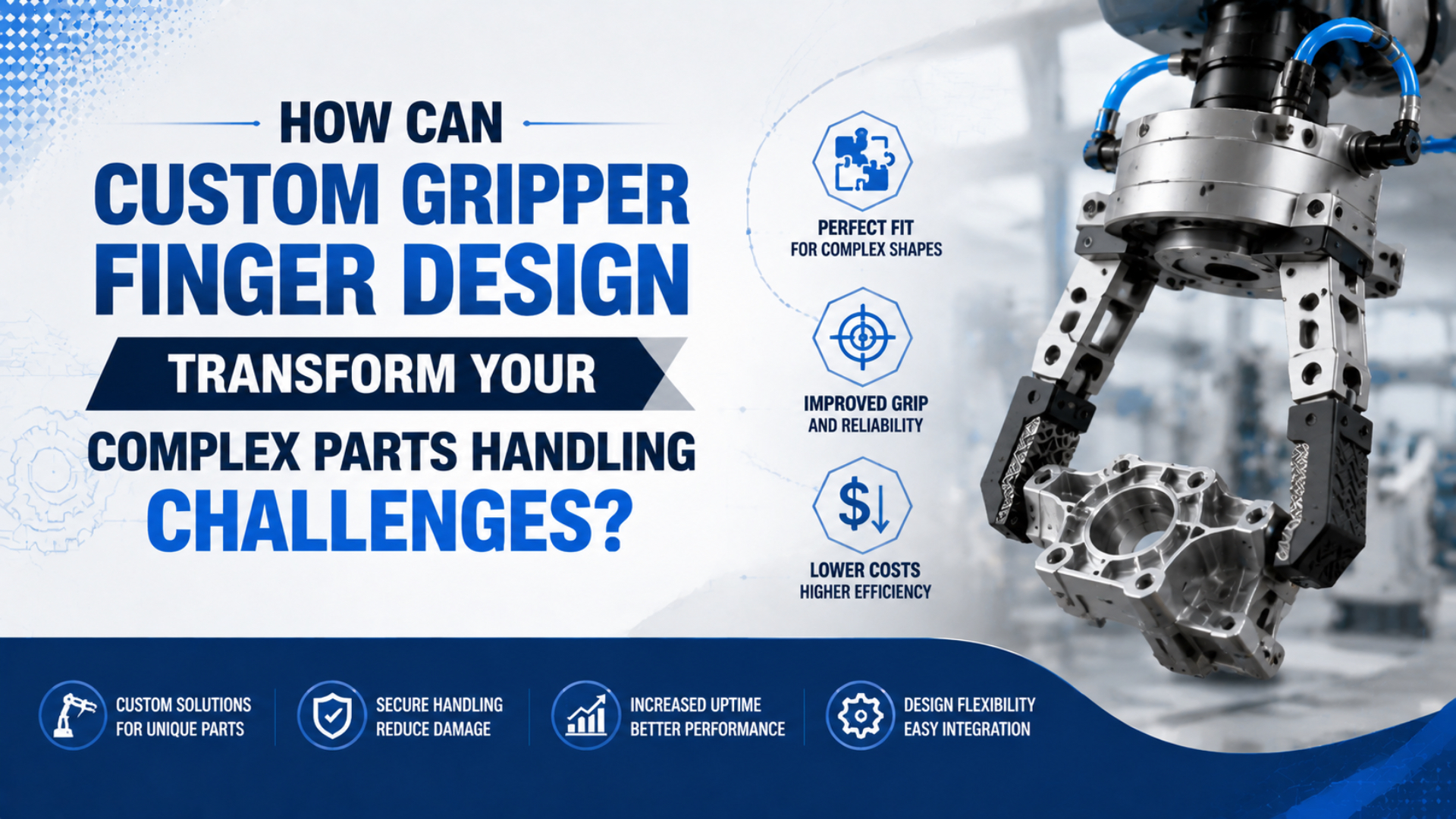 How Can Custom Gripper Finger Design Transform Your Complex Parts Handling Challenges?Design custom gripper fingers using SMC's 10-to-20-times load guidance, contact geometry, jaw moments, materials, tolerances, and validation tests.→
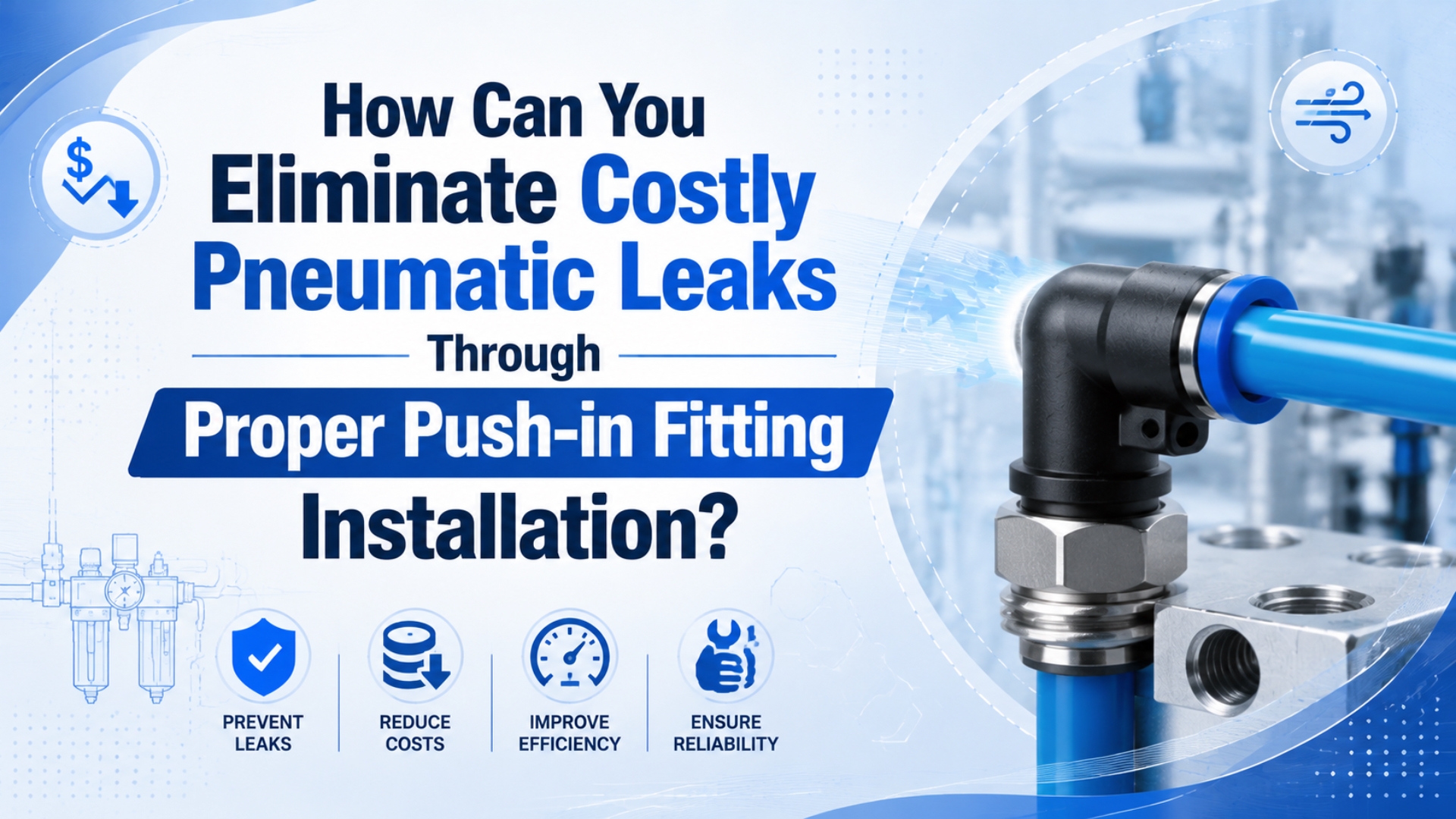 How Can You Eliminate Costly Pneumatic Leaks Through Proper Push-in Fitting Installation?Stop push-in fitting leaks on 3-16 mm tube with ISO 14743-aligned selection, square cuts, full insertion, pull checks, support, safe testing, and diagnosis.→
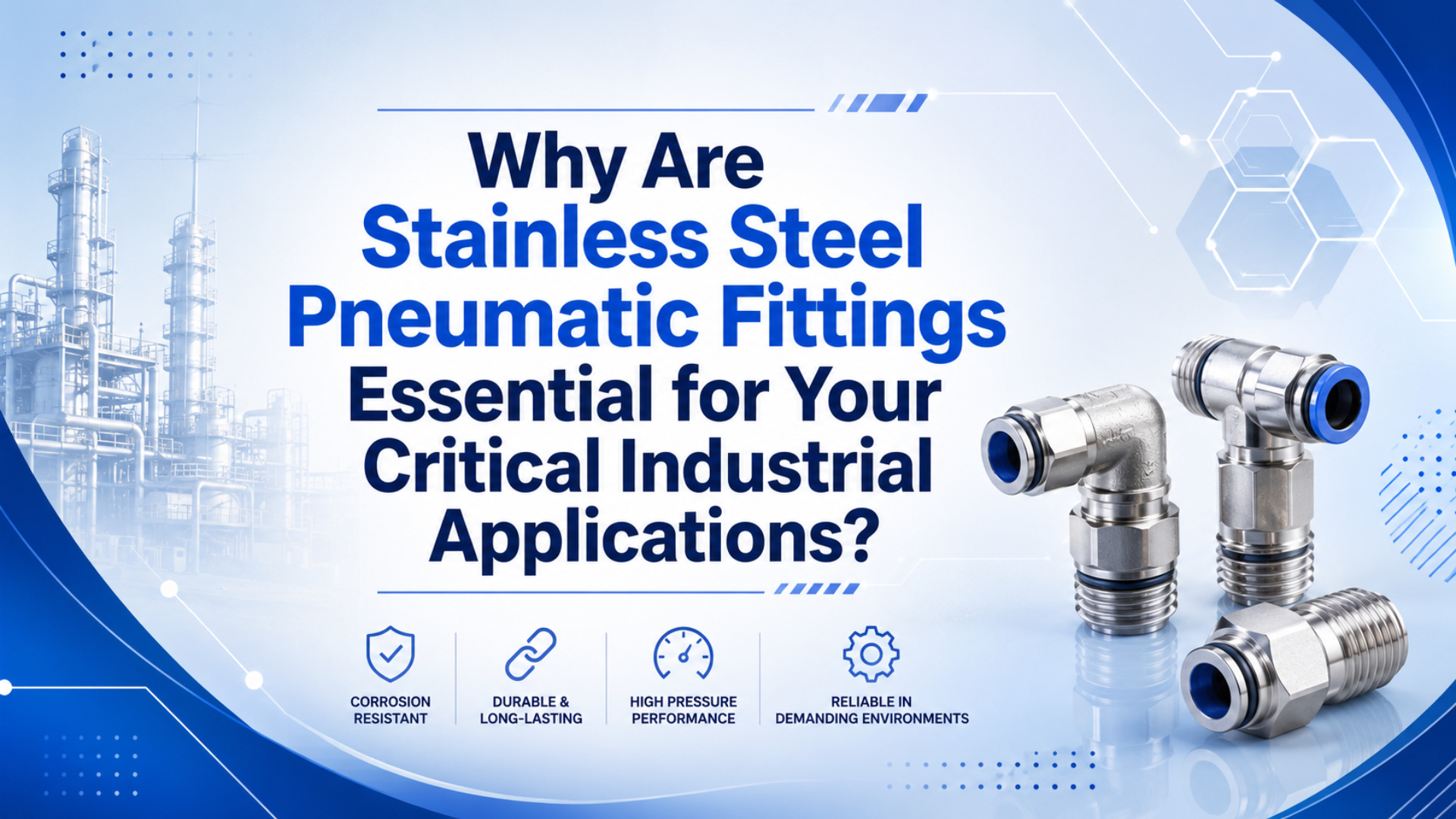 Why Are Stainless Steel Pneumatic Fittings Essential for Your Critical Industrial Applications?Select stainless steel pneumatic fittings using ISO 14743, 304/316L material checks, tube compatibility, environment limits, and installation evidence.→
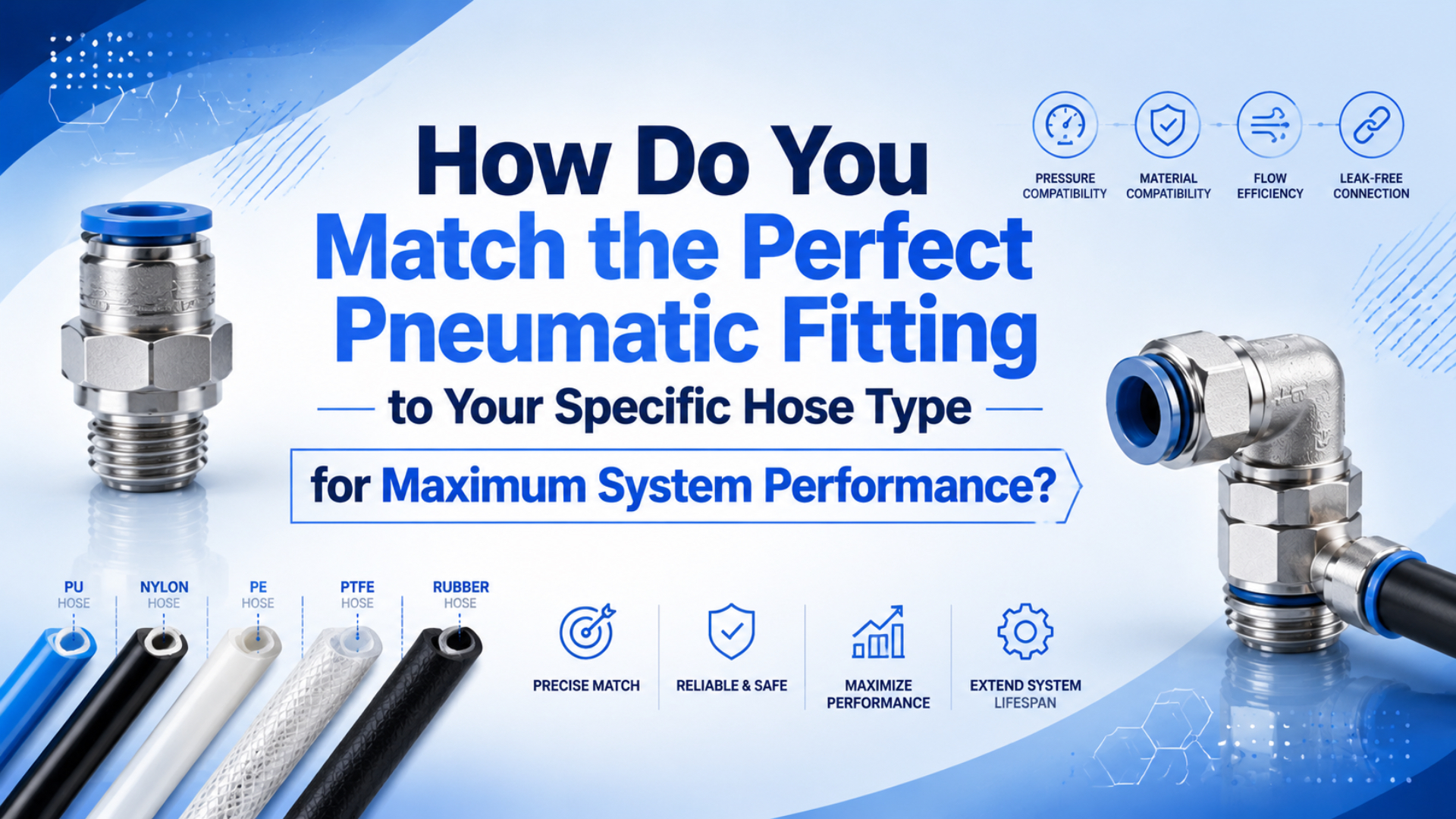 How Do You Match the Perfect Pneumatic Fitting to Your Specific Hose Type for Maximum System Performance?Match pneumatic fittings to hose and tubing using ISO 14743's 3-16 mm scope, exact OD, material, pressure, temperature, installation checks, and safe use.→
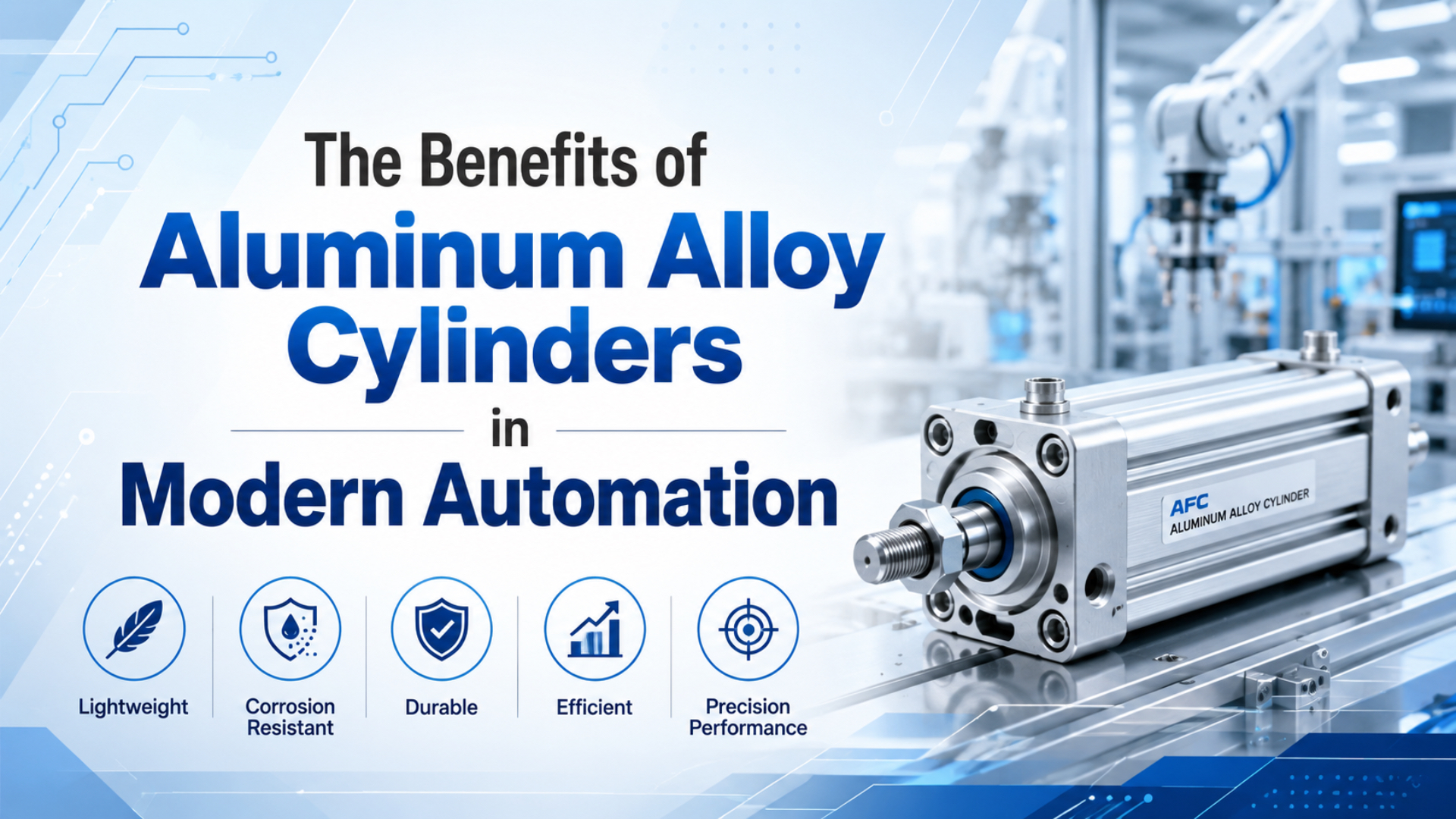 The Benefits of Aluminum Alloy Cylinders in Modern AutomationAluminum can weigh up to 65% less than steel, but cylinder speed and air use still depend on moving mass, bore, pressure, seals, and duty cycle in automation.→
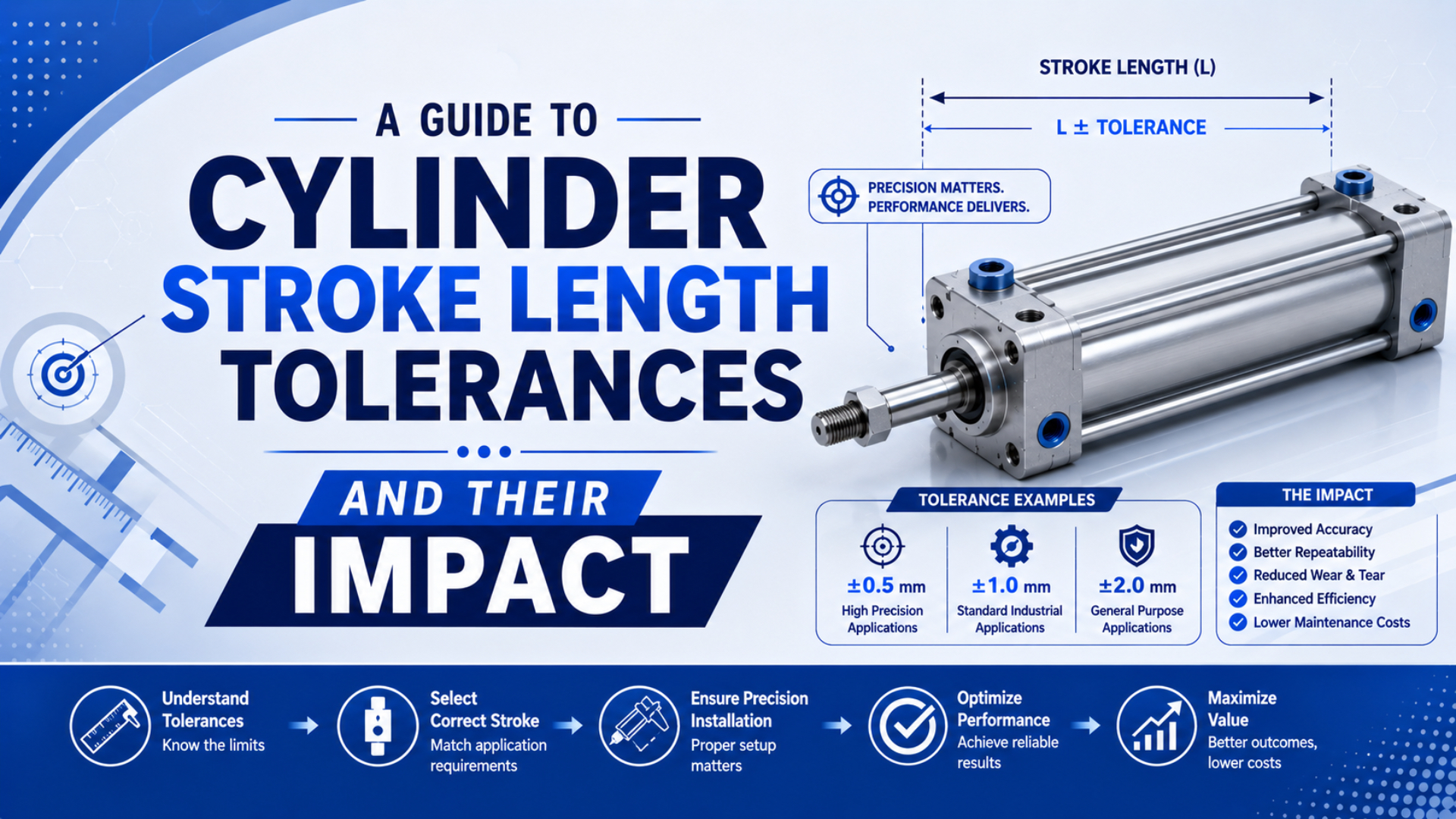 A Guide to Cylinder Stroke Length Tolerances and Their ImpactRead cylinder stroke length tolerances correctly. Parker lists +0.3/+2.0 mm up to 500 mm; learn how to specify, measure, and verify actual cylinder travel.→