
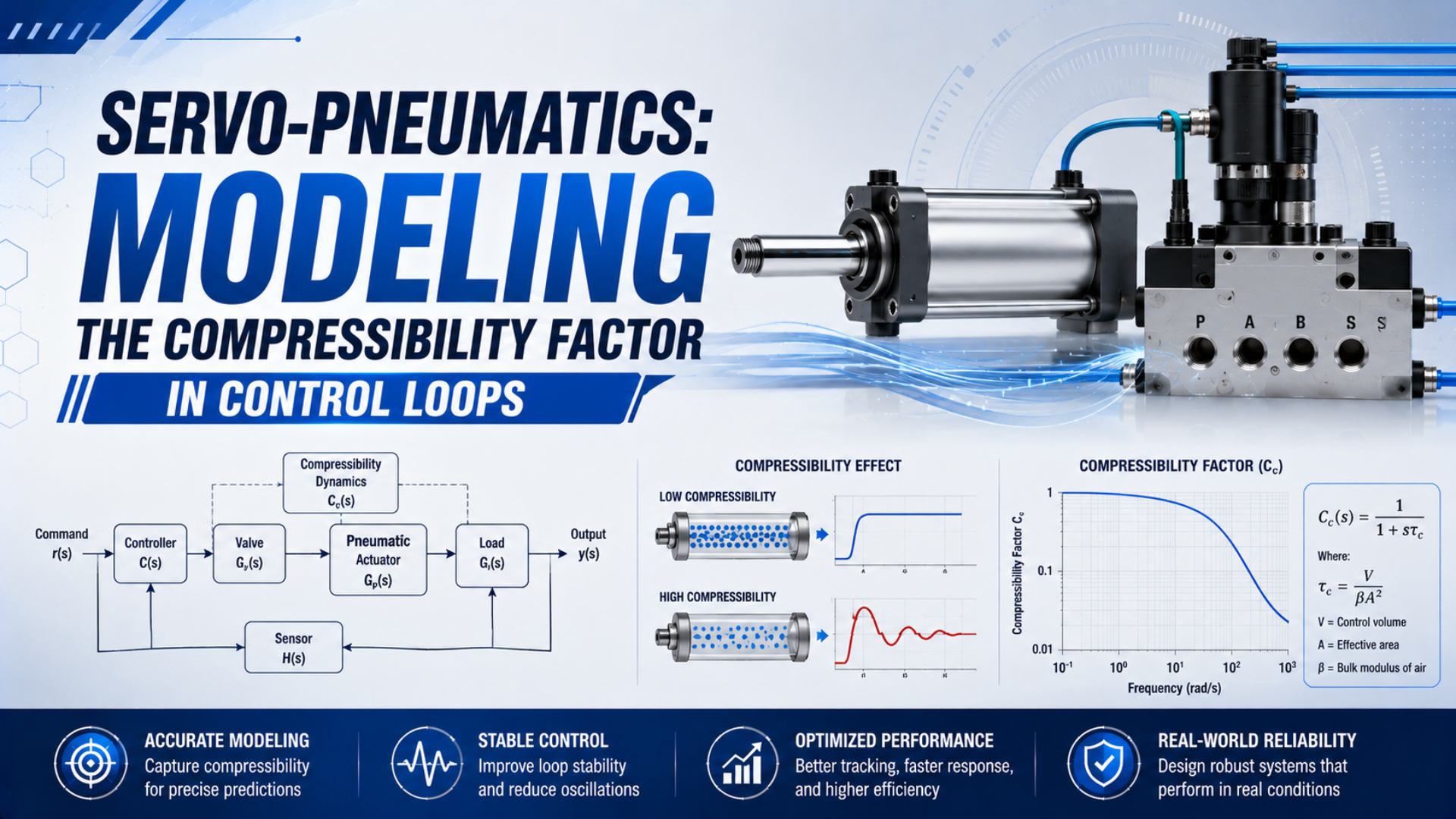
 Servo-Pneumatics: Modeling the Compressibility Factor in Control LoopsModel a servo-pneumatic axis with four core states, ISO 6358 valve data, absolute chamber pressure, local linearization, identification, and validation.
Blog Tag
industrial automation articles
Review every Bepto Pneumatic article connected to industrial automation, grouped as one focused reading list for engineers, maintenance staff, and sourcing specialists.
Tagged Reading Path
All articles tagged industrial automation
Use this archive to scan related selection notes, RFQ checks, replacement guidance, and pneumatic component references.
Servo-Pneumatics: Modeling the Compressibility Factor in Control LoopsModel a servo-pneumatic axis with four core states, ISO 6358 valve data, absolute chamber pressure, local linearization, identification, and validation.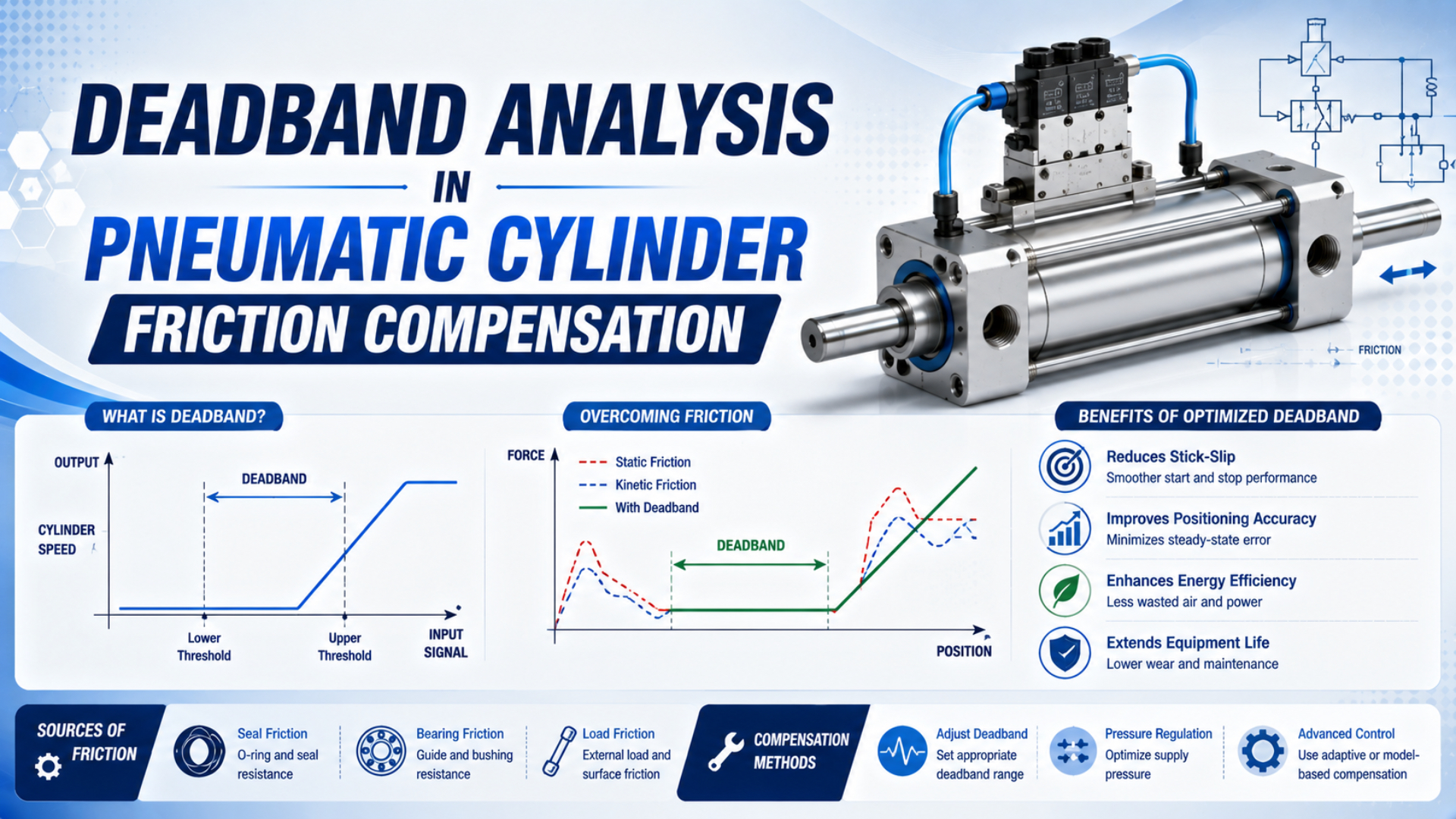 Deadband Analysis in Pneumatic Cylinder Friction CompensationUse 2 chamber-pressure traces and position data to separate cylinder friction deadband from valve dead zone, then validate compensation without hunting.
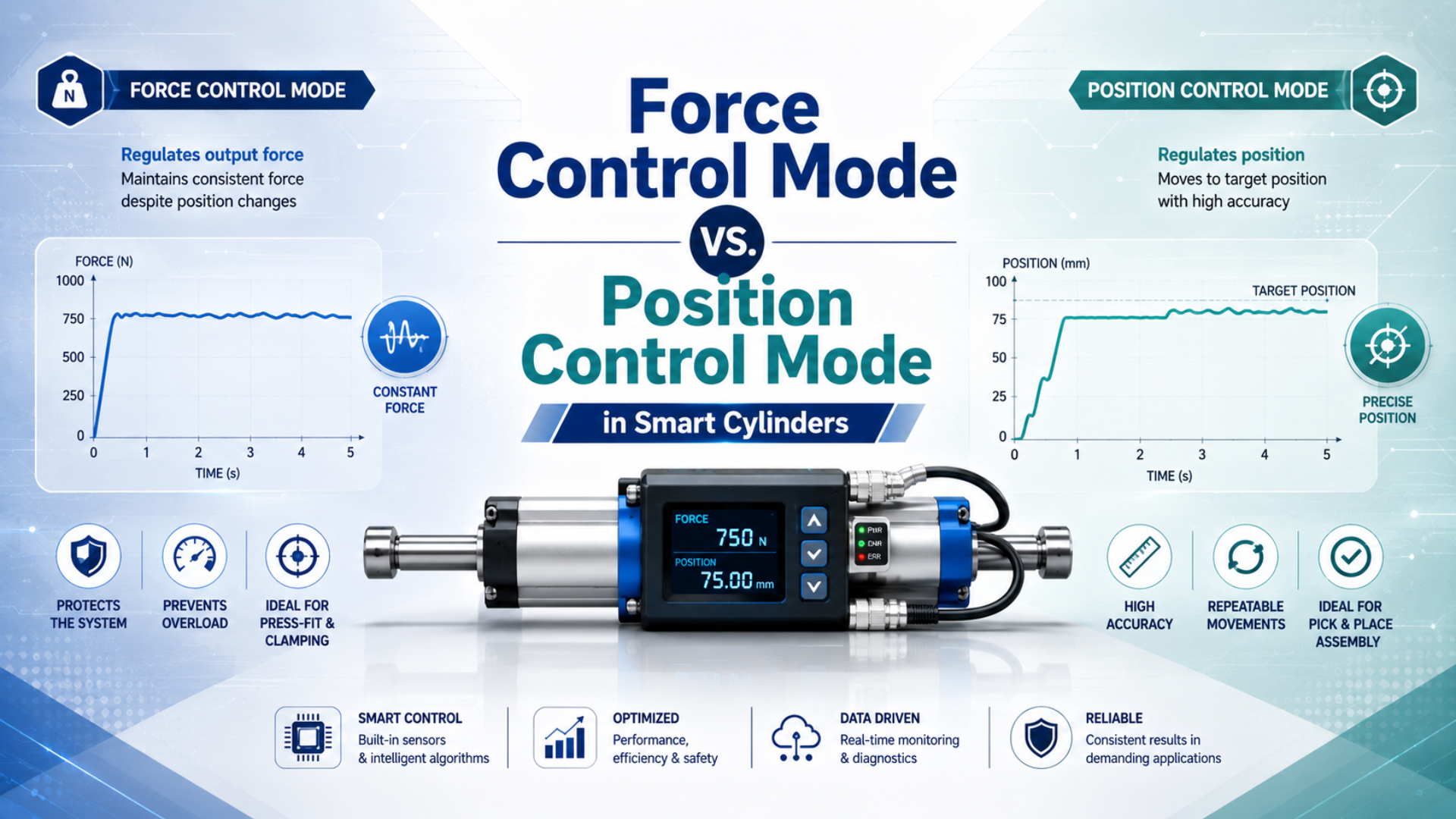 Force Control Mode vs. Position Control Mode in Smart CylindersCompare force and position control in smart pneumatic cylinders through 3 feedback architectures, dual-chamber force math, safe switching, and acceptance tests.
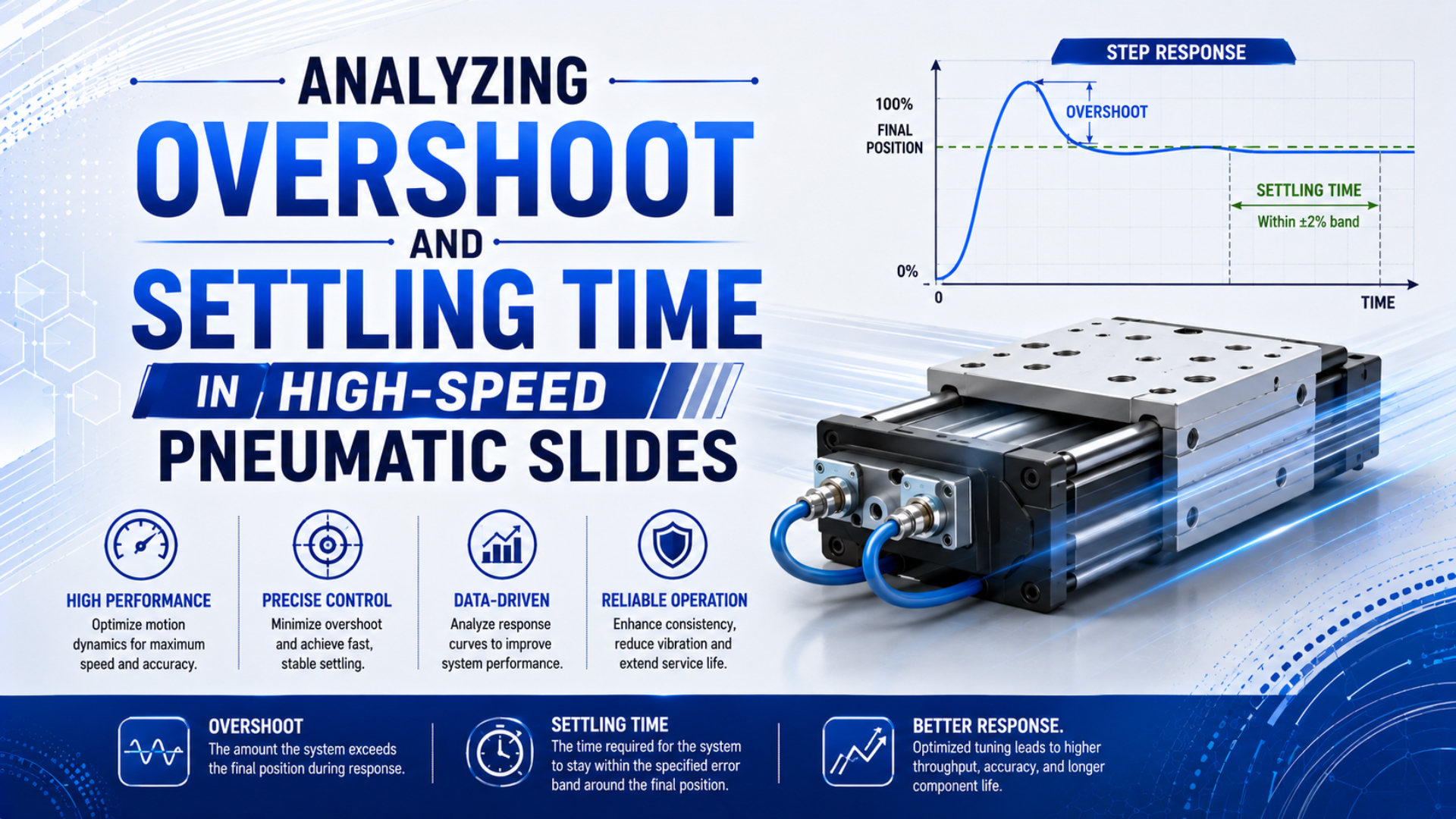 Analyzing Overshoot and Settling Time in High-Speed Pneumatic SlidesAnalyze pneumatic slide overshoot and settling time using Parker's 50% cushion-entry warning, synchronized traces, energy checks, and acceptance tests.
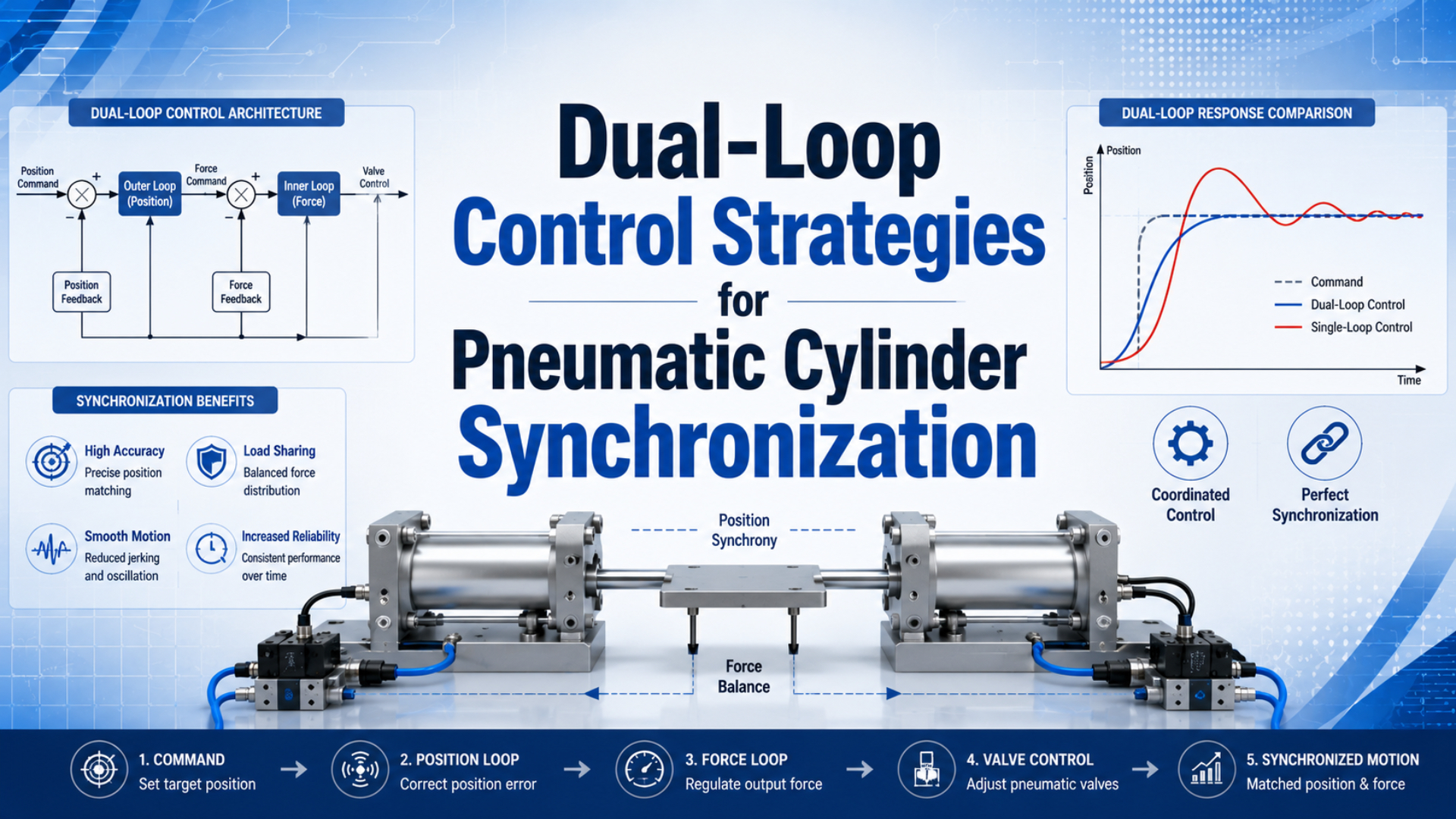 Dual-Loop Control Strategies for Pneumatic Cylinder SynchronizationDesign dual-loop pneumatic cylinder synchronization with 2 error signals, cross-coupling, timing budgets, commissioning traces, and safe fault handling.
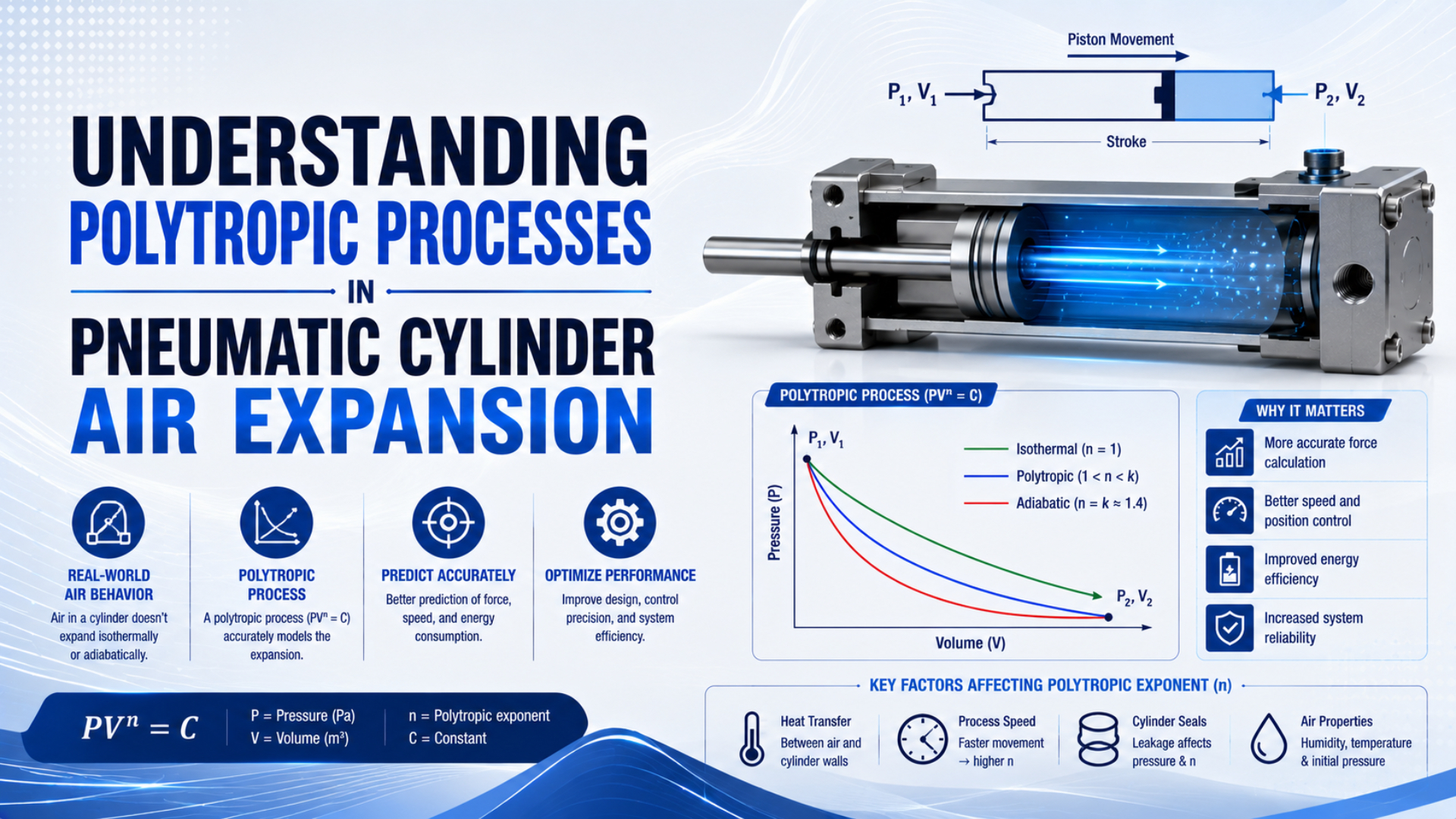 Understanding Polytropic Processes in Pneumatic Cylinder Air ExpansionCompare 4 pneumatic process boundaries, fit the polytropic index from pressure-volume data, and avoid applying pV^n to valve-connected cylinder strokes.
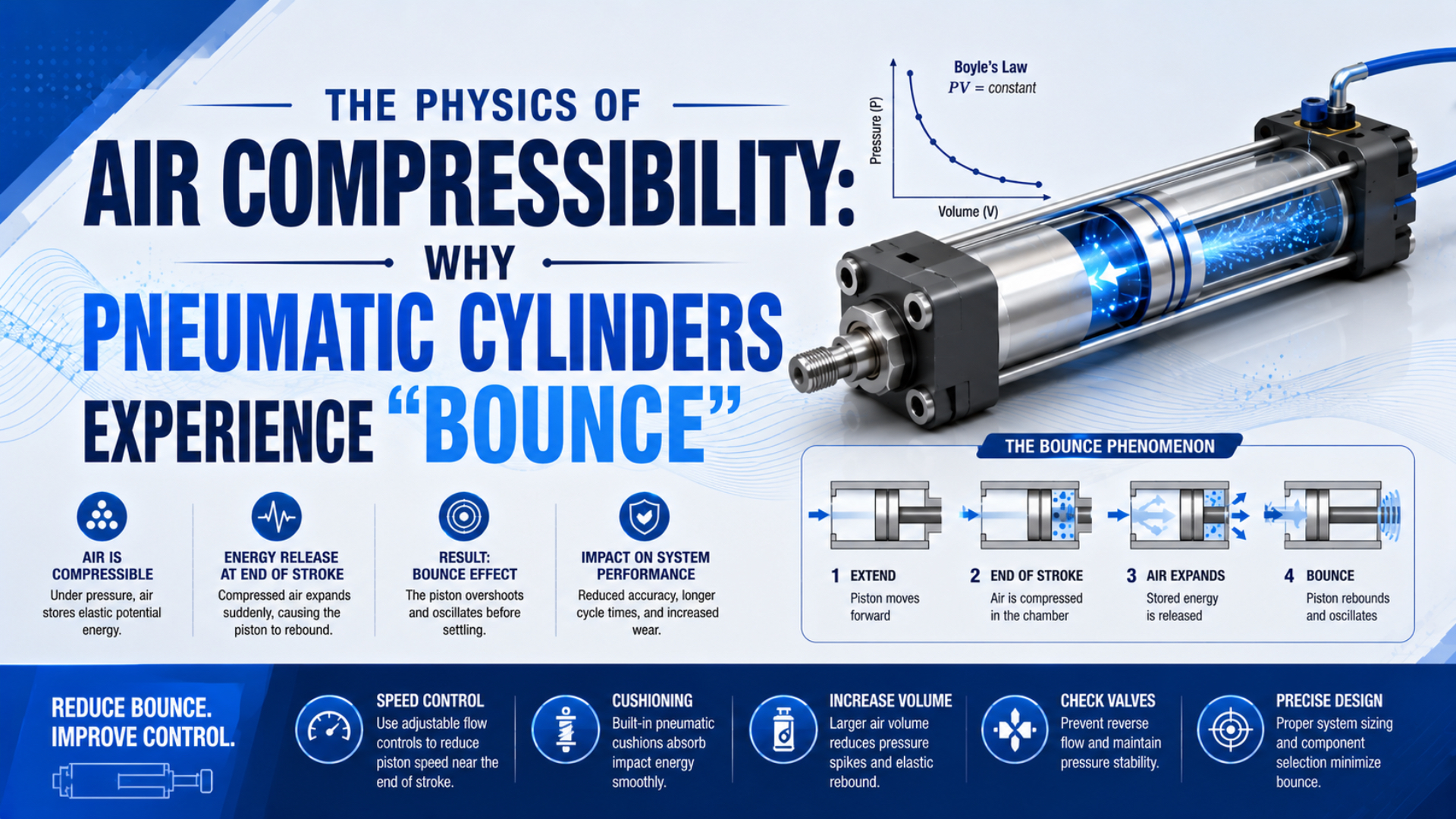 The Physics of Air Compressibility: Why Pneumatic Cylinders Experience “Bounce”Learn why cylinder speed, trapped air, cushioning, friction, and control tuning cause pneumatic cylinder bounce, plus how to diagnose and stop it.
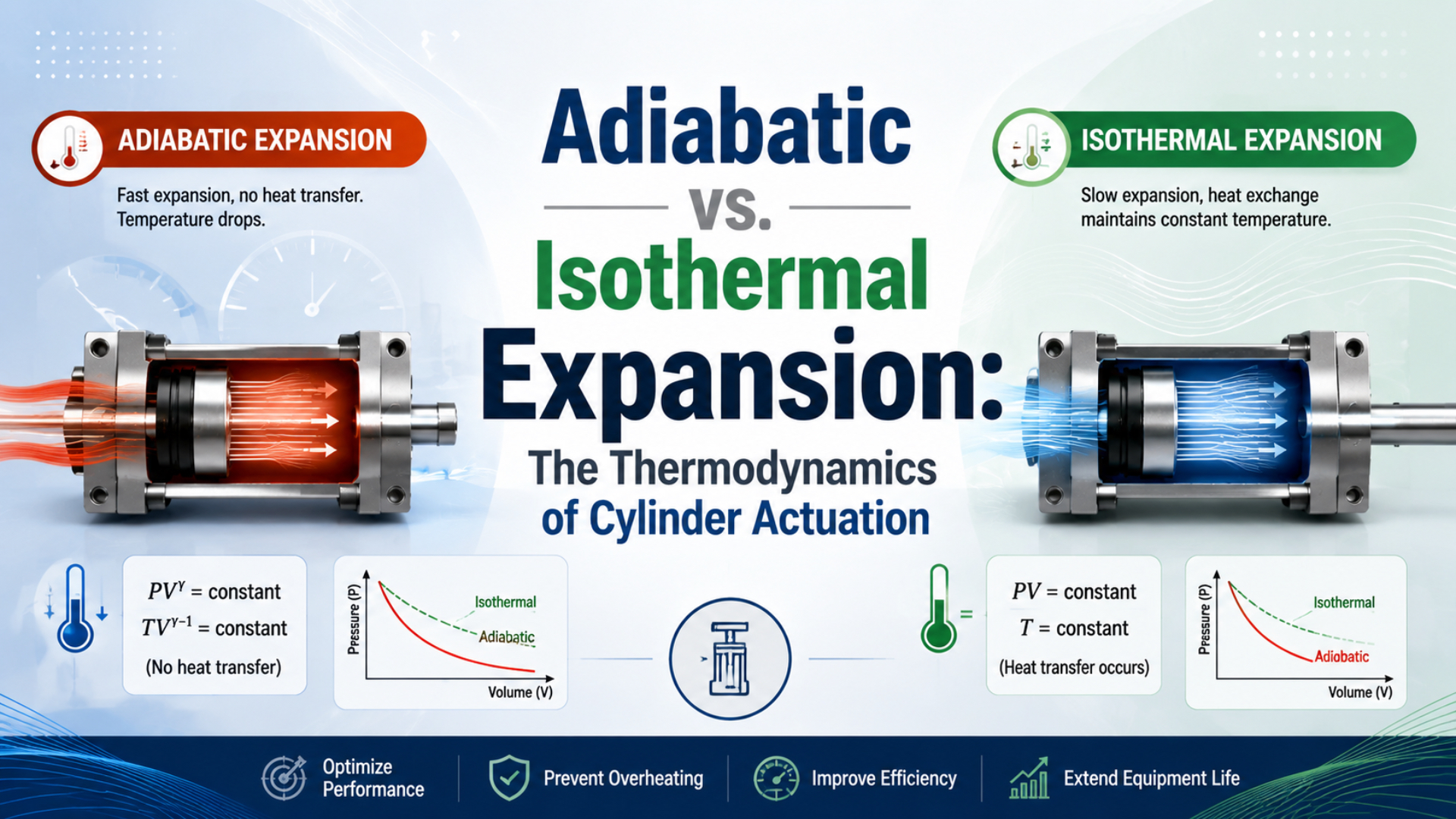 Adiabatic vs. Isothermal Expansion: The Thermodynamics of Cylinder ActuationCompare cylinder models using measured 23 K heating and 17 K cooling data to separate ideal expansion laws from real pneumatic actuation and sizing errors.
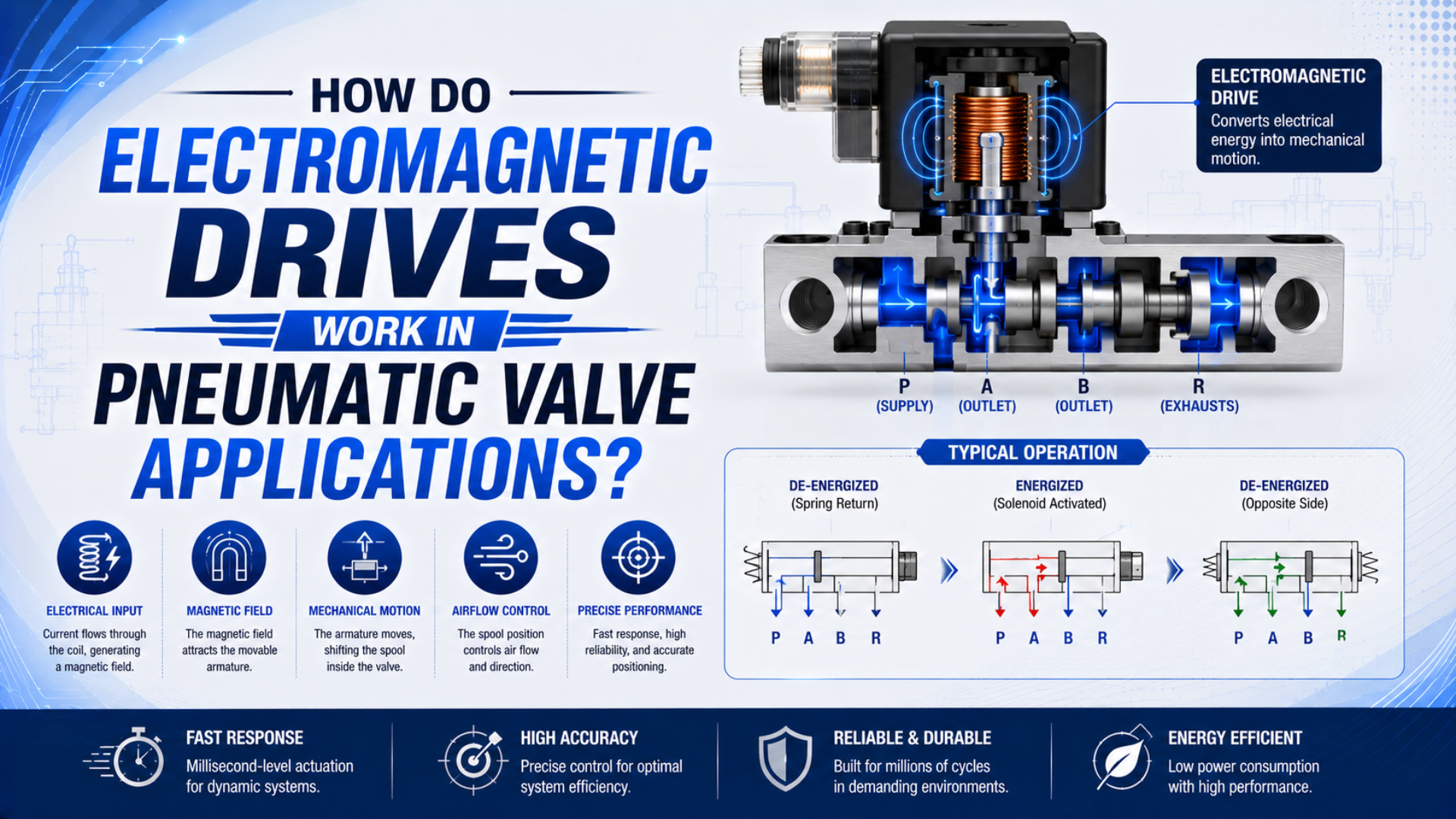 How Do Electromagnetic Drives Work in Pneumatic Valve Applications?Learn how electromagnetic drives switch pneumatic valves, from coil current and pull-in force to peak-and-hold control, flyback, heat, and diagnostics.