
 How Do You Select the Right Pneumatic Components for Class 100 Cleanroom Applications Without Compromising Performance?Select Class 100 cleanroom pneumatic components using ISO 5's 3,520 particles/m³ limit, contamination-path checks, performance data, and qualification evidence.
Blog Tag
pneumatic standards articles
Review every Bepto Pneumatic article connected to pneumatic standards, grouped as one focused reading list for engineers, maintenance staff, and sourcing specialists.
Tagged Reading Path
All articles tagged pneumatic standards
Use this archive to scan related selection notes, RFQ checks, replacement guidance, and pneumatic component references.
How Do You Select the Right Pneumatic Components for Class 100 Cleanroom Applications Without Compromising Performance?Select Class 100 cleanroom pneumatic components using ISO 5's 3,520 particles/m³ limit, contamination-path checks, performance data, and qualification evidence. How Can Coalescing Filters Deliver the Oil-Free Compressed Air Your Critical Applications Demand?Learn how coalescing filters use ISO 8573-1 targets, 0.01 mg/m3 oil-aerosol ratings, staged treatment, and point-of-use testing to protect critical processes.
 What Is Pressure Regulator Drift in Pneumatics and How It’s Sabotaging Your System Performance?Learn to separate pneumatic regulator drift from droop, creep, and gauge error with a 5-step pressure test, manufacturer limits, and safe corrective actions.
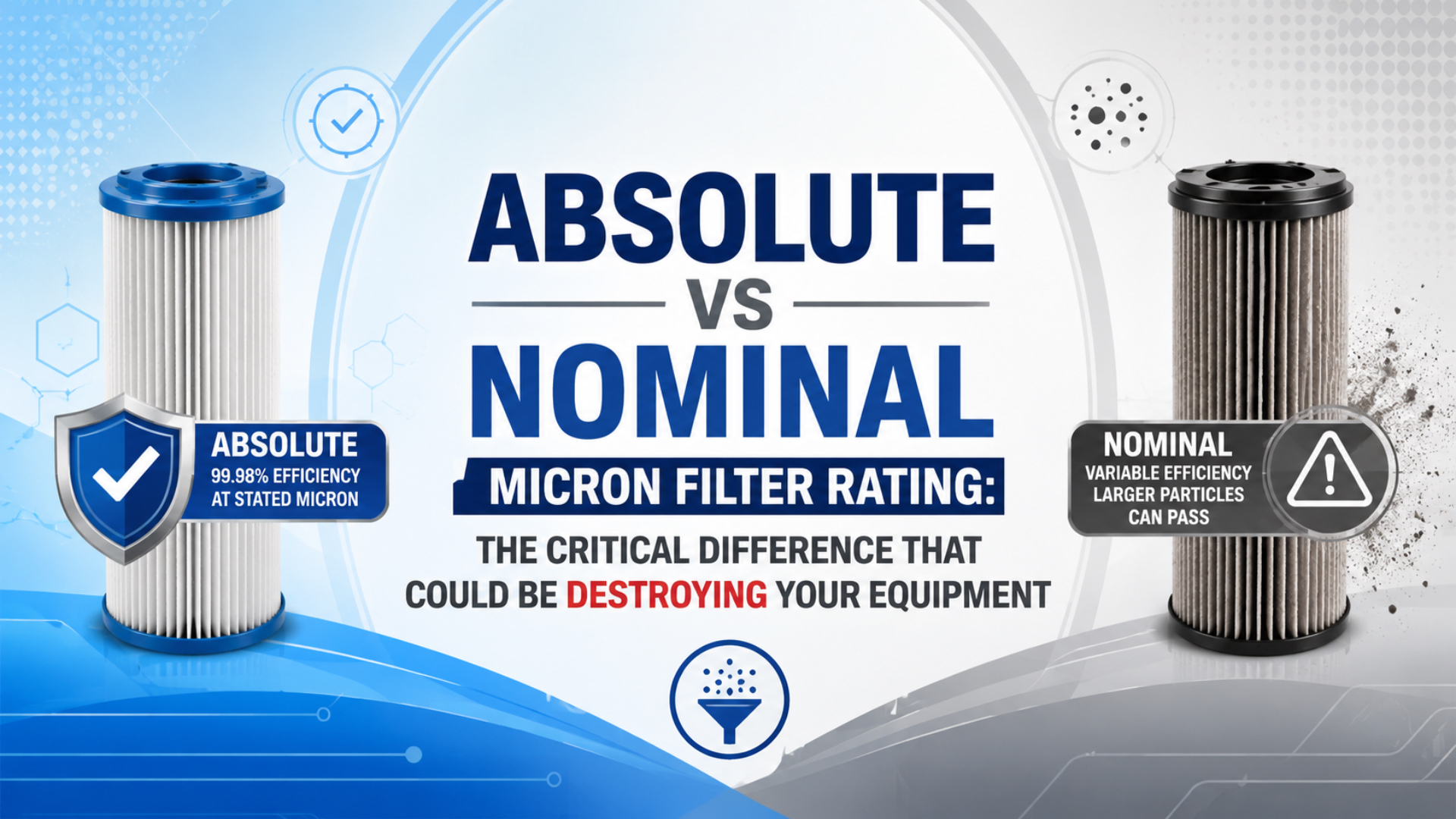 Absolute vs Nominal Micron Filter Rating: The Critical Difference That Could Be Destroying Your EquipmentCompare absolute vs nominal micron filter ratings using efficiency, test standards, flow, pressure drop, and ISO 8573 air-quality verification.
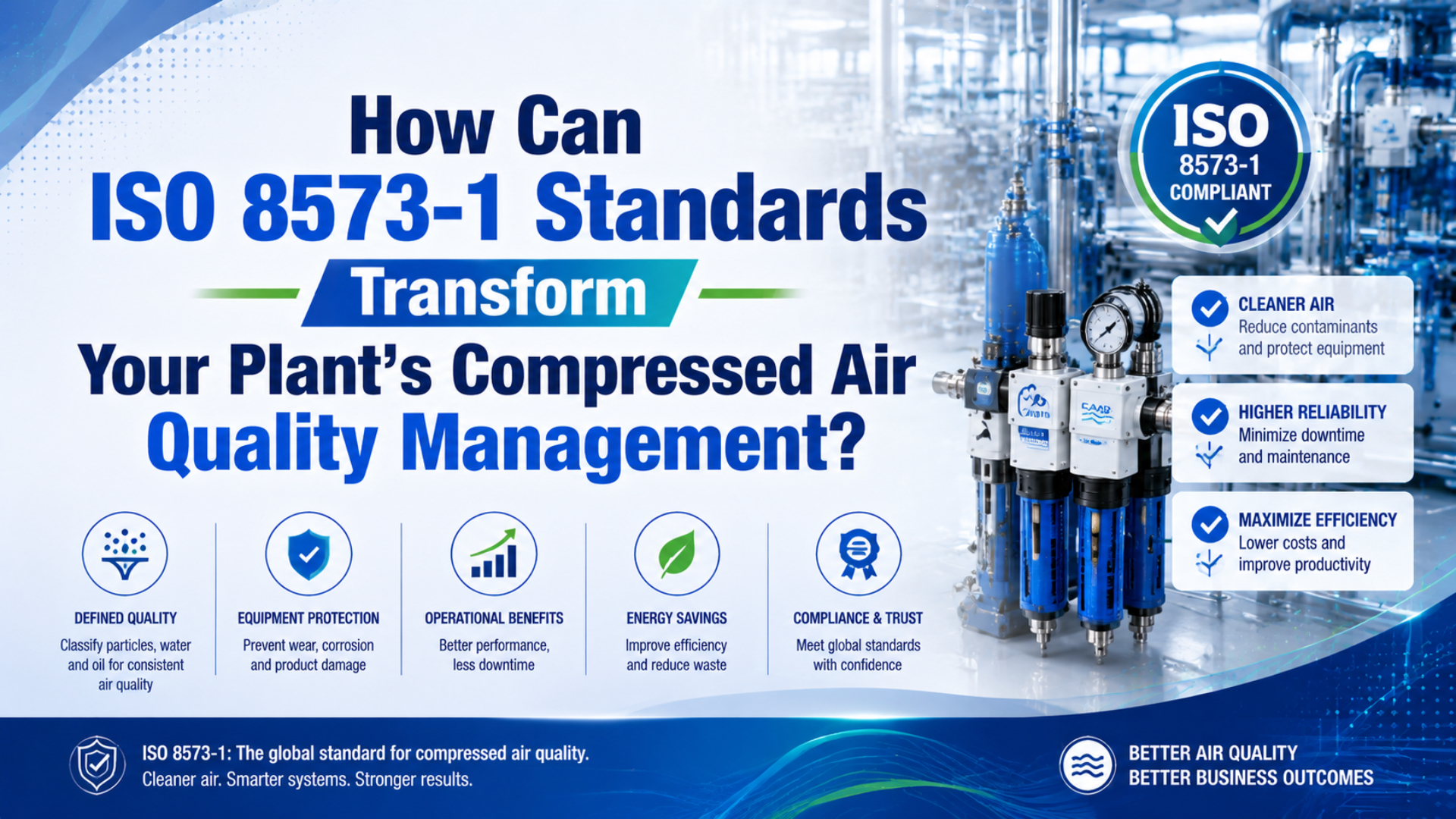 How Can ISO 8573-1 Standards Transform Your Plant’s Compressed Air Quality Management?Build an ISO 8573-1 plant air-quality program using 3 contaminant classes, named sampling points, ISO test methods, risk-based monitoring, and records.
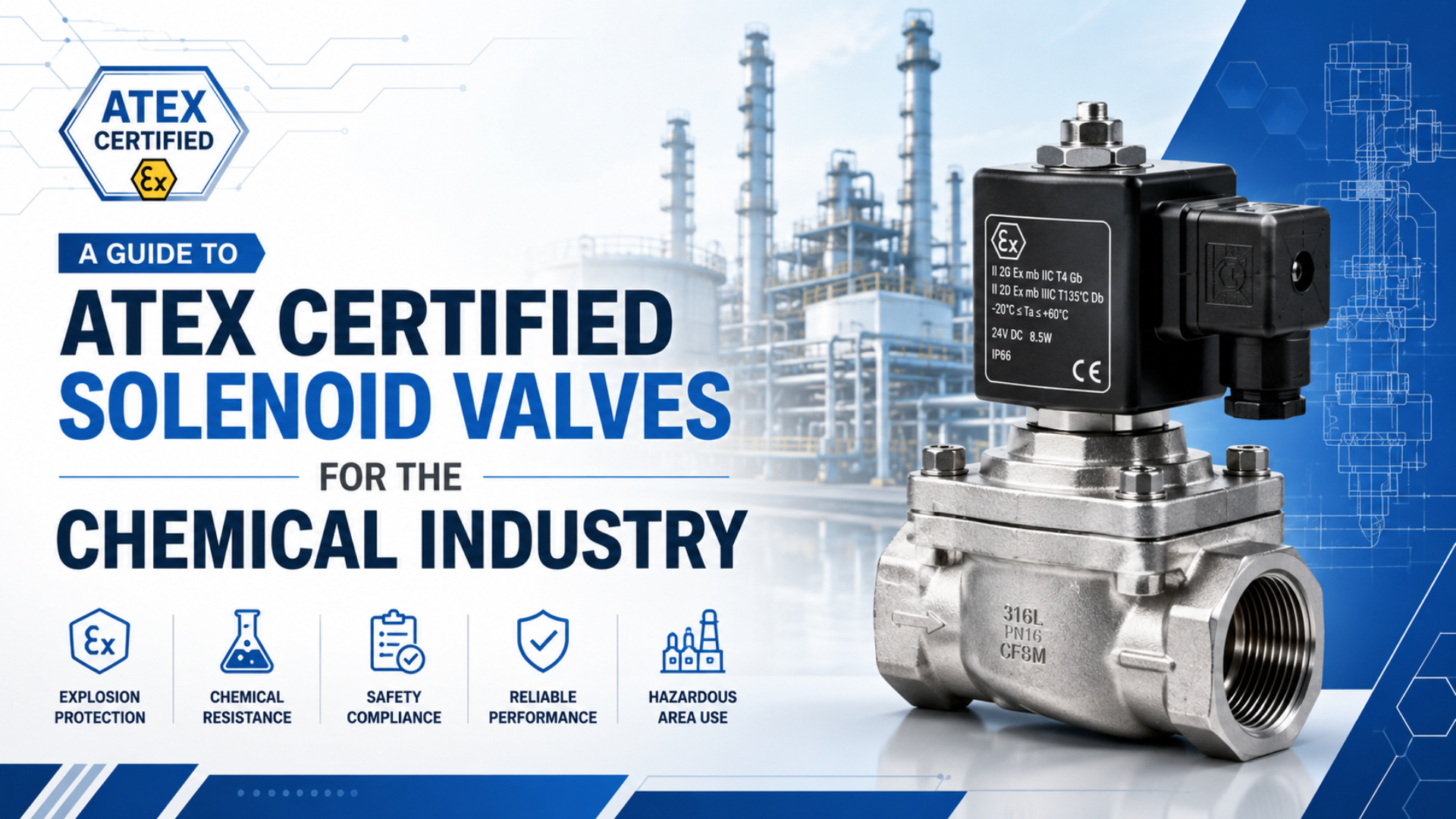 A Guide to ATEX Certified Solenoid Valves for the Chemical IndustrySelect ATEX solenoid valves by Zone, Category, EPL, gas or dust group, temperature marking, protection concept, certificate, and chemical compatibility.
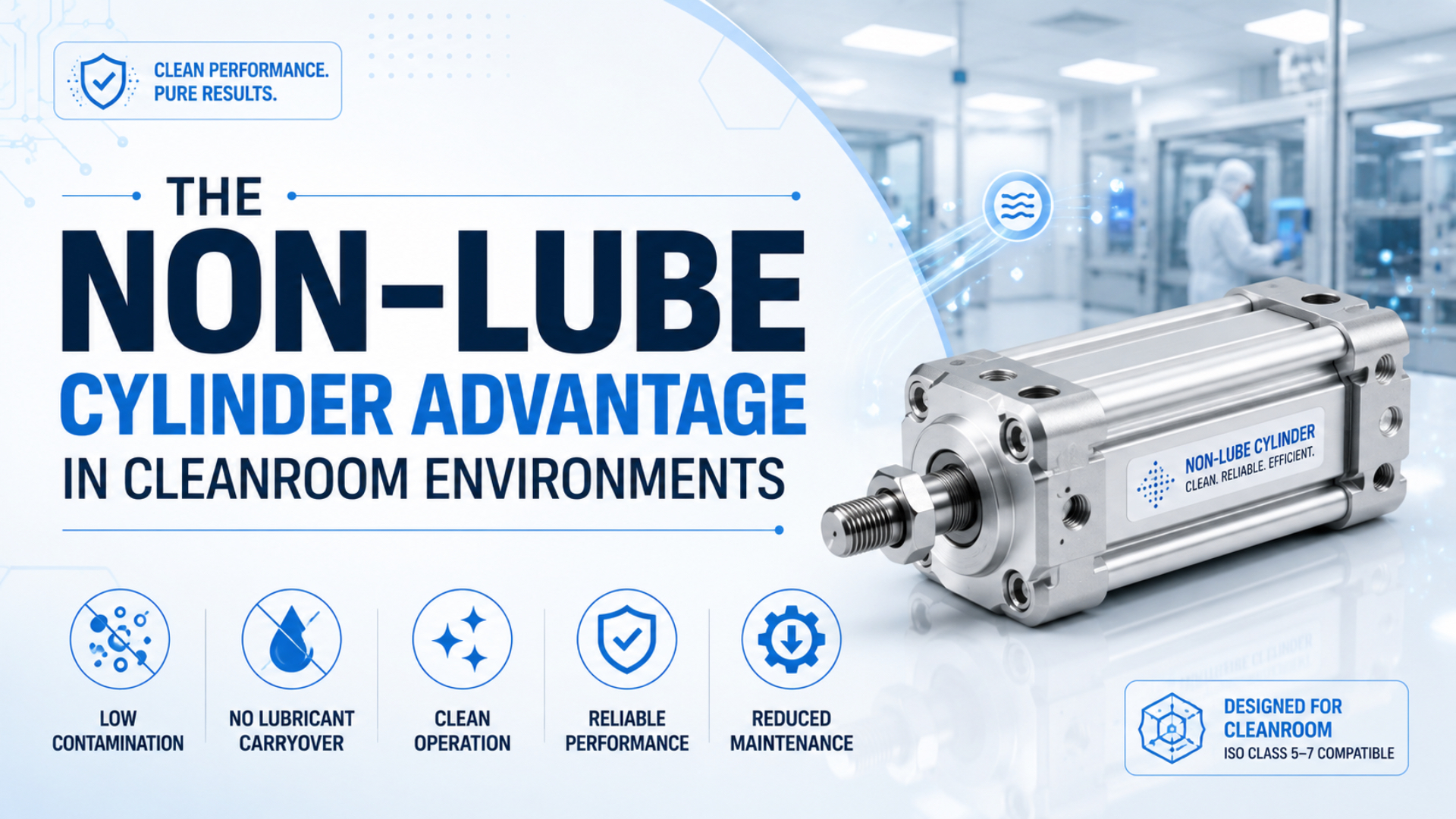 The Non-Lube Cylinder Advantage in Cleanroom EnvironmentsLearn why non-lube cylinders are not automatically cleanroom compliant and how ISO 14644-14:2026 guides particle tests, installation, maintenance, and RFQs.
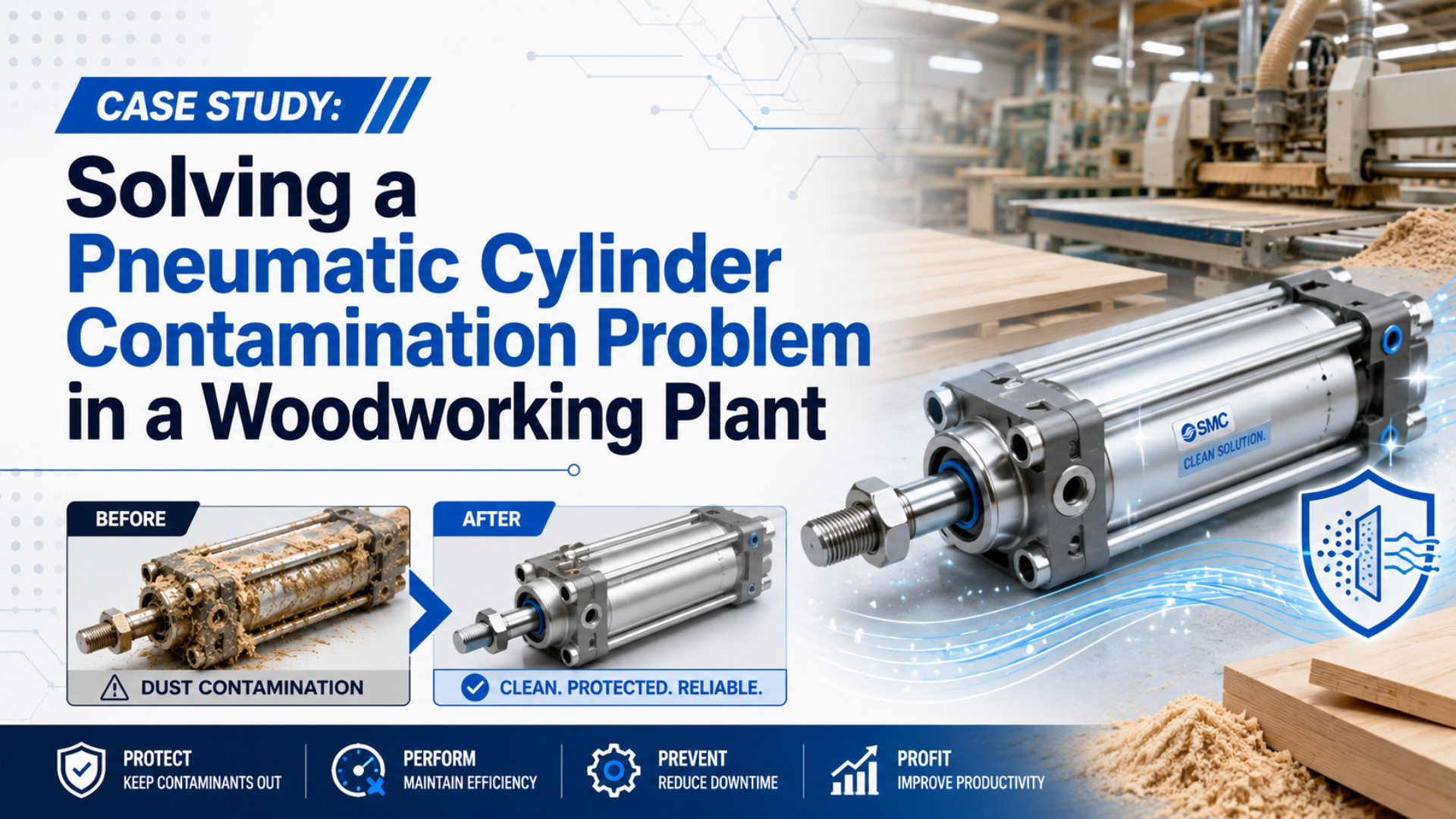 Case Study: Solving a Pneumatic Cylinder Contamination Problem in a Woodworking PlantA woodworking plant traced pneumatic cylinder contamination, improved dust extraction and rod protection, then verified repairs against OSHA’s 15 mg/m³ limit.
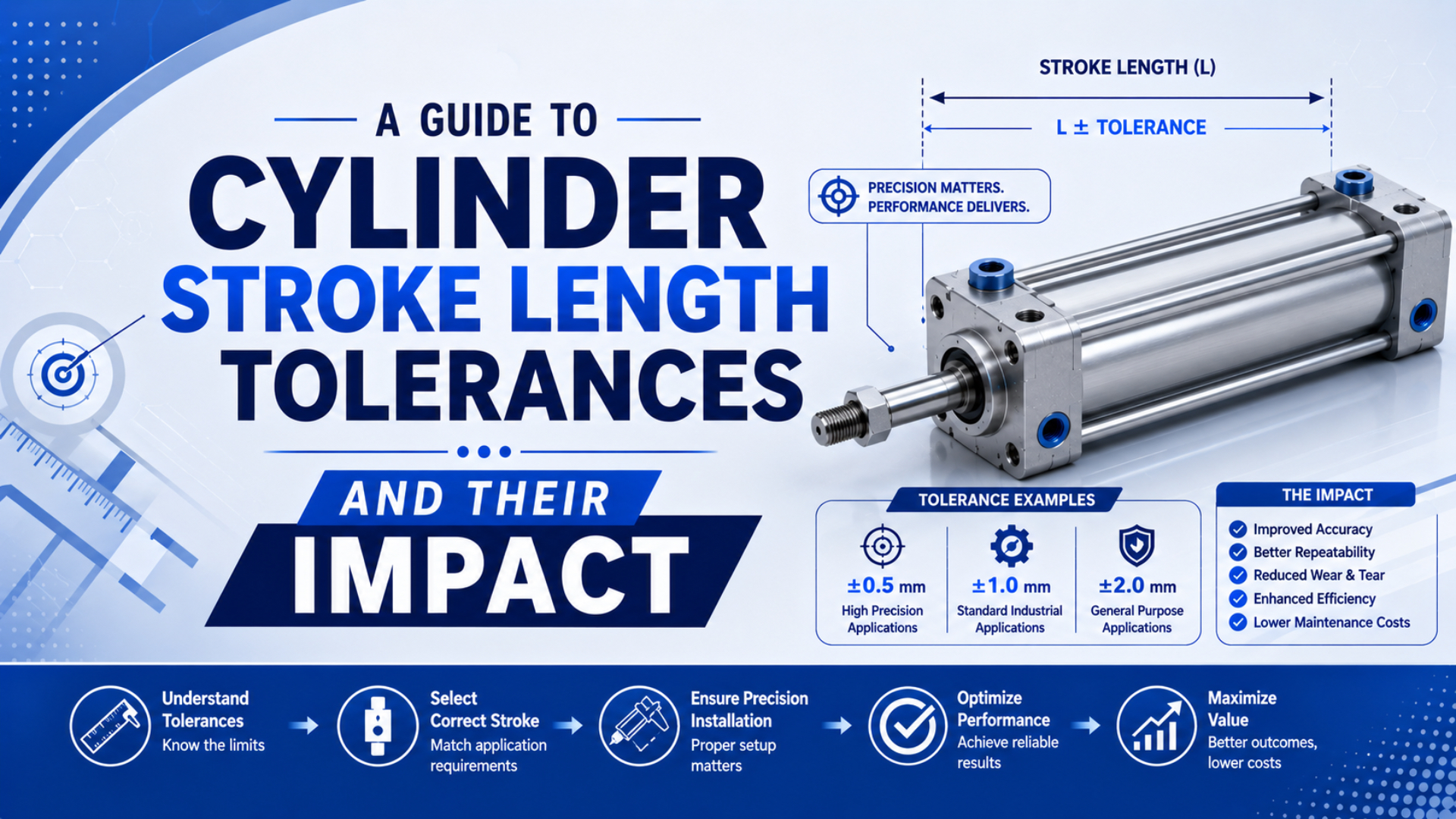 A Guide to Cylinder Stroke Length Tolerances and Their ImpactRead cylinder stroke length tolerances correctly. Parker lists +0.3/+2.0 mm up to 500 mm; learn how to specify, measure, and verify actual cylinder travel.