
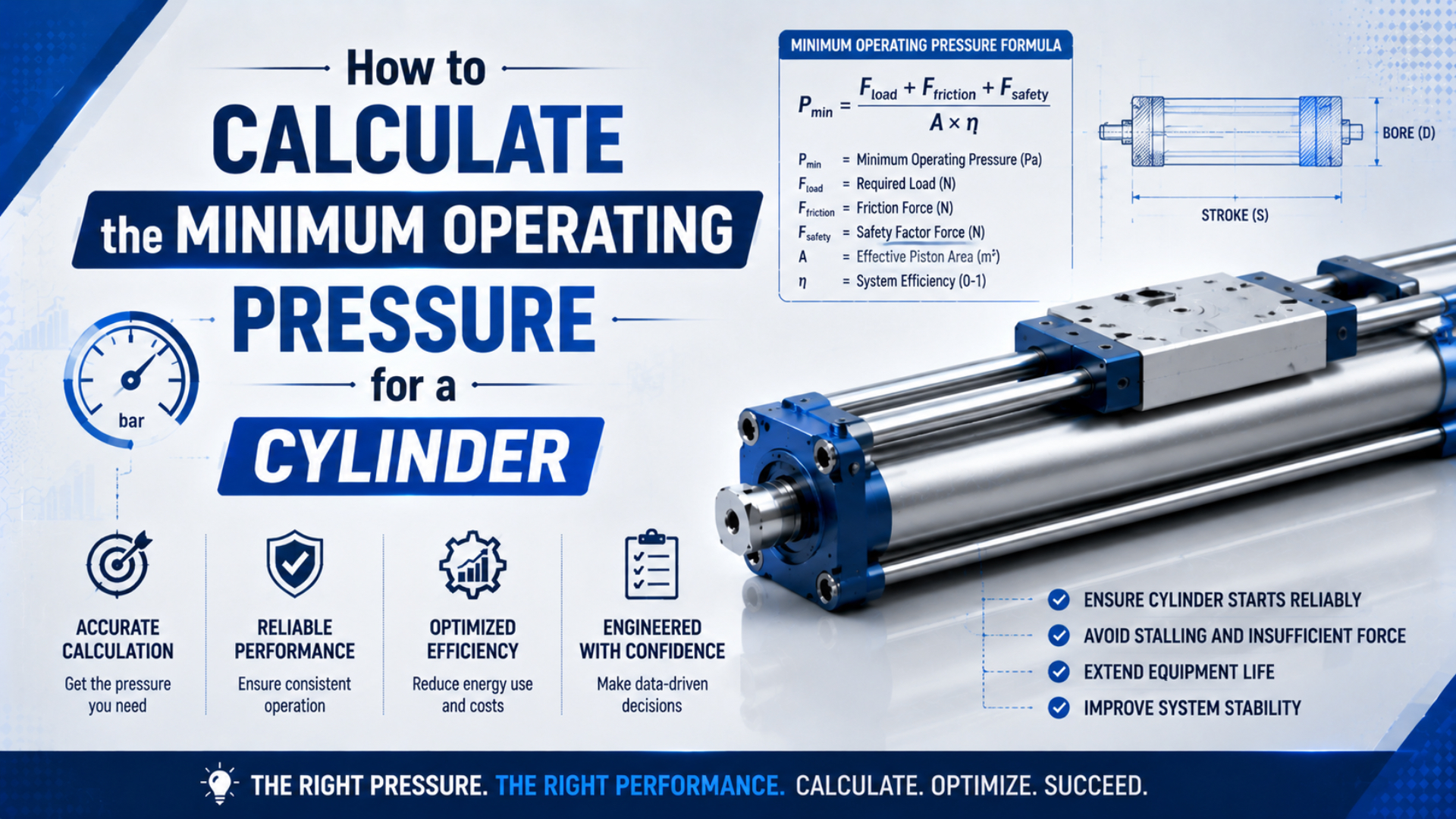
 How to Calculate the Minimum Operating Pressure for a CylinderCalculate minimum cylinder operating pressure from area, load, acceleration, friction, and back pressure, with a 0.05 MPa catalog example and field test.
Blog Tag
pressure and flow articles
Review every Bepto Pneumatic article connected to pressure and flow, grouped as one focused reading list for engineers, maintenance staff, and sourcing specialists.
Tagged Reading Path
All articles tagged pressure and flow
Use this archive to scan related selection notes, RFQ checks, replacement guidance, and pneumatic component references.
How to Calculate the Minimum Operating Pressure for a CylinderCalculate minimum cylinder operating pressure from area, load, acceleration, friction, and back pressure, with a 0.05 MPa catalog example and field test.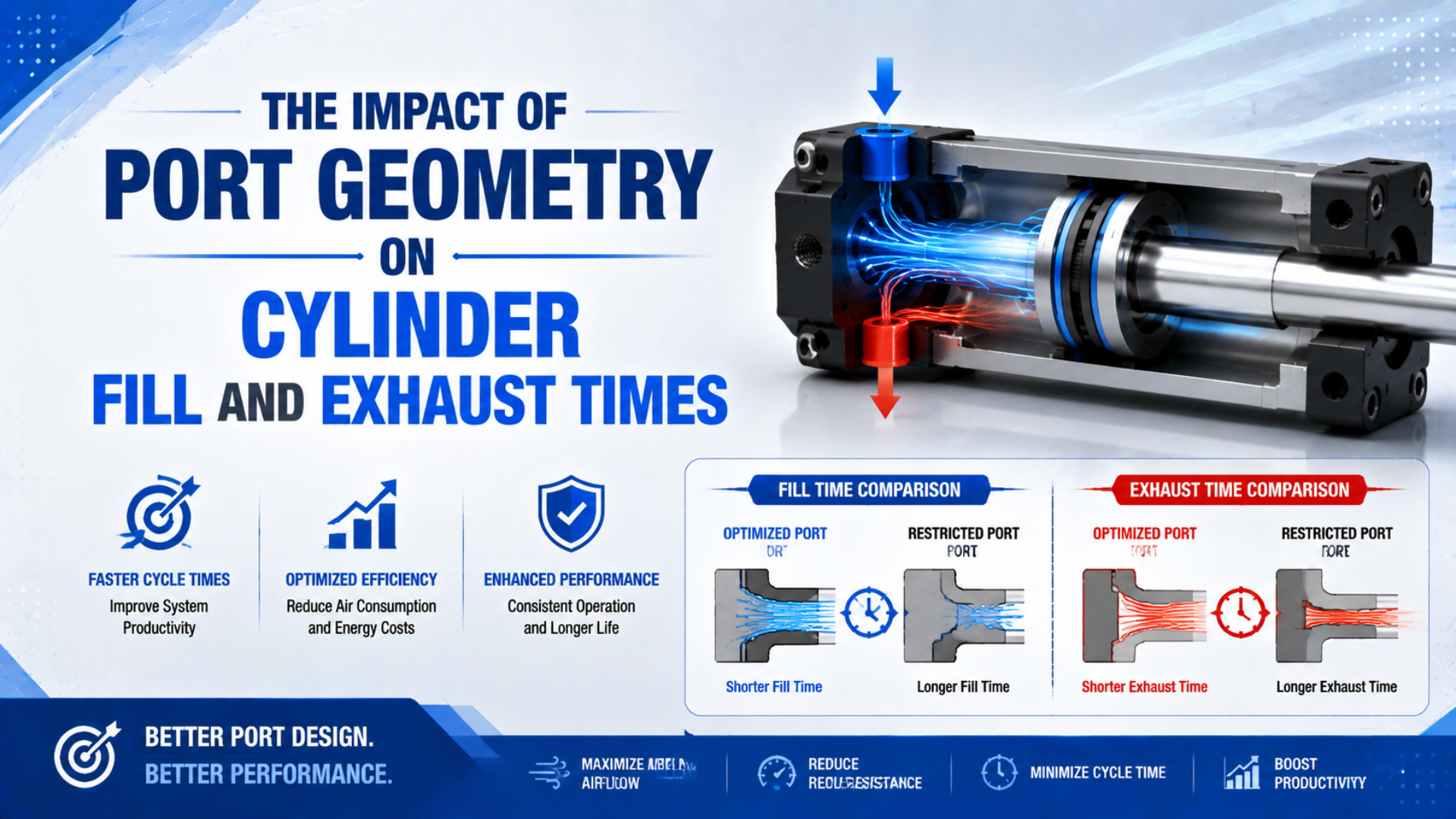 The Impact of Port Geometry on Cylinder Fill and Exhaust TimesLearn why 2x port area cannot promise 2x flow, and how ISO 6358 conductance, chamber demand, and dynamic pressure tests set cylinder timing.
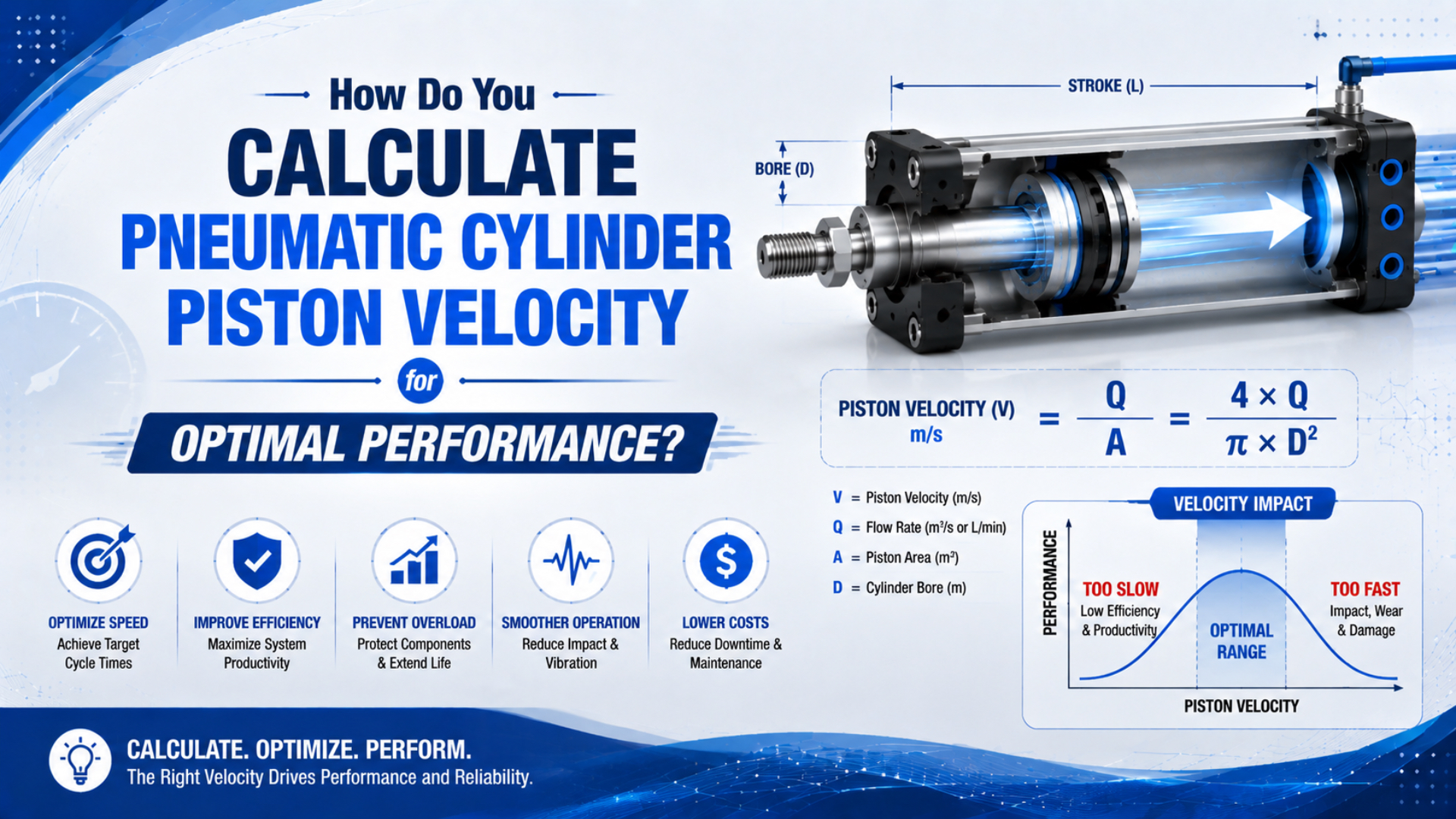 How Do You Calculate Pneumatic Cylinder Piston Velocity for Optimal Performance?Calculate pneumatic cylinder piston velocity from flow and effective area with a 50 mm bore example, required-flow checks, and practical machine test steps.
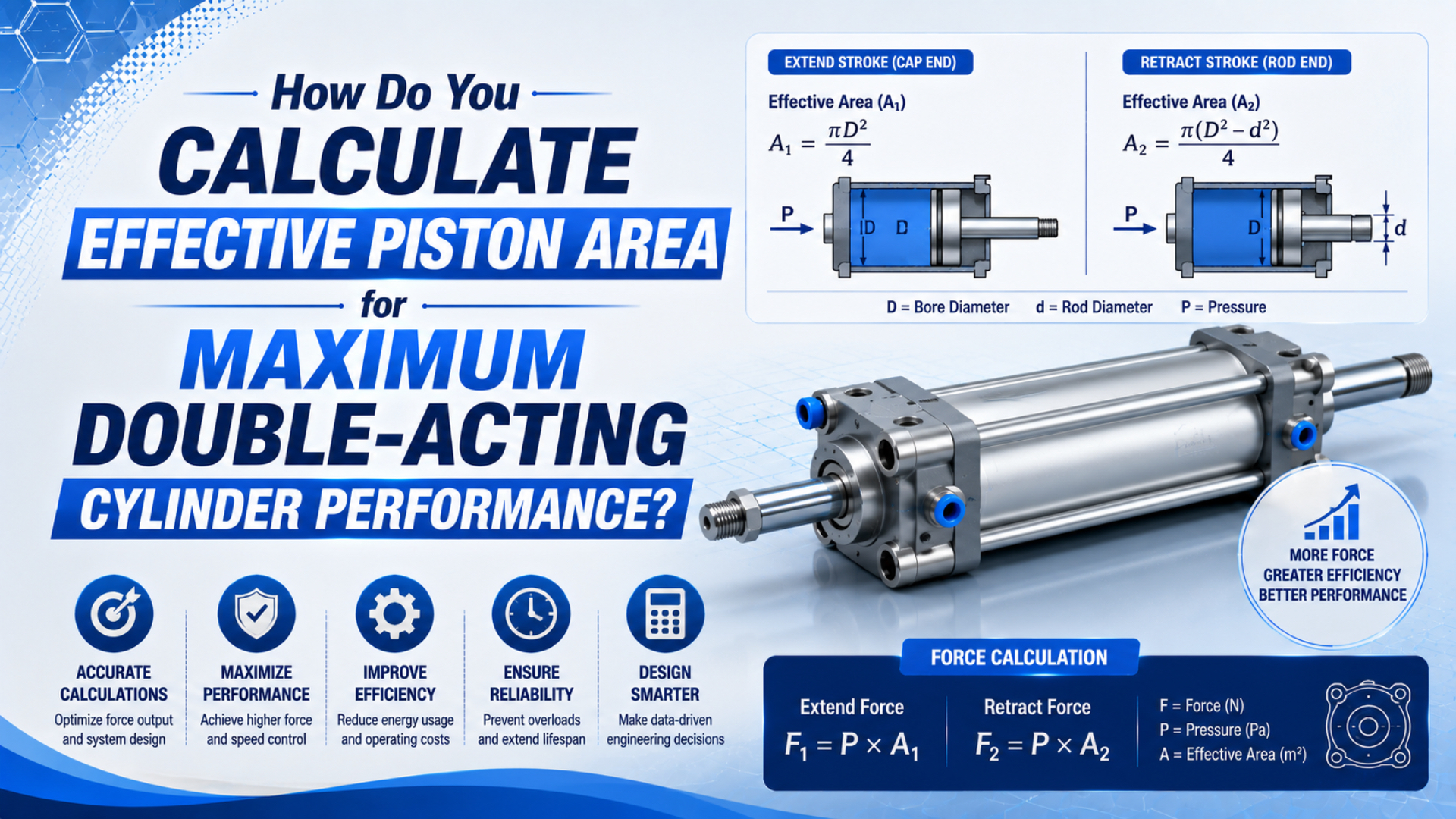 How Do You Calculate Effective Piston Area for Maximum Double-Acting Cylinder Performance?Calculate double-acting cylinder effective area, then verify a 63/20 mm example at 6 bar for extension force, retraction force, speed, and air-use checks.
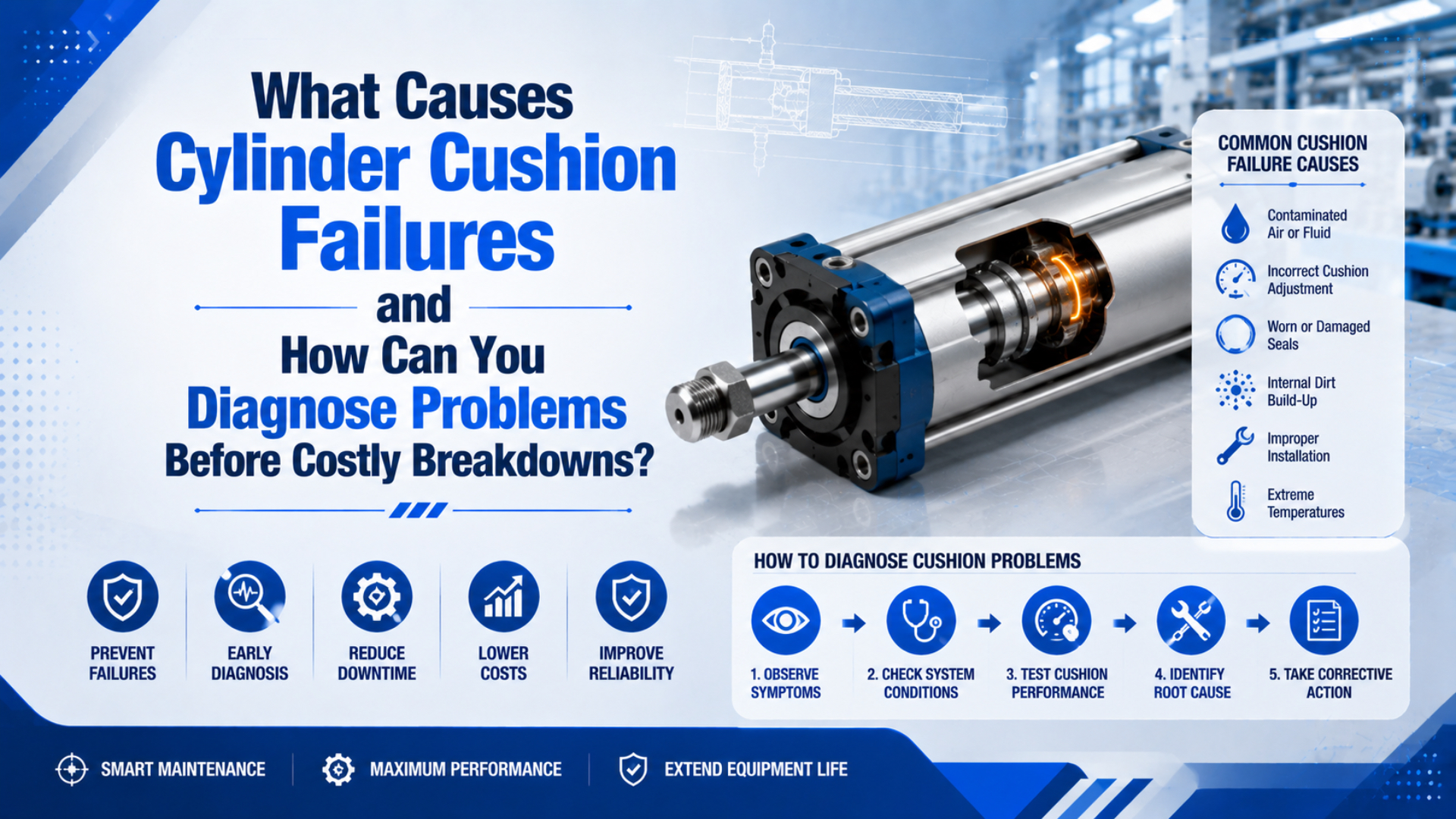 What Causes Cylinder Cushion Failures and How Can You Diagnose Problems Before Costly Breakdowns?Diagnose cylinder cushion failures safely by separating adjustment, excess energy, exhaust restriction, seal leakage, contamination, and mechanical damage.
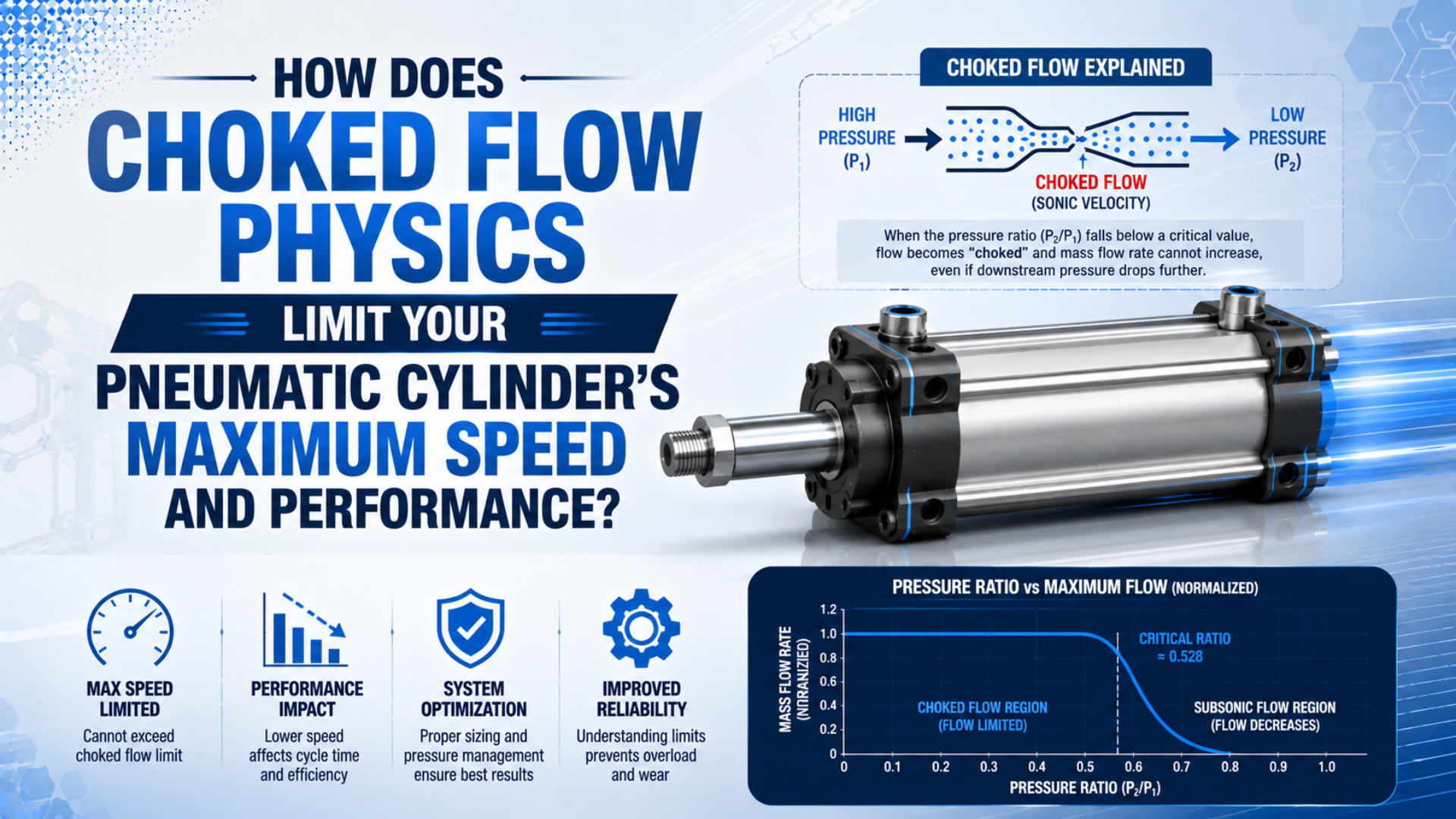 How Does Choked Flow Physics Limit Your Pneumatic Cylinder’s Maximum Speed and Performance?Learn how choked flow limits pneumatic cylinder speed, use the 0.528 pressure ratio, calculate stroke demand, and diagnose supply or exhaust restrictions.
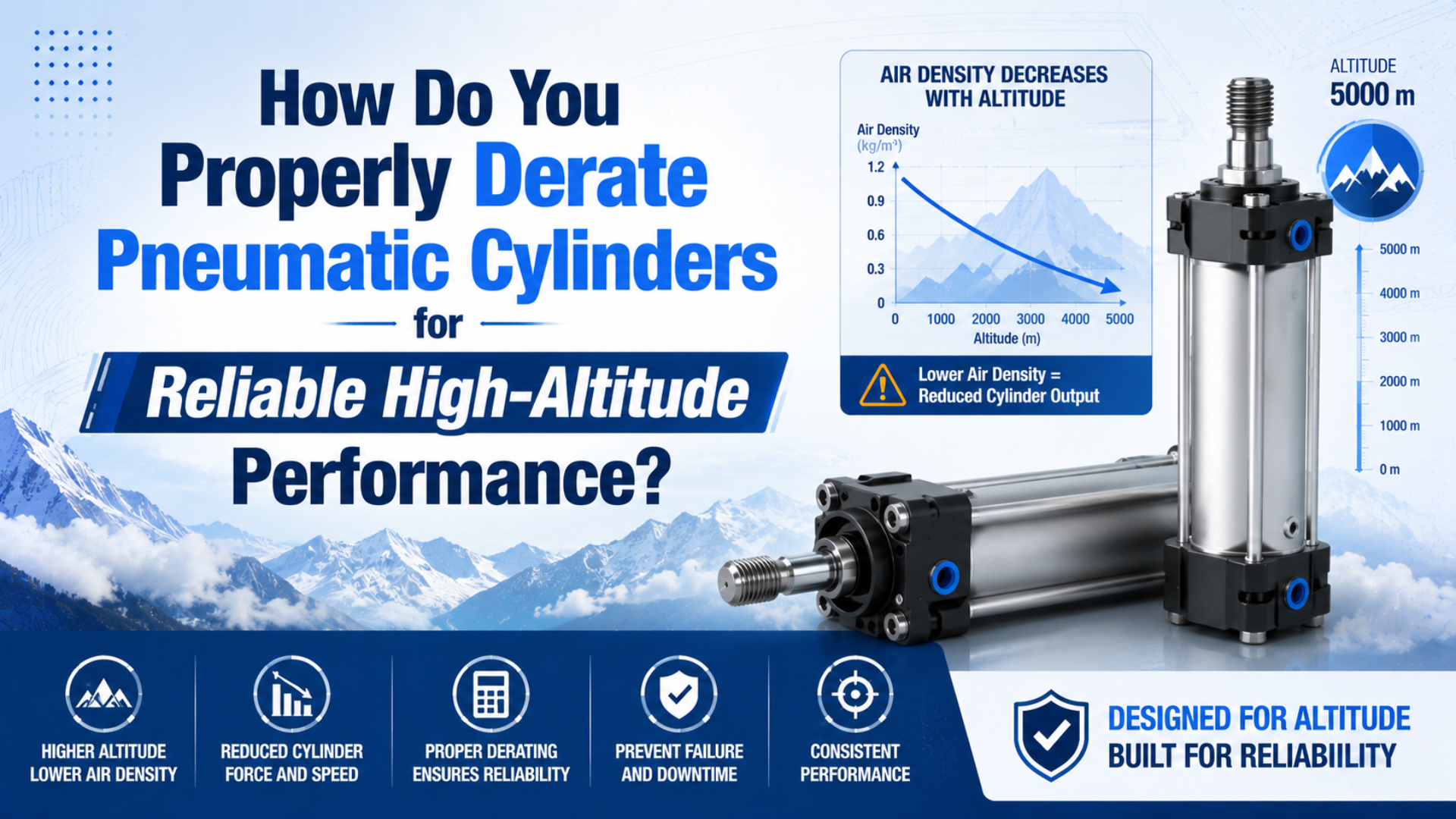 How Do You Properly Derate Pneumatic Cylinders for Reliable High-Altitude Performance?Learn why altitude does not automatically reduce cylinder force, how 6 bar gauge preserves thrust, and which high-altitude air-system checks matter most.
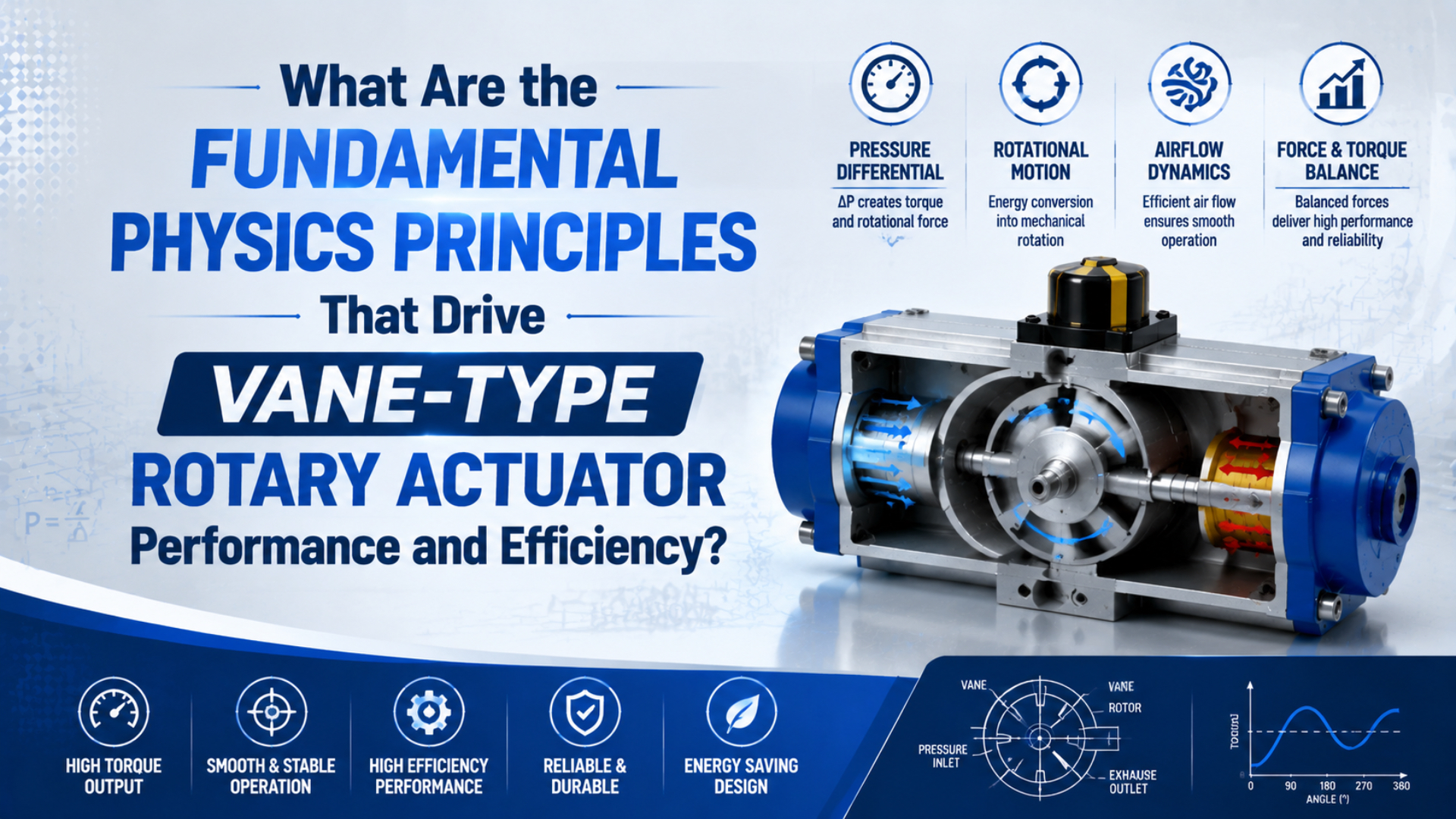 What Are the Fundamental Physics Principles That Drive Vane-Type Rotary Actuator Performance and Efficiency?Learn how pressure differential creates vane-actuator torque and how flow, inertia, leakage, friction, and stopping energy shape real performance.
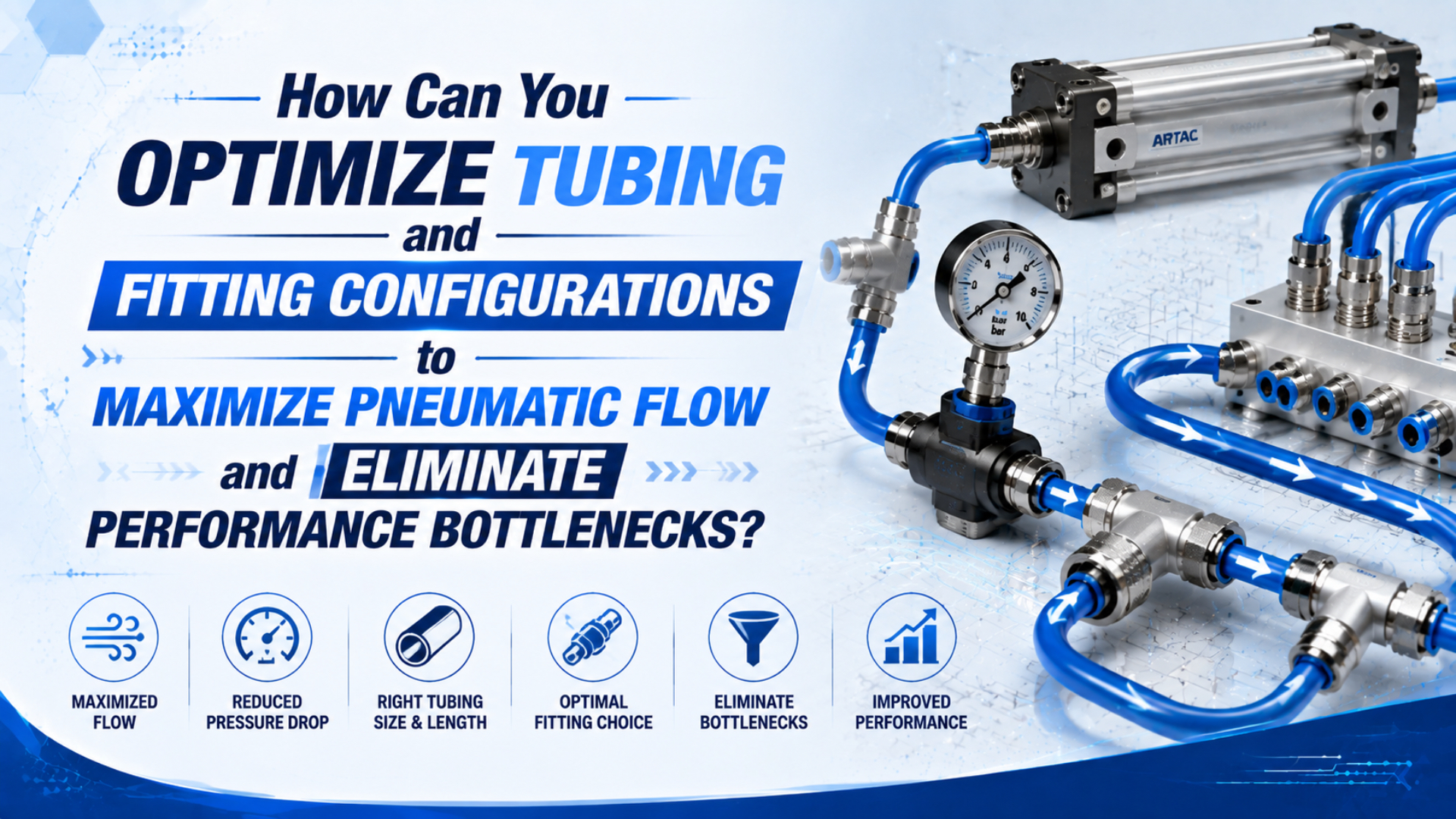 How Can You Optimize Tubing and Fitting Configurations to Maximize Pneumatic Flow and Eliminate Performance Bottlenecks?Optimize pneumatic tubing and fittings with ISO 14743's 3-16 mm scope, dynamic pressure mapping, tube ID checks, and measured branch validation at peak flow.