
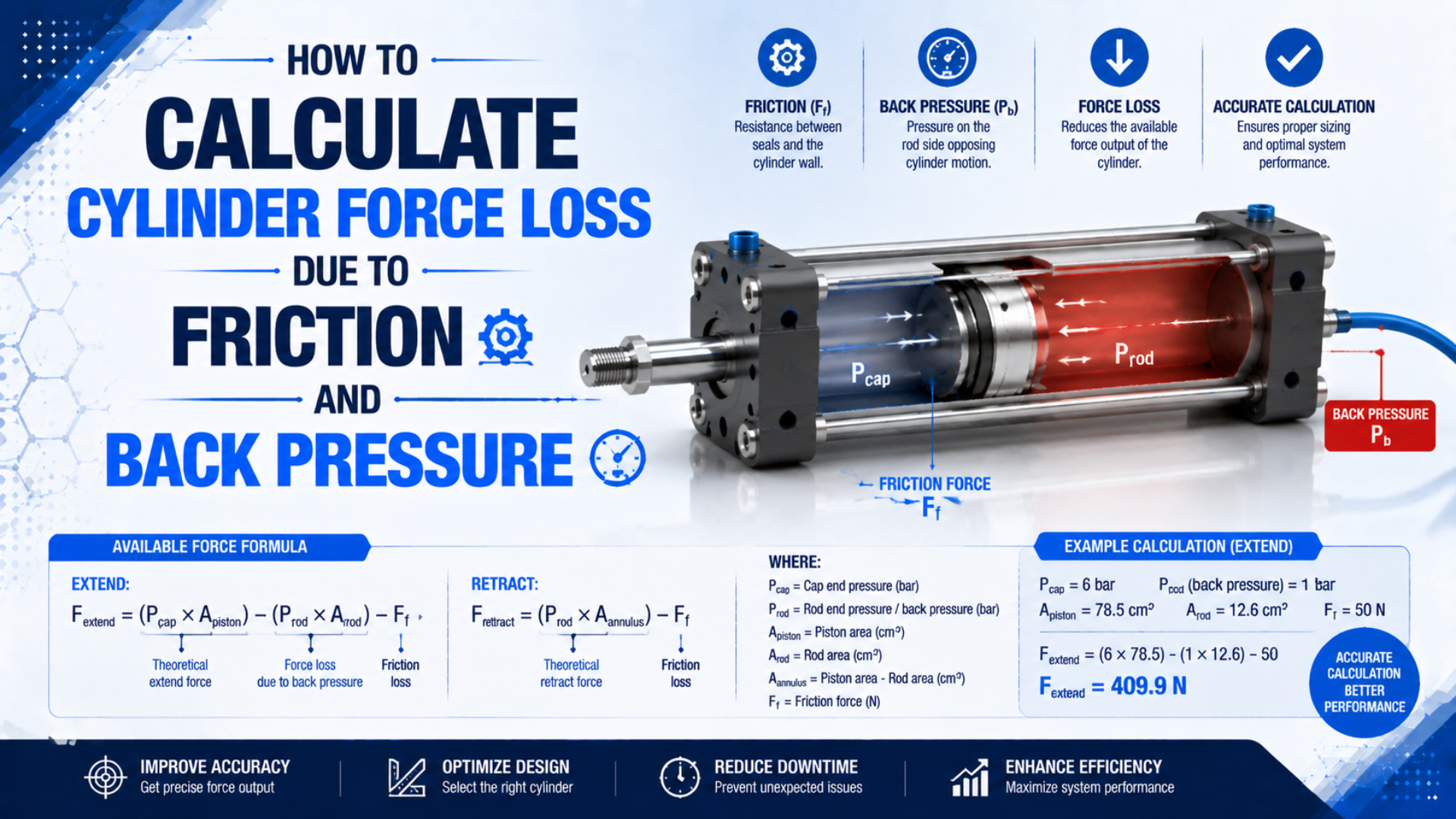
 How to Calculate Cylinder Force Loss Due to Friction and Back PressureCalculate actual pneumatic cylinder force from both chamber pressures, effective areas, and measured breakaway or running friction without relying on universal loss percentages.→
Blog Author
Jack Chen
Hello, I'm Jack, a Bepto Pneumatic pneumatics engineer. I help review cylinder sizing, rodless replacement details, stroke, guides, mounting, seals, and load direction.
Author Reading Path
Articles by Jack Chen
179 articles sorted newest first for readers who want one author's pneumatic selection notes in one place.
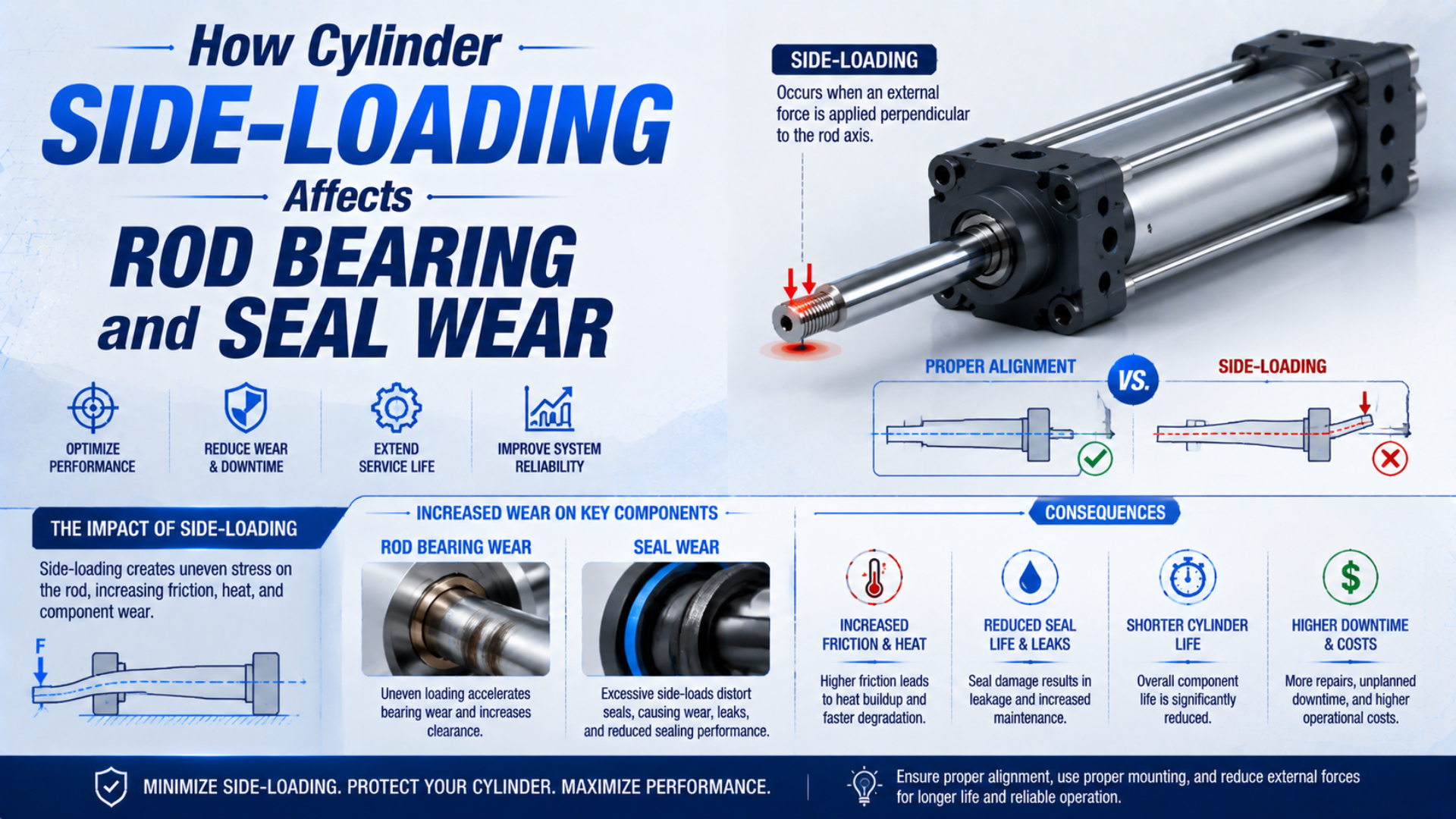 How Cylinder Side-Loading Affects Rod Bearing and Seal WearSee how cylinder side-loading creates bearing edge contact, why Festo rates force and moment separately, and how to diagnose one-sided seal wear in service.→
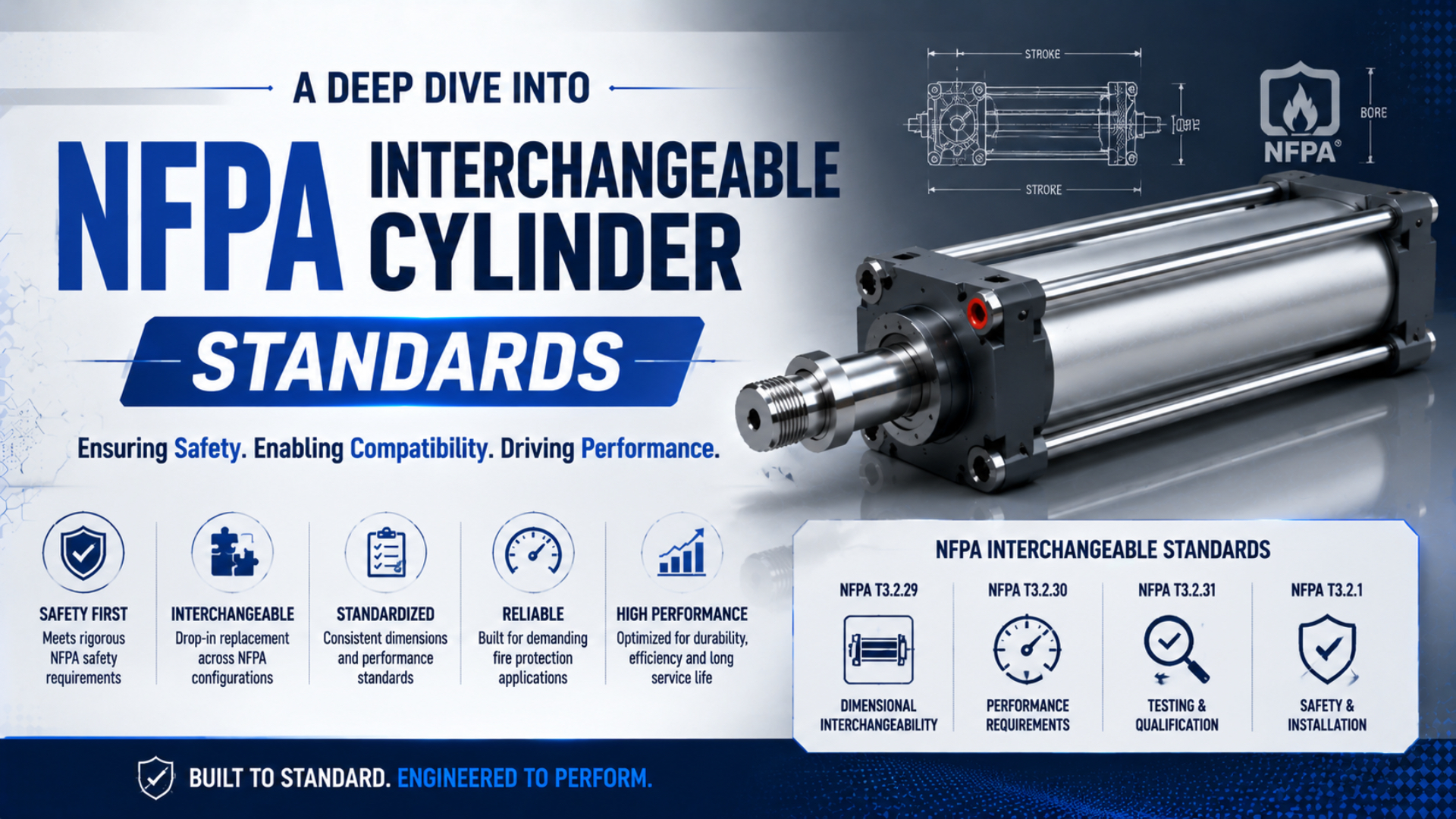 A Deep Dive into NFPA Interchangeable Cylinder StandardsLearn what NFPA/T3.6.7 R3-2009 (R2024) standardizes, decode 13 mounting styles, compare drawings, and validate cylinder replacements safely across suppliers.→
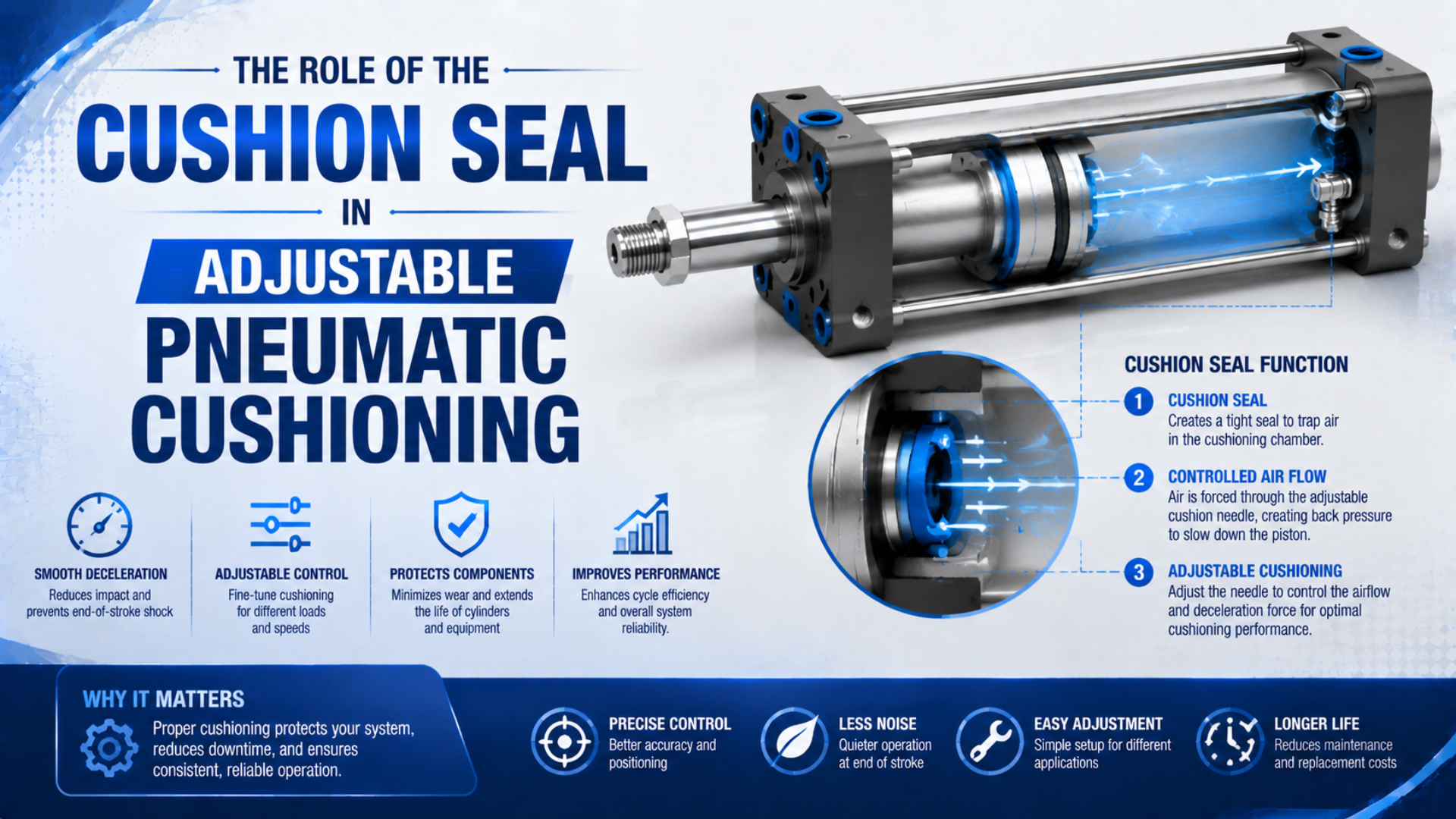 The Role of the Cushion Seal in Adjustable Pneumatic CushioningLearn how a cushion seal traps exhaust air, acts as a return-stroke check valve, and why Parker rates one profile to 16 bar and 1 m/s before selection.→
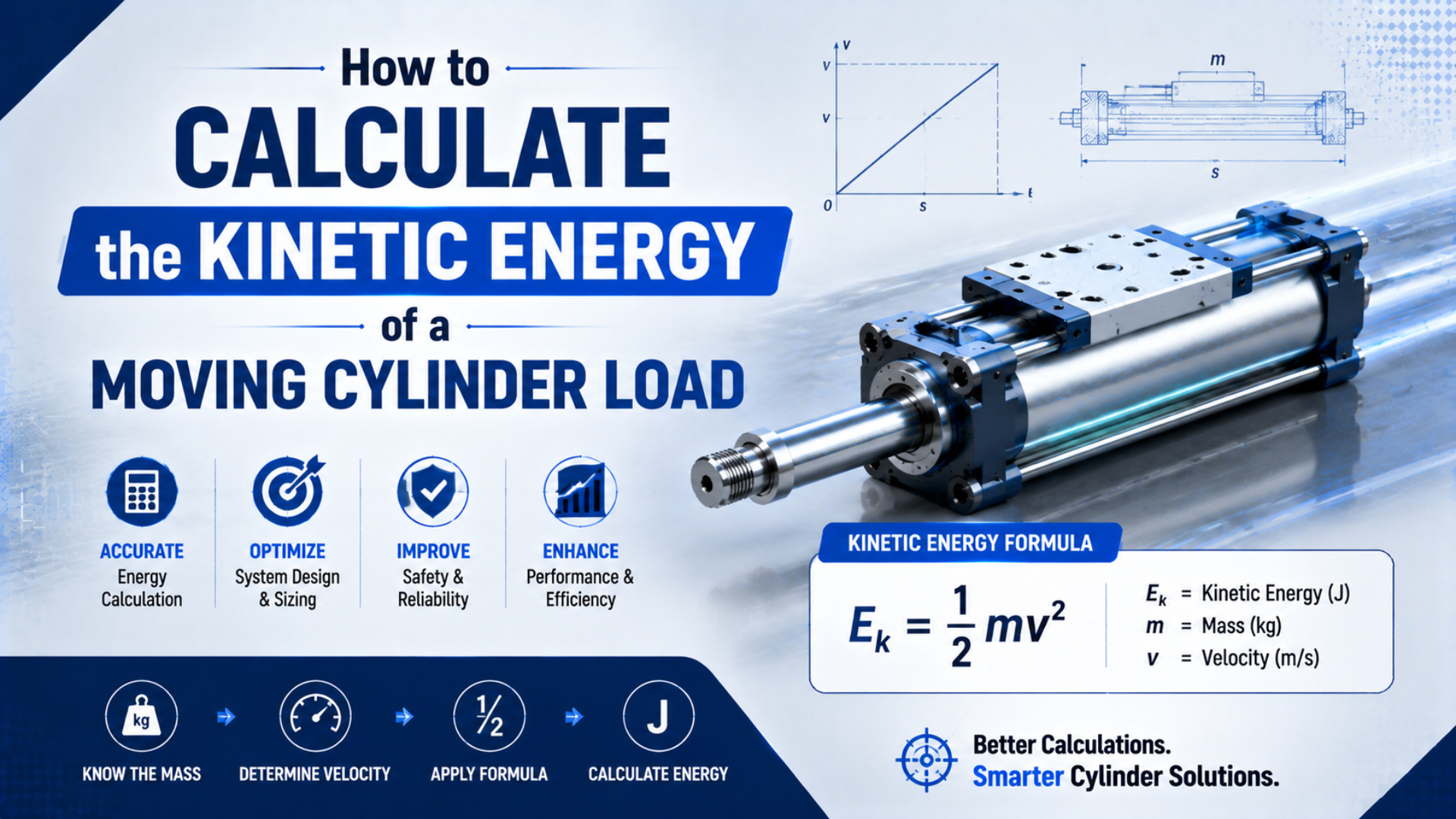 How to Calculate the Kinetic Energy of a Moving Cylinder LoadCalculate moving cylinder load energy with KE = 1/2mv2, a 50 kg at 2 m/s example, cushion-entry speed checks, and model-specific catalog comparison steps.→
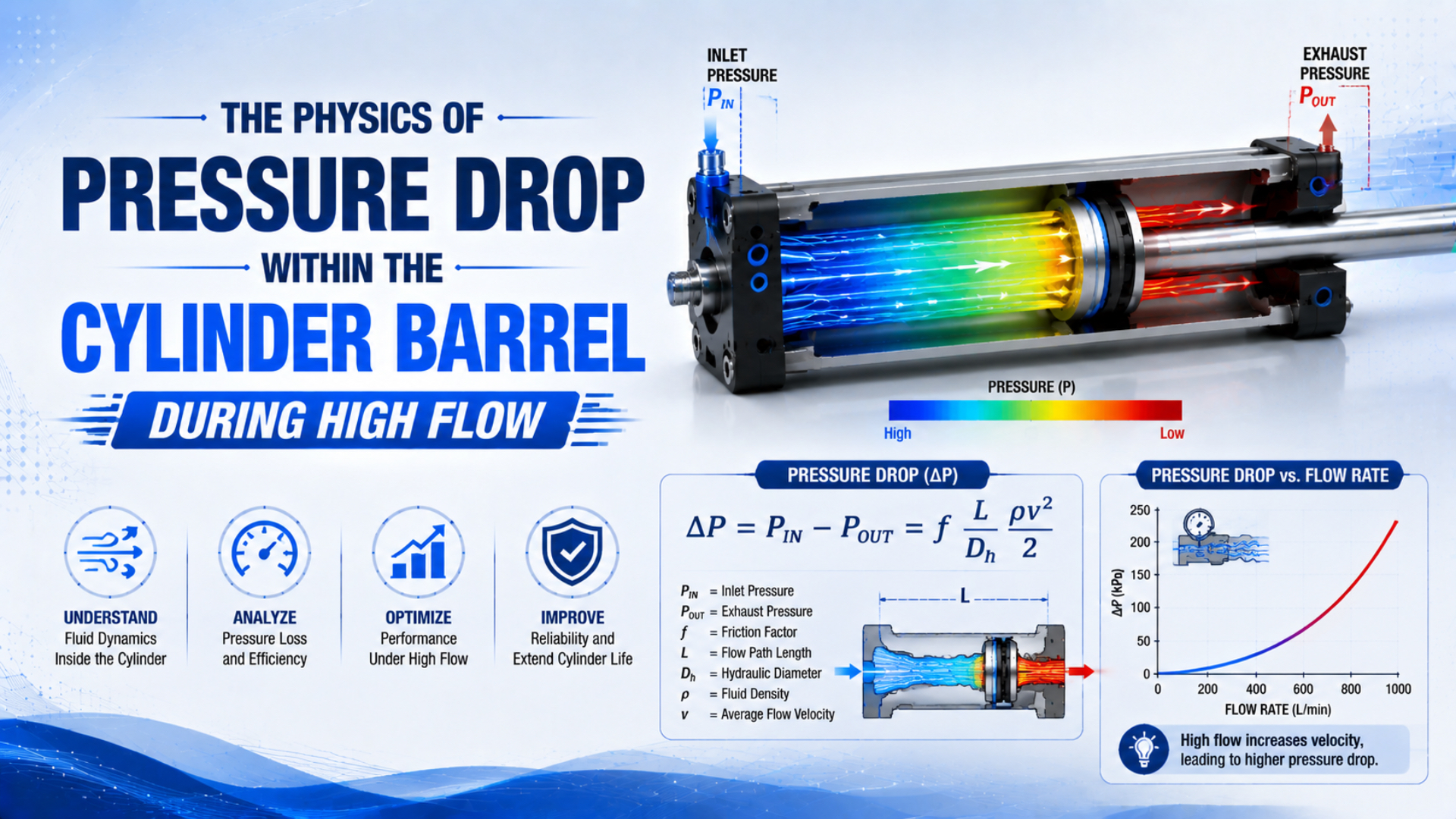 The Physics of Pressure Drop Within the Cylinder Barrel During High FlowLearn why ISO 6358 excludes cylinders from steady-state flow tests, model 2 moving chambers, measure dynamic pressure, and diagnose high-flow losses safely.→
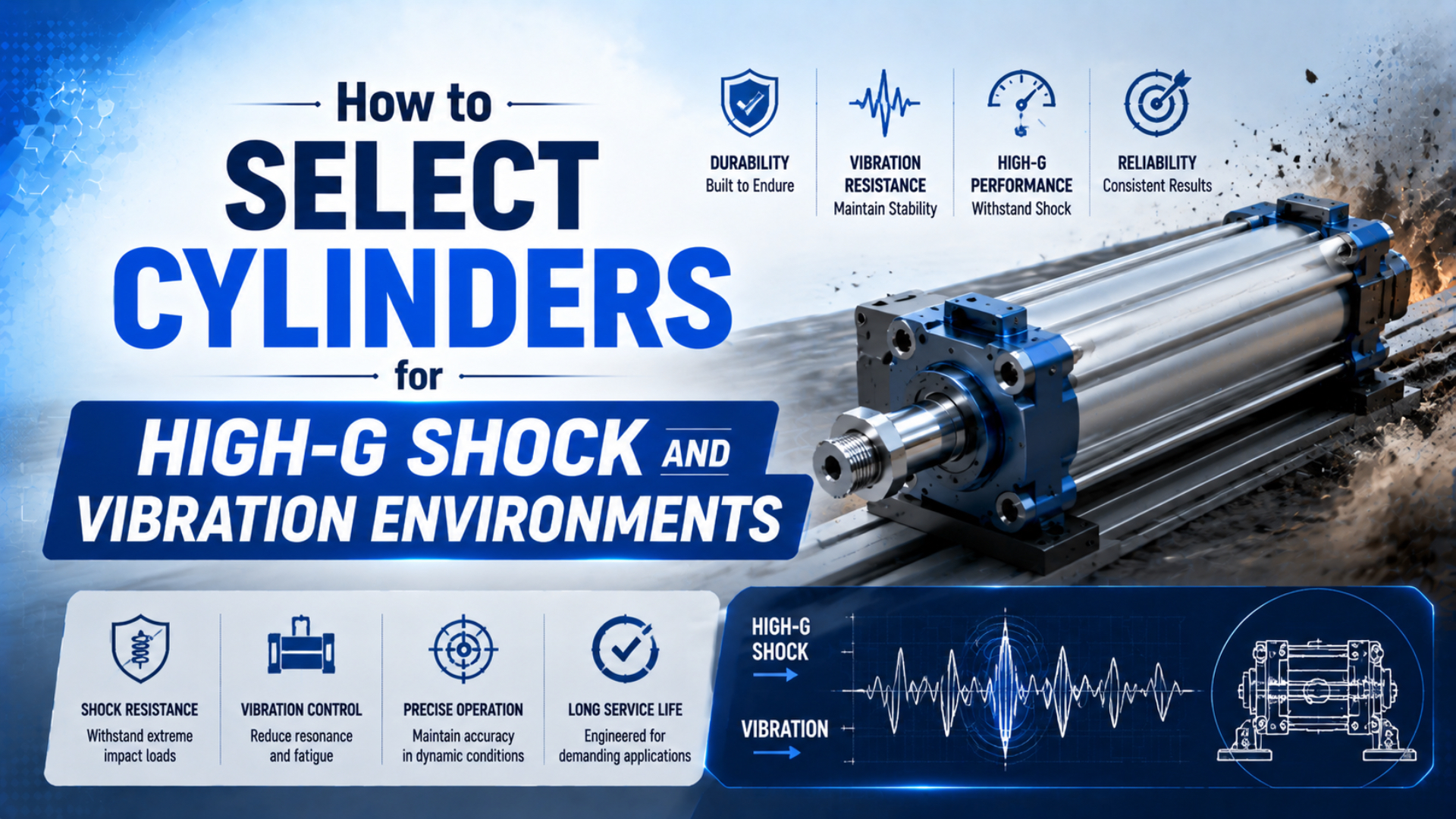 How to Select Cylinders for High-G Shock and Vibration EnvironmentsSelect high-G pneumatic cylinders by converting 1 g = 9.80665 m/s² into force and moment, then verify mounts, guides, cushioning, and vibration tests.→
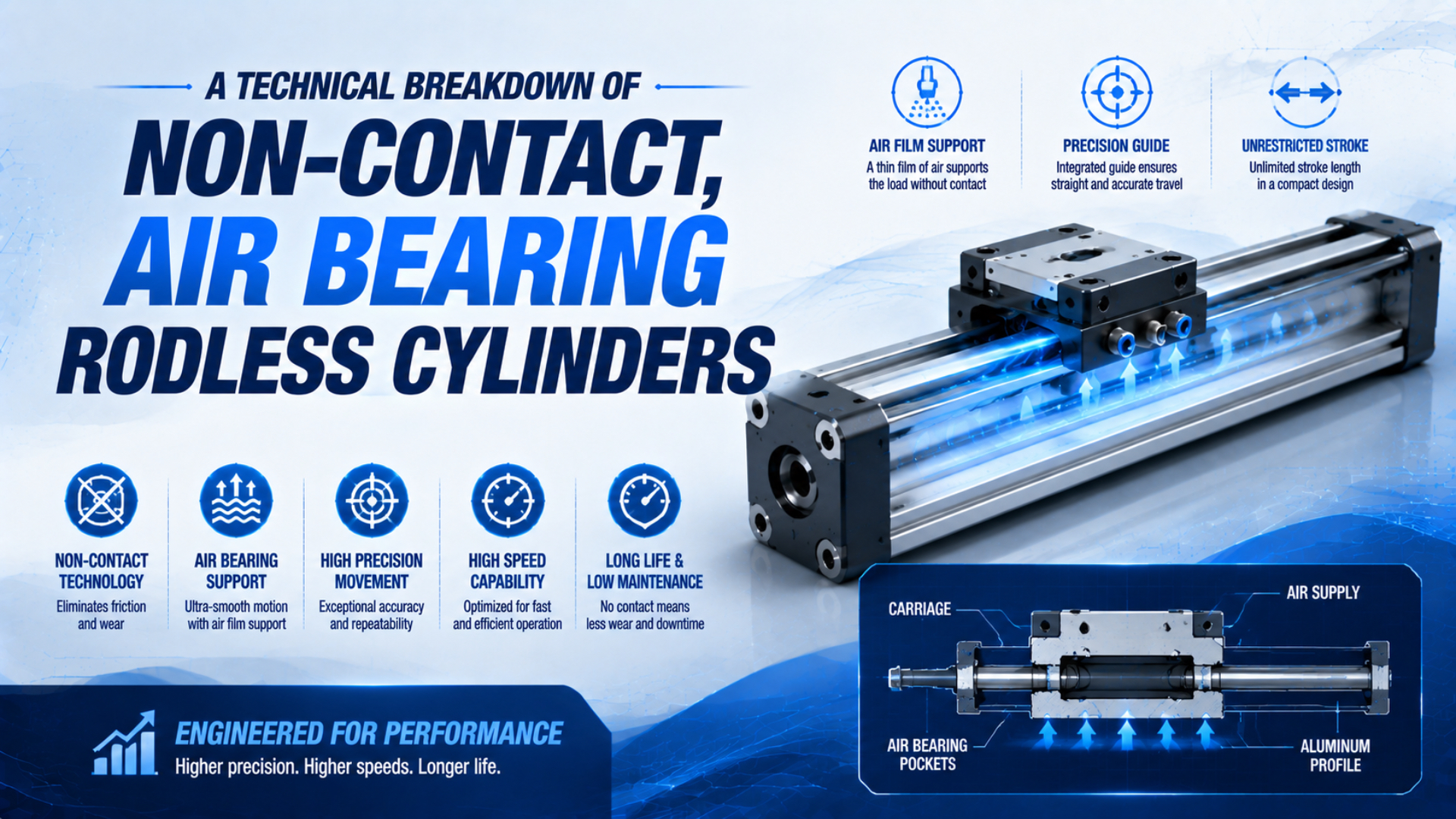 A Technical Breakdown of Non-Contact, Air Bearing Rodless CylindersUnderstand an air-bearing rodless axis through a 4-layer architecture covering drive, guide, encoder, safety, load, stiffness, air quality, and selection.→
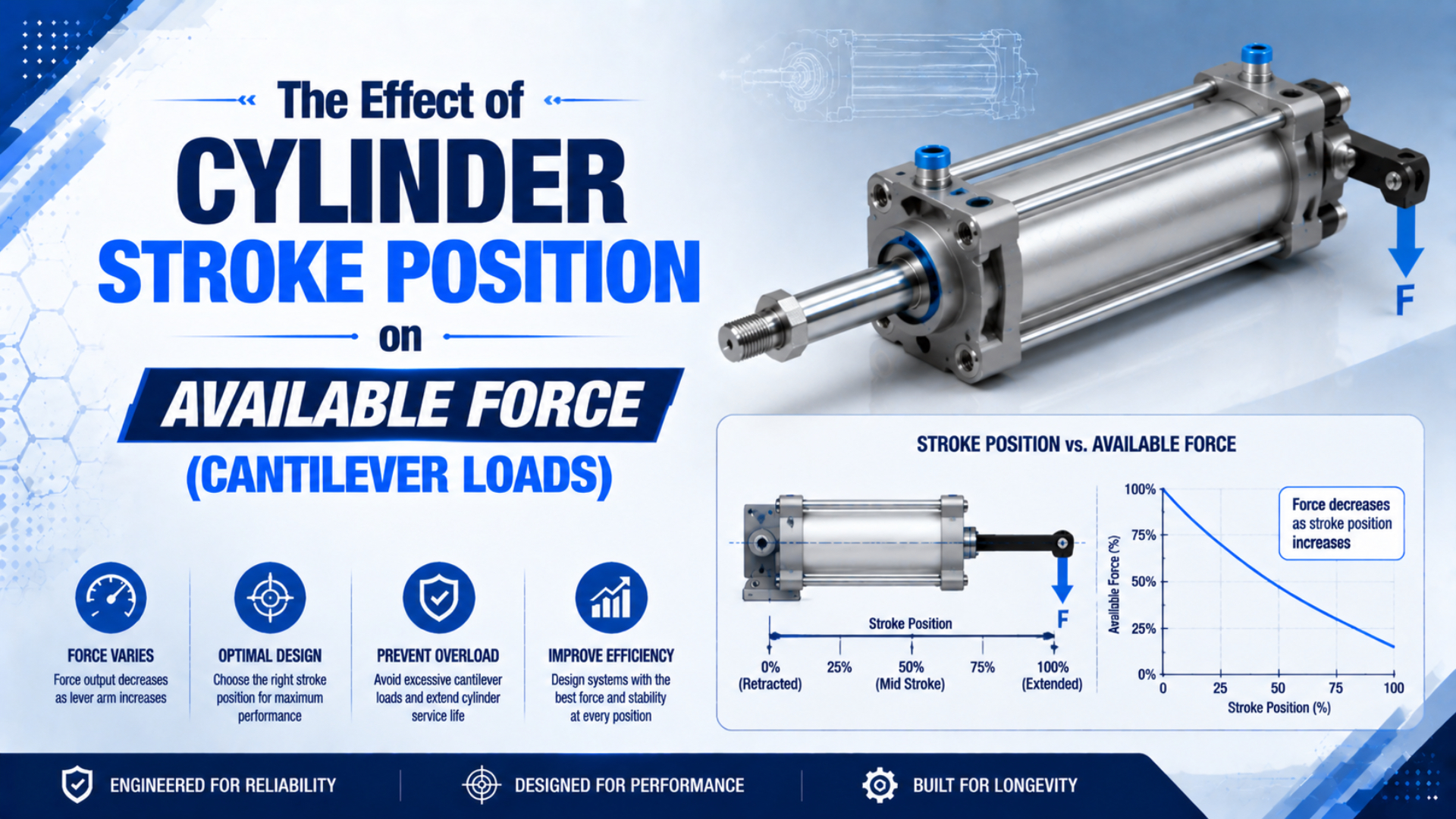 The Effect of Cylinder Stroke Position on Available Force (Cantilever Loads)Learn why cylinder stroke position does not directly change pressure-generated thrust, yet can sharply change cantilever moment, deflection, and buckling margin.→